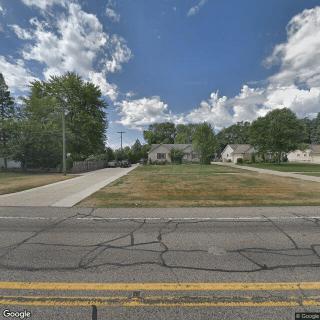
Newburgh Home is an assisted living community in Westland, MI.
Information last verified:
8285 Newburgh, Westland, MI 48185
For more information about senior living options: (866) 208-4318
3.5 from 119 reviews
5 stars
57
4 stars
12
3 stars
12
2 stars
5
1 stars
33
Overall Review of Newburgh Home
caveat22 reviews mention this
Staffing and response time concerns
Residents and families describe delays and staffing shortfalls that affected care.
A recurring complaint is slow response when residents needed help, including long waits for call lights and assistance with bathroom or personal needs. Several reviewers also describe missing items or care tasks not completed on schedule, like delayed baths, late medications, or not getting needed supplies. Some accounts connect those problems to understaffing and poor follow-through, with families reporting they had to advocate frequently to get attention. While some people praised individual caregivers, the staffing and timeliness issues come up often enough to be a key caution for prospective families.
common31 reviews mention this
Care teams and day-to-day kindness
Many residents and families report kind, caring staff during their stay.
Across reviews, families frequently describe staff members as attentive, respectful, and supportive, including nurses, aides, housekeeping, and therapy staff. Several people mention feeling comfortable and cared for, and some specifically note good communication within the caregiving team during day-to-day routines. Some reviewers also highlight particular staff members by name, describing professionalism and prompt attention to questions and needs. Even among mixed reviews, there are often pockets of strong praise for individual caregivers.
common24 reviews mention this
Physical, occupational, and rehab therapy
Rehab therapy is a frequent bright spot in resident experiences.
Many reviews praise physical therapy (and sometimes occupational therapy) as effective and motivating, with people describing progress toward mobility and personal goals. A number of families say the therapy team was attentive and helped residents work toward returning home. Even reviewers who had other concerns still often single out therapy as the strongest part of the stay. The community also offers multiple daily living supports that align with rehab needs like transfers and assistance with activities of daily living, which helps explain why therapy-focused feedback stands out.
caveat18 reviews mention this
Food quality is mixed
Food is praised by some, but others say it was inconsistent or cold.
Dining feedback runs both directions: some residents describe meals as satisfying, good, or having acceptable alternatives, while others complain about cold food or poor meal quality. A few reviews also mention specific diet issues, including controlled-carb or special dietary expectations not being met, which adds to the mixed experience. Others describe the dining room as pleasant or enjoyable, so the issue appears to depend on timing and execution rather than one uniform opinion. Overall, food quality shows up often enough to consider asking how meals are served and handled for special diets.
common16 reviews mention this
Clean, modern facility and rooms
Multiple reviewers describe the building as clean and well kept.
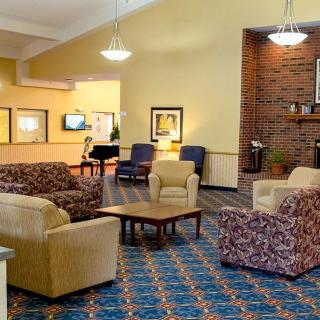
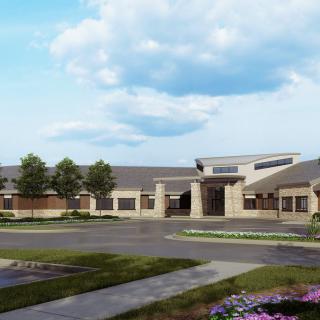
Several people comment that the facility looks clean and modern, and that common areas or rooms are maintained well. Some reviews mention private or comfortable room setups and an overall home-like feel. However, there are also a few negative accounts that describe sanitation problems or property litter, so cleanliness is not universally consistent. Still, positive cleanliness impressions appear frequently in the overall feedback.
How we summarize
Counts show how many written reviews mention each theme; a review can touch several themes, and only frequently mentioned themes are displayed.
Medicaid coverage for assisted living varies by state and is primarily available to low-income individuals, with eligibility dependent on strict income and asset limits. Some states offer HCBS waivers for specific services in assisted living, but families must generally cover room and board costs, and should verify facility acceptance of Medicaid while considering potential waiting lists.
Medicaid waivers for assisted living services provide vital support for seniors and individuals with disabilities in need of long-term care, with varying state-specific eligibility criteria and benefits. These waivers cover personal care and case management but often do not fully cover room and board, leading to waiting lists for many applicants.
The article examines the complexities of assisted living for individuals with disabilities, emphasizing the need for tailored care solutions that enhance quality of life and social inclusion, while addressing financial challenges and advocating for community integration. It discusses various housing options, the importance of financial assistance through public benefits, and highlights trends towards integrated and technology-driven solutions in disability-focused housing.
Get PricingAsk A QuestionSchedule A TourContact Senior Advisor
By clicking submit, you agree to our Partner's Terms of Use. You
also consent to receive calls and texts, which may be autodialed, from our Partner. Your consent is not a condition to
using our Partner's service. Please visit our Partner's Privacy Policy for information about their privacy practices.

 6 resident community capacity
 Assisted Living
 Cable or satellite TV
 Dining room
 Fully furnished
 Garden
 Housekeeping services
 Move-in coordination
 Outdoor space
 Telephone
 Wi-Fi/high-speed internet available
 Detroit Metropolitan-Wayne County (10 miles away)
 24-hour supervision
 Activities of daily living assistance
 Assistance with bathing
 Assistance with dressing
 Assistance with transfers
 Diabetes diet
 Meal preparation and service
 Medication management
 Special dietary restrictions
 Transportation arrangement (medical)
 Transportation to doctors appointments
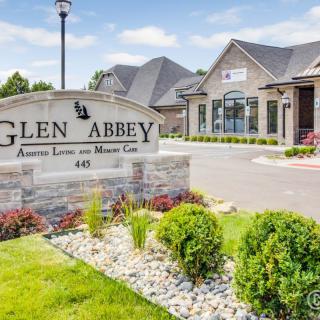
 Caring staff and a clean, engaging environment.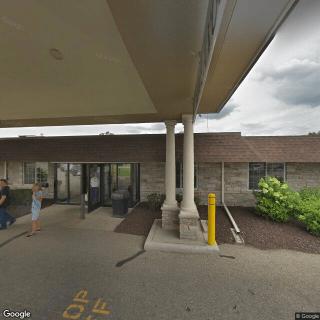

 How and When Medicaid May Cover Assisted Living Costs
 A Detailed Exploration of Assisted Living Medicaid Waivers Across the United States
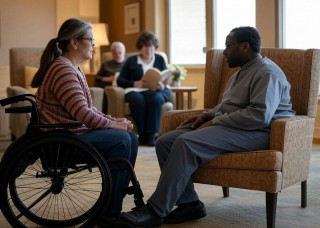 Comprehensive Residential Support and Assisted Living Solutions for Individuals with Disabilities