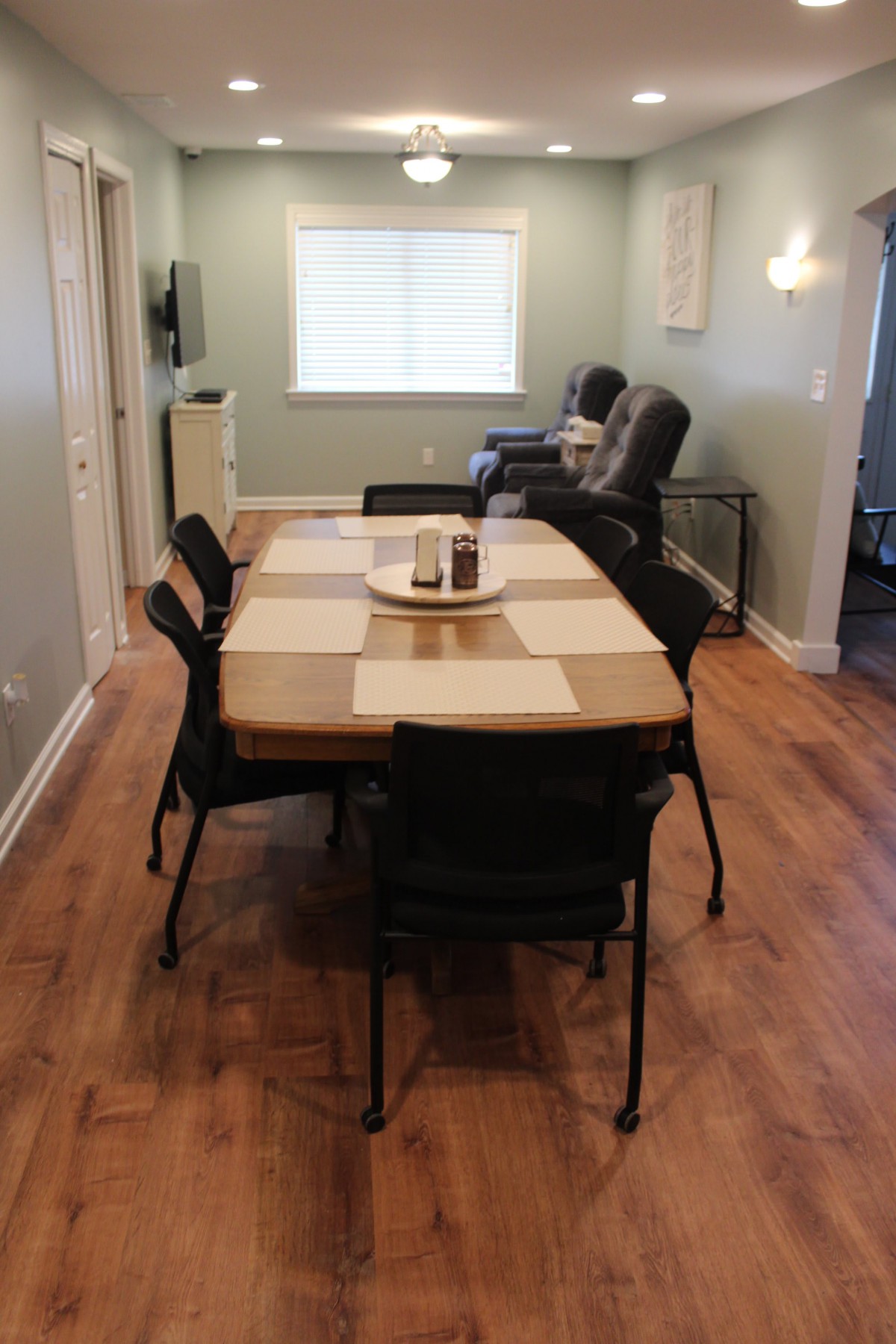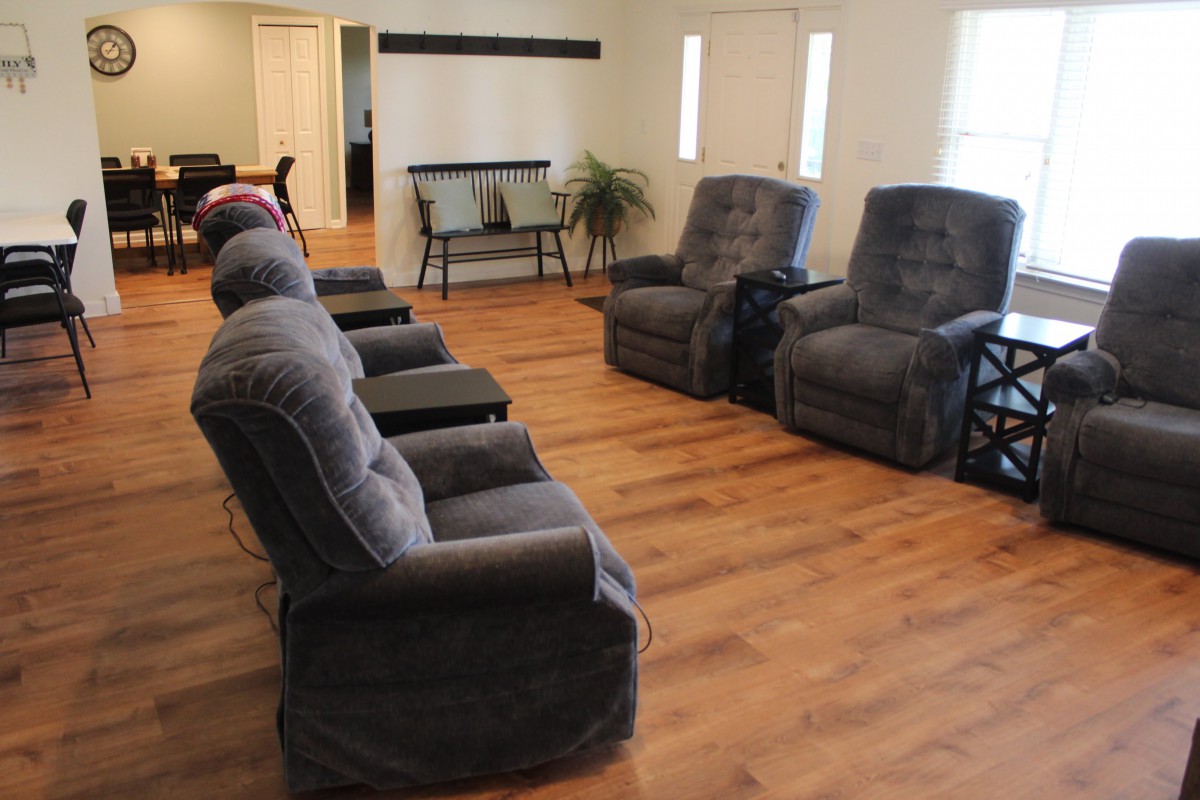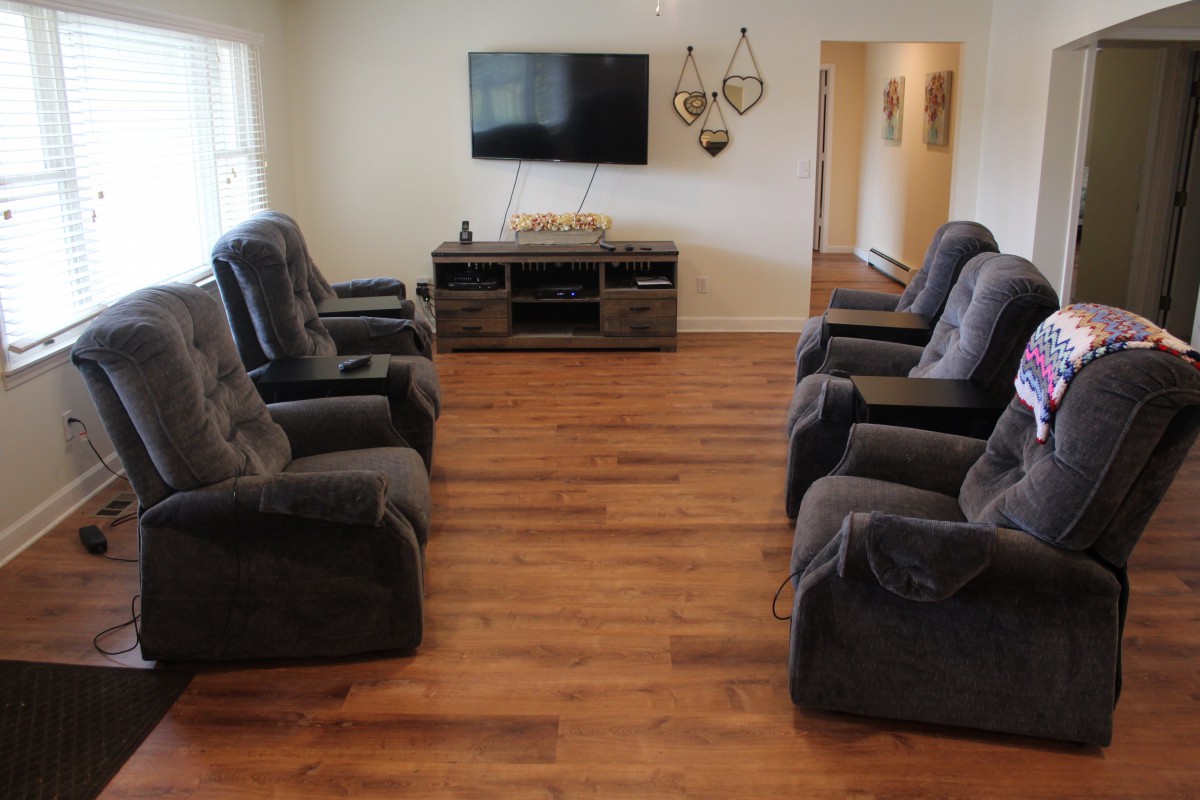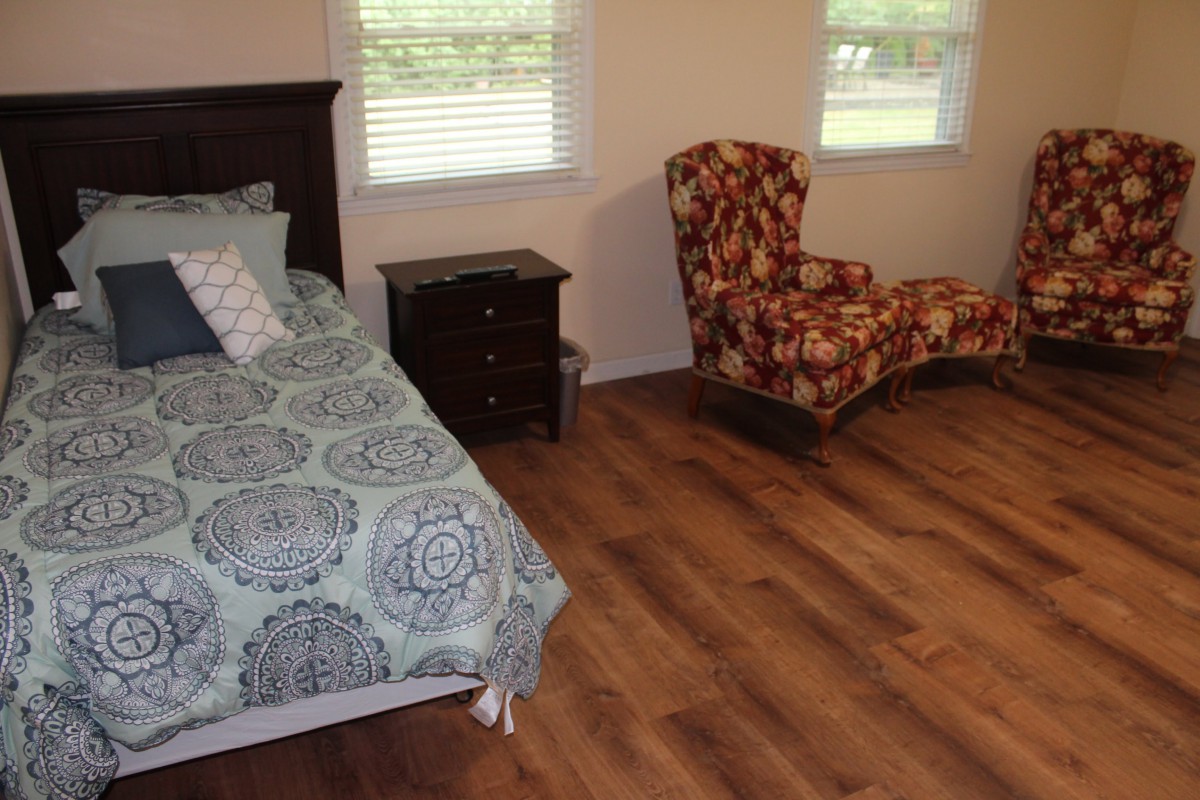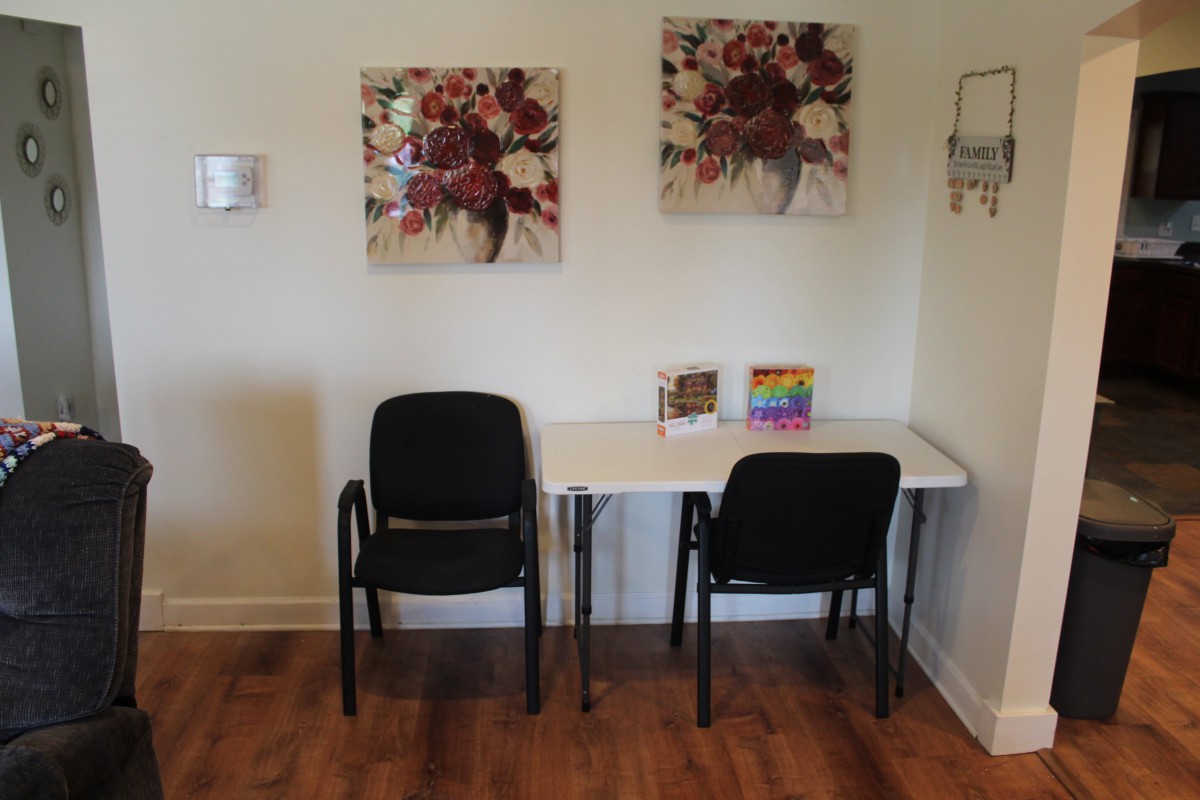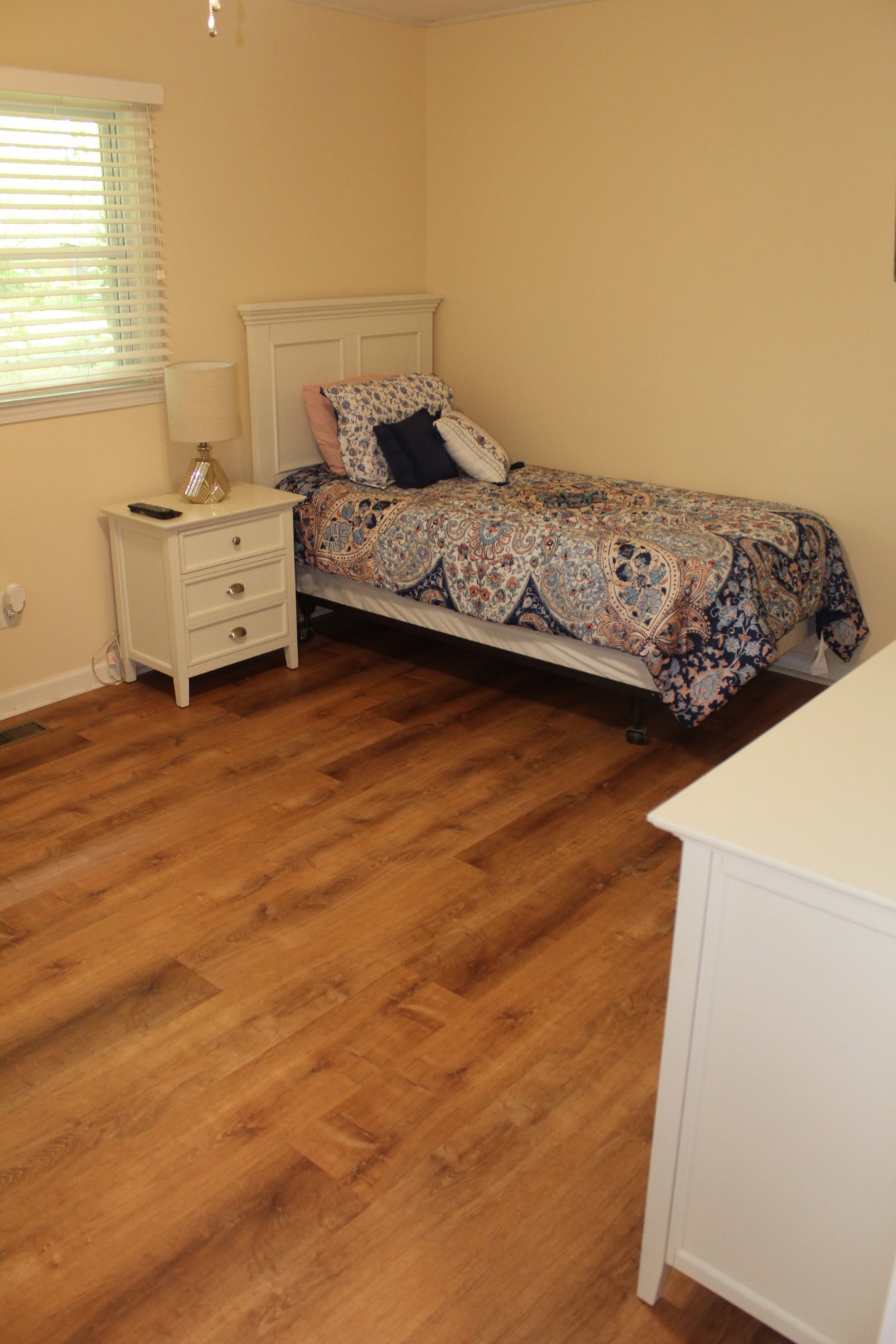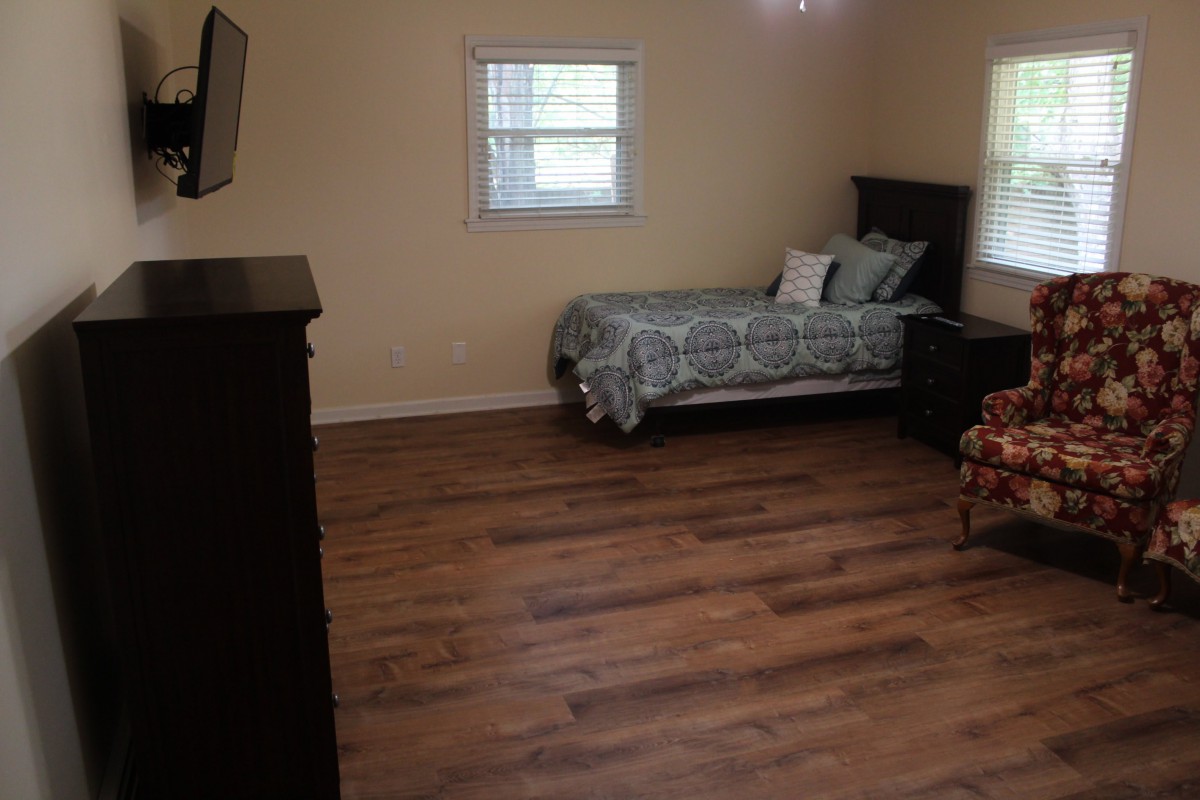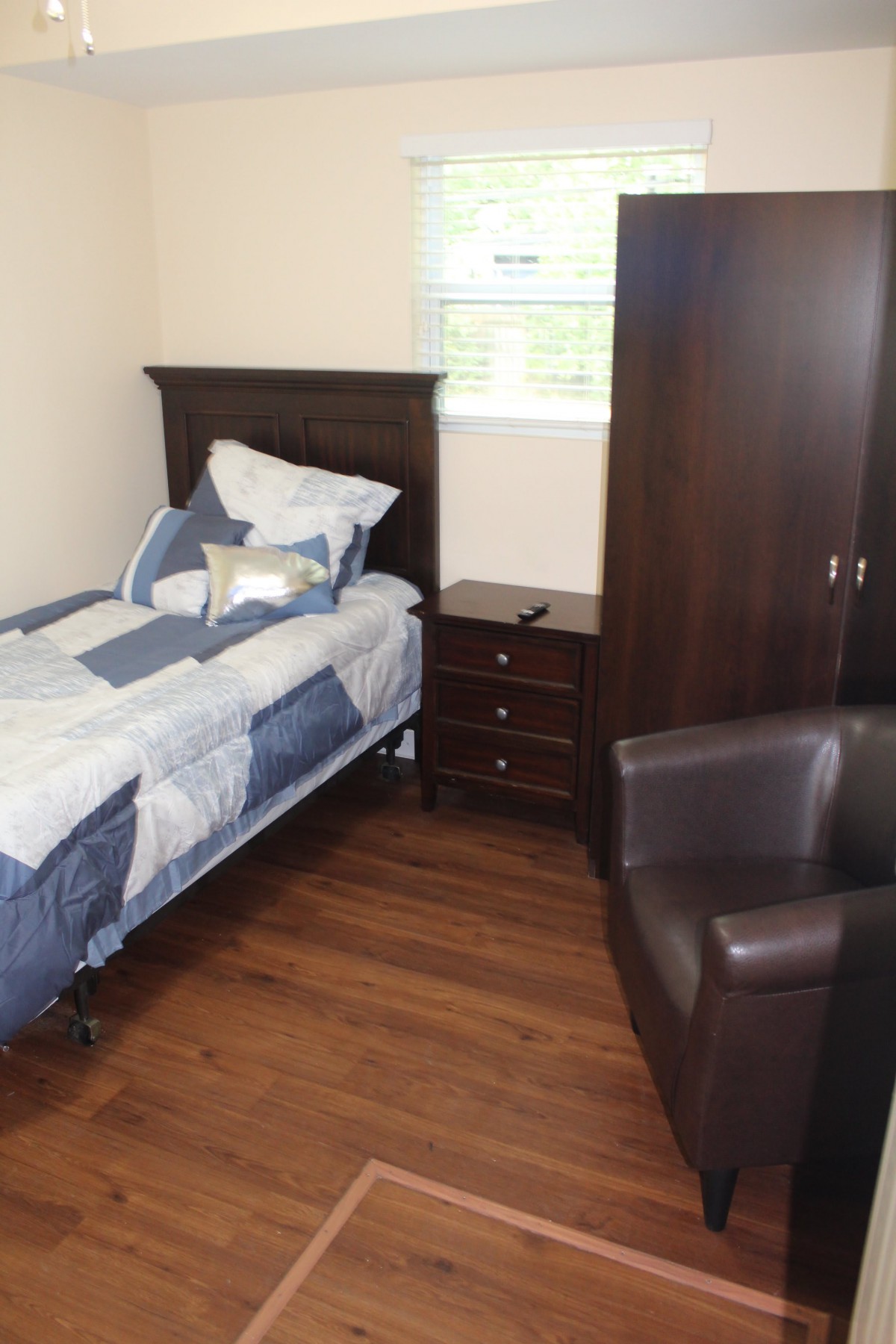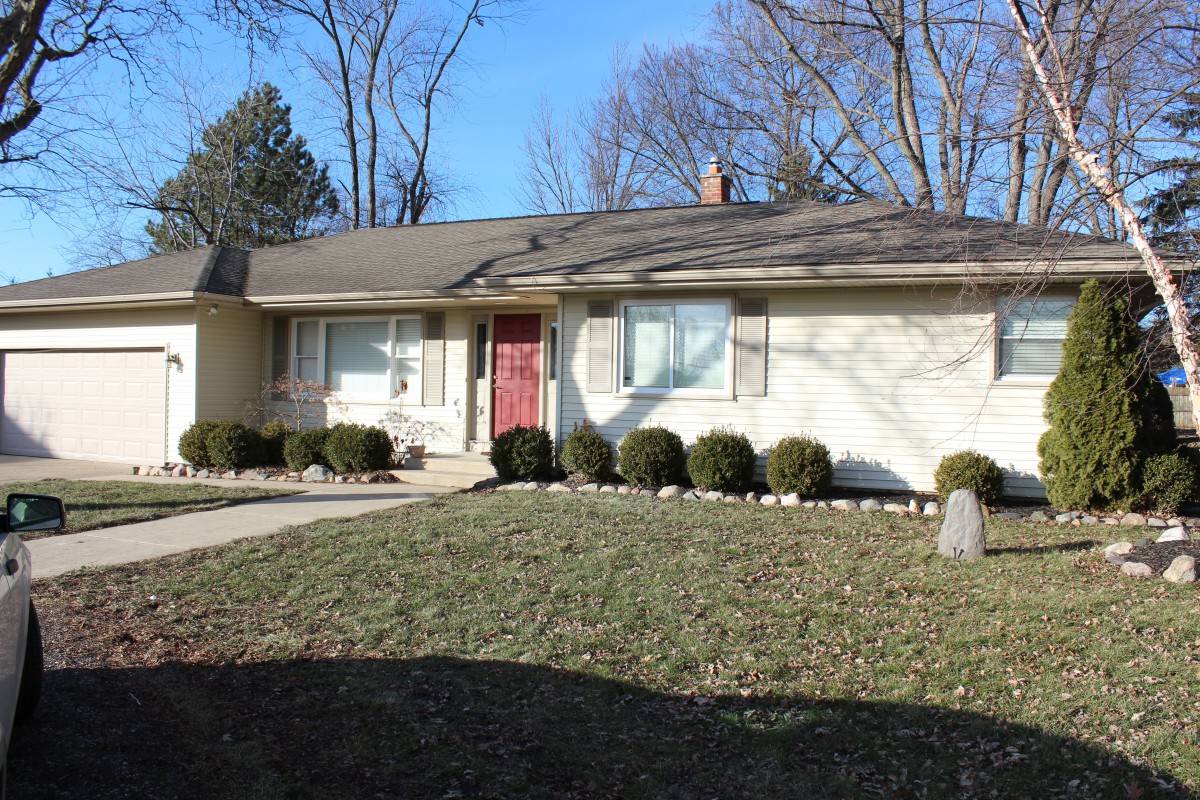
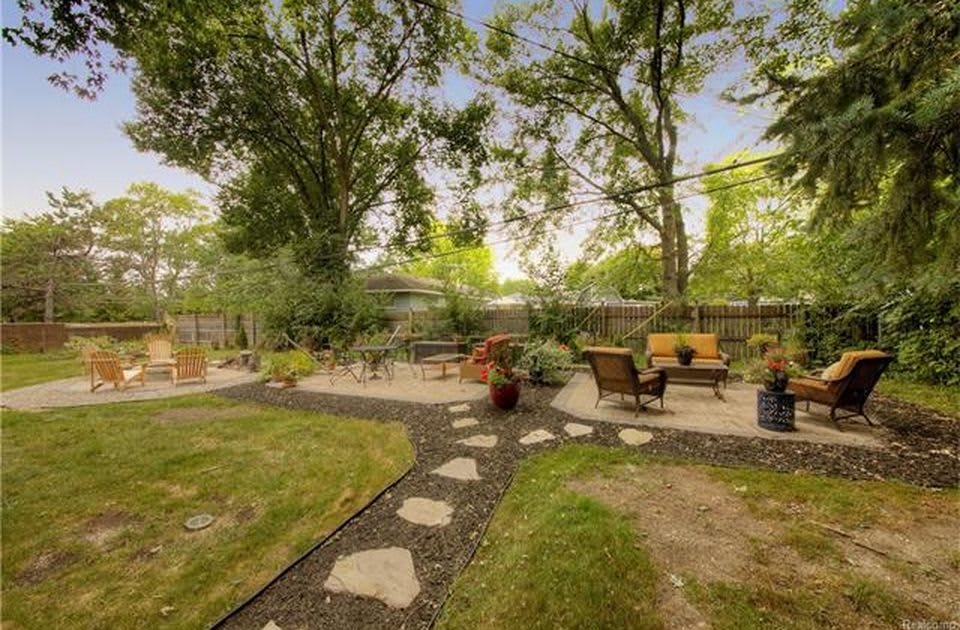
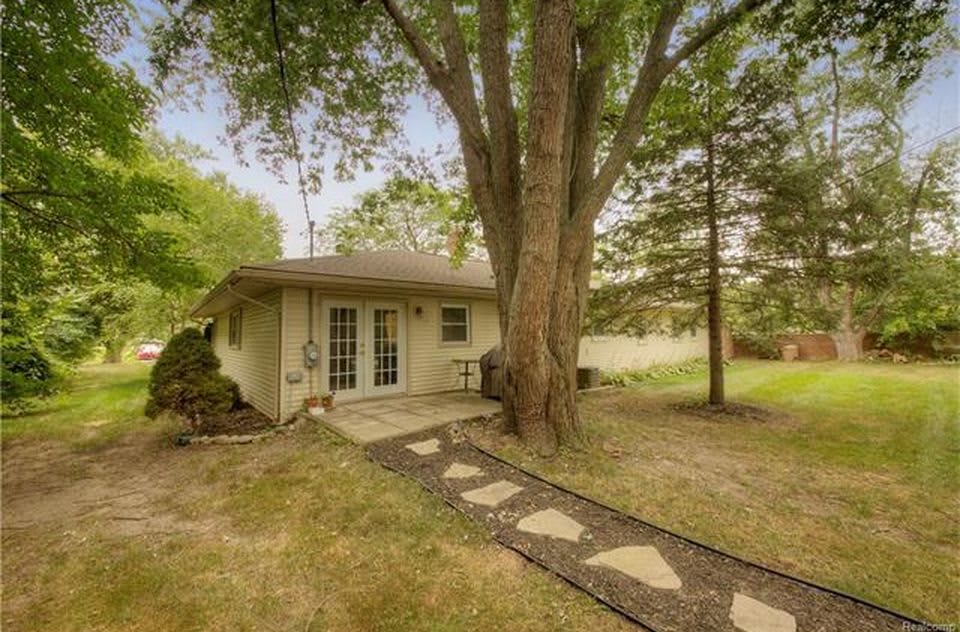
45350 W 10 Mile Rd, Novi, MI 48375
To contact a resident: (800) 379-3860
For more information about senior living options: (866) 208-4318
Heartfelt Ten Mile Home Costs & Pricing
Heartfelt Ten Mile Home offers a competitive pricing structure for its accommodation options, particularly when compared to the broader market in Oakland County and throughout Michigan. For a one-bedroom unit, residents can expect to pay $4,500 per month, which is notably higher than the county average of $3,507 and the state average of $3,384. Similarly, the cost for private rooms at Heartfelt Ten Mile Home also stands at $4,500, exceeding the county's average of $3,708 and Michigan's average of $3,675. While the costs may be higher than those typically found in the surrounding areas, they reflect Heartfelt Ten Mile Home's commitment to providing quality care and an enriching environment for its residents.
| Floor plans | Heartfelt Ten Mile Home | Oakland County | Michigan |
|---|---|---|---|
| Private | $4,500 | $3,708 | $3,674 |
| 1 Bedroom | $4,500 | $3,507 | $3,384 |
Memory care communities with a similar price nearby
-
from +$500 / mo
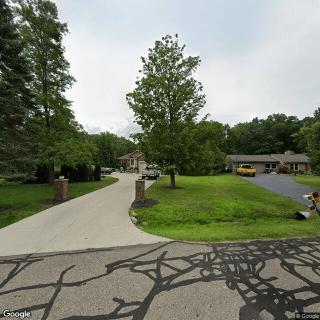
Greencastle Family Care
$5,000 / month8.5 miles away -
from -$700 / mo
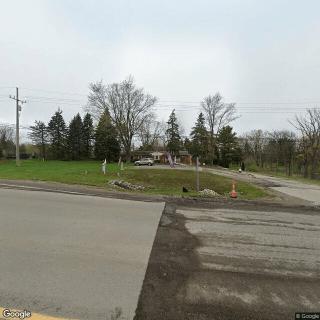
Silverbell Manor
$3,800 / month22.6 miles away -
from -$500 / mo
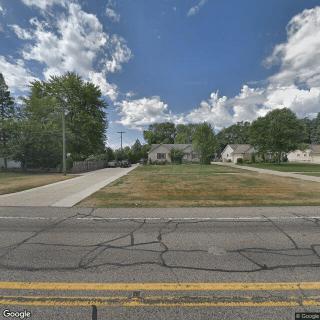
Grace Homecare
$4,000 to $4,500 / month8.7 miles away -
from -$250 / mo
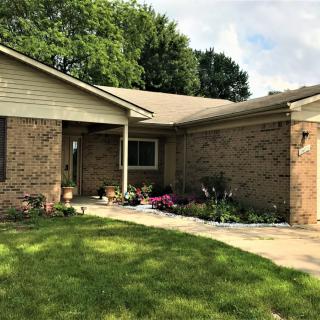
Aiello Adult Foster Care
$4,250 to $4,500 / month24.8 miles away -
About the same
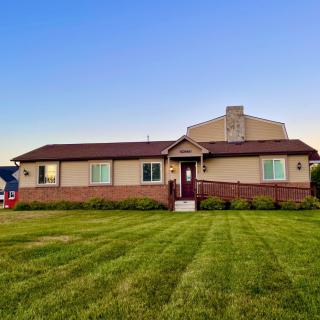
Hearthstone Communities Sterling I
$4,500 / month22.0 miles away
Overall Review of Heartfelt Ten Mile Home
Cons
 They market themselves as a memory care community, but they are not able to manage the higher-end care needs.
- The food provided is not what was promised.
- They serve a lot of frozen and processed foods, not fresh fruits and vegetables.
- They do not have the staffing to manage the needs of all the residents.
- Most of the time they only have one person to help with the residents and prepare meals.
Review
Heartfelt Ten Mile Home in Novi is best suited for seniors whose needs are modest and who place value on memory-care branding in a localized, approachable setting. Families drawn to a smaller operation that promises memory-supportive routines will find enough structure to feel attended to, provided expectations stay grounded about staffing and dining quality. For residents who primarily need supervision, reminders, and help with daily tasks, and who can tolerate occasional gaps in responsiveness, this community can be a workable choice.
Those with higher acuity memory care needs , frequent wandering, challenging behaviors, complex medication regimens, or the need for intensive daily assistance , should actively consider alternatives. The essential constraint cited is staffing, with reports of often only a single person available to assist residents and handle meal preparation. In such a configuration, the capacity to manage multiple residents with varied and demanding needs is limited, making communities with stronger caregiver-to-resident ratios a safer bet for sustained quality of care.
On the positive side, the emphasis on memory care signals a structured environment with routines and safety considerations designed to support cognitive challenges. The marketing focus suggests a level of staff familiarity with memory-related needs and predictable daily patterns, which can reduce anxiety for families seeking consistency. Residents who respond well to routine and a steady caregiving approach may benefit from this framework, as long as staffing realities align with the promised structure.
Yet the advantages are overwhelmed by the primary drawbacks. The dining experience described, frozen and heavily processed foods with few fresh fruits and vegetables, undermines nutrition, enjoyment, and dietary satisfaction, and raises concerns for residents who require individualized meal plans or texture-modified options common in memory-care settings. More crucially, the ongoing staffing shortage translates into slower responsiveness, limited individualized attention, and a higher risk of unmet needs in mobility support, medications, and daily assistance. This combination frequently erodes day-to-day safety and quality of life when shifts are busy.
For families evaluating this community, concrete evidence matters more than marketing gloss. Request a current daily schedule, a transparent breakdown of staff-to-resident ratios across all shifts, and a current sample menu with options for common dietary restrictions. Observe a tour with attention to how quickly staff respond, how meals are served and adapted, and how caregivers engage with residents who have memory challenges. Seek candid references from current or recent families and, if possible, arrange a short-term stay to test real-world dynamics. Have a contingency plan if care gaps emerge, including a clear path to transition to a higher-capacity facility if needed.
Bottom line: Heartfelt Ten Mile Home can function as a viable option for those prioritizing location, a lighter operational footprint, and a memory-care marketing umbrella, provided expectations are aligned with realities of staffing and dining. For anyone whose priority is reliable, higher-quality memory care with robust staffing and nourishing meals, alternatives deserve careful and thorough consideration. The decision should be grounded in a practical assessment of daily care needs, the reliability of staffing, and whether dining practices consistently meet the resident’s health and quality-of-life standards.
 Board and Care Home
 Memory Care
 Activities on-site
 Air-conditioning
 Beautician on-site
 Devotional services off-site
 Ground floor units
 Indoor common areas
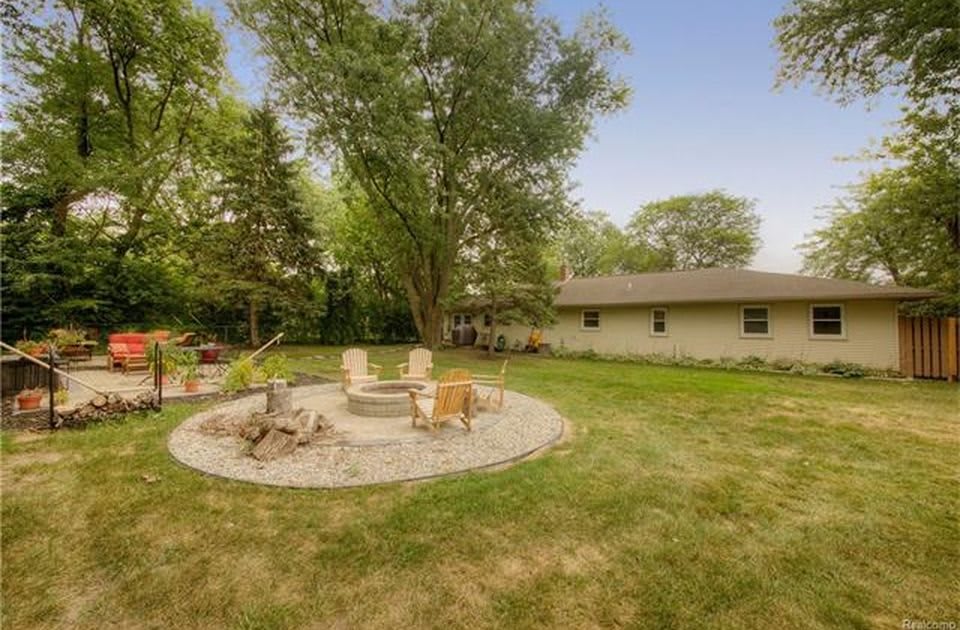
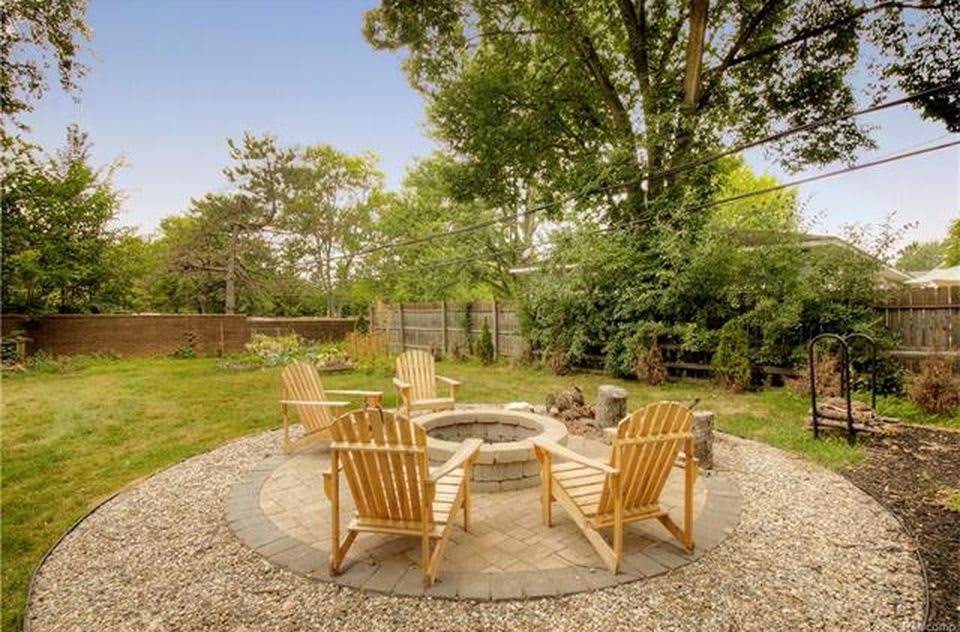
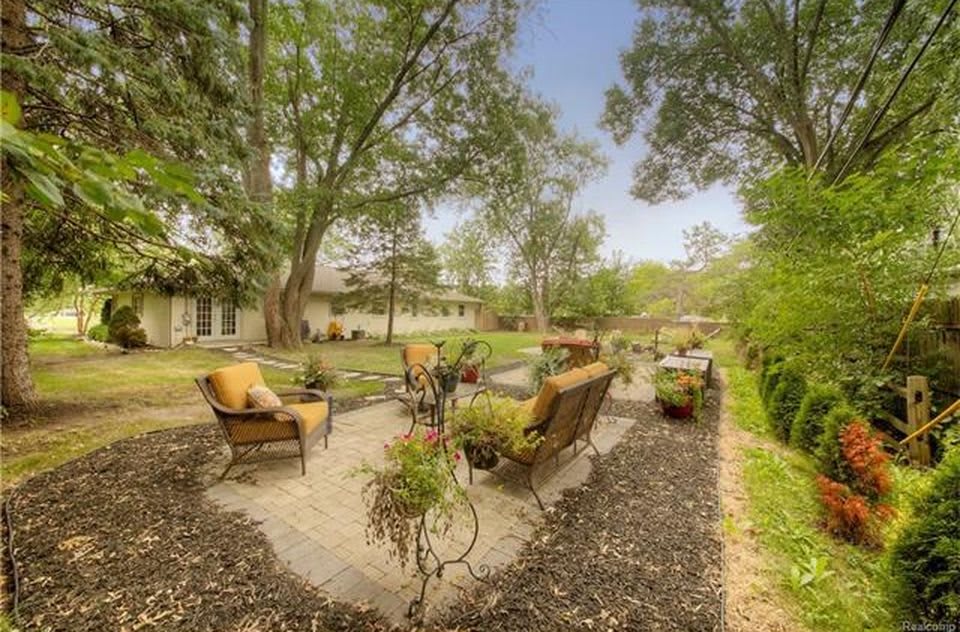
 Outdoor common areas
 Private
 Respite or short term stays offered
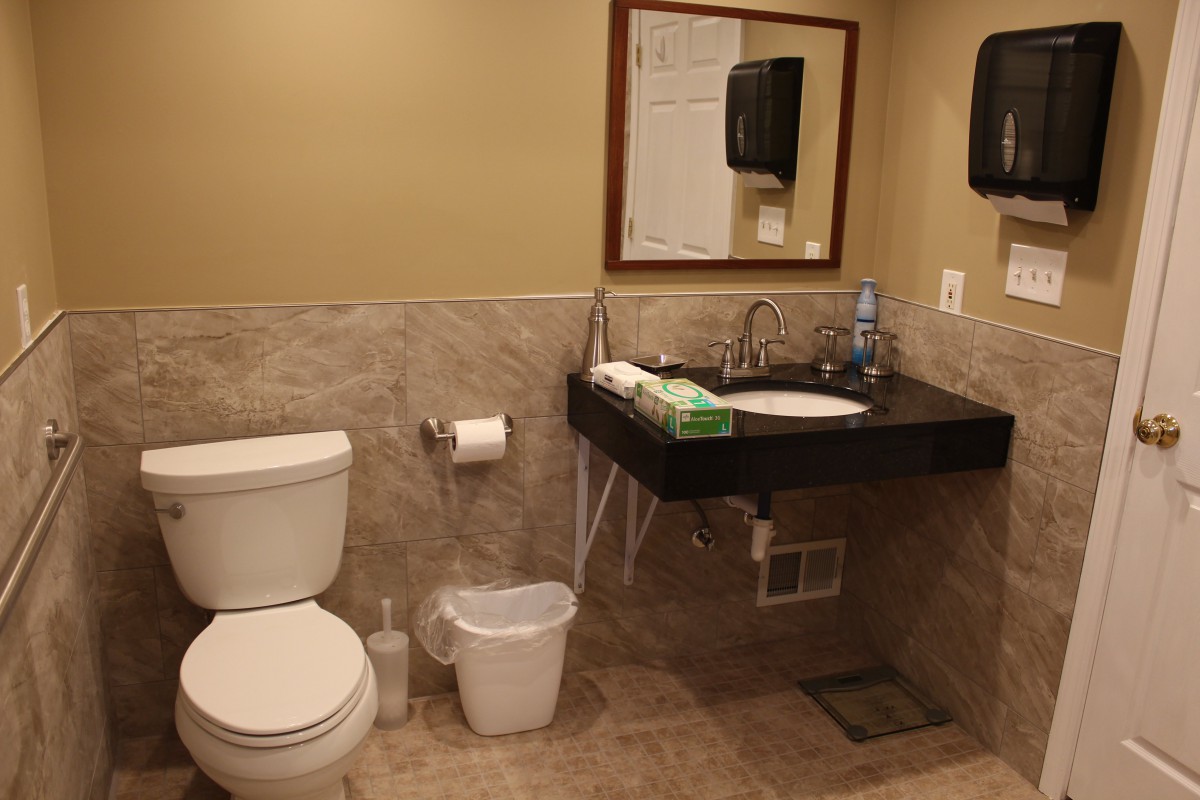
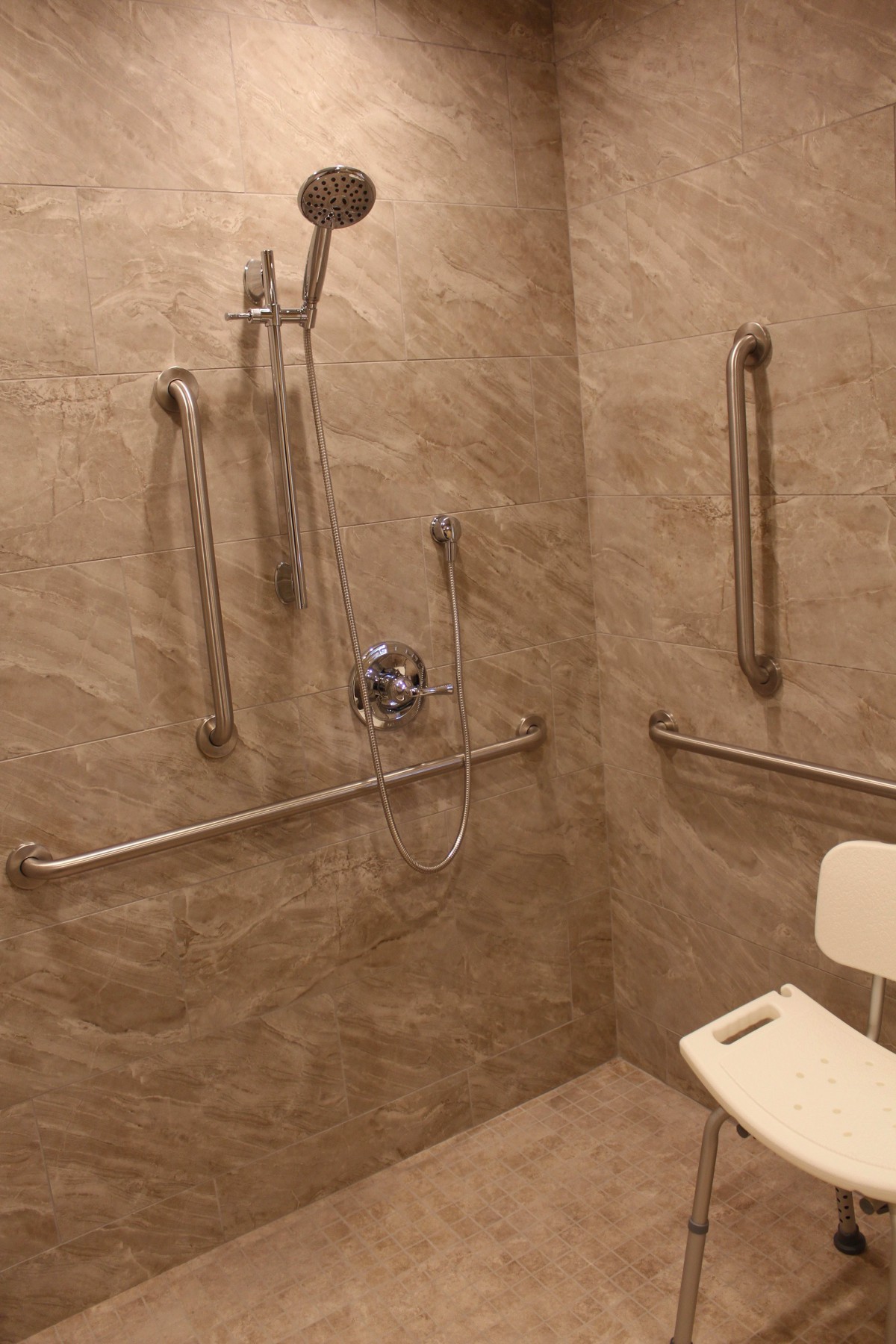
 Wheelchair accessible showers
 Detroit Metropolitan-Wayne County (19 miles away)
 Ambulatory care
 Diabetic care
 High acuity care
 Incontinence care
 Medication management
 Gluten-free
 Art classes
 BBQs or picnics
 Holiday parties
 Pet-focused programs
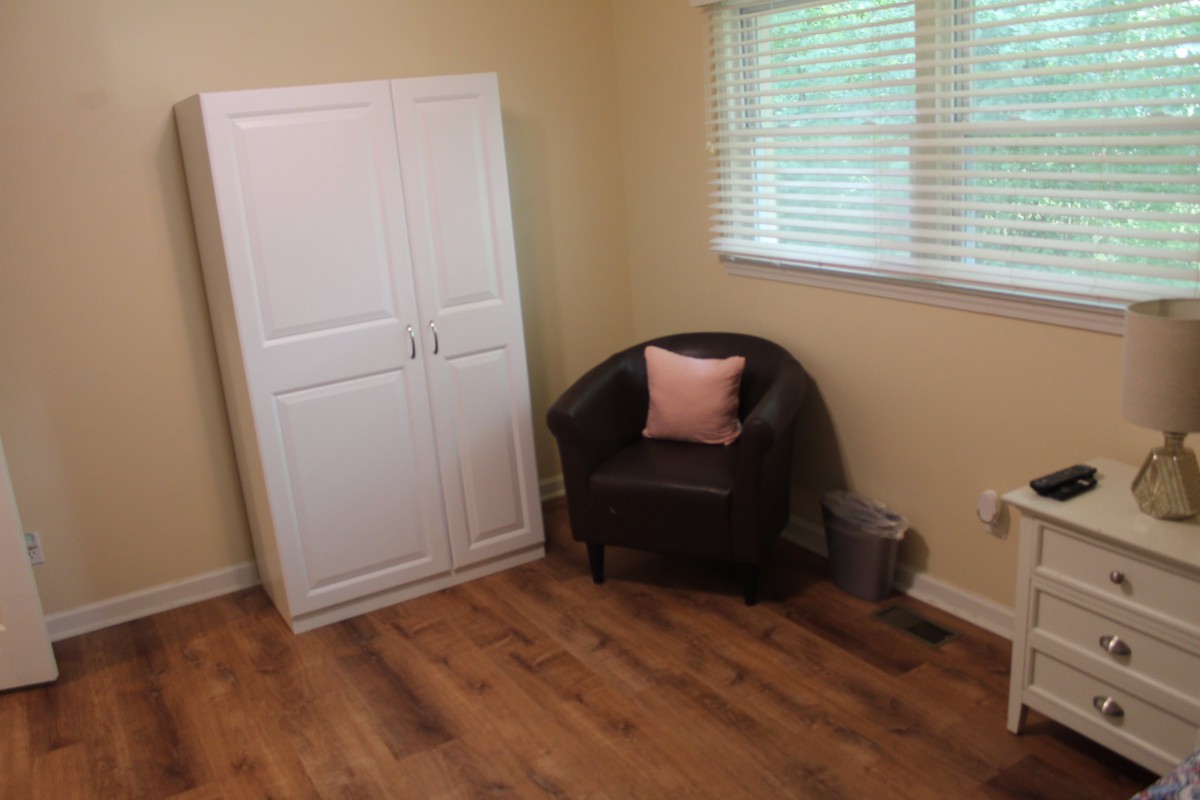
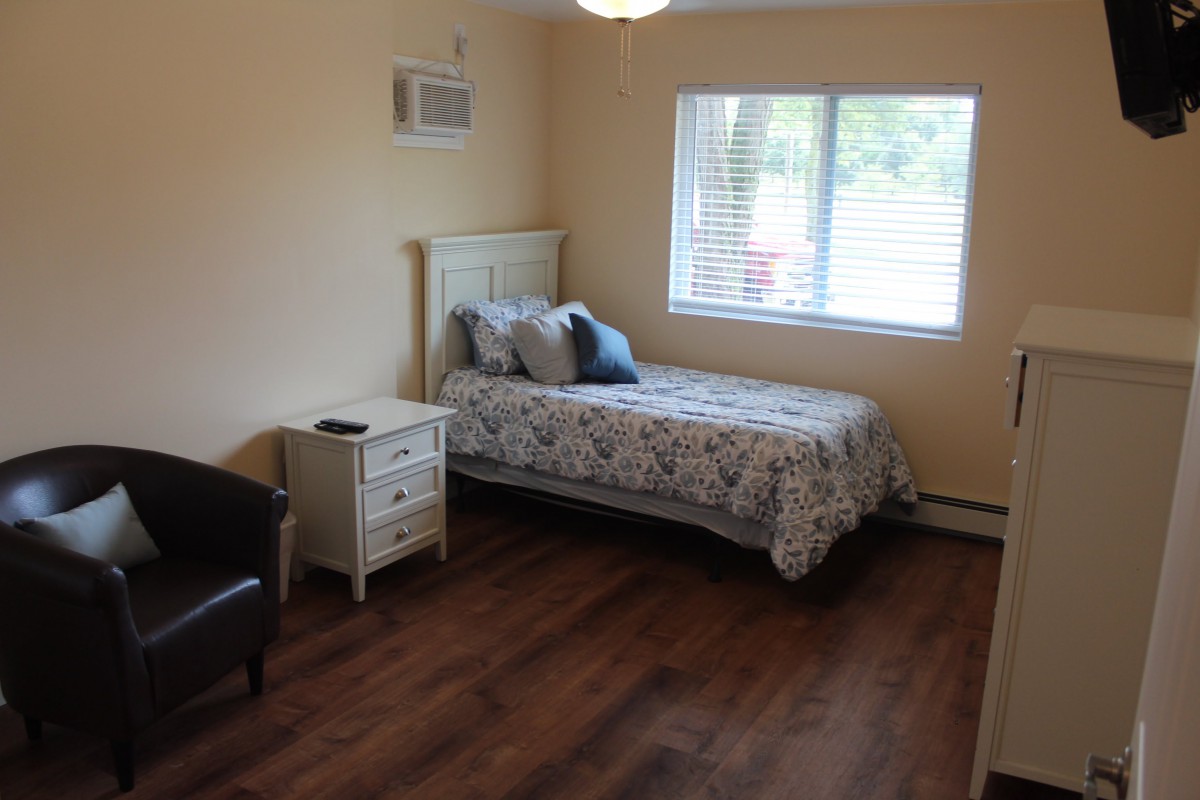
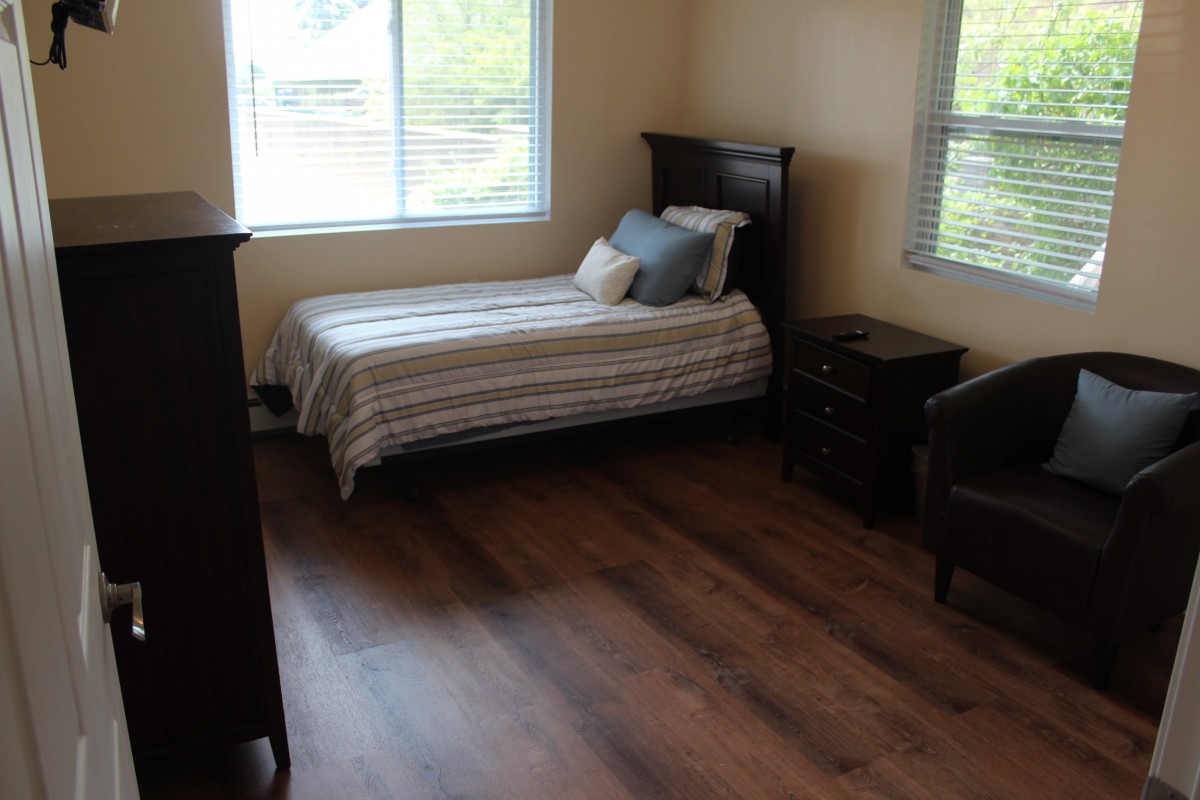
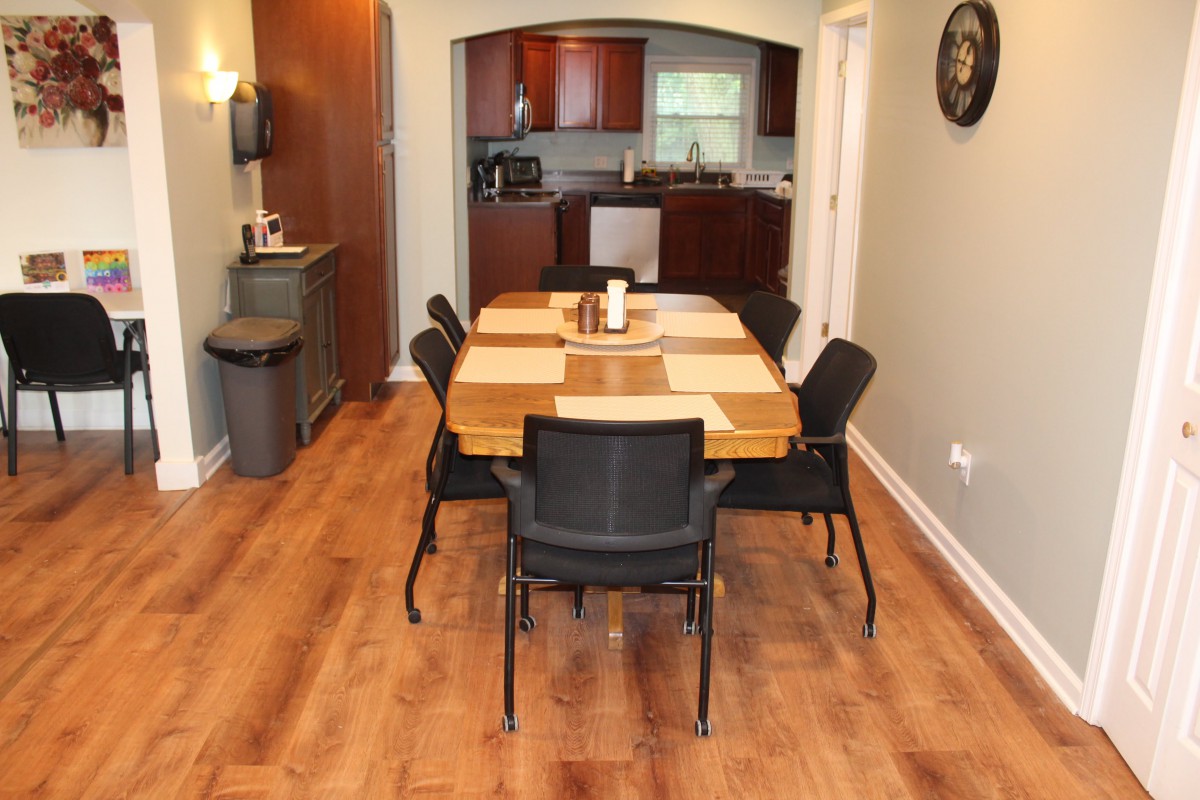
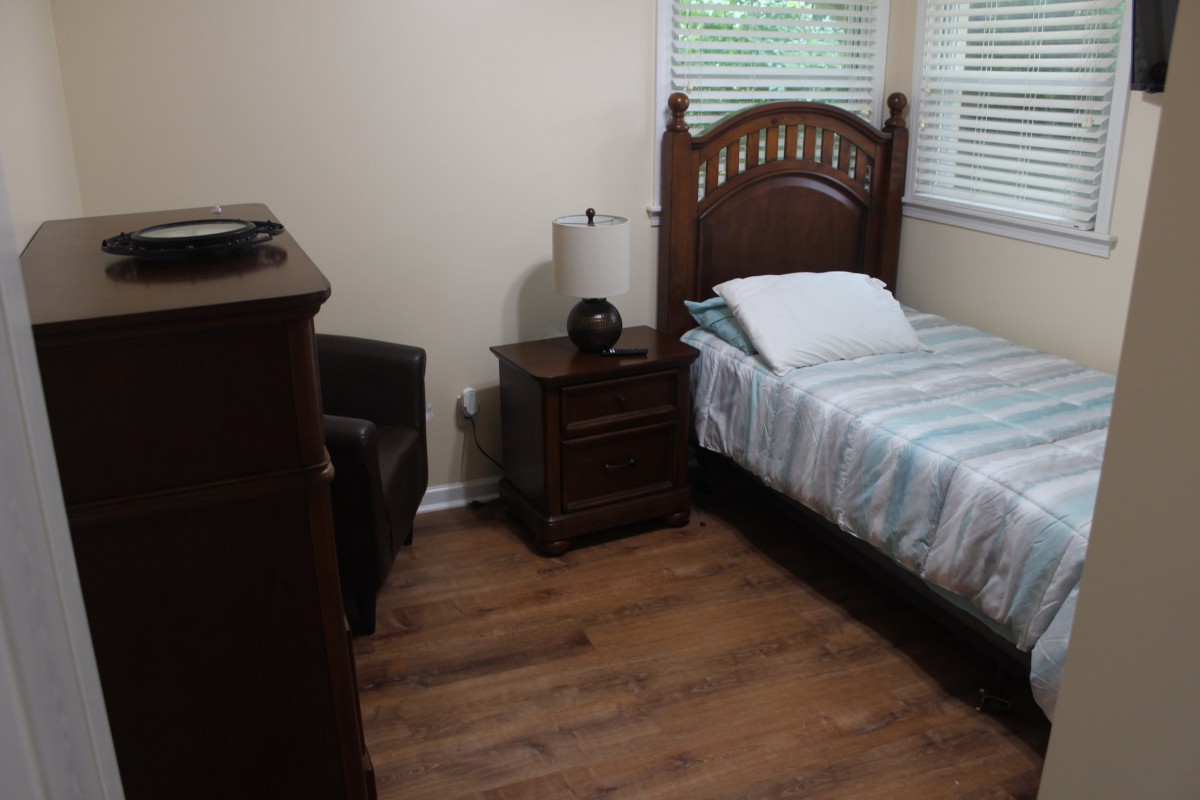
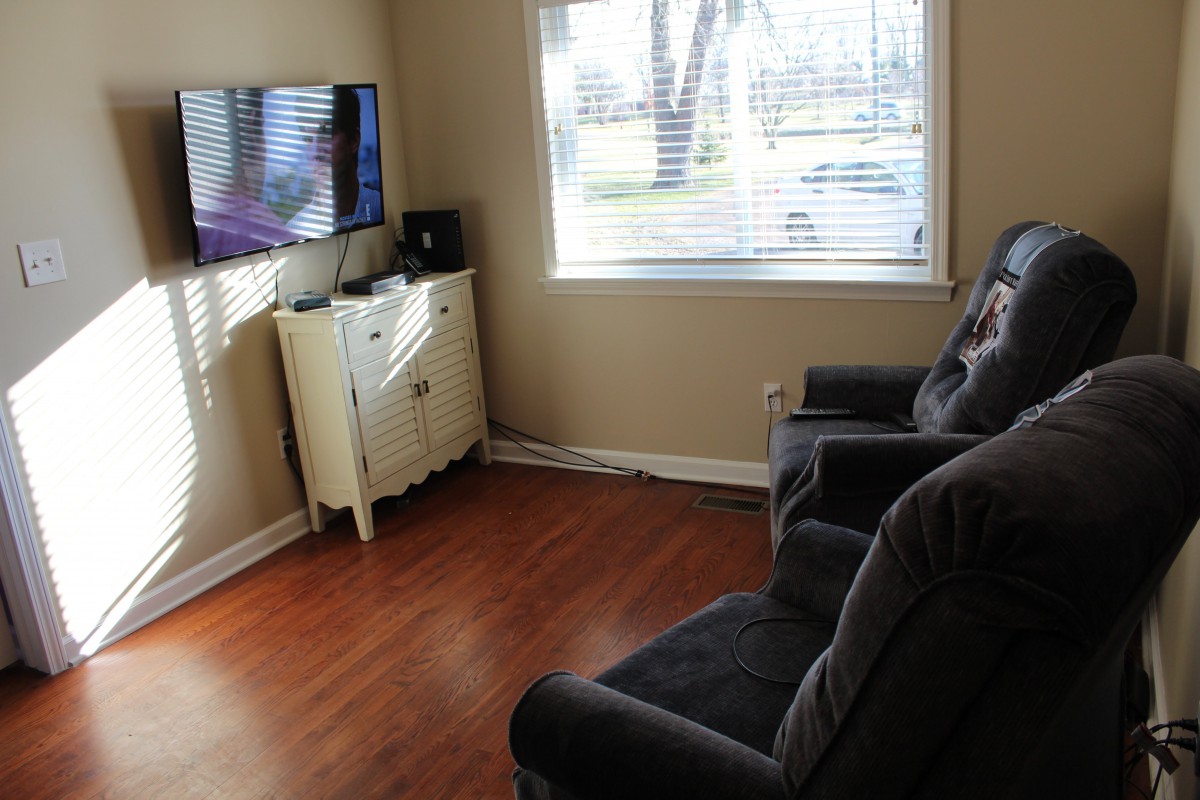
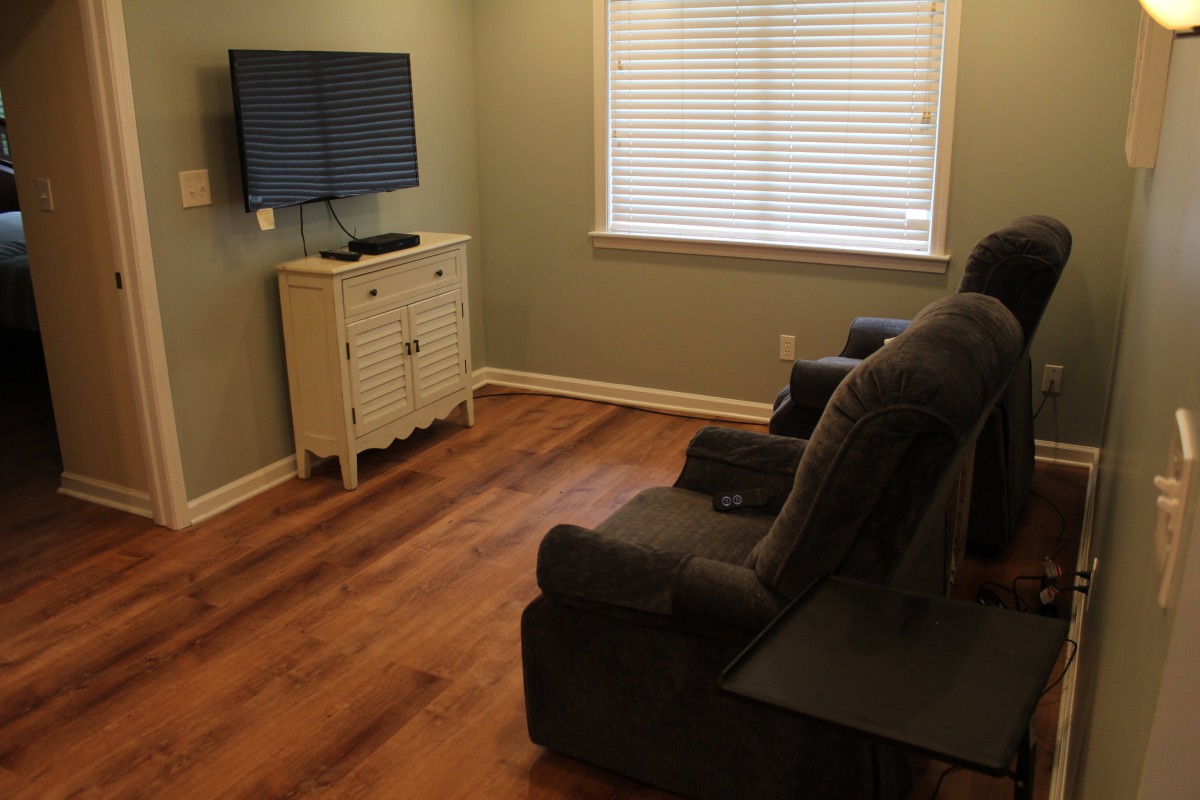
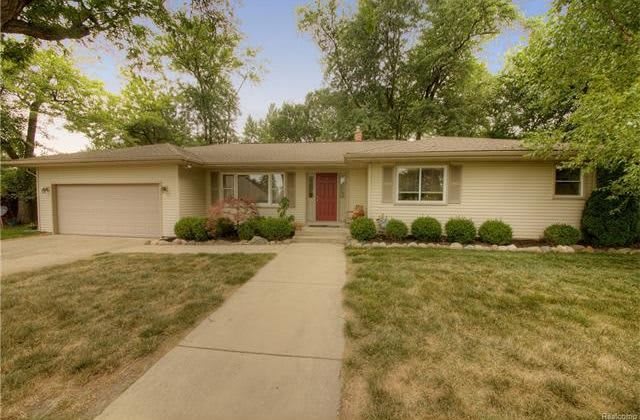
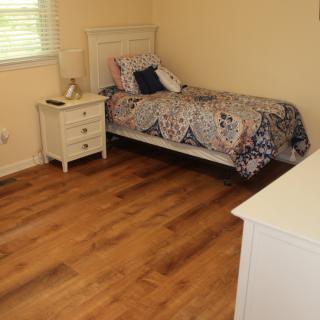
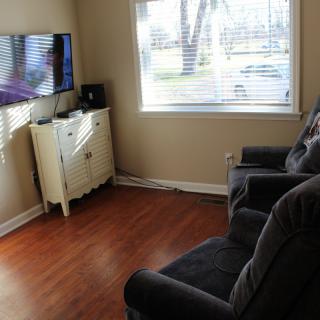
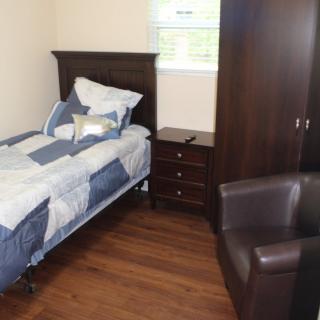
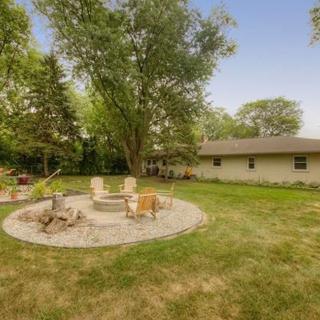
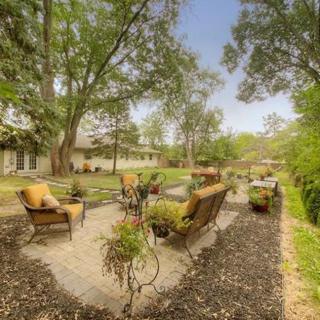
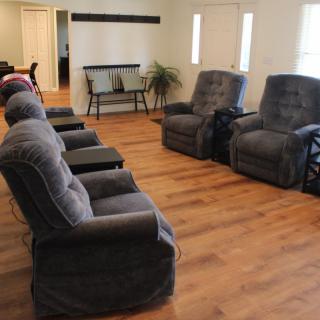
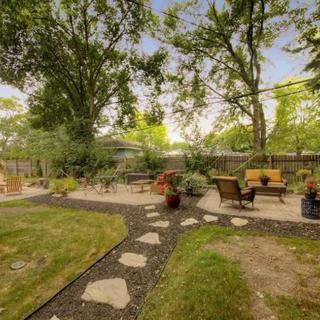
 Small, home-like setting with comprehensive care and on-site amenities.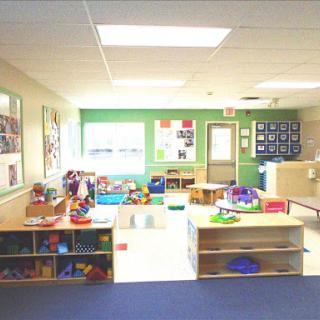


 Are Dementia and Alzheimer's Disease Lethal? A Comprehensive Exploration
 Exploring the Power of Reminiscence Therapy for Individuals With Dementia
 An In-Depth Look at Reminiscence Therapy in Dementia Care