Vanderhaeghen AFC offers competitive pricing for its accommodations, with semi-private rooms available at $3,000 per month and private rooms priced at $3,200. When compared to the average costs in Oakland County and across Michigan, Vanderhaeghen provides a more affordable option; semi-private rooms in Oakland County average $3,204 and $3,191 statewide, while private rooms cost approximately $3,708 in Oakland County and $3,675 throughout Michigan. This positioning highlights Vanderhaeghen AFC's commitment to delivering quality care while maintaining reasonable rates that are below the local and state averages.
Floor plans
Vanderhaeghen Afc
Oakland County
Michigan
Semi-Private
$3,000
$3,204
$3,189
Private
$3,200
$3,708
$3,674
Overall Review of Vanderhaeghen Afc
differentiator
Care includes 24-hour supervision
The care plan includes 24-hour supervision and daily assistance.
The community’s care services are built around 24-hour supervision along with help for activities of daily living. That includes assistance with bathing, dressing, transfers, and incontinence care when needed. Meal preparation and medication management are also part of the provided services.
common
Specialized support for mobility needs
Residents can get hands-on help with mobility tasks.
Care services include ambulatory care and assistance with transfers to support residents who need help moving safely. The community also lists coordination with health care providers as part of its care approach. For diabetes-related needs, diabetes diet and diabetic care are included among the services.
common
Dining supports multiple dietary needs
Meals are provided with dietary restrictions in mind.
Dining support includes meals provided along with options tied to special dietary restrictions. The community also lists vegetarian support and diabetes-related dietary needs within its dining and care services. Meal preparation and service are included as part of resident care.
caveat
Pricing is below benchmarks
Pricing for both unit types is priced below local benchmarks.
The community’s pricing range is $3,000 to $3,200. That positioning is listed as about 6% below county and about 6% below state for semi-private rooms, and about 23% below county and about 22% below state for private rooms.
common
Off-site and scheduled activities offered
Residents can join both on-site and off-site activities.
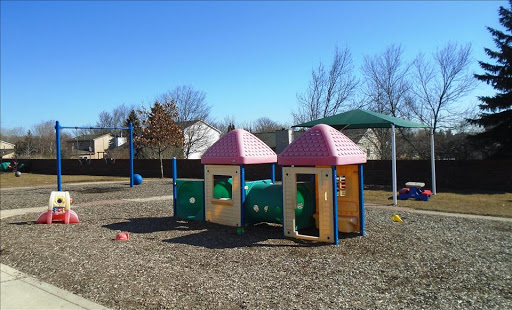
The community offers scheduled daily activities along with activities on-site and off-site. It also includes community-sponsored activities and devotional activities off-site. Outdoor space, garden space, and indoor common areas are listed as part of the activity environment.
How we summarize
We summarize when many written reviews mention each theme; a review can touch several themes, and only frequently mentioned themes are displayed.
Features
Housing
6 resident community capacity
Types of Care
Assisted Living
Board and Care Home
Memory Care
Respite Care
Amenities
Activities off-site
Activities on-site
Bath tubs
Cable or satellite TV
Devotional services off-site
Dining room
Fully furnished
Garden
Housekeeping services
Indoor common areas
Move-in coordination
Outdoor common areas
Outdoor space
Private
Private bathrooms
Respite or short term stays offered
Telephone
Wi-Fi/high-speed internet available
Transportation
Detroit Metropolitan-Wayne County (19 miles away)
Care Services
24-hour supervision
Activities of daily living assistance
Ambulatory care
Assistance with bathing
Assistance with dressing
Assistance with transfers
Coordination with health care providers
Diabetes diet
Diabetic care
High acuity care
Incontinence care
Meal preparation and service
Medication management
Special dietary restrictions
Transportation arrangement (medical)
Transportation to doctors appointments
Dining
Diabetes diet
Kosher
Meals provided
Special dietary restrictions
Vegetarian
Activities
Activities off-site
Activities on-site
Community-sponsored activities
Devotional activities offsite
Scheduled daily activities
Nearby Places of Interest
Pharmacies
CVS Pharmacy (0.5 miles)
Walgreens (1.5 miles)
Walmart Pharmacy (1.9 miles)
CVS Pharmacy (2.6 miles)
Rite Aid (3.4 miles)
CVS Pharmacy (3.6 miles)
Henry Ford Pharmacy - Columbus (3.9 miles)
Cafes
Panera Bread (1.6 miles)
Starbucks (1.8 miles)
Starbucks (2.3 miles)
Starbucks (3.8 miles)
Panera Bread (4.1 miles)
Starbucks (6.7 miles)
Tim Hortons (6.8 miles)
Hospitals
Providence Park Hospital (1.6 miles)
Henry Ford West Bloomfield Hospital (6.9 miles)
Trinity Health Wound Care - Livonia Hospital (7.1 miles)
Physicians
Novi Orthopedic Center (1.7 miles)
Meadowbrook Medical Center (2.6 miles)
Medical Clinic of Northville (3 miles)
Grand River Medical Associates (6 miles)
Parkview Professional Building (6.6 miles)
Beaumont Midwest Internal Medicine Associates (6.7 miles)
Vanderhaeghen AFC offers competitive pricing for its accommodations, with semi-private rooms available at $3,000 per month and private rooms priced at $3,200. When compared to the average costs in Oakland County and across Michigan, Vanderhaeghen provides a more affordable option; semi-private rooms in Oakland County average $3,204 and $3,191 statewide, while private rooms cost approximately $3,708 in Oakland County and $3,675 throughout Michigan. This positioning highlights Vanderhaeghen AFC's commitment to delivering quality care while maintaining reasonable rates that are below the local and state averages.
The array of services provided by Vanderhaeghen AFC is specifically designed to address the multifaceted needs of residents living with dementia and Alzheimer's disease. Assistance with dressing, bathing, and transfers ensures that individuals maintain dignity and comfort while receiving tailored support in their daily routines. Medication management is crucial for maintaining health stability, as it helps prevent missed doses or incorrect medication usage. Meal preparation and service not only ensure proper nutrition but can also be customized to suit the dietary preferences of residents, thereby enhancing their mealtime experience. Transportation arrangements facilitate access to medical appointments, ensuring continuity in healthcare management, while coordination with healthcare providers guarantees that all aspects of a resident's health are addressed holistically. Activities of daily living assistance promotes engagement and independence, contributing positively to cognitive function and emotional well-being. Furthermore, 24-hour supervision provides a safety net for residents at all stages of dementia, allowing families peace of mind, whereas incontinence care fosters both physical comfort and psychological security in an environment where residents can thrive despite their challenges.
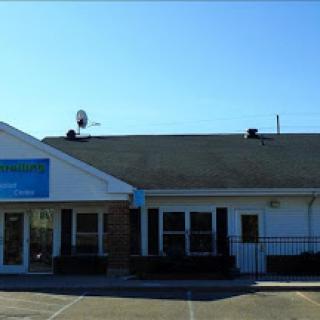
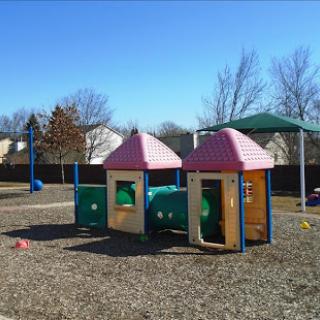
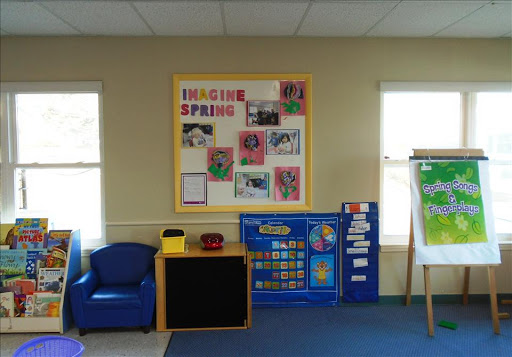
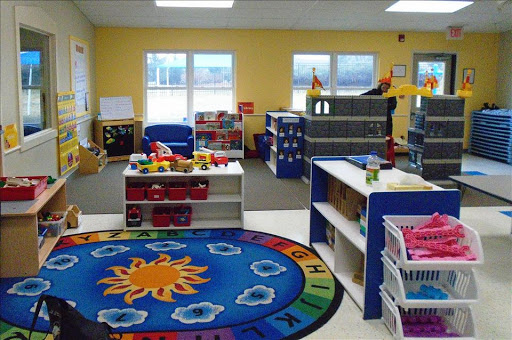
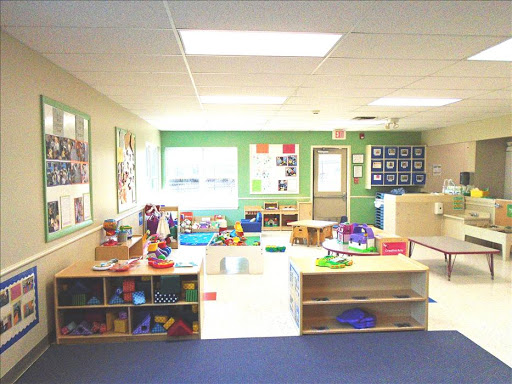
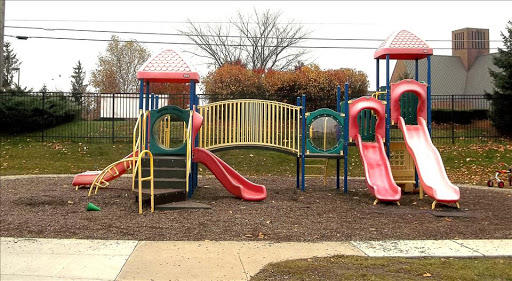
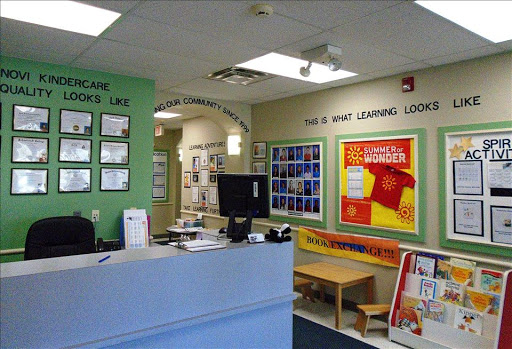
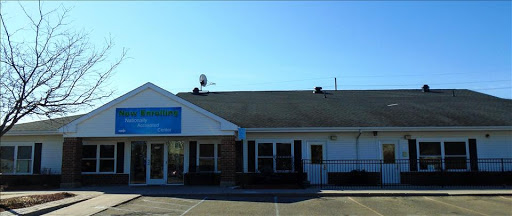
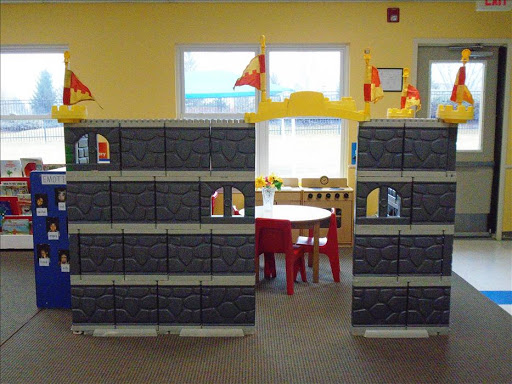
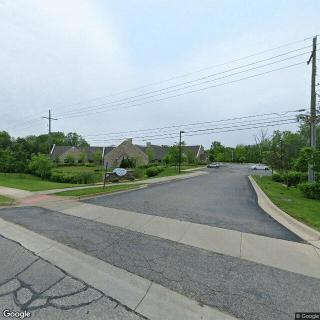
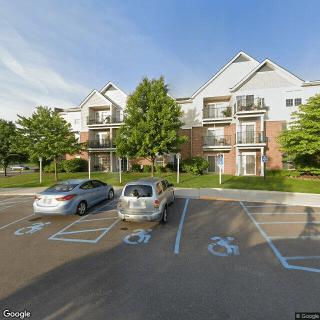
Vanderhaeghen Afc on seniors.fyi includes 9 photos including images showing outdoor, office, reception area, computers, building, exterior, parking, recreation, and more.
Nearby Communities
Inn As Much
Novi, MI
Small capacity enables highly personalized care and attention.
Maida's Place
Novi, MI
Small, intimate community with personalized care and comprehensive services.
Embrace Group Home Of Novi
Novi, MI
Small, home-like setting with comprehensive care and on-site amenities.
Heartfelt Ten Mile Home
Novi, MI
3 from 1 review
$4,500 / month
Memory care focused with on-site activities and dedicated care services.
Jamestowne CLF
Novi, MI
Intimate 6-bed community with comprehensive care (ADLs, medication management), furnished apartments, meals, housekeeping, and outdoor space.
Wellbridge of Novi
Novi, MI
3.7 from 114 reviews
Excellent location with abundant nearby amenities and services (cafes, parks, pharmacies, clinicians, dining, worship, entertainment, and hospital).
Rose Senior Living at Providence Park
Novi, MI
4.4 from 101 reviews
$3,445 to $5,000 / month
Bright, clean, and inviting with spacious apartments, strong amenities, and friendly staff.
Meadowbrook Commons
Novi, MI
4.4 from 34 reviews
$1,140 / month
Comfortable, inviting ranch-style living with friendly staff and a welcoming, diverse community.
Waltonwood at Twelve Oaks II
Novi, MI
4.5 from 42 reviews
Comprehensive care options (assisted, independent, memory care) with extensive on-site amenities.
Dementia, influenced by aging and certain medications, may be exacerbated by drug classes such as anticholinergics, benzodiazepines, and antipsychotics, which are associated with cognitive impairment. Regular medication reviews by healthcare professionals are crucial for older adults to manage risks and optimize cognitive health.
Dementia often results in disrupted sleep patterns, leading to excessive daytime sleeping due to factors like brain damage affecting circadian rhythms, medication side effects, and lack of structure in daily activities. Caregivers must monitor these changes closely, as oversleeping can increase risks such as malnutrition or dehydration, and provide necessary support and routines to enhance patient engagement and well-being.
The transition from assisted living to skilled nursing care is often prompted by complex medical needs that assisted living cannot meet, with key indicators including frequent health declines, increased falls, severe memory issues, and caregiver burnout. Families should recognize these signs early to discuss options with healthcare providers and prepare for the emotional and logistical aspects of moving to a facility that offers comprehensive medical support.
Get PricingAsk A QuestionSchedule A TourContact Senior Advisor
By clicking submit, you agree to our Partner's Terms of Use. You
also consent to receive calls and texts, which may be autodialed, from our Partner. Your consent is not a condition to
using our Partner's service. Please visit our Partner's Privacy Policy for information about their privacy practices.

 6 resident community capacity
 Assisted Living
 Board and Care Home
 Memory Care
 Respite Care
 Activities off-site
 Bath tubs
 Cable or satellite TV
 Devotional services off-site
 Dining room
 Fully furnished
 Garden
 Housekeeping services
 Indoor common areas
 Move-in coordination
 Outdoor common areas
 Private
 Private bathrooms
 Telephone
 Wi-Fi/high-speed internet available
 Detroit Metropolitan-Wayne County (19 miles away)
 24-hour supervision
 Ambulatory care
 Assistance with bathing
 Assistance with dressing
 Assistance with transfers
 Diabetes diet
 Diabetic care
 High acuity care
 Incontinence care
 Meal preparation and service
 Medication management
 Special dietary restrictions
 Transportation arrangement (medical)
 Transportation to doctors appointments
 Small capacity enables highly personalized care and attention.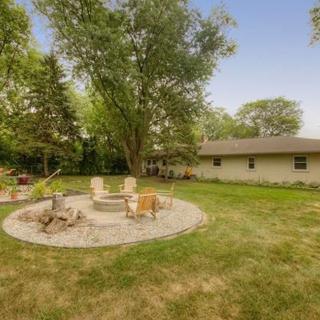


 A Thorough Discussion of Medications Potentially Linked to Dementia Risk
 Why Do Dementia Patients Sleep So Much? Understanding Oversleeping, Stages, and Care Approaches
 8 Key Indicators That Suggest It May Be Time to Transition from Assisted Living to Skilled Nursing Care