
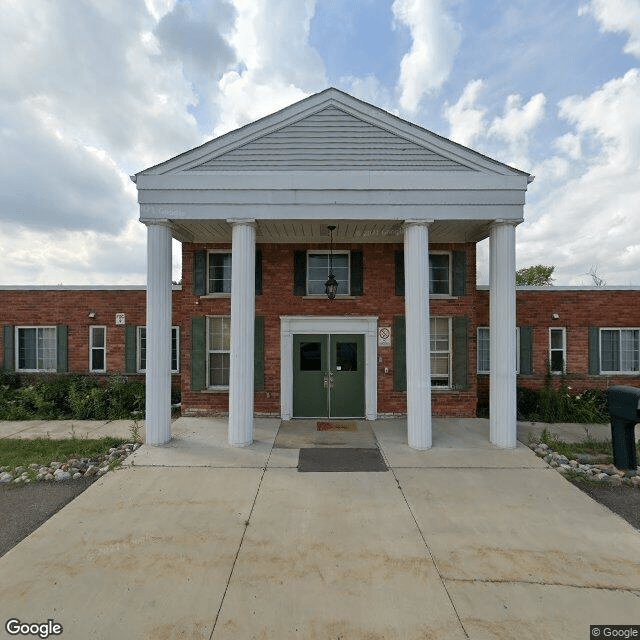
43455 W 10 Mile Rd, Novi, MI 48375
To contact a resident: (248) 880-3050
For more information about senior living options: (866) 208-4318
Overall Review of Whitehall Convalescent Homes
Cons
 The reviewer would not send anyone to this community.
- The staff did not take care of the resident at all.
- The staff were not doing what they were supposed to.
- The staff were very uncaring toward the residents.
- The facility had plenty of staff, but could never reach the residents when they needed help.
- The experience was very bad.
- The facility smelled like urine and the staff were the worst.
- The resident laid in bed all day.
- After moving to another facility, the resident became alert and enjoyed the remainder of her years.
Review
Whitehall Convalescent Homes in Novi is best avoided for seniors who require reliable daily care and compassionate, timely staffing. The feedback paints a picture of a facility struggling to meet the fundamental expectations of a skilled-nursing environment: residents needing assistance with everyday tasks, mobility support, and consistent supervision do not appear to receive it. The implications are not minor; delayed responses and unattended needs translate into real safety and well-being risks. For families facing a tight decision, this community only seems viable if a resident is effectively independent and a rapid transition plan is in place. Taken together, the strongest conclusion is that this is not a dependable long-term home for any senior who cannot advocate on their own behalf every hour of the day.
Those with any degree of need for supervision, mobility assistance, or incontinence care should definitely explore alternatives. The reviews repeatedly recount neglectful care, staff available in name but unable to attend to residents when needed, and a culture that seems indifferent to resident comfort and safety. The odor of urine and a resident left in bed for extended periods evoke more than discomfort; they signal systemic hygiene and engagement failures that escalate health risks. Even families prepared to tolerate cost pressures or geographic convenience will confront ongoing concerns about care quality. In short, this community is unlikely to deliver the dependable, person-centered care that most families expect from a senior living setting.
On the surface, claims of "plenty of staff" might suggest reliability, yet those numbers prove misleading in practice. The critical test is responsiveness, and there the facility fails dramatically. Staff presence does not equate to timely assistance, attentive bathing or dressing support, or proactive monitoring. As a result, the perceived staffing levels do not offset the most serious drawbacks: residents who are not cared for promptly, residents who are left isolated, and a daily routine that seems to place dignity at risk. This disconnect between staffing claims and lived experience is the core reason families should be wary.
Most concerning are the hygiene and activity deficits. A pervasive urine odor, coupled with residents lingering in bed with minimal stimulation, creates an environment that undermines comfort, safety, and cognitive well-being. Such conditions are not incidental; they point to a culture where basic dignity is not consistently upheld. The sentiment echoed in the reviews is consistent: caregivers are uncaring, communication with families is poor, and there is little accountability when care falls short. For older adults who rely on routine, predictable care, these patterns translate into a deteriorating quality of life rather than a path to wellness.
Prospective movers should demand objective assurances before selecting this community. In addition to a standard tour, request recent inspection results, detailed staffing ratios by shift, and evidence of caregiver training in mobility, dementia, and crisis response. Observe how meals are served and how assistance is provided during bathing and transfers. Speak with current residents and family members about call-bell response times and follow-through on care plans. Compare with nearby facilities that have stronger reputation for safety, cleanliness, and resident engagement, and consider scheduling short-term stays as a trial to test daily life rigorously. The more rigorous the evaluation, the less risk of a costly misfit.
Bottom line: this community is not recommended for anyone who needs dependable, compassionate care. The main cons, neglect, uncaring staff, persistent odor, and resident inactivity, grossly outweigh any alleged conveniences. If alternatives are available, pursue those with proven track records of prompt response, clean environments, and engaged, respectful caregiving. When choosing senior housing, let the lived experiences of residents and families steer decisions, not marketing language or hopeful rumors. In the end, a decisive pivot toward facilities with demonstrable quality and accountability is the prudent path for protecting a loved one's health, dignity, and peace of mind.
 Skilled Nursing Facility
 Detroit Metropolitan-Wayne County (19 miles away)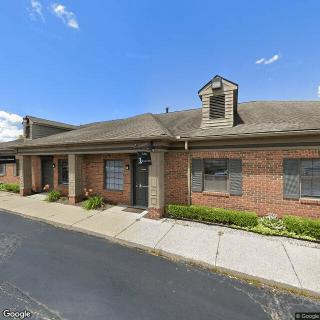
 Convenient access to cafes, parks, pharmacies, physicians, restaurants, theaters, and hospitals.


 Comprehensive Look at Senior Blood Pressure Charts: Normal and Elevated Levels by Age
 Top Canine Companions for Older Adults
 Comprehensive Guide to Blood Pressure Charts for Older Adults: Understanding Normal and High Readings by Age