For more information about senior living options: (866) 208-4318
3.9 from 28 reviews
5 stars
13
4 stars
6
3 stars
6
2 stars
0
1 stars
3
Deering Street Living and Respite Costs & Pricing
Deering Street Living and Respite offers a range of accommodations, with costs reflecting the higher-end services and amenities provided. For semi-private rooms, residents can expect to pay $3,800 per month, significantly above the Wayne County average of $2,860 and the state average of $3,191. The pricing remains consistent for one-bedroom units at $3,800, again surpassing both local and state averages - $3,210 in Wayne County and $3,384 statewide. Meanwhile, private rooms at Deering Street command a monthly fee of $6,500, which is notably higher than the Wayne County average of $3,335 and the Michigan average of $3,675. This pricing structure underscores Deering Street's positioning as a premium option for individuals seeking exceptional care and living conditions in the region.
Floor plans
Deering Street Living and Respite
Wayne County
Michigan
Semi-Private
$3,800
$2,860
$3,189
1 Bedroom
$3,800
$3,210
$3,384
Private
$6,500
$3,335
$3,674
Memory care communities with a similar price nearby
Overall Review of Deering Street Living and Respite
differentiator3 reviews mention this
Memory care is a focus
Memory care is a central fit for residents in the reviews.
Several families describe choosing this community because they needed support for dementia or memory-related care. One reviewer specifically highlights the community’s memory-care emphasis as the key difference from other facilities they looked at. Others discuss how well the team handled very high-dependence needs, including a resident who was bed bound and a resident who was tube fed.
differentiator3 reviews mention this
Medication and daily updates
Residents and families describe timely medical follow-through and updates.
Reviewers mention medication and care coordination being noticed quickly, including a prescription change that was flagged and escalated to a doctor and hospital. Others describe ongoing responsiveness from the same staff and a willingness to learn specialized feeding needs. A separate reviewer also notes regular doctor visits as part of the care routine.
common11 reviews mention this
Caregivers are attentive and communicative
Caregivers are often described as attentive and easy to communicate with.
Many reviews praise the caregivers for taking residents’ well-being seriously and for communicating with families. Several reviewers say they felt their loved one was “in great hands,” that staff checked on conditions, and that families could talk with staff when they called. Along with that, multiple residents describe a clean facility and staff who made them feel welcomed during visits.
common4 reviews mention this
Meals are described as home-style
Meals are consistently described as home-style and well-liked.
Multiple families say the meals felt homemade and that their loved ones enjoyed eating more than expected. Reviewers also mention staff being attentive to dietary needs, including accommodating special requirements. Overall, dining comes up as a positive day-to-day part of the experience for families who moved in seeking care.
caveat4 reviews mention this
Communication and hygiene concerns
Some reviews raise concerns about communication, hygiene, and respect.
A few reviewers describe problems with communication and day-to-day hygiene, including feeling that questions about medicine and care were not answered. Others complain about a lack of clarity around expectations or being treated rudely during visits. There are also negative comments about an owner’s conduct during billing or refunds, which left a bad impression for those families.
How we summarize
Counts show how many written reviews mention each theme; a review can touch several themes, and only frequently mentioned themes are displayed.
Features
Types of Care
Board and Care Home
Memory Care
Amenities
Activities on-site
Bath tubs
Beautician on-site
Indoor common areas
Private
Respite or short term stays offered
Wheelchair accessible showers
Transportation
Detroit Metropolitan-Wayne County (15 miles away)
Care Services
Ambulatory care
Diabetic care
High acuity care
Incontinence care
Medication management
Dining
Meals provided
Activities
Activities on-site
Other religious services
Sensory-based programs
Visiting chaplain or priest
Nearby Places of Interest
This part of Livonia, Michigan, is a vibrant and convenient area with various amenities nearby. With easy access to hospitals like Botsford Hospital and Trinity Health Wound Care, seniors can feel secure knowing they have medical facilities close by. There are also plenty of dining options ranging from casual spots like McDonald's and Culver's to family restaurants like Rose's Family Restaurant. For those looking to relax and enjoy nature, parks like Flanders Park and Woodland Hills Nature Park offer serene outdoor spaces. Additionally, there are pharmacies such as Walgreens and Kroger Pharmacy for any medication needs. The area also has a variety of cafes including Starbucks and Panera Bread for social gatherings or a cup of coffee. Places of worship like Ward Church and Church of the Divine Child provide spiritual support within the community. Overall, this area offers a well-rounded lifestyle for seniors looking for convenience and comfort in Livonia.
Hospitals
Botsford Hospital (1.3 miles)
Trinity Health Wound Care - Livonia Hospital (4.8 miles)
Theaters
Riviera Cinema (2.4 miles)
Phoenix Theatres Laurel Park Place (5 miles)
Restaurants
Snookers' Pool & Pub (2.8 miles)
McDonald's (2.8 miles)
Culver's (3.2 miles)
2 Rose's Family Restaurant (3.6 miles)
McDonald's (3.7 miles)
Coaches Corner of Livonia (4 miles)
Frank's Diner (4 miles)
Parks
Flanders Park (2.8 miles)
Woodland Hills Nature Park (5.7 miles)
Garden City Park (7.1 miles)
Rotary Park (7.7 miles)
Pharmacies
Walgreens (2.9 miles)
Walgreens (2.9 miles)
Kroger Pharmacy (3.3 miles)
Meijer Pharmacy (3.3 miles)
CVS Pharmacy (3.4 miles)
Rite Aid (4.8 miles)
Rite Aid (5 miles)
Physicians
Asthma & Allergic Disease Center (2.9 miles)
Ophthalmic Specialists of Michigan - Livonia Office (2.9 miles)
Beaumont Midwest Internal Medicine Associates (3 miles)
Deering Street Living and Respite offers a range of accommodations, with costs reflecting the higher-end services and amenities provided. For semi-private rooms, residents can expect to pay $3,800 per month, significantly above the Wayne County average of $2,860 and the state average of $3,191. The pricing remains consistent for one-bedroom units at $3,800, again surpassing both local and state averages - $3,210 in Wayne County and $3,384 statewide. Meanwhile, private rooms at Deering Street command a monthly fee of $6,500, which is notably higher than the Wayne County average of $3,335 and the Michigan average of $3,675. This pricing structure underscores Deering Street's positioning as a premium option for individuals seeking exceptional care and living conditions in the region.
Deering Street Living and Respite offers specialized services such as medication management, ensuring that residents receive their medications on time and in the correct dosages, which is crucial for maintaining overall cognitive function and health. The facility also provides incontinence care, addressing a common challenge faced by individuals with dementia and allowing them to maintain dignity and comfort without the added stress of potential embarrassment. Additionally, sensory-based programs are implemented to engage residents through tailored activities that stimulate their senses, promoting cognitive engagement and emotional well-being while helping to reduce anxiety and agitation often associated with memory disorders. Together, these features create a supportive environment conducive to enhancing the quality of life for those living with memory impairments.
Nearby Communities
Deering Street Community Living & Respite
Livonia, MI
4 from 11 reviews
Fully furnished assisted living with 24-hour supervision, medication management, and diabetes-friendly meals.
Deering Community Living & Respite I
Livonia, MI
4.1 from 12 reviews
$3,500 to $4,800 / month
Specialized memory care with diabetic care.
Younes Adult Foster Care Home II
Redford, MI
5 from 3 reviews
Small, homelike setting with comprehensive care and amenities.
Jenkins Manor
Livonia, MI
4.6 from 20 reviews
$1,500 / month
Affordable, fully furnished board-and-care with 24/7 supervision and medication management.
Floral - Elmira Adult Foster Care
Livonia, MI
4.3 from 112 reviews
$6,150 to $10,140 / month
Small, personalized 24/7 care.
Livonia Adult Gentle Care
Livonia, MI
4.6 from 7 reviews
$4,000 to $5,000 / month
Warm, homelike environment with dedicated staff.
The Manor Of Farmington Hills
Farmington Hills, MI
3.5 from 105 reviews
Extensive amenities and 24/7 supervision with medication management.
Woodhaven Retirement Community
Livonia, MI
4.2 from 108 reviews
Clean, well-maintained facility with good dining and engaging activities in a pleasant wooded setting.
Arden Courts Of Livonia
Livonia, MI
4.2 from 92 reviews
$7,100 / month
Family-like atmosphere with attentive, well-trained staff; clear communication with families; engaging activities; well-maintained grounds; specialized memory-care environment with nutritious meals.
Dementia, including Alzheimer’s disease, is often mischaracterized in terms of lethality as it leads to complications that can be fatal rather than being a direct cause of death; it causes a progressive decline in cognitive and physical health, making patients vulnerable to infections and other health crises. Effective management of nutrition, hydration, and communication is crucial in patient care, with palliative care becoming vital in advanced stages to enhance comfort and quality of life while caregivers play a key role amidst the challenges posed by the disease.
Reminiscence therapy helps individuals with dementia recall past memories through structured discussions and meaningful objects, enhancing mood, relationships, and sense of identity while celebrating their lives. It can be practiced in formal settings or at home, requiring sensitivity to personal histories and cultural backgrounds.
Reminiscence therapy is a structured method for older adults, especially those with dementia, to share life stories using prompts and sensory cues, fostering emotional well-being, social engagement, and self-identity. It aims to improve quality of life by enhancing interpersonal connections and cognitive stimulation while requiring careful facilitation to avoid distressing memories.
Get PricingAsk A QuestionSchedule A TourContact Senior Advisor
By clicking submit, you agree to our Partner's Terms of Use. You
also consent to receive calls and texts, which may be autodialed, from our Partner. Your consent is not a condition to
using our Partner's service. Please visit our Partner's Privacy Policy for information about their privacy practices.

 Board and Care Home
 Memory Care
 Activities on-site
 Bath tubs
 Beautician on-site
 Indoor common areas
 Private
 Respite or short term stays offered
 Wheelchair accessible showers
 Detroit Metropolitan-Wayne County (15 miles away)
 Ambulatory care
 Diabetic care
 High acuity care
 Incontinence care
 Medication management
 Meals provided
 Other religious services
 Sensory-based programs
 Visiting chaplain or priest
 Fully furnished assisted living with 24-hour supervision, medication management, and diabetes-friendly meals.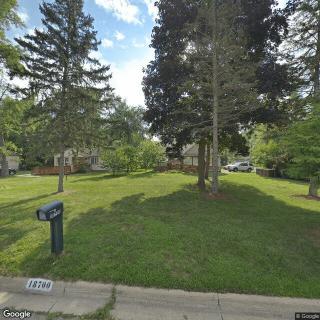
 Are Dementia and Alzheimer's Disease Lethal? A Comprehensive Exploration
 Exploring the Power of Reminiscence Therapy for Individuals With Dementia
 An In-Depth Look at Reminiscence Therapy in Dementia Care