For more information about senior living options: (866) 208-4318
3.5 from 105 reviews
5 stars
55
4 stars
12
3 stars
0
2 stars
4
1 stars
34
Overall Review of The Manor Of Farmington Hills
common
Cleanliness and fresh rooms stand out
Residents and families repeatedly describe the facility as clean and well kept.
Many reviews mention cleanliness in rooms, bathrooms, and hallways, often describing an overall fresh environment. Some residents also contrast the cleanliness with worries about odors or cleanliness lapses, but the more common theme is that the building is kept up. Even some of the more critical reviews still acknowledge that parts of the facility appear clean, while other concerns point to inconsistencies.
common
Staff warmth and responsiveness
Staff members are commonly described as friendly, kind, and attentive to needs.
Across reviews, residents and families frequently describe staff as polite, welcoming, and responsive when they had questions or concerns. Several reviewers specifically thank nursing, CNA teams, social work, and admissions for communication and support during rehab or long-term stays. There are also a recurring set of negative accounts that describe rudeness, short staffing, or delays in responding to call lights, so the experience appears uneven depending on the situation and shift.
differentiator
Therapy is a major focus
Physical and occupational therapy is repeatedly described as a key part of care.
Many reviews highlight therapy teams as professional, knowledgeable, and motivating, with families thanking PT/OT for helping loved ones progress. Some reviewers single out therapy as the best part of the stay, while even critical reviews often keep therapy separate from other complaints. The community also offers scheduled activities, and several reviews connect therapy progress with fuller day-to-day experiences.
common
Activities help fill daily time
Scheduled activities and day programming come up often in reviews.
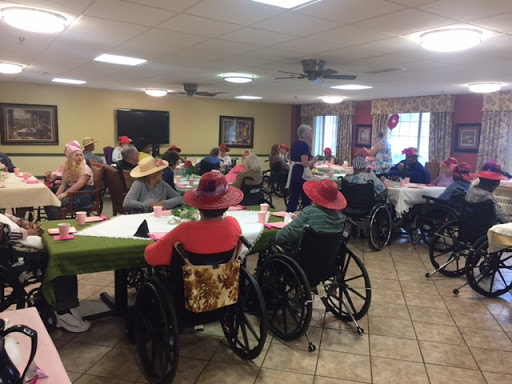
Several reviews mention bingo, cards, themed events, and activities scheduled throughout the week, with families saying their loved ones enjoyed participating. Some reviewers also describe day-to-day calendar programming as making the stay more engaging. A smaller number of comments say activities and trips could be more engaging, indicating room for improvement.
caveat
Care quality and staffing concerns
A recurring concern in reviews is inconsistent staffing and follow-through on care needs.
Alongside positive accounts of timely care, multiple reviews describe problems such as delayed medication, needing to ask repeatedly for help, and short staffing. Some reviewers raise safety and cleanliness concerns tied to neglect-like situations, including falls, delayed response after call lights, and hygiene issues. Taken as a whole, reviews suggest the day-to-day experience can vary, and families placing a loved one may want to closely monitor responsiveness and care details during the stay.
common
Nearby hospital and retail access
The area includes nearby hospital and everyday services.
Reviews and residentsā€™ care contexts often imply the importance of nearby medical and everyday options. The surrounding area lists close-by medical facilities and common services, including a nearby hospital and pharmacy locations. This can be helpful for families coordinating visits and appointments during rehab or nursing care.
How we summarize
We summarize when many written reviews mention each theme; a review can touch several themes, and only frequently mentioned themes are displayed.
Features
Housing
99 resident community capacity
Types of Care
Skilled Nursing Facility
Amenities
Air-conditioning
Beauty salon
Cable or satellite TV
Computer center
Dining room
Fitness room
Fully furnished
Gaming room
Garden
Housekeeping services
Kitchenette
Move-in coordination
Outdoor space
Private bathrooms
Restaurant-style dining
Small library
Telephone
Wellness center
Wi-Fi/high-speed internet available
Transportation
Detroit Metropolitan-Wayne County (16 miles away)
Community operated transportation
Transportation arrangement
Transportation arrangement (non-medical)
Transportation to doctors appointments
Care Services
12-16 hour nursing
24-hour call system
24-hour supervision
Activities of daily living assistance
Assistance with bathing
Assistance with dressing
Assistance with transfers
Diabetes diet
Meal preparation and service
Medication management
Mental wellness program
Special dietary restrictions
Dining
Diabetes diet
Special dietary restrictions
Activities
Community-sponsored activities
Concierge services
Fitness programs
Planned day trips
Resident-run activities
Scheduled daily activities
Nearby Places of Interest
Hospitals
Botsford Hospital (0.7 miles)
Trinity Health Wound Care - Livonia Hospital (4.8 miles)
Henry Ford West Bloomfield Hospital (7.4 miles)
Theaters
Riviera Cinema (0.9 miles)
Phoenix Theatres Laurel Park Place (4.6 miles)
Emagine Novi (8.2 miles)
Parks
Flanders Park (1.6 miles)
Woodland Hills Nature Park (4.2 miles)
Rotary Park (6.7 miles)
Pharmacies
Walgreens (1.9 miles)
Kroger Pharmacy (2.3 miles)
Walgreens (2.9 miles)
Rite Aid (3.6 miles)
CVS Pharmacy (4 miles)
Walgreens (4.3 miles)
Rite Aid (4.5 miles)
Physicians
Asthma & Allergic Disease Center (2 miles)
Beaumont Midwest Internal Medicine Associates (2.1 miles)
Ophthalmic Specialists of Michigan - Livonia Office (2.9 miles)
Livonia Dermatology (4.1 miles)
Providence Medical Center (4.3 miles)
Michigan Institute For Neurological Disorders (4.6 miles)
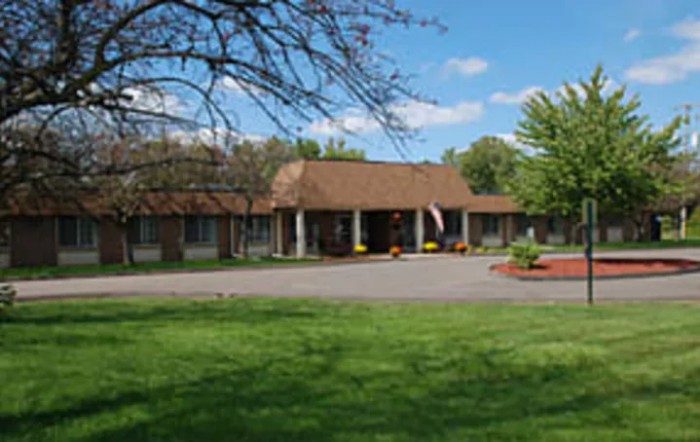
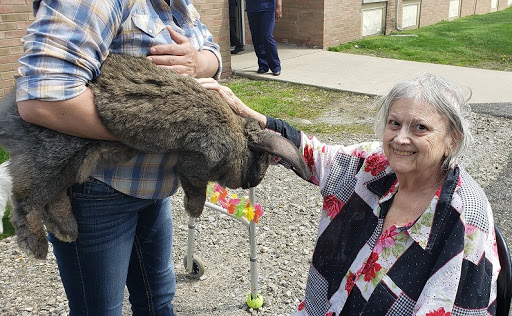
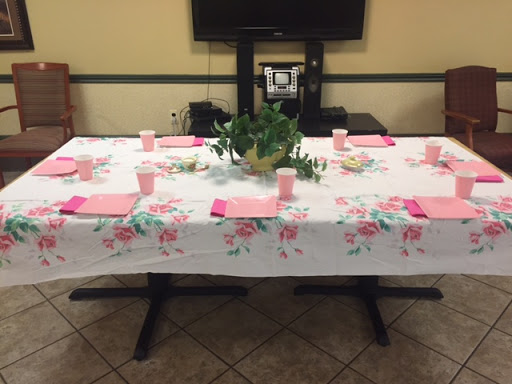
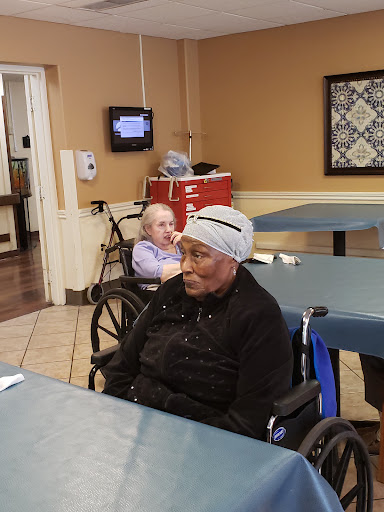
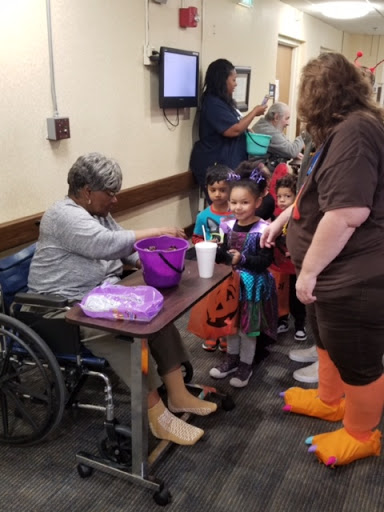
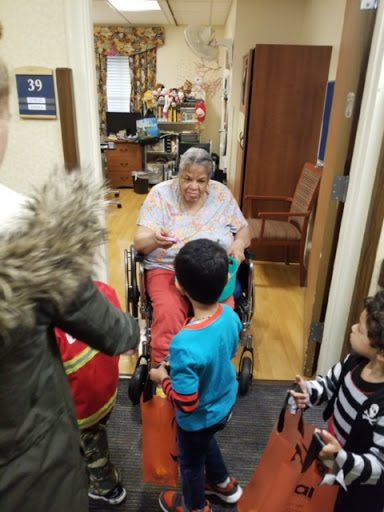
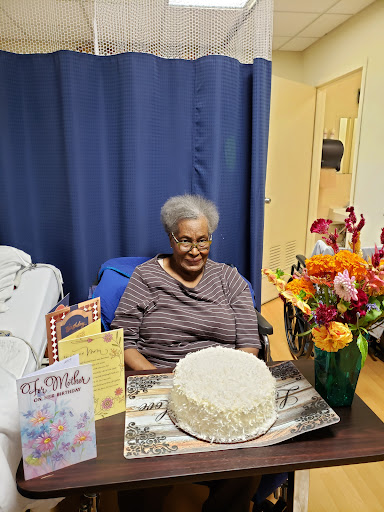
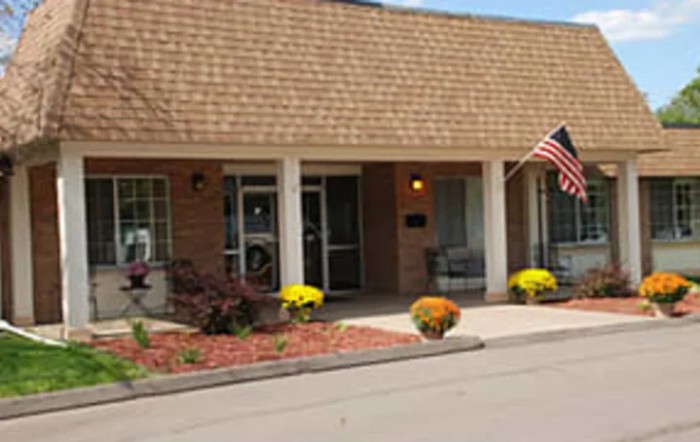
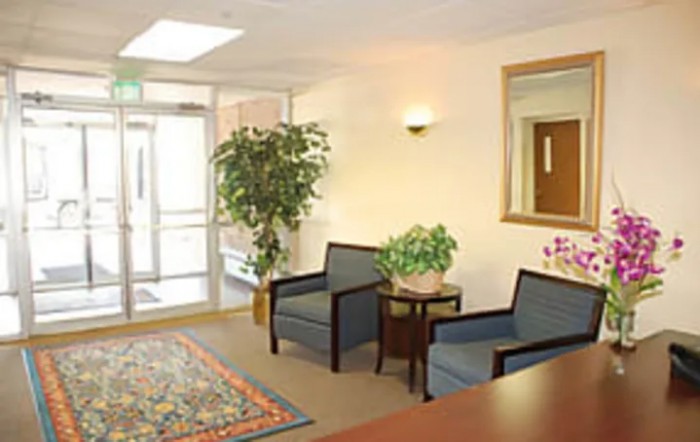
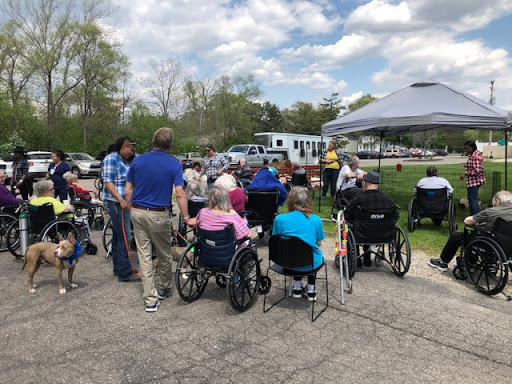
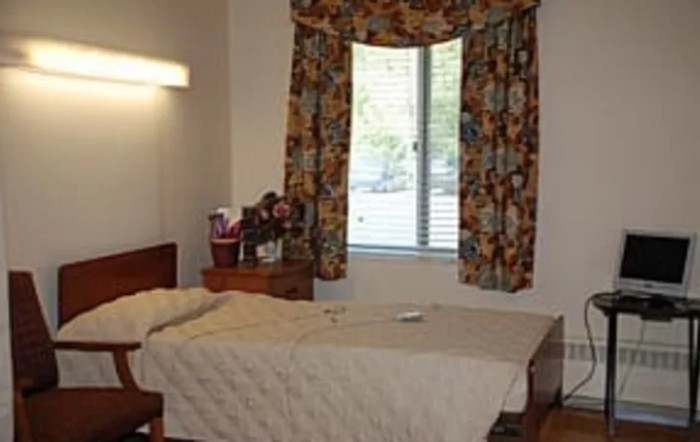
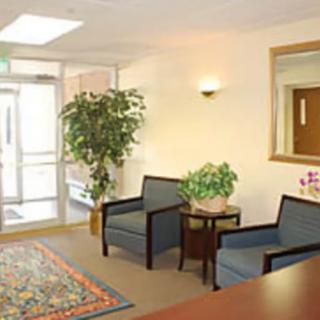
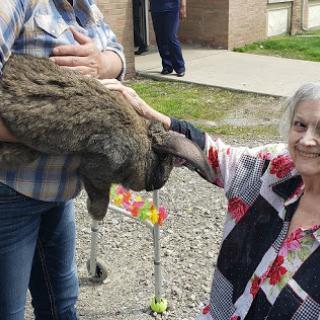
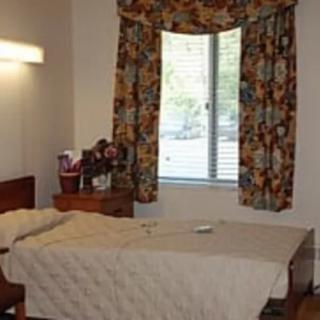
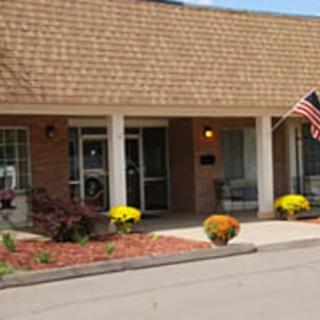
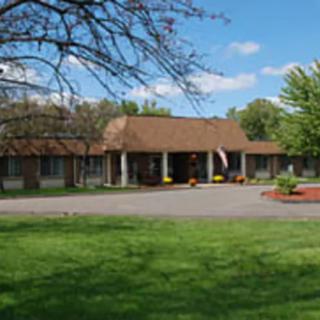
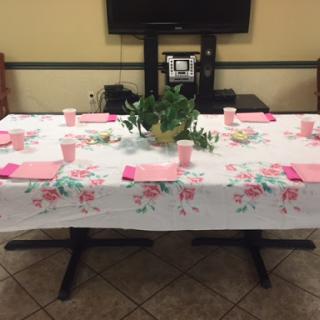
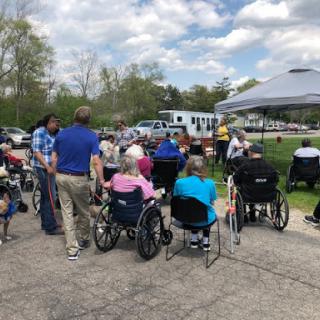
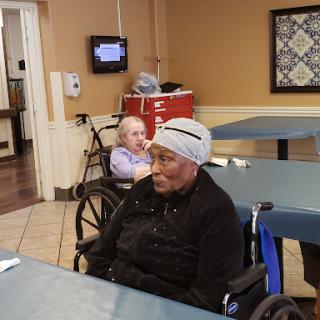
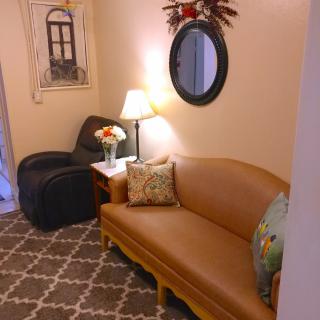
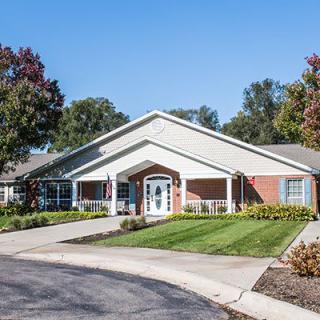
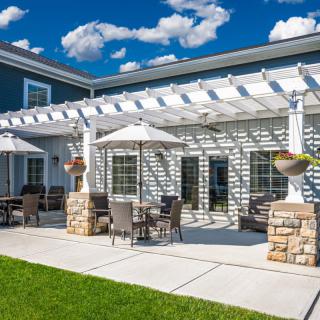
The Manor Of Farmington Hills on seniors.fyi includes 13 photos including images showing wheelchair, landscaping, building, flag, outdoors, caregiver, lobby, waiting area, and more.
Nearby Communities
Skld Livonia
Livonia, MI
3.4 from 112 reviews
24/7 supervision with diverse amenities and activities
Sharon King Adult Foster Care
Farmington Hills, MI
Small, intimate 6-bed setting with 24/7 supervision and comprehensive care (ADL, medication management, care coordination).
Hutcheson Manor
Farmington Hills, MI
5 from 70 reviews
$3,000 to $4,500 / month
Compassionate, personalized care with hands-on ownership, a clean and homelike environment, and strong family communication.
Clc House 2
Farmington Hills, MI
Fully furnished rooms with 24/7 care, medication management, diabetes diet, and transportation to appointments.
Beaumont Commons Farmington Hills
Farmington Hills, MI
4.1 from 32 reviews
Active independent living with on-site activities and meals.
Milburn Home
Livonia, MI
Small, intimate community with comprehensive care and convenient amenities.
Arden Courts Of Livonia
Livonia, MI
4.2 from 92 reviews
$7,100 / month
Family-like atmosphere with attentive, well-trained staff; clear communication with families; engaging activities; well-maintained grounds; specialized memory-care environment with nutritious meals.
Provision Living of Livonia
Livonia, MI
4.3 from 44 reviews
$5,400 to $6,400 / month
Beautiful, modern, and clean facility with friendly staff and engaging amenities.
Tapiola Village Apartments
Farmington Hills, MI
2.7 from 23 reviews
Private entrances with in-unit laundry, a supportive onsite manager, and an active, neighborly community.
The article highlights the high risk of falls among older adults due to factors like muscle weakness, vision issues, and environmental hazards, with one in four experiencing a fall annually. It advocates for a comprehensive prevention approach that includes exercise, home safety modifications, medication management, social support, and caregiver involvement.
Elder law attorneys assist older adults and their families with legal matters such as estate planning, Medicaid eligibility, and guardianships, while also providing protection against elder abuse. They help navigate complex regulations to safeguard financial resources, ensure well-being, and maintain autonomy for seniors.
Caregiving for an aging parent entails emotional and financial responsibilities accompanied by significant tax implications, including potential benefits from claiming them as dependents and deductions for medical expenses and caregiving costs. Caregivers must understand eligibility requirements, maintain thorough documentation, and consider consulting a tax professional to navigate these complexities effectively.
Interior, Lobby, Office, Plant, Waiting Area, and Reception
Decor, Bedroom, and Windows
Landscaping and Building
Architecture and Trees
Entrance, Flag, and Brick
Outdoors
Healthcare
Dining Table
Wheelchair
Caregiver
Additional Photos
Get PricingAsk A QuestionSchedule A TourContact Senior Advisor
By clicking submit, you agree to our Partner's Terms of Use. You
also consent to receive calls and texts, which may be autodialed, from our Partner. Your consent is not a condition to
using our Partner's service. Please visit our Partner's Privacy Policy for information about their privacy practices.


 99 resident community capacity
 Skilled Nursing Facility
 Air-conditioning
 Beauty salon
 Cable or satellite TV
 Computer center
 Dining room
 Fitness room
 Fully furnished
 Gaming room
 Garden
 Housekeeping services
 Kitchenette
 Move-in coordination
 Outdoor space
 Private bathrooms
 Restaurant-style dining
 Small library
 Telephone
 Wellness center
 Wi-Fi/high-speed internet available
 Detroit Metropolitan-Wayne County (16 miles away)
 Community operated transportation
 12-16 hour nursing
 24-hour call system
 Activities of daily living assistance
 Assistance with bathing
 Assistance with dressing
 Assistance with transfers
 Diabetes diet
 Medication management
 Mental wellness program
 Special dietary restrictions
 Concierge services
 Planned day trips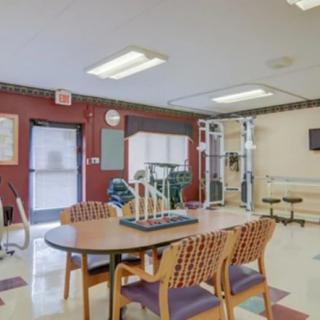
 24/7 supervision with diverse amenities and activities

 Comprehensive Insights and Practical Strategies to Help Older Adults Avoid Falls
 6 Crucial Ways an Elder Law Attorney Assists Families
 Navigating the Tax Landscape of Caregiving: Credits, Deductions, and Beyond