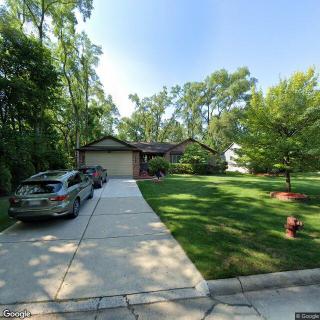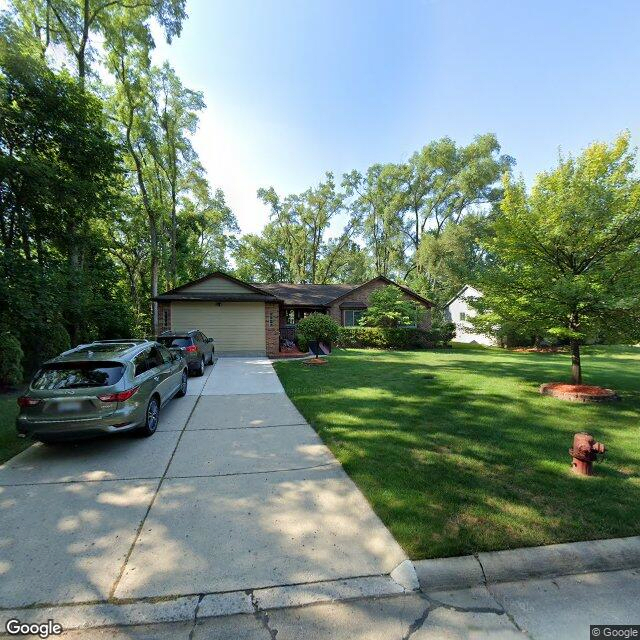
29043 Dardanella Street, Livonia, MI 48152
For more information about senior living options: (866) 208-4318
Livonia Adult Gentle Care Costs & Pricing
At Livonia Adult Gentle Care, the monthly costs for accommodations are positioned above the local and state averages. For a semi-private room, residents can expect to pay $4,000, which is significantly higher than the Wayne County average of $2,860 and the Michigan statewide average of $3,191. Similarly, the private room option at Livonia Adult Gentle Care is priced at $5,000 per month, eclipsing both the county's average of $3,335 and Michigan's average of $3,675. While these rates reflect a premium for personalized care and amenities offered by Livonia Adult Gentle Care, they also indicate that potential residents should consider their budget in relation to other facilities in the area.
| Floor plans | Livonia Adult Gentle Care | Wayne County | Michigan |
|---|---|---|---|
| Semi-Private | $4,000 | $2,860 | $3,189 |
| Private | $5,000 | $3,335 | $3,674 |
Assisted Living communities with a similar price nearby
-
from -$200 / mo
Silverbell Manor
$3,800 / month21.4 miles away -
from -$400 / mo

Pineview Manor
$3,600 / month21.7 miles away -
from -$505 / mo
Christman Adult Foster Care Home
$3,495 to $6,395 / month10.6 miles away -
from -$500 / mo
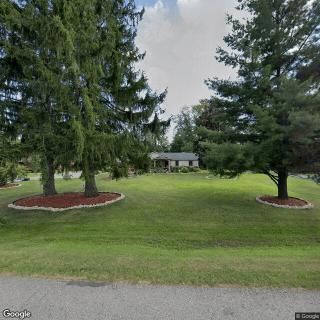
Briar Hill Assisted Living
$3,500 to $4,500 / month3.3 miles away -
from -$200 / mo
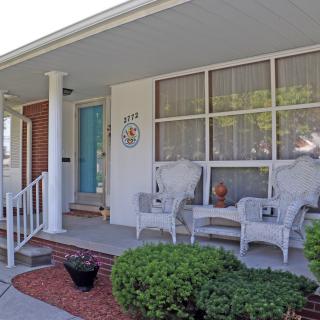
22nd Street Senior Care
$3,800 to $4,300 / month17.2 miles away
Overall Review of Livonia Adult Gentle Care
Pros
 The facility provided wonderful care for the father, was clean, and offered good home-cooked food.
- The reviewer would highly recommend this facility.
- The house was lovely, with a good-sized living area and a back deck.
- Monica and Christina took great care of the reviewer’s mother at Grave Home Care.
- The home is described as a top-of-the-line private group home.
- The home was very clean and had a warm, home-like environment.
Cons
 One gentleman was getting a haircut from his barber friend in the bath room.
- The facility was full.
- The appointment mix-up prevented meeting the owner.
Review
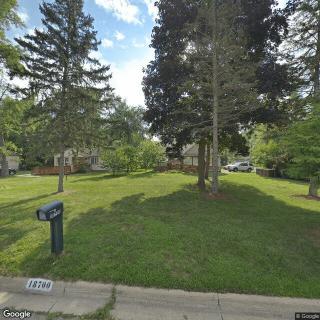
Livonia Adult Gentle Care is best suited for seniors who want a warm, home-like living arrangement where daily care feels personal, not institutional. The setting reads like a private residence: clean, comfortable spaces, a decent-sized living area, and a deck for outdoor time. Rooms are described as adequate rather than luxurious, but they support a sense of familiarity and daily routine. The strongest case here is for families seeking quiet dignity, home-cooked meals, and caregivers who treat residents with tangible affection. The tone in the reports is consistently that the residents are well cared for, clean, and integrated into a small, neighborly community.
For families weighing alternatives, the key red flag is vacancy and scope. The house is reported as full, which means placement may involve a wait or exploration of other nearby options with immediate openings. Those needing more formal medical oversight, advanced memory care, or larger-scale programming should expand the search to traditional assisted living campuses or memory care communities that offer on-site clinicians and more structured activity calendars. If the priority is a private, intimate environment, this community checks the box; if the priority is breadth of clinical services, alternatives are advisable.
On balance, the positives lean heavily toward daily quality of life. Cleanliness stands out as a consistent plus, and the home-cooked meals help residents eat well without the sterility some facilities carry. Caregivers come across as dedicated and compassionate, with anecdotes describing mothers and fathers receiving affectionate, attentive assistance. The environment itself, one large living area, a back deck, and a mix of men and women living in a single home, supports natural social interaction without the guardrails of a larger institution. For families, that combination often translates into fewer daily frictions and more predictable routines.
Size and setting can also be a virtue. The small footprint fosters quicker rapport, more flexible scheduling, and a culture where staff know each resident's preferences. The casual anecdote about a resident getting a haircut by a barber-friend in the bathroom, while not a highlight reel, signals an adaptable, in-home atmosphere where staff become part of everyday life rather than distant operators. In practice, this translates to responsive care and a sense of security, qualities many families equate with peace of mind during transitions toward elder life.
Yet the trade-offs matter. The most evident drawback is limited availability, which can force families to delay placement or look elsewhere. The reviews do not describe extensive clinical resources, which means families with higher medical needs or complex care plans should verify that the level of service can be sustained day to day. Prospective residents should ask about staffing patterns, care coordination, medication management, and what happens when needs intensify. In short, the home-like strengths offset the potential gaps when care needs remain moderate and when family members value proximity to a familiar neighborhood setting.
The practical verdict is clear: Livonia Adult Gentle Care delivers a grounded, caring home environment that can outperform larger, more clinical options for the right resident. It excels for those who prize cleanliness, good meals, and a tight-knit feel in a small house setting. Vacancies aside, it represents a compelling choice for families willing to trade breadth of services for warmth and personal attention. Prospective movers should prioritize an in-person tour, verify the current occupancy status, and discuss contingency plans if care needs evolve. When alignment is present, this community provides steadiness, dignity, and genuine daily reassurance for both residents and their families.
 6 resident community capacity
 Assisted Living
 Board and Care Home
 Cable or satellite TV
 Dining room
 Fully furnished
 Garden
 Housekeeping services
 Move-in coordination
 Outdoor space
 Private
 Telephone
 Wi-Fi/high-speed internet available
 Detroit Metropolitan-Wayne County (15 miles away)
 24-hour supervision
 Activities of daily living assistance
 Ambulatory care
 Assistance with bathing
 Assistance with dressing
 Assistance with transfers
 Diabetes diet
 Diabetic care
 High acuity care
 Incontinence care
 Meal preparation and service
 Medication management
 Special dietary restrictions
 Transportation arrangement (medical)
 Transportation to doctors appointments
 Exploring the Contrasts Between Assisted Living and Skilled Nursing
 8 Key Indicators That Suggest It May Be Time to Transition from Assisted Living to Skilled Nursing Care
 Vibrant Senior Living: A Comprehensive Guide for Active Older Adults