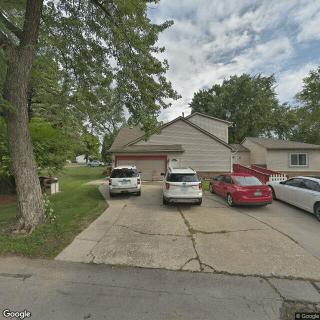
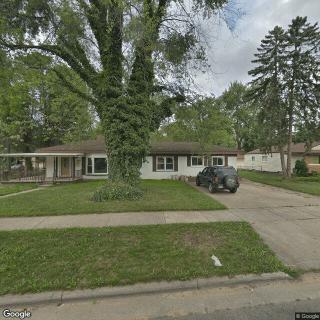
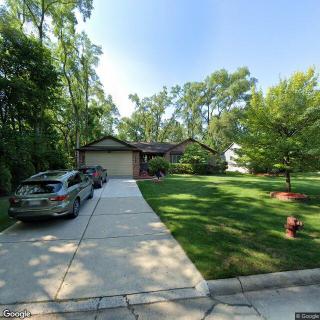
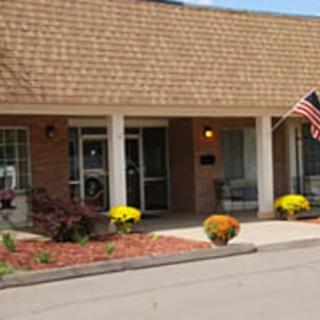
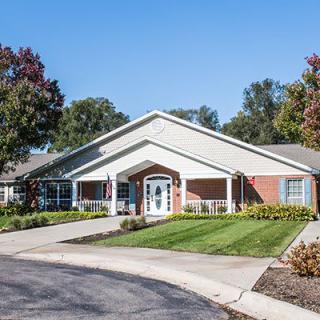
Deering Street Community Living & Respite in Livonia, MI

Information last verified:

18700 Deering Street, Livonia, MI 48152

For more information about senior living options: (844) 490-3973

4 from 11 reviews
5 stars
5
4 stars
3
3 stars
2
2 stars
0
1 stars
1

Overall Review of Deering Street Community Living & Respite

Pros

  • pro The staff at Deering Street are very nice and friendly.
  • pro Deering Street provides a wonderful, caring, home-like environment.
  • pro Irina, Paul, Kathy, and Maggie are described as angels who care for residents like family.
  • pro The caregivers consistently communicate with families and keep them informed.
  • pro The home is clean, and meals are well liked by residents.
  • pro Pavel and Irina are considered part of the family by residents and their loved ones.
  • pro The team shows generosity, such as offering fresh vegetables from their garden.

Cons

  • pro It was one of the worst senior homes, marked by a lack of communication and a lack of hygiene care.
  • pro Paul was very rude.
  • pro Each visit ended in a shouting match.
  • pro There was no answer about the medication for the loved one.
  • pro Paul would deny walking with the loved one.
  • pro The place completely enabled the loved one.
  • pro They hounded the family about payment but couldn’t call when the loved one had not been eating for several days.
  • pro The reviewer would not recommend this place to anyone.

Review

Deering Street Community Living & Respite in Livonia, Michigan is best suited for families seeking a small, home-like setting where caregiving feels personal, deeply attentive, and part of a shared, faith-infused daily rhythm. This community tends to work best for seniors who thrive on warmth, steady human connection, and the sense that staff members are extending family-like care rather than simply performing tasks. For loved ones with dementia or substantial daily needs, the environment can deliver meaningful, hands-on support supported by a hospice-involved circle, which many families value when planning end-of-life transitions. In short, it serves as a compelling option for families prioritizing relational care, a cozy atmosphere, and a sense of belonging over sheer scale or institutional polish.

There are clear reasons to consider alternatives. If medication management, strict medical oversight, or highly regulated care plans are non-negotiable, a larger, more standardized facility may be a safer match. If a family must rely on consistent, predictable communication and formal processes, especially around caregiver assignments, appointment notes, and rapid responses, this home setting can feel less reliable when staff turnover or owner-led dynamics disrupt continuity. Reports suggesting difficulty obtaining timely information about medicines or daily care indicate that some families may prefer a setting with more formalized procedures and clearer accountability. For those needing intensive skilled nursing around the clock, or a facility with rigid protocols, other options are worth a closer look.

The strongest positives here center on genuine warmth and personal attention. Families repeatedly describe caregivers, Irina, Pavel, Kathy, Maggie, as deeply devoted, treating residents with the kind of care that many associates with family. The home’s cleanliness, the quality of meals, and the sense that residents are truly cared for during visits are consistently highlighted as standout attributes. The community atmosphere feels intimate, with staff who “become like family” and go the extra mile, sharing fresh vegetables from a garden, coordinating with hospice partners, and providing a level of emotional support that is hard to quantify but intensely felt by those who experience it. These strengths create a nurturing baseline that is hard to replicate in larger facilities.

However, the set of drawbacks cannot be dismissed. On the negative side, at least one review points to communication gaps and questions about medication management, including delays or ambiguity when care details are requested. Another account describes friction with the managing husband (the owner) and a pattern of visits that could devolve into confrontations, which undermines the safety net families rely on. The risk here is not merely a quiet disagreement but the possibility that critical care information and day-to-day responsiveness may slip through the cracks in a high-emotion, intimate setting. In short, relational warmth exists, but it may be fragile if proper systems and consistent leadership are not in place.

That dynamic, strong relational care paired with potential gaps in structure, means this community offsets its drawbacks best for families who are ready to be actively engaged in oversight. Prospective residents will benefit from planned tours that include day-to-day routines, opportunities to meet current residents and staff, and conversations about how meds are managed, how meals are monitored for intake, and how communications are logged and shared with families. Asking direct questions about caregiver continuity, the process for addressing concerns, and the role of outside partners (such as hospice) will reveal how well the warmth translates into reliable, repeatable care. A trial visit during a typical mealtime and a candid chat with a current family can illuminate whether the balance matches expectations.

In sum, Deering Street offers a compelling choice for families seeking a heartfelt, home-centered approach to assisted living, especially for memory-support needs and end-of-life considerations where the human touch matters most. Yet the decision rests on comfort with a less formal, more relational care model that can be vulnerable to communication gaps and leadership dynamics. For families that prize daily structure, rigorous med management, and airtight accountability, it is prudent to explore alternatives in parallel. The recommended path: schedule in-depth tours, verify medication processes, confirm caregiver coverage and consistency, and speak with current residents and hospice partners to gauge whether the care environment can deliver both the warmth and the reliability desired. If alignment exists, Deering Street can be a deeply rewarding home for a beloved parent or spouse.

Features

Housing

  • 6 resident community capacity 6 resident community capacity

Types of Care

  • Assisted Living Assisted LivingAssisted living facilities provide crucial support and care for seniors who may need help with daily tasks such as medication management, bathing, and meal preparation. These communities offer a safe and comfortable environment where seniors can maintain their independence while receiving the assistance they need to thrive in their golden years.

Amenities

  • Cable or satellite TV Cable or satellite TVCable or satellite TV is important for seniors because it provides entertainment, news, and companionship, helping to combat loneliness and boredom. It also offers a wide range of programming options tailored to different interests and preferences.
  • Dining room Dining roomDining rooms are important for seniors as they provide a space for socialization, connection, and nutritious meals. They offer opportunities for residents to bond over shared meals, foster a sense of community, and promote healthy eating habits. Dining rooms also ensure that seniors have access to well-balanced meals tailored to their dietary needs and preferences.
  • Fully furnished Fully furnishedFully furnished senior living communities are important for seniors because they provide convenience, comfort, and a hassle-free moving experience. Seniors can easily settle into their new living space without the stress of having to buy and move furniture. This allows them to focus on enjoying their new home and community.
  • Garden GardenGardens are important for seniors as they provide a peaceful and therapeutic environment for relaxation, physical activity, and socialization. Being in nature has been shown to reduce stress, improve mood, and promote overall well-being. Gardens also offer opportunities for seniors to engage in gardening activities, which can improve mobility, flexibility, and cognitive function. Additionally, gardens create a sense of community and connection with others who share a passion for plants and outdoor spaces.
  • Housekeeping services Housekeeping servicesHousekeeping services are important for seniors because they help maintain a clean and safe living environment, promote independence, and reduce the risk of accidents or illnesses. Additionally, having assistance with household chores can alleviate physical strain and allow seniors to focus on other aspects of their well-being.
  • Move-in coordination Move-in coordinationMove-in coordination is important for seniors because it helps ease the transition into their new living environment. It ensures that all logistics, such as packing, organizing movers, and setting up utilities are taken care of, allowing seniors to focus on settling in and adjusting to their new home. Having a smooth move-in process can alleviate stress and anxiety, making the transition smoother and more enjoyable for seniors.
  • Outdoor space Outdoor spaceOutdoor spaces are important for seniors as they provide opportunities for physical activity, social interaction, exposure to natural light and fresh air, and a sense of connection to nature. Having access to outdoor spaces can improve overall well-being and quality of life for older adults living in senior communities.
  • Telephone TelephoneTelephones are important for seniors as they provide a lifeline for communication with loved ones, emergency services, and healthcare providers. They offer a sense of security and independence, enabling seniors to stay connected and access assistance when needed.
  • Wi-Fi/high-speed internet available Wi-Fi/high-speed internet availableWi-Fi/high-speed internet is important for seniors to stay connected with loved ones, access online resources, and participate in virtual activities to combat feelings of loneliness and isolation. It also allows them to easily manage healthcare needs, access entertainment, and engage in lifelong learning opportunities.

Transportation

  • Detroit Metropolitan-Wayne County (15 miles away) Detroit Metropolitan-Wayne County (15 miles away)

Care Services

  • 24-hour supervision 24-hour supervision24-hour supervision is important for seniors to ensure their safety, well-being, and access to immediate assistance in case of emergencies or health issues. This constant support provides peace of mind for both seniors and their loved ones, allowing them to age in place with dignity and security.
  • Activities of daily living assistance Activities of daily living assistanceActivities of daily living assistance are important for seniors because they provide essential support with tasks such as eating, bathing, dressing, and mobility. This assistance helps seniors maintain their independence, dignity, and overall quality of life as they age.
  • Assistance with bathing Assistance with bathingAssistance with bathing is crucial for seniors as it helps maintain personal hygiene, prevents infections, and ensures their overall well-being and comfort. It also provides a sense of dignity and independence for seniors who may struggle with this task on their own.
  • Assistance with dressing Assistance with dressingAssistance with dressing is important for seniors because it helps maintain their independence, promotes personal hygiene, prevents accidents and injuries, and improves overall quality of life. This service ensures that seniors can continue to dress comfortably and confidently, despite any physical limitations they may have.
  • Assistance with transfers Assistance with transfersAssistance with transfers is crucial for seniors as it helps prevent falls and injuries, maintains their independence, and ensures they can safely navigate their living environment. It also provides peace of mind for both seniors and their loved ones.
  • Coordination with health care providers Coordination with health care providersCoordination with health care providers is crucial for seniors to ensure proper medical care, medication management, and overall well-being. This collaboration helps prevent overlapping treatments, track progress more effectively, and provide comprehensive support tailored to individual needs.
  • Diabetes diet Diabetes dietA diabetes diet is crucial for seniors as it helps manage blood sugar levels, reduce risks of complications, and improve overall health and well-being. By following a balanced and nutritious diet tailored to their specific needs, seniors can better control their diabetes and enhance their quality of life.
  • Meal preparation and service Meal preparation and serviceMeal preparation and service are crucial for seniors as they may have limited mobility or energy to cook nutritious meals. Having access to healthy and convenient food options can ensure they are getting the proper nutrition needed to maintain their overall health and well-being.
  • Medication management Medication managementMedication management is crucial for seniors to ensure they are taking the right medications at the correct dosages and times. This helps prevent adverse drug interactions, reduces the risk of medication errors, and promotes overall health and well-being. Proactive management also allows for adjustments as needed based on changing health conditions or new prescriptions.
  • Special dietary restrictions Special dietary restrictionsSpecial dietary restrictions are important for seniors because age-related changes in metabolism and health conditions can make it difficult for their bodies to process certain foods. By following a diet tailored to their specific needs, seniors can maintain their overall health and well-being, manage chronic conditions, and reduce the risk of complications such as malnutrition or food interactions with medications.
  • Transportation arrangement (medical) Transportation arrangement (medical)Transportation arrangements for medical purposes are essential for seniors as they may have difficulty driving themselves to appointments or accessing public transportation. Having reliable and safe transportation options ensures that seniors can receive timely medical care and maintain their health and well-being.
  • Transportation to doctors appointments Transportation to doctors appointmentsTransportation to doctors' appointments is crucial for seniors as it ensures they have access to necessary medical care and support for their health needs. Without reliable transportation, seniors may struggle to attend important appointments, leading to potential delays in treatment and health complications. Providing transportation services helps seniors maintain their overall well-being and quality of life.

Dining

  • Diabetes diet Diabetes dietA diabetes diet is crucial for seniors as it helps manage blood sugar levels, reduce risks of complications, and improve overall health and well-being. By following a balanced and nutritious diet tailored to their specific needs, seniors can better control their diabetes and enhance their quality of life.
  • Special dietary restrictions Special dietary restrictionsSpecial dietary restrictions are important for seniors because age-related changes in metabolism and health conditions can make it difficult for their bodies to process certain foods. By following a diet tailored to their specific needs, seniors can maintain their overall health and well-being, manage chronic conditions, and reduce the risk of complications such as malnutrition or food interactions with medications.

Activities

  • Community-sponsored activities Community-sponsored activitiesCommunity-sponsored activities are important for seniors as they provide opportunities for social interaction, mental stimulation, and physical activity. These activities can help improve overall well-being, combat loneliness and isolation, and promote a sense of belonging and purpose among older adults.
  • Scheduled daily activities Scheduled daily activitiesScheduled daily activities are important for seniors because they provide structure, socialization, mental stimulation, and physical activity. Engaging in regular activities can improve overall well-being and quality of life for seniors living in a community setting.

Description

Deering Street Community Living & Respite in Livonia, MI is a welcoming and fully furnished assisted living community that offers exceptional care services and a range of amenities to ensure the comfort and well-being of its residents.

The community features a spacious dining room where residents can enjoy delicious meals prepared by our skilled staff, catering to special dietary restrictions if needed. Housekeeping services are provided to maintain a clean and tidy living environment for all residents.

Outdoor spaces and gardens are available for residents who enjoy spending time outside or gardening. Residents can also stay connected with loved ones through the telephone and Wi-Fi/high-speed internet services provided.

To support daily living activities, our dedicated team provides assistance with bathing, dressing, transfers, and medication management. Coordination with health care providers ensures that residents receive the necessary medical attention. Those with diabetes can benefit from our specialized diet plans.

Transportation arrangements are available for medical appointments, allowing residents to attend doctor visits conveniently. Multiple nearby cafes, parks, pharmacies, physicians' offices, restaurants, theaters, and hospitals offer recreational opportunities and access to essential services.

At Deering Street Community Living & Respite, we strive to create an engaging atmosphere by scheduling daily activities for the enjoyment of our residents. With all these amenities and services combined in one place, our community is designed to provide a comfortable and supportive environment for seniors seeking assisted living options in Livonia, MI.

Nearby Places of Interest

Hospitals

  • Botsford Hospital (1.3 miles)
  • Trinity Health Wound Care - Livonia Hospital (4.8 miles)

Theaters

  • Riviera Cinema (2.4 miles)
  • Phoenix Theatres Laurel Park Place (5 miles)

Restaurants

  • Snookers' Pool & Pub (2.8 miles)
  • McDonald's (2.8 miles)
  • Culver's (3.2 miles)
  • 2 Rose's Family Restaurant (3.6 miles)
  • McDonald's (3.7 miles)
  • Coaches Corner of Livonia (4 miles)
  • Frank's Diner (4 miles)

Parks

  • Flanders Park (2.8 miles)
  • Woodland Hills Nature Park (5.7 miles)
  • Garden City Park (7.1 miles)
  • Rotary Park (7.7 miles)

Pharmacies

  • Walgreens (2.9 miles)
  • Walgreens (2.9 miles)
  • Kroger Pharmacy (3.3 miles)
  • Meijer Pharmacy (3.3 miles)
  • CVS Pharmacy (3.3 miles)
  • Rite Aid (4.8 miles)
  • Rite Aid (5 miles)

Physicians

  • Asthma & Allergic Disease Center (2.9 miles)
  • Ophthalmic Specialists of Michigan - Livonia Office (2.9 miles)
  • Beaumont Midwest Internal Medicine Associates (3 miles)
  • Livonia Dermatology (3.6 miles)
  • Mendelson, Jeffrey D, Md - Mendelson Orthopedics (4.8 miles)
  • Providence Medical Center (5.5 miles)
  • Botsford Primary Care Physician (5.9 miles)

Cafes

  • Starbucks (3.3 miles)
  • Starbucks (4.4 miles)
  • Starbucks (5.2 miles)
  • Starbucks (5.5 miles)
  • Panera Bread (5.8 miles)
  • Tim Hortons (5.9 miles)
  • Tim Hortons (7.1 miles)

Places of Worship

  • Ward Church (6.1 miles)
  • Church of the Divine Child (7.5 miles)
  • Church of the Holy Family (7.6 miles)

Frequently Asked Questions

Where is Deering Street Community Living & Respite?

Nearby Communities

  • Deering Community Living & Respite I

    Deering Community Living & Respite I

    Livonia, MI

    4.1 from 12 reviews
    $3,500 to $4,800 / month

    pro Specialized memory care with diabetic care.

  • Deering Street Living and Respite

    Deering Street Living and Respite

    Livonia, MI

    3.9 from 28 reviews
    $3,800 to $6,500 / month

    pro Compassionate, personalized care in a warm, home-like setting with attentive staff.

  • Younes Adult Foster Care Home II

    Younes Adult Foster Care Home II

    Redford, MI

    5 from 3 reviews
     

    pro Small, homelike setting with comprehensive care and amenities.

  • Jenkins Manor

    Jenkins Manor

    Livonia, MI

    4.6 from 20 reviews
    $1,500 / month

    pro Affordable, fully furnished board-and-care with 24/7 supervision and medication management.

  • Floral - Elmira Adult Foster Care

    Floral - Elmira Adult Foster Care

    Livonia, MI

    4.3 from 106 reviews
    $6,150 to $10,140 / month

    pro Small, personalized 24/7 care.

  • Livonia Adult Gentle Care

    Livonia Adult Gentle Care

    Livonia, MI

    4.6 from 7 reviews
    $4,000 to $5,000 / month

    pro Warm, homelike environment with dedicated staff.

  • The Manor Of Farmington Hills

    The Manor Of Farmington Hills

    Farmington Hills, MI

    3.4 from 95 reviews
     

    pro Extensive amenities and 24/7 supervision with medication management.

  • Woodhaven Retirement Community

    Woodhaven Retirement Community

    Livonia, MI

    4.2 from 107 reviews
     

    pro Clean, well-maintained facility with good dining and engaging activities in a pleasant wooded setting.

  • Arden Courts Of Livonia

    Arden Courts Of Livonia

    Livonia, MI

    4.1 from 82 reviews
    $7,100 / month

    pro Family-like atmosphere with attentive, well-trained staff; clear communication with families; engaging activities; well-maintained grounds; specialized memory-care environment with nutritious meals.

Related Resources

  • how to pay for assisted livingSecuring Financial Support for Assisted Living: A Comprehensive Overview

    Assisted living facilities offer crucial support for older adults needing help with daily activities but come with varying and significant costs, which can be financed through personal savings, government assistance programs, long-term care insurance, and home equity options. Professional guidance from experts can aid families in navigating these financial complexities to establish a sustainable budgeting approach for assisted living services.

  • assisted living for seniors on social securitySocial Security Benefits and Assisted Living: Navigating Options Across the U.S.

    Assisted living costs often exceed Social Security benefits, necessitating a combination of funding sources like state aid and Medicaid. Understanding the interaction between Social Security programs and available financial support is essential for affording such care.

  • aid and attendance vaAn Extensive Exploration of the VA Aid and Attendance Benefit

    The VA Aid and Attendance benefit provides financial support to veterans needing assistance with daily living due to medical conditions or disabilities, augmenting standard VA pensions for services like in-home care. Eligibility is based on service duration, wartime status, income, and medical needs, with a detailed application process required to access funds for caregiving and home modifications.