
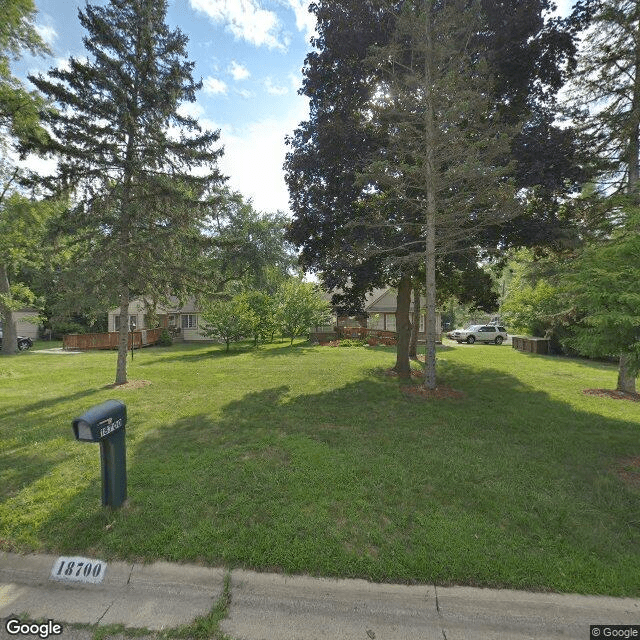
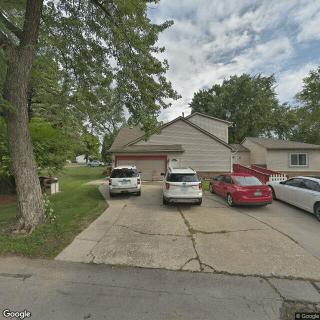
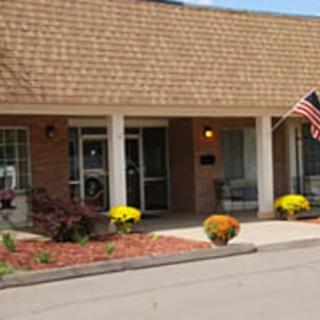
18700 Deering St., Livonia, MI 48152
To contact a resident: (248) 777-0015
For more information about senior living options: (866) 208-4318
Deering Community Living & Respite I Costs & Pricing
Deering Community Living & Respite I offers a range of accommodations at competitive pricing compared to both Wayne County and the broader Michigan market. For private rooms, the monthly rate stands at $3,500, which is slightly higher than Wayne County's average of $3,335 but remains on par with the statewide average of $3,675. The semi-private rooms are priced similarly at $3,500, notably above the county's average of $2,860 while still exceeding the state average of $3,191. Furthermore, for those seeking studio options, Deering provides these accommodations at $4,800 per month - a significant premium over Wayne County's $3,495 and Michigan's average of $3,824. These figures reflect Deering Community Living & Respite I's commitment to quality care and a supportive environment that may justify their positioning in the market.
| Floor plans | Deering Community Living & Respite I | Wayne County | Michigan |
|---|---|---|---|
| Private | $3,500 | $3,335 | $3,674 |
| Semi-Private | $3,500 | $2,860 | $3,189 |
| Studio | $4,800 | $3,495 | $3,824 |
Memory care communities with a similar price nearby
-
from -$500 / mo
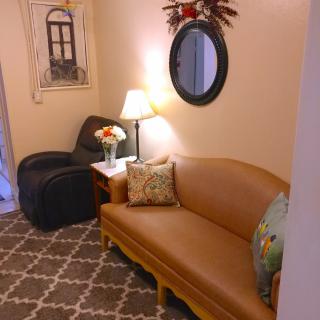
Hutcheson Manor
$3,000 to $4,500 / month1.9 miles away -
from +$300 / mo

Silverbell Manor
$3,800 / month21.3 miles away -
from -$300 / mo
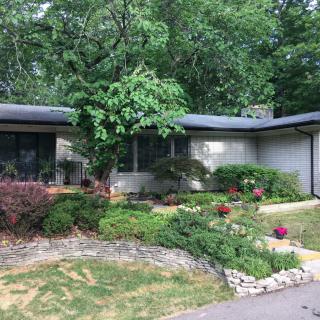
Vicky's Place
$3,200 to $6,000 / month6.4 miles away -
About the same

Pineview Manor
$3,600 / month21.6 miles away -
About the same
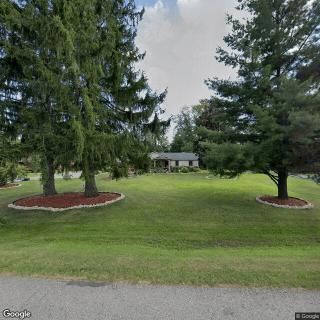
Briar Hill Assisted Living
$3,500 to $4,500 / month3.3 miles away
Overall Review of Deering Community Living & Respite I
Pros
 The staff are very nice and friendly.
- The Deering Street experience was truly great.
- It provides an environment with faith in the home for a loved one.
- The Heart to Heart Hospice group is truly caring and giving.
- They cared for the mom as if she were their own family.
- The caregivers became like family to the family.
- The home is clean, and the meals are loved by the residents.
- Pavel and Irena are wonderful angels.
Cons
 It is described as one of the worst senior homes due to lack of communication and poor hygiene care.
- The husband Paul is portrayed as very rude, with visits ending in shouting matches.
- There was no answer when inquiries were made about the medicine for the loved one.
- Paul supposedly told the reviewers he was not walking with the loved one.
- The place is described as enabling the loved one.
- They were hounded about payment but could not get a call when the loved one wasn’t eating for several days.
- The reviewer would not recommend this place to anyone.
Review
Deering Community Living & Respite I in Livonia is best suited for families seeking a small, home-like assisted living where caregiving is deeply personal and emotionally focused. The strongest alignment is with residents who thrive on warmth, regular human connection, and a family atmosphere, often with a faith-informed tone. The anecdotes portray staff who treat residents as if they are part of an extended family, with caregivers like Irina, Paul, Kathy, and Maggie repeatedly described as devoted and generous. For memory-care needs, this setting can feel particularly intimate and reassuring, with meals that residents enjoy and a home-like rhythm that many families associate with home care rather than a clinical facility.
That said, potential residents should explicitly consider alternatives if a tightly run, highly regulated operation with formal medical oversight is essential. Several reviews raise red flags about communication gaps, inconsistent updates on medications, and questions about daily care logistics. One family reports a breakdown in hygiene care and a perception of poor responsiveness from leadership, including payment pressure without timely updates on a loved one’s eating or overall status. For families that demand unwavering transparency, predictable policies, and robust administrative processes, a larger or more clinical setting may prove more reliable.
The most persuasive pros here, compassionate, family-like care; a clean, home-like environment; and generous, steady communication when it works, often offset a subset of the drawbacks. When the staff truly connects with residents, families feel welcomed and informed, and the caregiving team can become a trusted extension of the family. The positive experiences emphasize not only daily attentiveness, meals that satisfy, companionship, and attentive routines, but also the kind of extras that reinforce dignity, such as hospitable hospitality and a sense of belonging that goes beyond basic tasks. For families prioritizing emotional well-being and a nurturing atmosphere, these benefits can be decisive.
However, the criticisms cannot be ignored, and they shape a careful, risk-aware assessment. The most salient concerns center on communication consistency, clear accountability for medications, and visible leadership responsiveness. If questions arise about a resident’s medical care or daily routines, families want concrete, timely answers and a clear point of contact. There is also a perceptible tension in some reviews between warmth and administrative reliability, with reports of payment pressures juxtaposed against gaps in information about care plans or meals. In short, the care can be extraordinary, but it hinges on the personalities and communications of the onsite team, and that variability matters for families weighing long-term placement.
To navigate the decision, undertake a disciplined due-diligence process. Request a written care plan for a loved one, including medication administration protocols, feeding schedules, and daily activity routines. Seek a dedicated point of contact for ongoing updates, and verify who oversees medical coordination and any hospice partnerships if needed. Schedule live visits at different times, including weekends, to observe how the team handles routine care, urgent questions, and family visits. Consider a short-term respite stay to test the day-to-day cadence and to gauge whether staff follow through on promised care and communication. Finally, speak with multiple families and hospice partners to triangulate experiences rather than rely on a single, positive narrative.
Bottom line: Deering Community Living & Respite I offers an undeniable warmth and sense of family that can be transformative for residents who crave personal attention, meaningful interaction, and a spiritually comforting environment. For dementia care or memory-support needs, the atmosphere and caregiver dedication may be a compelling fit. Yet the community is not without notable caveats, primarily around consistency of communication, medication oversight, and administrative transparency. Families prioritizing a consistently polished, highly regulated operation should evaluate alternatives with equal rigor. When choosing, lean into direct conversations about care plans, assign a reliable point of contact, and test the fit with a concrete short-term stay before committing long-term.
 Board and Care Home
 Memory Care
 Activities on-site
 Devotional services off-site
 Indoor common areas
 Private
 Detroit Metropolitan-Wayne County (15 miles away)
 Ambulatory care
 Diabetic care
 Meals provided
 When to Transition from Assisted Living to Memory Care: Key Indicators, Steps, and Finding the Right Community
 Understanding the Distinctions: Assisted Living and Memory Care Explained
 How to Communicate with a Loved One Living with Dementia: 10 Supportive Strategies