5330 Davison Rd, Burton, MI 48509
To contact a resident: (810) 715-9093
For more information about senior living options: (866) 208-4318
The Pines of Burton Memory Care North Costs & Pricing
The Pines of Burton Memory Care North offers a compassionate and supportive environment for residents, with monthly costs reflecting the quality of care provided. For a studio accommodation, residents can expect to pay $4,600 per month, which is notably higher than both the average cost in Genesee County at $4,111 and the statewide average in Michigan of $3,824. Similarly, the one-bedroom option is priced at $4,800, surpassing the county's average of $3,121 and the state's average of $3,384. While these costs are elevated compared to local benchmarks, they align with the comprehensive care and specialized support tailored for individuals with memory care needs at The Pines.
| Floor plans | The Pines of Burton Memory Care North | Genesee County | Michigan |
|---|---|---|---|
| Studio | $4,600 | $4,111 | $3,824 |
| 1 Bedroom | $4,800 | $3,121 | $3,384 |
Memory care communities with a similar price nearby
-
from -$350 / mo
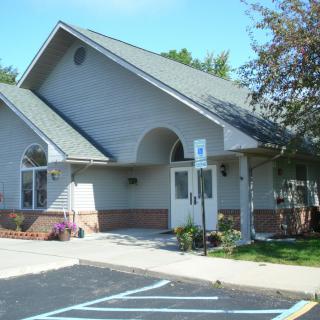
Addington Place of Grand Blanc
$4,250 / month9.2 miles away -
from -$800 / mo

Advanced Care AFC Home, LLC
$3,800 to $4,800 / month23.7 miles away -
from -$200 / mo

Cottage of Davison
$4,400 to $6,500 / month5.0 miles away -
from +$400 / mo
Tanglewood Assisted Living
$5,000 / month19.9 miles away -
About the same

Springvale Assisted Living & Memory Care
$4,495 to $5,400 / month13.0 miles away
Overall Review of The Pines of Burton Memory Care North
Pros
 The staff, led by Director Matthew Brawner, are attentive, understanding, and helpful.
- Director Brawner takes a personal interest in ensuring residents are well cared for.
- The rooms are bright and spacious, and the overall layout is comforting.
- The Pines of Burton feels more like a home than an institution, with family welcome anytime.
- The facility has undergone significant improvements under new management.
- The care staff are attentive, professional, and consistently provide a welcoming environment.
- The executive director Matt is incredible at his job.
- The facility offers thoughtful amenities, such as a barber shop and theatre room, along with excellent home-cooked meals.
Cons
 There were bed bugs in the memory care building.
- Urine was left standing to dry.
- The facility is terrible, all about money and not very clean.
- The place is all about money and not the residents.
- They need administration because the current administration is trash.
- The facility is filthy, unkept, and smells strongly of urine.
- Lobby furniture is ripped, and showers in patient rooms are broken and unrepaired.
- Aides have taken patients into other patients’ rooms to shower because theirs didn’t work.
- The director takes no interest in the well-being of patients, and staffing is often insufficient.
- The facility should be investigated and shut down.
- There was a Covid outbreak with deaths, and management and corporate left a lot to be desired.
- The care left the resident isolated with little social interaction and few activities.
- There were long periods with only a couple of staff working.
- The company that took over has raised rent and cut spending on food and supplies.
- Management and corporate have driven away good staff; it is no longer the same place.
Review
The Pines of Burton Memory Care North is best suited for families seeking a memory‑care environment that feels homey and personally attended to, with an actively involved leadership presence. When management is steady and staff are engaged, residents can expect attentive care, rooms that feel bright and comfortable, and a setting that emphasizes family involvement and socializing. The strongest upside is the personal touch from leadership and caregivers who treat residents with dignity and warmth, along with tangible amenities, think a barber shop, a theatre room, and home‑style meals, that make the memory‑care experience feel less institutional.
But there are clear warning signs that demand serious consideration. Several reviews flag ongoing management and maintenance issues, and a recurring theme is inconsistency in the everyday experience, particularly around cleanliness, safety, and dependable staffing at all hours. Some families report improvements under new leadership, yet others describe persistent problems: odor and a sense of neglect, broken showers, and rooms that are not consistently cared for; reports of short staffing at night and limited programming for residents who crave structured activity. The tension between moments of genuine care and episodes of neglect is real and enduring for many families weighing this facility.
The positive elements do offset some of the more troubling concerns, but not in a vacuum. When the staff are described as compassionate, attentive, and respectful, those attributes can dramatically elevate a resident’s daily well‑being, especially in memory care where routine and reassurance are critical. The facility’s home‑like design, bright rooms, a layout that supports easy access, and familiar touches like a theatre and barber shop, can enhance comfort and dignity. Families also appreciate the sense that residents are treated with family‑like warmth, and that the director and key caregivers take a personal stake in daily outcomes. Still, these advantages are undermined if basic upkeep, safety, and reliable communication falter, because those elements directly impact trust and continuity of care.
This is not a place to overlook administration and consistency. The most serious flags relate to cleanliness, safety, and responsiveness. Instances of strong odors, unaddressed maintenance needs, and sleep‑cycle disruptions from understaffing raise legitimate concerns about daily safety and comfort. Add in experiences where calls or concerns from families went unanswered, and the risk profile grows. These are not minor irritations; they speak to the facility’s ability to maintain a safe, predictable environment, an essential requirement in memory care. In a setting where residents depend on staff for hands‑on care, these gaps can quickly erode quality of life.
Who should consider alternatives? Families who prioritize spotless, consistently maintained spaces and a rigorously responsive management team should look elsewhere or insist on a current, comprehensive tour and a clear, written plan for improvement. If a resident requires dependable, 24/7 oversight, a robust activity calendar, strong infection control, and transparent pricing with real‑time communication, this facility may not consistently deliver. There are other nearby options with more stable reputations and demonstrable continuity in care, programming, and housekeeping that may better align with those needs.
To make a practical, informed decision, schedule a tour focused on current conditions: observe resident rooms and common areas for cleanliness, test the responsiveness of staff and management, review the current care plan for any resident with similar needs, and ask pointed questions about staffing levels, incident history, and steps taken to address past deficiencies. Confirm whether the new management structure has translated into durable, ongoing improvements, and request recent references from families whose loved ones are in care under the current team. If the balance of warmth and homey comfort remains strong and the care plan is clear, this facility can work; if not, act promptly to explore alternatives with steadier performance and fewer red flags.
 Memory Care
 Cats allowed
 Dogs allowed
 Activities on-site
 Beautician on-site
 Devotional services off-site
 Indoor common areas
 Outdoor common areas
 Respite or short term stays offered
 Wheelchair accessible showers
 Bishop (9 miles away)
 Ambulatory care
 Diabetic care
 Incontinence care
 Medication management
 Meals provided
 Pet-focused programs
 Trivia games

 5 Early Indicators of Dementia and What You Can Do
 8 Important Indicators That Memory Care May Be Necessary
 Delving into the Inner World of Dementia: Insights into Thoughts and Awareness