
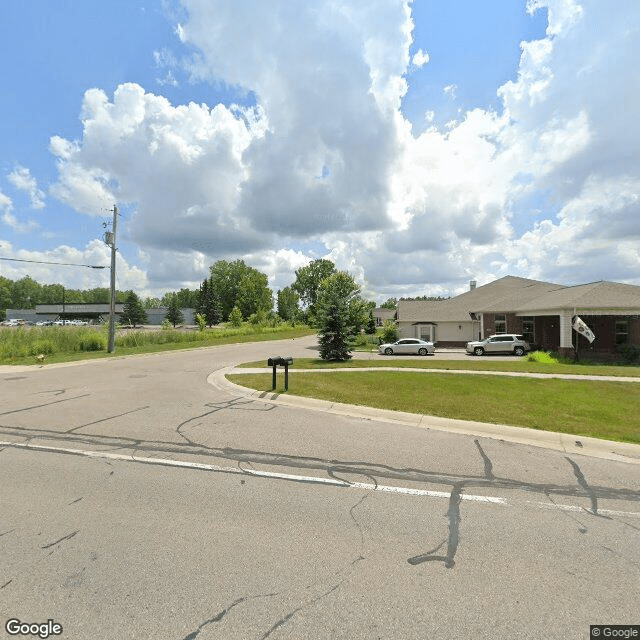
5340 Davison Rd, Burton, MI 48509
To contact a resident: (810) 715-9093
For more information about senior living options: (866) 208-4318
The Pines of Burton Memory Care South Costs & Pricing
The Pines of Burton Memory Care South offers specialized care options for individuals with memory-related challenges, providing a nurturing environment tailored to their needs. Monthly costs for a studio unit at this facility are set at $4,600, which is noticeably higher than the average of $4,111 in Genesee County and significantly above Michigan's state average of $3,824. For those seeking a more spacious one-bedroom option, the monthly fee is $5,200 - again surpassing the county's average of $3,121 and the statewide average of $3,384. These rates reflect not only the quality of care and services provided but also the distinctive focus on memory support that The Pines of Burton offers to its residents.
| Floor plans | The Pines of Burton Memory Care South | Genesee County | Michigan |
|---|---|---|---|
| Studio | $4,600 | $4,111 | $3,824 |
| 1 Bedroom | $5,200 | $3,121 | $3,384 |
Memory care communities with a similar price nearby
-
from -$350 / mo
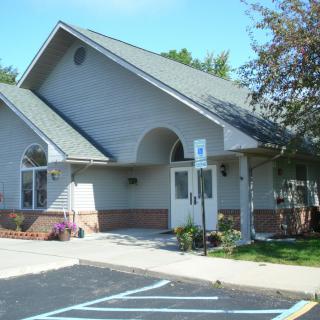
Addington Place of Grand Blanc
$4,250 / month9.2 miles away -
from -$800 / mo

Advanced Care AFC Home, LLC
$3,800 to $4,800 / month23.7 miles away -
from -$200 / mo

Cottage of Davison
$4,400 to $6,500 / month4.8 miles away -
from +$400 / mo
Tanglewood Assisted Living
$5,000 / month19.9 miles away -
About the same

Springvale Assisted Living & Memory Care
$4,495 to $5,400 / month13.1 miles away
Overall Review of The Pines of Burton Memory Care South
Pros
 The staff, led by Director Matthew Brawner, were attentive, understanding, and helpful.
- Director Brawner personally took an interest in ensuring residents were well cared for.
- The rooms were well designed and comforting.
- The Pines of Burton's facilities and staff were highly impressive.
- Improvements to the facility were evident after the transition to new management.
- The rooms, lawns, and overall facilities were well-maintained and inviting.
- The care staff were attentive, professional, and consistently provided a welcoming environment.
- The Pines feels more like a home than an institution.
- The facility offers amenities such as a barber shop, a theatre room, and excellent home-cooked food.
- The Pines of Burton is highly recommended as a safe place for loved ones.
Cons
 The Pines of Burton was described as terrible and money-driven, prioritizing profits over resident care.
- A bed bug infestation was reported in the memory care building.
- The facility was filthy, unkempt, with a strong urine odor and broken showers.
- The director was hard to reach and appeared not to care about residents’ well-being.
- Management reportedly raised rents and cut spending on essentials, impacting care.
- Night staffing levels were insufficient to meet residents’ needs.
- A COVID outbreak with deaths was claimed, and management was criticized for poor communication and accountability.
- The new management and corporate practices were labeled horrible, indicating mismanagement.
- Reviewers warned not to entrust loved ones there due to mismanagement and neglect.
Review
Best suited for families seeking a memory-care environment where caregiving staff are consistently accessible and leadership remains engaged on a day-to-day basis. The Pines of Burton Memory Care South tends to work best for residents who value a home-like atmosphere, visible administration, and on-site conveniences such as a barber shop and a theatre room. Families that want frequent, hands-on interaction with a director who takes a personal interest in each resident will find this community aligns with that expectation. Those prioritizing pristine, uniformly spotless facilities, aggressively controlled costs, or unbroken stability in governance may want to consider alternatives.
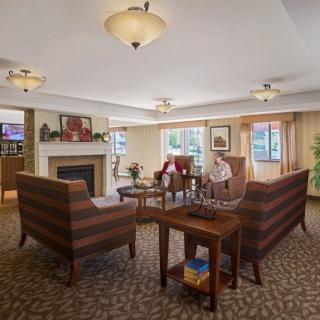
On the positive side, the strongest current draw is the care temperament delivered by front-line staff and the leadership team when properly engaged. Reviewers consistently note attentiveness, warmth, and a welcoming environment, with praise directed at staff who treat residents with dignity and respect. The presence of a director who appears to know residents by name, and to intervene personally when needed, builds trust for families navigating transitions into memory care. The physical environment has also improved under new management: bright, spacious rooms and well-kept common areas reflect a commitment to making the setting feel like a home rather than an institution, with practical amenities that support daily life and social engagement.
Yet the community carries meaningful caveats. A pattern of negative experiences centers on cleanliness, maintenance, and management responsiveness. Comments range from concerns about odors, broken showers, and furniture wear to reports of bed bugs in memory care and inconsistent housekeeping. Some reviewers describe difficulty reaching leadership or a sense that administrative priorities are oriented toward cost control rather than resident well-being. The impression of price increases paired with mixed quality of care creates a tension point for families, especially when attempting to balance fragile budgets against ongoing care needs. This contrast in experiences makes certain families cautious about long-term reliability.
How the positives offset the negatives depends largely on what a given family values and how management responds. When the director and care staff are routinely accessible, and when issues are addressed promptly, the home-like ambiance and personal attention can substantially offset occasional maintenance shortcomings. The improvements noted after a management transition signal potential for continued progress, especially if housekeeping protocols and preventive maintenance are prioritized. However, recurring or unaddressed cleanliness problems, coupled with inconsistent communication, threaten to undermine trust and escalate risk for residents who require rigorous, reliable routines and oversight.
For families evaluating options, a practical decision framework is essential. Request an up-to-date tour, insist on meeting the current leadership team, and ask for specifics about staffing ratios, training, and how the facility handles maintenance requests. Probe into how quickly problems are resolved, the process for escalations, and concrete examples of how resident preferences are honored in daily care plans. Seek candid references from current residents or families, and verify the status of ownership and governance to gauge whether recent improvements are sustainable. Finally, obtain a transparent outline of current and projected costs, including any anticipated increases, and compare this with how consistently amenities, services, and staffing meet resident needs.
In the end, The Pines of Burton Memory Care South can be a solid choice for families seeking a memory-care home where hands-on leadership and a caring staff create a warm, family-friendly environment. The decision hinges on stability and cleanliness: if current management demonstrates reliable responsiveness, rigorous housekeeping, and transparent communication, the positives strongly outweigh the drawbacks. If those elements feel uncertain, or if ready access to consistent housekeeping, prompt issue resolution, and cost transparency are non-negotiable, exploring alternatives with a proven track record in maintenance and governance may deliver greater long-term confidence.
 Memory Care
 Cats allowed
 Dogs allowed
 Activities on-site
 Beautician on-site
 Devotional services on-site
 Indoor common areas
 Outdoor common areas
 Wheelchair accessible showers
 Bishop (9 miles away)
 Ambulatory care
 Diabetic care
 Incontinence care
 Medication management
 Meals provided



 Medications Associated with Dementia Risk: A Comprehensive Overview
 Guiding Your Journey: Understanding Power of Attorney for Elderly Parents
 22 Remarkable Caregiver Support Groups Available Online and In-Person