

25 Lafayette Street, Marblehead, MA 01945
For more information about senior living options: (866) 208-4318
Overall Review of Lafayette Rehabilitation & Skilled Nursing Facility
Pros
 The staff at The Lafayette Rehab demonstrate total commitment to quality care.
- The physical and occupational therapists create a respectful and encouraging atmosphere.
- The facility offers a variety of programs to keep residents engaged.
- The Lafayette Rehab provides a memorable experience for residents and families.
- The staff at Lafayette Marblehead are wonderful and provide excellent care.
- The facility is homey, clean, and well maintained with fresh flowers and clean linens.
- The CNAs, nurses, and administration are superb and very helpful.
- The Lafayette Rehabilitation and Skilled Nursing Facility delivers superb care.
- The facility is a small place with big love.
Cons
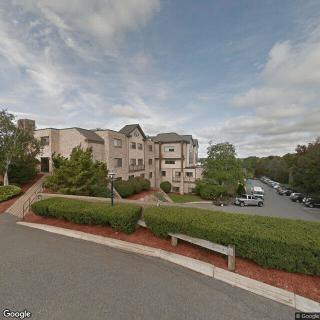
 The facility is outdated and in need of renovation.
- There was a delay in nursing response, with staff appearing upset and not helping promptly.
- One reviewer described the overall experience as the worst ever.
- A reviewer warned that attractive surroundings do not guarantee good care, noting the care can be terrible.
- The furnishings and decor are described as aging and in need of modernization.
Review
Best suited for seniors who need skilled nursing care with focused rehabilitation, The Lafayette Rehabilitation and Skilled Nursing Facility in Marblehead is a practical choice for families prioritizing hands-on caregiving and visible therapy progress. The setting supports short-term rehab after a fall or surgery and also provides long-term care where daily routines are anchored by attentive CNAs, nurses, and therapists. The emphasis on active programs and a homey atmosphere makes it a compelling option for those who value consistent personal attention and a culture of encouragement in recovery and daily living.
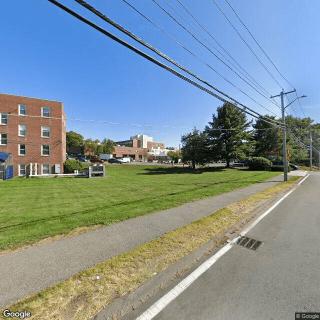
However, this community is not the best fit for families seeking the most modern interiors or cutting-edge memory-care environments. The building is older and in need of renovation, though many residents and families describe cleanliness and upkeep as solid, and even comforting to residents with Alzheimer’s where decor familiarity matters more than polish. When prioritizing the newest furnishings or architectural trends, alternatives with contemporary layouts may prevail. Also, occasional lapses in responsiveness have been noted, suggesting that, during peak times, quick nurse assistance cannot always be assumed, and this is a factor to verify upfront.
On the upside, the staffing is frequently highlighted as a core strength. Families describe the CNAs, nurses in charge, and administrators as responsive, skilled, and genuinely caring. The rehab team, physical and occupational therapists, produces meaningful progress, guiding residents with a respectful, encouraging approach that supports real improvement. Residents receive regular engagement through a broad slate of activities, and the facility itself is consistently described as clean, well maintained, and homey, with attention to small comforts like fresh flowers and neat linens that reinforce a positive daily experience.
Rehabilitation outcomes are a central differentiator here. The therapy programs translate into tangible gains in strength and balance, even for very elderly residents, with stories of regained independence after falls and injurious events. The care network extends beyond therapy into daily oversight by nurses, aides, and social staff, creating a cohesive continuity of care. For families navigating long-term placement, this translates into more predictable care routines, fewer gaps in attention, and a sense that staff truly know the resident’s history, preferences, and evolving needs. The sense of a small community with big heart, where caregivers know families by name, shows up in practical ways every day.
Still, there are clear cautions. The building’s age means furnishings and design trails behind modern expectations, which can influence comfort for some residents and families. There are anecdotal reports of slower-than-ideal responses from some staff during emergencies or busy periods, and a standout negative experience highlights that occasional oversight can occur. That combination means risk exists around perceived attentiveness and timely escalation of concerns. For families, a proactive interview during tours, asking about staffing ratios, call-back times, and the process for urgent requests, will help separate dependable teams from areas where delays may undermine peace of mind.
The bottom line: Lafayette represents serious value for families seeking skilled nursing with robust rehab, a warm caregiving culture, and a clean, home-like environment. It is a strong fit for residents who thrive on structured activity, meaningful therapist-led progress, and consistent, personable staff, even if the surroundings are not the newest. Those whose priorities include ultra-modern facilities, dedicated memory-care ecosystems, or guaranteed uniform administrative efficiency may want to compare other options before committing. The recommended course is a candid tour, targeted questions about therapy intensity and response times, and a clear plan for ongoing family communication to ensure alignment with the resident’s goals and the caregiver team’s capabilities.
 65 resident community capacity
 Memory Care
 Skilled Nursing Facility
 Air-conditioning
 Beauty salon
 Cable or satellite TV
 Computer center
 Dining room
 Fitness room
 Fully furnished
 Gaming room
 Garden
 Housekeeping services
 Kitchenette
 Move-in coordination
 Outdoor space
 Private bathrooms
 Restaurant-style dining
 Small library
 Telephone
 Wellness center
 Wi-Fi/high-speed internet available
 Gen Edw L Logan International (11 miles away)
 Community operated transportation
 12-16 hour nursing
 24-hour call system
 Activities of daily living assistance
 Assistance with bathing
 Assistance with dressing
 Assistance with transfers
 Diabetes diet
 Medication management
 Mental wellness program
 Special dietary restrictions
 Concierge services
 Planned day trips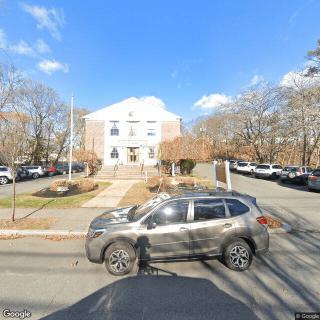



 Dementia, Paranoia, and Caregiver Guidance: Understanding the Connection
 Engaging Memory Care Activities That Enhance Quality of Life
 When to Transition from Assisted Living to Memory Care: Key Indicators, Steps, and Finding the Right Community