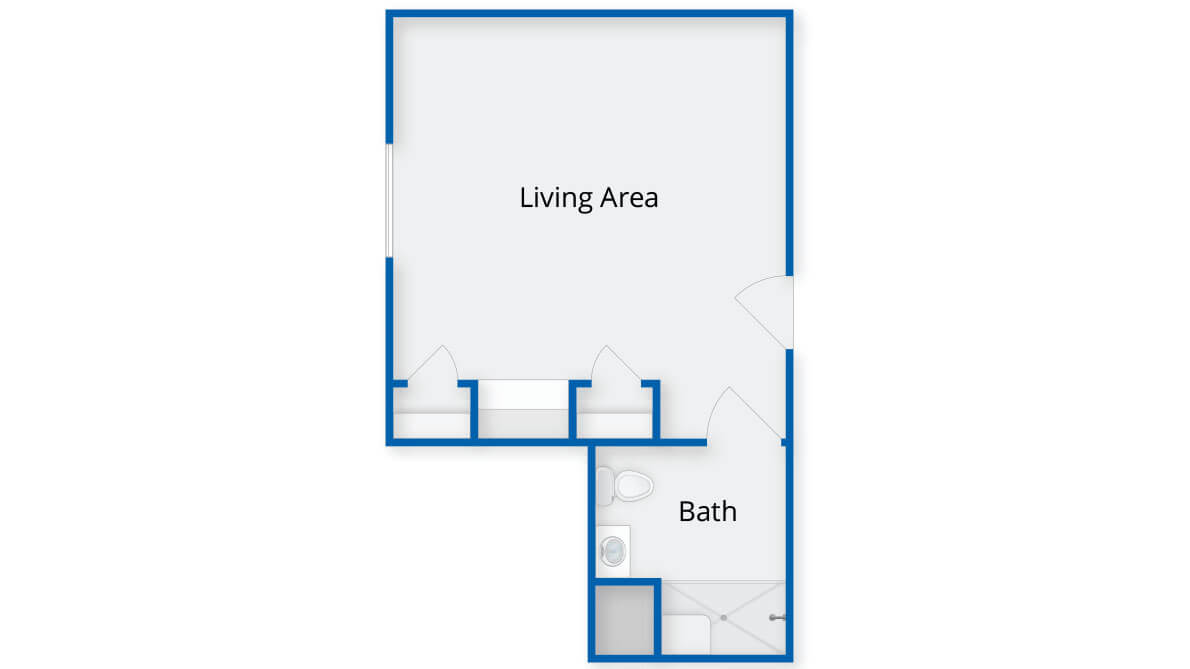
At Harbor Point at Centerville, the monthly cost for a studio apartment is set at $9,175, which significantly surpasses both the Barnstable County average of $5,838 and the broader Massachusetts state average of $5,312. This pricing reflects not only the premium amenities and personalized care offered at Harbor Point but also its strategic location that appeals to those seeking a vibrant community atmosphere. While the costs may appear higher compared to surrounding areas, they often correlate with enhanced services and quality of life that residents can expect at this esteemed facility.
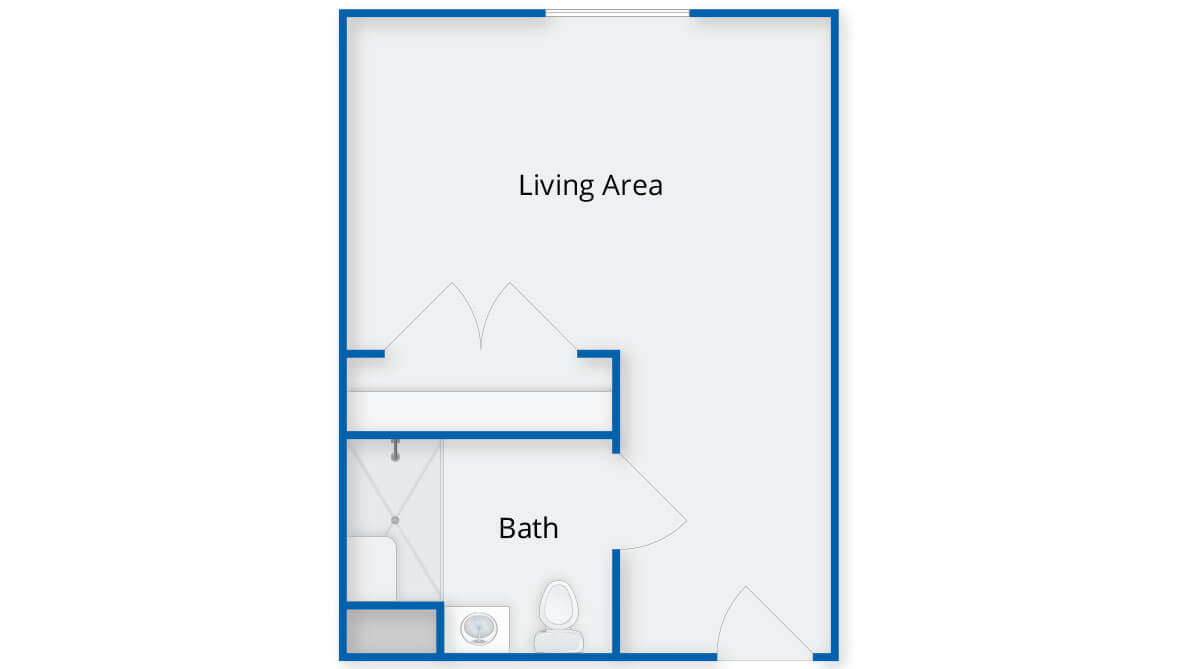
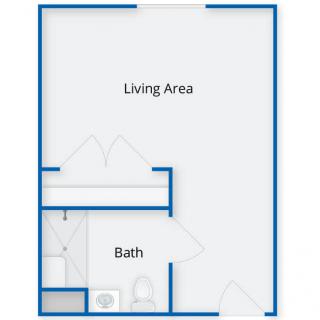
Floor plans
Harbor Point at Centerville
Barnstable County
Massachusetts
Studio
$9,175
$5,838
$5,312
Overall Review of Harbor Point at Centerville
differentiator6 reviews mention this
Dementia care feels specialized
Residents’ memory-care needs are repeatedly described as the community’s focus.
Many reviewers chose Harbor Point specifically for memory care and describe staff who understand dementia and memory impairment. Several families say their loved one stayed engaged through scheduled day programs and outings designed to keep clients active. Reviewers also describe safety and comfort as a consistent priority in day-to-day memory care.
common18 reviews mention this
Staff are caring and responsive
Reviewers consistently describe the staff as caring, attentive, and easy to reach.
Across reviews, families describe staff as kind, supportive, and present, with caregivers who are responsive to comfort and care needs. Several people mention frequent interaction, warm greetings, and staff tailoring attention to individual preferences. A few reviewers also emphasize communication and responsiveness when questions come up.
common8 reviews mention this
Clean, well-kept environment
Residents and families often mention that the community looks clean and well maintained.
Multiple reviews highlight an always-clean, well-maintained building and grounds. Families also describe the facility as impeccably maintained, including cleanliness in rooms and common areas. One reviewer specifically points to the overall cleanliness during a tour, reinforcing what other families had already observed.
common7 reviews mention this
Activities keep residents engaged
Residents are described as staying busy with frequent scheduled activities.
A recurring theme is how much programming residents have, including multiple activities throughout the day. Several reviewers call out entertainment and live music, describing their loved ones as happier and more engaged as a result. Families also mention exercise and outings as part of keeping people active within the memory-care setting.
common4 reviews mention this
Meals are more than basic
Families describe dining as thoughtful and visually accessible for residents.
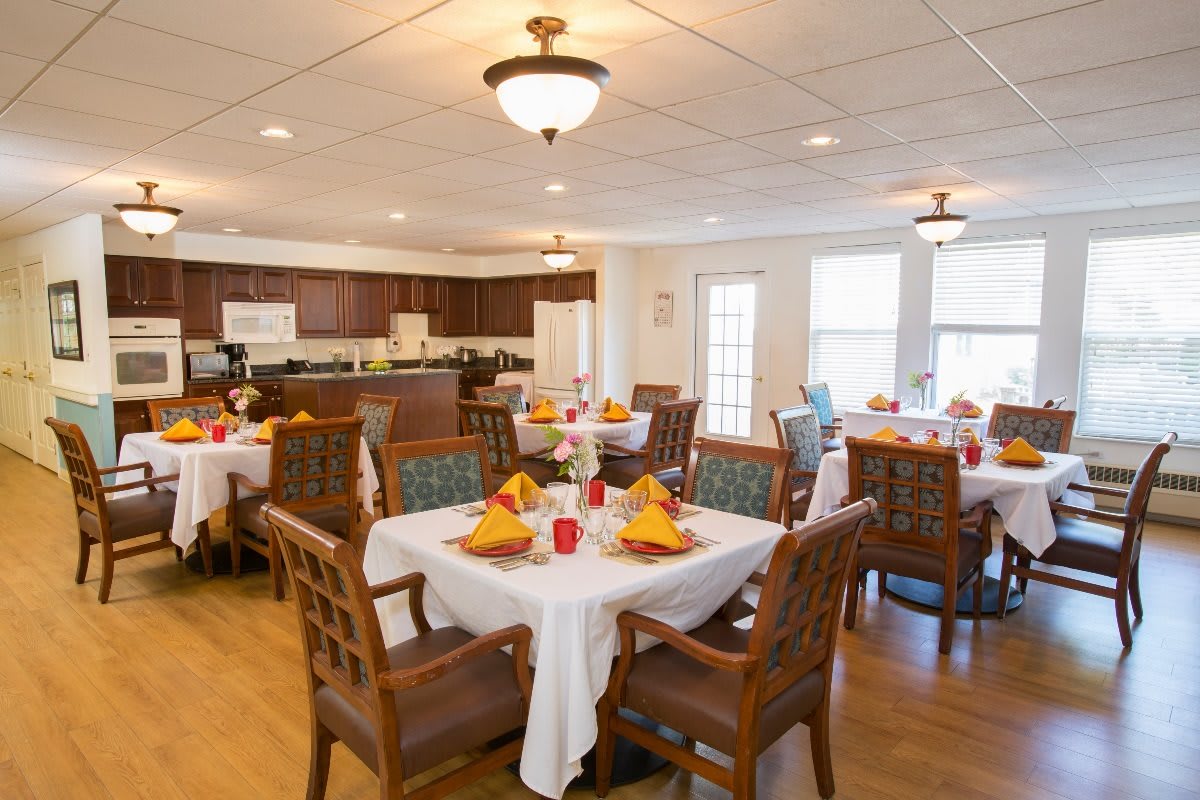
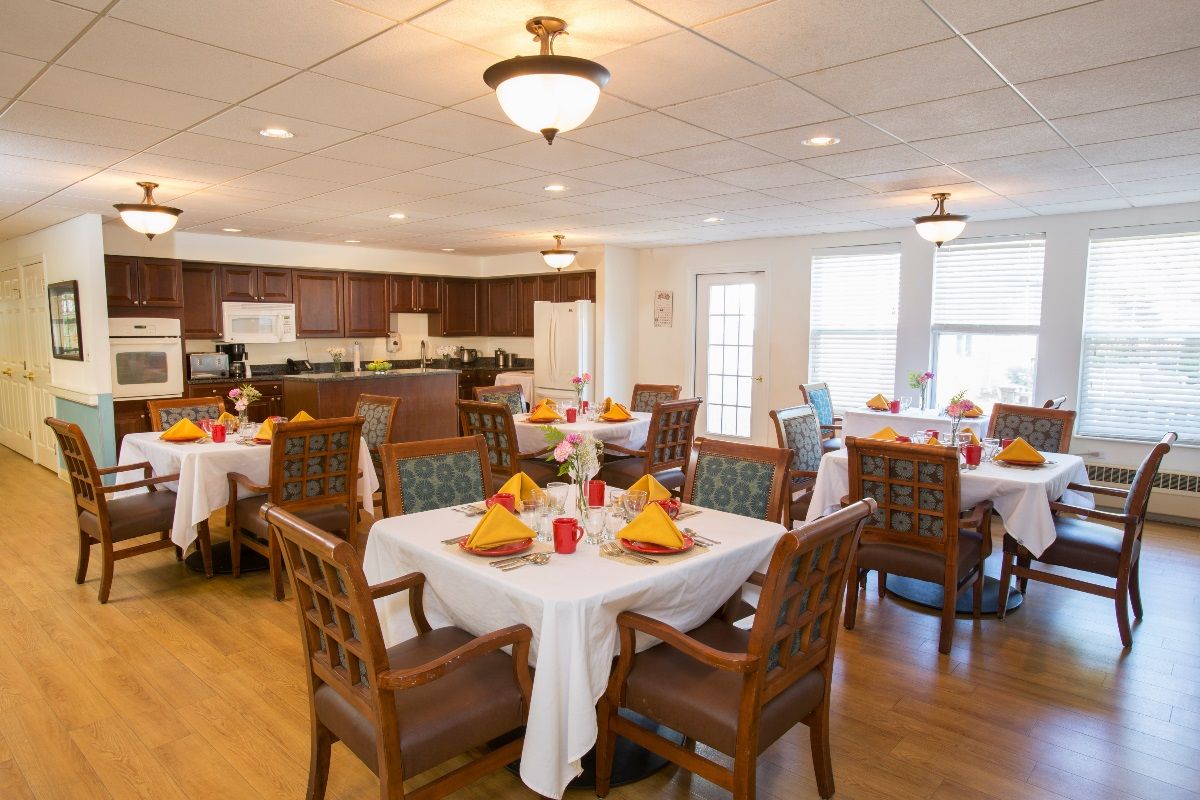
Reviews mention tasty meals and families being offered selection options during mealtimes. One reviewer describes how plated choices help residents with reading or visual limitations, and another highlights the dining-room setup and presentation. The community also offers restaurant-style dining in the resident experience described by families.
caveat3 reviews mention this
High cost shows up in reviews
Some families say the community is expensive for what they’re paying.
Price comes up as a concern in a few reviews, including remarks that it is pretty expensive and that, given the cost, families would look elsewhere. This is discussed alongside otherwise positive feedback about care and environment. Overall, the community’s value is the main pressure point for these reviewers.
caveat2 reviews mention this
Communication can break down
A small number of reviews describe problems with communication, including medication-related issues.
Some reviewers mention communication problems, particularly around medications during travel or changes in routine. One negative review also points to missed or incorrect follow-through and difficulty getting the expected updates. These issues are described as exceptions within largely positive experiences, but they still affect overall confidence for the families who raised them.
How we summarize
Counts show how many written reviews mention each theme; a review can touch several themes, and only frequently mentioned themes are displayed.
Features
Housing
65 resident community capacity
Studio apartments
Types of Care
Day Program
Memory Care
Skilled Nursing Facility
Pets
Cats allowed
Dogs allowed
Amenities
Activities off-site
Activities on-site
Air-conditioning
Bath tubs
Beautician on-site
Beauty salon
Cable or satellite TV
Computer center
Devotional services off-site
Devotional services on-site
Dining room
Financing advice
Fitness room
Fully furnished
Gaming room
Garden
Guasts at mealtime
Guest parking
Handicap accessible
Home sale assistance
Housekeeping services
Indoor common areas
Kitchenette
Laundry
Move-in coordination
Outdoor common areas
Outdoor patio
Outdoor space
Overnight guests
Party space
Private bathrooms
Respite or short term stays offered
Restaurant-style dining
Security gate
Small library
TV room
Telephone
VA Benefits Consultation
Wellness center
Wheelchair accessible showers
Wi-Fi/high-speed internet available
Transportation
Barnstable Mun Boardman Polando (3 miles away)
Marthas Vineyard (23 miles away)
Community operated transportation
Transportation & parking
Transportation arrangement
Transportation arrangement (non-medical)
Transportation to doctors appointments
Care Services
12-16 hour nursing
24-hour call system
24-hour supervision
Activities of daily living assistance
Assistance with bathing
Assistance with dressing
Assistance with transfers
Coordination with health care providers
Dementia waiver
Diabetes diet
High acuity care
Hospice care
Hospice waiver
Incontinence care
Meal preparation and service
Medication management
Mental wellness program
Mild cognitive impairment
Physical therapy
Special dietary restrictions
Specialized memory care programming
Transportation arrangement (medical)
Transportation to doctors appointments
Dining
Diabetes diet
Guest meals
Low / no sodium
Low fat
Meals provided
No Sugar
Restaurant style dining
Special dietary restrictions
Special dining programs
Vegetarian
Activities
Activities off-site
Art classes
Arts and crafts
Book club
Community-sponsored activities
Concierge services
Cooking club
Day trips and outings
Devotional activities offsite
Devotional activities on-site
Educational speakers / life long learning
Fitness programs
Forever fit
Games
Gardening club
Live dance or theater performances
Live musical performances
Planned day trips
Religious services
Resident-run activities
Scheduled daily activities
Stories
Wine tasting
Yoga / chair yoga
Videos
Nearby Places of Interest
This part of Centerville, Massachusetts offers a variety of healthcare options with several physicians, pharmacies, and hospitals located within a few miles. Residents can easily access medical care as needed. In terms of dining options, there are quaint cafes and restaurants nearby serving a range of cuisine to suit different tastes. Places of worship are also available for those seeking spiritual fulfillment. For relaxation or outdoor activities, there are parks in the area where one can enjoy the natural surroundings. Additionally, transportation services such as the airport and transportation center provide convenient travel options for seniors. Overall, this neighborhood provides a mix of essential services and amenities that could make it a comfortable choice for senior living.
Physicians
Cape Regency Rehabilitation & Health Care Center (0.6 miles)
Gosnold (0.6 miles)
Strawberry Hill Primary Care (0.9 miles)
Cape Cod Dermatology (0.9 miles)
Cape Cod Human Services (1.6 miles)
All Cape Gynecology (2.1 miles)
Dr. David A. McQueen & Associates (2.2 miles)
Pharmacies
CVS Pharmacy (0.8 miles)
Whole Health Pharmacy (1.4 miles)
Walgreens (1.5 miles)
West Gate Home Medical Equipment (2.1 miles)
Apothecare Pharmacy (2.1 miles)
CVS Pharmacy (2.5 miles)
Cape Cod Hospital Employee Pharmacy (3.6 miles)
Restaurants
Four Seas Ice Cream (1 miles)
The Daily Paper (1.3 miles)
The Barnicle (1.4 miles)
Steve & Sue's Par-Tee Freeze (1.6 miles)
Chick-Fil-A (2.3 miles)
Sam Diego's (2.3 miles)
Jersey Mike's (2.4 miles)
Places of Worship
Seventh-Day Adventist Church (2.2 miles)
Cafes
Panera Bread (2.6 miles)
Starbucks (2.7 miles)
Sea Street Cafe (2.8 miles)
Ocean Street Cafe & Deli (3.1 miles)
The Casual Gourmet Express (3.6 miles)
Nirvana Coffee Company (3.6 miles)
Old King’s CoffeeHouse (3.9 miles)
Transportation
Barnstable Municipal Airport (HYA) (2.9 miles)
Hyannis Transportation Center (3.2 miles)
Parks
Veterans Memorial Park (3.5 miles)
Hospitals
Family Care Program-Cpe Cod Hospital (3.6 miles)
Marian G. and Stephen P. Mugar Building (3.6 miles)
At Harbor Point at Centerville, the monthly cost for a studio apartment is set at $9,175, which significantly surpasses both the Barnstable County average of $5,838 and the broader Massachusetts state average of $5,312. This pricing reflects not only the premium amenities and personalized care offered at Harbor Point but also its strategic location that appeals to those seeking a vibrant community atmosphere. While the costs may appear higher compared to surrounding areas, they often correlate with enhanced services and quality of life that residents can expect at this esteemed facility.
The array of services offered at Harbor Point at Centerville plays a crucial role in enhancing the quality of life for residents with dementia or Alzheimer's disease. Continuous 24-hour supervision ensures that individuals receive immediate assistance when required, promoting a sense of safety and security. Support with activities of daily living--such as bathing, dressing, and transfers--helps maintain dignity while addressing the physical challenges these residents face. Coordination with healthcare providers allows for tailored care plans that adapt to evolving needs, while specialized memory care programming fosters cognitive engagement through targeted activities designed for those with varying degrees of memory impairment. Meal preparation and service address nutritional needs, ensuring that residents receive balanced diets essential for overall well-being. Additionally, medication management safeguards proper adherence to prescriptions critical for health maintenance. The mental wellness program and physical therapy contribute to both emotional stability and physical rehabilitation, essential components for those experiencing mild cognitive impairment or advanced stages of dementia. Incontinence care further alleviates stress for residents and families alike, allowing individuals to feel more comfortable within their living environment. Transportation arrangements facilitate access to medical appointments, ensuring comprehensive healthcare continuity, thereby providing an all-encompassing support system tailored to meet the unique challenges faced by individuals with memory-related conditions.
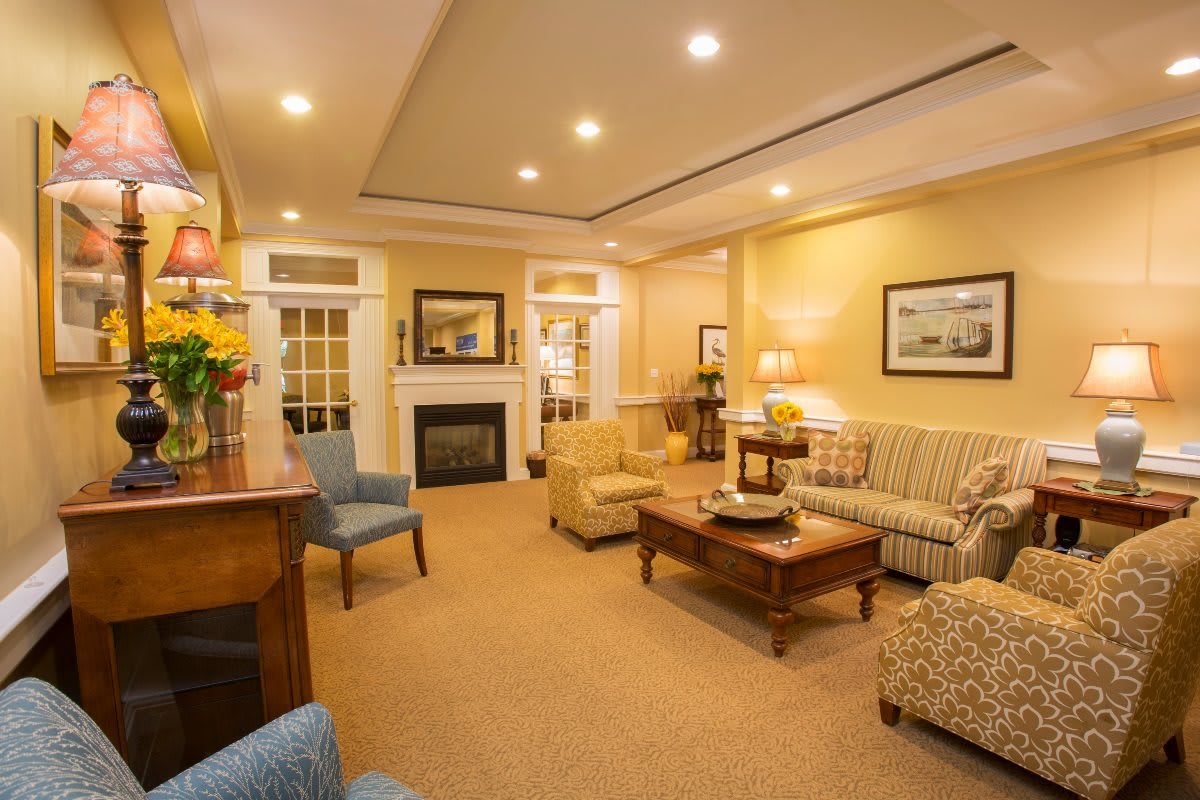
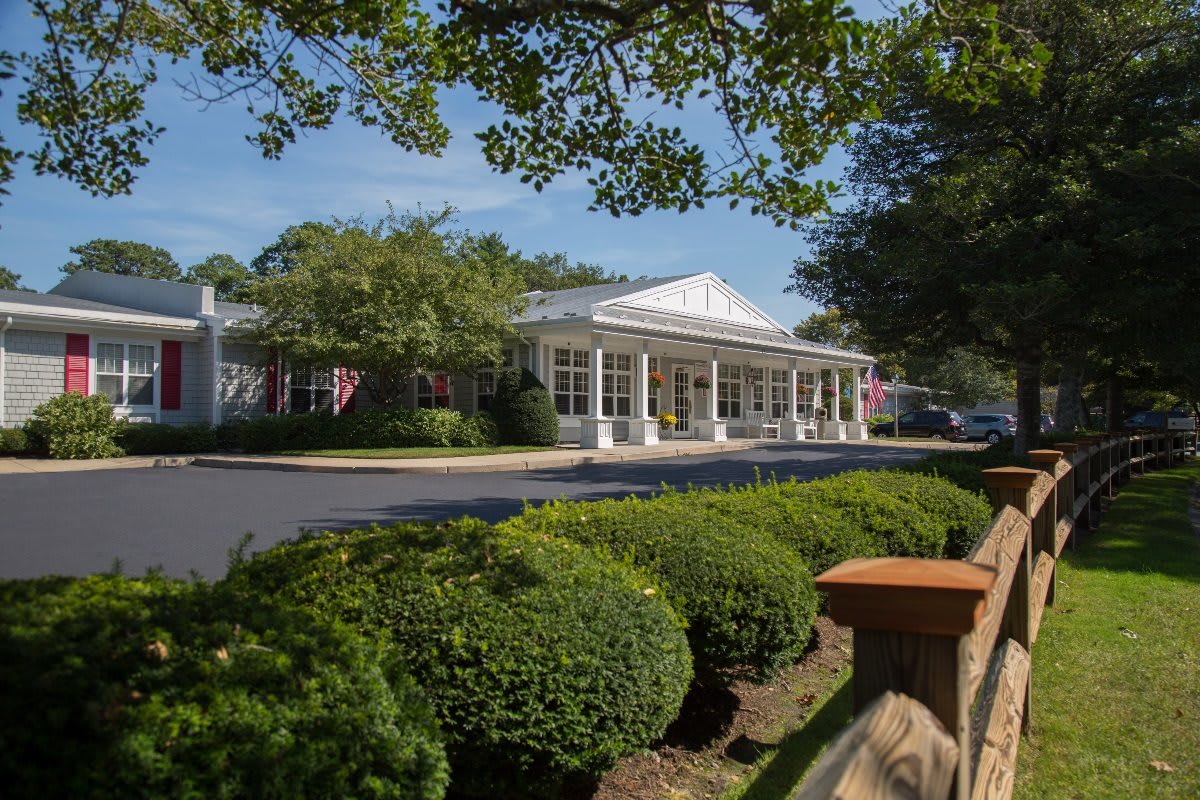
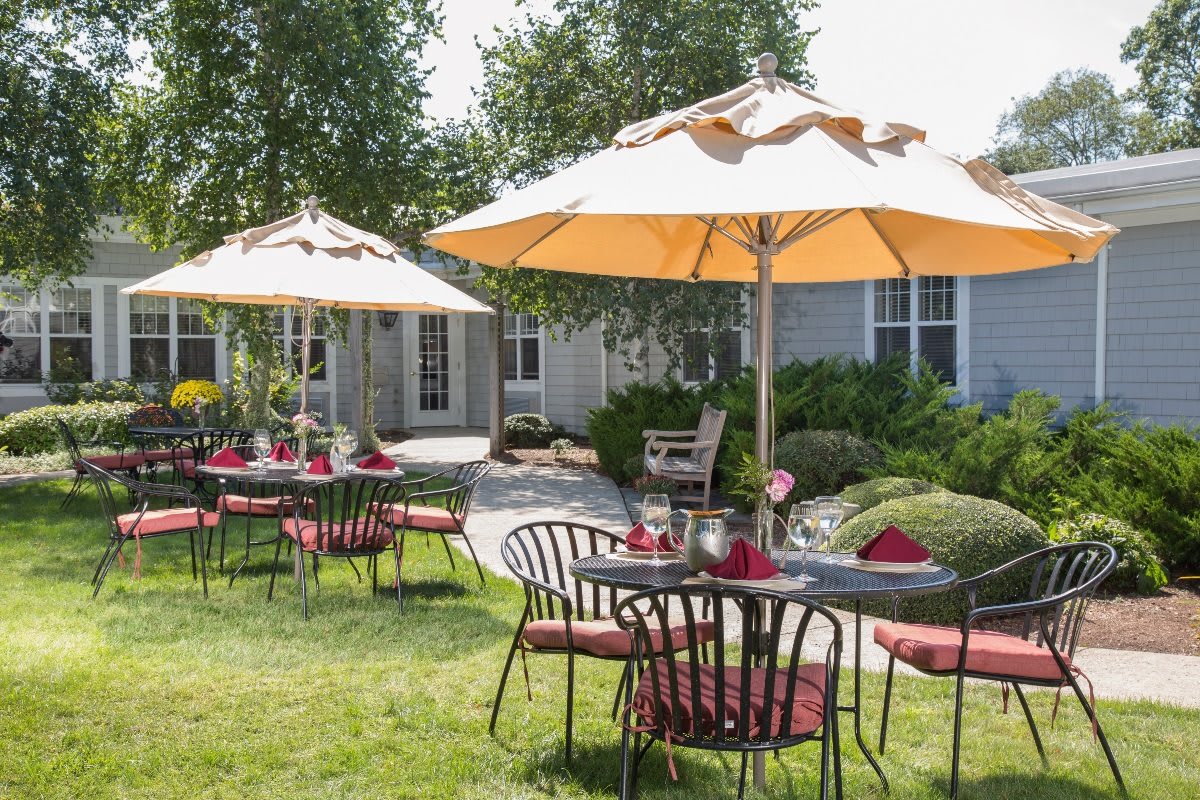
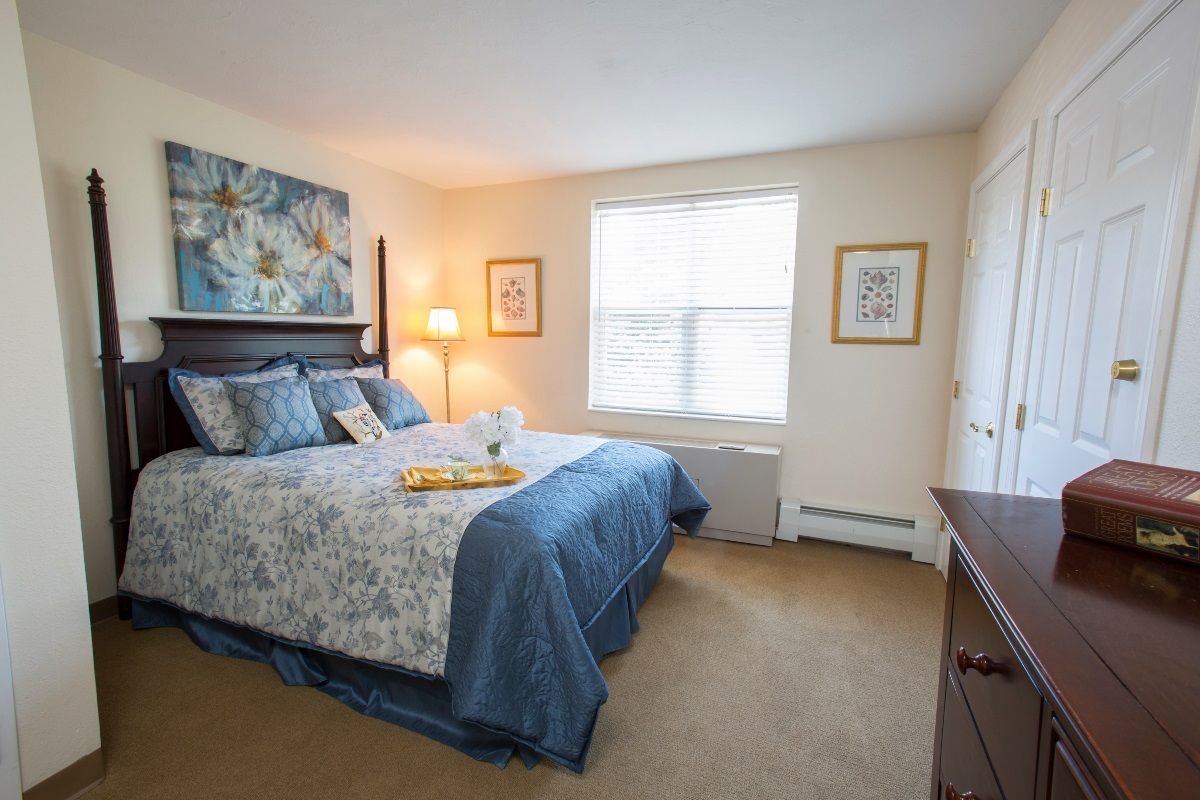
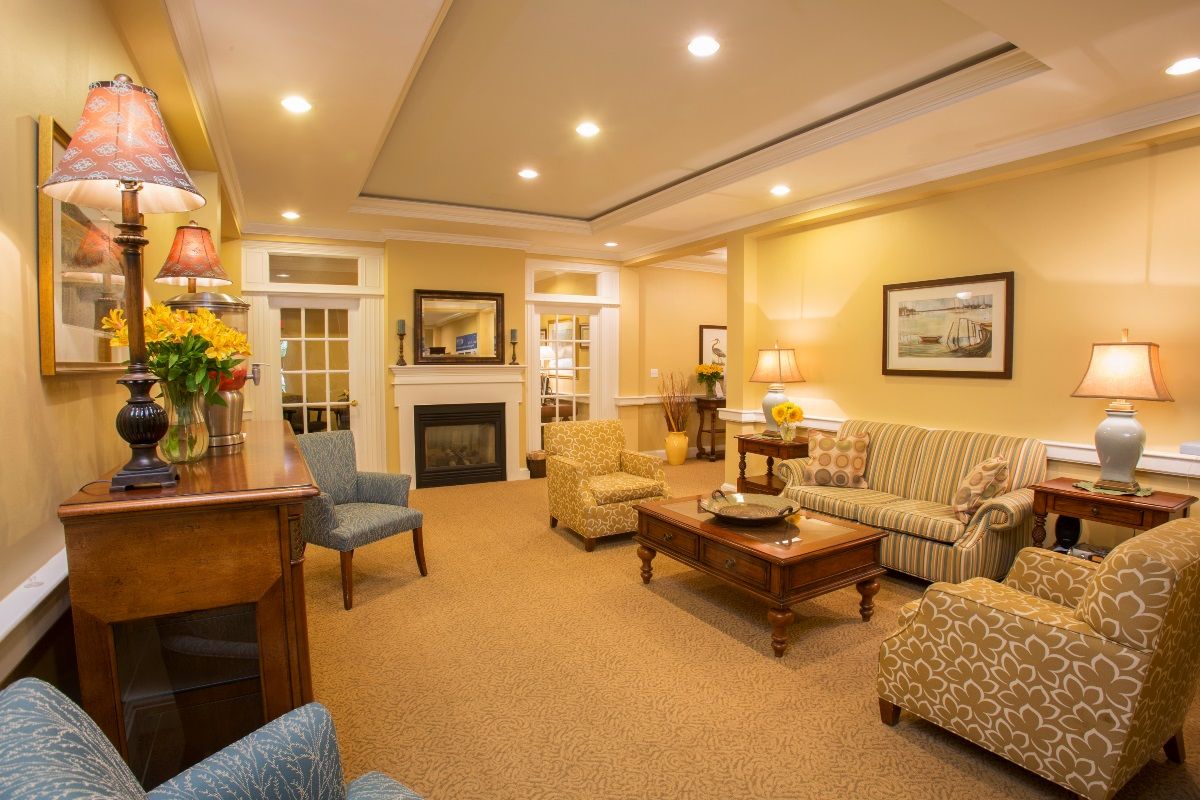
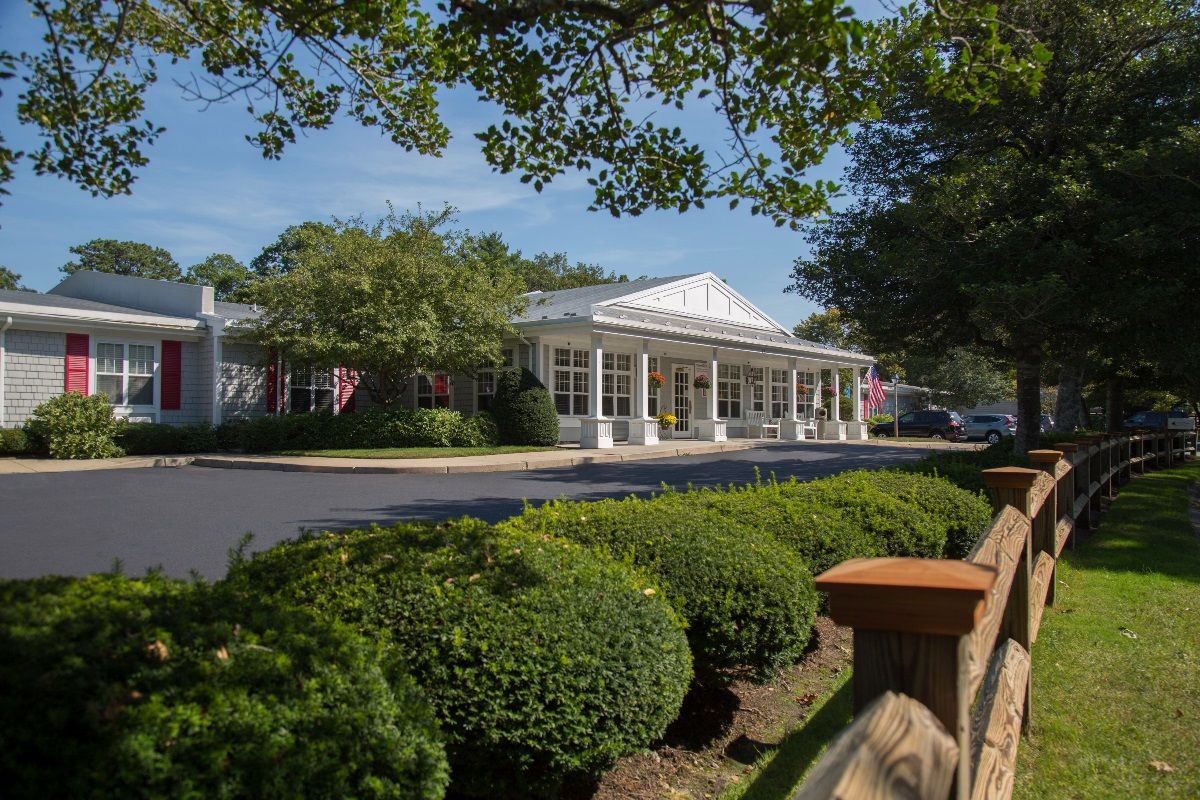
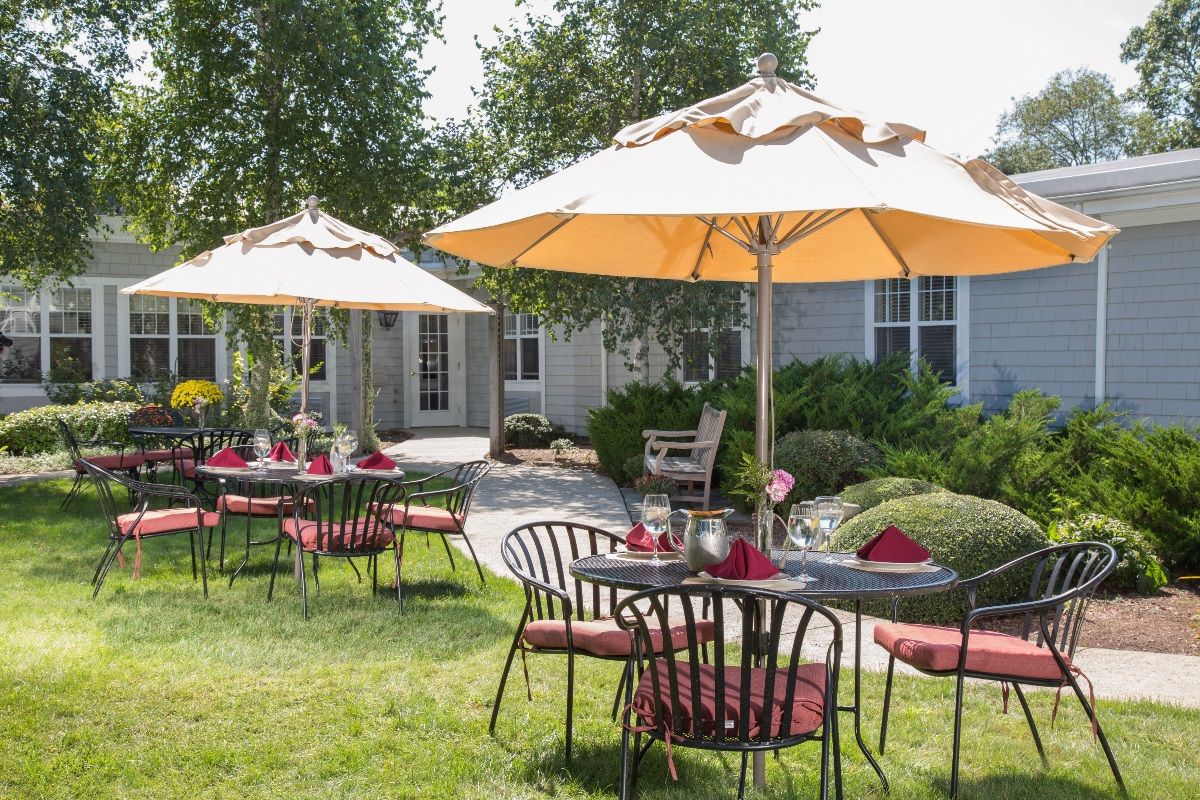
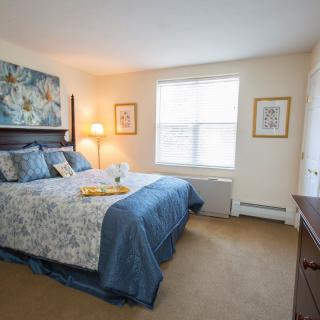
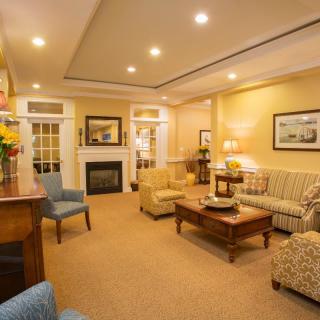
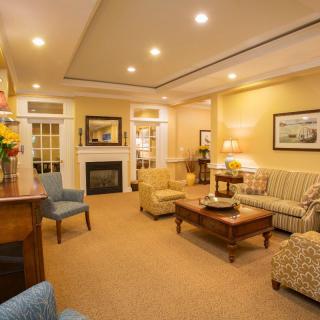
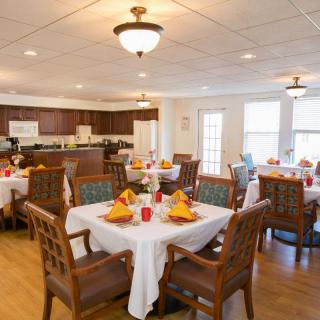
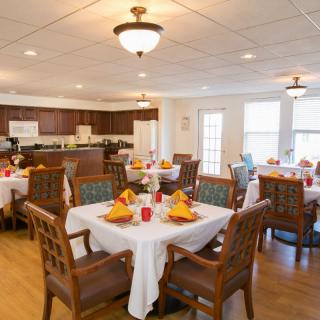
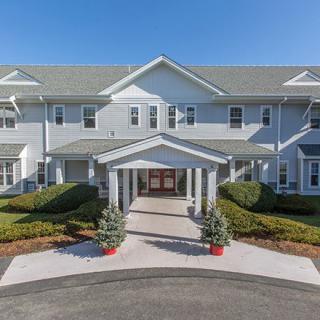
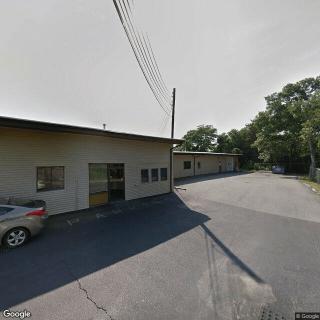
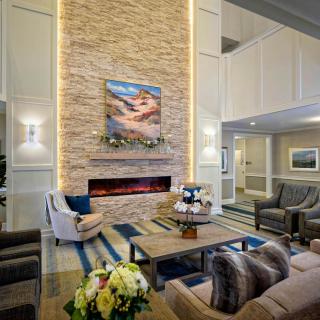
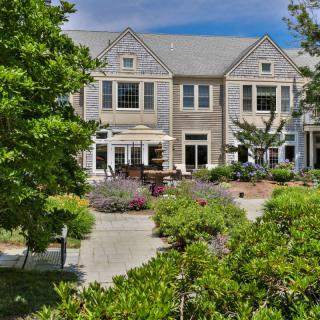
Harbor Point at Centerville on seniors.fyi includes 12 photos including images showing landscaping, interior, floor plan, dining, living room, fireplace, living area, lighting, and more.
Nearby Communities
Brookside At Regency
Centerville, MA
3.3 from 53 reviews
Comprehensive 24/7 care with memory support in fully furnished, amenity-rich apartments.
The Pavilion - Hyannis
Hyannis, MA
3.4 from 34 reviews
Good dining, clean facility, and friendly staff.
Brookdale Cape Cod
Hyannis, MA
4.1 from 75 reviews
$3,795 to $8,205 / month
Friendly staff, a clean, well-maintained community with engaging activities and good dining options.
Hyannis House
Hyannis, MA
3.3 from 8 reviews
$800 to $1,095 / month
Very affordable pricing compared to county and state averages.
Cape United Elderly
Hyannis, MA
4.2 from 5 reviews
Extensive nearby amenities and healthcare access.
Home With You
Hyannis, MA
Vibrant location with extensive nearby amenities and healthcare options.
Maplewood At Mayflower Place
West Yarmouth, MA
4.6 from 84 reviews
$4,500 to $6,200 / month
Beautiful, customizable apartments with excellent dining and engaging activities.
Heatherwood At Kings Way
Yarmouth Port, MA
4.4 from 25 reviews
$1,333 to $1,797 / month
Clean, attractive facilities with a strong community, on-site activities, and optional ownership.
Southport On Cape Cod
Mashpee, MA
2.6 from 10 reviews
Professional management, responsive maintenance, friendly neighbors, and abundant amenities.
Reminiscence therapy helps individuals with dementia recall past memories through structured discussions and meaningful objects, enhancing mood, relationships, and sense of identity while celebrating their lives. It can be practiced in formal settings or at home, requiring sensitivity to personal histories and cultural backgrounds.
Reminiscence therapy is a structured method for older adults, especially those with dementia, to share life stories using prompts and sensory cues, fostering emotional well-being, social engagement, and self-identity. It aims to improve quality of life by enhancing interpersonal connections and cognitive stimulation while requiring careful facilitation to avoid distressing memories.
Dementia, particularly Lewy body dementia, often involves hallucinations that can significantly distress both patients and caregivers due to disruptions in sensory processing and neurotransmitter imbalances. Effective management includes compassionate communication, environmental adjustments, and a multidisciplinary approach to care while addressing the emotional needs of caregivers.
Get PricingAsk A QuestionSchedule A TourContact Senior Advisor
By clicking submit, you agree to our Partner's Terms of Use. You
also consent to receive calls and texts, which may be autodialed, from our Partner. Your consent is not a condition to
using our Partner's service. Please visit our Partner's Privacy Policy for information about their privacy practices.






 65 resident community capacity
 Studio apartments
 Day Program
 Memory Care
 Skilled Nursing Facility
 Cats allowed
 Dogs allowed
 Air-conditioning
 Bath tubs
 Beautician on-site
 Cable or satellite TV
 Computer center
 Devotional services off-site
 Dining room
 Financing advice
 Fitness room
 Fully furnished
 Gaming room
 Garden
 Guest parking
 Handicap accessible
 Housekeeping services
 Indoor common areas
 Kitchenette
 Laundry
 Move-in coordination
 Outdoor common areas
 Outdoor patio
 Overnight guests
 Party space
 Private bathrooms
 Respite or short term stays offered
 Restaurant-style dining
 Security gate
 Small library
 Telephone
 Wellness center
 Wheelchair accessible showers
 Wi-Fi/high-speed internet available
 Barnstable Mun Boardman Polando (3 miles away)
 Community operated transportation
 12-16 hour nursing
 24-hour call system
 Assistance with bathing
 Assistance with dressing
 Assistance with transfers
 Diabetes diet
 High acuity care
 Hospice care
 Incontinence care
 Medication management
 Mental wellness program
 Physical therapy
 Special dietary restrictions
 Transportation arrangement (medical)
 Art classes
 Book club
 Concierge services
 Cooking club
 Day trips and outings
 Educational speakers / life long learning
 Games
Games Live dance or theater performances
 Live musical performances
 Wine tasting
 Comprehensive 24/7 care with memory support in fully furnished, amenity-rich apartments.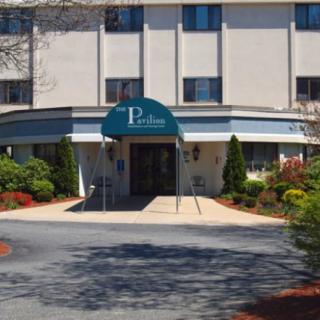

 Exploring the Power of Reminiscence Therapy for Individuals With Dementia
 An In-Depth Look at Reminiscence Therapy in Dementia Care
 Dementia-Related Hallucinations: Causes, Experiences, and Practical Approaches