For more information about senior living options: (866) 208-4318
3.3 from 53 reviews
5 stars
22
4 stars
9
3 stars
3
2 stars
2
1 stars
17
Brookside At Regency Costs & Pricing
At Brookside At Regency, the monthly costs for accommodations reflect a premium experience in comparison to both Barnstable County and the broader Massachusetts market. For a studio apartment, residents can expect to pay $6,950, which is notably higher than the county average of $5,838 and significantly exceeds the state average of $5,312. Similarly, the one-bedroom option is priced at $8,450 - again outpacing both local and state figures of $5,942 and $5,349 respectively. These elevated costs may be indicative of enhanced amenities or unique services offered at Brookside At Regency, catering to those seeking a distinguished living environment.
Floor plans
Brookside At Regency
Barnstable County
Massachusetts
Studio
$6,950
$5,838
$5,312
1 Bedroom
$8,450
$5,942
$5,349
Overall Review of Brookside At Regency
differentiator3 reviews mention this
Memory care and hospice floors
Residents describe care delivered across dementia and hospice-focused areas.
Several reviews describe being placed on a specific floor for more specialized needs, including dementia-focused care and hospice care. One resident/visitor explicitly notes a third floor devoted to residents with dementia, while other reviewers mention hospice care on a dedicated second floor. Reviews also connect this placement to families feeling more comfortable with how day-to-day care is handled.
common7 reviews mention this
Activities and the ambassador program
The activities program and ambassador support are frequently mentioned by residents.
Residents and families repeatedly mention an ambassador who checks in, helps resolve issues, and plans time together, along with organized activities. Multiple reviews describe residents joining events and building social connections, including specific references to group activities like drum classes and daily activity opportunities. Even when reviews note the building needs updates, they still highlight this programming as a consistent bright spot in day-to-day life.
common20 reviews mention this
Staff kindness and professionalism
Many residents and families praise staff for care, kindness, and follow-through.
Across many reviews, people describe staff as caring, respectful, attentive, and professional, including nurses, aides, social work, and therapy teams. Several reviewers point to specific caregivers or departments and say needs are met promptly, with good communication within the care team. Even some critical reviews still mention that there are “some good people,” but overall the most consistent theme is that staff members can be relied on for day-to-day support.
common10 reviews mention this
Food quality brings mixed reviews
Dining is described as both satisfying and disappointing, depending on the reviewer.
Some residents and families praise the food quality and describe it as good, including mentions of the menu being better than expected. Others report problems with meals, ranging from limited choices to food they call disgusting or tasteless, and there are also complaints tied to dietary needs being handled incorrectly. The review mix suggests food experience may vary by stay and unit.
caveat11 reviews mention this
Overall cleanliness is inconsistent
Cleanliness and upkeep are a recurring point of disagreement in reviews.
Some reviews emphasize a clean facility, clean rooms, and a generally well-maintained environment, including the common areas and bathrooms. Other reviews describe serious cleanliness problems, including unsanitary conditions and neglected basics, alongside reports of rooms and fixtures looking run down. Several reviewers also mention the building feeling dated or in need of updates, which may influence how cleanliness and comfort are perceived.
caveat7 reviews mention this
Communication and call light concerns
Some families report delays or failures in getting updates and responses.
A group of reviews describe communication breakdowns, including not being reached by phone after leaving a loved one and not receiving updates. There are also complaints about call lights and staff response times, with residents reportedly waiting days or needing to get up themselves for help. While a few reviews describe social workers returning calls promptly, the negative feedback is specific enough to stand out as a potential day-to-day frustration for some families.
How we summarize
Counts show how many written reviews mention each theme; a review can touch several themes, and only frequently mentioned themes are displayed.
Features
Housing
29 resident community capacity
Types of Care
Assisted Living
Memory Care
Amenities
Activities on-site
Beauty salon
Cable or satellite TV
Devotional services off-site
Dining room
Fully furnished
Garden
Housekeeping services
Indoor common areas
Kitchenette
Move-in coordination
Outdoor space
Restaurant-style dining
Small library
Telephone
Wi-Fi/high-speed internet available
Transportation
Barnstable Mun Boardman Polando (3 miles away)
Marthas Vineyard (23 miles away)
Care Services
24-hour call system
24-hour supervision
Activities of daily living assistance
Ambulatory care
Assistance with bathing
Assistance with dressing
Assistance with transfers
Diabetes diet
Diabetic care
Meal preparation and service
Medication management
Mental wellness program
Special dietary restrictions
Dining
Diabetes diet
Meals provided
Special dietary restrictions
Activities
Activities on-site
Community-sponsored activities
Devotional activities offsite
Resident-run activities
Scheduled daily activities
Nearby Places of Interest
Centerville, Massachusetts, is a charming and convenient location for senior living. With several physicians, pharmacies, and hospitals within a short distance, residents have easy access to healthcare services. The area also offers a variety of dining options, including local favorites like Four Seas Ice Cream and The Barnicle. Additionally, there are cafes such as Sea Street Cafe and Panera Bread for leisurely meals or coffee outings. For transportation needs, the Barnstable Municipal Airport and Hyannis Transportation Center are nearby. Veterans Memorial Park provides a peaceful outdoor space for recreational activities. Overall, Centerville combines convenience with a welcoming community atmosphere for seniors looking to settle in the area.
Physicians
Cape Regency Rehabilitation & Health Care Center (0 miles)
Gosnold (0.9 miles)
Strawberry Hill Primary Care (1.2 miles)
Cape Cod Dermatology (1.2 miles)
Cape Cod Human Services (1.5 miles)
Mallvision (2.5 miles)
Mall Vision Center (2.5 miles)
Restaurants
Four Seas Ice Cream (0.4 miles)
The Barnicle (0.9 miles)
The Daily Paper (1.3 miles)
Steve & Sue's Par-Tee Freeze (1.5 miles)
The West End (2.4 miles)
Chick-Fil-A (2.6 miles)
Jersey Mike's (2.6 miles)
Pharmacies
CVS Pharmacy (1.1 miles)
Whole Health Pharmacy (1.3 miles)
Walgreens (1.5 miles)
West Gate Home Medical Equipment (2 miles)
Apothecare Pharmacy (2 miles)
CVS Pharmacy (2.7 miles)
Cape Cod Hospital Employee Pharmacy (3.6 miles)
Places of Worship
Seventh-Day Adventist Church (2.2 miles)
Cafes
Sea Street Cafe (2.7 miles)
Panera Bread (2.8 miles)
Starbucks (2.9 miles)
Ocean Street Cafe & Deli (3.2 miles)
The Casual Gourmet Express (3.6 miles)
Old King’s CoffeeHouse (3.9 miles)
Nirvana Coffee Company (4.1 miles)
Transportation
Barnstable Municipal Airport (HYA) (3.1 miles)
Hyannis Transportation Center (3.3 miles)
Parks
Veterans Memorial Park (3.4 miles)
Hospitals
Family Care Program-Cpe Cod Hospital (3.6 miles)
Marian G. and Stephen P. Mugar Building (3.6 miles)
At Brookside At Regency, the monthly costs for accommodations reflect a premium experience in comparison to both Barnstable County and the broader Massachusetts market. For a studio apartment, residents can expect to pay $6,950, which is notably higher than the county average of $5,838 and significantly exceeds the state average of $5,312. Similarly, the one-bedroom option is priced at $8,450 - again outpacing both local and state figures of $5,942 and $5,349 respectively. These elevated costs may be indicative of enhanced amenities or unique services offered at Brookside At Regency, catering to those seeking a distinguished living environment.
The comprehensive range of services at Brookside At Regency is designed to support residents with dementia or Alzheimer's disease effectively. Assistance with dressing and bathing helps maintain personal hygiene and comfort, while tailored meal preparation and service ensure that residents receive nutritious meals suited to their dietary needs. Medication management is crucial for maintaining health and preventing complications associated with the disease, enabling residents to adhere to their prescribed regimens. Support with activities of daily living fosters independence while ensuring safety during essential tasks such as transfers. The 24-hour supervision provides peace of mind for families and ensures immediate assistance when needed, which is vital due to the unpredictable nature of memory-related conditions. Additionally, a mental wellness program engages residents in cognitive-stimulating activities, promoting mental health and enhancing quality of life through social interaction and cognitive exercises tailored specifically for their needs. Together, these features create a nurturing environment that prioritizes both safety and well-being for individuals facing the challenges of dementia or Alzheimer's disease.
Nearby Communities
Harbor Point at Centerville
Centerville, MA
4.6 from 69 reviews
$9,175 / month
Compassionate, knowledgeable staff in a clean, homey setting with engaging activities and long-tenured team.
The Pavilion - Hyannis
Hyannis, MA
3.4 from 34 reviews
Good dining, clean facility, and friendly staff.
Brookdale Cape Cod
Hyannis, MA
4.1 from 75 reviews
$3,795 to $8,205 / month
Friendly staff, a clean, well-maintained community with engaging activities and good dining options.
Hyannis House
Hyannis, MA
3.3 from 8 reviews
$800 to $1,095 / month
Very affordable pricing compared to county and state averages.
Home With You
Hyannis, MA
Vibrant location with extensive nearby amenities and healthcare options.
Cape United Elderly
Hyannis, MA
4.2 from 5 reviews
Extensive nearby amenities and healthcare access.
Maplewood At Mayflower Place
West Yarmouth, MA
4.6 from 84 reviews
$4,500 to $6,200 / month
Beautiful, customizable apartments with excellent dining and engaging activities.
Southport On Cape Cod
Mashpee, MA
2.6 from 10 reviews
Professional management, responsive maintenance, friendly neighbors, and abundant amenities.
Laurentide At Mashpee Commons
Mashpee, MA
4.9 from 98 reviews
New, beautiful facility with a warm staff and engaging activities (fireplace lounge, movie theater).
Dementia, particularly Lewy body dementia, often involves hallucinations that can significantly distress both patients and caregivers due to disruptions in sensory processing and neurotransmitter imbalances. Effective management includes compassionate communication, environmental adjustments, and a multidisciplinary approach to care while addressing the emotional needs of caregivers.
Alzheimer’s disease is a progressive neurological disorder that significantly impacts memory and cognitive functions, accounting for 60-80% of dementia cases, with early diagnosis being crucial yet challenging. It involves brain changes like beta-amyloid plaques and tau tangles, influenced by genetic and lifestyle factors, and while there is no cure, symptom management and support for caregivers are essential.
Dementia, influenced by aging and certain medications, may be exacerbated by drug classes such as anticholinergics, benzodiazepines, and antipsychotics, which are associated with cognitive impairment. Regular medication reviews by healthcare professionals are crucial for older adults to manage risks and optimize cognitive health.
Get PricingAsk A QuestionSchedule A TourContact Senior Advisor
By clicking submit, you agree to our Partner's Terms of Use. You
also consent to receive calls and texts, which may be autodialed, from our Partner. Your consent is not a condition to
using our Partner's service. Please visit our Partner's Privacy Policy for information about their privacy practices.

 29 resident community capacity
 Assisted Living
 Memory Care
 Activities on-site
 Beauty salon
 Cable or satellite TV
 Devotional services off-site
 Dining room
 Fully furnished
 Garden
 Housekeeping services
 Indoor common areas
 Kitchenette
 Move-in coordination
 Outdoor space
 Restaurant-style dining
 Small library
 Telephone
 Wi-Fi/high-speed internet available
 Barnstable Mun Boardman Polando (3 miles away)
 24-hour call system
 Ambulatory care
 Assistance with bathing
 Assistance with dressing
 Assistance with transfers
 Diabetes diet
 Diabetic care
 Medication management
 Mental wellness program
 Special dietary restrictions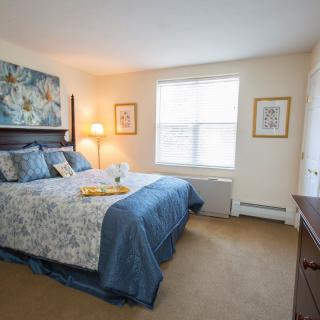
 Compassionate, knowledgeable staff in a clean, homey setting with engaging activities and long-tenured team.


 Dementia-Related Hallucinations: Causes, Experiences, and Practical Approaches
 Illuminating Insights About Alzheimer's Disease: Ten Crucial Realities
 A Thorough Discussion of Medications Potentially Linked to Dementia Risk