
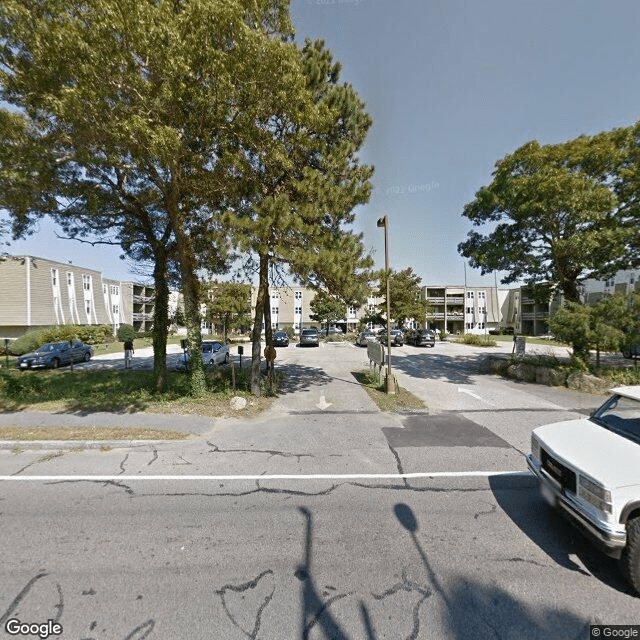
290 West Main Street, Hyannis, MA 02601
To contact a resident: (508) 771-2202
For more information about senior living options: (866) 208-4318
Hyannis House Costs & Pricing
Hyannis House offers competitive pricing for its accommodations when compared to both Barnstable County and the broader Massachusetts area. For instance, a studio at Hyannis House is priced at $800 per month, significantly lower than the county average of $5,838 and the state average of $5,312. Similarly, their one-bedroom units are available for $890, again well below the county's $5,942 and the state's $5,349. The two-bedroom options at Hyannis House are listed at $1,095, comfortably under both Barnstable County's average of $6,281 and Massachusetts' average of $6,151. Overall, Hyannis House presents an attractive choice for residents seeking quality living arrangements at a fraction of the typical local costs.
| Floor plans | Hyannis House | Barnstable County | Massachusetts |
|---|---|---|---|
| Studio | $800 | $5,838 | $5,312 |
| 1 Bedroom | $890 | $5,942 | $5,349 |
| 2 Bedrooms | $1,095 | $6,281 | $6,151 |
Senior living communities with a similar price nearby
-
from +$148 / mo
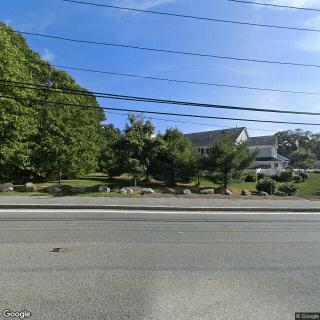
Little Neck Village
$948 to $1,152 / month24.1 miles away
Overall Review of Hyannis House
Pros
 A person managed to get the machine working after significant difficulty.
- The plan is to replace the machine and inform the administration.
Cons
 The reviewer notes that the machine must stay on constantly and heats up the hall.
- The reviewer states the machine will have to be changed and that the administration will be informed.
- The reviewer says the place needs to be properly inspected by the town of Hyannis.
- The reviewer would not let stray cats live there.
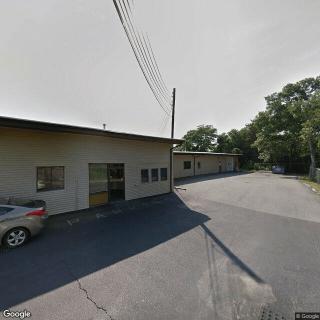
- The buildings are old, severely neglected, and in need of serious overhaul, with constant water leaks, burst pipes, mold, and draftiness that makes it impossible to keep the apartment warm.
Review
Hyannis House is best suited for seniors who can tolerate aging, outmoded facilities and a maintenance environment that requires patience rather than quick fixes, especially if a Hyannis address is a priority. The building’s condition signals that residents must live with ongoing upkeep gaps, and the experience emphasizes shelter and proximity over modern conveniences. For families without strong expectations about pristine interiors, this property can function as a practical option when the budget tightens and the alternative is a far longer commute to essential services. It is a place to ground daily life, not a showcase of care engineering.
Anyone who expects reliable climate control, pristine interiors, mold-free air, and prompt, proactive management should consider alternatives. The reviews describe a building with persistent water leaks, draftiness that defeats heating, and structural neglect, which creates risks and discomfort that simple amenities cannot fix. The combination of aged plumbing, leaky envelopes, and drafty rooms makes negligible the appeal of a few renovated common spaces. Prospective residents must weigh whether occasional maintenance fixes counterbalance the chronic condition of the building and the potential health hazards that accompany moisture and neglect.
Pros, when they appear in these accounts, are limited but real in a hinge moment: a technician managed to get a malfunctioning machine working, suggesting that maintenance staff can respond, even if only temporarily. There is some administrative engagement noted in the sense that issues are supposed to be escalated, but the pattern in the feedback shows responses are slow and inconsistent when critical systems fail. The one-off fixes do not translate into reliable daily comfort, and the impression remains that service quality depends on which staff member you encounter and when.
The main cons overshadow any minor positives: the property is old and severely neglected, with leaks, burst pipes, and mold signaling ongoing moisture problems. The environment is drafty enough to make warmth elusive and living spaces uncomfortable. The combination of aging infrastructure and poor upkeep raises legitimate health and safety concerns, and the comment about not wanting stray animals underlines a perception of cleanliness and security issues that conservative buyers will want to avoid. From a resident safety standpoint, the building’s condition makes monitoring for hazards like mold and air quality essential before any move.
For families evaluating this option, push for a concrete repair schedule, and demand a current, signed remediation plan covering HVAC reliability, plumbing, mold treatment, and pest control. Insist on a thorough pre-move-in inspection and a written guarantee to address the most critical deficiencies before occupancy. If any of these commitments cannot be produced, or if the price of addressing them lands on the resident, alternatives with more robust upkeep and modern systems should be pursued. It is also wise to request documented maintenance histories, and to understand who bears the cost for ongoing repairs once a resident signs a lease or agreement.
In short, Hyannis House may function as a last-resort housing solution in a tight market for seniors who can tolerate significant infrastructure shortcomings and value location over polish. Those who require dependable heating, pristine interiors, or rapid, consistent maintenance should look elsewhere. The decision should hinge on an explicit plan for repairs, a transparent maintenance track record, and comfort with ongoing upkeep risk; otherwise, families are better served by facilities with stronger infrastructure and proactive management. A clear, pragmatic choice favors a facility: either demand transformative improvements before committing or move toward communities where the basics, heat, water integrity, mold control, and reliable housekeeping, are non-negotiable.
 Active Adult Communities (55+)
 Activities on-site
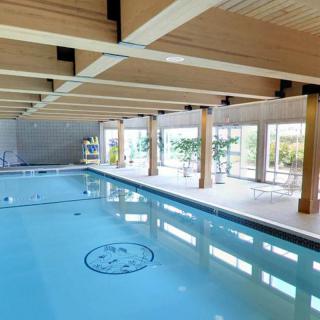
 Indoor common areas
 Barnstable Mun Boardman Polando (2 miles away)



 Comprehensive Insights and Practical Strategies to Help Older Adults Avoid Falls
 6 Crucial Ways an Elder Law Attorney Assists Families
 Navigating the Tax Landscape of Caregiving: Credits, Deductions, and Beyond