
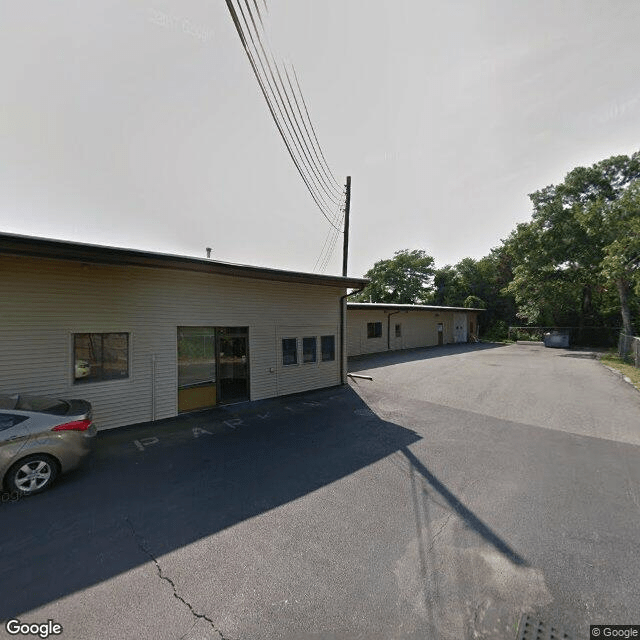
115 Enterprise Rd, Hyannis, MA 02601
To contact a resident: (508) 771-1727
For more information about senior living options: (866) 208-4318
Overall Review of Cape United Elderly
Pros
 They are a nonprofit dedicated to supporting Cape Cod residents in need.
- Children love them.
Cons
 The organization is unresponsive.
- There are no staff members from diverse backgrounds working here.
Review
Cape United Elderly in Hyannis, MA is best suited for families seeking a mission-driven, community-focused option that emphasizes support for Cape Cod residents in need and welcomes family involvement in care. The setting centers on a nonprofit ethos, with a palpable sense that the facility exists to serve the local community rather than to maximize profits. For families who want a place where the care philosophy is anchored in service to residents and where relatives feel encouraged to engage, this community offers a meaningful fit. The tone set by the organization is one of warmth and local loyalty, which translates into relationships that feel more personal than purely transactional.
That said, capable alternatives should be considered by families whose priorities include highly responsive operations and a broader cultural or staff diversity footprint. If schedules, rapid communication, and consistently quick follow-through on requests are non-negotiables, a for-profit or larger care system with formalized escalation paths may deliver the predictability that some families require. Similarly, if staffing breadth and cultural representation are essential for comfort and daily interactions, looking at communities with a more diverse workforce or stronger cultural competency programs could be a deciding factor.
The strongest positives center on the nonprofit mission and the way it shapes daily life. The fee structure, community ties, and the emphasis on serving local Cape Cod residents create a caregiving environment that feels grounded and neighborly. Staff and volunteers who reflect the community often bring a level of rapport that families find genuinely reassuring; “My kids love them” signals an atmosphere where younger generations feel connected to the care home, not merely engaged as visitors. For families prioritizing a values-led setting over polished marketing, this provides a compelling, authentic alignment with long-term goals.
A second prominent advantage is the interpersonal atmosphere that accompanies a nonprofit model. The focus on serving residents’ needs within a tight-knit community can translate into more thoughtful daily routines, closer resident-staff relationships, and a sense of belonging that larger operators sometimes struggle to sustain. For families who want a visible commitment to local welfare, Cape United Elderly offers a backdrop in which welfare checks, community events, and neighborly interactions can feel more tangible than in more corporate environments. This can offset some logistical gaps by enhancing overall satisfaction and ongoing engagement.
However, the principal drawbacks, as observed, center on responsiveness and diversity. Reports of staff being unresponsive and the absence of diversity among employees raise legitimate concerns about timely communication and cultural sensitivity. In practice, slow responses can complicate care planning, urgent requests, and the daily coordination families rely on to manage medications, appointments, or transportation. The lack of diverse representation among staff can also limit residents’ sense of being seen and understood, particularly for those who value culturally attuned interactions or who come from varied backgrounds. These are real frictions that can erode confidence over time if not actively addressed.
In choosing among communities, families should weigh the mission-driven appeal and local warmth against the need for reliable responsiveness and representative staffing. Cape United Elderly offers a strong fit for households that prize community service, a warm, family-oriented culture, and a setting that prioritizes local support. For those whose care demands hinge on swift communication or who place a premium on staff diversity, it would be prudent to explore alternatives and pose pointed questions during tours: escalation procedures, typical response times, staffing ratios by shift, language capabilities, and ongoing diversity initiatives. Practical next steps include meeting with administrators, requesting a sample care plan, reviewing activity schedules, and, if possible, speaking with current residents and families about how well concerns are addressed over time. The bottom line: a compelling, values-led option for the right family, with clear criteria to ensure the fit remains strong as needs evolve.
 Barnstable Mun Boardman Polando (1 miles away)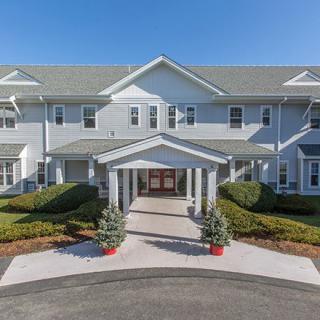



 Seniors and Modern Transportation: Exploring Uber, Lyft, and Other Ride-Hailing Options
 Comprehensive Guide to Qualifying for Home Health Care Services
 Powerful Realities of Elder Abuse and the Most Effective Ways to Report It