Brookdale Topeka

Save

  • Interior

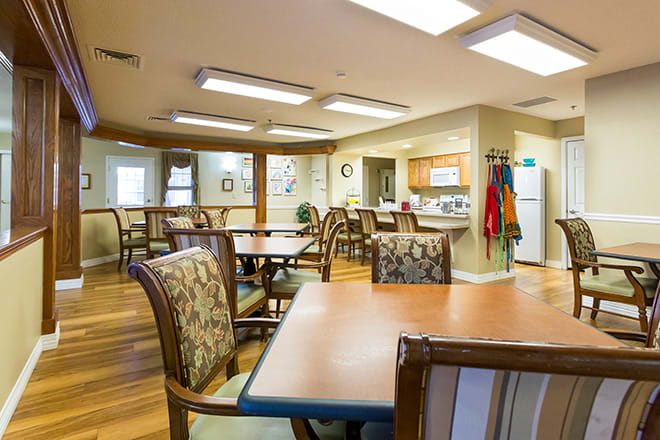
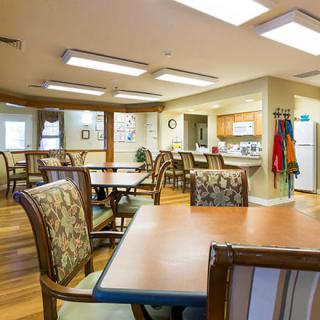
    A well-lit dining room with multiple tables and chairs, adjacent to a kitchen area in a community space.
  • Decor

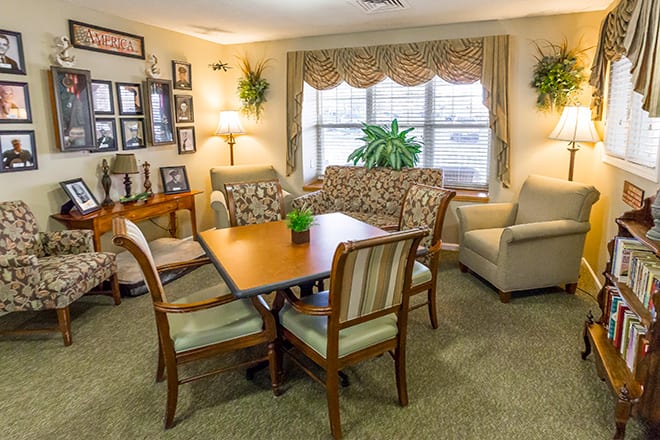
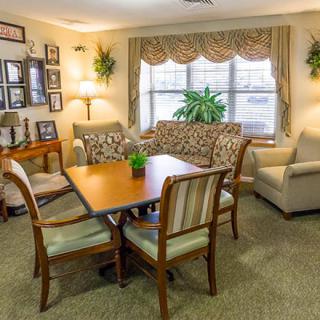
    A cozy living room featuring a dining table with chairs, a patterned sofa, an armchair, and indoor plants near the window.
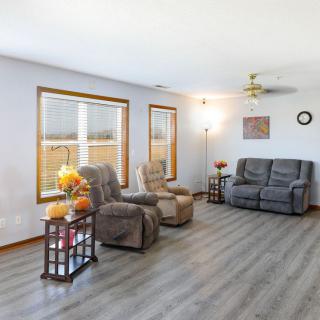
  • Living Room

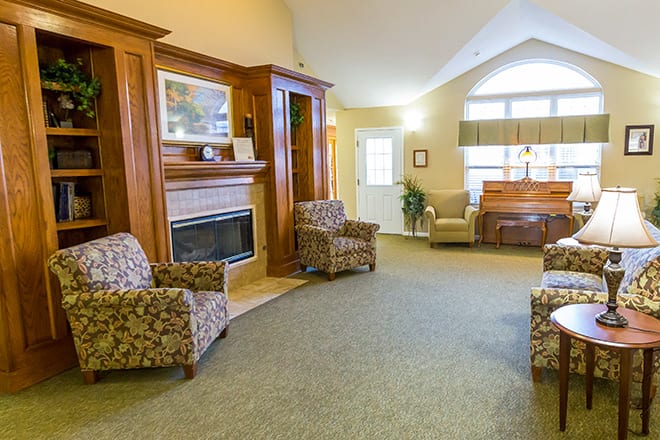
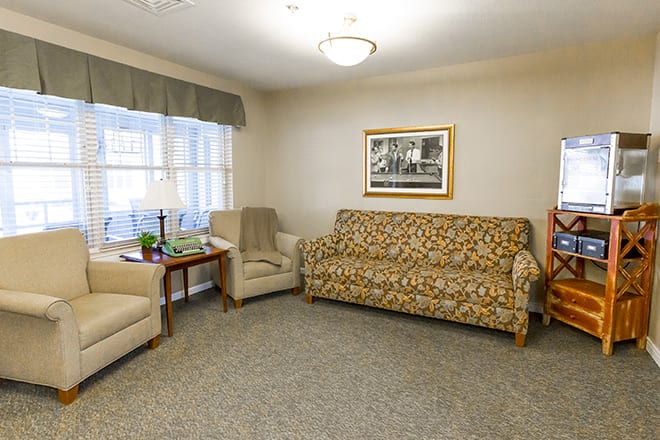
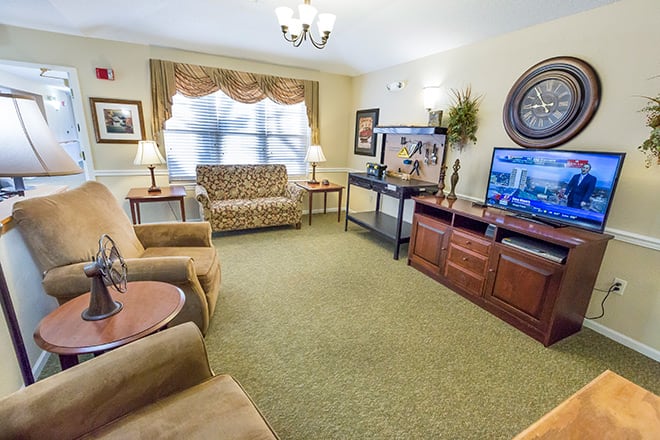
    A cozy living room with a patterned sofa, two armchairs, and a window allowing natural light in.
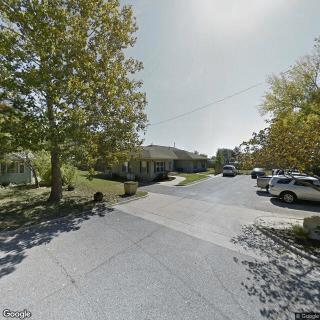
  • Building

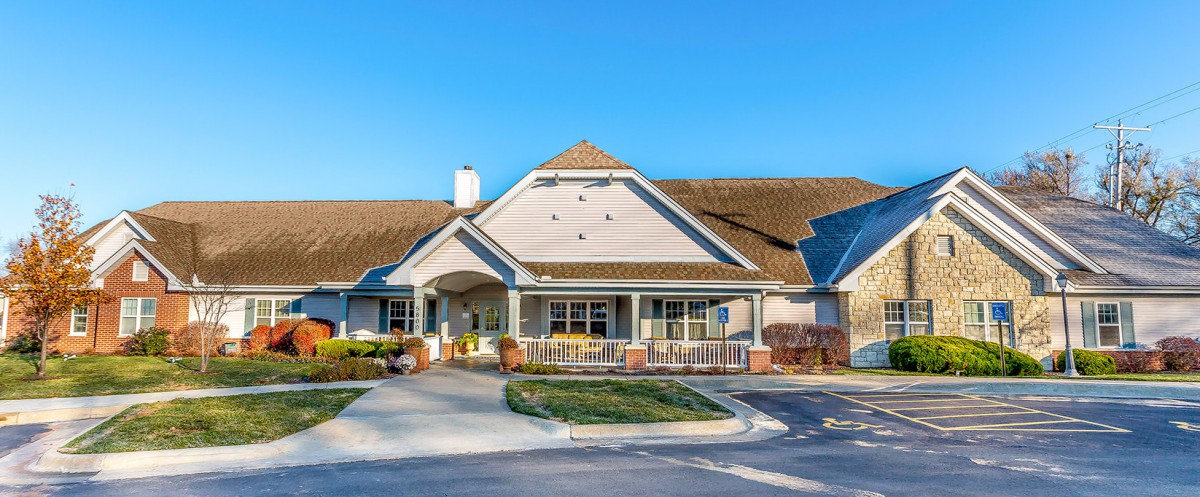
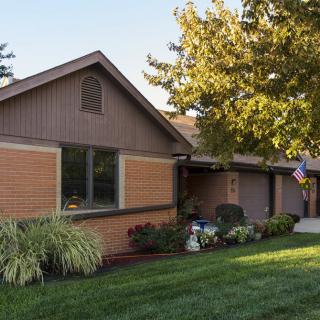
    A suburban residential house with a well-maintained front yard and driveway.
  • Trees

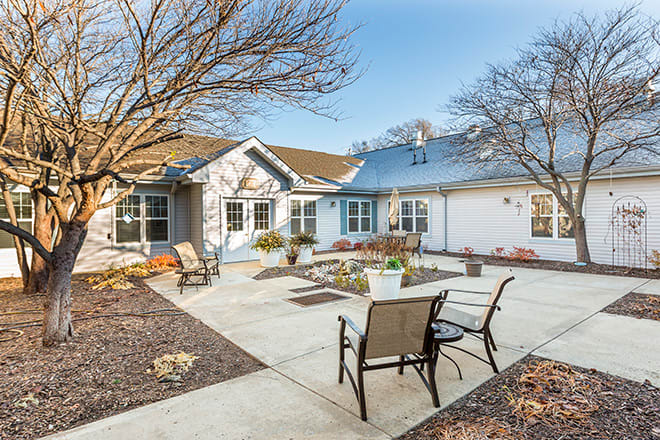
    A peaceful residential courtyard with patio chairs and landscaping.
  • Lighting

    A cozy hair salon interior with styling chairs, dryers, and a mirror.
  • Television

    A cozy living room with comfortable seating and two televisions.

Brookdale Topeka

5800 SW Drury Lane, Topeka, KS 66604

For more information about senior living options: (844) 490-3973

4.4 from 67 reviews
5 stars
41
4 stars
16
3 stars
6
2 stars
1
1 stars
3

Memory Care

Brookdale Topeka Costs & Pricing

At Brookdale Topeka, the monthly costs for accommodations are notably higher than both the county and state averages. For a semi-private room, residents can expect to pay $5,252, which exceeds Shawnee County's average of $4,174 and Kansas' overall average of $4,562. Similarly, studio apartments at Brookdale Topeka are priced at $5,268, significantly above Shawnee County's average of $3,556 and the state's average of $4,094. These figures suggest that while Brookdale Topeka may offer enhanced services or amenities justifying the higher rates, prospective residents should carefully consider their budget in comparison to local options.

Floor plansBrookdale TopekaShawnee CountyKansas
Semi-Private$5,252$4,174$4,562
Studio$5,268$3,556$4,094

Overall Review of Brookdale Topeka

Pros

  • pro Brookdale's staff are caring and patient with residents.
  • pro The staff greet residents with smiles and kind words at every visit.
  • pro The meals are good, activities are helpful, and the staff's care is sincere.
  • pro The assistant activities director is kind and good with the residents.
  • pro The executive director and wellness director are transitioning well and are caring and efficient.
  • pro The facility provides a very supportive, family-centered atmosphere.
  • pro Kitchen, maintenance, front office, and care staff are wonderful and attentive.
  • pro The staff are incredible, listening to families' wishes and responding quickly.
  • pro Brookdale offers exceptional care and service; staff go above and beyond.
  • pro Residents are treated like family with dignity and respect, and there are engaging activities.
  • pro The activities program is strong, with excellent activity directors and staff.
  • pro Families feel reassured, safe, and comfortable with the care provided.
  • pro The facility is clean, well-maintained, and provides good accommodations and meals.

Cons

  • pro Brookdale's administration repeatedly changed upper-level staff, leaving residents unclear on responsibilities or promises.
  • pro Billing statements were frequently incorrect around move-in and thereafter, requiring repeated attention from the family.
  • pro A promised rate increase was not followed up by staff.
  • pro Charges for services like feeding and lifting were raised, but those services were not consistently provided, resulting in overcharges.
  • pro A staff member allegedly disclosed private information about the resident to another facility without permission.
  • pro The reviewer was ultimately sent to collections over disputed charges.

Review

Across many firsthand accounts, Brookdale communities come across as warm, welcoming places where staff genuinely care for residents and their families. Reviewers repeatedly praise the staff for smiles, kind words, and patient, attentive care at every visit. The transition to Brookdale is described as smooth, with many noting that the environment feels supportive and like a close-knit community. Food is regarded as good, the activities are meaningful, and the overarching tone is that staff care for residents with sincerity and compassion. While costs are acknowledged as high, the consensus is that the quality of care and the sense of security justify the investment for many families.

Staff members across roles earn frequent praise. Families highlight the dedication of the activity team, including transitions when leadership changed hands, such as a new assistant activity director stepping in and doing well with residents. The wellness and health director is described as caring and efficient, and there is appreciation for the kitchen, maintenance, front office, and caregiving teams - everyday staff who "look after mom with smiles and kind words" and make families feel reassured. The care shown extends beyond the resident to the family, with staff taking the time to comfort and support those visiting or managing a loved one's daily needs. In several reviews, the staff's ability to engage residents in activities and conversations is noted as a standout feature.

Families repeatedly describe Brookdale as a place with a strong sense of community and trust. Several accounts emphasize that the facility feels like a family-centered environment where residents are treated with dignity and respect. The programs and activities are often highlighted as a strength, with directors and staff involving families in events and daily life. One reviewer specifically mentions a beautiful facility with an active, inviting team of activity directors and staff, describing Brookdale as a little community where residents and their families have found a new home. The overall impression is that Brookdale not only meets daily care needs but also supports emotional well-being, helping residents live their best lives in retirement.

The physical environment and daily conveniences receive mixed but largely positive comments. Several reviews note good, clean facilities, decently sized rooms, and practical amenities such as cable, laundry services, and daily meals. One account points to a consistent routine of three, three-course meals and a welcoming atmosphere upon arrival. The sense of safety and comfort is reinforced by stories of staff collaboration with families to ensure both physical care and emotional support for residents dealing with dementia or other health challenges. The staff's responsiveness to family wishes and their ability to address concerns quickly are frequently cited as important strengths.

Not all experiences are wholly positive, however. A number of reviews highlight administrative turnover and communication gaps that left some families frustrated. Instances of miscommunication about billing and promises made by upper management led to ongoing disputes, including a resident's care charges and annual rate increases. One family describes repeated billing errors and a lack of timely follow-up, culminating in a move to another facility after discovering that their costs were not aligned with services rendered. There are mentions of HIPAA privacy concerns and instances where information about a resident was shared inappropriately, contributing to distrust. Additional complaints describe inconsistent housekeeping, a lingering odor in a hallway, and certain staff members who seemed disengaged or unresponsive. Some reviewers report receiving letters directing them toward collections after ongoing disputes, underscoring the importance of clear, consistent administration and billing practices.

Despite the friction and mixed experiences, several reviewers emphasize that Brookdale can be outstanding when it works well. They point to personal stories of exceptional care, with nurses and clinicians adjusting medications for better comfort, activity staff engaging residents in meaningful ways, and administrators who communicate concerns clearly during the move-in and settling-in process. In one particularly positive note, reviewers praise staff who listen to family wishes and respond quickly, and others commend the level of empathy shown to both residents and their families during difficult times. For readers considering Brookdale, the consensus is that the care quality and community feel can be excellent, but potential residents should be prepared for variation between locations and shifts in leadership.

Overall, the reviews paint a picture of Brookdale as a place where compassionate staff, engaging activities, and a welcoming atmosphere often translate into peace of mind for families. The best experiences tend to come from stable leadership, clear communication, and consistently attentive care - especially for residents with dementia or mobility needs. Prospective families are encouraged to visit multiple times, speak with activity directors and care teams, and discuss billing practices and privacy protections upfront. When these elements align, Brookdale can be a remarkable home that families feel confident in, even as they navigate the realities of cost and administrative change.

Features

Housing

  • 39 resident community capacity 39 resident community capacity

Types of Care

  • Memory Care Memory CareMemory care is crucial for seniors as it provides specialized support and services for individuals with dementia or Alzheimer's disease. These programs offer a safe and secure environment where residents receive personalized care, cognitive stimulation, and help with daily activities. Memory care helps seniors maintain their independence, quality of life, and dignity while also providing peace of mind for their families.

Pets

  • Cats allowed Cats allowed"Pet friendly" senior living communities are important for seniors because pets provide companionship, reduce feelings of loneliness and depression, promote physical activity and mental stimulation, and offer a sense of purpose and responsibility. Pets can improve overall well-being and quality of life for seniors in many ways.
  • Dogs allowed Dogs allowed"Pet friendly" senior living communities are important for seniors because pets provide companionship, reduce feelings of loneliness and depression, promote physical activity and mental stimulation, and offer a sense of purpose and responsibility. Pets can improve overall well-being and quality of life for seniors in many ways.

Amenities

  • Activities off-site Activities off-siteEngaging in off-site activities is crucial for seniors to maintain social connections, stay active, and stimulate their minds. It promotes overall well-being and helps combat feelings of isolation and loneliness.
  • Activities on-site Activities on-siteActivities on-site are important for seniors because they provide opportunities for socialization, mental stimulation, physical activity, and overall well-being. Engaging in activities can help seniors stay active, maintain their independence, and improve their quality of life.
  • Air-conditioning Air-conditioningAir conditioning is important for seniors as they are more vulnerable to heat-related illnesses and may have underlying health conditions that make it difficult for them to regulate their body temperature. It helps to keep them comfortable, safe, and healthy in hot weather.
  • Bath tubs Bath tubsBath tubs are important for seniors because they provide a safe and relaxing way to bathe, helping to prevent slips and falls while promoting independence and overall well-being.
  • Beautician on-site Beautician on-siteHaving a beautician on-site at a senior living community is important for seniors as it allows them to easily access grooming and personal care services, boosting their self-esteem and overall well-being. It also provides convenience and helps seniors maintain their sense of independence and personal style.
  • Beauty salon Beauty salonBeauty salons are important for seniors because they provide a space for them to feel pampered, socialize, and maintain their personal grooming and hygiene. Regular visits to a beauty salon can help boost seniors' self-esteem and overall well-being.
  • Cable or satellite TV Cable or satellite TVCable or satellite TV is important for seniors because it provides entertainment, news, and companionship, helping to combat loneliness and boredom. It also offers a wide range of programming options tailored to different interests and preferences.
  • Devotional services on-site Devotional services on-siteDevotional services on-site provide seniors with spiritual support and a sense of community, as well as an opportunity for reflection and guidance during their senior living experience. This can promote emotional well-being and connection to others, leading to a more fulfilling and enriching lifestyle in their later years.
  • Dining room Dining roomDining rooms are important for seniors as they provide a space for socialization, connection, and nutritious meals. They offer opportunities for residents to bond over shared meals, foster a sense of community, and promote healthy eating habits. Dining rooms also ensure that seniors have access to well-balanced meals tailored to their dietary needs and preferences.
  • Fully furnished Fully furnishedFully furnished senior living communities are important for seniors because they provide convenience, comfort, and a hassle-free moving experience. Seniors can easily settle into their new living space without the stress of having to buy and move furniture. This allows them to focus on enjoying their new home and community.
  • Garden GardenGardens are important for seniors as they provide a peaceful and therapeutic environment for relaxation, physical activity, and socialization. Being in nature has been shown to reduce stress, improve mood, and promote overall well-being. Gardens also offer opportunities for seniors to engage in gardening activities, which can improve mobility, flexibility, and cognitive function. Additionally, gardens create a sense of community and connection with others who share a passion for plants and outdoor spaces.
  • Ground floor units Ground floor unitsGround floor units are important for seniors because they provide easy accessibility, reduced risk of falls and injuries, and convenience for those with mobility issues. Seniors can avoid climbing stairs or using elevators, making daily tasks and activities more manageable and enjoyable.
  • Handicap accessible Handicap accessible"Handicap accessible" amenities are crucial for seniors to ensure they can easily navigate and access facilities, services, and activities without barriers or limitations due to physical impairments. This promotes independence, safety, and inclusivity for seniors in senior living communities.
  • Housekeeping services Housekeeping servicesHousekeeping services are important for seniors because they help maintain a clean and safe living environment, promote independence, and reduce the risk of accidents or illnesses. Additionally, having assistance with household chores can alleviate physical strain and allow seniors to focus on other aspects of their well-being.
  • Indoor common areas Indoor common areasIndoor common areas are crucial for seniors as they provide a space for socialization, recreation, and community engagement, promoting overall well-being and reducing feelings of isolation and loneliness.
  • Kitchenette KitchenetteKitchenettes are important for seniors living in senior living communities because they provide the convenience and independence of being able to prepare simple meals and snacks in the comfort of their own living space. This can help promote a sense of autonomy and well-being for seniors, allowing them to maintain some level of control over their dietary choices and daily routines.
  • Move-in coordination Move-in coordinationMove-in coordination is important for seniors because it helps ease the transition into their new living environment. It ensures that all logistics, such as packing, organizing movers, and setting up utilities are taken care of, allowing seniors to focus on settling in and adjusting to their new home. Having a smooth move-in process can alleviate stress and anxiety, making the transition smoother and more enjoyable for seniors.
  • Outdoor common areas Outdoor common areasOutdoor common areas are important for seniors as they provide a space for socialization, physical activity, and relaxation. Being outside in nature can improve mood and overall well-being, while also encouraging movement and engagement with others. These spaces can help combat feelings of isolation and promote a sense of community among residents.
  • Outdoor space Outdoor spaceOutdoor spaces are important for seniors as they provide opportunities for physical activity, social interaction, exposure to natural light and fresh air, and a sense of connection to nature. Having access to outdoor spaces can improve overall well-being and quality of life for older adults living in senior communities.
  • Pet friendly Pet friendly"Pet friendly" senior living communities are important for seniors because pets provide companionship, reduce feelings of loneliness and depression, promote physical activity and mental stimulation, and offer a sense of purpose and responsibility. Pets can improve overall well-being and quality of life for seniors in many ways.
  • Respite or short term stays offered Respite or short term stays offeredRespite or short term stays provide seniors with a temporary solution when their regular caregiver is unavailable, offering them the opportunity to receive additional care and support during times of need, while also giving caregivers a chance to rest and recharge.
  • Telephone TelephoneTelephones are important for seniors as they provide a lifeline for communication with loved ones, emergency services, and healthcare providers. They offer a sense of security and independence, enabling seniors to stay connected and access assistance when needed.
  • Wheelchair accessible showers Wheelchair accessible showersWheelchair accessible showers are crucial for seniors as they provide a safe and independent bathing option for those with mobility challenges. These showers help prevent falls and allow seniors to maintain their dignity and autonomy while ensuring they can bathe comfortably.
  • Wi-Fi/high-speed internet available Wi-Fi/high-speed internet availableWi-Fi/high-speed internet is important for seniors to stay connected with loved ones, access online resources, and participate in virtual activities to combat feelings of loneliness and isolation. It also allows them to easily manage healthcare needs, access entertainment, and engage in lifelong learning opportunities.

Transportation

  • Forbes (8 miles away) Forbes (8 miles away)

Care Services

  • 24-hour call system 24-hour call system24-hour call systems are important for seniors because they provide peace of mind and immediate assistance in case of emergencies. This technology ensures that help is always available, promoting safety and security for elderly individuals living alone or in assisted living facilities.
  • 24-hour supervision 24-hour supervision24-hour supervision is important for seniors to ensure their safety, well-being, and access to immediate assistance in case of emergencies or health issues. This constant support provides peace of mind for both seniors and their loved ones, allowing them to age in place with dignity and security.
  • Activities of daily living assistance Activities of daily living assistanceActivities of daily living assistance are important for seniors because they provide essential support with tasks such as eating, bathing, dressing, and mobility. This assistance helps seniors maintain their independence, dignity, and overall quality of life as they age.
  • Assistance with bathing Assistance with bathingAssistance with bathing is crucial for seniors as it helps maintain personal hygiene, prevents infections, and ensures their overall well-being and comfort. It also provides a sense of dignity and independence for seniors who may struggle with this task on their own.
  • Assistance with dressing Assistance with dressingAssistance with dressing is important for seniors because it helps maintain their independence, promotes personal hygiene, prevents accidents and injuries, and improves overall quality of life. This service ensures that seniors can continue to dress comfortably and confidently, despite any physical limitations they may have.
  • Assistance with transfers Assistance with transfersAssistance with transfers is crucial for seniors as it helps prevent falls and injuries, maintains their independence, and ensures they can safely navigate their living environment. It also provides peace of mind for both seniors and their loved ones.
  • Coordination with health care providers Coordination with health care providersCoordination with health care providers is crucial for seniors to ensure proper medical care, medication management, and overall well-being. This collaboration helps prevent overlapping treatments, track progress more effectively, and provide comprehensive support tailored to individual needs.
  • Dementia waiver Dementia waiverDementia waivers are essential for seniors as they provide critical protections and accommodations for those experiencing cognitive decline. These waivers ensure individuals with dementia receive appropriate care, support, and resources to maintain their quality of life and dignity as they navigate the challenges of this progressive condition.
  • Diabetes diet Diabetes dietA diabetes diet is crucial for seniors as it helps manage blood sugar levels, reduce risks of complications, and improve overall health and well-being. By following a balanced and nutritious diet tailored to their specific needs, seniors can better control their diabetes and enhance their quality of life.
  • Diabetic care Diabetic careDiabetic care is crucial for seniors as they are more susceptible to developing diabetes due to aging and other health conditions. Proper management of diabetes can help prevent complications such as heart disease, vision loss, and nerve damage, improving the overall quality of life for seniors in senior living communities.
  • High acuity care High acuity careHigh acuity care is important for seniors because it provides specialized medical attention and support for individuals with complex medical needs. This level of care ensures that seniors receive the appropriate treatment and assistance to maintain their health and quality of life as they age.
  • Hospice waiver Hospice waiverHospice waivers are important for seniors because they allow individuals to receive specialized end-of-life care and support at home or in a hospice facility. This waiver ensures that seniors can access the necessary resources and services to maintain comfort and dignity during their final days.
  • Incontinence care Incontinence careIncontinence care is essential for seniors to maintain their dignity, hygiene, and overall quality of life. By addressing incontinence issues promptly and effectively, seniors can enjoy a sense of independence and comfort in their daily activities.
  • Meal preparation and service Meal preparation and serviceMeal preparation and service are crucial for seniors as they may have limited mobility or energy to cook nutritious meals. Having access to healthy and convenient food options can ensure they are getting the proper nutrition needed to maintain their overall health and well-being.
  • Medication management Medication managementMedication management is crucial for seniors to ensure they are taking the right medications at the correct dosages and times. This helps prevent adverse drug interactions, reduces the risk of medication errors, and promotes overall health and well-being. Proactive management also allows for adjustments as needed based on changing health conditions or new prescriptions.
  • Mental wellness program Mental wellness programMental wellness programs are essential for seniors as they promote cognitive stimulation, emotional support, and social engagement. These programs help prevent isolation, depression, and cognitive decline, ultimately enhancing the overall quality of life for older adults.
  • Mild cognitive impairment Mild cognitive impairment"Mild cognitive impairment" is important for seniors because it is an early stage of cognitive decline that can potentially progress to more severe conditions such as dementia. Recognizing and addressing mild cognitive impairment can help seniors receive appropriate care and support to maintain their quality of life and independence for as long as possible.
  • Special dietary restrictions Special dietary restrictionsSpecial dietary restrictions are important for seniors because age-related changes in metabolism and health conditions can make it difficult for their bodies to process certain foods. By following a diet tailored to their specific needs, seniors can maintain their overall health and well-being, manage chronic conditions, and reduce the risk of complications such as malnutrition or food interactions with medications.
  • Specialized memory care programming Specialized memory care programmingSpecialized memory care programming is crucial for seniors with cognitive impairments such as dementia or Alzheimer's disease. These programs provide a safe and supportive environment tailored to the unique needs of individuals with memory loss, helping them maintain their independence, dignity, and quality of life.
  • Transportation arrangement (medical) Transportation arrangement (medical)Transportation arrangements for medical purposes are essential for seniors as they may have difficulty driving themselves to appointments or accessing public transportation. Having reliable and safe transportation options ensures that seniors can receive timely medical care and maintain their health and well-being.
  • Transportation to doctors appointments Transportation to doctors appointmentsTransportation to doctors' appointments is crucial for seniors as it ensures they have access to necessary medical care and support for their health needs. Without reliable transportation, seniors may struggle to attend important appointments, leading to potential delays in treatment and health complications. Providing transportation services helps seniors maintain their overall well-being and quality of life.

Dining

  • Diabetes diet Diabetes dietA diabetes diet is crucial for seniors as it helps manage blood sugar levels, reduce risks of complications, and improve overall health and well-being. By following a balanced and nutritious diet tailored to their specific needs, seniors can better control their diabetes and enhance their quality of life.
  • Guest meals Guest mealsGuest meals are important for seniors living in senior living communities because they provide an opportunity for socialization and companionship. Sharing a meal with friends, family, or new acquaintances can help combat feelings of loneliness and isolation, promote a sense of community, and enhance overall well-being. Additionally, guest meals allow seniors to enjoy delicious food in a comfortable setting without the hassle of cooking or cleaning up, making dining a pleasurable and stress-free experience.
  • International cuisine International cuisineInternational cuisine is important for seniors because it offers a variety of flavors, ingredients, and cultural experiences that can help keep their meals interesting and enjoyable. Trying new dishes can also stimulate the senses and provide different nutrients that contribute to overall health and well-being. Additionally, exploring international cuisine can bring back fond memories of travels or childhood experiences, making mealtime more nostalgic and fulfilling for seniors.
  • Low / no sodium Low / no sodiumLow/no sodium options are important for seniors because excessive sodium intake can lead to high blood pressure, heart disease, and other health issues commonly experienced by older adults. By choosing low/no sodium foods, seniors can better manage their health and reduce their risk of developing these conditions.
  • Meals provided Meals provided"Meals provided" are crucial for seniors in assisted living communities as it ensures they have access to nutritious, balanced meals without the stress of meal planning and preparation. This can help promote overall health and well-being for seniors who may have limited mobility or cognitive abilities.
  • No Sugar No SugarNo sugar diets are important for seniors because they can help prevent or manage chronic conditions such as diabetes, heart disease, and obesity. Sugar can also contribute to cognitive decline and inflammation in the body, so reducing sugar intake can lead to overall improved health and well-being in older adults.
  • Special dietary restrictions Special dietary restrictionsSpecial dietary restrictions are important for seniors because age-related changes in metabolism and health conditions can make it difficult for their bodies to process certain foods. By following a diet tailored to their specific needs, seniors can maintain their overall health and well-being, manage chronic conditions, and reduce the risk of complications such as malnutrition or food interactions with medications.
  • Special dining programs Special dining programsSpecial dining programs are important for seniors because they provide nutritious meals tailored to their dietary needs and preferences. These programs also offer socialization opportunities, promote overall health and well-being, and can help prevent malnutrition.

Activities

  • Art classes Art classesArt classes are important for seniors because they provide a creative outlet, improve cognitive function, reduce stress and anxiety, promote socialization, and enhance overall well-being and quality of life.
  • Bible study group Bible study groupBible study groups provide seniors with a sense of community, spiritual growth, and support during their later years. It helps them stay connected to their faith, find comfort in difficult times, and build meaningful relationships with others.
  • Catholic services Catholic servicesCatholic services are important for seniors because they provide spiritual support, a sense of community, and opportunities for social interaction that can enhance overall well-being and quality of life in their later years.
  • Community-sponsored activities Community-sponsored activitiesCommunity-sponsored activities are important for seniors as they provide opportunities for social interaction, mental stimulation, and physical activity. These activities can help improve overall well-being, combat loneliness and isolation, and promote a sense of belonging and purpose among older adults.
  • Cooking classes Cooking classesCooking classes are important for seniors as they provide opportunities for social interaction, enhance cognitive skills, promote healthy eating habits, and boost confidence in the kitchen.
  • Day trips and outings Day trips and outingsDay trips and outings are important for seniors as they provide opportunities for socialization, mental stimulation, physical activity, and a break from daily routines. These experiences can enhance overall well-being and quality of life for older adults living in senior communities.
  • Devotional activities on-site Devotional activities on-siteDevotional activities on-site provide seniors with a sense of community, spiritual fulfillment, and emotional support, promoting overall well-being and a positive sense of purpose in their lives.
  • Happy hour Happy hourHappy hour is important for seniors as it provides a social activity that promotes camaraderie and reduces feelings of loneliness or isolation. It also offers an opportunity for older adults to relax, unwind, and enjoy some drinks or snacks in a fun and welcoming atmosphere.
  • Live dance or theater performances Live dance or theater performancesLive dance or theater performances are important for seniors because they provide opportunities for socialization, mental stimulation, and emotional engagement. These performances can help combat feelings of isolation and loneliness, while also offering a sense of connection to the arts and culture. Additionally, watching live performances can bring joy and create lasting memories for seniors in their later years.
  • Live musical performances Live musical performancesLive musical performances can provide seniors with a sense of joy, nostalgia, and connection. Music has the power to evoke emotions and memories, improve mood and cognitive function, and foster social interaction among seniors. It can also serve as a form of therapy and stress relief for older adults, making it an important activity to include in senior living communities.
  • Live well programs Live well programs"Live well programs are essential for seniors as they provide opportunities for physical activity, social engagement, and mental stimulation, ultimately promoting overall health and well-being in later years."
  • Other religious services Other religious servicesOther religious services are important for seniors as they provide a sense of community, spiritual comfort, and opportunities for socializing. These services can help seniors feel connected to their faith and maintain a sense of purpose and belonging in their later years.
  • Resident-run activities Resident-run activitiesResident-run activities are important for seniors as they encourage social interaction, creativity, and a sense of autonomy. These activities empower seniors to stay engaged and active in their community while fostering meaningful connections with their peers.
  • Scheduled daily activities Scheduled daily activitiesScheduled daily activities are important for seniors because they provide structure, socialization, mental stimulation, and physical activity. Engaging in regular activities can improve overall well-being and quality of life for seniors living in a community setting.
  • Stretching classes Stretching classesStretching classes are important for seniors because they help improve flexibility, reduce the risk of injury, and promote overall health and well-being. Regular stretching can also help alleviate joint pain and stiffness, enhance balance and coordination, and increase range of motion.
  • Yoga / chair yoga Yoga / chair yogaYoga and chair yoga are important for seniors as they promote flexibility, balance, strength, and overall wellbeing. These practices can help improve mobility, reduce stress, and enhance mental clarity, ultimately leading to a higher quality of life in their senior years.

Description

The Brookdale Topeka assisted living community in Topeka, KS offers a wide range of amenities and care services for its residents. The community provides numerous on-site activities to keep residents engaged and entertained, along with air-conditioning in all units to ensure their comfort. Bath tubs are available for those who prefer soaking, and a beautician is conveniently located on-site for any grooming needs. Additionally, there is a beauty salon for further pampering.

Residents can enjoy cable or satellite TV in their fully furnished units, and devotional services are provided on-site for spiritual wellness. The community features a dining room where meals are served, and each unit also has a kitchenette for more flexible meal options.

Indoor common areas provide space for socializing and relaxation, while outdoor common areas offer opportunities for fresh air and outdoor activities. The community is pet-friendly, allowing residents to bring their furry friends with them. For short-term stays or respite care needs, the community offers accommodations.

To ensure the well-being of residents, 24-hour supervision is provided along with assistance with daily living activities such as bathing and dressing. Help with transfers is also available. There is coordination with health care providers to ensure seamless medical care. Specific dietary needs such as diabetes diet or special dietary restrictions can be accommodated.

The community provides medication management services and has a mental wellness program in place. Specialized memory care programming caters to those with dementia or mild cognitive impairment. Transportation services are available both for medical appointments and general outings.

The dining options at Brookdale Topeka cater to various preferences and dietary requirements with guest meals, international cuisine, low/no sodium options, meals provided by the facility itself, no sugar options, special dining programs offered periodically.

Residents can participate in various activities within the community including Bible study groups, cooking classes, day trips and outings organized by the community along with other resident-run activities like stretching classes or yoga. The community also hosts live dance or theater performances and live musical performances for entertainment purposes.

The location of the community is advantageous, being nearby to various amenities including cafes, parks, pharmacies, physicians, restaurants, places of worship, theaters, and hospitals. This allows for easy access to services and resources outside of the community.

Nearby Places of Interest

This particular part of Topeka, Kansas, offers a convenient and diverse range of amenities for seniors looking to live in the area. With a variety of restaurants nearby, including familiar chains like Cracker Barrel and McDonald's, as well as local favorites like Ling's Bistro and Jose Peppers, residents have plenty of dining options to choose from. Additionally, there are several cafes such as Panera Bread and Classic Bean for those looking for a casual spot to enjoy a cup of coffee or a light meal. Pharmacies like Walmart Pharmacy and Walgreens are within close proximity for easy access to medications and health supplies. Places of worship like First Lutheran Church Elca provide spiritual support, while medical facilities such as Topeka Lasik Center and Tallgrass Oral Surgery offer healthcare services. The area also features theaters like Regal Hollywood & ScreenX - Topeka for entertainment options and parks like Gage Park and Kaw River State Park for outdoor recreation opportunities. Overall, this part of Topeka offers a well-rounded community with various resources that cater to the needs of seniors.

Restaurants

  • Cracker Barrel (0.3 miles)
  • Ling's Bistro (0.4 miles)
  • Arby's (0.5 miles)
  • Jose Peppers (0.5 miles)
  • McDonald's (0.5 miles)
  • HuHot Mongolian Grill (0.5 miles)
  • Taco Tico (0.5 miles)

Cafes

  • Panera Bread (0.5 miles)
  • Classic Bean (0.9 miles)

Pharmacies

  • Walmart Pharmacy (0.6 miles)
  • Kansas Pharmacists Ass (0.9 miles)
  • CBD Nation Topeka (0.9 miles)
  • Walgreens (1 miles)
  • Tallgrass Pharmacy (1.4 miles)
  • Walgreens (1.6 miles)
  • CVS Pharmacy (1.8 miles)

Places of Worship

  • First Lutheran Church Elca (0.7 miles)

Physicians

  • Topeka Lasik Center (0.7 miles)
  • Tallgrass Oral Surgery (1 miles)
  • Kohake Deutscher & Hefner (1 miles)
  • Kresie & Penzler (1.2 miles)
  • St Francis Medical Clinic At River Hill (1.2 miles)
  • Tallgrass Orthopedic & Sports Medicine (1.2 miles)
  • Tallgrass Surgical Center (1.2 miles)

Hospitals

  • Topeka ER and Hospital (0.8 miles)
  • Washburn Surgery Center (1.3 miles)
  • Topeka Veterans Affairs Medical Center (1.9 miles)
  • Topeka VA ICU (2 miles)
  • Veterans Health Administration (2 miles)
  • Colmery-o'Neil Va Medical Center (2 miles)
  • Stormont-Vail Healthcare (2 miles)

Theaters

  • Regal Hollywood & ScreenX - Topeka (1.5 miles)
  • Topeka Wheatfield 9 (1.8 miles)

Parks

  • Gage Park (1.6 miles)
  • Kaw River State Park - River Access (1.9 miles)

Frequently Asked Questions

How much does it cost to live at Brookdale Topeka in Topeka, KS?
Where is Brookdale Topeka?
Does Brookdale Topeka provide care for residents with dementia or Alzheimer's disease?
Does Brookdale Topeka allow residents to have pets?
What photos are available for Brookdale Topeka in Topeka, Kansas?

Nearby Communities

Memory care in Nearby Cities

Related Resources

  • dementia stagesUnderstanding Dementia Through Its Seven Stages: A Comprehensive Look at Progression and Expectations

    Dementia encompasses a range of cognitive impairments characterized by types such as Alzheimer's and vascular dementia, and follows a seven-stage progression model known as the Global Deterioration Scale (GDS), highlighting varying symptoms and decline timelines. Early detection allows for lifestyle adjustments to potentially slow progression, while caregivers need support and resources to manage the challenges involved in caring for affected individuals.

  • dementia careA Holistic Dementia Care Guide: Effective Strategies for Memory Support

    The guide on holistic dementia care outlines the complexity of dementia and stresses the need for individualized caregiver strategies that include medical treatment, psychological support, and environmental adaptations, while emphasizing early detection, various therapeutic options, and caregiver support to enhance quality of life and maintain dignity.

  • activities of daily livingComprehensive Insights into Activities of Daily Living (ADLs) and Their Assessment

    Activities of Daily Living (ADLs) are fundamental tasks vital for an individual's independence, particularly in older adults over 85, and include functions like bathing and dressing; assessing ADLs alongside Instrumental Activities of Daily Living (IADLs) helps determine the level of required assistance due to age-related health challenges. Tailored support plans, involving family and community resources, are essential for maintaining dignity and autonomy in assisted living environments.