
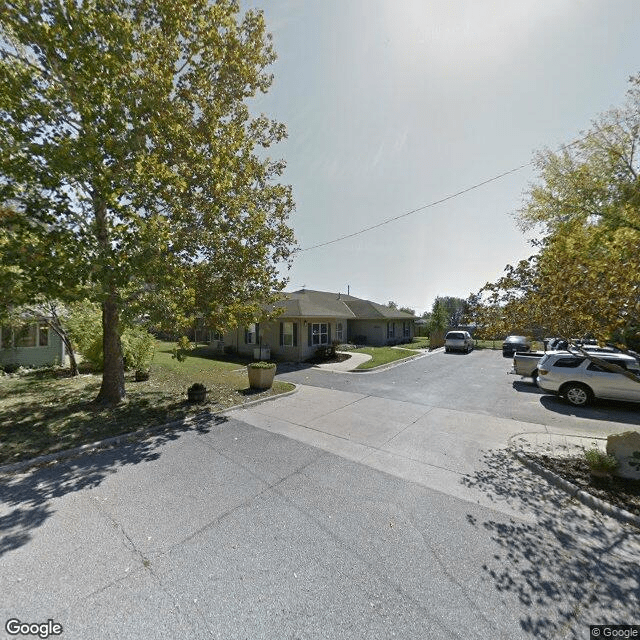
1800 SW Fairmont Rd, Topeka, KS 66604
To contact a resident: (785) 271-9594
For more information about senior living options: (866) 208-4318
Peggy Kelly House Costs & Pricing
At Peggy Kelly House, the monthly costs for accommodations reflect a competitive pricing structure compared to both Shawnee County and the broader Kansas state averages. For semi-private rooms, residents can expect a monthly charge of $4,000, which is notably lower than the county's average of $4,174 and Kansas' overall average of $4,562. This positions Peggy Kelly House as an attractive option for those seeking such living arrangements. However, for studio apartments, the cost is $5,350, surpassing Shawnee County's average of $3,556 and even exceeding the state average of $4,094 significantly. This discrepancy may suggest that while semi-private options are economically favorable at Peggy Kelly House, those considering studios might find more budget-friendly alternatives in the surrounding area. Overall, Peggy Kelly House provides a compelling choice for semi-private accommodations while prompting potential studio residents to weigh their options carefully against local competition.
| Floor plans | Peggy Kelly House | Shawnee County | Kansas |
|---|---|---|---|
| Semi-Private | $4,000 | $4,174 | $4,562 |
| Studio | $5,350 | $3,556 | $4,094 |
Assisted Living communities with a similar price nearby
-
from +$600 / mo
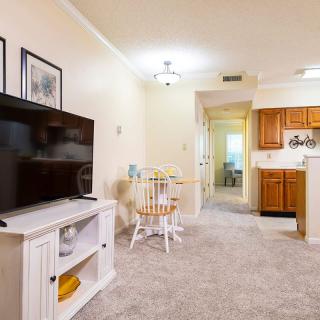
Lexington Park
$4,600 to $5,125 / month1.4 miles away -
from +$495 / mo
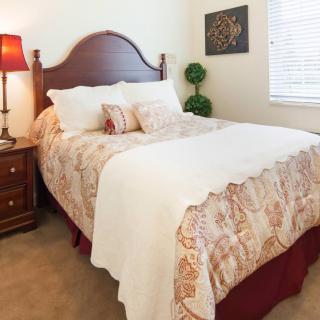
Legend at Capital Ridge
$4,495 to $7,530 / month1.3 miles away -
from -$400 / mo
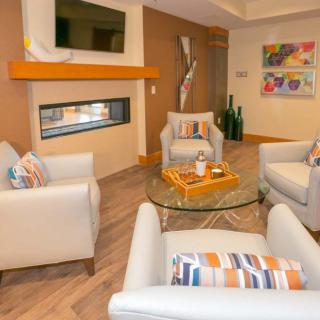
The Healthcare Resort of Topeka
$3,600 to $3,900 / month2.2 miles away -
from +$470 / mo
Kelly House Of Meriden
$4,470 to $4,770 / month12.7 miles away -
from +$325 / mo
Rolling Hills Health & Rehab
$4,325 to $5,250 / month2.0 miles away
Overall Review of Peggy Kelly House
Pros
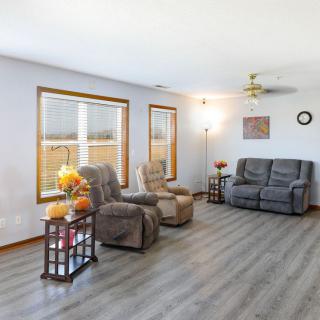
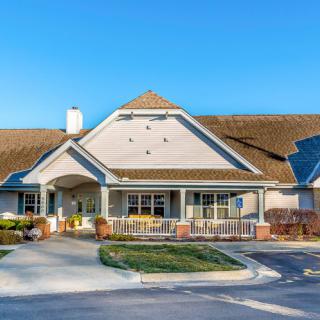
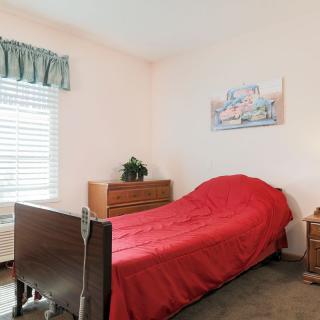
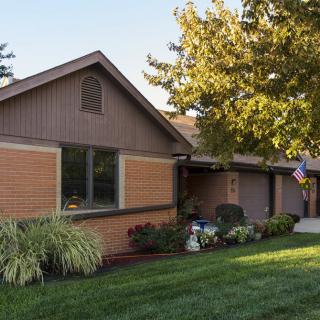
 The Peggy Kelly House feels like a home environment rather than a facility.
- The care and attention there are far above what they had previously experienced.
- The nurses and caretakers got to know her well.
- Some staff members have years of service and are the cream of the crop.
- The homes are family-style and provide full memory care.
- The family was extremely pleased with Peggy Kelly House and felt blessed to secure admission.
Cons
 The nursing home’s staffing shortages caused frustration as she struggled.
- The rules were constantly changing, making it hard to keep up.
- It was a far cry from the old county home-type facilities.
- Nowhere was anything perfect.
Review
Peggy Kelly House in Topeka, KS is best suited for families seeking an intimate, memory-care focused setting where a loved one can receive full-time, highly personalized attention in a home-like environment. The community operates on a small scale, roughly ten residents with a similar number of caregivers, so staff can learn each resident’s history, routines, and preferences. It is ideal for someone with Alzheimer’s or related dementias who benefits from constant supervision, predictable daily rhythms, and a culture of warmth over clinical formality.
Those who may want alternatives are families needing larger-scale programming, broader social opportunities, or more formal medical oversight. If a loved one desires more independence, a wider array of daily activities, or policies that feel more standardized and less variable, a bigger assisted-living facility or a traditional nursing home could be a better fit. For families planning long-range care transitions beyond memory support, such as more intensive rehabilitation or evolving clinical needs, options with bigger staffing pools and diversified services may prove more adaptable.
The strongest pros center on the home-like feel and the depth of personal attention. A high caregiver presence translates into consistently monitored care, with staff who know residents well and respond to their individual triggers, preferences, and histories. Cleanliness and comfort are repeatedly noted, reinforcing a sense of dignity and ease for both residents and family visitors. The memory-care specialty shines through in daily interactions: caregivers who have remained for years build trust, anticipate needs, and create routines that reduce confusion and anxiety for residents.
Still, the small model comes with trade-offs. The very strengths of Peggy Kelly House, its compact size and tight-knit staff, can limit the breadth of activities and the flexibility families might expect in a larger setting. One reviewer’s note about changing rules highlights a potential administrative wrinkle: policies can shift, and keeping up with them may require proactive conversations with the leadership. However, this risk is offset by the staff’s steadiness and the responsive, individualized care that the setting consistently delivers. In practice, the lived experience tends to feel stable and reassuring, even when rules evolve.
Families evaluating this option should ask pointed questions about daily structure, how changes in policy are communicated, and what happens when a resident’s care needs escalate. Inquire about typical staff-to-resident ratios, how care plans are developed and updated, and the process for transitions within memory care if more intensive support becomes necessary. Consider whether the intimate environment aligns with the loved one’s personality and social needs, some residents thrive in a small, familiar setting, while others may crave broader social programming found in larger communities. Capacity matters too; the small-scale model can mean waiting lists or limited availability as a real constraint.
Bottom line: Peggy Kelly House is a strong recommendation for families seeking deeply personal, memory-care focused care delivered in a warm, home-like environment. It works best for residents who benefit from individualized attention, deep staff familiarity, and a calm, predictable routine. Those needing broader activity options, more formalized clinical oversight, or larger social ecosystems may want to explore alternatives. For families prioritizing genuine caregiver-resident relationships and the comfort of a true home setting for memory care, Peggy Kelly House stands out as a practical, confident choice.
 Assisted Living
 Cats allowed
 Dogs allowed
 Activities off-site
 Air-conditioning
 Bath tubs
 Beautician on-site
 Devotional services off-site
 Ground floor units
 Handicap accessible
 Indoor common areas
 Outdoor common areas
 Private bathrooms
 Respite or short term stays offered
 Wheelchair accessible showers
 Wi-Fi/high-speed internet available
 Forbes (7 miles away)
 Diabetic care
 High acuity care
 Incontinence care
 Medication management
 Anytime dining
 Art classes
 Catholic services
 Cooking classes
 Day trips and outings
 Gardening club
 Happy hour
 Live musical performances
 Stretching classes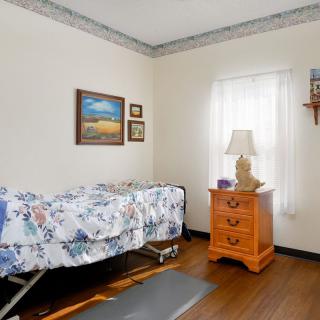


 Understanding the True Cost of Assisted Living in 2025: A Comprehensive Guide
 Understanding Medicaid Coverage for Assisted Living: A Comprehensive Guide
 How and When Medicaid May Cover Assisted Living Costs