1800 Fairmont Road, Topeka, KS 66604
For more information about senior living options: (866) 208-4318
Overall Review of Kelly House Of Topeka
Pros
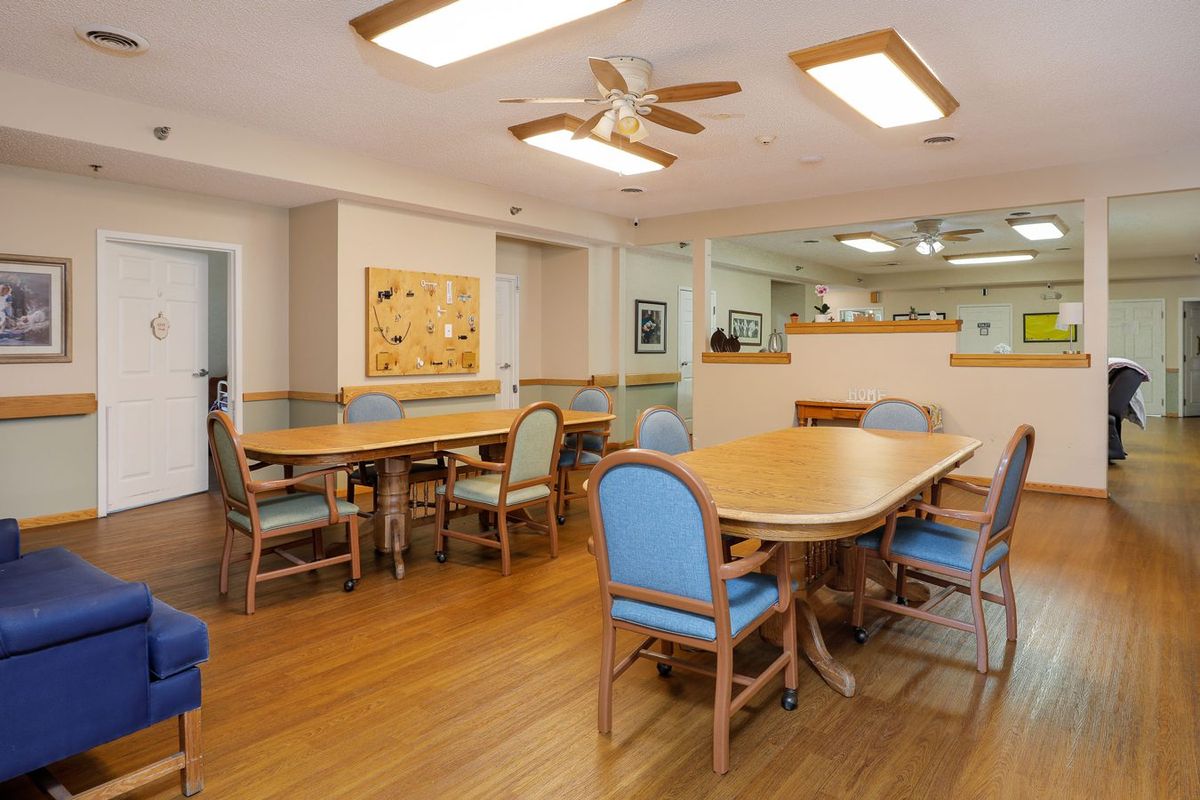
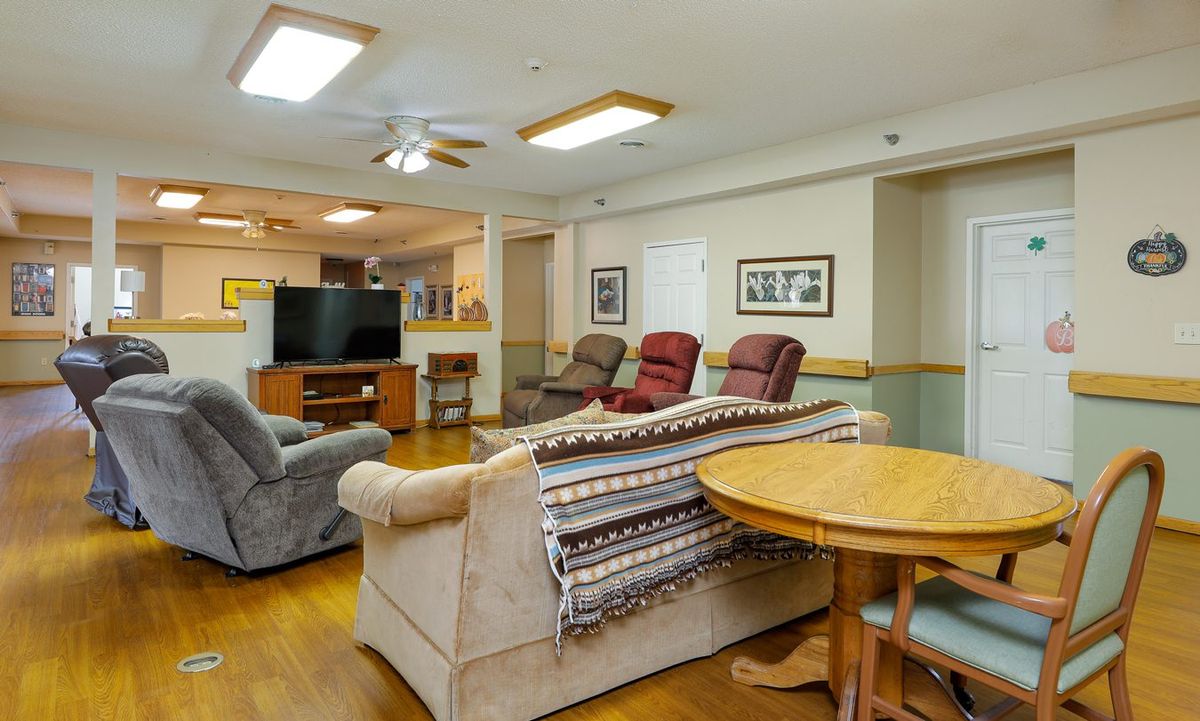
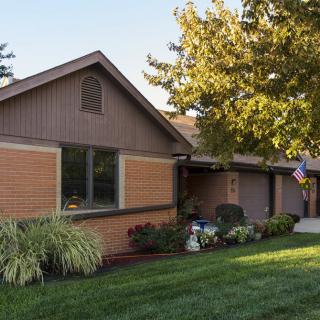
 Peggy Kelly House is described as a small, 10-person home with a home-like atmosphere.
- The reviews note that residents are kept clean and comfortable.
- It is seen as a good transition from home to care facility.
- Many staff members stay for years, indicating experienced Alzheimer’s care.
- The house specializes in Alzheimer’s care.
- It offers outdoor activities, group activities, and Bible studies.
- Residents are taken out nearly every day for visits or rides.
Cons
 Nursing homes are short-staffed, and that situation frustrated the reviewer as she watched her mother struggle.
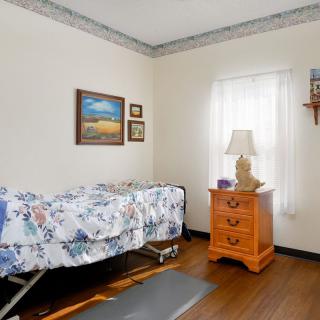
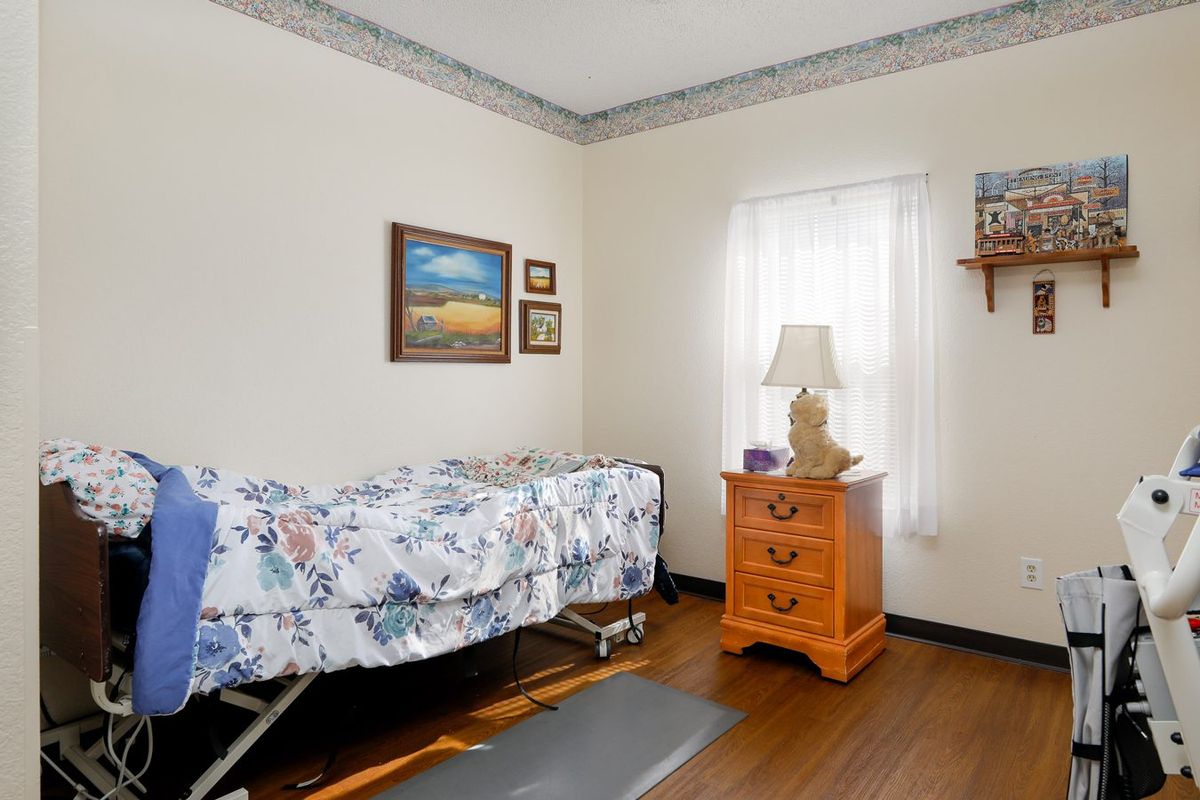
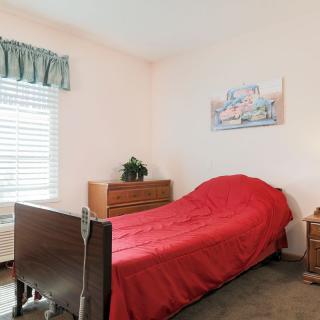
- The rooms were not spacious.
Review
Kelly House Of Topeka is best suited for families seeking a highly intimate, Alzheimer’s-focused living option for a loved one who benefits from a true home-like setting, rather than a large institutional campus. The 10-person capacity creates a family-sized community where caregivers can tailor routines, monitor behavior, and build a trusting relationship. It excels as a step-down from a traditional nursing facility for someone who no longer needs acute hospital care but does require ongoing assistance with daily activities and memory-related support. For seniors who thrive on predictable routines, personal attention, and familiar faces, this is a compelling choice in Topeka for memory care.
Those who should consider alternatives include families prioritizing privacy, larger private rooms, or a broader array of on-site amenities and social programming. The place is explicitly small: a 10-resident home, with shared rooms noted as a possibility for spouses. While the intimate size is a major strength, it also means fewer opportunities for people who want a wider social circle or more varied recreational options on a daily basis. For residents with higher medical acuity or the need for more intensive clinical care, a larger facility with more resources could be more appropriate.
Pros are tightly aligned with the needs of memory-care residents. The small footprint fosters consistent staffing and a deep understanding of each resident’s history, triggers, and preferences. Staff turnover appears low, with many employees staying for years, which translates into reliable routines and less friction for families. The staff work ethic is palpable, and families repeatedly express relief at the care their loved ones receive, including cleanliness and a homelike, reassuring atmosphere. The specialized Alzheimer’s focus means programming and supervision are aligned with common behaviors and safety concerns, supported by daily activities, Bible studies, and frequent outings that preserve dignity and engagement.
On the other hand, the very factors that make Kelly House appealing, its size and privacy profile, create trade-offs. Rooms are not expansive, and one review notes the possibility of a shared room, which can be a drawback for residents who value personal space. The limited resident count also means the full range of social opportunities you might find in a larger campus won’t be present every day, and there may be a waiting period simply to obtain admission. Yet the upside of this trade-off is a consistently low-stress, home-like daily rhythm, where caregivers know every resident’s routines and preferences, and can pivot quickly to respond to memory-related needs.
Families report a clear sense of trust and relief after transitions into Kelly House. The narrative centers on clean facilities, comfortable accommodations, and staff who treat residents with warmth and respect. The environment is described as homey rather than institutional, which matters when a loved one resists care or seeks familiarity. The programming, outdoor activities, group sessions, and regular community outings, helps residents stay connected to the world beyond the walls, which is particularly important for someone living with memory impairment. For couples or spouses, the possibility of shared rooms is a practical consideration, balancing privacy against the convenience of staying together.
In practical terms, Kelly House Of Topeka makes the strongest case for memory-care households that prize intimate, staff-driven care and consistent routines over breadth of amenities. It is not the right fit for families seeking a bustling campus with abundant private rooms or a wide menu of on-site activities every day. When choosing, assess whether the priority is 24/7 Alzheimer’s-informed supervision in a small, homelike setting or whether privacy and expansive space weigh more heavily. If the decision centers on genuine, steady caregiver relationships and a gentle transition from home to care, Kelly House should be at the top of the shortlist.
 10 resident community capacity
 Studio apartments
 Assisted Living
 Skilled Nursing Facility
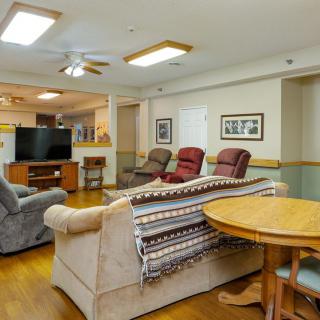
 Cable or satellite TV
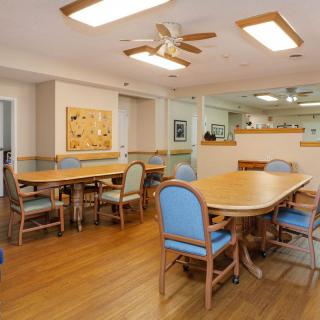
 Dining room
 Fully furnished
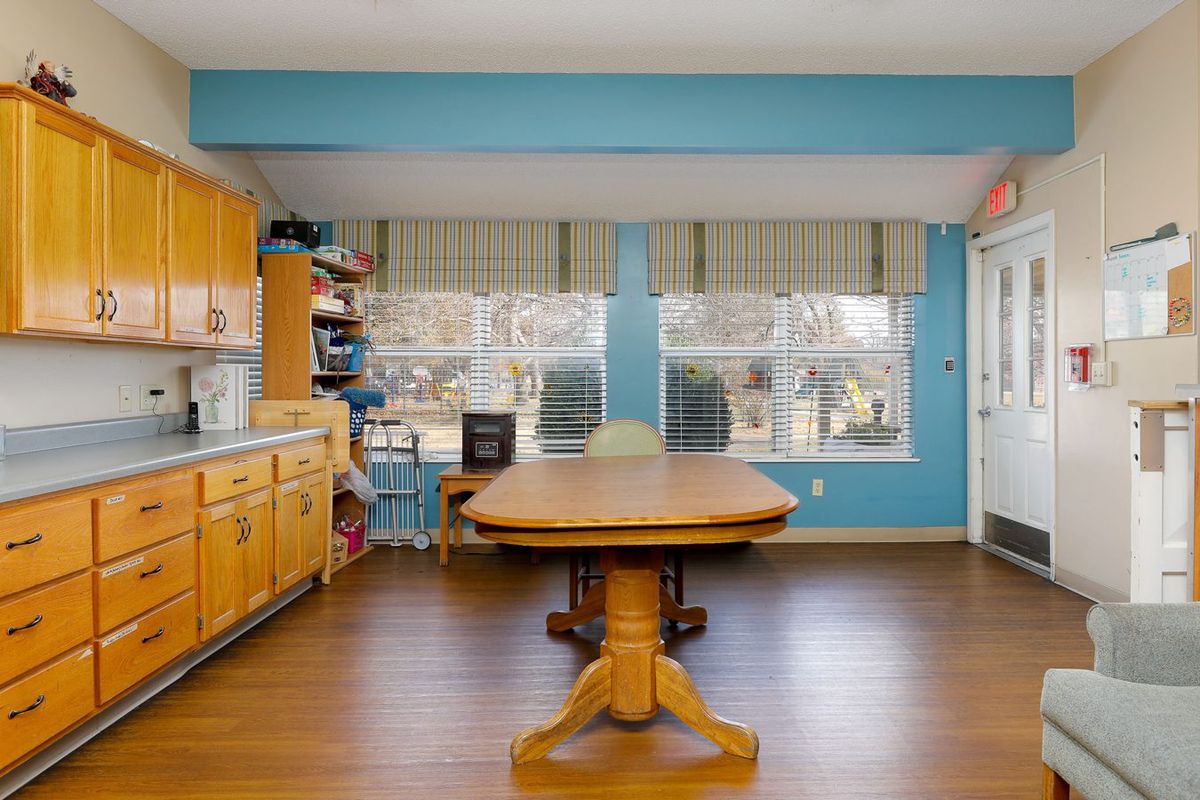
 Garden
 Housekeeping services
 Laundry
 Move-in coordination
 Outdoor space
 Telephone
 Wi-Fi/high-speed internet available
 Forbes (7 miles away)
 24-hour supervision
 Activities of daily living assistance
 Assistance with bathing
 Assistance with dressing
 Assistance with transfers
 Diabetes diet
 Meal preparation and service
 Medication management
 Special dietary restrictions
 Transportation arrangement (medical)
 Transportation to doctors appointments
 English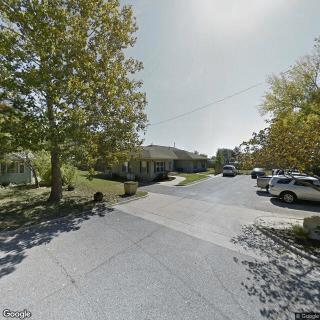




 Exploring the Contrasts Between Assisted Living and Skilled Nursing
 8 Key Indicators That Suggest It May Be Time to Transition from Assisted Living to Skilled Nursing Care
 Vibrant Senior Living: A Comprehensive Guide for Active Older Adults