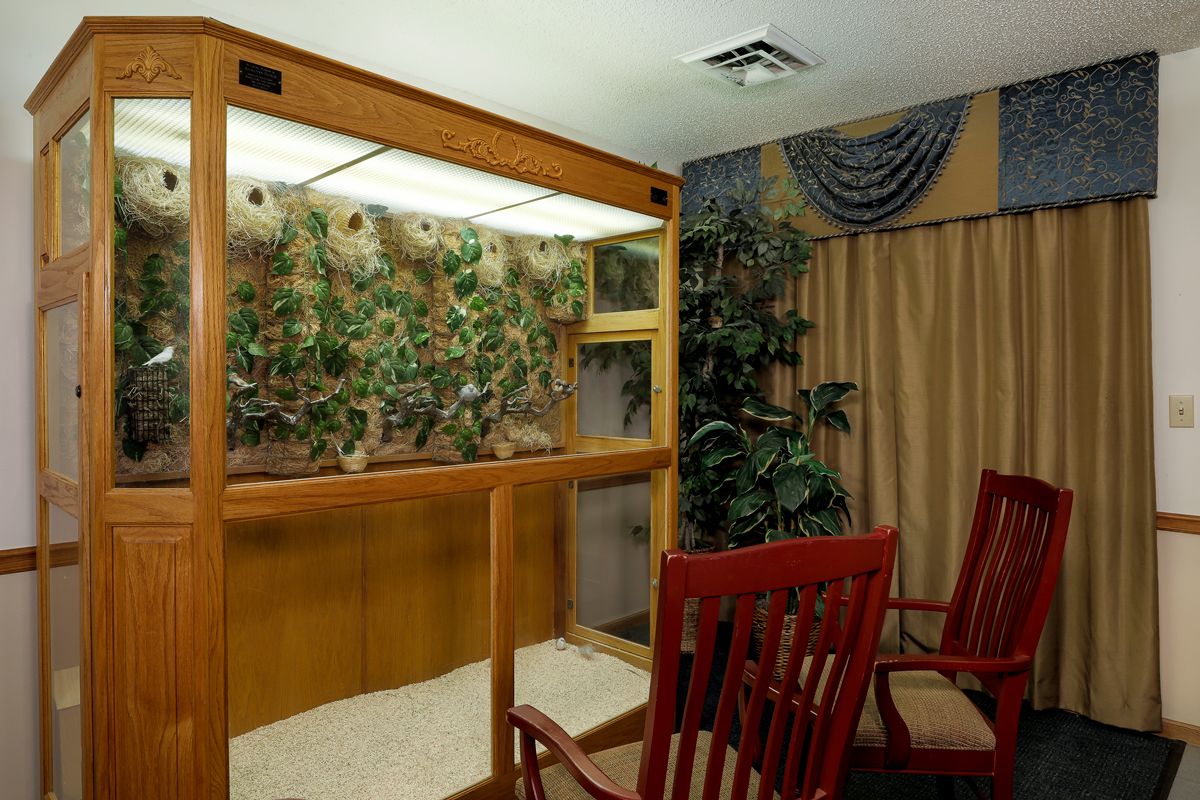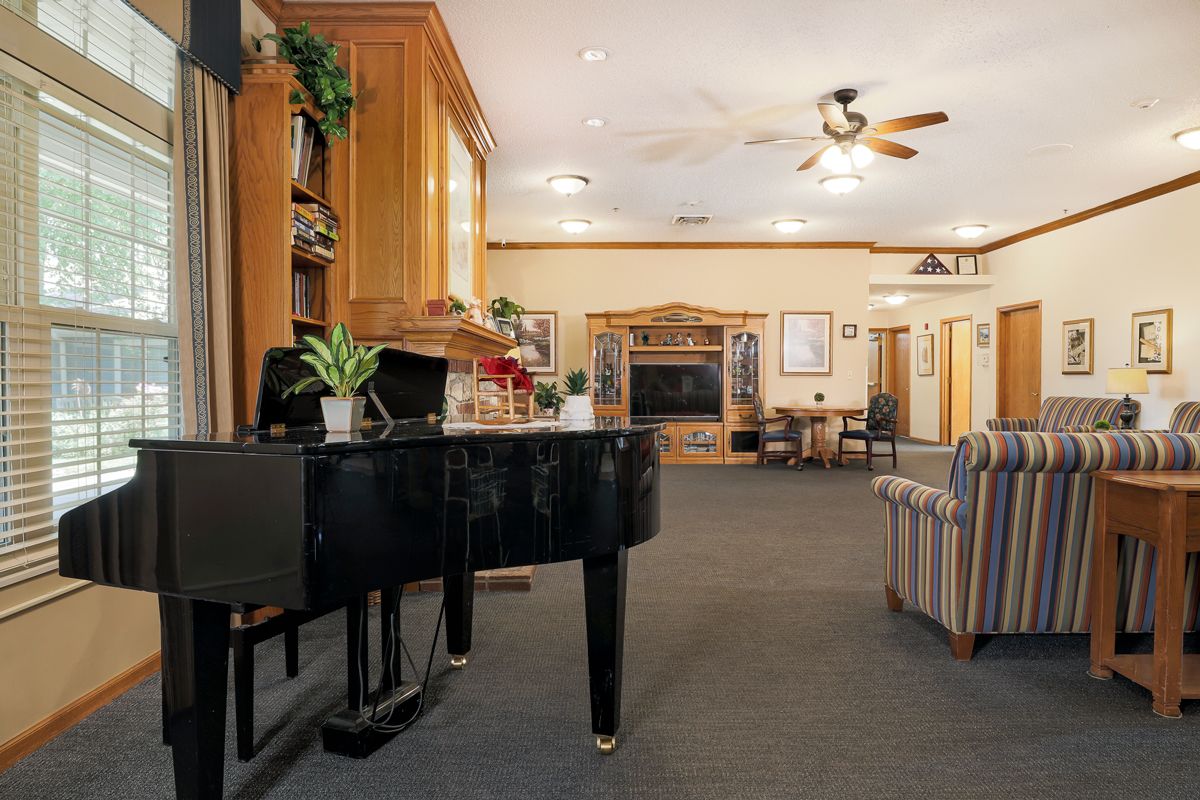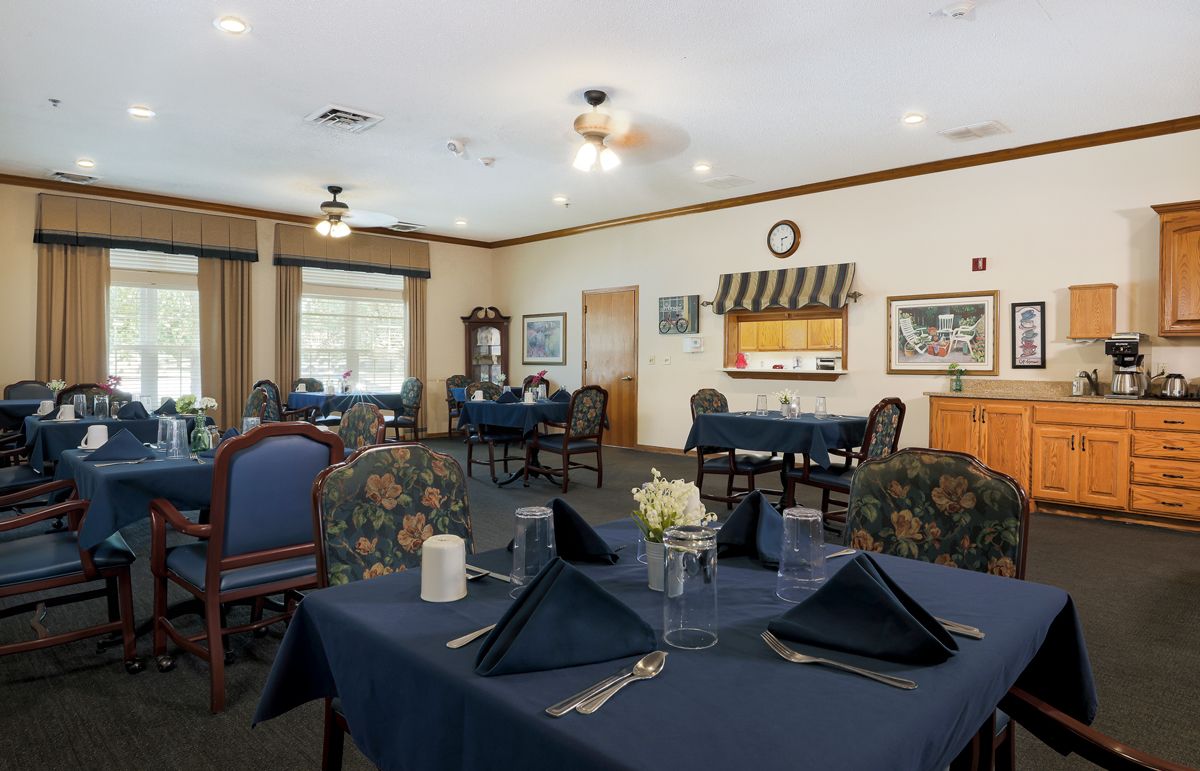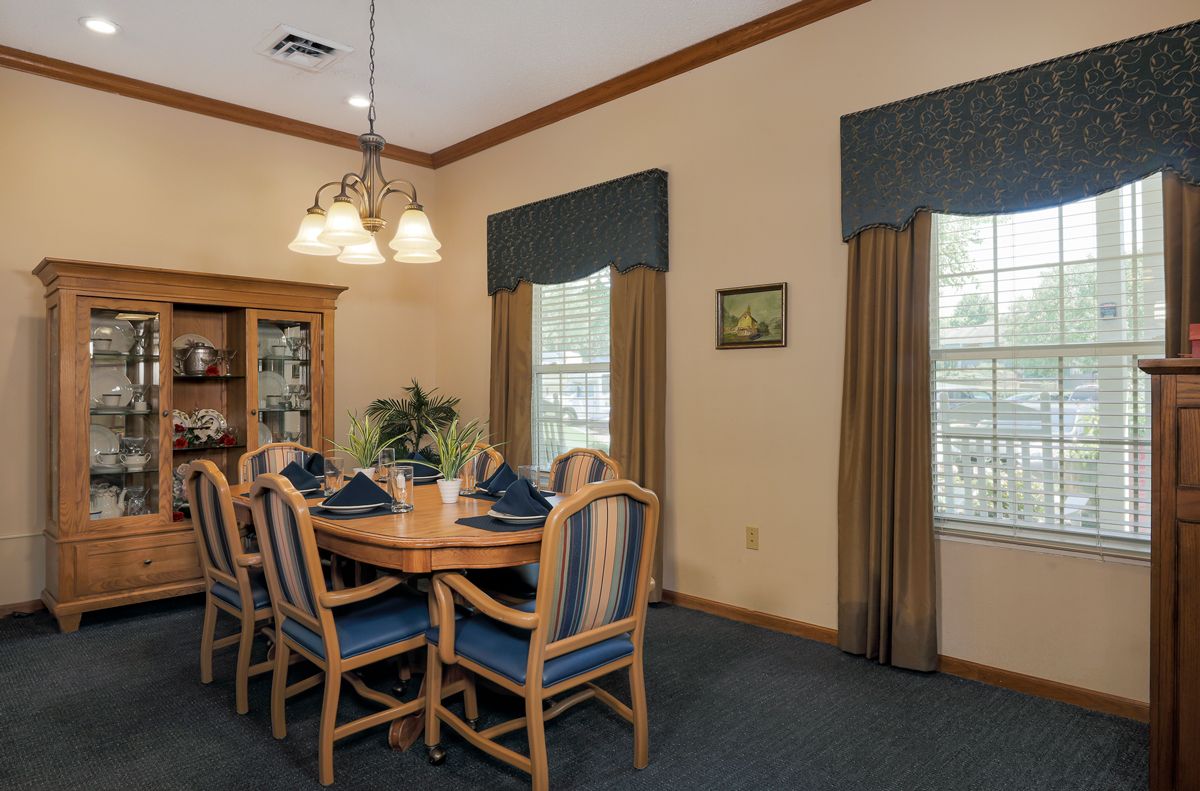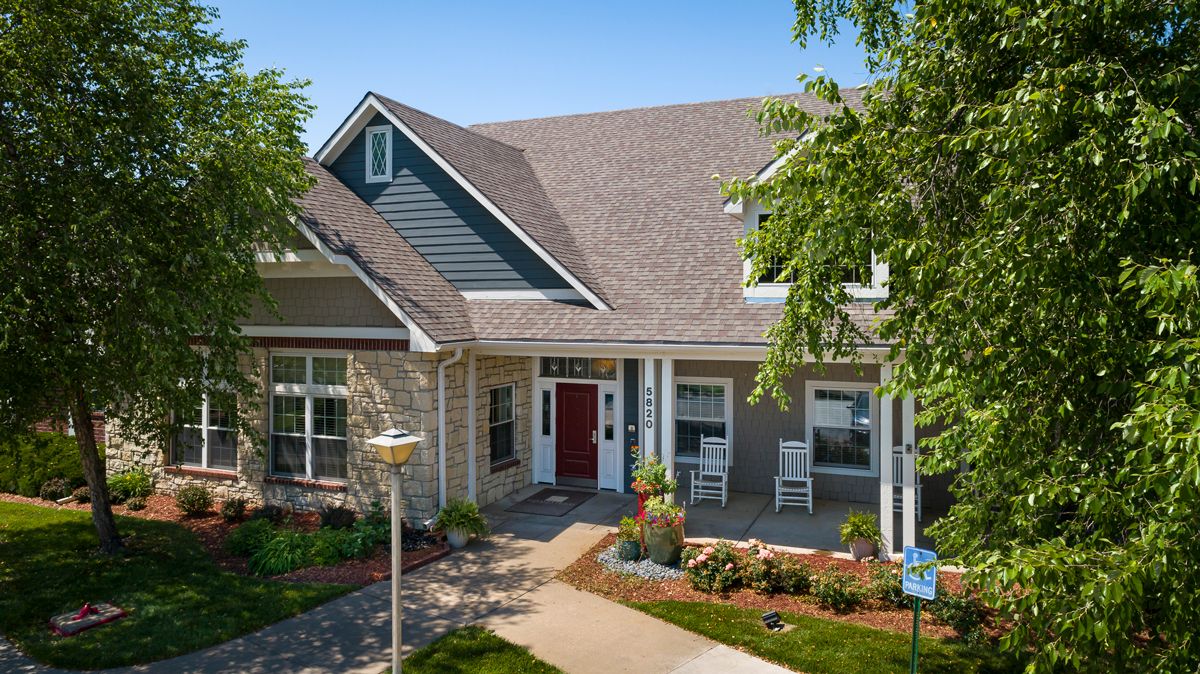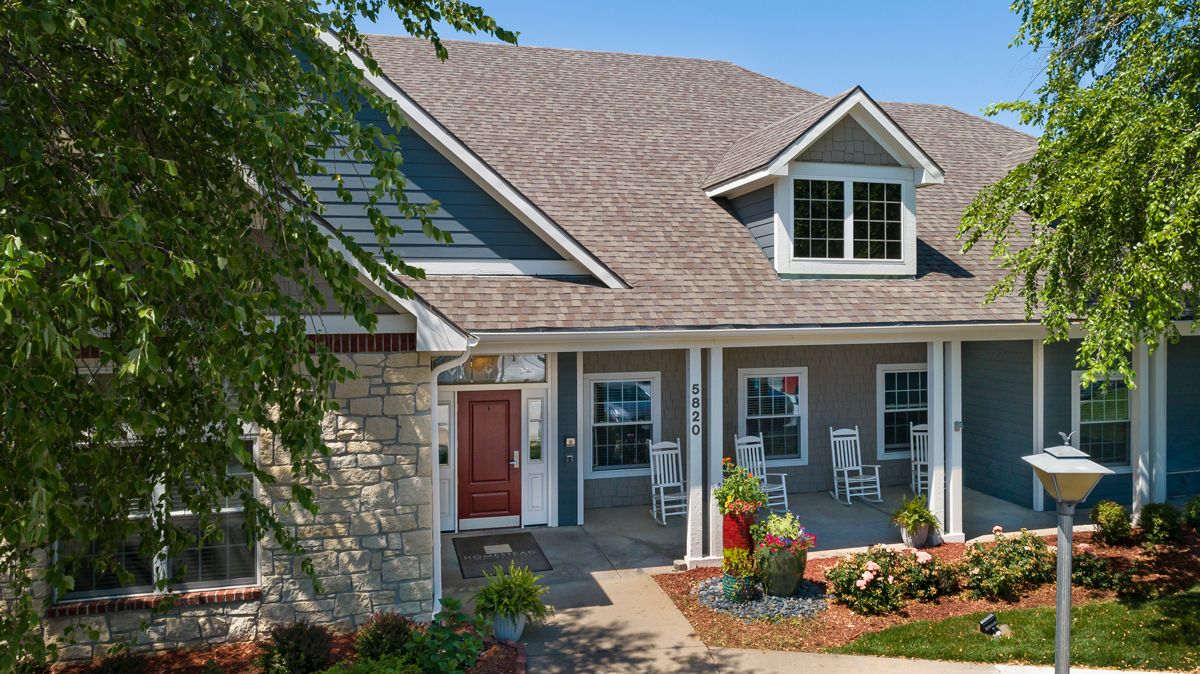
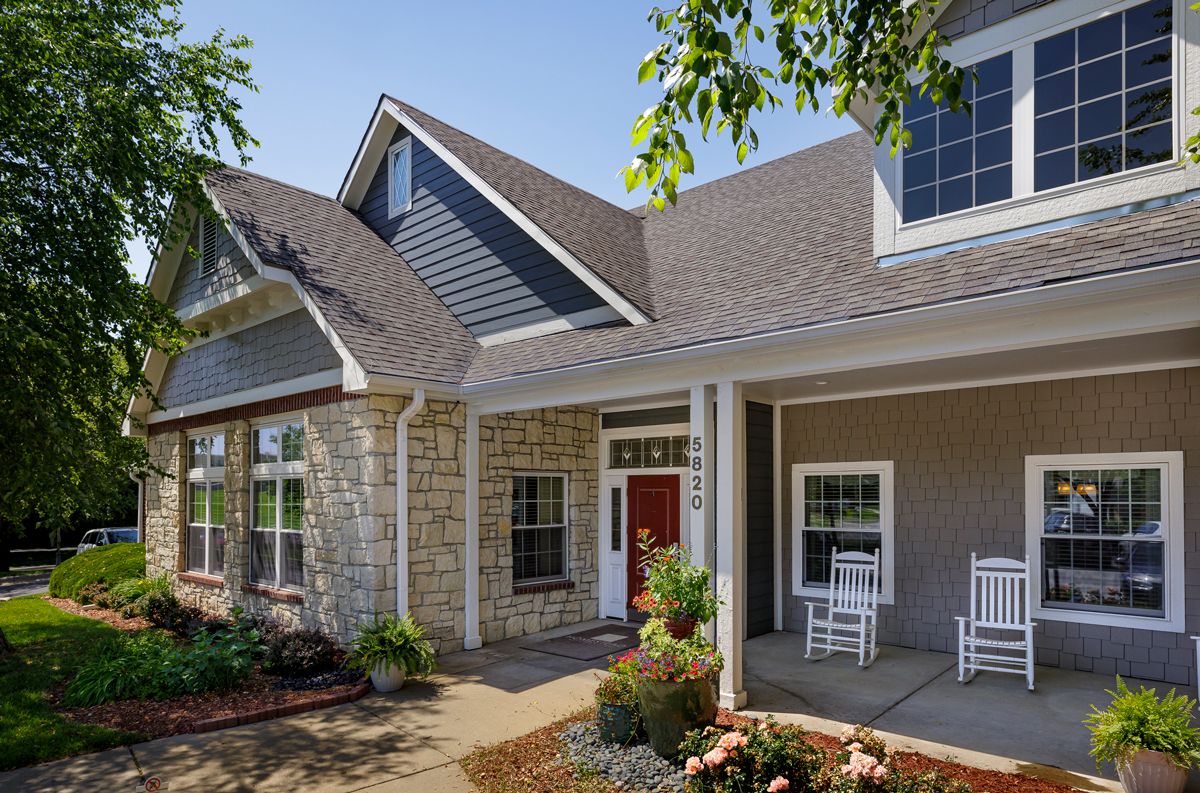




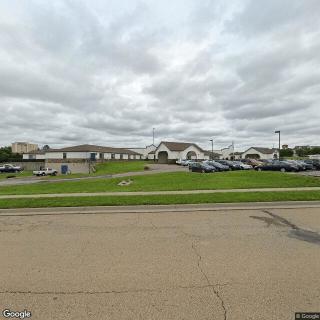
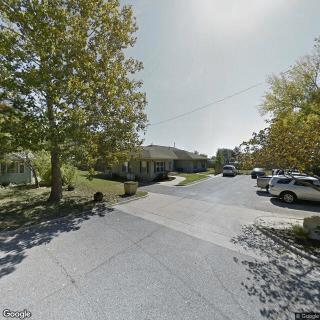
5820 South West Drury Lane, Topeka, KS 66604
For more information about senior living options: (866) 208-4318
Overall Review of Homestead Of Topeka
Pros
 The facility is described as a remarkable elder care facility.
- It offers continuity of staff and strong connections with residents and their families.
- Homestead has built a culture of teamwork and trains staff to be the best of the best.
- Residents feel surrounded by a Homestead family.
- The staff are described as super nice, confident, and compassionate.
- Residents can go home when appropriate, reflecting well on the staff and facilities.
- Staff demonstrate strong, respectful relationships with residents.
- The care team is attentive, caring, funny, friendly, and sincere.
- There is an amazing array of activities, including outings, bingo, crafts, yoga, and music events.
- Families are encouraged to visit and kept well informed about residents' care.
- The care provided is superior and staff are willing to listen.
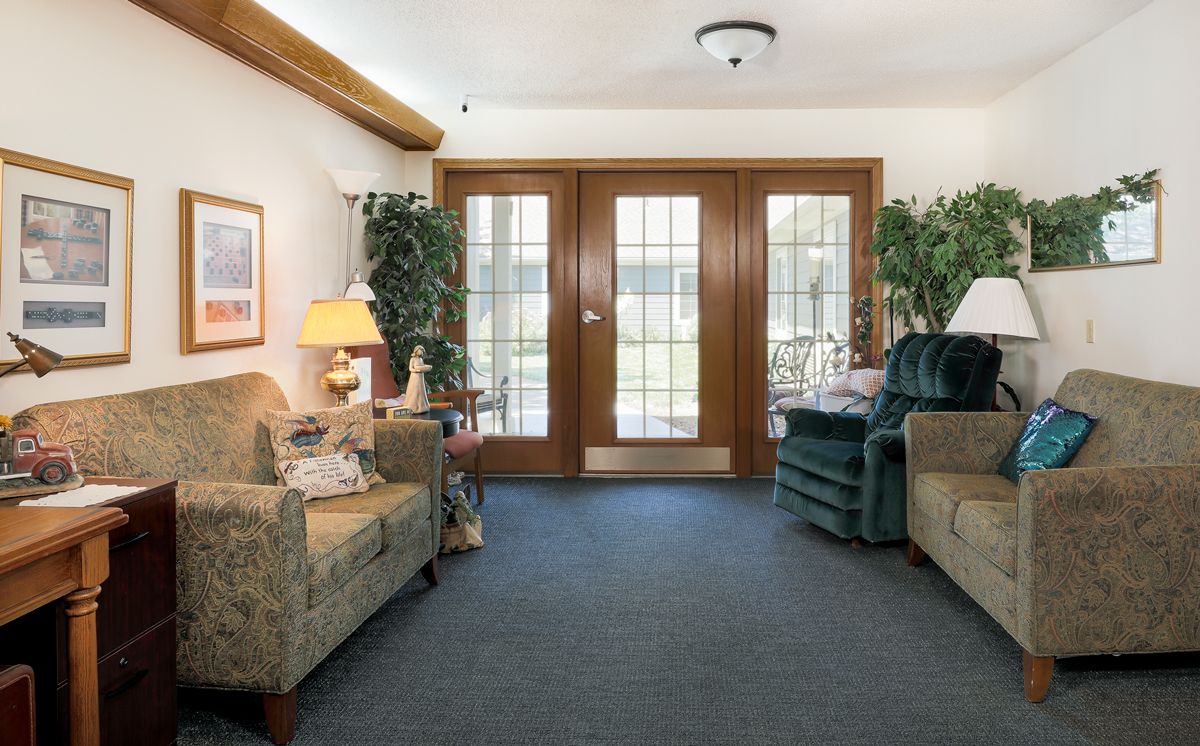
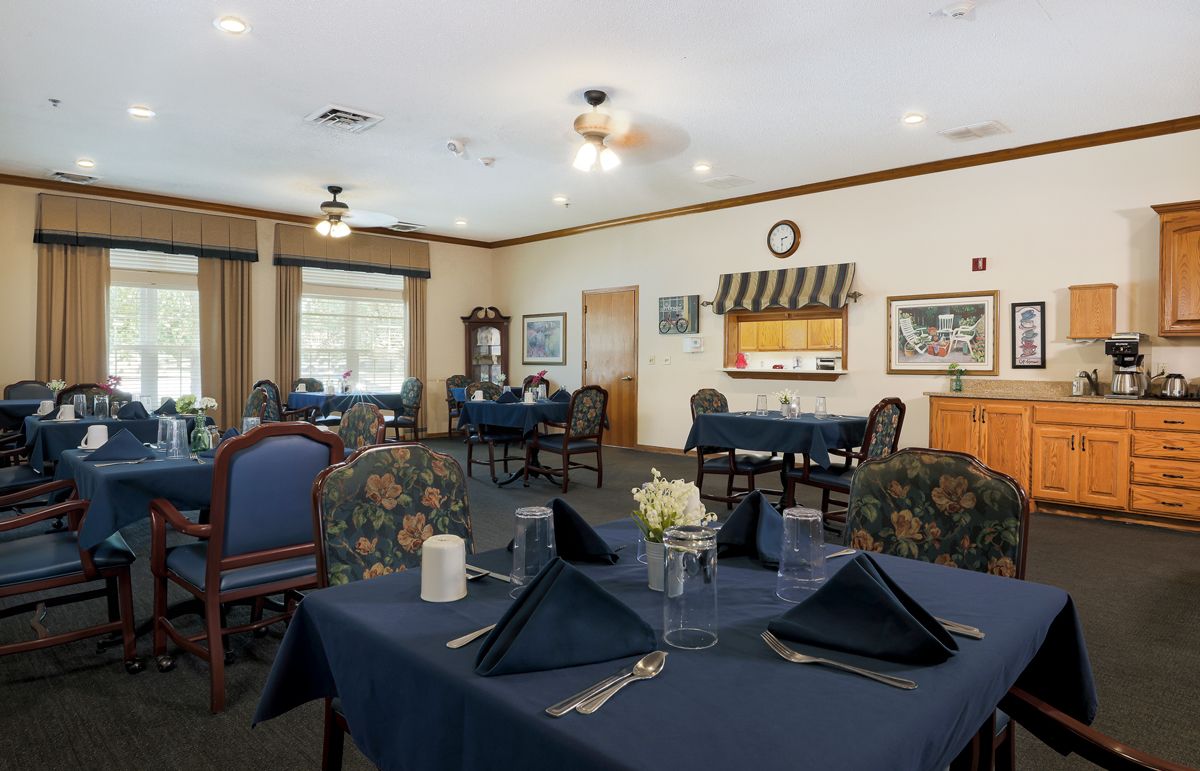
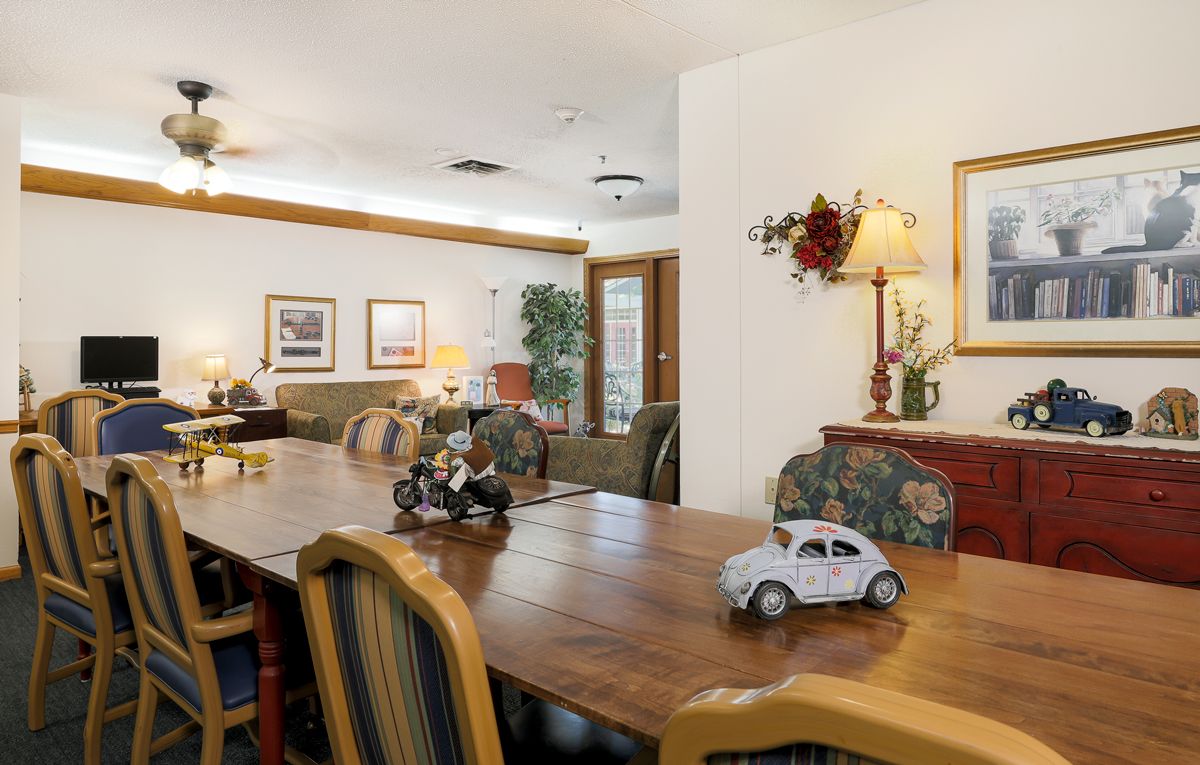
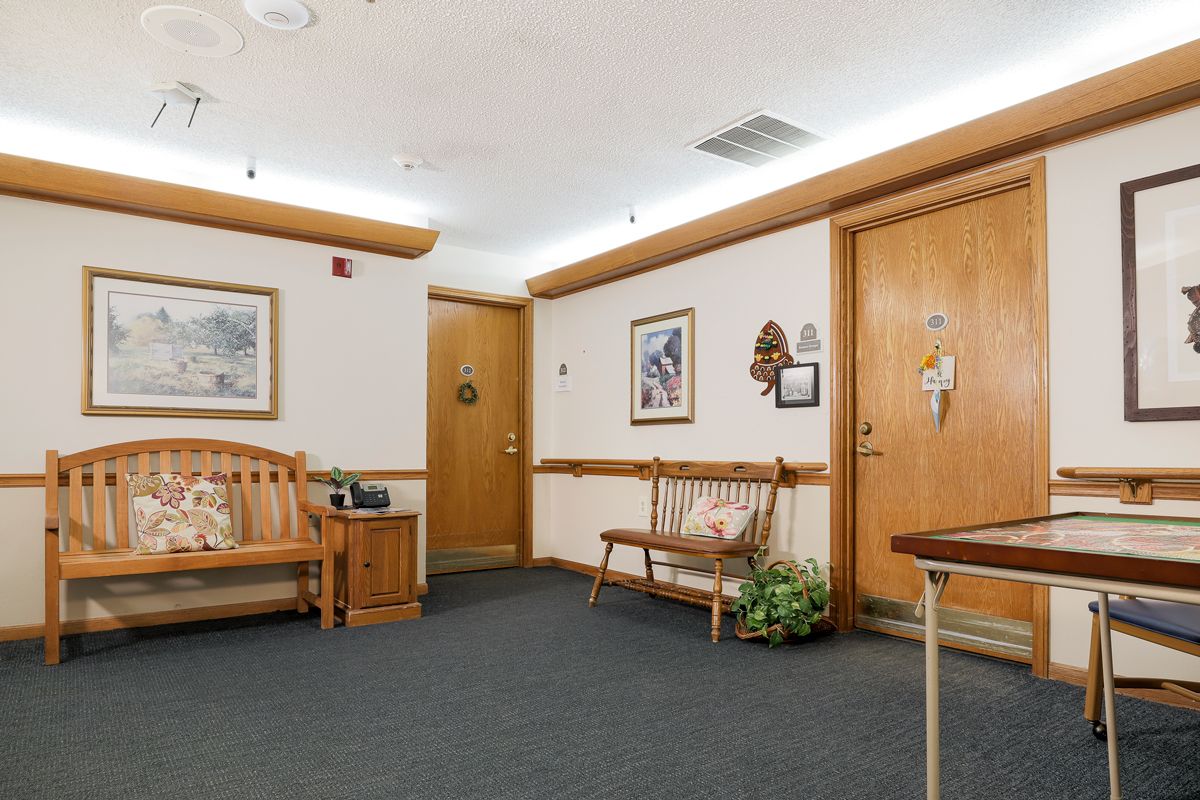
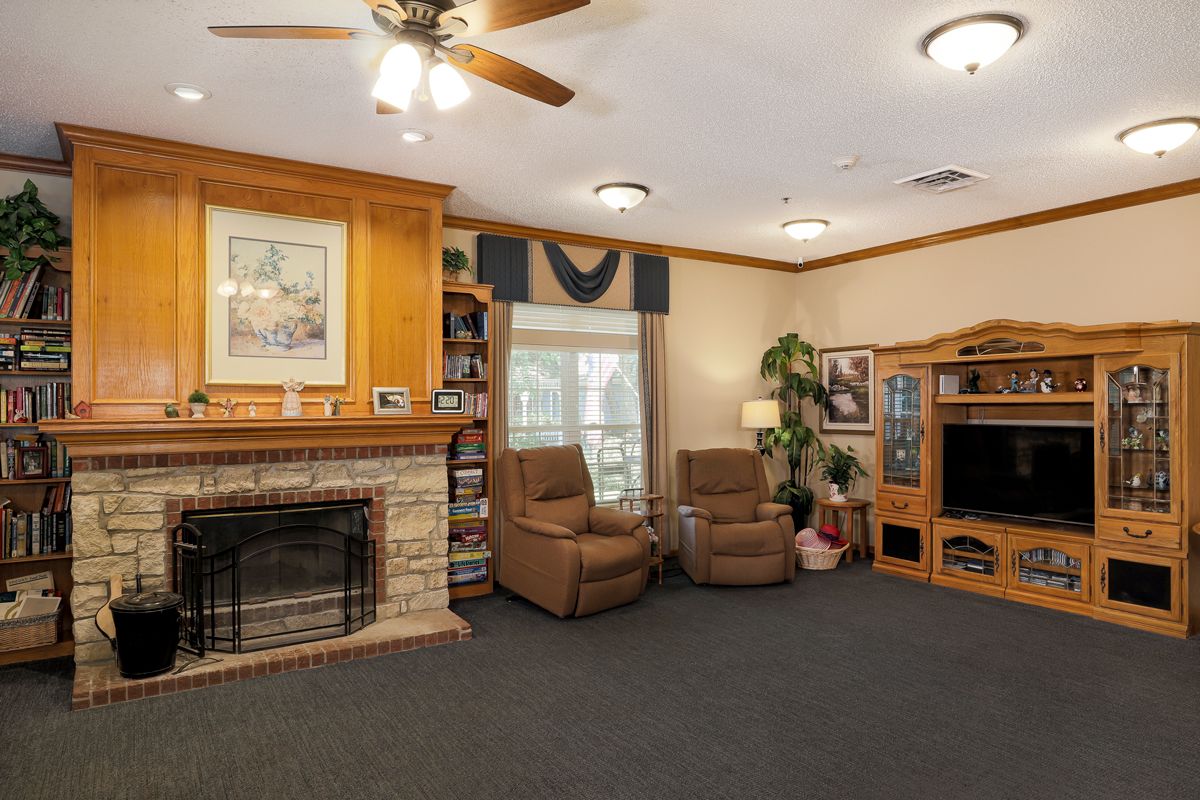
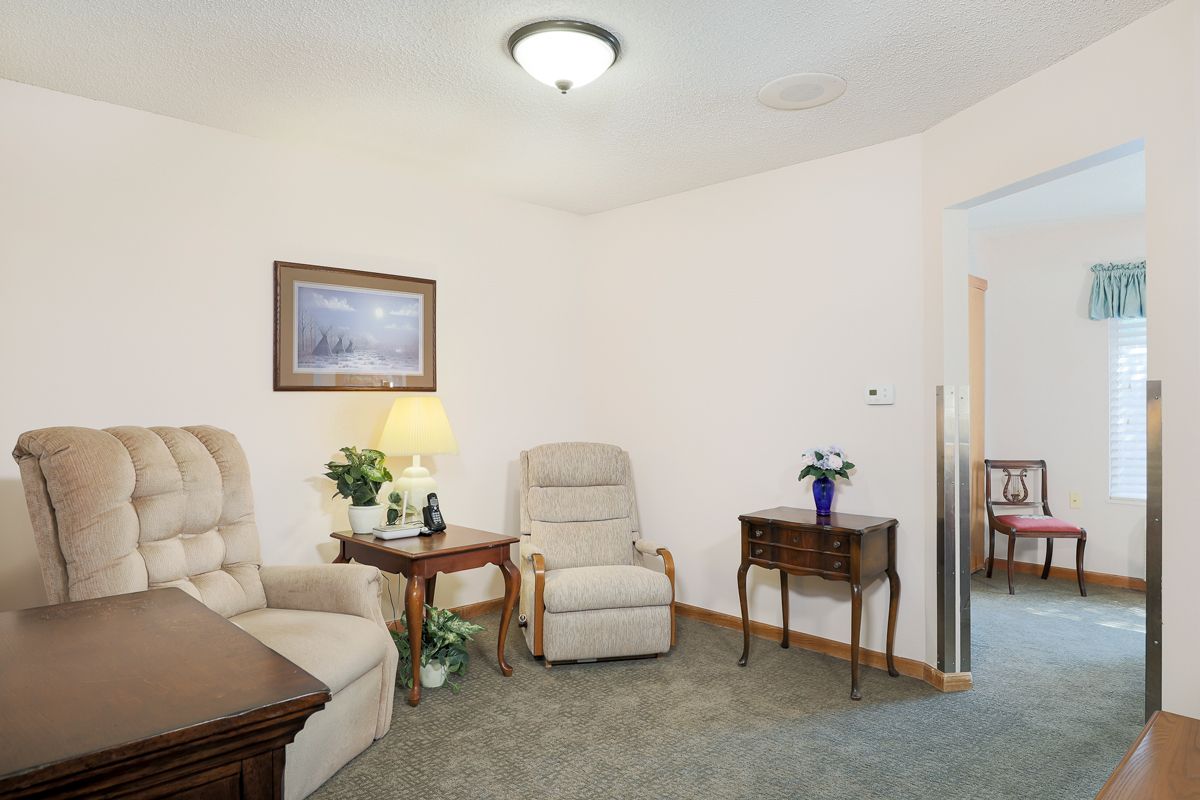
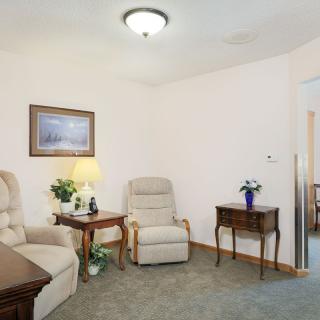
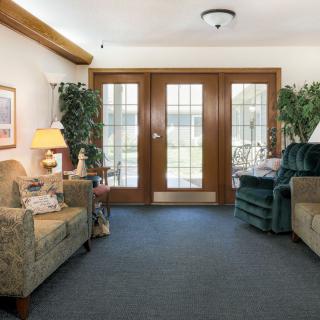
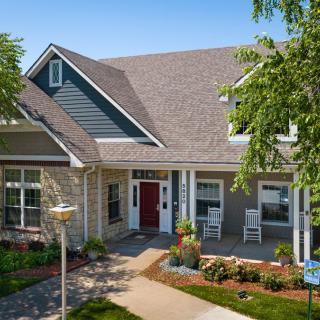
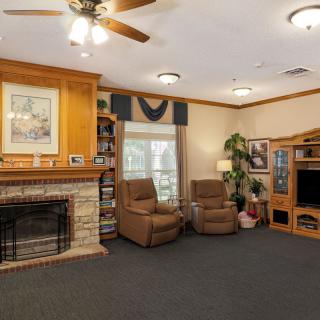
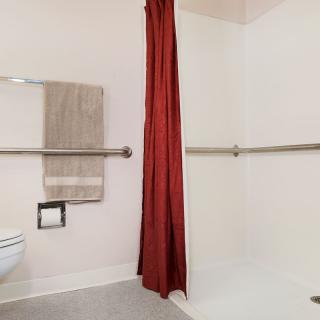
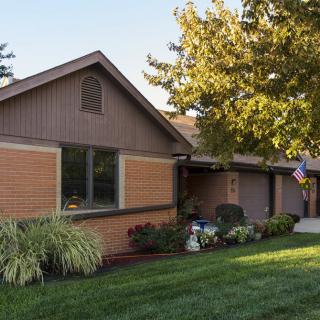
- The environment is clean, open, and welcoming.
Cons
 They warned others not to send their loved ones there.
- They claimed the facility did not provide proper nursing care or even adequate water.
- They described a death knell after kidney stones and the anesthesia surgery.
- They criticized the food as bad and alleged that meals were rationed, making it hard to get enough.
- They implied that the facility’s lack of regulatory compliance contributed to the problems.
Review
Homestead of Topeka is best suited for seniors whose families prize stability, personal connections, and a community feel that remains strong day in and day out. The standout attribute is continuity: long-tenured staff who know residents well, form lasting relationships with families, and work as a coordinated team. That culture translates into real, observable engagement, staff who check in with residents at different energy levels, celebrate small successes, and create an atmosphere where people feel seen and valued. For families seeking a home-like setting with a robust activity calendar and frequent family involvement, this community delivers in a way that feels both sincere and sustainable.
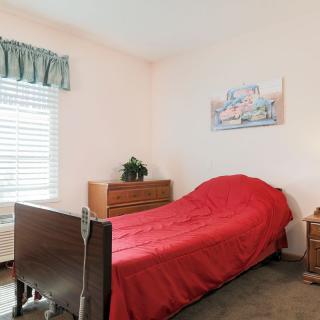
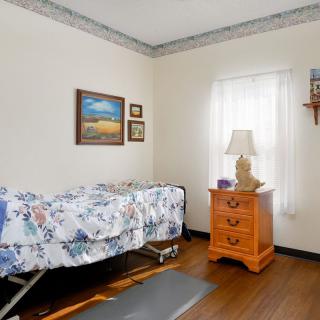
Alternatives become worth considering for residents with different financial or medical needs. A key constraint is financial: the facility operates on private pay or long-term care insurance, not Medicare. That profile naturally narrows options for seniors who rely on Medicare-based long-term care support or who need stricter budget controls. Another caveat is a single-bedroom layout when couples want separate sleeping spaces; the tours note that two apartments may be required for couples, potentially driving up costs. A warning note in the reviews also advises to scrutinize care quality closely, as one family recounted a troubling experience with nursing care and basic needs. These realities should temper expectations and guide compare-and-contrast decisions with other communities.
On the upside, the pros consistently align with families’ deepest priorities. Caregivers are described as compassionate, attentive, and communicative, with staff going to considerable lengths to keep families informed. The sense of safety and belonging permeates daily life, with families noting that residents participate in a broad array of activities, from bus outings, bingo, and crafts to yoga, devotions, and music events. The facility’s small size in certain pockets, a memory-care emphasis within a tight campus, appears to foster intimate, personalized attention. When loved ones are near, residents often become more engaged, singing hymns or enjoying meaningful moments that affirm dignity and presence.
Yet the main drawbacks must be weighed against these strengths. The most consequential concern is the potential for care gaps, as reflected in a strongly negative review that cites inadequate nursing care and even water shortages. Taken with the otherwise glowing testimonials, this signals the importance of direct observation and up-front questions about staffing coverage, supervision, and care protocols. The financial barrier compounds that equation: private-pay and LTCI means cost control and funding plans must be solid, and the lack of Medicare acceptance may force families to pursue alternative funding routes or pick a different setting altogether. Size and layout constraints for couples add another practical hurdle for households seeking two separate private rooms.
When weighing pros against cons, Homestead’s core strengths tend to offset most concerns for a specific profile. Families drawn by genuine staff loyalty, transparent communication, and a lively, engaging calendar will likely experience a meaningful sense of peace and continuity for their loved ones. The emotional returns, the feeling that someone truly knows the resident, that activities are tailored, and that staff will advocate on behalf of families, are powerful counterweights to the financial and acuity considerations. However, for those needing Medicare-backed support, or those who require high-acuity medical intervention on a routine basis, the reliance on private pay and the specter of care gaps tilt the balance toward exploring other options.
Practical next steps are clear for families evaluating Homestead against alternatives. Schedule a candid tour focused on staffing levels at peak times, ask to meet some care providers, and request a glimpse of the daily activity calendar and transportation routines. Probe memory-care capabilities, confirm whether couples can secure two private rooms within budget, and obtain a detailed cost outline that maps private pay to services rendered. Finally, compare with other local options that accept Medicare or offer different care intensities and room configurations. For families who can navigate the financial framework and value the proven, hands-on culture, Homestead of Topeka stands out as a high-quality choice; for those where funding or medical acuity is paramount, a well-constructed comparison will reveal stronger fits elsewhere.
 44 resident community capacity
 Assisted Living
 Memory Care
 Beauty salon
 Cable or satellite TV
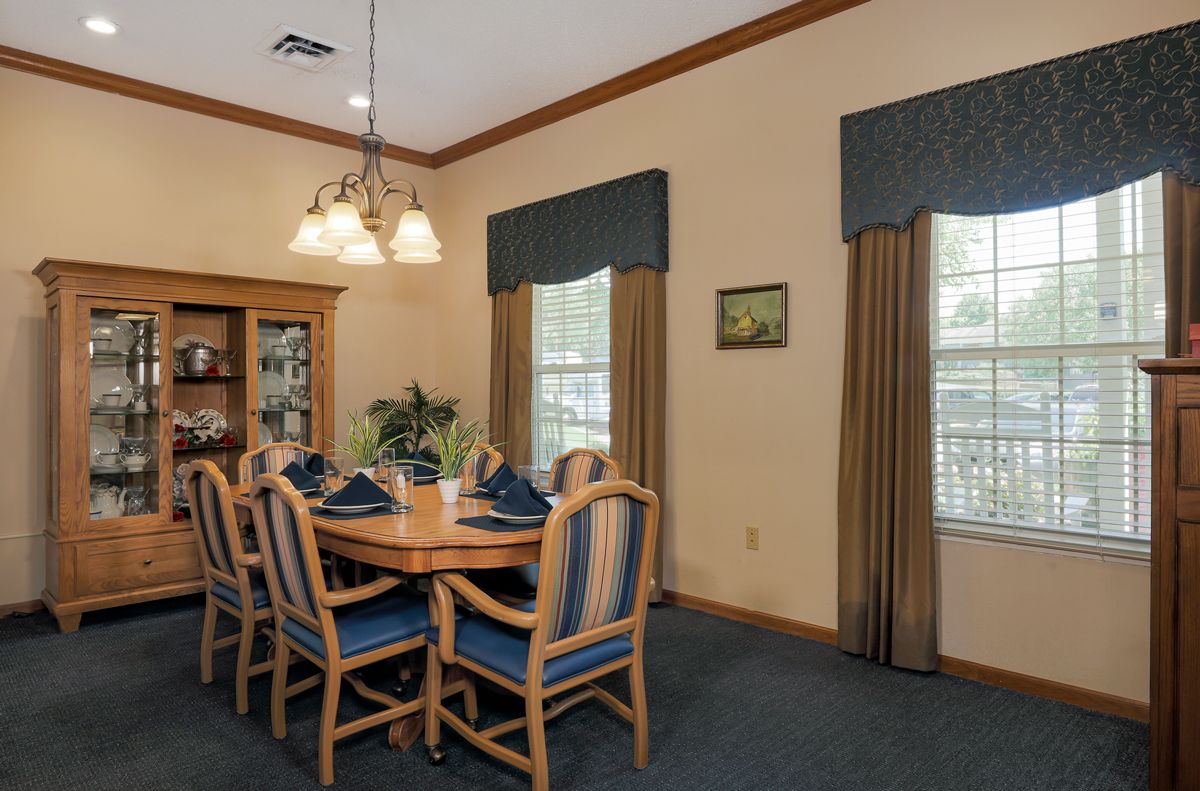
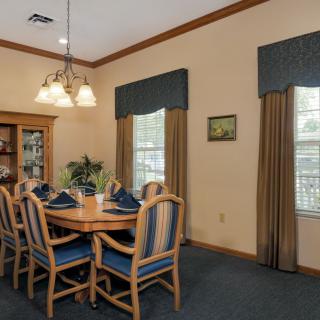
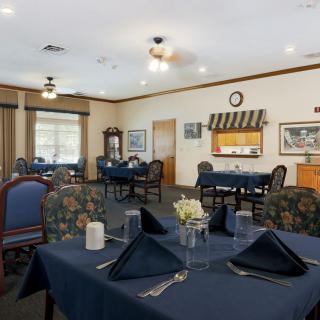
 Dining room
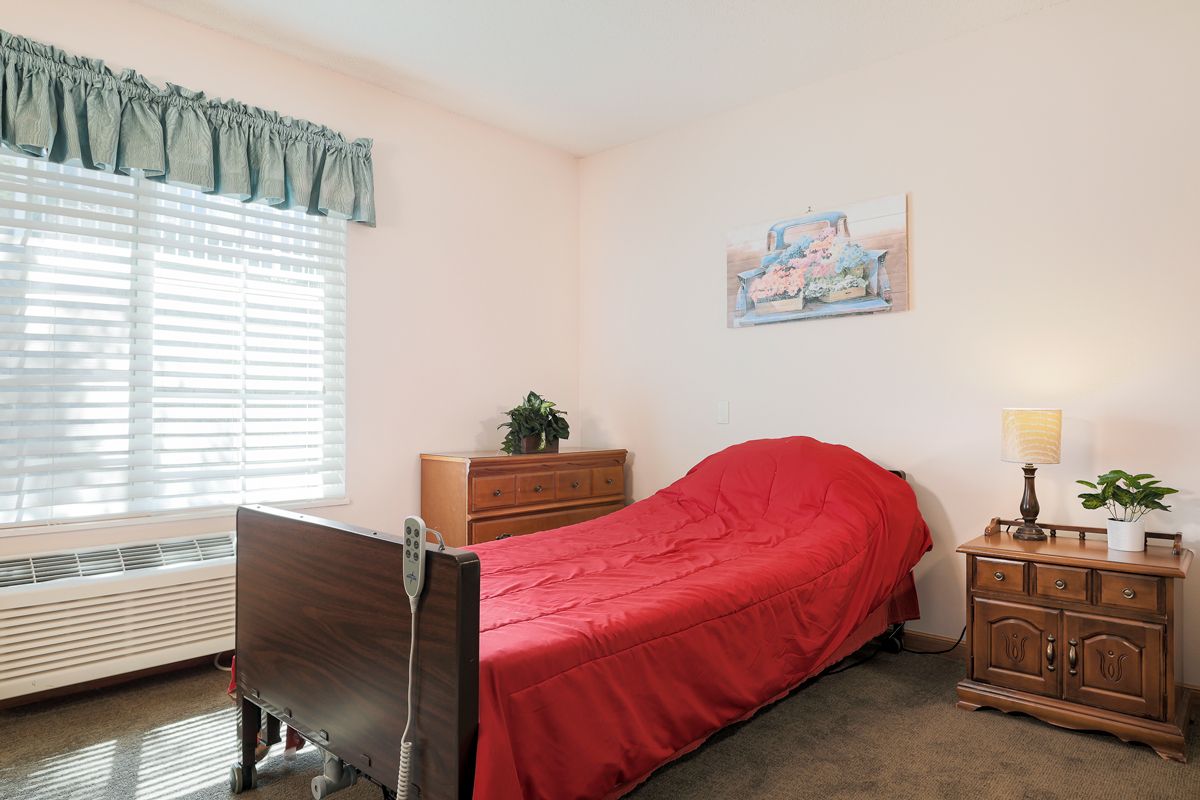
 Fully furnished
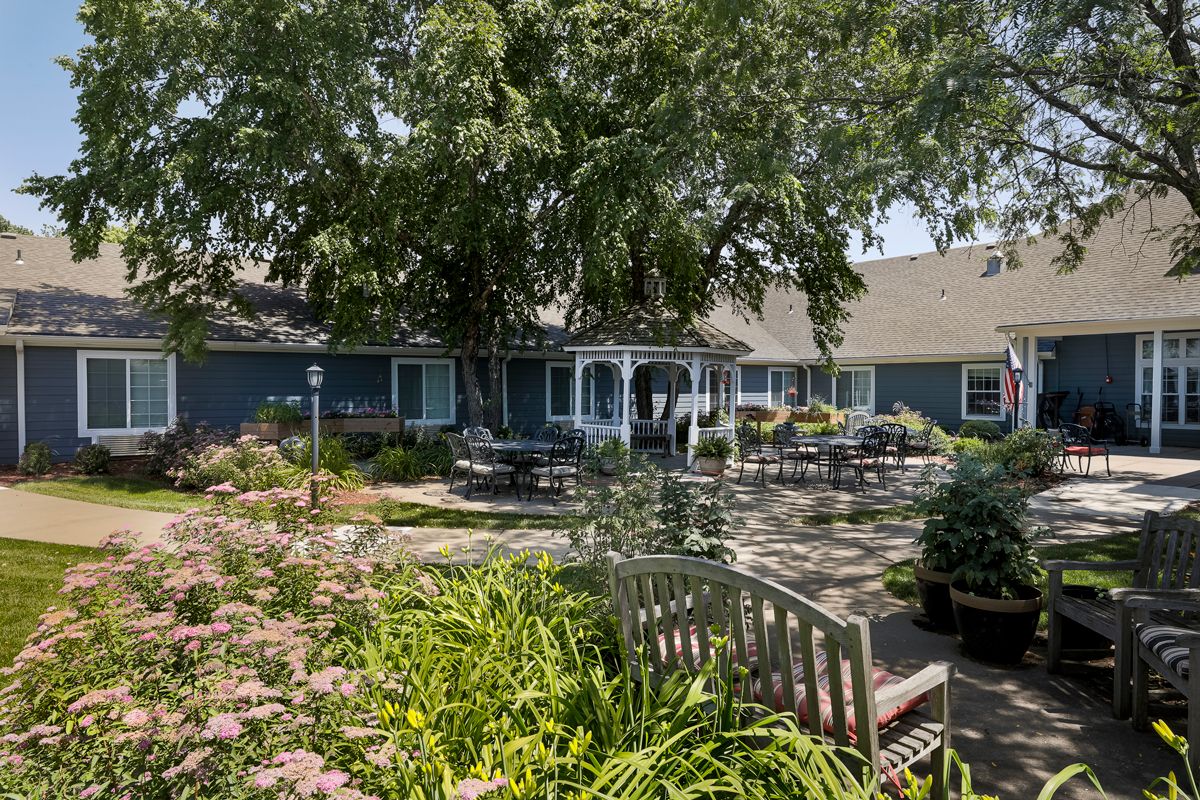
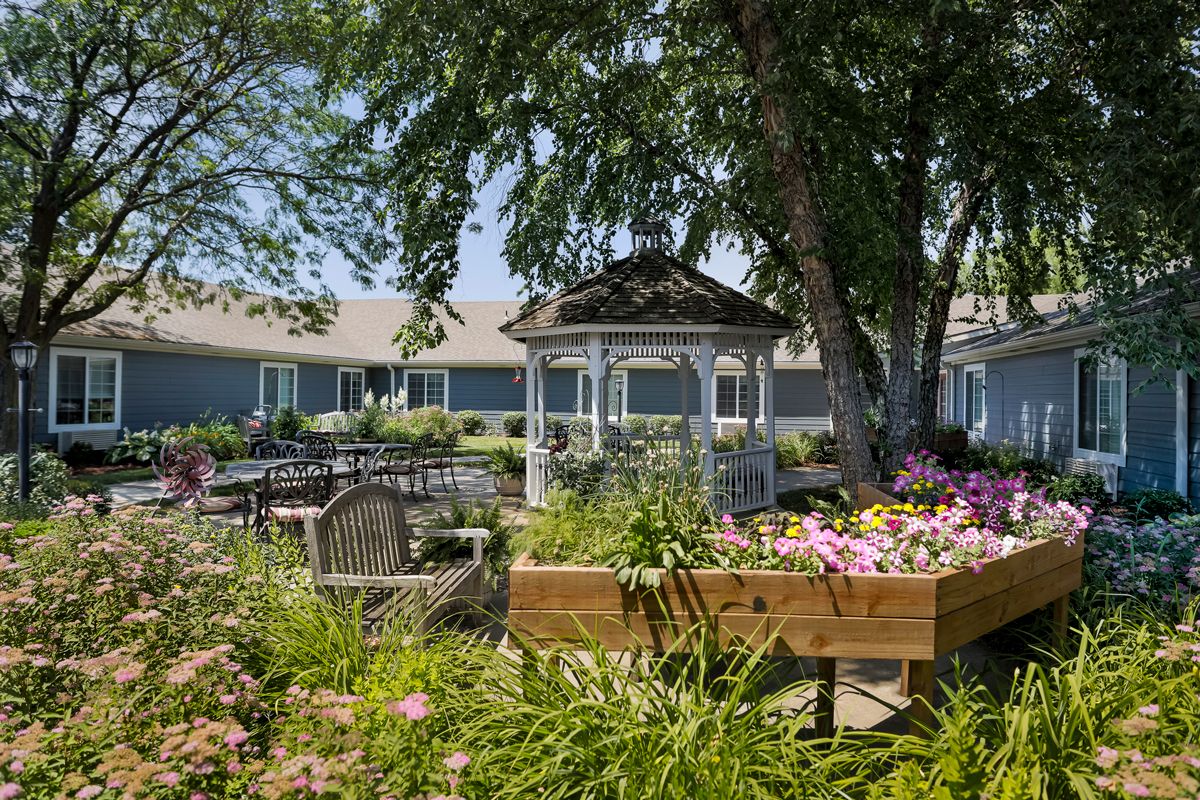
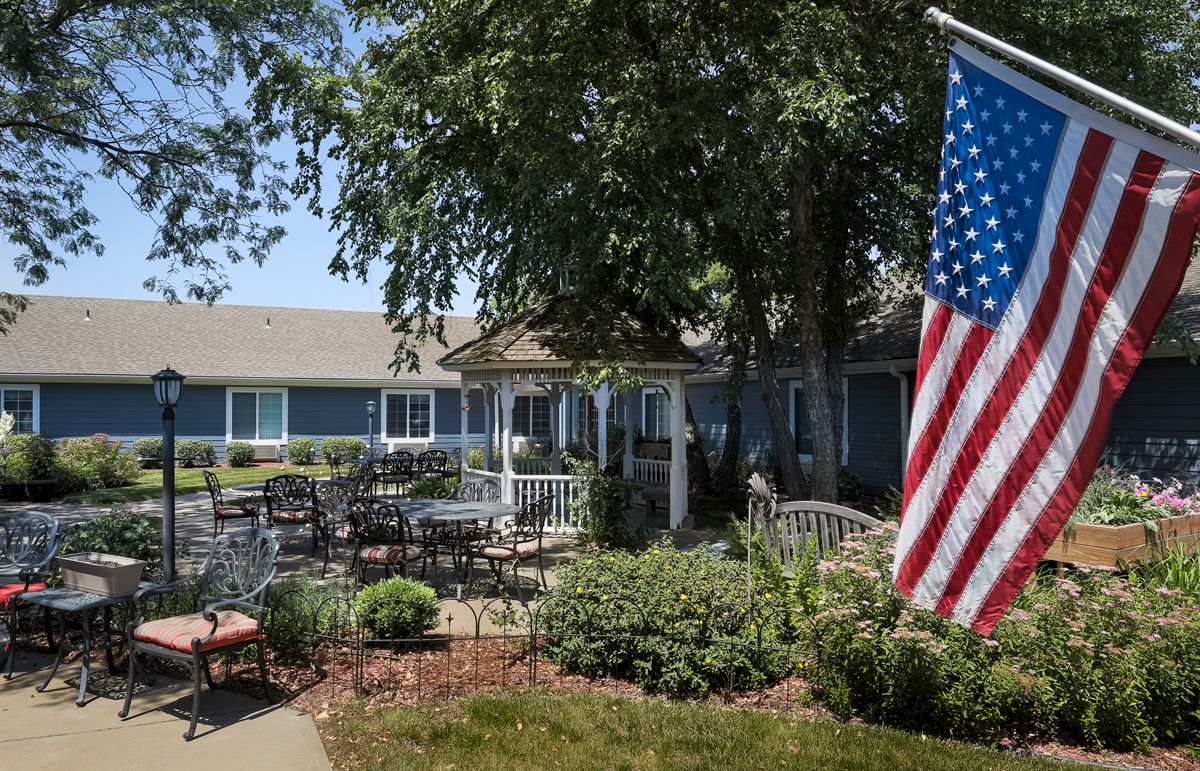
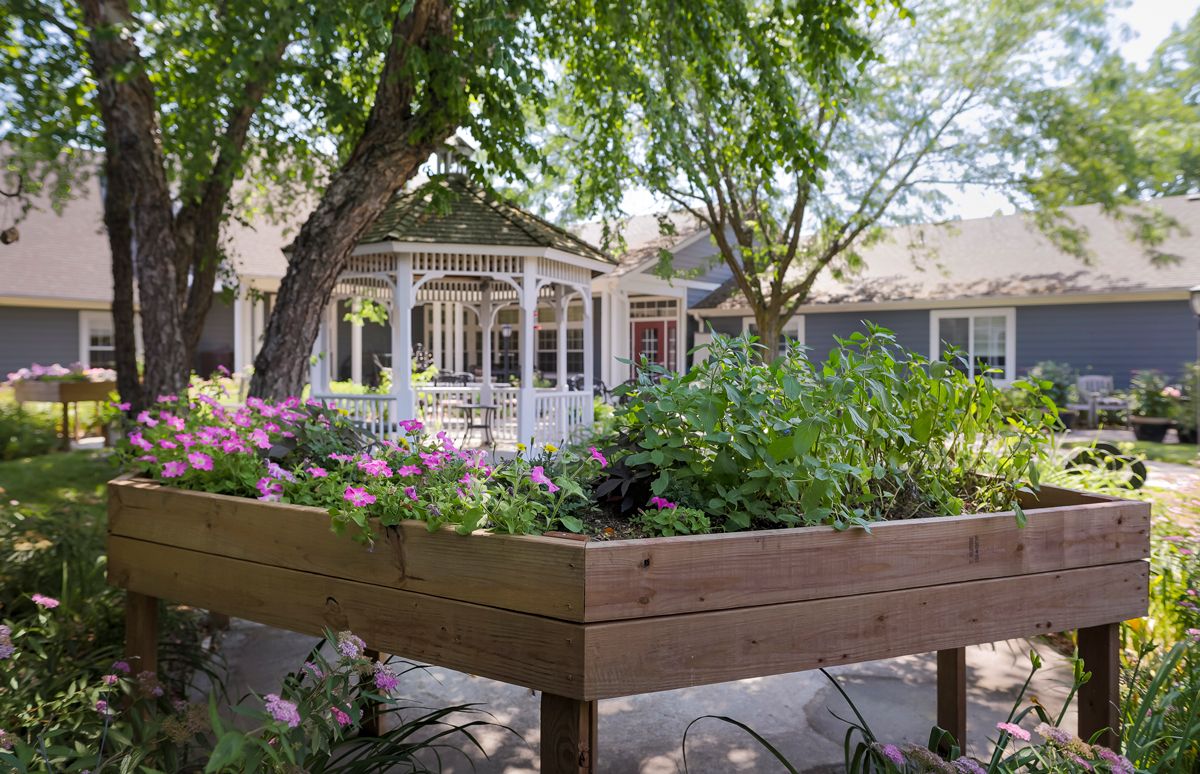
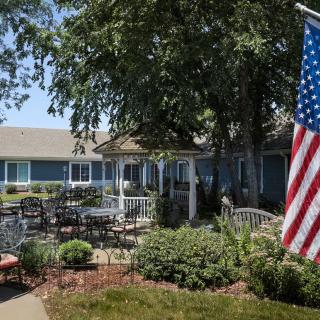
 Garden
 Housekeeping services
 Kitchenette
 Move-in coordination
 Outdoor space
 Telephone
 Wi-Fi/high-speed internet available
 Forbes (8 miles away)
 24-hour call system
 Activities of daily living assistance
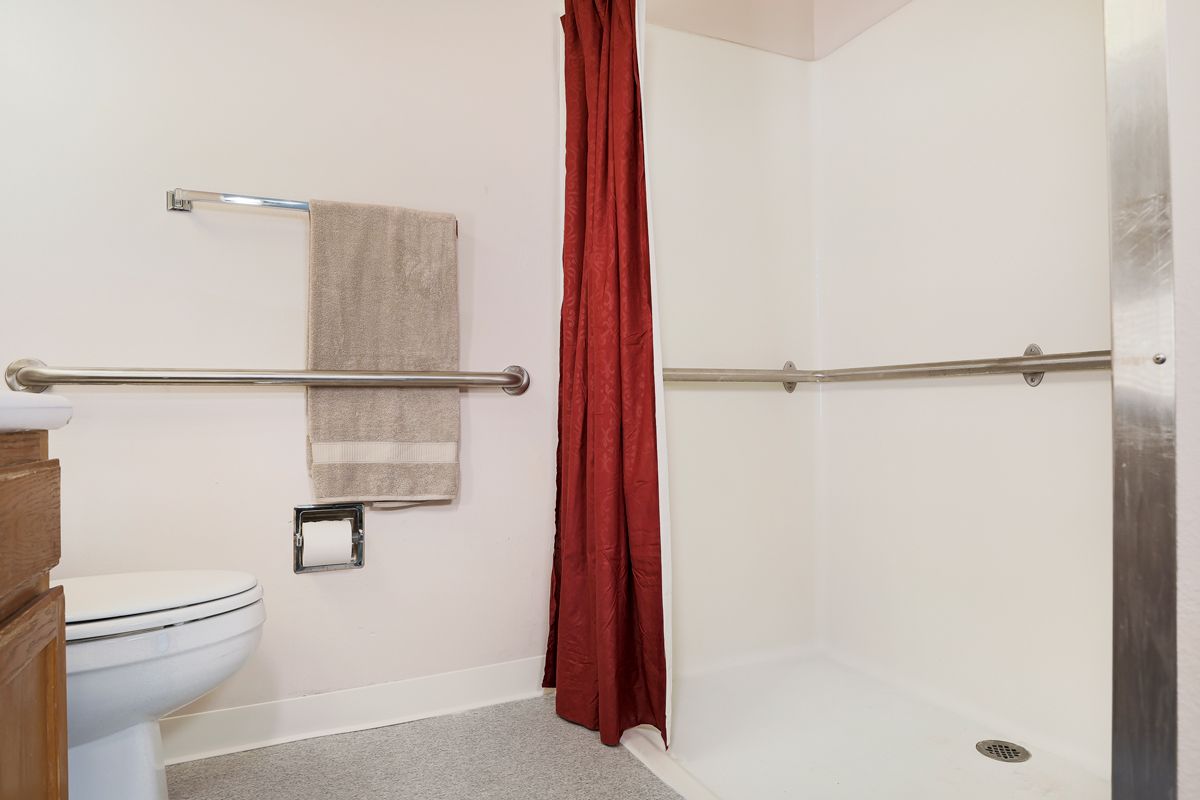
 Assistance with bathing
 Assistance with dressing
 Assistance with transfers
 Diabetes diet
 Meal preparation and service
 Medication management
 Mental wellness program
 Special dietary restrictions
 Transportation arrangement (medical)
 Transportation to doctors appointments




 Vibrant Senior Living: A Comprehensive Guide for Active Older Adults
 Assisted Living and Memory Care: Understanding Their Core Differences
 Choosing the Right Senior Care: A Detailed Exploration of Assisted Living and Nursing Homes