
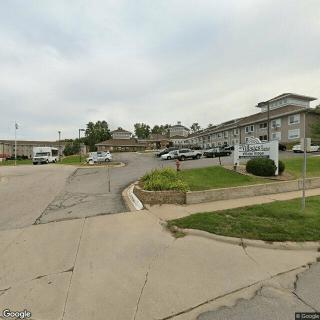
1485 Grand Ave, Marion, IA 52302
To contact a resident: (319) 377-4823
For more information about senior living options: (866) 208-4318
Overall Review of Crestview Acres Inc
Pros
 The staff is caring and works hard with compassion.
- There are activities for residents, keeping them engaged.
- The facility is affordable for families.
- Staff are helpful, polite, and caring toward residents and visitors.
- The staff make transitions for families moving a loved one smoother.
- The cook provides helpful assistance in locating a resident’s room.
- The Crestview Acres staff are described as very special people who do their work.
Cons
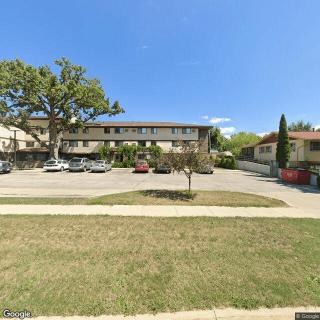
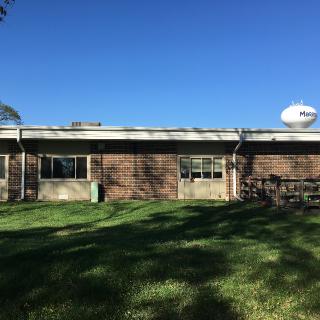
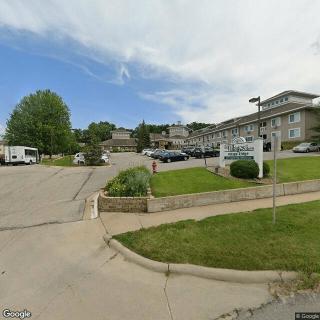
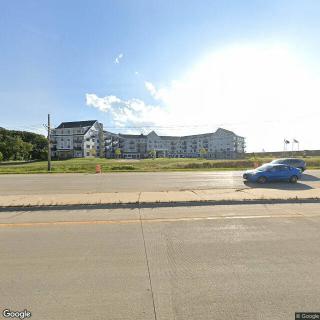
 The property is in a deplorable condition and has deteriorated greatly since the closure.
- Crestview Acres has been closed for almost three years and will never reopen.
- The facility delivered one of the worst experiences the family has ever had.
- Patients were not properly managed, with nursing stations run by others and help often unavailable.
- Residents were not cleaned promptly after accidents, and some were found in others’ rooms with feces nearby.
- In the dining room, patients were lined up in deteriorating recliners and wandered around.
- The atmosphere was terrible, and the facility misrepresented itself from the beginning; most staff was poorly staffed.
- The building is outdated, the staff don’t seem to know what the other is doing, and overall performance is not professional.
- The facility is short-staffed and not able to provide adequate elder care.
- The pest control approach is inconsistent, and the facility appears not to be professional.
- The dementia unit had workers leave about 10 clients unattended.
- The food is bad and the environment is not conducive to dementia patients.
Review
Crestview Acres in Marion is not a fit for families seeking reliable, ongoing senior care today. If any family considers it at all, the decision rests on extreme cost sensitivity and a willingness to accept substantial risk, including the very real possibility of abrupt status changes. The most telling reality from the feedback is that the facility has been effectively unavailable for years, with reports of it being closed for nearly three years and indicators that the building may be demolished rather than renovated. In short, this is a case where the financial draw cannot overcome the operational and safety uncertainties that dominate the narrative.
Where alternatives matter most, this community becomes a clear candidate for avoidance. Families should target facilities that are actively open, properly staffed, and under ongoing oversight. The prudent path is to compare options with current operating licenses, transparent admission practices, and verifiable recent inspection results. In Marion and nearby communities, there are other options that deliver consistent care, clearer governance, and a track record of stability, properties that can actually welcome new residents and provide predictable services rather than raise questions about closure and long-term viability.
There are scattered notes about positive, human-centered elements when staff were present. Some reviewers acknowledge compassionate care from individual workers, a sense that activities existed for residents, and a general impression of affordability alongside basic nursing support. One family praised the staff for making a recent move closer to home smoother and more approachable, and another comment highlighted that care could be affordable with staff who work hard. Taken alone, these micro-affirmations speak to caregivers who care, but they fail to overcome the overarching, systemic risks tied to the facility’s status, infrastructure, and staffing realities.
The most troubling themes are persistent and specific: chronic understaffing, inconsistent supervision, and alleged lapses in hygiene and safety. Accounts describe residents left unsupervised, rooms mixed up, and even fecal incidents that were not promptly addressed. The building itself is portrayed as dated and not conducive to dementia care, with reports that the same issues recur despite attempts at pest management and regulatory scrutiny. The misrepresentation of the facility's current status and capabilities compounds the concern, creating a sense that expectations may be outpaced by reality. In short, the operational fragility and safety risks eclipse any nominal benefits.
Against these cons, the few observed positives cannot meaningfully offset the core risks. Affordability and occasional caregiver kindness do not compensate for a facility that is reportedly closed, uncertain about reopening, and plagued by safety, staffing, and logistical shortcomings. The practical question becomes: would a family be comfortable entrusting a loved one to a place that may not be operational, where a caregiver’s daily presence cannot be guaranteed, and where the physical environment itself undermines security and well-being? The answer, given the weight of the negative experiences, is that Alternatives are not merely preferable; they are essential.
For families navigating this decision, the clear, actionable path is to pursue operating options with stable status, solid staffing, and transparent governance. Verify current licensure and recent inspection reports, visit multiple times with a potential resident, and ask hard questions about nurse call responsiveness, housekeeping protocols, and incident follow-up. Prioritize facilities with clear emergency procedures, posted staffing ratios, and active communication channels with families. If Marion stays on the radar, treat Crestview Acres as a historical reference point, an example of what can go wrong when operations stall and safety becomes secondary to cost concerns. The wiser choice is to move forward toward proven, well-staffed, and financially viable options that can truly support a loved one’s daily needs and long-term safety.
 Memory Care
 Skilled Nursing Facility
 Eastern Iowa (11 miles away)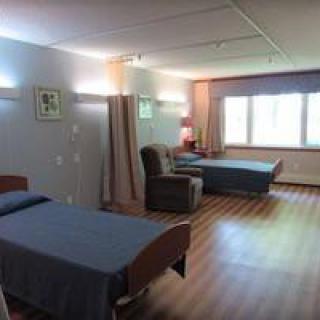


 Exploring the Power of Reminiscence Therapy for Individuals With Dementia
 An In-Depth Look at Reminiscence Therapy in Dementia Care
 Dementia-Related Hallucinations: Causes, Experiences, and Practical Approaches