Grand Living at Indian Creek in Cedar Rapids, IA

Save

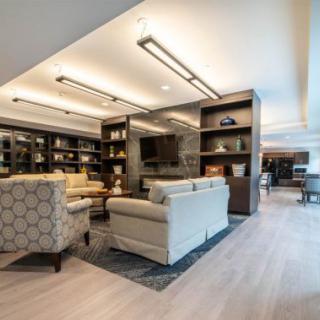
  • Interior

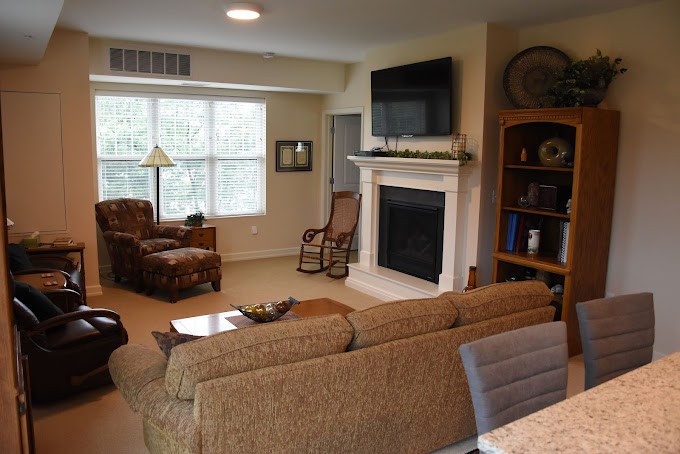
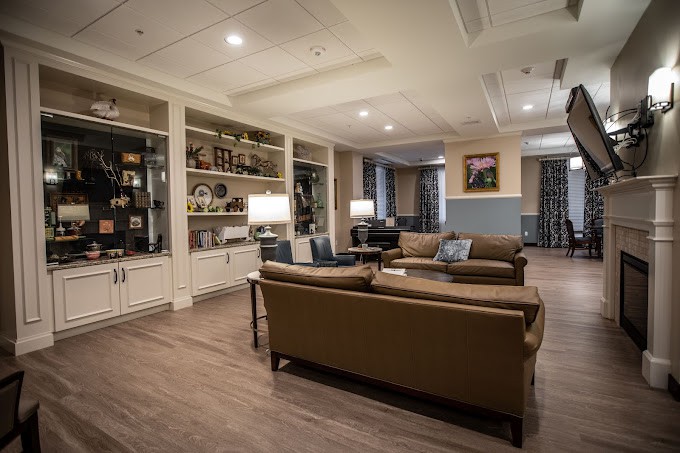
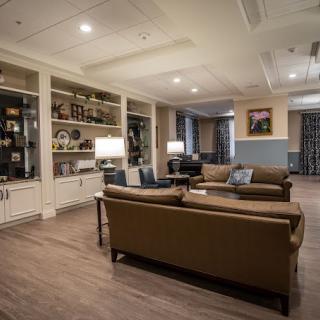
    A cozy living room with comfortable sofas, bookshelves, and warm lighting.
  • Living Room

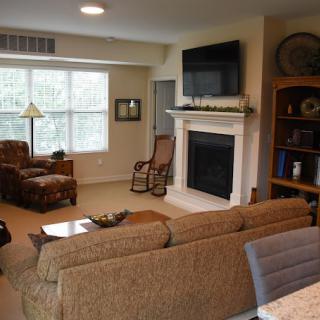
    A cozy living room featuring a sofa, fireplace with a mounted TV, rocking chair, and bookshelf.
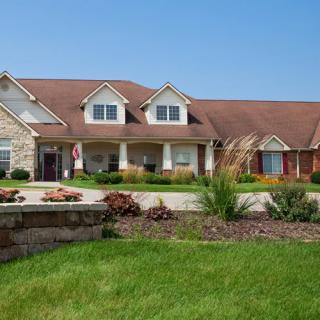
  • Building

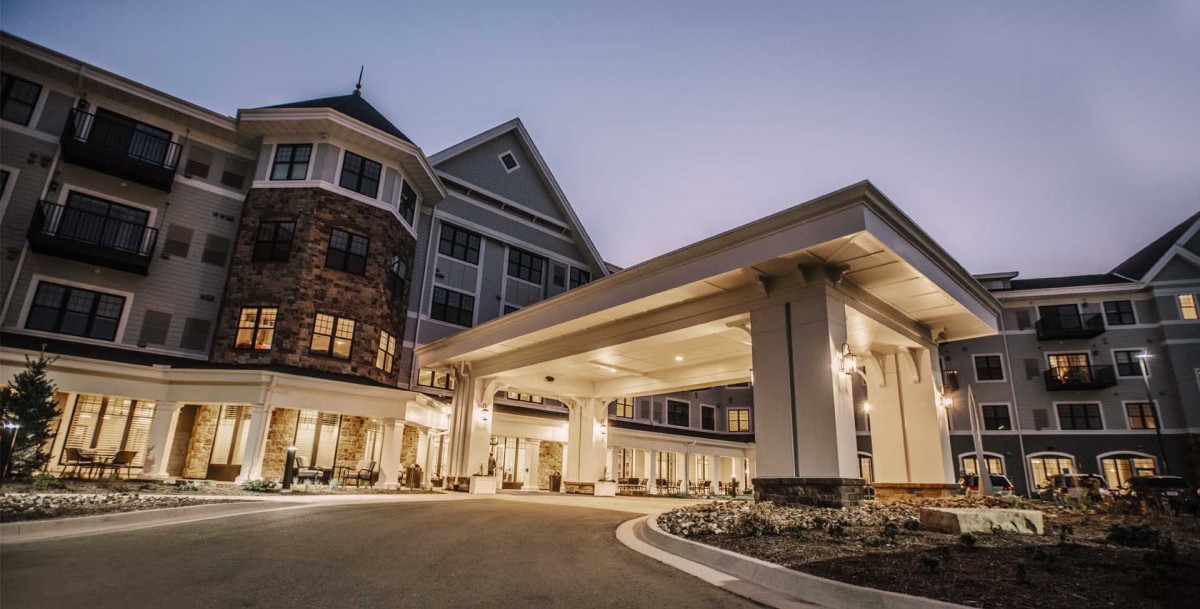
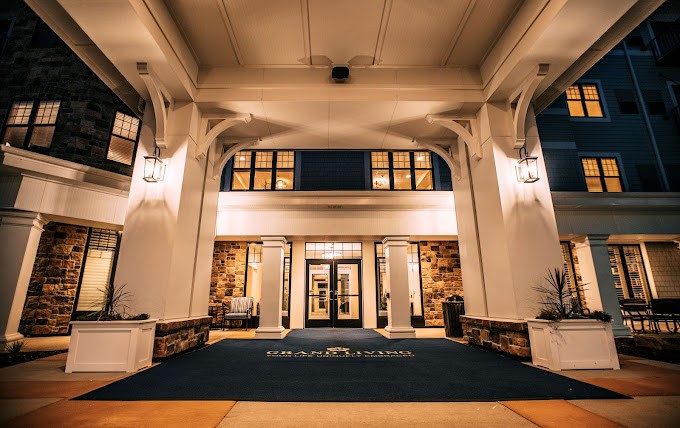
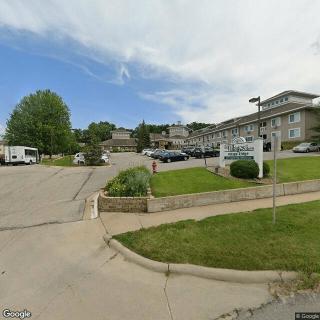
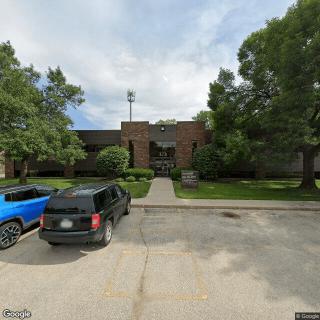
    An elegant hotel entrance illuminated during the evening hours.
  • Architecture

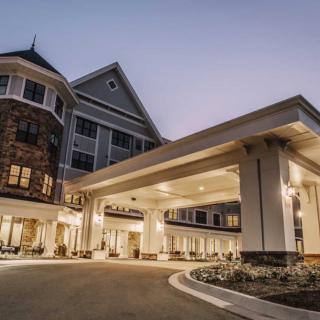
    Illuminated entrance of a building at night.
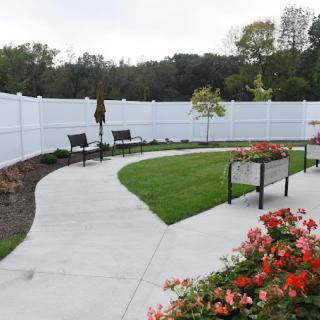
  • Landscaping

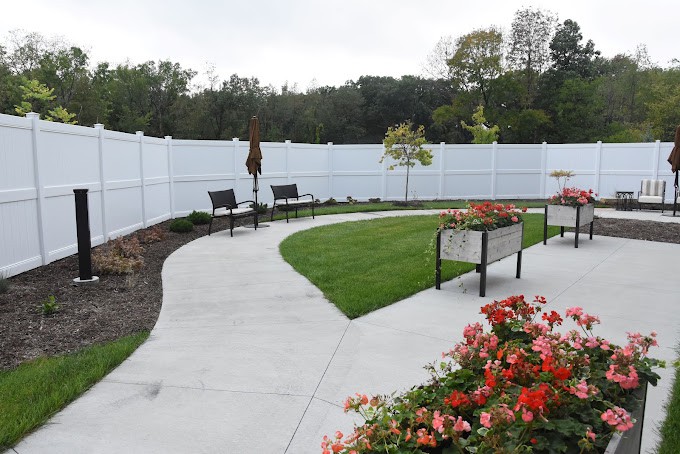
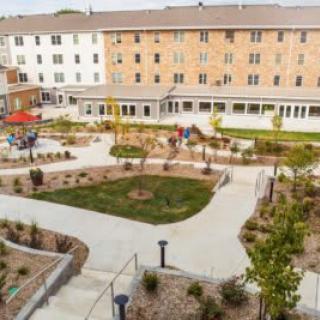
    A landscaped garden with a winding pathway, benches, and vibrant flowers along a white fence.
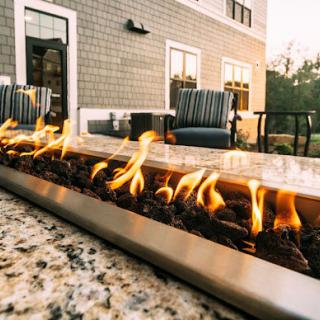
  • Fireplace

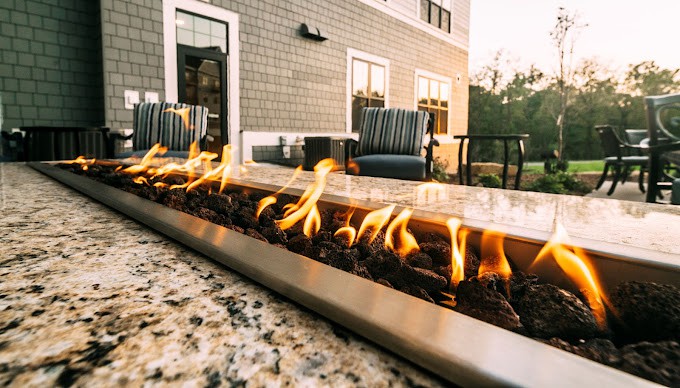
    A cozy outdoor patio featuring a modern fire pit with comfortable seating.

Grand Living at Indian Creek in Cedar Rapids, IA

325 Collins Road SE, Cedar Rapids, IA 52403

For more information about senior living options: (844) 490-3973

4.8 from 46 reviews
5 stars
43
4 stars
0
3 stars
1
2 stars
0
1 stars
2

Assisted Living Independent Living Memory Care

Grand Living at Indian Creek Costs & Pricing

Grand Living at Indian Creek offers competitive pricing for its various living arrangements compared to the broader market in Linn County and across Iowa. A studio apartment is available for $3,125 per month, significantly lower than the county average of $3,933 and the state average of $3,613. For those seeking more space, the 1-bedroom option is priced at $3,915, which exceeds the Linn County rate of $3,097 but remains higher than Iowa's average of $2,862. The 2-bedroom units are offered at $5,780 - this rate is notably higher than both Linn County's average of $3,825 and Iowa's statewide average of $3,329. Overall, Grand Living at Indian Creek presents a unique blend of affordability in certain unit types while maintaining a premium for larger accommodations.

Floor plansGrand Living at Indian CreekLinn CountyIowa
Studio$3,125$3,933$3,609
1 Bedroom$3,915$3,097$2,863
2 Bedrooms$5,780$3,825$3,329

Overall Review of Grand Living at Indian Creek

Pros

  • pro They describe Grand Living as an easy decision and a standout choice among many options.
  • pro They note that residents and staff smile and greet newcomers in the hallways.
  • pro They praise the food as wonderful and chef-prepared.
  • pro They say the staff consistently goes above and beyond to support residents.
  • pro They describe the community as warm, welcoming, and resort-style with top-notch amenities.
  • pro They appreciate the engaging activities calendar and opportunities to stay active and connected.
  • pro They emphasize a strong sense of community and genuine relationships among residents and staff.
  • pro They feel the environment is clean, safe, and inviting, with on-site care that responds quickly.
  • pro They regard Grand Living as the premier senior living facility in Cedar Rapids.
  • pro They mention staff remembering residents' preferences and treating them with dignity and care.

Cons

  • pro A reviewer warns that Grand Living at Indian Creek is not a safe place to send your loved ones.
  • pro A reviewer notes that a grandfather had a huge bruise with no explanation, signaling safety concerns.
  • pro It's reported that the memory care unit has left only one staff member on duty during days and nights despite safety complaints.
  • pro One reviewer states they would not recommend Grand Living for anyone's loved ones.
  • pro The facility is described as very expensive.

Review

Grand Living at Indian Creek is best suited for seniors who want a high-end, resort-style living experience paired with strong, personalized care and a lively social calendar. It is particularly well-suited for couples who want to remain together through transitions, for memory-care needs housed in a dedicated unit, and for families that value a hands-on, welcoming staff culture where residents are greeted by name and engagement happens daily. The community shines when residents seek abundant dining options, an expansive activity lineup, spa and fitness amenities, and elegant common areas that make everyday living feel like a refined retreat. For those who prize consistent social connectivity, visible warmth from caregivers, and a visually impressive, well-maintained environment, Grand Living delivers at a premium level.

That said, certain families may want to consider alternatives. Budget-conscious seniors or families navigating fixed retirement incomes may find the price point daunting, given the premium features and upscale atmosphere. Those whose priority is straightforward, traditional assisted living with a minimal footprint in terms of dining venues and programs may prefer simpler, less costly facilities. Additionally, while Grand Living provides memory-care services in its Luminations unit, families with very high and immediate skilled-nursing or post-hospital needs - especially where rapid, 24/7 clinical oversight is non-negotiable - will want to compare other communities with deeper clinical capacity or longer-term care pathways on site. The overall care ecosystem should be vetted against individual medical trajectories.

The strongest pros are hard to miss: an attentive, capable staff that treats residents like family, a warm-and-welcoming culture, and a genuine sense that people here live because they want to, not because they must. Dining stands out with multiple venues and chef-prepared menus that emphasize variety and quality, with residents and guests frequently praising the experience as restaurant-like rather than typical senior living. The wellness and social calendars are expansive - fitness classes, cultural outings, creative activities, and community events - driven by a dedicated program team that invites resident input. The architecture and finishes reinforce the message of care and comfort, with spacious apartments, tranquil lounges, walking paths, and thoughtful spaces that support independence while enabling effortless connection to others.

Reality check comes in with the financial and care-dynamics side. The consensus is that the premium price is the price of admission for the resort-grade ambiance, culinary excellence, and top-tier staffing. Yet a small portion of reviews flags concerns about safety and staffing in memory-care contexts and notes that, like any large community, glitches can occur and require proactive problem-solving. On balance, however, the broad experience described - consistent staff responsiveness, on-site medical support in the Luminations unit, and a resident-led governance culture - means these risks are mitigated when families engage early, ask pointed questions, and monitor care plans closely. The absence of a long-term lease and the ability to move within levels without a separate move can offset cost by preserving independence and flexibility.

For families actively evaluating options, approach Grand Living with a concrete checklist. Schedule time to observe a meal service across the dining venues, sample the spa and fitness facilities, and meet the Luminations team to understand how memory-care residents are engaged and supervised. Request copies of trial-care plans and a transparent view of pricing, including any potential add-ons for enhanced services. Discuss with the executive leadership and the Resident Council how concerns are addressed, and ask about how transitions between independent living, assisted living, and memory care are managed without disruptive moves. If the aim is a vibrant, community-centered living with extraordinary service, Grand Living is a strong match - so long as the budget aligns and care expectations are clearly defined.

The bottom line is clear: Grand Living at Indian Creek stands as a premier choice for families seeking a sophisticated, socially rich environment with exceptional staff and culinary excellence. It delivers a proven culture of care, ongoing engagement, and resort-like amenities that make daily life genuinely enjoyable. The trade-off is price and the reality that, as with any sizable community, occasional operational kinks can surface. However, for those who prioritize connection, activity, and a sense of being truly "home," this community often exceeds expectations and provides a durable, high-quality option for aging in place. For households prioritizing cost over luxury, or requiring aggressive clinical coverage beyond assisted living, alternatives may be more appropriate.

Features

Housing

  • 22 resident community capacity 22 resident community capacity

Types of Care

  • Assisted Living Assisted LivingAssisted living facilities provide crucial support and care for seniors who may need help with daily tasks such as medication management, bathing, and meal preparation. These communities offer a safe and comfortable environment where seniors can maintain their independence while receiving the assistance they need to thrive in their golden years.
  • Independent Living Independent LivingIndependent living communities are important for seniors because they offer a safe and supportive environment where older adults can live independently while still having access to amenities and services that enhance their quality of life. These communities provide social opportunities, recreational activities, and assistance with daily tasks, promoting overall well-being and allowing seniors to maintain their independence for as long as possible.
  • Memory Care Memory CareMemory care is crucial for seniors as it provides specialized support and services for individuals with dementia or Alzheimer's disease. These programs offer a safe and secure environment where residents receive personalized care, cognitive stimulation, and help with daily activities. Memory care helps seniors maintain their independence, quality of life, and dignity while also providing peace of mind for their families.

Amenities

  • Activities on-site Activities on-siteActivities on-site are important for seniors because they provide opportunities for socialization, mental stimulation, physical activity, and overall well-being. Engaging in activities can help seniors stay active, maintain their independence, and improve their quality of life.
  • Beauty salon Beauty salonBeauty salons are important for seniors because they provide a space for them to feel pampered, socialize, and maintain their personal grooming and hygiene. Regular visits to a beauty salon can help boost seniors' self-esteem and overall well-being.
  • Cable or satellite TV Cable or satellite TVCable or satellite TV is important for seniors because it provides entertainment, news, and companionship, helping to combat loneliness and boredom. It also offers a wide range of programming options tailored to different interests and preferences.
  • Devotional services off-site Devotional services off-siteDevotional services off-site are important for seniors as they provide spiritual nourishment, social engagement, and a sense of community outside of the senior living facility. This can enhance overall well-being and help combat feelings of isolation and loneliness often experienced by older adults.
  • Dining room Dining roomDining rooms are important for seniors as they provide a space for socialization, connection, and nutritious meals. They offer opportunities for residents to bond over shared meals, foster a sense of community, and promote healthy eating habits. Dining rooms also ensure that seniors have access to well-balanced meals tailored to their dietary needs and preferences.
  • Fully furnished Fully furnishedFully furnished senior living communities are important for seniors because they provide convenience, comfort, and a hassle-free moving experience. Seniors can easily settle into their new living space without the stress of having to buy and move furniture. This allows them to focus on enjoying their new home and community.
  • Garden GardenGardens are important for seniors as they provide a peaceful and therapeutic environment for relaxation, physical activity, and socialization. Being in nature has been shown to reduce stress, improve mood, and promote overall well-being. Gardens also offer opportunities for seniors to engage in gardening activities, which can improve mobility, flexibility, and cognitive function. Additionally, gardens create a sense of community and connection with others who share a passion for plants and outdoor spaces.
  • Housekeeping services Housekeeping servicesHousekeeping services are important for seniors because they help maintain a clean and safe living environment, promote independence, and reduce the risk of accidents or illnesses. Additionally, having assistance with household chores can alleviate physical strain and allow seniors to focus on other aspects of their well-being.
  • Indoor common areas Indoor common areasIndoor common areas are crucial for seniors as they provide a space for socialization, recreation, and community engagement, promoting overall well-being and reducing feelings of isolation and loneliness.
  • Kitchenette KitchenetteKitchenettes are important for seniors living in senior living communities because they provide the convenience and independence of being able to prepare simple meals and snacks in the comfort of their own living space. This can help promote a sense of autonomy and well-being for seniors, allowing them to maintain some level of control over their dietary choices and daily routines.
  • Move-in coordination Move-in coordinationMove-in coordination is important for seniors because it helps ease the transition into their new living environment. It ensures that all logistics, such as packing, organizing movers, and setting up utilities are taken care of, allowing seniors to focus on settling in and adjusting to their new home. Having a smooth move-in process can alleviate stress and anxiety, making the transition smoother and more enjoyable for seniors.
  • Outdoor space Outdoor spaceOutdoor spaces are important for seniors as they provide opportunities for physical activity, social interaction, exposure to natural light and fresh air, and a sense of connection to nature. Having access to outdoor spaces can improve overall well-being and quality of life for older adults living in senior communities.
  • Restaurant-style dining Restaurant-style diningRestaurant-style dining is important for seniors because it allows them to enjoy delicious, nutritious meals in a social and upscale setting. This enhances their dining experience, promotes healthy eating habits, and fosters socialization with fellow residents, ultimately contributing to their overall well-being and quality of life.
  • Small library Small librarySmall libraries are important for seniors as they provide access to a variety of reading materials, including books, newspapers, and magazines. This can help stimulate their minds, keep them engaged, and provide a sense of community through book clubs and other social activities. Additionally, reading has been shown to improve cognitive function and overall mental well-being in older adults.
  • Telephone TelephoneTelephones are important for seniors as they provide a lifeline for communication with loved ones, emergency services, and healthcare providers. They offer a sense of security and independence, enabling seniors to stay connected and access assistance when needed.
  • Wi-Fi/high-speed internet available Wi-Fi/high-speed internet availableWi-Fi/high-speed internet is important for seniors to stay connected with loved ones, access online resources, and participate in virtual activities to combat feelings of loneliness and isolation. It also allows them to easily manage healthcare needs, access entertainment, and engage in lifelong learning opportunities.

Transportation

  • Eastern Iowa (11 miles away) Eastern Iowa (11 miles away)
  • Transportation arrangement (non-medical) Transportation arrangement (non-medical)Transportation arrangements are essential for seniors as they provide access to essential services, activities, and social interactions outside the home. This service helps maintain independence, mobility, and overall well-being for seniors who may have limited transportation options.
  • Transportation to doctors appointments Transportation to doctors appointmentsTransportation to doctors appointments is crucial for seniors as it ensures they have access to necessary medical care and support, promoting their health and well-being. It allows them to receive timely treatment, monitor existing conditions, and address any new health concerns efficiently. Additionally, transportation services can help seniors maintain their independence and quality of life by enabling them to stay connected with their healthcare providers.

Care Services

  • 12-16 hour nursing 12-16 hour nursing12-16 hour nursing care is crucial for seniors in order to ensure around-the-clock monitoring, timely medication administration, and prompt response to any health concerns or emergencies. This level of care helps to promote the overall well-being and safety of seniors living in senior living communities.
  • 24-hour call system 24-hour call system24-hour call systems are important for seniors because they provide peace of mind and immediate assistance in case of emergencies. This technology ensures that help is always available, promoting safety and security for elderly individuals living alone or in assisted living facilities.
  • 24-hour supervision 24-hour supervision24-hour supervision is important for seniors to ensure their safety, well-being, and access to immediate assistance in case of emergencies or health issues. This constant support provides peace of mind for both seniors and their loved ones, allowing them to age in place with dignity and security.
  • Activities of daily living assistance Activities of daily living assistanceActivities of daily living assistance are important for seniors because they provide essential support with tasks such as eating, bathing, dressing, and mobility. This assistance helps seniors maintain their independence, dignity, and overall quality of life as they age.
  • Ambulatory care Ambulatory care"Ambulatory care services provide essential medical support and treatment to seniors without requiring hospitalization, allowing them to maintain their independence and quality of life while managing chronic conditions or receiving routine medical care."
  • Assistance with bathing Assistance with bathingAssistance with bathing is crucial for seniors as it helps maintain personal hygiene, prevents infections, and ensures their overall well-being and comfort. It also provides a sense of dignity and independence for seniors who may struggle with this task on their own.
  • Assistance with dressing Assistance with dressingAssistance with dressing is important for seniors because it helps maintain their independence, promotes personal hygiene, prevents accidents and injuries, and improves overall quality of life. This service ensures that seniors can continue to dress comfortably and confidently, despite any physical limitations they may have.
  • Assistance with transfers Assistance with transfersAssistance with transfers is crucial for seniors as it helps prevent falls and injuries, maintains their independence, and ensures they can safely navigate their living environment. It also provides peace of mind for both seniors and their loved ones.
  • Diabetes diet Diabetes dietA diabetes diet is crucial for seniors as it helps manage blood sugar levels, reduce risks of complications, and improve overall health and well-being. By following a balanced and nutritious diet tailored to their specific needs, seniors can better control their diabetes and enhance their quality of life.
  • Diabetic care Diabetic careDiabetic care is crucial for seniors as they are more susceptible to developing diabetes due to aging and other health conditions. Proper management of diabetes can help prevent complications such as heart disease, vision loss, and nerve damage, improving the overall quality of life for seniors in senior living communities.
  • Meal preparation and service Meal preparation and serviceMeal preparation and service are crucial for seniors as they may have limited mobility or energy to cook nutritious meals. Having access to healthy and convenient food options can ensure they are getting the proper nutrition needed to maintain their overall health and well-being.
  • Medication management Medication managementMedication management is crucial for seniors to ensure they are taking the right medications at the correct dosages and times. This helps prevent adverse drug interactions, reduces the risk of medication errors, and promotes overall health and well-being. Proactive management also allows for adjustments as needed based on changing health conditions or new prescriptions.
  • Mental wellness program Mental wellness programMental wellness programs are essential for seniors as they promote cognitive stimulation, emotional support, and social engagement. These programs help prevent isolation, depression, and cognitive decline, ultimately enhancing the overall quality of life for older adults.
  • Mild cognitive impairment Mild cognitive impairment"Mild cognitive impairment" is important for seniors because it is an early stage of cognitive decline that can potentially progress to more severe conditions such as dementia. Recognizing and addressing mild cognitive impairment can help seniors receive appropriate care and support to maintain their quality of life and independence for as long as possible.
  • Special dietary restrictions Special dietary restrictionsSpecial dietary restrictions are important for seniors because age-related changes in metabolism and health conditions can make it difficult for their bodies to process certain foods. By following a diet tailored to their specific needs, seniors can maintain their overall health and well-being, manage chronic conditions, and reduce the risk of complications such as malnutrition or food interactions with medications.
  • Specialized memory care programming Specialized memory care programmingSpecialized memory care programming is crucial for seniors with cognitive impairments such as dementia or Alzheimer's disease. These programs provide a safe and supportive environment tailored to the unique needs of individuals with memory loss, helping them maintain their independence, dignity, and quality of life.

Dining

  • Diabetes diet Diabetes dietA diabetes diet is crucial for seniors as it helps manage blood sugar levels, reduce risks of complications, and improve overall health and well-being. By following a balanced and nutritious diet tailored to their specific needs, seniors can better control their diabetes and enhance their quality of life.
  • Meals provided Meals provided"Meals provided" are crucial for seniors in assisted living communities as it ensures they have access to nutritious, balanced meals without the stress of meal planning and preparation. This can help promote overall health and well-being for seniors who may have limited mobility or cognitive abilities.
  • Special dietary restrictions Special dietary restrictionsSpecial dietary restrictions are important for seniors because age-related changes in metabolism and health conditions can make it difficult for their bodies to process certain foods. By following a diet tailored to their specific needs, seniors can maintain their overall health and well-being, manage chronic conditions, and reduce the risk of complications such as malnutrition or food interactions with medications.

Activities

  • Activities on-site Activities on-siteActivities on-site are important for seniors because they provide opportunities for socialization, mental stimulation, physical activity, and overall well-being. Engaging in activities can help seniors stay active, maintain their independence, and improve their quality of life.
  • Community-sponsored activities Community-sponsored activitiesCommunity-sponsored activities are important for seniors as they provide opportunities for social interaction, mental stimulation, and physical activity. These activities can help improve overall well-being, combat loneliness and isolation, and promote a sense of belonging and purpose among older adults.
  • Devotional activities offsite Devotional activities offsiteDevotional activities offsite are important for seniors because they provide social engagement, spiritual growth, and a sense of community outside of their living environment. This can improve overall well-being, mental health, and combat feelings of isolation or loneliness.
  • Resident-run activities Resident-run activitiesResident-run activities are important for seniors as they encourage social interaction, creativity, and a sense of autonomy. These activities empower seniors to stay engaged and active in their community while fostering meaningful connections with their peers.
  • Scheduled daily activities Scheduled daily activitiesScheduled daily activities are important for seniors because they provide structure, socialization, mental stimulation, and physical activity. Engaging in regular activities can improve overall well-being and quality of life for seniors living in a community setting.

Description

Grand Living at Indian Creek is an assisted living community located in Cedar Rapids, IA. We offer a range of care services, including independent living and memory care options. Our amenities are designed to provide comfort and convenience to our residents.

For our residents' personal care needs, we have a beauty salon on-site to keep them looking their best. They can enjoy their favorite TV shows with our cable or satellite TV service. We also offer devotional services off-site for spiritual support.

Our dining room provides delicious meals prepared by our staff, and the restaurant-style dining experience adds a touch of elegance to every meal. Residents can relax in our indoor common areas or spend time outdoors in our beautiful garden.

We understand that maintaining cleanliness is important, which is why we offer housekeeping services to keep the living spaces tidy. Each unit is fully furnished and equipped with a kitchenette for added convenience.

At Grand Living at Indian Creek, we prioritize the well-being of our residents. Our mental wellness program helps promote emotional health, while specialized memory care programming caters to those with cognitive impairments.

Residents also have access to various activities to engage in social connections and hobbies. We organize community-sponsored activities and resident-run activities regularly. Daily scheduled activities ensure there is always something exciting happening at our community.

In terms of location, we are surrounded by an array of amenities nearby. There are three cafes, parks, pharmacies, restaurants, hospitals, places of worship, and theaters within close proximity.

Transportation arrangements are available for non-medical purposes as well as transportation to doctors' appointments.

Overall, Grand Living at Indian Creek offers a comfortable and supportive environment for seniors who require assistance with daily living tasks or specialized memory care services in Cedar Rapids, IA.

Nearby Places of Interest

This part of Cedar Rapids, Iowa, offers a convenient and diverse range of amenities for seniors looking to settle in the area. The proximity to various healthcare providers such as Physicians, Hospitals, and Pharmacies ensures easy access to medical services. Additionally, there are numerous dining options available nearby, including restaurants like Five Guys Burgers & Fries and Chick-Fil-A, providing a variety of choices for dining out. Seniors can also enjoy leisure activities at the nearby theaters like Collins Road Theatres or relax in the parks such as Thomas Park and Squaw Creek. Overall, this neighborhood offers a balanced mix of healthcare facilities, entertainment options, and dining establishments for seniors to enjoy a comfortable lifestyle.

Physicians

  • All About Eyes (0.3 miles)
  • Clear Vision Eyecare (0.4 miles)
  • Northland Skin Clinic (0.9 miles)
  • Trimble Deborah Lynn, DDS (1.7 miles)
  • Pediatric Center PC (1.9 miles)
  • MercyCare North (2 miles)
  • Mercy Rehabilitation Service (2 miles)

Restaurants

  • Emil's Hideaway (0.3 miles)
  • Taco Bell (0.4 miles)
  • Cheddar's Scratch Kitchen (0.5 miles)
  • Five Guys Burgers & Fries (0.5 miles)
  • HuHot Mongolian Grill (0.5 miles)
  • Chick-Fil-A (0.6 miles)
  • Belle's Basix (0.7 miles)

Theaters

  • Collins Road Theatres (0.5 miles)
  • Marcus Theatres (1.9 miles)

Parks

  • Thomas Park (0.9 miles)
  • Squaw Creek (2.8 miles)
  • Lowe Park (3.3 miles)

Pharmacies

  • Integrative Health and Hormone Clinic (1.2 miles)
  • Walgreens (1.3 miles)
  • Walgreens (1.3 miles)
  • Sorg Sample Pharmacies (1.4 miles)
  • Walgreens (1.5 miles)
  • Rockwell Collins Pharmacy (1.5 miles)
  • Lil' Drug Store Products (1.7 miles)

Hospitals

  • Sedlacek Treatment Center (1.8 miles)
  • Mercy Care Center at Marion (2.7 miles)
  • Mercy Medical Center (3.1 miles)
  • UnityPoint | St Lukes Cedar Rapids (3.2 miles)
  • St Luke's Hospital 5C (3.3 miles)

Cafes

  • Starbucks (2.1 miles)
  • Starbucks (2.9 miles)
  • Starbucks (3.2 miles)

Places of Worship

  • Temple Judah (2.5 miles)
  • Good Shepherd Lutheran Parsonage (3.2 miles)

Frequently Asked Questions

How much does it cost to live at Grand Living at Indian Creek in Cedar Rapids, IA?
Where is Grand Living at Indian Creek?
Does Grand Living at Indian Creek provide care for residents with dementia or Alzheimer's disease?
What photos are available for Grand Living at Indian Creek in Cedar Rapids, Iowa?

Nearby Communities

  • Westover Manor

    Westover Manor

    Cedar Rapids, IA

    4.1 from 14 reviews
     

    pro Friendly staff and engaging activities in a welcoming community.
  • The Villages of Marion Ridge

    The Villages of Marion Ridge

    Marion, IA

    3.1 from 10 reviews
    $3,600 to $4,000 / month

    pro Pleasant tour experience with friendly staff at Marion Ridge.

  • Village Ridge Assisted Living

    Village Ridge Assisted Living

    Marion, IA

    5 from 1 review
     

    pro Comprehensive care options (including memory care) with 24/7 supervision and restaurant-style dining

  • The Villages at Marion

    The Villages at Marion

    Marion, IA

    4.5 from 31 reviews
    $3,250 to $4,125 / month

    pro Friendly staff, clean facilities, plentiful daily activities, and good dining.

  • Home Instead - Cedar Rapids,  IA

    Home Instead - Cedar Rapids, IA

    Cedar Rapids, IA

    5 from 9 reviews
     

    pro Extensive nearby amenities and healthcare access.

  • Hilltop Manor

    Hilltop Manor

    Marion, IA

    4.2 from 5 reviews
     

    pro Immaculately clean with friendly staff and convenient meal service.

  • The Views of Marion

    The Views of Marion

    Marion, IA

    3.5 from 28 reviews
    $4,185 to $7,075 / month

    pro Attentive staff in a comfortable, updated community with flexible care options and engaging activities.

  • Cottage Grove Place,  a CCRC

    Cottage Grove Place, a CCRC

    Cedar Rapids, IA

    4.7 from 84 reviews
    $2,500 to $3,995 / month

    pro Friendly staff, engaging activities, and on-site care in a welcoming community.

  • The Keystones of Cedar Rapids

    The Keystones of Cedar Rapids

    Cedar Rapids, IA

    4.6 from 50 reviews
    $3,450 to $6,575 / month

    pro Excellent staff and a wide range of amenities (pool, dining, fitness) with flexible apartment options and on-site transportation.

Assisted Living in Nearby Cities

Related Resources

  • when should someone with dementia go into a care home8 Important Indicators That Memory Care May Be Necessary

    The article highlights eight indicators that a loved one with dementia may require specialized memory care, emphasizing the emotional and logistical challenges families encounter in this decision. It discusses signs such as difficulties with daily tasks, safety concerns, and caregiver burnout, suggesting that memory care facilities can provide the necessary support and structured environments for those experiencing cognitive decline.

  • what do dementia patients think aboutDelving into the Inner World of Dementia: Insights into Thoughts and Awareness

    Dementia, primarily caused by Alzheimer's disease but also linked to other conditions, leads to cognitive decline impacting memory and daily functioning, with individuals experiencing varied awareness of their impairments. Despite memory loss, emotional connections persist, enabling responses to familiar stimuli, highlighting the need for caregivers to provide compassionate support that recognizes both limitations and retained emotional depth.

  • does my mom have dementia quizFive Subtle Dementia Indicators to Observe: An In-Depth Guide to Understanding “Does My Mom Have Dementia?”
    The article presents five subtle indicators of dementia, such as memory lapses and mood swings, to help families assess cognitive decline in loved ones. It emphasizes early detection, open communication, and seeking professional help while providing practical support steps.