
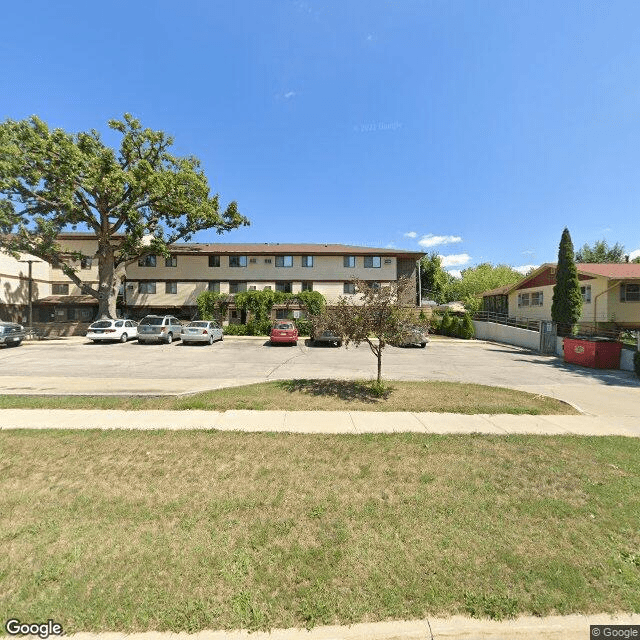
101 S 11th St, Marion, IA 52302
To contact a resident: (319) 377-1347
For more information about senior living options: (866) 208-4318
Oak Village Senior Residences Costs & Pricing
Oak Village Senior Residences offers a competitively priced option for seniors seeking comfortable living arrangements, with a monthly cost of $742 for a one-bedroom unit. This is significantly lower than the average costs in Linn County, which stands at $3,097, and also below the state average in Iowa of $2,862. Such affordability not only makes Oak Village an attractive choice for seniors but also underscores the community's commitment to providing accessible housing without compromising on quality or care. This pricing structure positions Oak Village as a valuable resource for those looking to balance budgetary needs with their desire for a supportive living environment.
| Floor plans | Oak Village Senior Residences | Linn County | Iowa |
|---|---|---|---|
| 1 Bedroom | $742 | $3,097 | $2,863 |
Senior living communities with a similar price nearby
-
from -$69 / mo
Cedar Village Senior Residences
$673 / month7.9 miles away -
from -$132 / mo

Irving Point
$610 / month4.6 miles away -
from -$92 / mo

Jefferson Point
$650 / month18.9 miles away -
from -$72 / mo
Coralville Senior Residences
$670 / month24.0 miles away
Overall Review of Oak Village Senior Residences
Pros
 They found a home for Mom in a great place with people who are just like family.
- The apartment is very clean, Kathy in the office is great to work with, residents are friendly and willing to help, and the neighborhood is nice.
- They highly recommend it.
- It is a nice place; they are thinking about moving there.
Cons
 The staff are rude.
- Nothing gets done.
- Trash is locked, forcing seniors with disabilities to take the trash outside in ice, rain, and snow.
- They lock residents out of the main-floor bathrooms, which creates problems for seniors with bladder problems.
- Residents have to go to their apartments to use the bathroom.
- Residents do not have much freedom.
- The management and staff are very rude and unhelpful.
Review
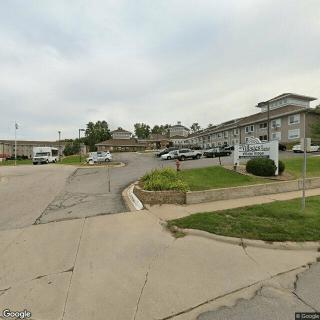
Oak Village Senior Residences in Marion, IA is best suited for independent seniors who want a clean, neighborly setting and a sense of community. Residents who largely control their daily routines and appreciate a well-kept apartment with pleasant surroundings will find value here. The model works best for those who can navigate limited staff intervention without needing constant hands-on assistance. Conversely, anyone who relies on steady, courteous staff support or desires a high degree of flexibility around bathroom access and visitor policy should consider other options.
The most persistent concerns center on the management and front-line staff. Multiple reviews describe rude, unhelpful responses and slow assistance, creating a sense that important tasks do not get timely attention. Practical daily friction compounds the frustration: bathroom access on the main floor can feel restricted, with residents expected to go to their apartments, and trash policies that require outdoor handling in poor weather add risk and inconvenience for those with mobility or bladder issues. Visitor access is described as risky or punitive in some accounts, which undermines the social fabric that many families anticipate in senior living.
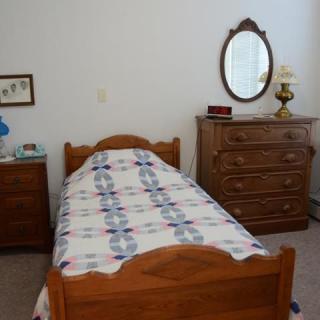
Yet the community does not wholly fail on every axis. Several reviewers praise the physical space: apartments are clean and well-kept, and the neighborhood around Oak Village is described as nice. The office staff is not uniformly criticized; one staff member, Kathy, is singled out as helpful and cooperative, illustrating that reliable, respectful communication can exist within the building. Residents themselves are often described as friendly and willing to assist one another, creating an informal network that can compensate somewhat for gaps in administrative responsiveness. In short, the environment can feel like a genuine community when staff engagement and policy enforcement align with resident needs.
These contrasting elements create a practical tension for families evaluating the setting. The strong prosaic advantages, clean units, a pleasant neighborhood, and a resident-led sense of camaraderie, do not fully offset the core cons if daily quality of life depends on consistent staff reliability and flexible policies. When management and front-office practices repeatedly signal indifference or rigidity, the environment shifts from a welcoming home to a place where independence is tested by friction. Prospective residents should weigh the concrete everyday benefits against the risk of escalating frustrations tied to administrative behavior and policy enforcement.
For families, a disciplined due diligence plan is essential. During visits, assess how staff interact with residents in real time, and request candid conversations with current tenants about responsiveness, maintenance, and policy fairness. Probe the exact bathroom access rules, opportunities for accommodations, and the process for reporting concerns. Ask whether visitor policies have changed recently and how mobility or health needs are accommodated without punitive consequences. Observe whether maintenance issues are addressed promptly and whether the office follows through on promises. If possible, tour during varied hours to gauge consistency and culture beyond peak times.
The bottom-line recommendation is nuanced but decisive. Oak Village can be a solid choice for independent seniors who prize cleanliness, a friendly resident base, and a quiet neighborhood, and who can tolerate a degree of administrative rigidity. For those requiring dependable, proactive staff support and more permissive daily living arrangements, this community warrants caution and comparison with alternatives. Families should enter with a clear set of non-negotiables, especially around staff responsiveness, bathroom accessibility, and visitor freedom, and insist on concrete assurances before committing. A thorough, hands-on assessment will reveal whether the pros can realistically outweigh the cons in a way that aligns with a loved one’s care needs and personal preferences.
 Active Adult Communities (55+)
 Cats allowed
 Dogs allowed
 Air-conditioning
 Full kitchen
 Handicap accessible
 Indoor common areas
 Outdoor common areas
 Eastern Iowa (11 miles away)




 Weight Training for Seniors: Building Strength and Vitality
 Understanding the Sandwich Generation: Stress and Responsibilities for Multigenerational Caregivers
 8 Essential Assistive Devices for Older Adults