At The Bridges at Ankeny, the monthly cost for a studio apartment is set at $4,350. This figure reflects a notable premium when compared to the average costs in Polk County, which stands at $3,533, and in the broader state of Iowa, where the average is approximately $3,613. While The Bridges offers a higher price point, this likely correlates with enhanced amenities and services that cater to residents seeking a more comprehensive living experience. It's essential for prospective residents and their families to consider what is included in this cost, as well as the overall value represented by the community atmosphere and support services available at The Bridges.
Floor plans
The Bridges at Ankeny
Polk County
Iowa
Studio
$4,350
$3,533
$3,609
Memory care communities with a similar price nearby
About the same
Independence Village of Ames
4.7 from 138 reviews
$4,250 to $5,200 / month
20.3 miles away
from -$750 / mo
Windsor Manor Nevada
4.7 from 47 reviews
$3,600 to $5,100 / month
21.9 miles away
from +$550 / mo
MorningStar Assisted Living & Memory Care at Jordan Creek
Residents and families frequently describe staff as kind and responsive.
Many reviews highlight staff who treat residents with respect and show patience, including nurses, CNAs, and management-level teams when families raise concerns. Several reviewers also mention consistent communication, including updates about medication changes and care needs. At the same time, a subset of negative reviews dispute responsiveness—especially during overnight hours or when call lights go unanswered—so kindness and prompt follow-through do not appear uniformly across experiences.
caveat
Call lights and timing raise issues
Some residents and families report long delays when help is requested.
A recurring complaint is that call lights are not answered promptly, with reviewers describing waits that can be 30 minutes or longer. Several negative reviews connect these delays to bigger care problems, including trouble getting pain medication on time, delays getting assistance to the bathroom, and not checking on residents when needed. There are also reviews that contrast this with better experiences—where staff respond more quickly—suggesting the timing can vary by shift and staffing level.
caveat
Food quality is mixed
Food satisfaction varies, with complaints about meals and nutrition.
Some reviews praise meals and describe fresh food and enjoyable dining, including residents who seem satisfied at mealtimes. Other reviewers report serious dissatisfaction, including meals served late, portions or textures that do not match what was expected, and food described in harsh terms. A few negative reviews also mention weight loss or nutritional concerns, while positive reviews focus more on variety and satisfaction.
common
Therapy support for rehab
Therapy is a strong point in many resident experiences.
Multiple reviews mention physical therapy or skilled therapy as a highlight, describing improvement and a team that works with residents on recovery goals. Families also describe therapy coordination and staff who adjust treatments when progress is clear. While some critical reviews focus on broader care breakdowns, the positive feedback about therapy appears more consistently than satisfaction with other daily-care details.
caveat
Care concerns around medications
Several reviews raise concerns about medication handling.
A group of negative reviews describe medication mismanagement or delays, including mix-ups and trouble getting pain medications on schedule. Some reviewers also connect medication issues to larger safety concerns and hospitalizations. In contrast, a smaller number of positive reviews emphasize medication communication and follow-through when changes occur, but the medication-related complaints are prominent among the lower-star experiences.
caveat
Pricing feels high for some
Pricing is positioned above county and state benchmarks.
The listed pricing for a studio is above both the county and state benchmarks used for comparison. Some reviews also call the facility expensive, and that tone comes through alongside complaints about care problems. Together, the higher price point appears to make service issues feel more consequential to some families.
How we summarize
We summarize when many written reviews mention each theme; a review can touch several themes, and only frequently mentioned themes are displayed.
Features
Types of Care
Memory Care
Amenities
Activities off-site
Activities on-site
Air-conditioning
Bath tubs
Beautician on-site
Cable or satellite TV
Handicap accessible
Indoor common areas
Outdoor common areas
Respite or short term stays offered
Wheelchair accessible showers
Wi-Fi/high-speed internet available
Transportation
Des Moines International (13 miles away)
Care Services
Ambulatory care
Diabetic care
Incontinence care
Medication management
Dining
Anytime dining
Gluten-free
Guest meals
Low / no sodium
Meals provided
No Sugar
Restaurant style dining
Special dining programs
Activities
Art classes
Catholic services
Cooking classes
Day trips and outings
Educational speakers / life long learning
Gardening club
Live dance or theater performances
Live musical performances
Reminiscence
Stretching classes
Trivia games
Wii bowling
Wine tasting
Nearby Places of Interest
This particular area of Ankeny, Iowa, offers a range of amenities and services that cater to the needs of seniors. With multiple physicians, eye care specialists, and hearing doctors in close proximity, residents have easy access to healthcare services. Additionally, there are several theaters nearby for entertainment options. A variety of restaurants and cafes provide opportunities for socializing and dining out. Pharmacies are conveniently located for medication needs. Parks like Georgetown Park offer outdoor leisure activities, while places of worship such as Saylorville Baptist Church cater to spiritual needs. The Mercy Franklin Center hospital is within a reasonable distance for medical emergencies. Overall, this part of Ankeny offers a balanced mix of healthcare, entertainment, dining options, and community services suitable for seniors considering senior living in the area.
Physicians
Eye Care Of Iowa Pc - Ankeny (0.2 miles)
World Of Vision (1.2 miles)
Hearing Doctors Of Iowa (1.2 miles)
Southard Nicholas Dr Iowa Clinic Cardiovascular Services Ankeny (1.2 miles)
At The Bridges at Ankeny, the monthly cost for a studio apartment is set at $4,350. This figure reflects a notable premium when compared to the average costs in Polk County, which stands at $3,533, and in the broader state of Iowa, where the average is approximately $3,613. While The Bridges offers a higher price point, this likely correlates with enhanced amenities and services that cater to residents seeking a more comprehensive living experience. It's essential for prospective residents and their families to consider what is included in this cost, as well as the overall value represented by the community atmosphere and support services available at The Bridges.
The Bridges at Ankeny's medication management ensures that residents receive their prescribed medications correctly and on time, which is crucial for maintaining their overall health and stabilizing symptoms associated with dementia or Alzheimer's disease. Incontinence care provides essential support for residents experiencing challenges related to this sensitive issue, promoting dignity and comfort while minimizing potential distress. Additionally, reminiscence activities are tailored to engage residents in meaningful conversations about their past experiences, fostering connection and cognitive engagement; this not only helps to enhance memory recall but also strengthens relationships with caregivers and peers, creating a supportive environment conducive to emotional well-being. Together, these features contribute significantly to the holistic care approach needed for individuals navigating the complexities of memory impairments.
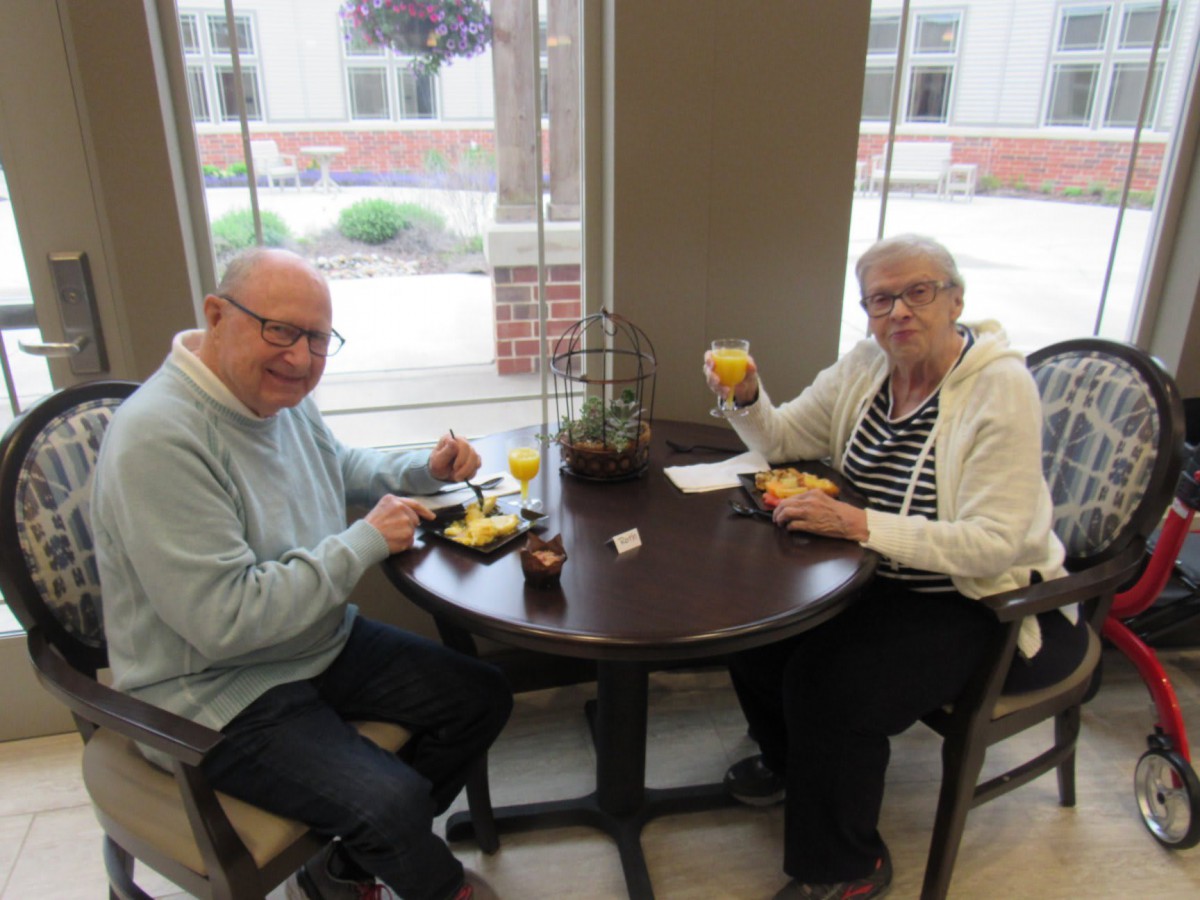
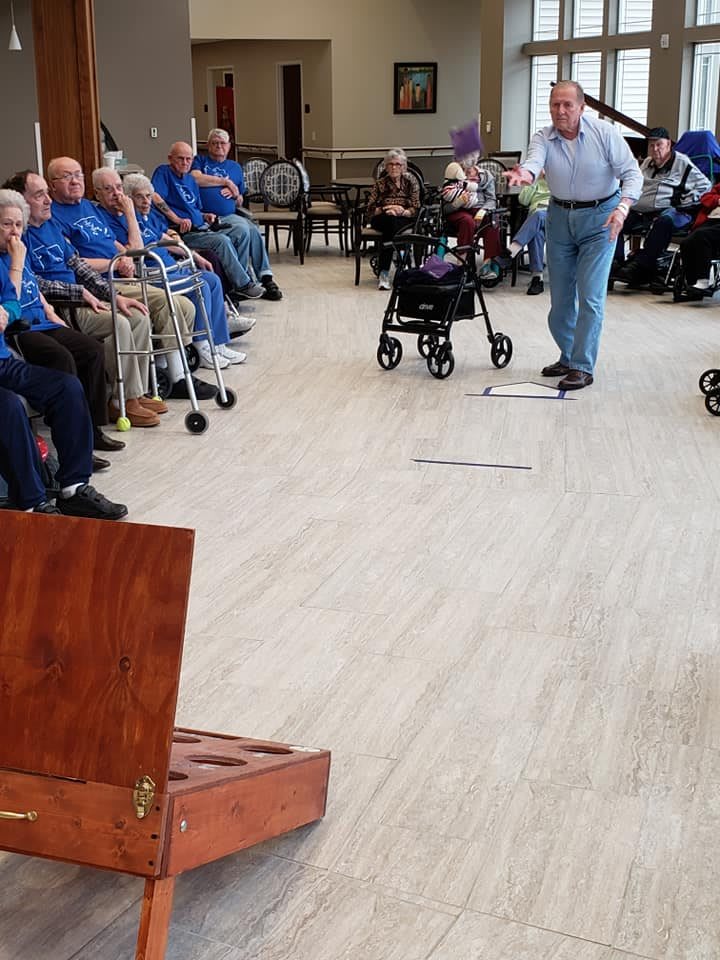
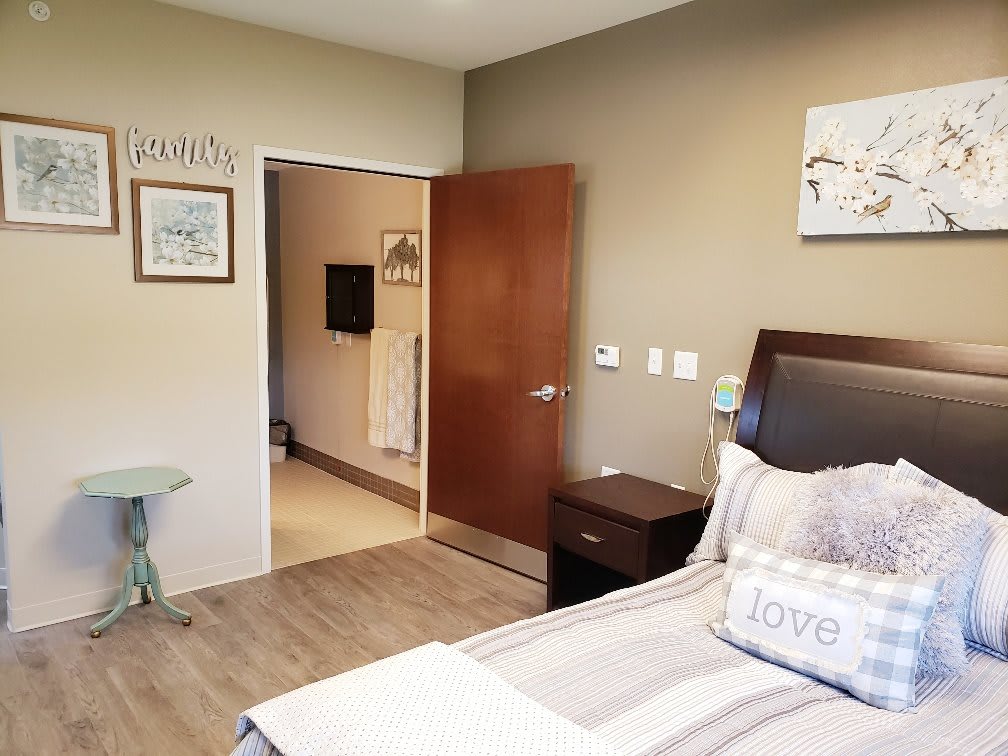
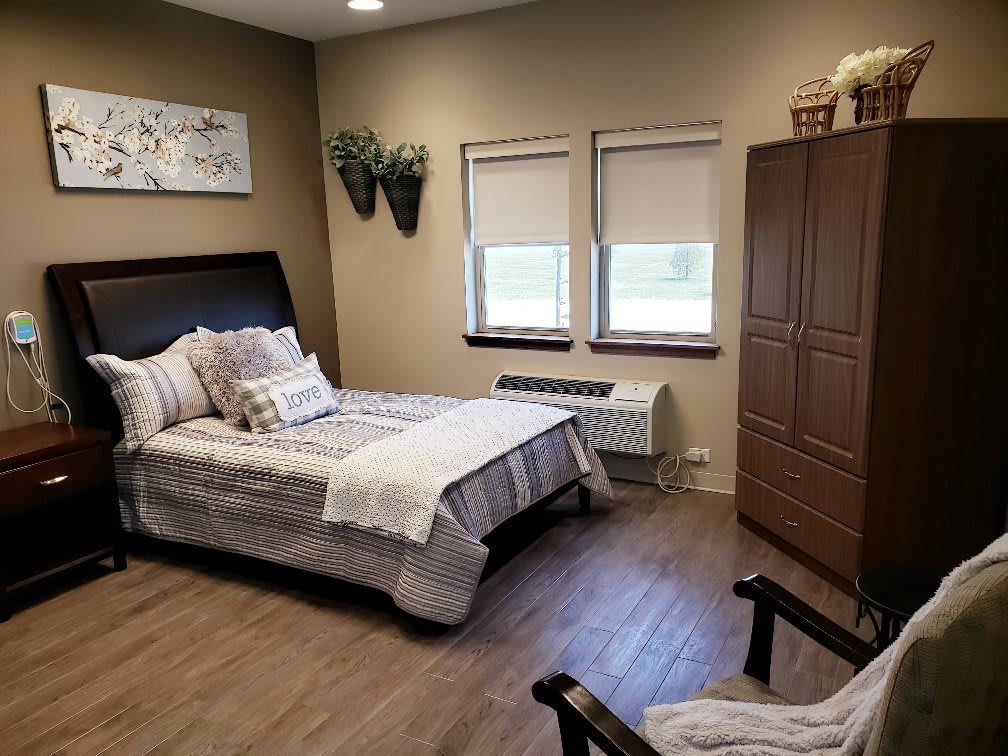
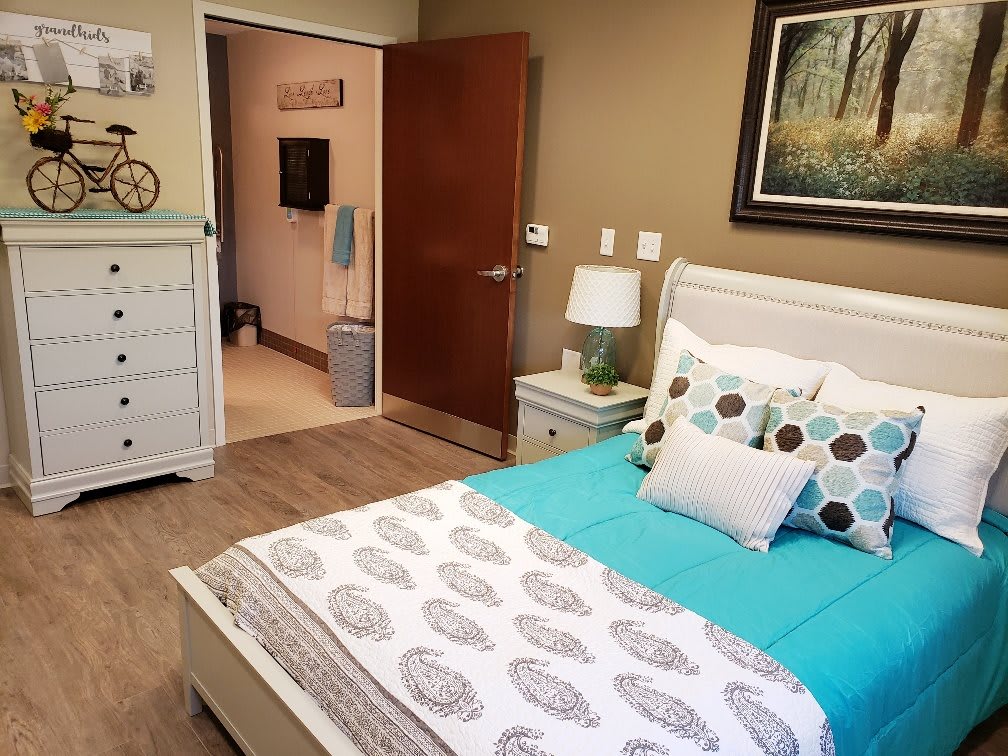
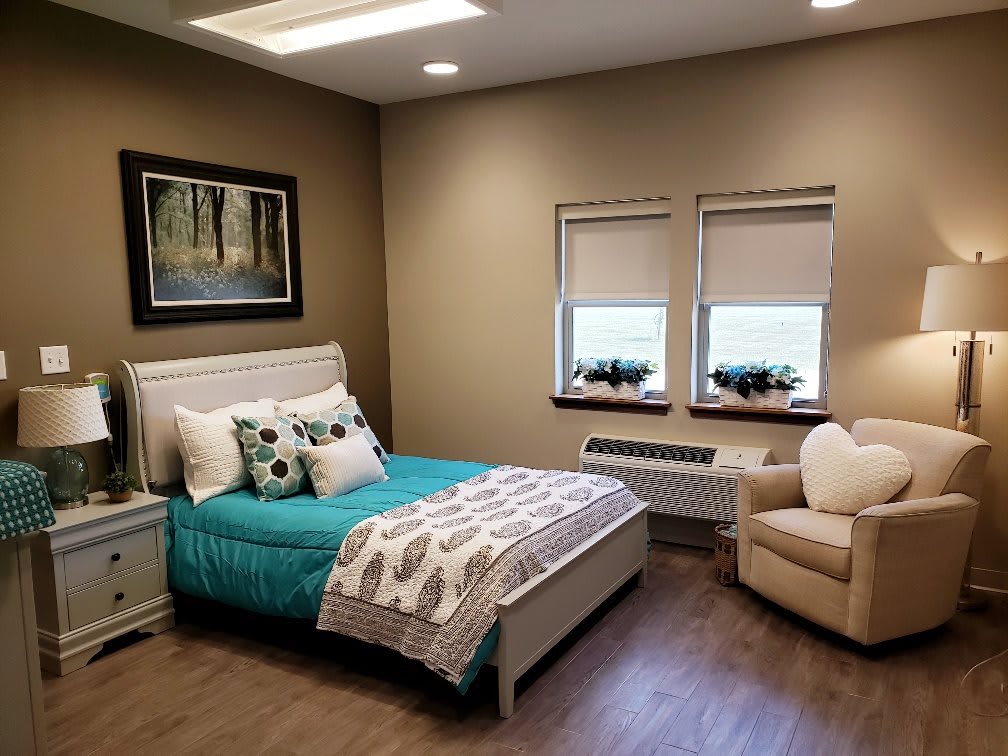
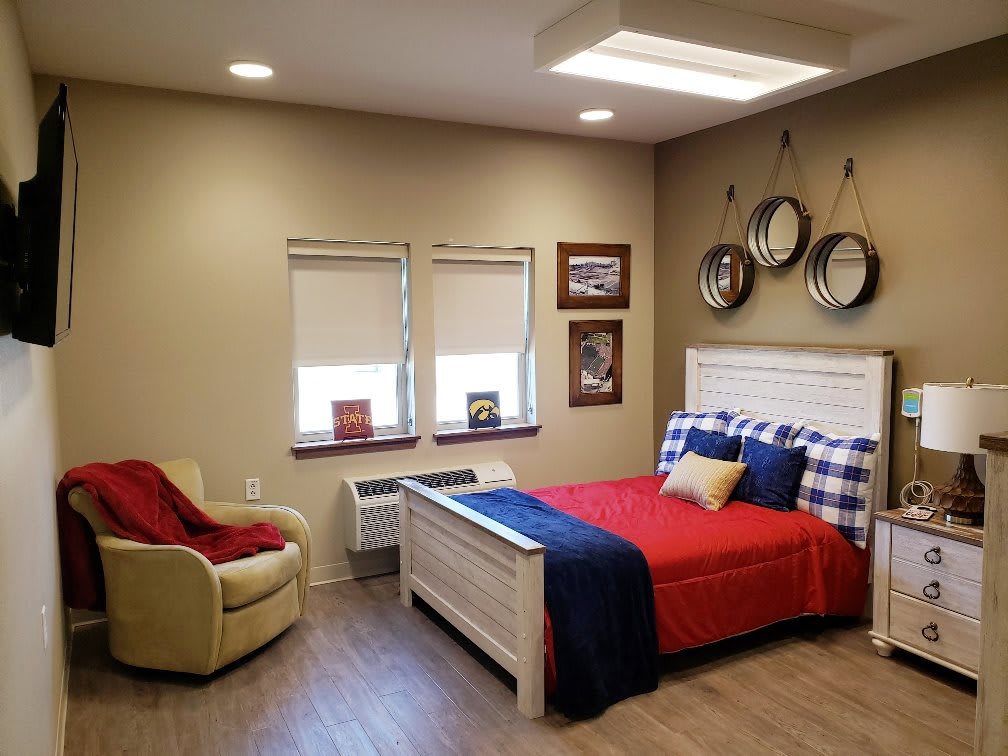
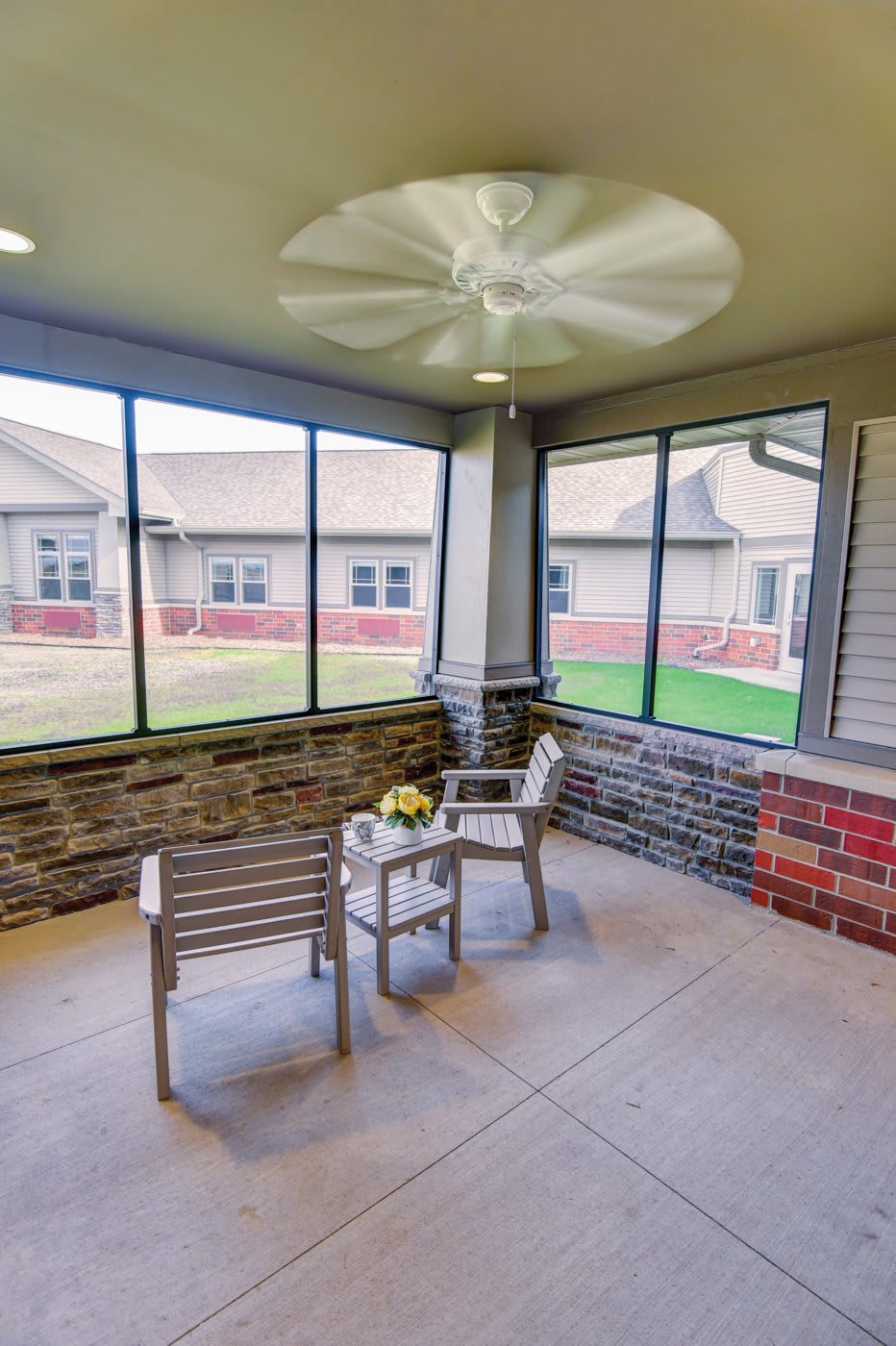
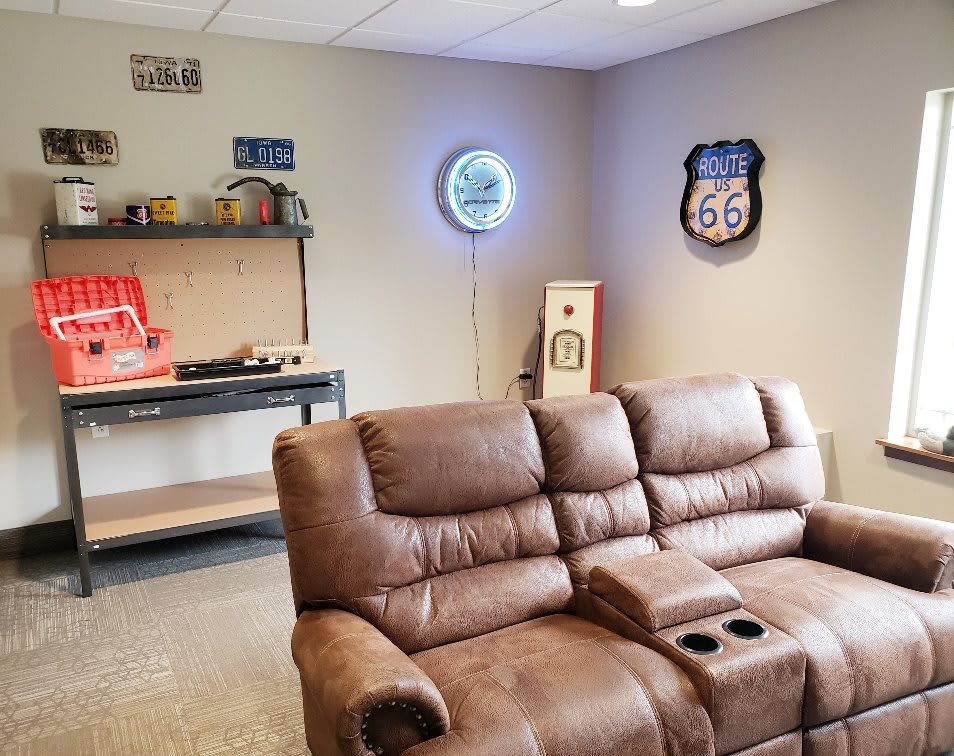
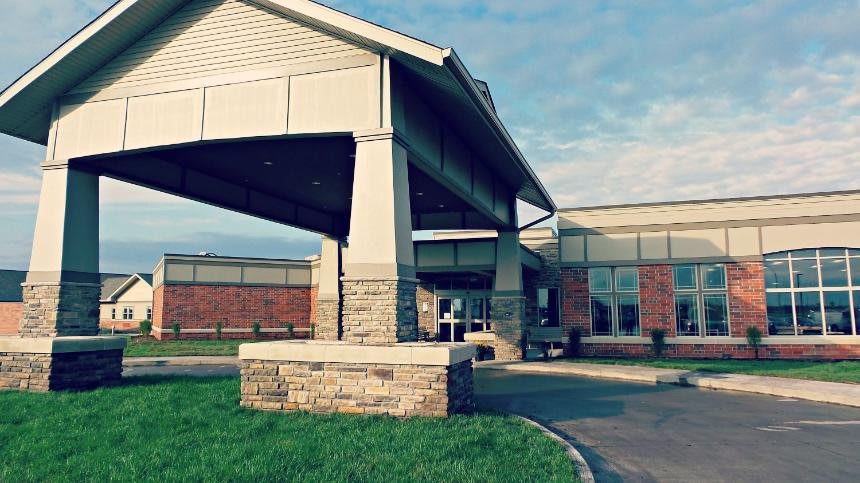
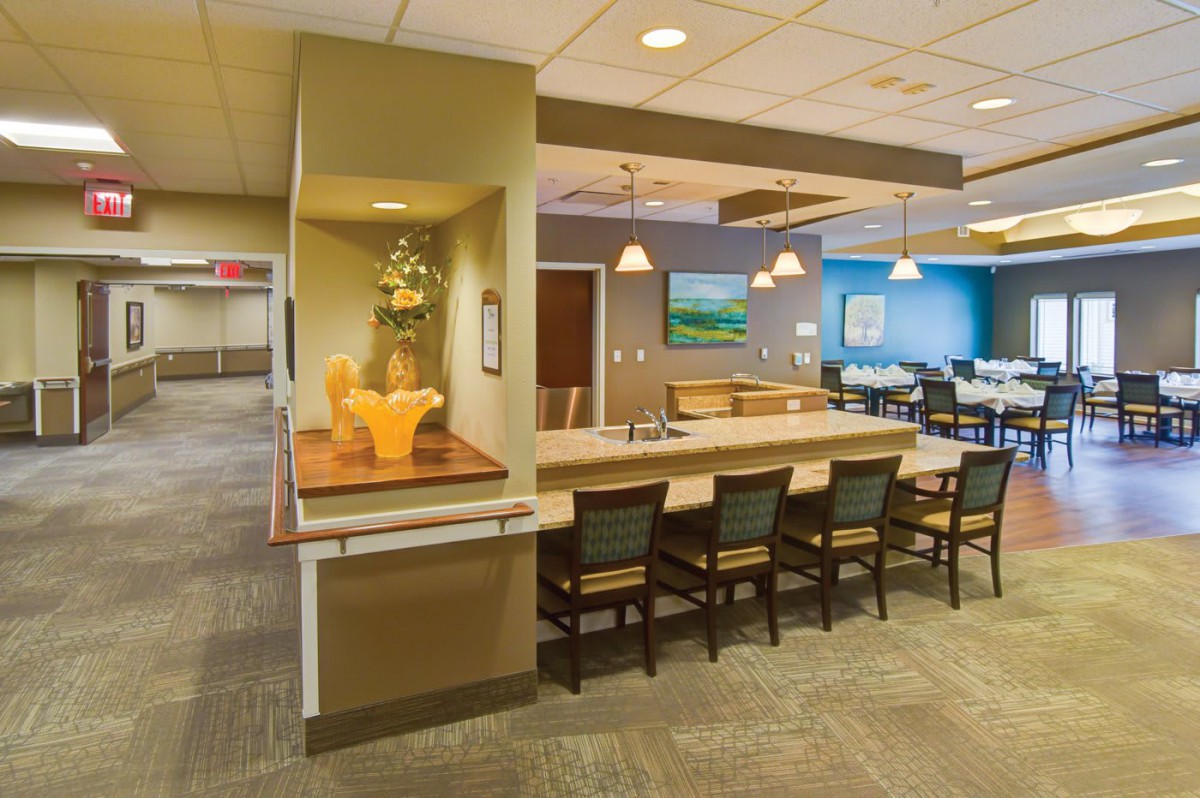
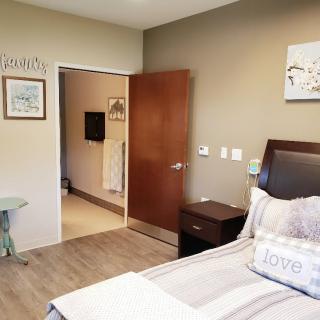
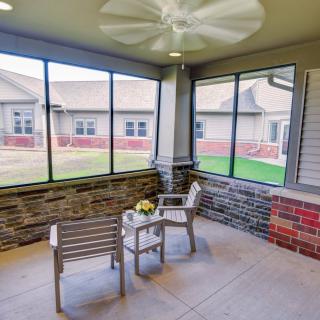
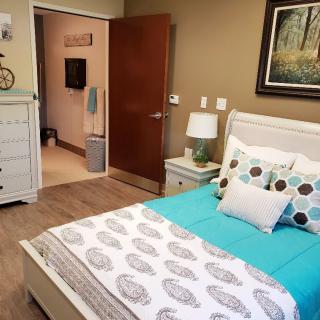
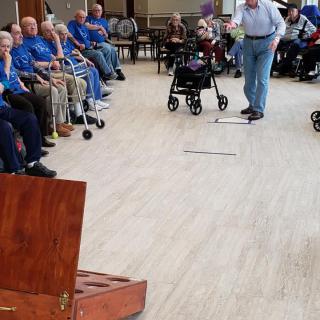
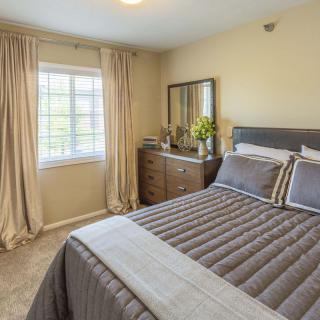
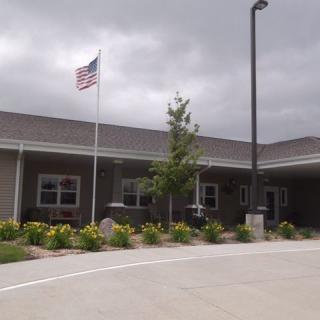
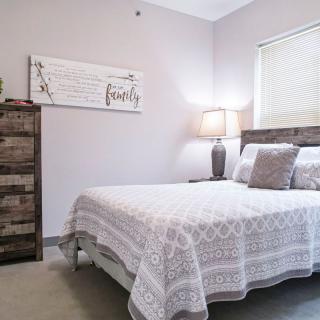
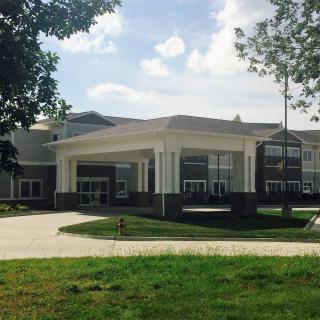
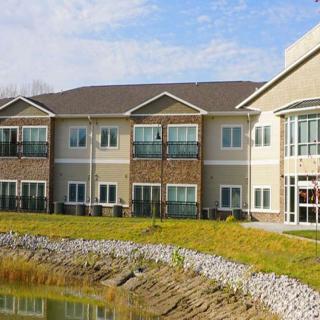
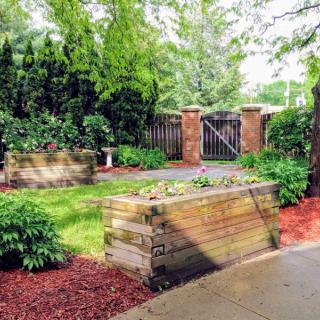
The Bridges at Ankeny on seniors.fyi includes 22 photos including images showing interior, bedroom, decor, windows, dining, architecture, lighting, outdoor, and more.
Nearby Communities
A Plus Home Care Services - Ankeny, IA
Ankeny, IA
2 from 1 review
Attivo Trail Ankeny
Ankeny, IA
4.9 from 41 reviews
$1,845 to $2,345 / month
Spacious, fully equipped 2-bedroom, 2-bath apartments with a private lanai and a strong sense of community with engaging activities.
Independence Village of Ankeny
Ankeny, IA
4.5 from 122 reviews
$4,200 to $4,800 / month
Friendly staff in a clean, active community with on-site therapies and activities.
Oakwood Terrace
Ankeny, IA
2.5 from 36 reviews
$560 to $4,031 / month
Comfortable living for some residents with responsive on-site management.
The Suites of Ankeny
Ankeny, IA
4.1 from 21 reviews
$3,800 to $7,642 / month
Caring staff, spacious apartments, and quality dining with engaging activities.
Sunny View Care Center - Ankeny
Ankeny, IA
3.8 from 98 reviews
Extensive on-site amenities and comprehensive care services
Suites of Ankeny
Ankeny, IA
3.1 from 9 reviews
Spacious rooms with an inviting dining area and optional cleaning service.
Bishop Drumm Retirement Center
Johnston, IA
3.9 from 82 reviews
$2,000 to $2,900 / month
Friendly staff in a well-maintained, close-knit community with a range of care options.
Edencrest At Green Meadows
Johnston, IA
4.4 from 66 reviews
$4,900 to $6,691 / month
Friendly, caring staff in a clean, pleasant environment with on-site activities.
The article compares assisted living and skilled nursing facilities, detailing their differing levels of assistance, medical support, cost structures, and day-to-day experiences. It emphasizes that assisted living is for those needing help with daily activities while maintaining independence, whereas skilled nursing facilities provide intensive medical care with 24-hour staff supervision.
Vibrant Senior Living emphasizes active senior living communities that promote independence and engagement through diverse amenities and activities, fostering wellness and social interaction among older adults. These communities range from independent to assisted living, with a focus on personal growth, family involvement, financial planning, and leveraging technology to enhance residents' experiences.
Assisted living provides moderate support for seniors seeking independence, while memory care offers specialized support for individuals with dementia or cognitive impairments through structured routines and trained staff. Key differences include care approaches, environment security measures, staff training levels, activity types, and cost considerations.
Get PricingAsk A QuestionSchedule A TourContact Senior Advisor
By clicking submit, you agree to our Partner's Terms of Use. You
also consent to receive calls and texts, which may be autodialed, from our Partner. Your consent is not a condition to
using our Partner's service. Please visit our Partner's Privacy Policy for information about their privacy practices.
















 Memory Care
 Activities off-site
 Air-conditioning
 Bath tubs
 Beautician on-site
 Cable or satellite TV
 Handicap accessible
 Indoor common areas
 Outdoor common areas
 Respite or short term stays offered
 Wheelchair accessible showers
 Wi-Fi/high-speed internet available
 Des Moines International (13 miles away)
 Ambulatory care
 Diabetic care
 Incontinence care
 Medication management
 Anytime dining
 Art classes
 Catholic services
 Cooking classes
 Day trips and outings
 Educational speakers / life long learning
 Gardening club
 Live dance or theater performances
 Live musical performances
 Reminiscence
 Stretching classes
 Trivia games
 Wii bowling
 Wine tasting

 Spacious, fully equipped 2-bedroom, 2-bath apartments with a private lanai and a strong sense of community with engaging activities.


 Exploring the Contrasts Between Assisted Living and Skilled Nursing
 Vibrant Senior Living: A Comprehensive Guide for Active Older Adults
 Assisted Living and Memory Care: Understanding Their Core Differences