The Springs of Vernon Hills

Save

  • Interior

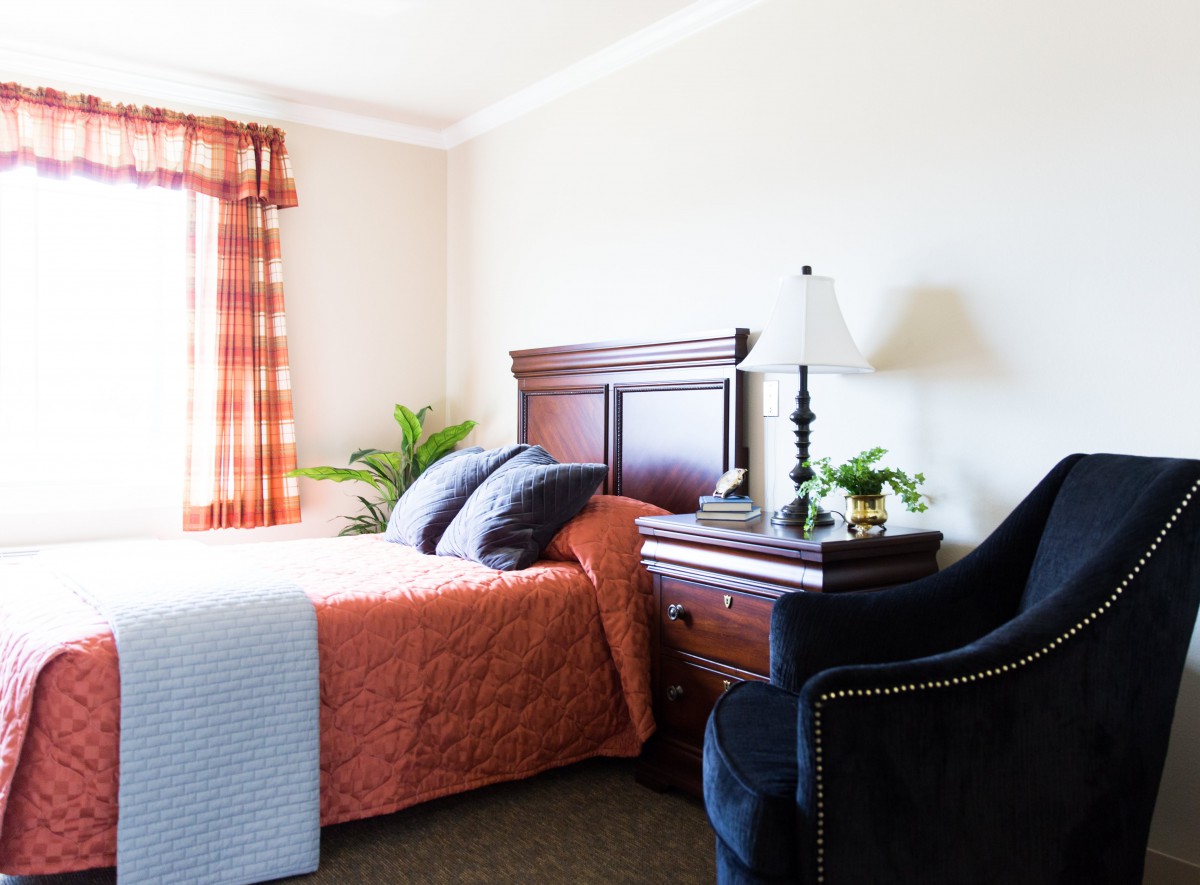
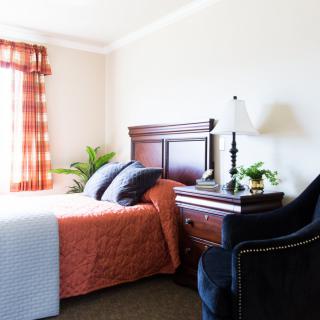
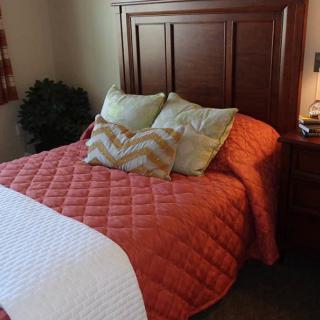
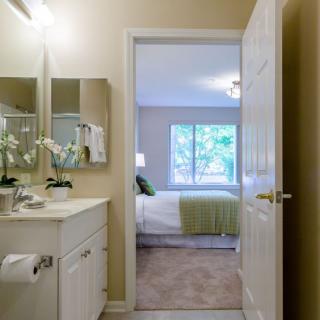
    A cozy bedroom with a neatly made bed, wooden side table, and decorative plants by the window.
  • Outdoors

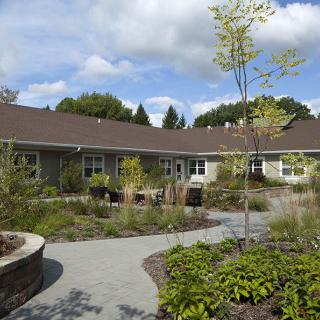
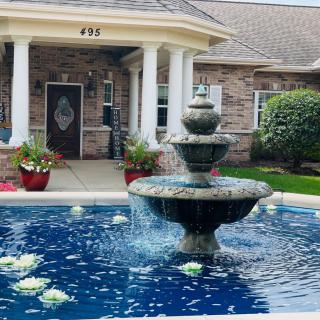
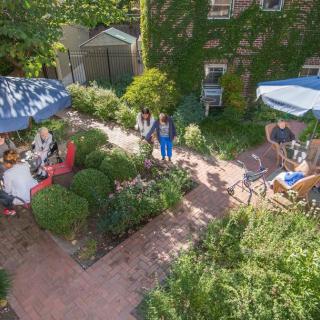
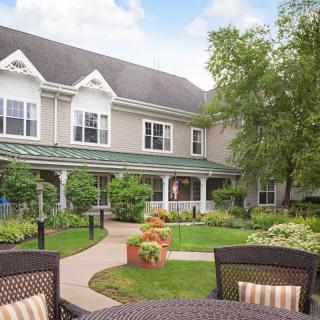
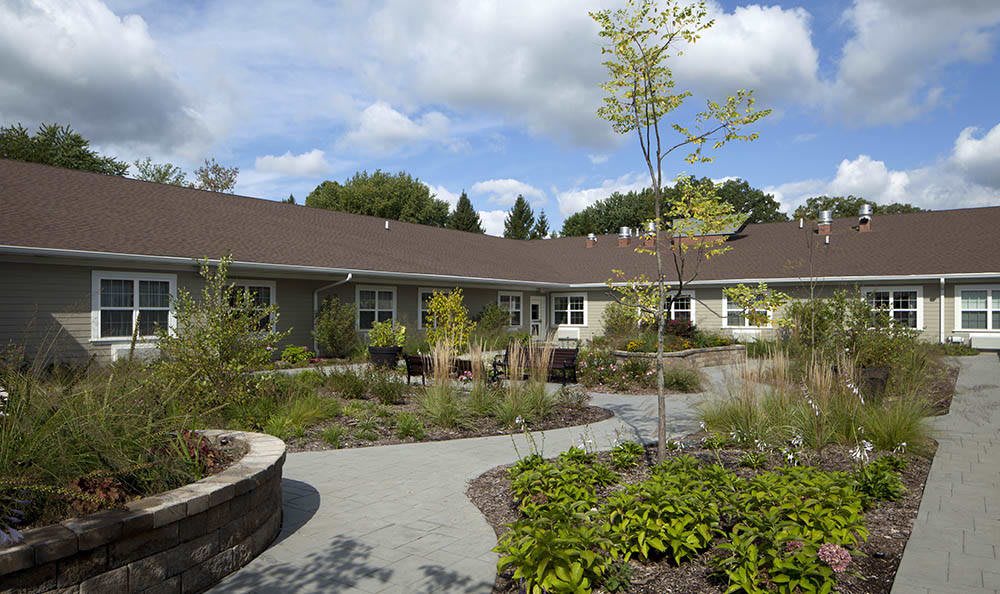
    A well-maintained garden with a pathway leading to a building under a partly cloudy sky.
  • Decor

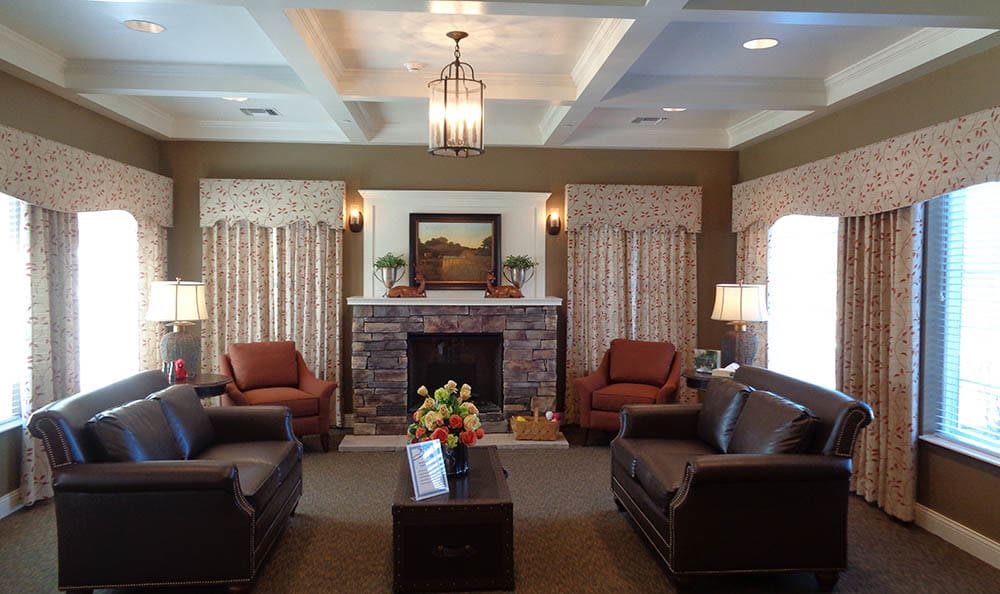
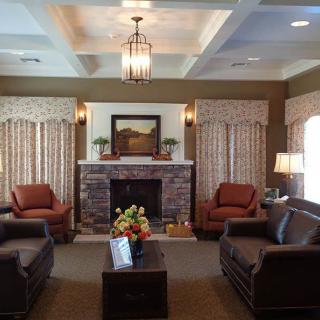
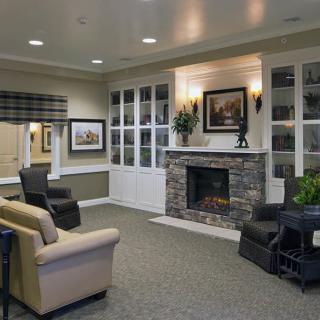
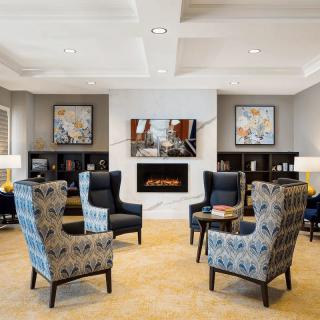
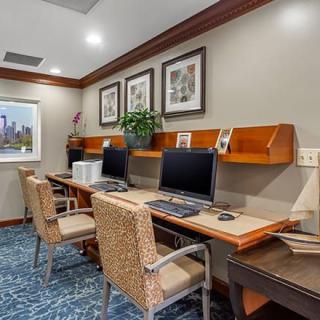
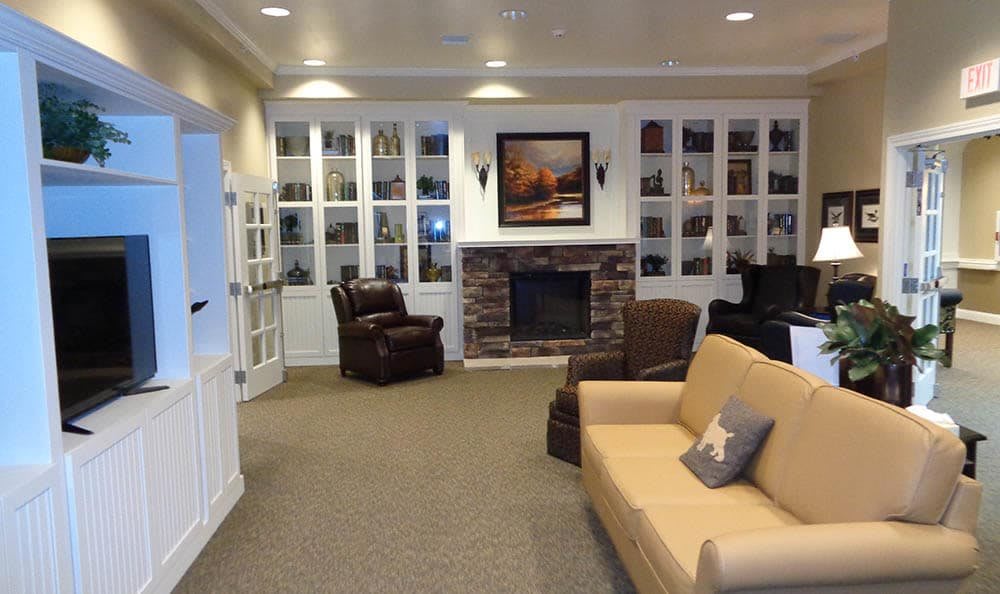
    A cozy living room with a fireplace, surrounded by comfortable seating and elegant decor.
  • Living Room

    A cozy living room featuring a fireplace, comfortable seating, and decorative art.
  • Bedroom

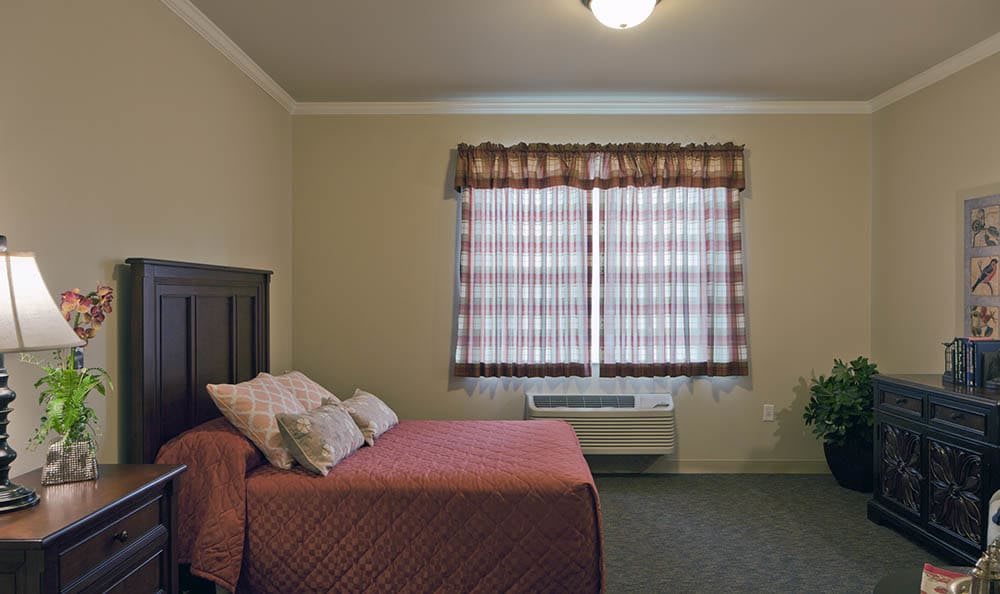
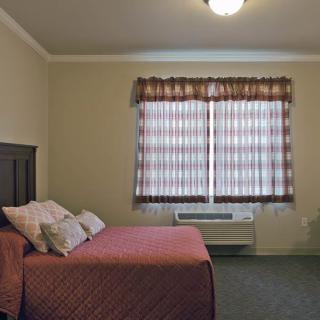
    A cozy bedroom with a neatly made bed and patterned curtains by the window.
  • Windows

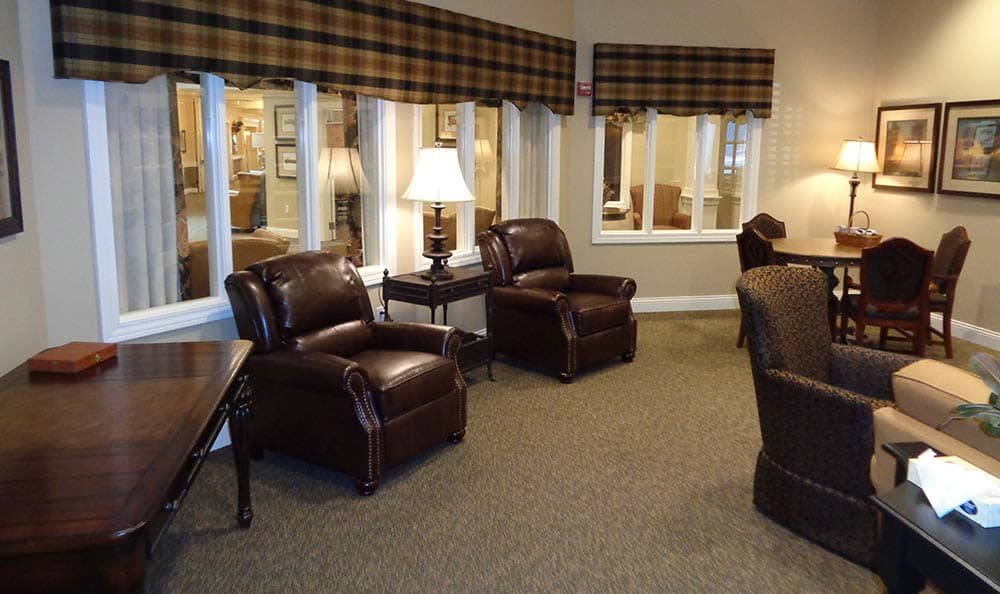
    A cozy living room with leather chairs and soft lighting.
  • Dining

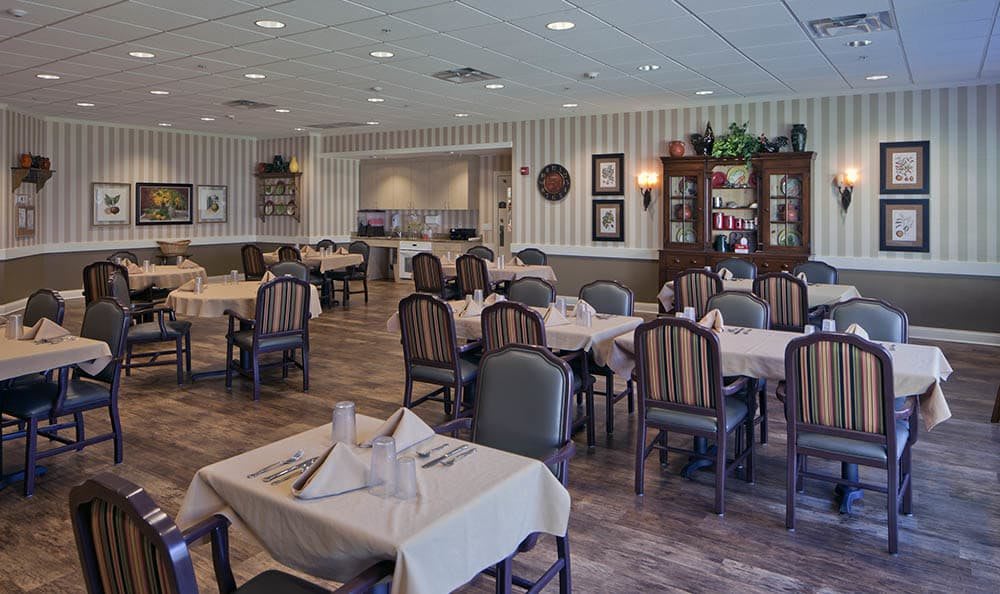
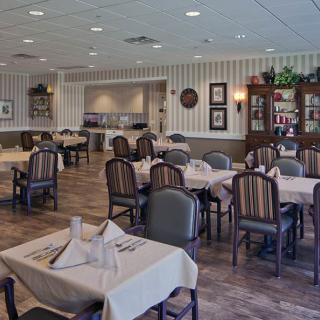
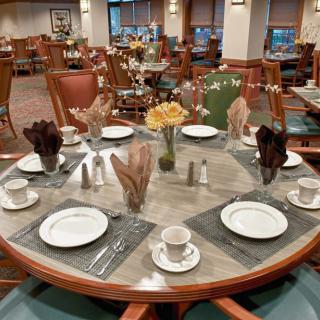
    A quiet restaurant dining area with neatly arranged tables covered in tablecloths.
  • Lighting

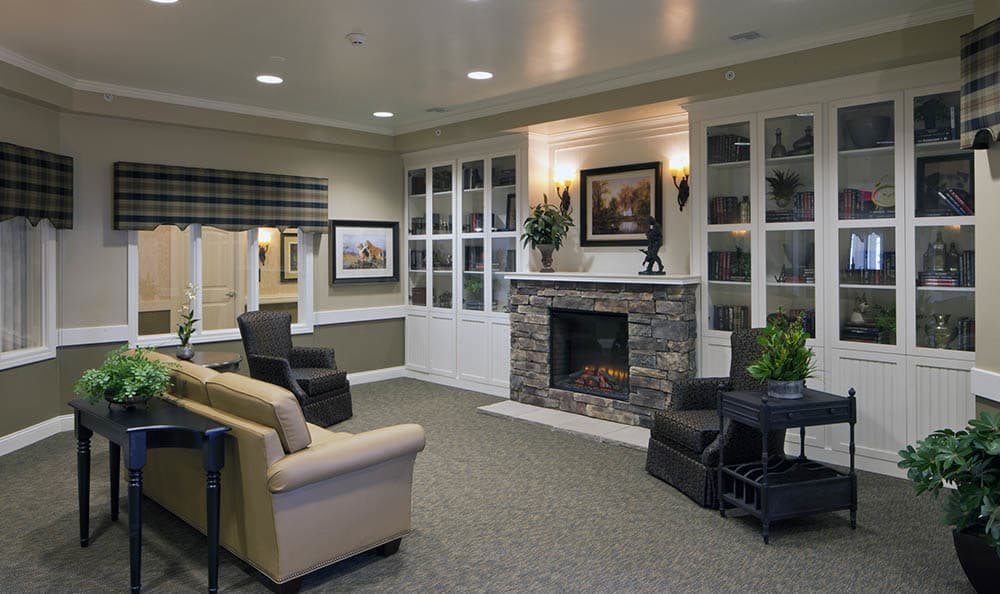
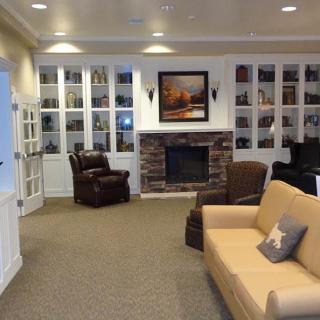
    Cozy living room with a fireplace and built-in bookshelves.
  • Quilt

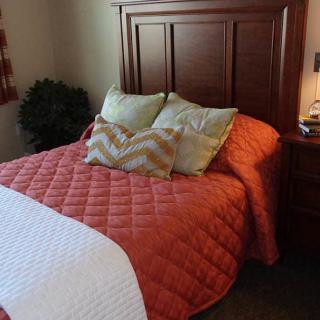
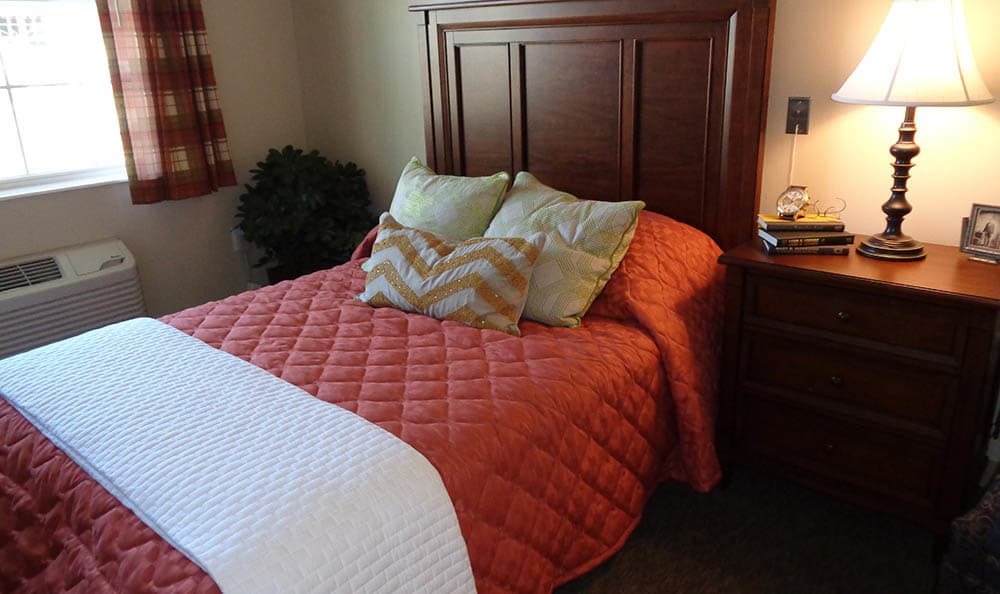
    A cozy bedroom with a wooden headboard and colorful bedding.

The Springs of Vernon Hills

Information last verified:

350 S Milwaukee Ave, Vernon Hills, IL 60061

For more information about senior living options: (844) 490-3973

4.6 from 64 reviews
5 stars
55
4 stars
2
3 stars
1
2 stars
1
1 stars
5

Seniors.FYI Elite Community Awards

Top 5% Senior Living Community in 2021

Add this award to your website

The Springs of Vernon Hills Costs & Pricing

The Springs of Vernon Hills offers competitive pricing for its accommodation options compared to both Lake County and the broader state of Illinois. For a semi-private room, residents can expect a monthly cost of $5,011, which is notably lower than the average in Lake County at $6,875 and slightly above the state average of $5,146. Alternatively, those considering a studio will find that The Springs charges $6,400 per month - this is higher than the county's average of $4,770 and significantly above Illinois' statewide average of $4,028. Overall, while The Springs provides certain accommodations at a premium relative to local and state benchmarks, it may offer enhanced amenities or services that justify this variance in cost.

Floor plansThe Springs of Vernon HillsLake CountyIllinois
Semi-Private$5,011$6,875$5,146
Studio$6,400$4,770$4,028

Overall Review of The Springs of Vernon Hills

Pros

  • pro The Laurel provides incredible care with patience, dignity, and kindness from nurses and caregivers.
  • pro The Laurel staff are attentive, communicative, and keep families informed, making visits comfortable and reassuring.
  • pro The Laurel feels like a safe, secure environment where loved ones are treated with respect and compassion.
  • pro The Springs of Vernon Hills is a wonderful, welcoming memory care community with staff who know residents by name and show genuine kindness.
  • pro The Springs is clean, well-maintained, and has a home-like atmosphere with engaging activities and good food.
  • pro The Springs' leadership and staff are angels who go above and beyond for residents and families.
  • pro The Springs offers meaningful moments and strong family support, enhancing the experience for loved ones.
  • pro The Springs’ dementia-focused design provides wide hallways, natural light, and safe, comforting spaces for residents.

Cons

  • pro The reviewer cited high caregiver turnover and frequent unanswered phone calls due to understaffing.
  • pro Hygiene tasks (shaving, teeth brushing) often had to be requested and could be skipped otherwise.
  • pro Clothes were reported to go missing on a regular basis.
  • pro PT/OT services were described as a joke.
  • pro Dishes were filthy and the food described as bad, with residents reportedly falling daily.
  • pro There was a significant billing dispute: being charged for October after the resident had left, with collectors involved.
  • pro The facility’s phone system was constantly down, resulting in months of no returned messages.
  • pro The Vernon Hills management shakeup was criticized as disappointing, with new hires failing to meet expectations and poor responsiveness.

Review

The Springs of Vernon Hills is best suited for families seeking a memory-care oriented, home-like environment where safety, dignity, and ongoing engagement are the top priorities. The community is designed around dementia-friendly principles: wide, well-lit corridors, secure spaces, abundant natural light, and an enclosed garden that becomes a daily refuge when weather allows. Staff members are consistently praised for their warmth, patience, and familiarity with residents, often knowing names and personal histories. The Springs shines most for residents with memory impairment who benefit from steady routines, purposeful activities, and a staff team that treats each person as a cherished individual. Those evaluating alternatives should note that the Springs is not a substitute for a traditional skilled-nursing model or for higher-acuity medical care that requires constant, on-site nursing supervision. Families needing extensive 24/7 medical oversight or budget constraints that demand minimal risk of surprise charges may want to explore other options.

The strongest positives are the people and the environment. Multiple families describe staff as genuinely caring, attentive, and easy to communicate with, with leadership and front-desk personnel delivering consistent warmth. Residents are greeted by name, moved through the day with intention, and offered a steady rhythm of activities that are varied, age-appropriate, and genuinely engaging. The memory-care focus is palpable in the programming, staffing approach, and daily operations, creating a sense of safety and belonging that families value deeply. Families repeatedly note the availability of regular doctor and nurse practitioner visits, convenient in-house access to medications, and a local culture of transparency where families can expect timely updates. Food quality and cleanliness appear reliable, and the physical plant, clean, calm, and well maintained, supports a dignified daily experience.

However, several concerns surface in a meaningful minority of reviews that must be weighed. There are persistent, if not universal, signals of staffing strain: caregiver turnover and gaps in coverage that render some shifts thin and less responsive, occasional delays in answering calls, and reports of rooms or common areas not receiving the attention expected. Some accounts describe management that does not always follow through on every concern, creating a sense of inconsistency. Billing and administrative hiccups also appear in certain families’ experiences, including complaints about charges after transitions or disorganized communications with the billing office. A few residents’ families report alarms not being promptly addressed, which underscores tighter line-management needs in moments of higher acuity or crisis. While these reports are not universal, they are persistent enough to warrant careful diligence before moving in.

When weighed against the cons, the Springs’ key strengths still carry substantial weight for decision-making. The memory-care design, combined with a staff that is frequently described as loving and individualized in its approach, creates a caregiving culture that many families cannot replicate elsewhere. The sense of trust built through daily, name-based interactions, proactive family communication, and the presence of a dedicated administrator and care team can offset periodic operational strains. The meaningful moments programs, supportive groups, and the capacity to coordinate with local medical resources help families feel that transitions and ongoing care are managed with competence and heart. In short, for a resident whose primary needs are memory-care support, behavioral management, meaningful engagement, and a secure, familiar setting, the pros significantly offset the cons.

Alternatives should be seriously considered for residents whose needs extend beyond memory care or for families prioritizing administrative consistency and cost predictability. If a loved one requires substantial skilled-nursing oversight, deep clinical interventions, or has complex medical dependencies that demand constant on-site nursing, a traditional skilled-nursing facility or a higher-acuity continuum may be a better fit. Those sensitive to occasional staffing gaps or to billing disputes would do well to compare contract specifics, transparency around fees, and the stability of management before committing. For residents who are not primarily memory-impaired or who desire fewer design constraints around dementia-specific environments, it may be worth exploring other assisted-living communities that offer different care models, cost structures, and activity calendars.

The bottom-line recommendation is clear: The Springs of Vernon Hills is a compelling choice for families prioritizing memory-care excellence, staff devotion, and a home-like setting that treats residents with dignity and affection. It stands out as a top option in the Vernon Hills area for dementia-related care, with many families reporting profound gratitude for the way staff treat their loved ones as family. Prospective residents should, however, enter with eyes open about potential staffing fluctuations and occasional administrative friction, and insist on clear, written expectations regarding staffing, response times, and billing. Schedule a thorough tour, speak directly with Tina or Julie, and request candid conversations with current families about day-to-day realities. With due diligence, the Springs can deliver a safe, loving home where memory care needs are met with exceptional compassion and professional competence. For those whose needs align with memory-focused care and whose families value consistent, personal engagement from a trusted care team, this community remains a highly credible, strategy-forward choice.

Features

Types of Care

  • Memory Care Memory CareMemory care is crucial for seniors as it provides specialized support and services for individuals with dementia or Alzheimer's disease. These programs offer a safe and secure environment where residents receive personalized care, cognitive stimulation, and help with daily activities. Memory care helps seniors maintain their independence, quality of life, and dignity while also providing peace of mind for their families.

Amenities

  • Activities off-site Activities off-siteEngaging in off-site activities is crucial for seniors to maintain social connections, stay active, and stimulate their minds. It promotes overall well-being and helps combat feelings of isolation and loneliness.
  • Activities on-site Activities on-siteActivities on-site are important for seniors because they provide opportunities for socialization, mental stimulation, physical activity, and overall well-being. Engaging in activities can help seniors stay active, maintain their independence, and improve their quality of life.
  • Air-conditioning Air-conditioningAir conditioning is important for seniors as they are more vulnerable to heat-related illnesses and may have underlying health conditions that make it difficult for them to regulate their body temperature. It helps to keep them comfortable, safe, and healthy in hot weather.
  • Beautician on-site Beautician on-siteHaving a beautician on-site at a senior living community is important for seniors as it allows them to easily access grooming and personal care services, boosting their self-esteem and overall well-being. It also provides convenience and helps seniors maintain their sense of independence and personal style.
  • Devotional services on-site Devotional services on-siteDevotional services on-site provide seniors with spiritual support and a sense of community, as well as an opportunity for reflection and guidance during their senior living experience. This can promote emotional well-being and connection to others, leading to a more fulfilling and enriching lifestyle in their later years.
  • Garden view Garden viewGarden views are important for seniors as they provide natural beauty and tranquility, promoting relaxation and overall well-being. Access to green spaces can also encourage outdoor activity and socialization, enhancing physical and mental health.
  • Ground floor units Ground floor unitsGround floor units are important for seniors because they provide easy accessibility, reduced risk of falls and injuries, and convenience for those with mobility issues. Seniors can avoid climbing stairs or using elevators, making daily tasks and activities more manageable and enjoyable.
  • Indoor common areas Indoor common areasIndoor common areas are crucial for seniors as they provide a space for socialization, recreation, and community engagement, promoting overall well-being and reducing feelings of isolation and loneliness.
  • Outdoor common areas Outdoor common areasOutdoor common areas are important for seniors as they provide a space for socialization, physical activity, and relaxation. Being outside in nature can improve mood and overall well-being, while also encouraging movement and engagement with others. These spaces can help combat feelings of isolation and promote a sense of community among residents.
  • Respite or short term stays offered Respite or short term stays offeredRespite or short term stays provide seniors with a temporary solution when their regular caregiver is unavailable, offering them the opportunity to receive additional care and support during times of need, while also giving caregivers a chance to rest and recharge.
  • Wheelchair accessible showers Wheelchair accessible showersWheelchair accessible showers are crucial for seniors as they provide a safe and independent bathing option for those with mobility challenges. These showers help prevent falls and allow seniors to maintain their dignity and autonomy while ensuring they can bathe comfortably.
  • Wi-Fi/high-speed internet available Wi-Fi/high-speed internet availableWi-Fi/high-speed internet is important for seniors to stay connected with loved ones, access online resources, and participate in virtual activities to combat feelings of loneliness and isolation. It also allows them to easily manage healthcare needs, access entertainment, and engage in lifelong learning opportunities.

Transportation

  • Chicago O'Hare International (17 miles away) Chicago O'Hare International (17 miles away)

Care Services

  • Ambulatory care Ambulatory care"Ambulatory care services provide essential medical support and treatment to seniors without requiring hospitalization, allowing them to maintain their independence and quality of life while managing chronic conditions or receiving routine medical care."
  • Diabetic care Diabetic careDiabetic care is crucial for seniors as they are more susceptible to developing diabetes due to aging and other health conditions. Proper management of diabetes can help prevent complications such as heart disease, vision loss, and nerve damage, improving the overall quality of life for seniors in senior living communities.
  • High acuity care High acuity careHigh acuity care is important for seniors because it provides specialized medical attention and support for individuals with complex medical needs. This level of care ensures that seniors receive the appropriate treatment and assistance to maintain their health and quality of life as they age.
  • Incontinence care Incontinence careIncontinence care is essential for seniors to maintain their dignity, hygiene, and overall quality of life. By addressing incontinence issues promptly and effectively, seniors can enjoy a sense of independence and comfort in their daily activities.
  • Medication management Medication managementMedication management is crucial for seniors to ensure they are taking the right medications at the correct dosages and times. This helps prevent adverse drug interactions, reduces the risk of medication errors, and promotes overall health and well-being. Proactive management also allows for adjustments as needed based on changing health conditions or new prescriptions.

Dining

  • Gluten-free Gluten-freeGluten-free options are important for seniors as they are more prone to digestive issues and dietary sensitivities. Offering gluten-free meal choices in senior living communities can help improve their overall health and well-being.
  • Guest meals Guest mealsGuest meals are important for seniors living in senior living communities because they provide an opportunity for socialization and companionship. Sharing a meal with friends, family, or new acquaintances can help combat feelings of loneliness and isolation, promote a sense of community, and enhance overall well-being. Additionally, guest meals allow seniors to enjoy delicious food in a comfortable setting without the hassle of cooking or cleaning up, making dining a pleasurable and stress-free experience.
  • Kosher KosherKosher options are important for seniors because they adhere to dietary laws that are significant to many Jewish individuals, providing them with peace of mind and an opportunity to maintain their cultural traditions and beliefs while living in a senior living community.
  • Low / no sodium Low / no sodiumLow/no sodium options are important for seniors because excessive sodium intake can lead to high blood pressure, heart disease, and other health issues commonly experienced by older adults. By choosing low/no sodium foods, seniors can better manage their health and reduce their risk of developing these conditions.
  • Meals provided Meals provided"Meals provided" are crucial for seniors in assisted living communities as it ensures they have access to nutritious, balanced meals without the stress of meal planning and preparation. This can help promote overall health and well-being for seniors who may have limited mobility or cognitive abilities.
  • No Sugar No SugarNo sugar diets are important for seniors because they can help prevent or manage chronic conditions such as diabetes, heart disease, and obesity. Sugar can also contribute to cognitive decline and inflammation in the body, so reducing sugar intake can lead to overall improved health and well-being in older adults.
  • Restaurant style dining Restaurant style diningRestaurant style dining is important for seniors as it offers them a social and enjoyable dining experience, promotes healthy eating habits, and provides personalized menu options to cater to their dietary needs and preferences. This type of dining setting can enhance their overall quality of life and create a sense of community within the senior living facility.
  • Special dining programs Special dining programsSpecial dining programs are important for seniors because they provide nutritious meals tailored to their dietary needs and preferences. These programs also offer socialization opportunities, promote overall health and well-being, and can help prevent malnutrition.
  • Vegetarian VegetarianA vegetarian diet is important for seniors because it can help lower the risk of chronic diseases, maintain a healthy weight, and provide essential nutrients needed for aging bodies. Additionally, plant-based diets are often easier on digestive systems and can contribute to overall well-being in older adults.

Activities

  • Art classes Art classesArt classes are important for seniors because they provide a creative outlet, improve cognitive function, reduce stress and anxiety, promote socialization, and enhance overall well-being and quality of life.
  • Catholic services Catholic servicesCatholic services are important for seniors because they provide spiritual support, a sense of community, and opportunities for social interaction that can enhance overall well-being and quality of life in their later years.
  • Cooking classes Cooking classesCooking classes are important for seniors as they provide opportunities for social interaction, enhance cognitive skills, promote healthy eating habits, and boost confidence in the kitchen.
  • Day trips and outings Day trips and outingsDay trips and outings are important for seniors as they provide opportunities for socialization, mental stimulation, physical activity, and a break from daily routines. These experiences can enhance overall well-being and quality of life for older adults living in senior communities.
  • Devotional activities on-site Devotional activities on-siteDevotional activities on-site provide seniors with a sense of community, spiritual fulfillment, and emotional support, promoting overall well-being and a positive sense of purpose in their lives.
  • Educational speakers / life long learning Educational speakers / life long learningEducational speakers and lifelong learning opportunities are crucial for seniors as they provide mental stimulation, promote social engagement, and contribute to overall well-being. Continuous learning helps seniors stay mentally sharp, build new skills, and maintain a sense of purpose and fulfillment in their lives. It also allows them to stay connected to the world around them and fosters a sense of community within senior living facilities.
  • Jewish services Jewish servicesJewish services are important for seniors as they provide a sense of community, spiritual support, and connection to their heritage and traditions. These services help enhance overall well-being and quality of life for older adults in senior living settings.
  • Live musical performances Live musical performancesLive musical performances can provide seniors with a sense of joy, nostalgia, and connection. Music has the power to evoke emotions and memories, improve mood and cognitive function, and foster social interaction among seniors. It can also serve as a form of therapy and stress relief for older adults, making it an important activity to include in senior living communities.
  • Live well programs Live well programs"Live well programs are essential for seniors as they provide opportunities for physical activity, social engagement, and mental stimulation, ultimately promoting overall health and well-being in later years."
  • Stretching classes Stretching classesStretching classes are important for seniors because they help improve flexibility, reduce the risk of injury, and promote overall health and well-being. Regular stretching can also help alleviate joint pain and stiffness, enhance balance and coordination, and increase range of motion.
  • Visiting Rabbi Visiting Rabbi"Visiting rabbis provide spiritual and emotional support to seniors in assisted living communities, helping them connect with their faith, find comfort in times of need, and maintain a sense of community and belonging."
  • Visiting chaplain or priest Visiting chaplain or priestHaving a visiting chaplain or priest at a senior living community is important for seniors because it provides spiritual support, comfort, and guidance during a time of life that can be challenging and uncertain. Their presence can help seniors feel connected to their faith, find peace of mind, and cope with the emotional and mental struggles they may face in their later years.

Description

The Springs of Vernon Hills in Vernon Hills, IL is a vibrant assisted living community that offers a wide range of amenities and care services. Residents can enjoy engaging activities right on-site, as well as beautifully landscaped outdoor areas. The community features air-conditioning throughout, ensuring optimal comfort for all residents.

For those who wish to maintain their appearance, there is a professional beautician available on-site. Devotional services are also offered, providing spiritual support for residents. Ground floor units are available for easy accessibility, and wheelchair accessible showers ensure safety for residents with mobility needs.

The Springs of Vernon Hills provides both indoor and outdoor common areas where residents can socialize and relax. Wi-Fi/high-speed internet access is available to keep residents connected with loved ones and the outside world.

Care services at The Springs of Vernon Hills include specialized diabetic care, high acuity care, incontinence care, and medication management. Certified staff are trained to meet the specific needs of each resident.

Dining at The Springs of Vernon Hills is a delight with various options available. Guest meals are welcomed, and special dietary considerations such as kosher, low/no sodium, no sugar, and vegetarian meals can be accommodated. Restaurant style dining ensures an enjoyable dining experience for all residents.

Residents can look forward to participating in a variety of activities designed to enrich their lives. Catholic services and Jewish services are offered for those who desire religious fulfillment. Cooking classes allow residents to explore their culinary talents, while day trips and outings provide opportunities for adventure. Educational speakers/life-long learning sessions keep minds sharp and engaged. Live musical performances bring joy to the community, while stretching classes promote physical well-being. Both visiting Rabbi and visiting chaplain or priest services are available to meet spiritual needs.

Nearby the community are two cafes where residents can enjoy a cup of coffee or catch up with friends. One park nearby offers opportunities for outdoor recreation and relaxation. With nine pharmacies and ten physicians located nearby, residents have easy access to healthcare services. There are also fifteen restaurants in close proximity, offering a variety of options for dining out. Two transportation options are available to assist residents with their mobility needs. Additionally, two places of worship and two theaters are conveniently located nearby for the enjoyment and convenience of residents. With three hospitals in the area, residents can have peace of mind knowing that medical care is easily accessible.

At The Springs of Vernon Hills, residents can experience a fulfilling and active lifestyle while receiving personalized care services tailored to meet their individual needs.

Nearby Places of Interest

Located in Vernon Hills, Illinois, this part of town offers a variety of healthcare options with nearby physicians specializing in GI, general surgery, dermatology, and more. Pharmacies are conveniently located within a few miles for easy access to medications. There is also a range of dining options including Mexican grill, fast food chains, and casual dining restaurants. Transportation via Metra stations is accessible for those needing public transit. The area also boasts several parks and theaters for entertainment and outdoor activities. Nearby hospitals include Advocate Condell Medical Center Heart Scan and Lake Forest Hospital for any medical emergencies. Places of worship such as Santa Maria Del Popolo Church and United Methodist Church of Libertyville provide spiritual support for residents. Overall, this part of Vernon Hills offers a well-rounded community with convenient amenities for seniors considering living in the area.

Physicians

  • NorthShore University HealthSystem - GI & General Surgery (0.8 miles)
  • Lake Shore Dermatology (2 miles)
  • Ritacca Laser Center (2 miles)
  • Stuart Bergman-Bock MD - Northshore University Health Systems (2.5 miles)
  • Illinois Bone & Joint Institute (2.8 miles)
  • Northern Illinois Eye Clinic (3.5 miles)
  • Advanced Diabetes & Endocrine (4 miles)

Cafes

  • Panera Bread (1.1 miles)
  • Conscious Cup Coffee Roasters (4.8 miles)
  • Hansa Coffee Roasters (5.1 miles)
  • Panera Bread (5.2 miles)
  • Starbucks (6 miles)
  • Starbucks (6 miles)
  • Starbucks (6.1 miles)

Pharmacies

  • Walgreens (1.2 miles)
  • Walgreens (2.2 miles)
  • Walgreens (2.8 miles)
  • Walgreens (2.9 miles)
  • CVS Pharmacy (3.2 miles)
  • CVS Pharmacy (3.7 miles)
  • Walgreens (4.2 miles)

Restaurants

  • On The Border Mexican Grill & Cantina (1.3 miles)
  • Culver's (1.3 miles)
  • Chick-Fil-A (1.4 miles)
  • City Works (1.7 miles)
  • Prairie House Tavern (1.7 miles)
  • Portillo's Hot Dogs (1.8 miles)
  • Lazy Dog Restaurant & Bar (2.3 miles)

Transportation

  • Metra (1.7 miles)
  • Metra (3.3 miles)
  • Metra (5.1 miles)
  • Metra (5.7 miles)

Theaters

  • AMC Hawthorn 12 (1.8 miles)
  • Regal Lincolnshire & Imax (2.7 miles)

Parks

  • Century Park (2.1 miles)
  • Butler Lake Park (5.2 miles)
  • South Park (5.5 miles)
  • Fort Sheridan Forest Preserve (6.5 miles)
  • Sunset Park (7.1 miles)
  • Briarwood Park (7.1 miles)
  • Lake Arlington (7.3 miles)

Hospitals

  • Advocate Condell Medical Center Heart Scan (3.9 miles)
  • Lake Forest Hospital (4.4 miles)
  • Northwestern Lake Forest Hospital (4.5 miles)
  • Captain James A. Lovell Federal Health Care Center (7.3 miles)

Places of Worship

  • Santa Maria Del Popolo Church (4.6 miles)
  • United Methodist Church of Libertyville (4.8 miles)

Frequently Asked Questions

How much does it cost to live at The Springs of Vernon Hills in Vernon Hills, IL?
Where is The Springs of Vernon Hills?
Does The Springs of Vernon Hills provide care for residents with dementia or Alzheimer's disease?
What photos are available for The Springs of Vernon Hills in Vernon Hills, Illinois?

Nearby Communities

  • The Springs of Vernon Hills Alzheimer's and Dementia Assisted Living

    The Springs of Vernon Hills Alzheimer's and Dementia Assisted Living

    Vernon Hills, IL

    4.6 from 33 reviews
     

    pro Well-maintained facility with compassionate memory-care staff and engaging activities.

  • Brookdale Vernon Hills

    Brookdale Vernon Hills

    Vernon Hills, IL

    4.3 from 162 reviews
    $3,100 to $5,510 / month

    pro Clean, well-maintained setting with friendly staff and engaging activities.

  • Warren Barr Lincolnshire

    Warren Barr Lincolnshire

    Lincolnshire, IL

    4.2 from 98 reviews
     

    pro Clean, professional staff with reliable transportation and engaging amenities.

  • The Wellshire

    The Wellshire

    Lincolnshire, IL

    4.2 from 117 reviews
    $2,500 to $3,500 / month

    pro Compassionate, attentive staff with strong family communication and engaging activities.

  • Charter Senior Living Of Vernon Hills

    Charter Senior Living Of Vernon Hills

    Vernon Hills, IL

    4.5 from 26 reviews
     

    pro Caring staff in a warm, home-like memory care setting with engaging activities.

  • Sunrise of Buffalo Grove

    Sunrise of Buffalo Grove

    Buffalo Grove, IL

    4.4 from 82 reviews
    $4,500 to $6,240 / month

    pro Warm, caring staff; clean, well-maintained campus with engaging activities and good family communication.

  • Victory Centre of Vernon Hills

    Victory Centre of Vernon Hills

    Vernon Hills, IL

    4.4 from 81 reviews
    $5,150 / month

    pro Clean, well-maintained facility with engaging activities and friendly staff.

  • Brookdale Hawthorn Lakes in Vernon Hills Assisted Living

    Brookdale Hawthorn Lakes in Vernon Hills Assisted Living

    Vernon Hills, IL

    4.6 from 220 reviews
    $4,145 to $5,750 / month

    pro Friendly staff with engaging activities in a comfortable, hotel-like setting.

  • Sedgebrook

    Sedgebrook

    Lincolnshire, IL

    4.8 from 168 reviews
    $2,496 to $7,925 / month

    pro Caring staff, beautiful grounds, and engaging activities with good dining.

Related Resources

  • va nursing homeComprehensive Guide to VA Nursing Homes: A Crucial Long-Term Care Resource for Veterans

    VA nursing homes, or Community Living Centers (CLCs), offer tailored long-term care for veterans, featuring medical attention and rehabilitation in a supportive environment. The guide covers facility types, eligibility criteria, financial assistance options, quality of care standards, and alternatives to full-time nursing home placement.

  • in home dementia care costsEstimating the Expenses of At-Home Dementia Care: A Detailed Exploration

    At-home dementia care expenses vary widely based on care levels, location, and caregiver expertise, with monthly costs for home health aides exceeding $4,500 and specialized care potentially surpassing $100,000 annually. While families favor in-home care for its comfort and personalized attention, they must consider financial planning and the challenges of caregiver fatigue.

  • end stage dementiaComprehensive Insights on the Late Stages of Dementia: What to Expect and How to Provide Care
    The article discusses the late stages of dementia, detailing the progression from mild to severe impairment and highlighting key characteristics such as profound cognitive decline and dependency in daily activities. It emphasizes care strategies focused on comfort and dignity, the importance of advance directives, and the emotional support needed for family caregivers facing this challenging journey.