Residents and families repeatedly describe staff who stay engaged and responsive.
Across many reviews, people highlight staff members who provide comfort, check-ins, and hands-on help, including during urgent transitions or ongoing care needs. Several reviewers name specific nurses or leaders and describe them as consistently available and attentive. Even in more critical reviews, families point to communication gaps or missed calls as the main issue, which still centers the staff experience as the deciding factor.
caveat6 reviews mention this
Nursing help feels inconsistent
Some families report trouble getting timely nursing support.
While many reviews speak well of care, a smaller set of reviews describe missed responsiveness, delayed help, or staffing that left them worried. Several complaints mention not being able to reach nurses or physicians, while others describe short staffing or slow service when a call was made. One review also cites specific consequences the family linked to lack of care, making this theme a recurring concern alongside the positive ones.
common16 reviews mention this
Facility upkeep and atmosphere get praise
Reviews frequently mention cleanliness and a calm, pleasant environment.
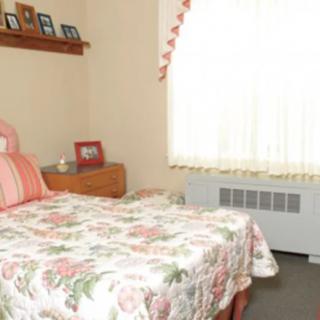
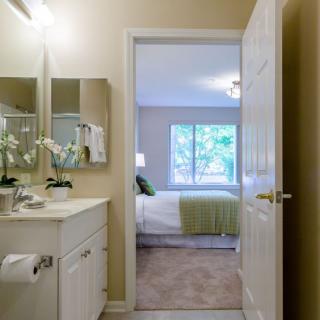
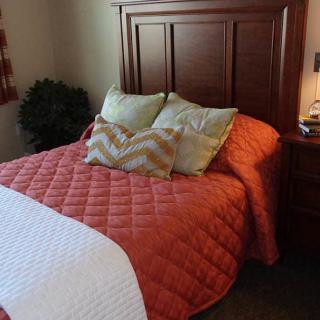
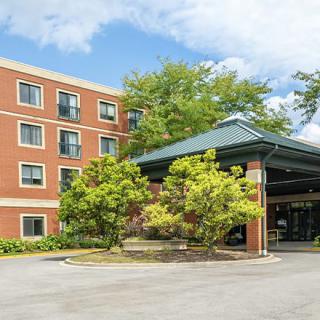
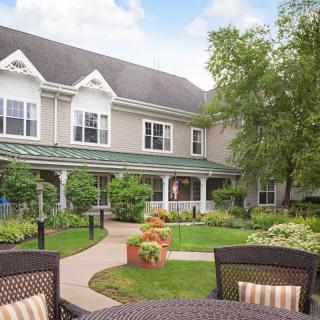
Many reviewers describe the building as clean, well kept, and comfortable, with welcoming common spaces and outdoor areas. Some specifically mention courtyards, atriums, and gardens as parts of the environment that families can enjoy with loved ones. A few mixed reviews still acknowledge parts of the facility positively, even when they raise concerns about care delivery.
caveat4 reviews mention this
Food and dining support vary by resident
Dining quality and acceptance are not consistent across reviews.
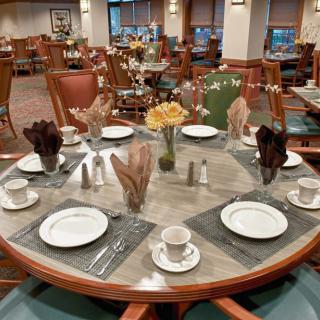
Several reviews mention meals and diet support as a positive part of the experience, while others criticize food quality or acceptance. One reviewer describes food as unacceptable, and another notes that a loved one did not care for everything. Together, the reviews suggest dining satisfaction depends on the resident and the specific meal experience.
caveat2 reviews mention this
Care types need clearer confirmation
Some callers say it was hard to confirm memory-care details.
A couple of reviews raise concerns about communicating whether memory care is provided and how questions were handled during inquiry. One review describes difficulty getting a direct answer and being routed away from the question, while another discusses confusion around placement and appropriate care for a dementia diagnosis. These concerns focus less on the day-to-day environment and more on clarity during setup.
How we summarize
Counts show how many written reviews mention each theme; a review can touch several themes, and only frequently mentioned themes are displayed.
Features
Housing
144 resident community capacity
Types of Care
Memory Care
Skilled Nursing Facility
Amenities
Air-conditioning
Beauty salon
Cable or satellite TV
Computer center
Dining room
Fitness room
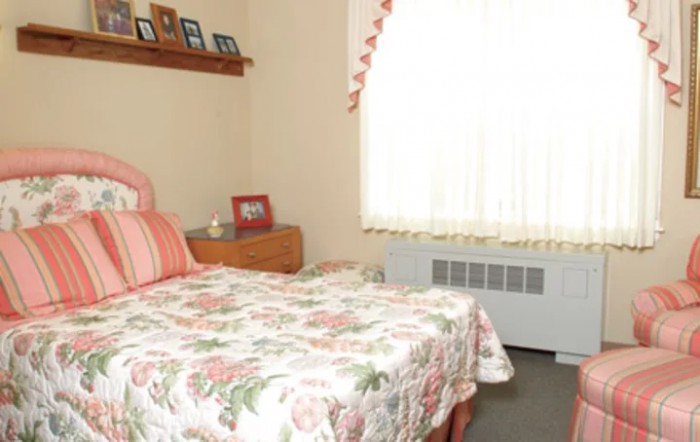
Fully furnished
Gaming room
Garden
Housekeeping services
Kitchenette
Move-in coordination
Outdoor space
Private bathrooms
Restaurant-style dining
Small library
Telephone
Wellness center
Wi-Fi/high-speed internet available
Transportation
Chicago O'Hare International (16 miles away)
Community operated transportation
Transportation arrangement
Transportation arrangement (non-medical)
Transportation to doctors appointments
Care Services
12-16 hour nursing
24-hour call system
24-hour supervision
Activities of daily living assistance
Assistance with bathing
Assistance with dressing
Assistance with transfers
Diabetes diet
Meal preparation and service
Medication management
Mental wellness program
Special dietary restrictions
Dining
Diabetes diet
Special dietary restrictions
Activities
Community-sponsored activities
Concierge services
Fitness programs
Planned day trips
Resident-run activities
Scheduled daily activities
Nearby Places of Interest
Pharmacies
Walgreens (0.2 miles)
Walgreens (2.3 miles)
Walgreens (3.2 miles)
CVS Pharmacy (3.4 miles)
Walgreens (3.6 miles)
Walgreens (3.8 miles)
Walgreens (3.9 miles)
Restaurants
Culver's (0.3 miles)
Prairie House Tavern (1.4 miles)
Wildfire (1.8 miles)
On The Border Mexican Grill & Cantina (2.3 miles)
Chick-Fil-A (2.4 miles)
City Works (2.7 miles)
Portillo's Hot Dogs (2.8 miles)
Transportation
Metra (1.4 miles)
Metra (3.2 miles)
Metra (4.9 miles)
Metra (6.1 miles)
Metra (7 miles)
Physicians
Stuart Bergman-Bock MD - Northshore University Health Systems (1.5 miles)
NorthShore University HealthSystem - GI & General Surgery (1.8 miles)
Lake Shore Dermatology (3 miles)
Ritacca Laser Center (3.1 miles)
Ferber, Stuart Nch Buffalo Grove Outpatient Care Center (3.8 miles)
Illinois Bone & Joint Institute (3.9 miles)
Northern Illinois Eye Clinic (4.3 miles)
Theaters
Regal Lincolnshire & Imax (1.7 miles)
AMC Hawthorn 12 (2.9 miles)
Cafes
Panera Bread (2.1 miles)
Starbucks (5.1 miles)
Starbucks (5.4 miles)
Starbucks (5.4 miles)
Conscious Cup Coffee Roasters (5.8 miles)
Panera Bread (5.8 miles)
Starbucks (5.9 miles)
Parks
Century Park (3.1 miles)
South Park (4.6 miles)
Butler Lake Park (6.2 miles)
Fort Sheridan Forest Preserve (6.2 miles)
Briarwood Park (6.2 miles)
Lake Arlington (6.4 miles)
Sunset Park (6.4 miles)
Hospitals
Lake Forest Hospital (4.7 miles)
Northwestern Lake Forest Hospital (4.9 miles)
Advocate Condell Medical Center Heart Scan (5 miles)
Places of Worship
Santa Maria Del Popolo Church (5.6 miles)
United Methodist Church of Libertyville (5.8 miles)
The features offered at Warren Barr Lincolnshire are designed to create a nurturing environment tailored specifically for individuals with varying stages of dementia or Alzheimer's disease. Assistance with dressing and bathing ensures that residents maintain personal hygiene and dignity, while medication management provides crucial support in adhering to prescribed treatment plans, preventing potential health complications. Meal preparation and service are thoughtfully handled to meet nutritional needs and accommodate dietary restrictions, fostering overall health and well-being. Help with activities of daily living--including transfers--promotes mobility and independence, further enhancing quality of life. The 24-hour supervision guarantees a safe environment, allowing residents to navigate their surroundings with confidence. Finally, the mental wellness program engages residents in stimulating activities tailored to their cognitive abilities, promoting social interaction and emotional health essential for enhancing their overall experience within the community.
Nearby Communities
The Wellshire
Lincolnshire, IL
4.2 from 117 reviews
$2,500 to $3,500 / month
Compassionate, attentive staff with strong family communication and engaging activities.
The Springs of Vernon Hills
Vernon Hills, IL
4.6 from 65 reviews
$5,011 to $6,400 / month
Caring staff in a clean, home-like memory care setting with engaging activities.
Sedgebrook
Lincolnshire, IL
4.8 from 177 reviews
$2,496 to $7,925 / month
Caring staff, beautiful grounds, and engaging activities with good dining.
The Springs of Vernon Hills Alzheimer's and Dementia Assisted Living
Vernon Hills, IL
4.6 from 33 reviews
Well-maintained facility with compassionate memory-care staff and engaging activities.
Brookdale Vernon Hills
Vernon Hills, IL
4.3 from 163 reviews
$3,100 to $5,510 / month
Clean, well-maintained setting with friendly staff and engaging activities.
Sunrise of Buffalo Grove
Buffalo Grove, IL
4.4 from 82 reviews
$4,500 to $6,240 / month
Warm, caring staff; clean, well-maintained campus with engaging activities and good family communication.
Victory Centre of Vernon Hills
Vernon Hills, IL
4.4 from 81 reviews
$5,150 / month
Clean, well-maintained facility with engaging activities and friendly staff.
Brookdale Hawthorn Lakes in Vernon Hills Assisted Living
Vernon Hills, IL
4.6 from 225 reviews
$4,145 to $5,750 / month
Friendly staff with engaging activities in a comfortable, hotel-like setting.
The article highlights eight indicators that a loved one with dementia may require specialized memory care, emphasizing the emotional and logistical challenges families encounter in this decision. It discusses signs such as difficulties with daily tasks, safety concerns, and caregiver burnout, suggesting that memory care facilities can provide the necessary support and structured environments for those experiencing cognitive decline.
Dementia, primarily caused by Alzheimer's disease but also linked to other conditions, leads to cognitive decline impacting memory and daily functioning, with individuals experiencing varied awareness of their impairments. Despite memory loss, emotional connections persist, enabling responses to familiar stimuli, highlighting the need for caregivers to provide compassionate support that recognizes both limitations and retained emotional depth.
The article presents five subtle indicators of dementia, such as memory lapses and mood swings, to help families assess cognitive decline in loved ones. It emphasizes early detection, open communication, and seeking professional help while providing practical support steps.
Get PricingAsk A QuestionSchedule A TourContact Senior Advisor
By clicking submit, you agree to our Partner's Terms of Use. You
also consent to receive calls and texts, which may be autodialed, from our Partner. Your consent is not a condition to
using our Partner's service. Please visit our Partner's Privacy Policy for information about their privacy practices.


 144 resident community capacity
 Memory Care
 Skilled Nursing Facility
 Air-conditioning
 Beauty salon
 Cable or satellite TV
 Computer center
 Dining room
 Fitness room
 Fully furnished
 Gaming room
 Garden
 Housekeeping services
 Kitchenette
 Move-in coordination
 Outdoor space
 Private bathrooms
 Restaurant-style dining
 Small library
 Telephone
 Wellness center
 Wi-Fi/high-speed internet available
 Chicago O'Hare International (16 miles away)
 Community operated transportation
 12-16 hour nursing
 24-hour call system
 Activities of daily living assistance
 Assistance with bathing
 Assistance with dressing
 Assistance with transfers
 Diabetes diet
 Medication management
 Mental wellness program
 Special dietary restrictions
 Concierge services
 Planned day trips
 Compassionate, attentive staff with strong family communication and engaging activities.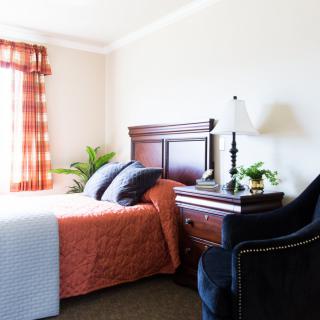

 8 Important Indicators That Memory Care May Be Necessary
 Delving into the Inner World of Dementia: Insights into Thoughts and Awareness
 Five Subtle Dementia Indicators to Observe: An In-Depth Guide to Understanding “Does My Mom Have Dementia?”