For more information about senior living options: (866) 208-4318
4.4 from 31 reviews
5 stars
24
4 stars
3
3 stars
0
2 stars
1
1 stars
3
Overall Review of Charter Senior Living Of Vernon Hills
differentiator4 reviews mention this
Memory care is the focus
Residents say the community is set up specifically for memory care needs.
Several reviews frame the community as a good fit for memory care, including mentions of dementia support and residents being in hospice within the setting. One reviewer also describes it as all memory care when comparing it to what they wanted for their loved one. Overall, the reviews align with a memory-care-only approach and a focus on supporting residents through cognitive changes.
common12 reviews mention this
Activities drive day-to-day engagement
Many residents and families describe an active, engaging activities program.
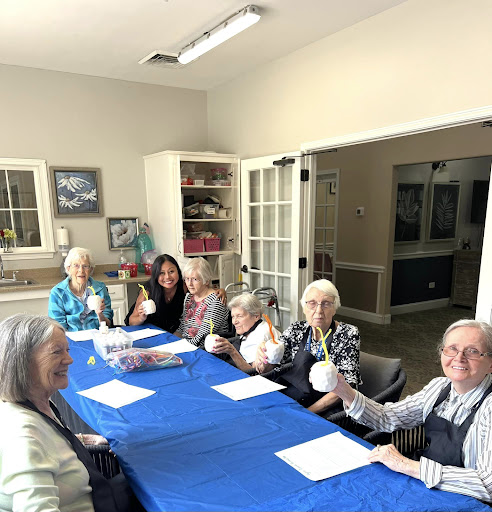
A recurring theme is how activities help break up the day, keep residents involved, and create moments families enjoy together. Multiple reviews call out the activities director by name and describe things like live music at holiday events, arts and crafts, games, and group projects tailored to individual interests. Visitors and volunteers also describe inclusive participation, with residents often appearing happier after activities.
common22 reviews mention this
Staff responsiveness and personal care
Reviews frequently describe staff as caring, helpful, and attentive.
Across strong and mixed reviews, families and visitors repeatedly mention staff support, with examples that include helping with transitions to the community and offering day-to-day assistance. Several reviews describe the staff as friendly and attentive, while others specifically mention nurses and caregivers relating to residents and keeping them clean and active. The negative reviews also talk about staff performance and supervision concerns, which is the main way this theme cuts both ways.
common10 reviews mention this
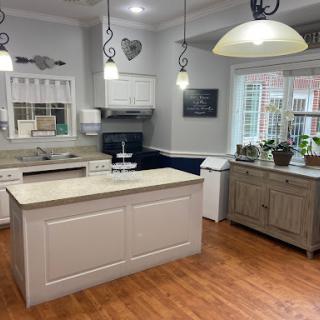
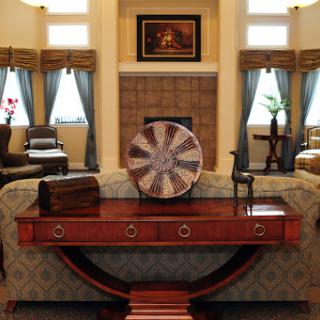
Clean, homey environment stands out
Residents and visitors often highlight cleanliness and a comfortable atmosphere.
Many reviews describe the facility as clean, bright, and well organized, with some comparing the feel to a home-like setting. Positive comments also mention outdoor space and a calm, friendly atmosphere. A smaller number of reviews raise serious cleanliness and supervision complaints, which contrasts with the overall impression of tidiness.
caveat3 reviews mention this
Staffing concerns during lockdown
Some reviewers report staffing and supervision problems.
One review mentions that during lockdown the community was understaffed but still communicated with families. Other reviews raise concerns about overnight caregiver performance and report serious lapses in basic care and support. Taken together, reviews suggest staffing and supervision reliability is a key point some families worry about.
caveat2 reviews mention this
Cost feels high for some families
At least a few reviews describe pricing as very expensive.
A couple of reviewers say the price was not fully agreed on and that the community is very expensive. Those comments appear alongside other positive impressions, but cost is still called out as a limitation when families evaluate whether the community fits their needs and budget.
How we summarize
Counts show how many written reviews mention each theme; a review can touch several themes, and only frequently mentioned themes are displayed.
Features
Housing
36 resident community capacity
1-bedroom apartments
2-bedroom apartments
Studio apartments
Types of Care
Memory Care
Amenities
Beautician on-site
Beauty salon
Cable or satellite TV
Dining room
Fully furnished
Garden
Guest parking
Home sale assistance
Housekeeping services
Kitchenette
Laundry
Move-in coordination
Outdoor space
Party space
Private cleaning services
Resident parking
Restaurant-style dining
Security gate
Small library
TV room
Telephone
VA Benefits Consultation
Wi-Fi/high-speed internet available
Transportation
Chicago O'Hare International (18 miles away)
Transportation & parking
Care Services
24-hour call system
24-hour supervision
Activities of daily living assistance
Assistance with bathing
Assistance with dressing
Assistance with transfers
Coordination with health care providers
Dementia waiver
Diabetes diet
Hospice care
Hospice waiver
Meal preparation and service
Medication management
Mental wellness program
Mild cognitive impairment
Special dietary restrictions
Specialized memory care programming
Transportation arrangement (medical)
Transportation to doctors appointments
Dining
Diabetes diet
Room service
Special dietary restrictions
Activities
Activities off-site
Arts and crafts
Book club
Community-sponsored activities
Cooking club
Educational speakers / life long learning
Games
Gardening club
Live musical performances
Religious services
Resident-run activities
Scheduled daily activities
Stories
Yoga / chair yoga
Nearby Places of Interest
Pharmacies
Walgreens (0.3 miles)
CVS Pharmacy (1.5 miles)
Walgreens (1.8 miles)
Walgreens (3 miles)
Walgreens (3 miles)
Walgreens (3.8 miles)
CVS Pharmacy (4.1 miles)
Restaurants
Portillo's Hot Dogs (0.4 miles)
Lazy Dog Restaurant & Bar (0.5 miles)
On The Border Mexican Grill & Cantina (1.1 miles)
Chick-Fil-A (1.1 miles)
City Works (1.2 miles)
Culver's (1.2 miles)
Greg's Frozen Custard (1.6 miles)
Parks
Century Park (0.6 miles)
Butler Lake Park (3.7 miles)
South Park (7.4 miles)
Physicians
Ritacca Laser Center (0.6 miles)
Lake Shore Dermatology (0.7 miles)
NorthShore University HealthSystem - GI & General Surgery (1.3 miles)
Northern Illinois Eye Clinic (1.8 miles)
Illinois Bone & Joint Institute (1.9 miles)
Advanced Diabetes & Endocrine (2.7 miles)
The American Center for Spine and Neurosurgury (2.7 miles)
Theaters
AMC Hawthorn 12 (1 miles)
Regal Lincolnshire & Imax (4.3 miles)
Cafes
Panera Bread (1.2 miles)
Conscious Cup Coffee Roasters (3.5 miles)
Hansa Coffee Roasters (3.8 miles)
Starbucks (4.9 miles)
Panera Bread (5.4 miles)
Cafe Zupas (6.8 miles)
Starbucks (6.9 miles)
Hospitals
Advocate Condell Medical Center Heart Scan (2.6 miles)
Lake Forest Hospital (5.2 miles)
Northwestern Lake Forest Hospital (5.3 miles)
Captain James A. Lovell Federal Health Care Center (7.3 miles)
Northwestern Grayslake Hospital (7.3 miles)
Transportation
Metra (2.7 miles)
Metra (3.8 miles)
Metra (4.7 miles)
Metra (7.6 miles)
Places of Worship
Santa Maria Del Popolo Church (2.8 miles)
United Methodist Church of Libertyville (3.5 miles)
Charter Senior Living Of Vernon Hills integrates a comprehensive suite of features designed to support residents at various stages of dementia and Alzheimer's disease. Assistance with dressing and bathing not only promotes personal dignity but also fosters routine, which can be soothing for individuals experiencing memory loss. Medication management ensures that residents receive their prescriptions on time, reducing anxiety related to health concerns. The meal preparation and service provide nutritious meals tailored to individual dietary needs, encouraging healthy eating habits. Transportation arrangements for medical appointments ease the stress of travel, while coordination with healthcare providers streamlines communication about residents' health needs. Activities of daily living assistance helps maintain independence in familiar tasks, while 24-hour supervision provides peace of mind for both residents and families. The dementia waiver allows customized care plans, complemented by mental wellness programs and specialized memory care programming that engage cognitive function and emotional well-being. Together, these elements create a nurturing environment that respects individuality while addressing the complexities associated with memory care.
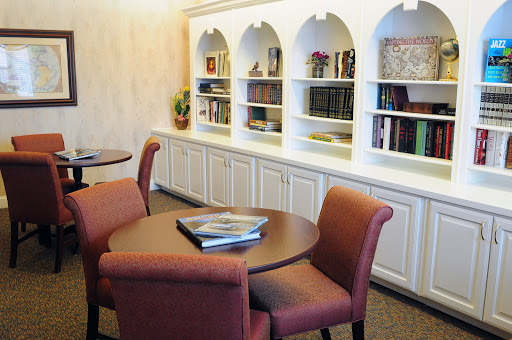
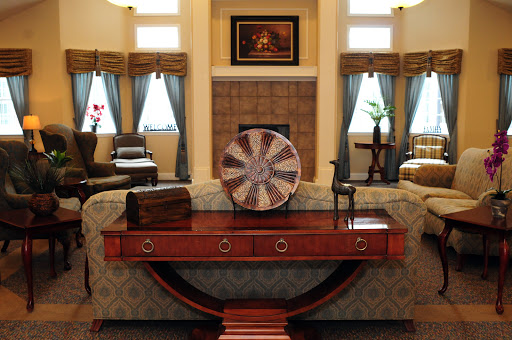
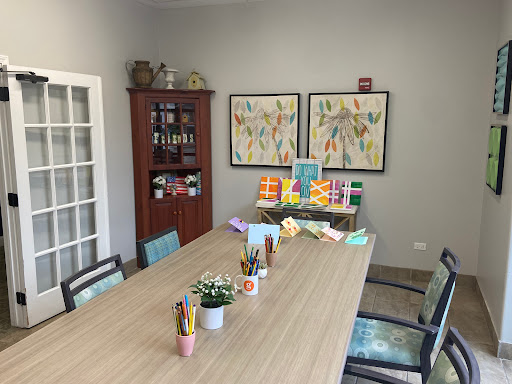
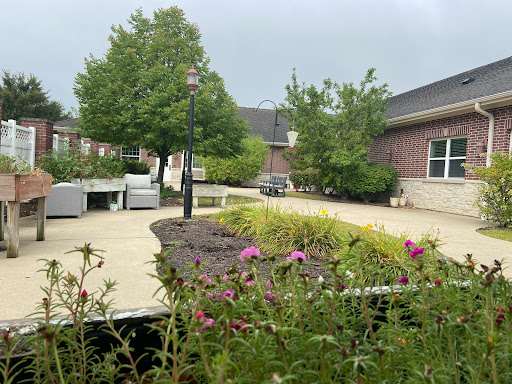
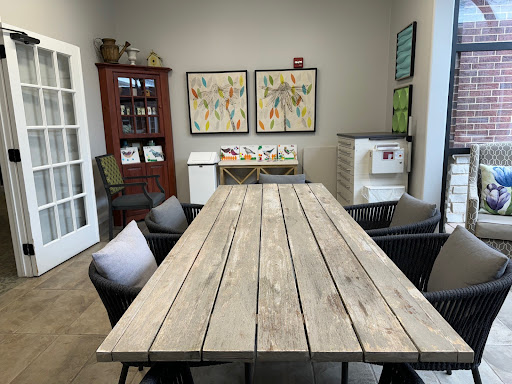
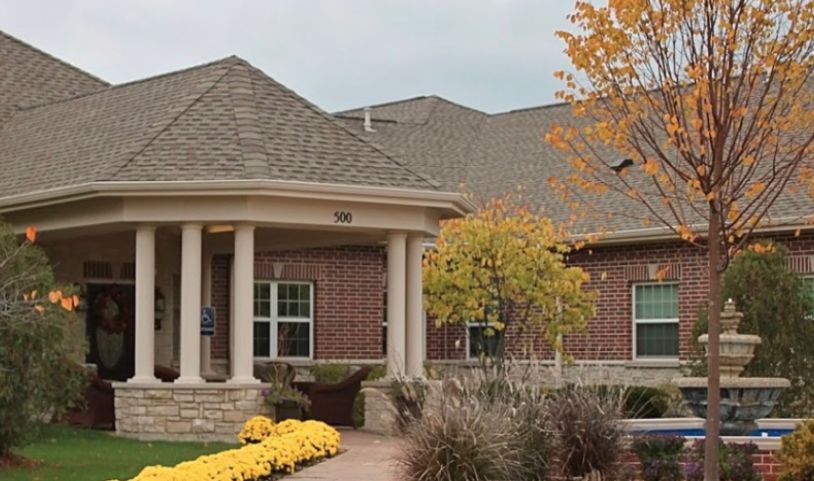
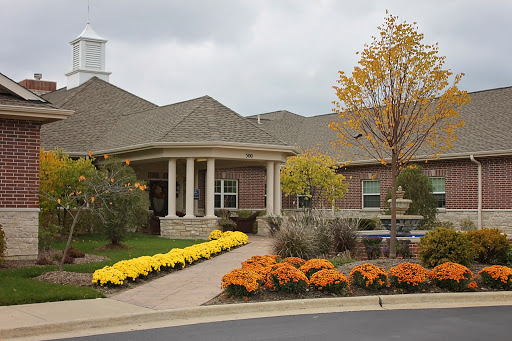
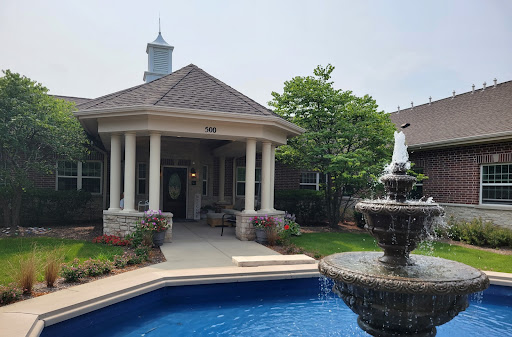
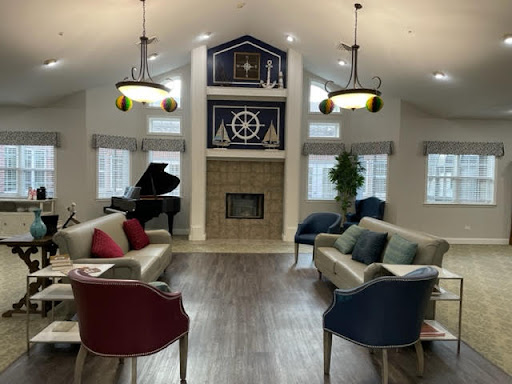
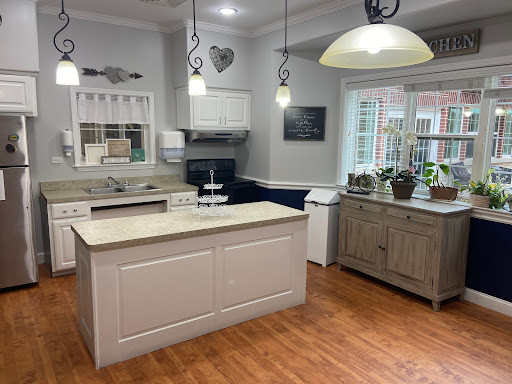
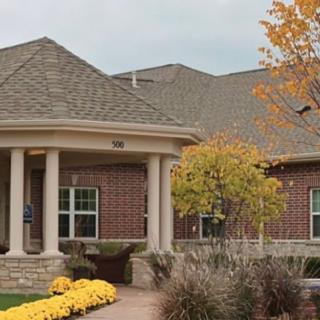
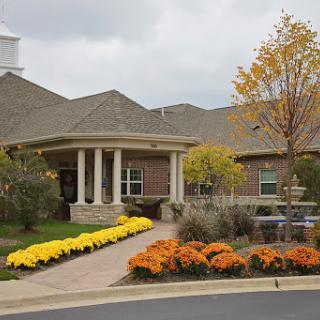
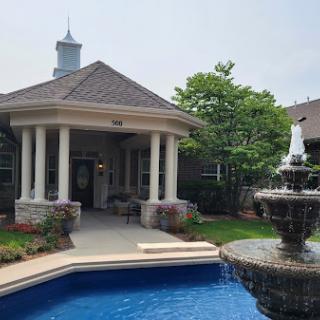
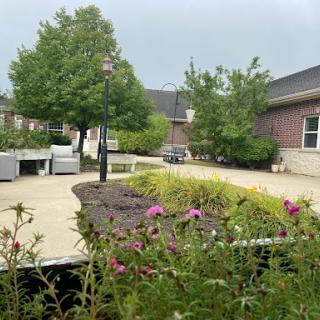
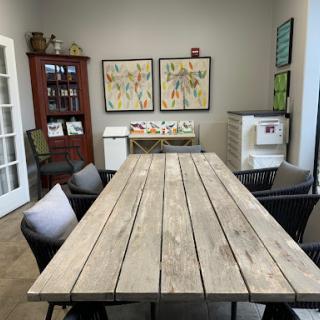
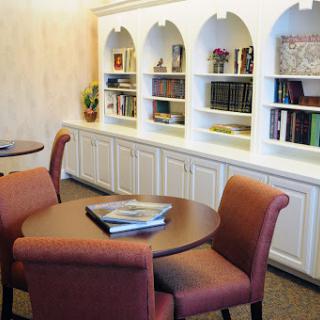
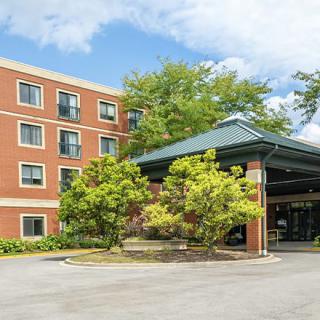
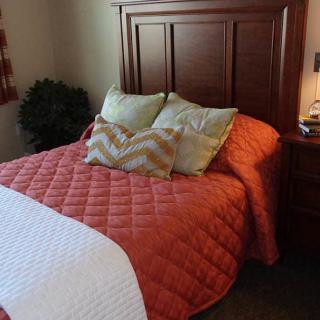
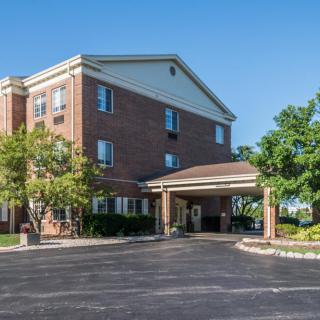
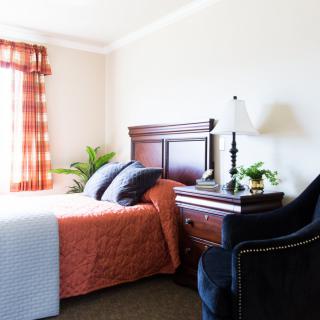
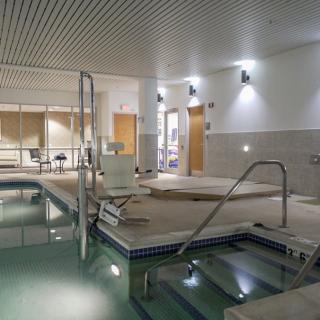
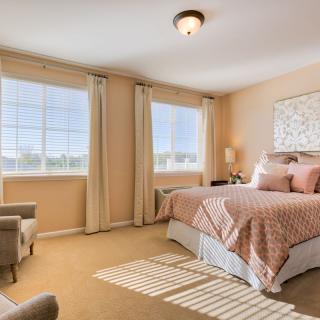
Charter Senior Living Of Vernon Hills on seniors.fyi includes 11 photos including images showing landscaping, interior, decor, architecture, garden, seating area, building, office, and more.
Nearby Communities
Victory Centre of Vernon Hills
Vernon Hills, IL
4.4 from 81 reviews
$5,150 / month
Clean, well-maintained facility with engaging activities and friendly staff.
Charter Senior Living Vernon Hills
Vernon Hills, IL
4.4 from 24 reviews
$6,475 to $6,700 / month
Small, personalized memory care with caring staff and engaging activities.
Brookdale Hawthorn Lakes in Vernon Hills Assisted Living
Vernon Hills, IL
4.6 from 225 reviews
$4,145 to $5,750 / month
Friendly staff with engaging activities in a comfortable, hotel-like setting.
Brookdale Vernon Hills
Vernon Hills, IL
4.3 from 163 reviews
$3,100 to $5,510 / month
Clean, well-maintained setting with friendly staff and engaging activities.
The Springs of Vernon Hills Alzheimer's and Dementia Assisted Living
Vernon Hills, IL
4.6 from 33 reviews
Well-maintained facility with compassionate memory-care staff and engaging activities.
Manorcare Of Libertyville
Libertyville, IL
3.9 from 114 reviews
24/7 nursing care with private apartments, restaurant-style dining, and a broad activities and amenities program.
The Springs of Vernon Hills
Vernon Hills, IL
4.6 from 65 reviews
$5,011 to $6,400 / month
Caring staff in a clean, home-like memory care setting with engaging activities.
The Wellshire
Lincolnshire, IL
4.2 from 117 reviews
$2,500 to $3,500 / month
Compassionate, attentive staff with strong family communication and engaging activities.
Green Oaks Senior Living
Libertyville, IL
4.1 from 110 reviews
$2,440 to $4,075 / month
Compassionate staff with engaging memory care activities in a bright, welcoming setting and pleasant outdoor spaces.
"Memory Care Pathways: A Holistic Guide to Dementia Support" outlines the complexities of dementia and its various types, emphasizing early detection, patient-centered care strategies, caregiver support, and long-term care options while addressing legal and financial considerations to enhance the quality of life for individuals with dementia and their families.
Sundown syndrome, or sundowning, is a phenomenon in dementia patients characterized by increased confusion and agitation during late afternoon and evening, influenced by factors like disrupted circadian rhythms and fatigue. Effective caregiver strategies include establishing routines and managing environmental light while addressing caregiver stress through support services.
Delirium is a rapidly onset, reversible cognitive disturbance often caused by acute medical issues, while dementia is a gradual and irreversible decline due to chronic neurodegenerative diseases. Accurate differentiation between the two is essential for appropriate treatment and management in older adults.
Get PricingAsk A QuestionSchedule A TourContact Senior Advisor
By clicking submit, you agree to our Partner's Terms of Use. You
also consent to receive calls and texts, which may be autodialed, from our Partner. Your consent is not a condition to
using our Partner's service. Please visit our Partner's Privacy Policy for information about their privacy practices.


 36 resident community capacity
 1-bedroom apartments
 Memory Care
 Beautician on-site
 Cable or satellite TV
 Dining room
 Fully furnished
 Garden
 Guest parking
 Home sale assistance
 Housekeeping services
 Kitchenette
 Laundry
 Move-in coordination
 Outdoor space
 Party space
 Restaurant-style dining
 Security gate
 Small library
 Telephone
 Wi-Fi/high-speed internet available
 Chicago O'Hare International (18 miles away)
 Transportation & parking
 24-hour call system
 Activities of daily living assistance
 Assistance with bathing
 Assistance with dressing
 Assistance with transfers
 Diabetes diet
 Hospice care
 Medication management
 Mental wellness program
 Special dietary restrictions
 Transportation arrangement (medical)
 Arts and crafts
 Book club
 Cooking club
 Educational speakers / life long learning
 Games
Games Live musical performances
 Religious services
 Yoga / chair yoga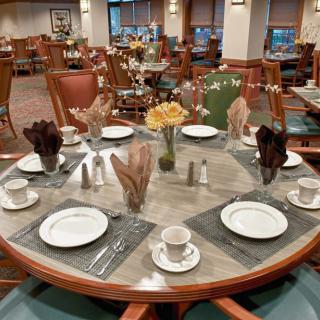
 Clean, well-maintained facility with engaging activities and friendly staff.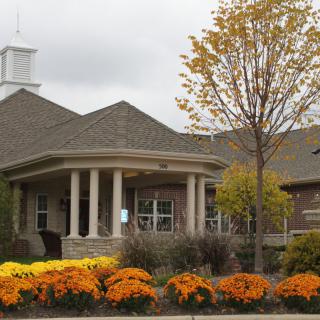

 Memory Care Pathways: A Holistic Guide to Dementia Support
 Comprehending Evening Confusion in Dementia: Causes, Manifestations, and Support
 Delirium and Dementia: Unraveling the Key Differences