For more information about senior living options: (866) 208-4318
4.4 from 24 reviews
5 stars
16
4 stars
5
3 stars
1
2 stars
0
1 stars
2
Charter Senior Living Vernon Hills Costs & Pricing
Charter Senior Living Vernon Hills offers competitive pricing for its residents compared to the broader market in Lake County and across Illinois. The monthly cost for a semi-private room is set at $6,475, which undercuts the county average of $6,875 while remaining above the state average of $5,146. For those seeking a studio apartment, the cost is $6,700, notably higher than both Lake County's average of $4,770 and Illinois's average of $4,028. These figures suggest that while Charter Senior Living Vernon Hills positions itself at a premium relative to overall state averages, it provides a compelling option within the local context of Lake County. This pricing reflects not only the quality of care and amenities offered but also aligns with the expectations for senior living in an area known for its vibrant community.
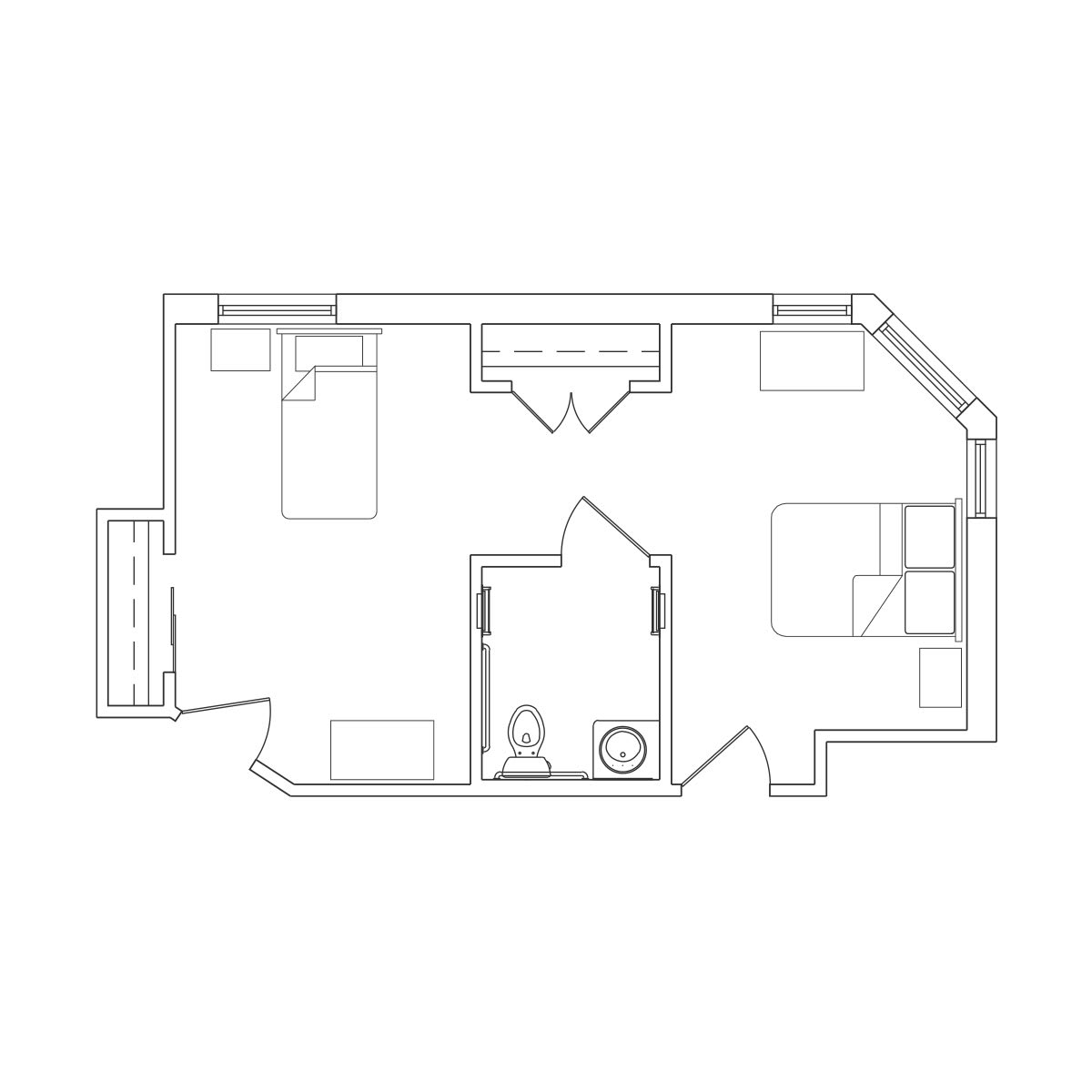
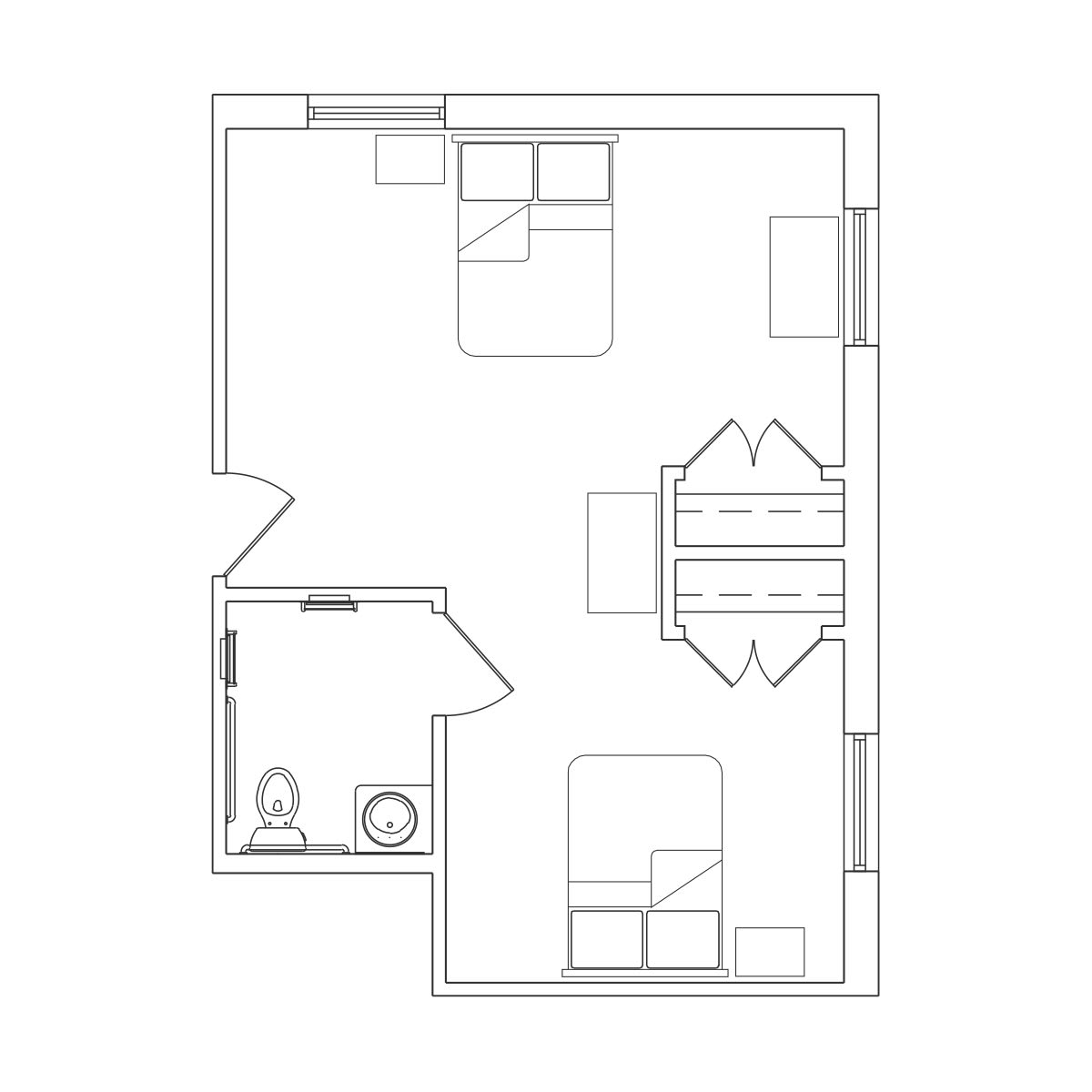
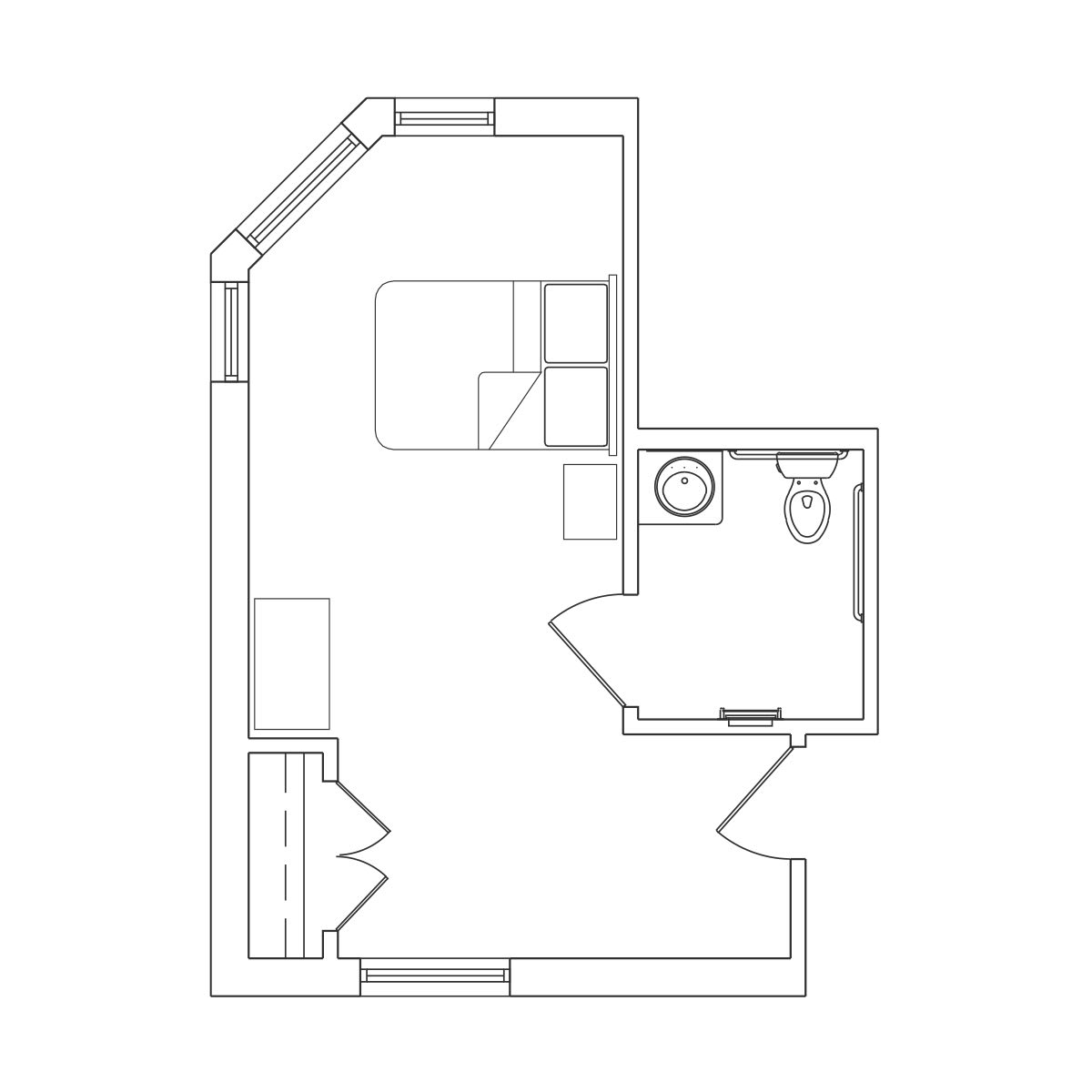
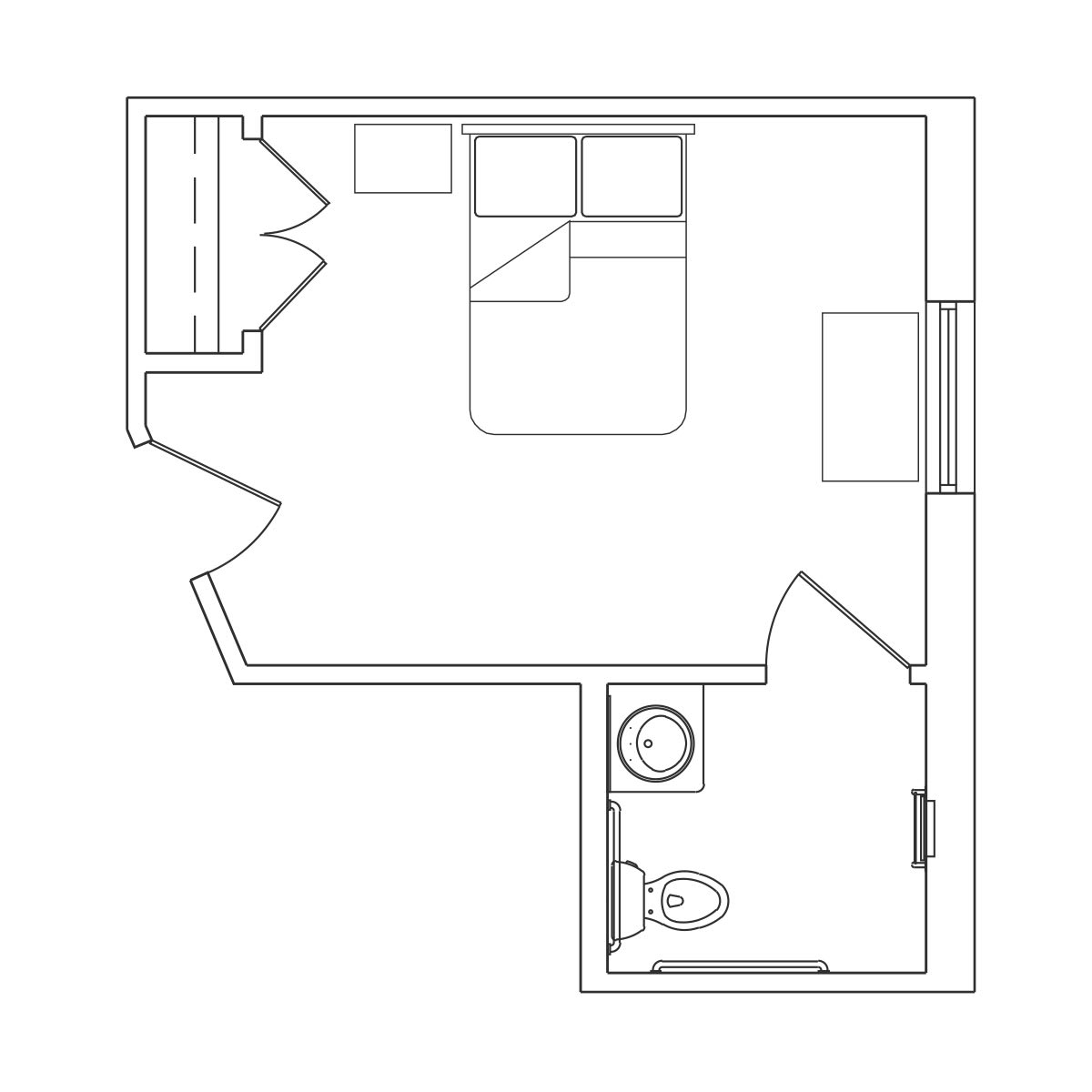
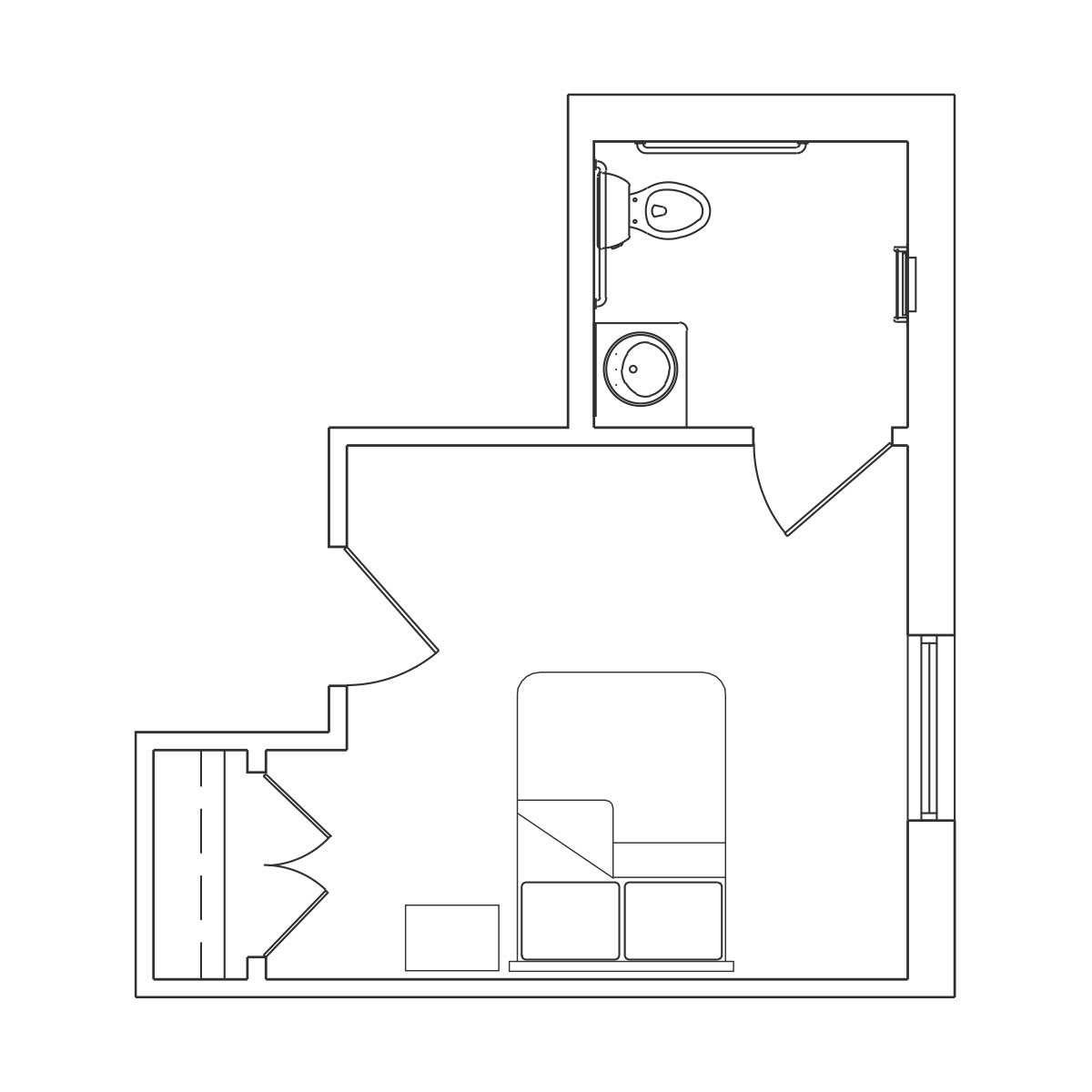
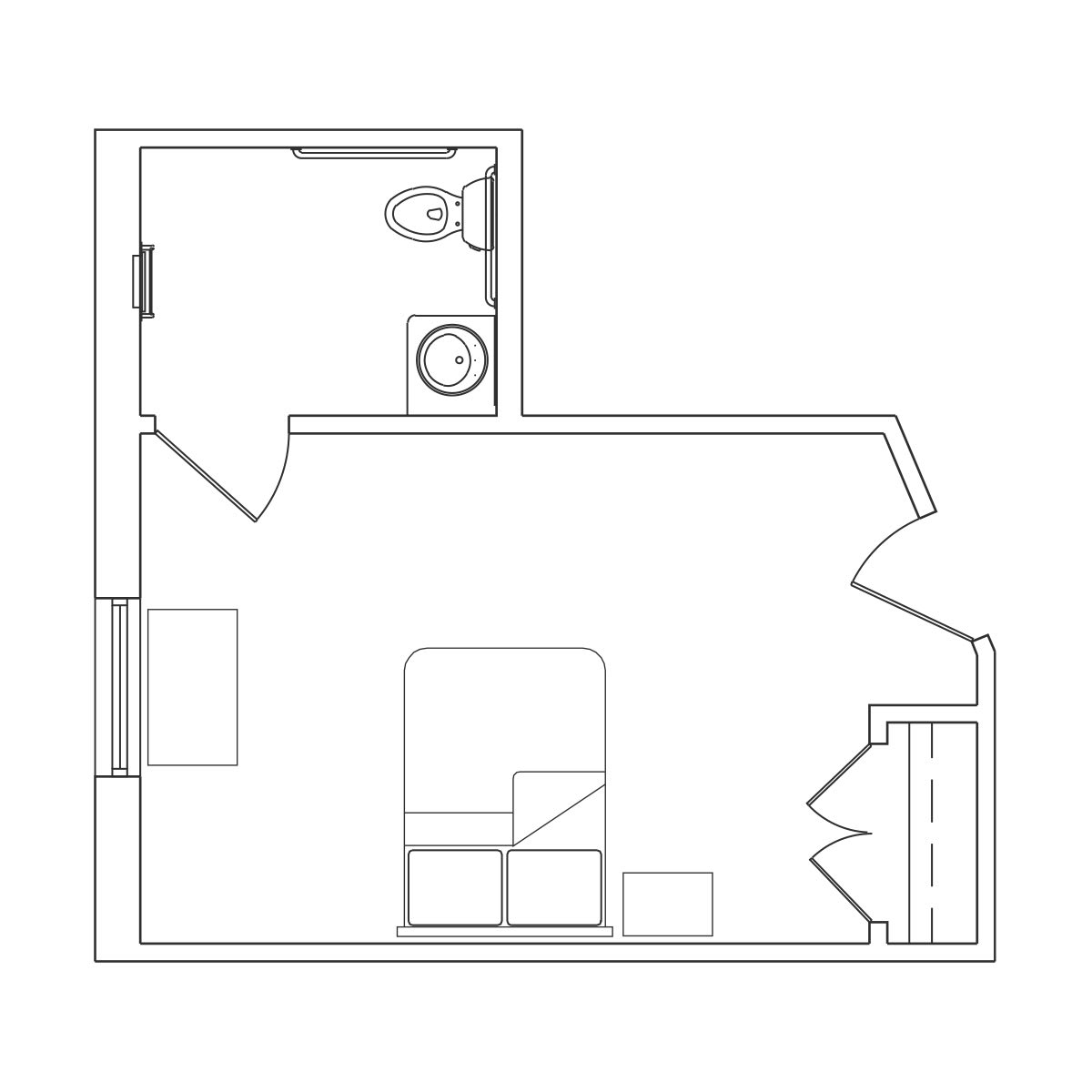
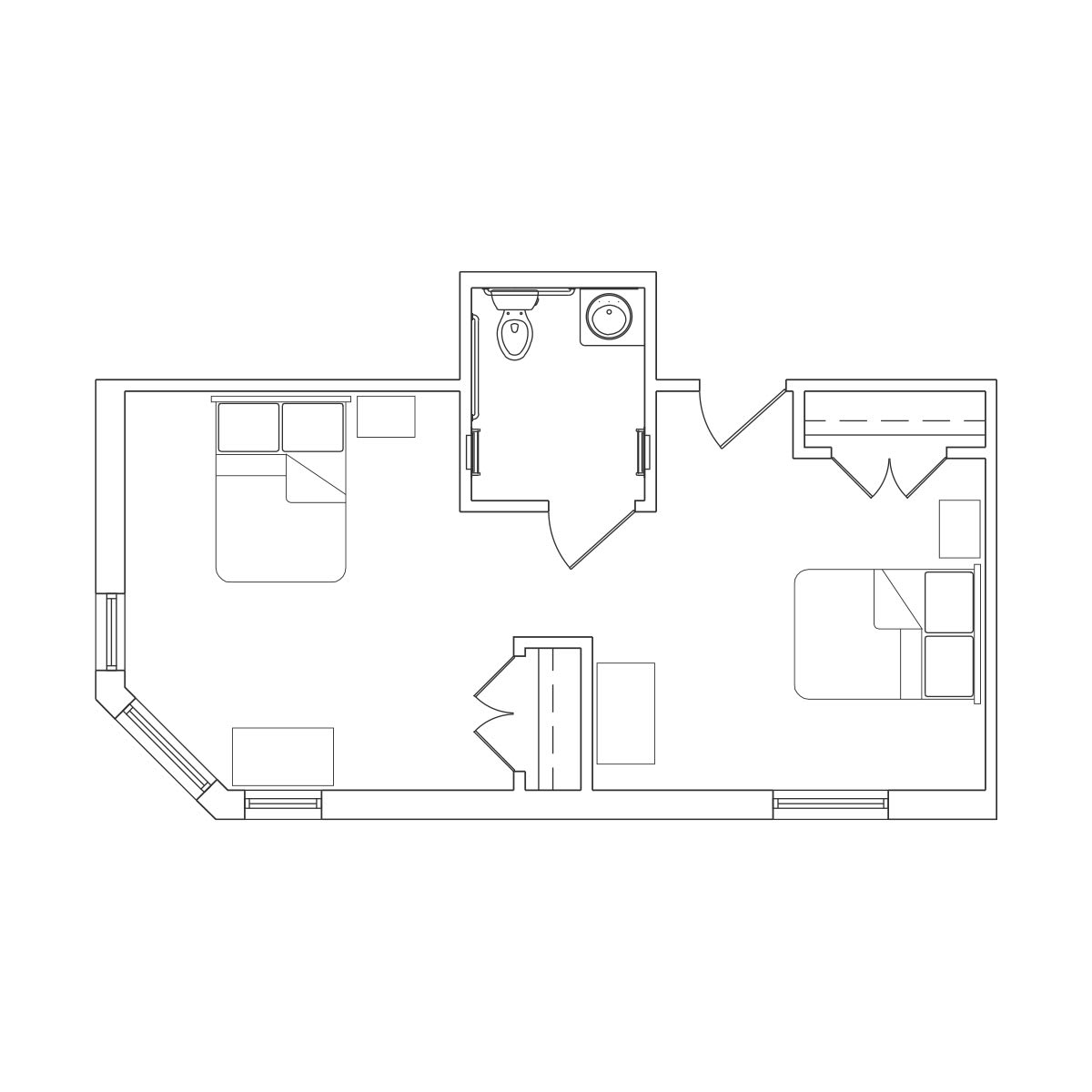
Floor plans
Charter Senior Living Vernon Hills
Lake County
Illinois
Semi-Private
$6,475
$6,875
$5,146
Studio
$6,700
$4,770
$4,028
Memory care communities with a similar price nearby
Overall Review of Charter Senior Living Vernon Hills
common18 reviews mention this
Staff care feels consistently personal
Residents and families repeatedly describe staff who are attentive, responsive, and personally involved.
Many reviewers describe staff who stay engaged with residents day to day—helpful, professional, and quick to respond to concerns. Several families also mention relationship-building as part of the care approach, including efforts to keep residents active and safe. A recurring point is that the team feels present and supportive during difficult transitions, including moving into memory care and end-of-life care.
differentiator5 reviews mention this
Memory care and dementia support
Reviewers highlight dementia-focused care and engagement that helps residents adjust.
Multiple reviews specifically discuss dementia care, describing the community as equipped to handle these needs and to keep residents engaged. One reviewer said their loved one’s memory was improving with the care and engagement they received. At the same time, one resident reported ongoing issues with dementia-related behaviors and a locked-door setup, including concerns about what happened when patients needed hospital-level care.
common6 reviews mention this
Activities are a key part
Families cite activities and engagement as a frequent part of everyday life.
Several reviewers say their loved ones had full days with activities, with staff encouraging socialization and residents appearing happier or more engaged. Others describe a strong activities director and ongoing opportunities to participate. One reviewer, however, said they did not see many residents engaged during their visit, with some largely watching TV, and they also noted they weren’t given a sample menu or activity schedule.
caveat3 reviews mention this
Food gets mixed feedback
Food satisfaction is mixed, with some residents praising it and others wanting improvement.
Some reviewers say the food is good and that their loved one seems to like the meals. Another review specifically calls out that food needs improvement. Overall, the dining experience appears to vary by perspective rather than being a unanimous strength.
How we summarize
Counts show how many written reviews mention each theme; a review can touch several themes, and only frequently mentioned themes are displayed.
Features
Types of Care
Memory Care
Amenities
Activities off-site
Activities on-site
Air-conditioning
Bath tubs
Beautician on-site
Devotional services on-site
Ground floor units
Handicap accessible
Indoor common areas
Outdoor common areas
Respite or short term stays offered
Wheelchair accessible showers
Wi-Fi/high-speed internet available
Transportation
Chicago O'Hare International (18 miles away)
Care Services
Ambulatory care
Diabetic care
High acuity care
Incontinence care
Medication management
Dining
Gluten-free
Guest meals
International cuisine
Kosher
Low / no sodium
Meals provided
No Sugar
Organic
Professional chef
Restaurant style dining
Room service
Special dining programs
Vegan
Vegetarian
Activities
Art classes
Bible study group
Catholic services
Cooking classes
Day trips and outings
Devotional activities on-site
Educational speakers / life long learning
Jewish services
Karaoke
Live well programs
Other religious services
Visiting Rabbi
Visiting chaplain or priest
Nearby Places of Interest
This part of Vernon Hills, Illinois, offers a convenient and diverse range of amenities for seniors looking to settle down in the area. With multiple pharmacies such as Walgreens and CVS nearby, accessing medication and healthcare services is easily available. The presence of various restaurants like Lazy Dog Restaurant & Bar and Chick-Fil-A provides options for dining out or ordering in. Additionally, there are parks like Century Park for leisurely walks and outdoor activities. For medical needs, there are reputable physicians and hospitals within a short distance, including Advocate Condell Medical Center Heart Scan and Northwestern Lake Forest Hospital. Public transportation options like Metra stations are also accessible for those who rely on public transit. Places of worship such as Santa Maria Del Popolo Church offer spiritual support for those seeking it. Overall, this part of Vernon Hills provides a well-rounded community with essential services and amenities for seniors to enjoy a comfortable living experience.
Pharmacies
Walgreens (0.2 miles)
CVS Pharmacy (1.4 miles)
Walgreens (1.7 miles)
Walgreens (2.8 miles)
Walgreens (3.1 miles)
Walgreens (4 miles)
CVS Pharmacy (4.2 miles)
Restaurants
Lazy Dog Restaurant & Bar (0.3 miles)
Portillo's Hot Dogs (0.4 miles)
Culver's (1.1 miles)
On The Border Mexican Grill & Cantina (1.2 miles)
City Works (1.2 miles)
Chick-Fil-A (1.2 miles)
Greg's Frozen Custard (1.4 miles)
Parks
Century Park (0.5 miles)
Butler Lake Park (3.5 miles)
South Park (7.6 miles)
Physicians
Ritacca Laser Center (0.6 miles)
Lake Shore Dermatology (0.6 miles)
NorthShore University HealthSystem - GI & General Surgery (1.4 miles)
Northern Illinois Eye Clinic (1.7 miles)
Illinois Bone & Joint Institute (1.8 miles)
Advanced Diabetes & Endocrine (2.6 miles)
The American Center for Spine and Neurosurgury (2.6 miles)
Theaters
AMC Hawthorn 12 (1 miles)
Regal Lincolnshire & Imax (4.5 miles)
Cafes
Panera Bread (1.3 miles)
Conscious Cup Coffee Roasters (3.3 miles)
Hansa Coffee Roasters (3.6 miles)
Starbucks (4.8 miles)
Panera Bread (5.4 miles)
Cafe Zupas (6.8 miles)
Starbucks (7 miles)
Hospitals
Advocate Condell Medical Center Heart Scan (2.5 miles)
Lake Forest Hospital (5.3 miles)
Northwestern Lake Forest Hospital (5.3 miles)
Northwestern Grayslake Hospital (7.2 miles)
Captain James A. Lovell Federal Health Care Center (7.3 miles)
Places of Worship
Santa Maria Del Popolo Church (2.6 miles)
United Methodist Church of Libertyville (3.3 miles)
Charter Senior Living Vernon Hills offers competitive pricing for its residents compared to the broader market in Lake County and across Illinois. The monthly cost for a semi-private room is set at $6,475, which undercuts the county average of $6,875 while remaining above the state average of $5,146. For those seeking a studio apartment, the cost is $6,700, notably higher than both Lake County's average of $4,770 and Illinois's average of $4,028. These figures suggest that while Charter Senior Living Vernon Hills positions itself at a premium relative to overall state averages, it provides a compelling option within the local context of Lake County. This pricing reflects not only the quality of care and amenities offered but also aligns with the expectations for senior living in an area known for its vibrant community.
Charter Senior Living Vernon Hills ensures the well-being of residents with dementia or Alzheimer's through robust medication management and incontinence care. Medication management is critical as it helps maintain a consistent and effective treatment regimen, reducing confusion and potential complications associated with missed doses or incorrect medications. This structured approach not only aids in stabilizing cognitive functions but also alleviates caregiver stress. Similarly, incontinence care addresses a common challenge faced by individuals with memory impairments, providing dignity and comfort while minimizing embarrassment or anxiety related to incontinence issues. By integrating these essential services, the community fosters an environment that promotes both physical health and emotional security, allowing residents to thrive at their own pace.
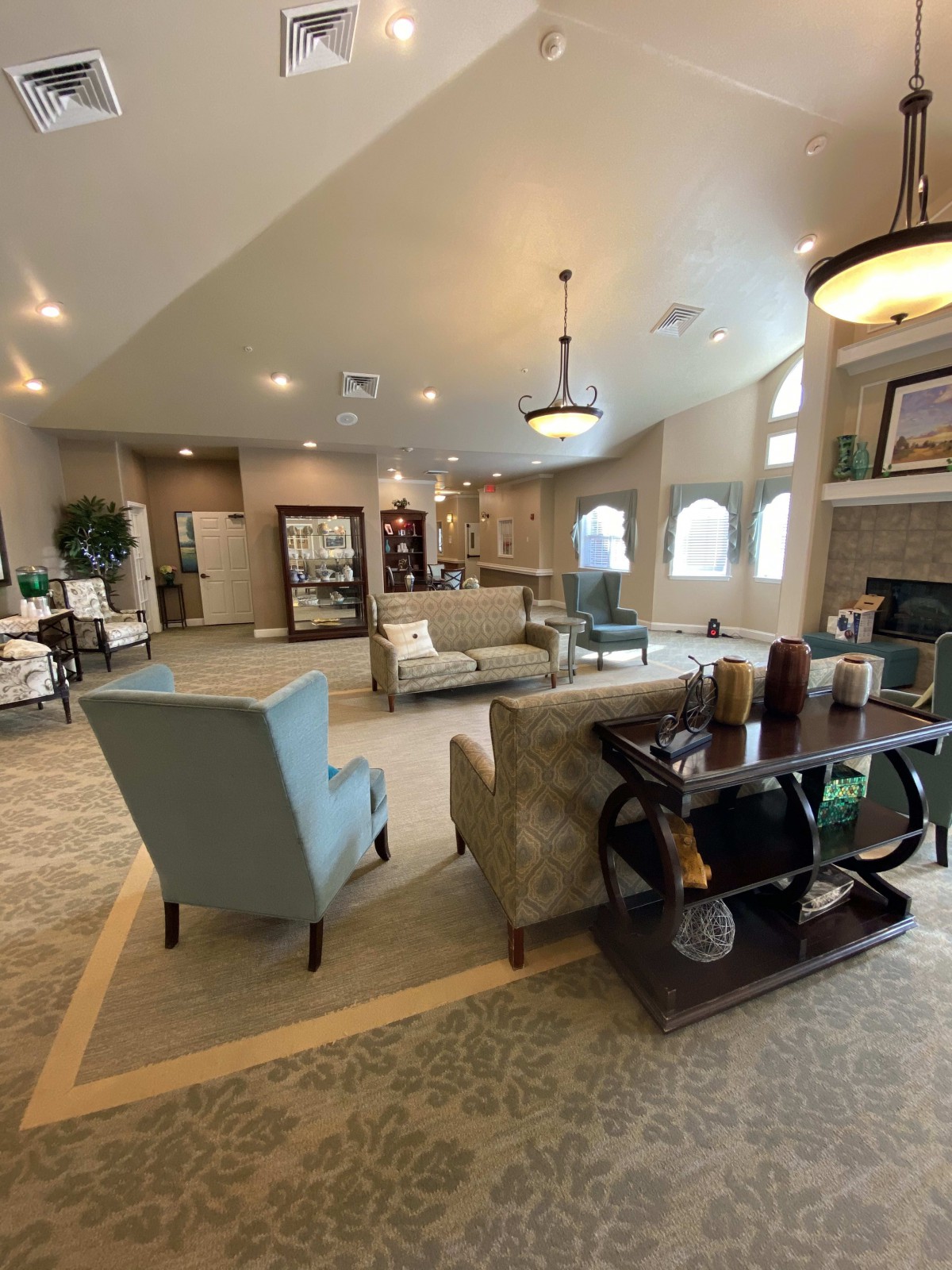
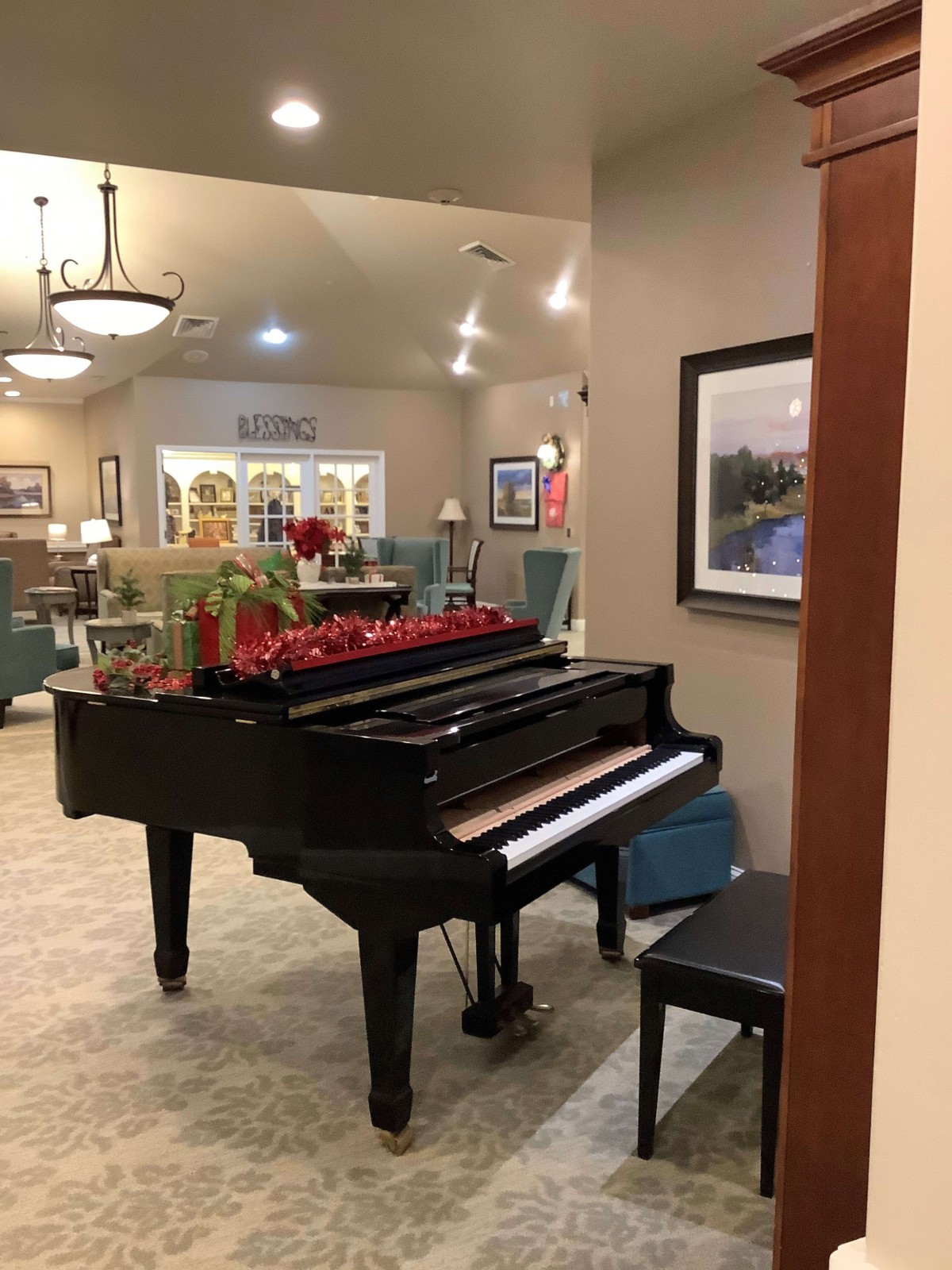
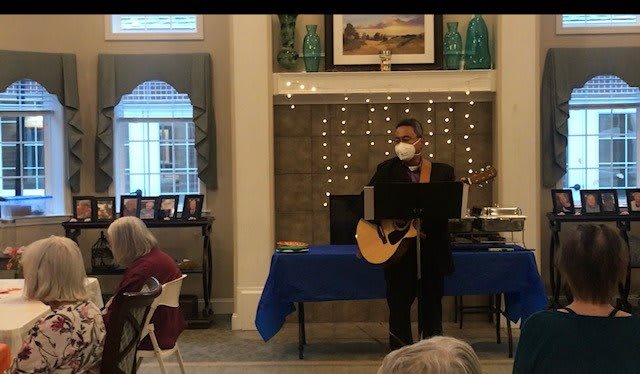
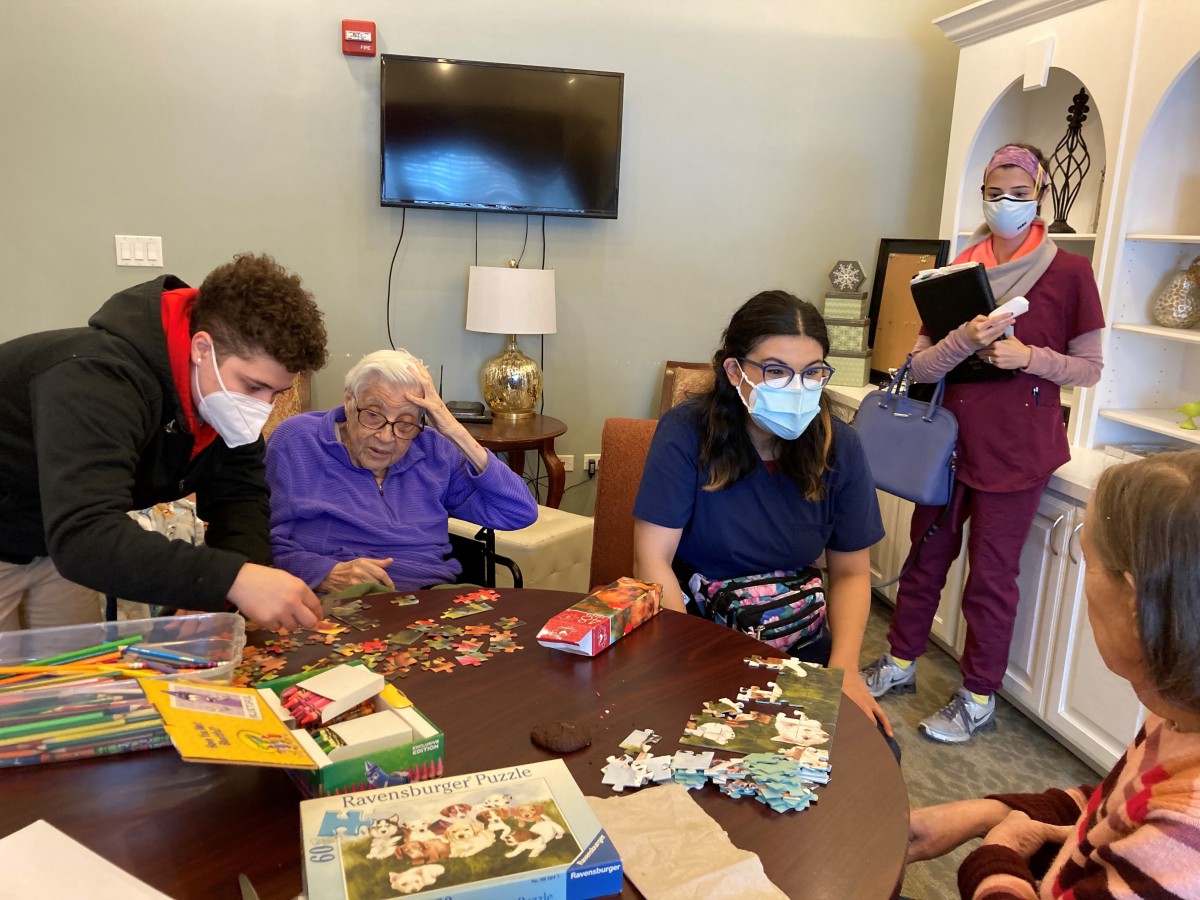
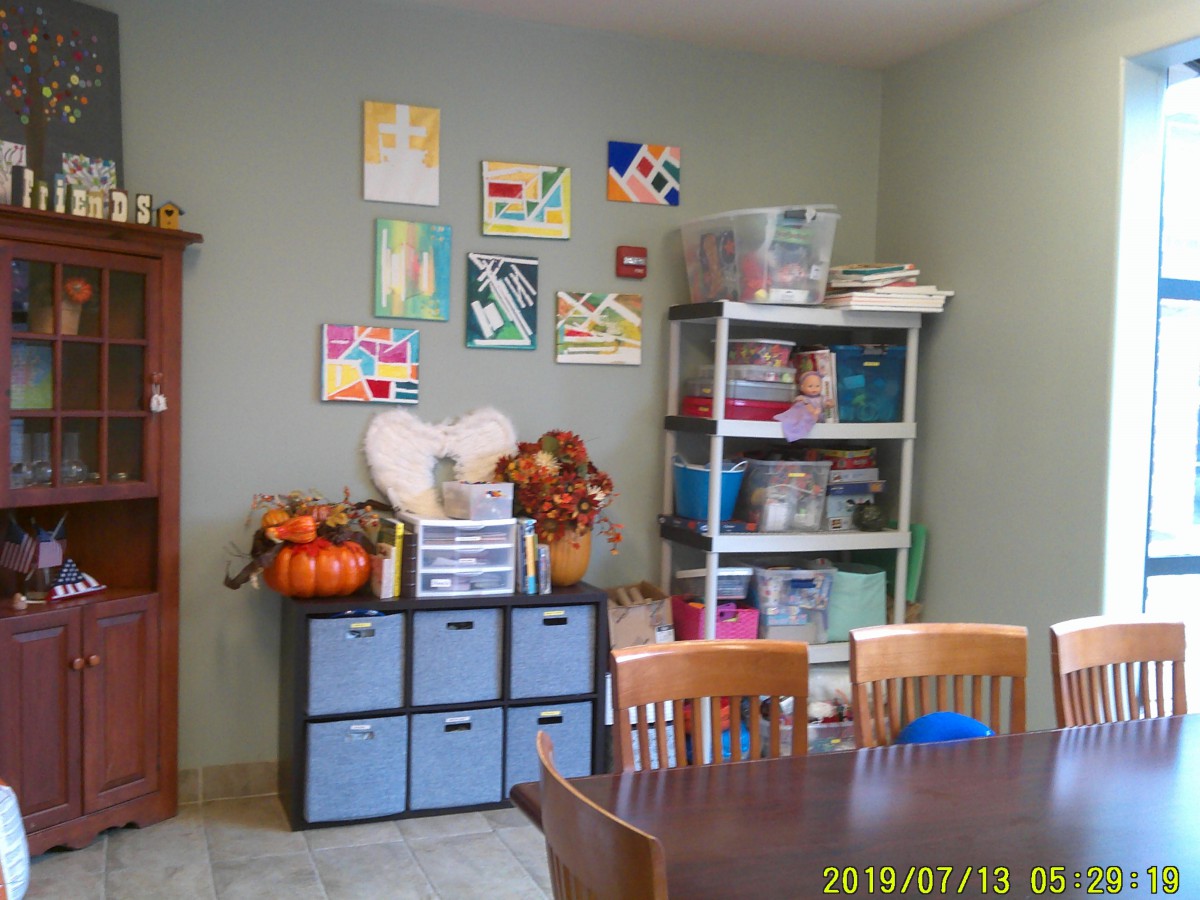
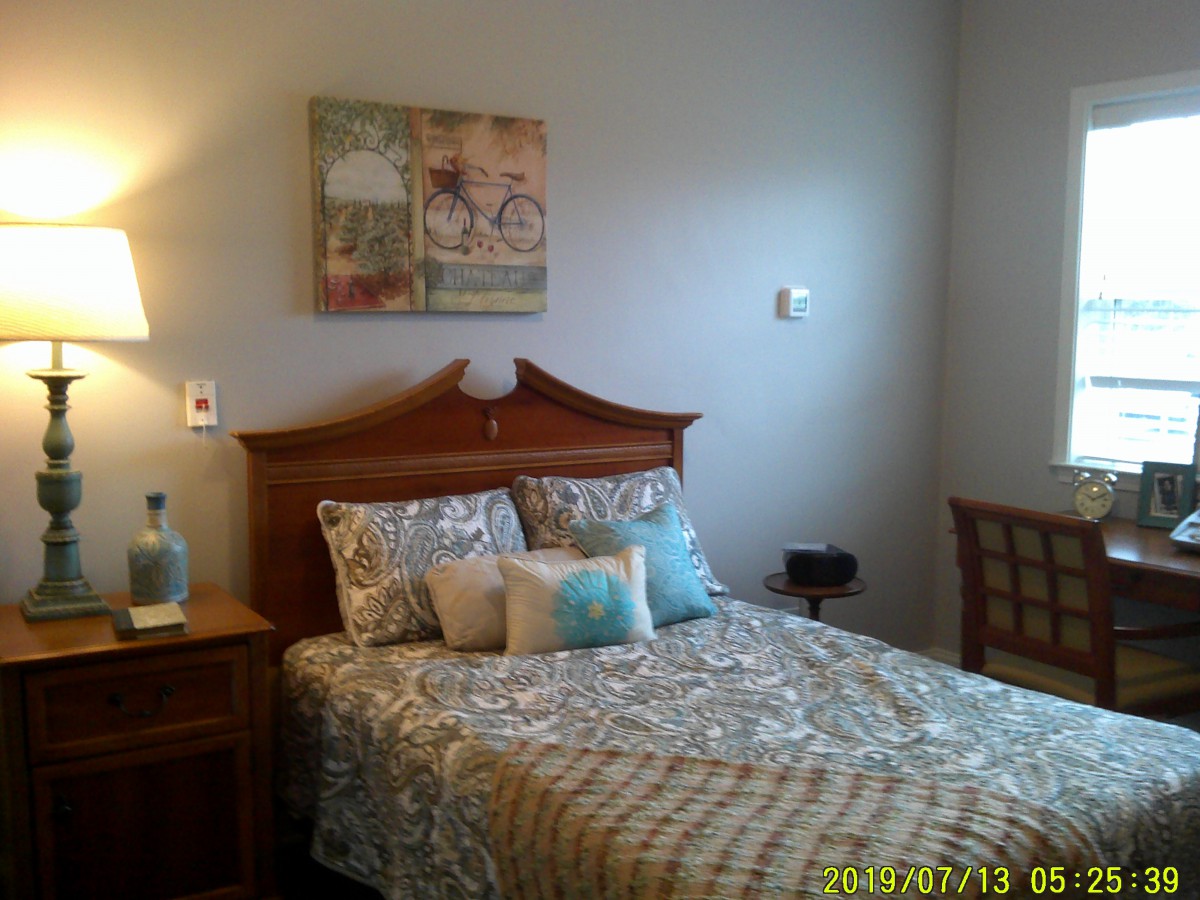
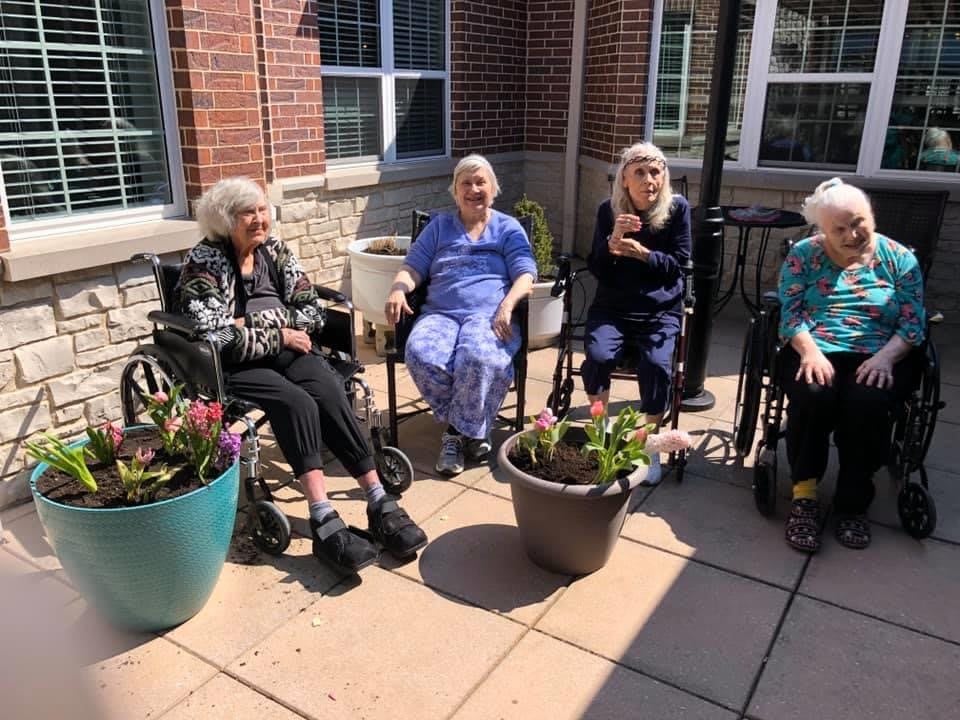
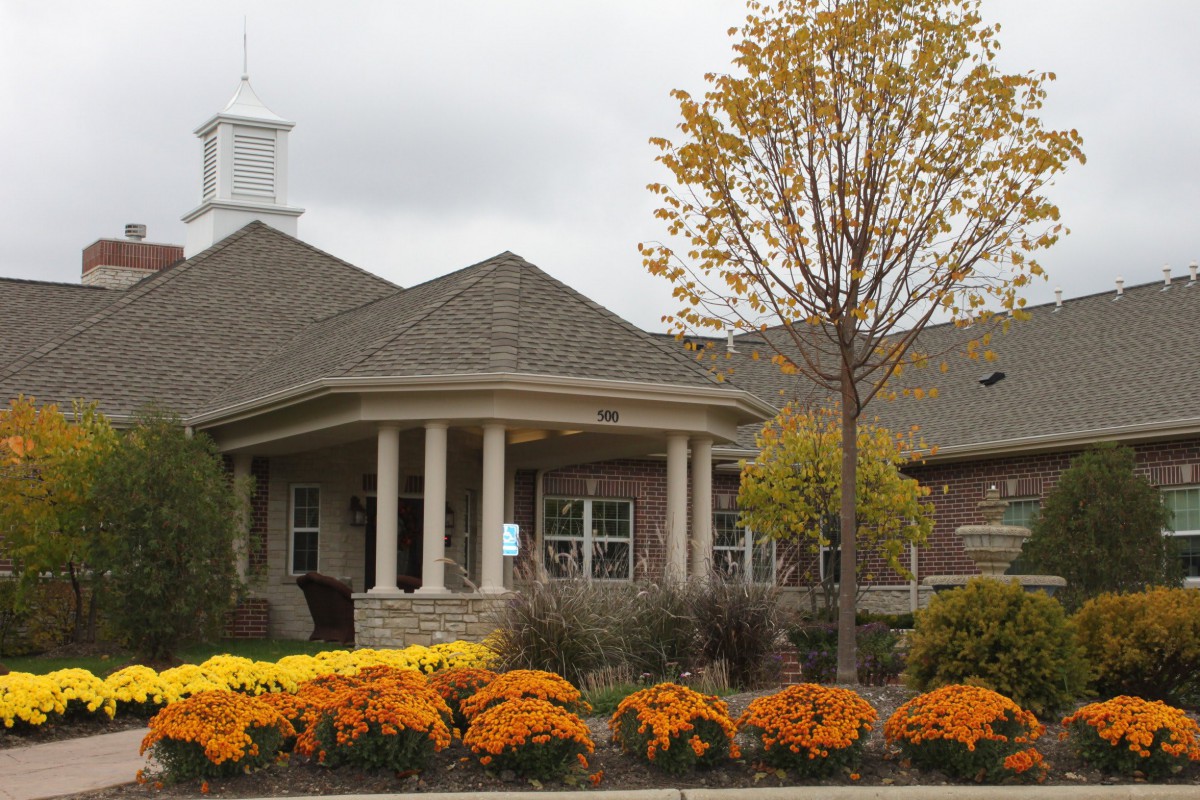
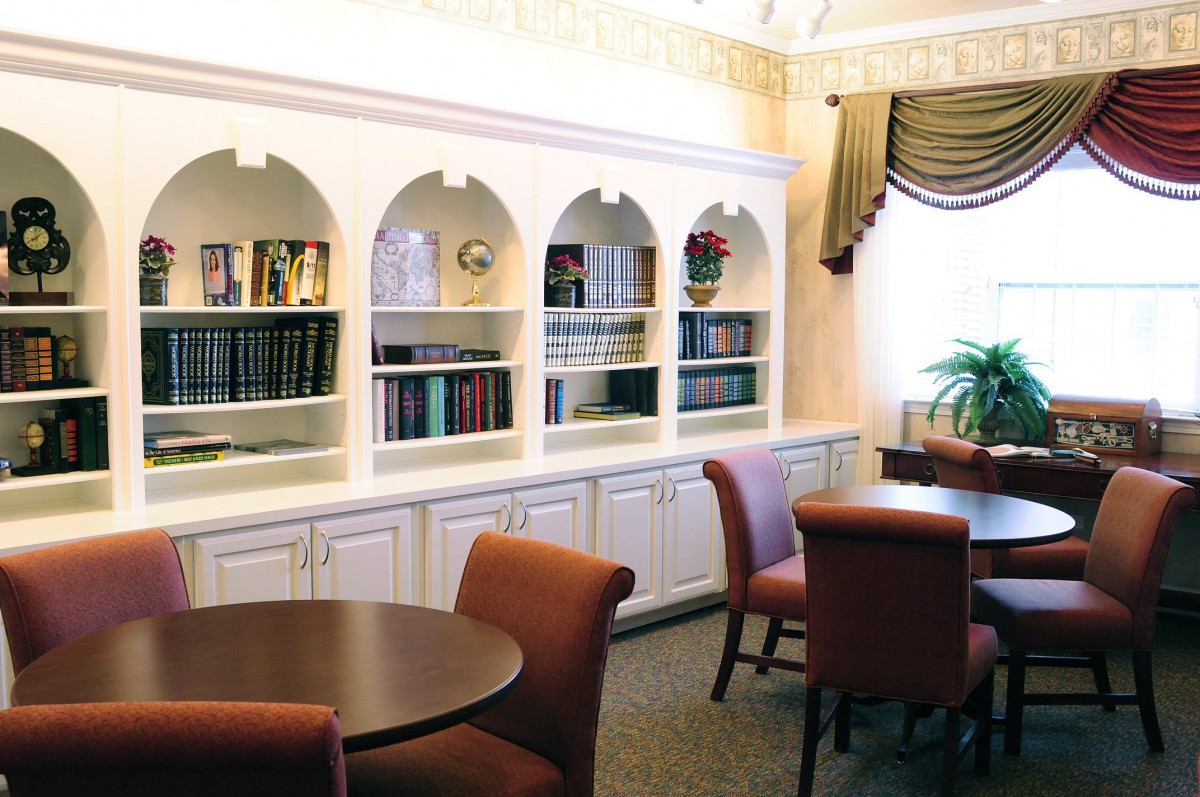
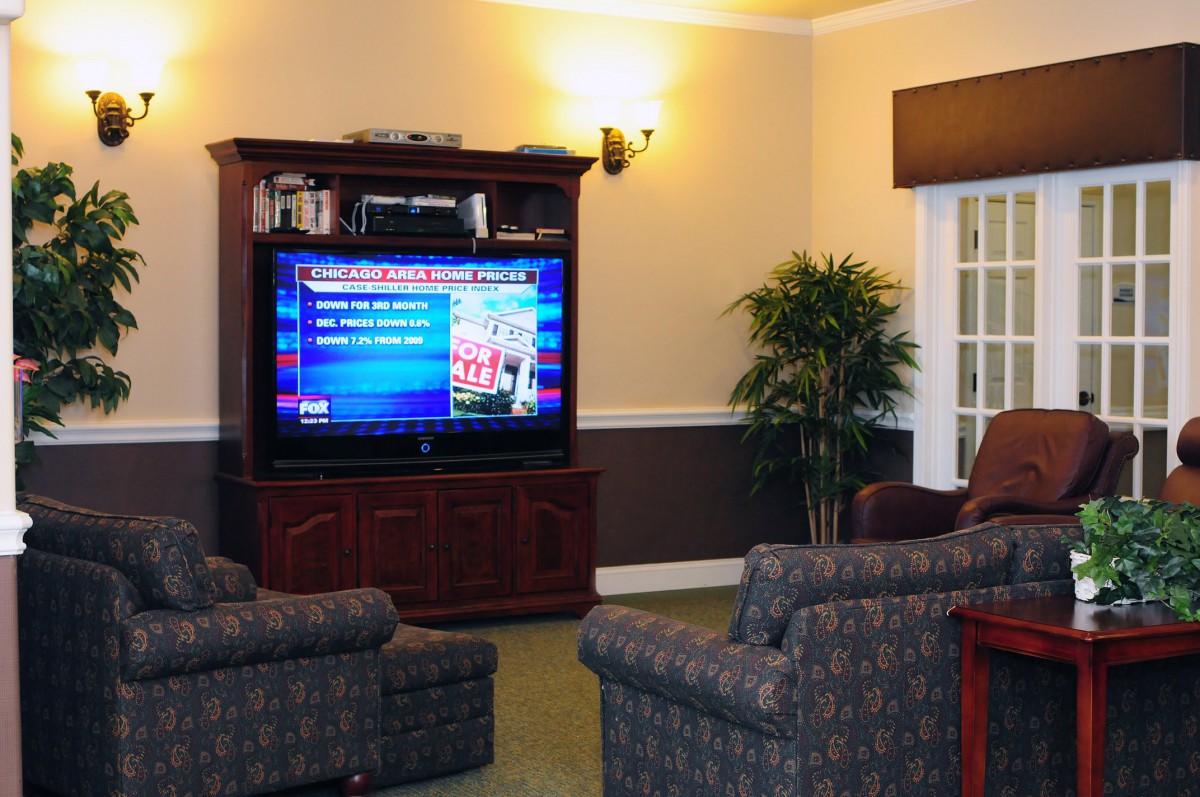
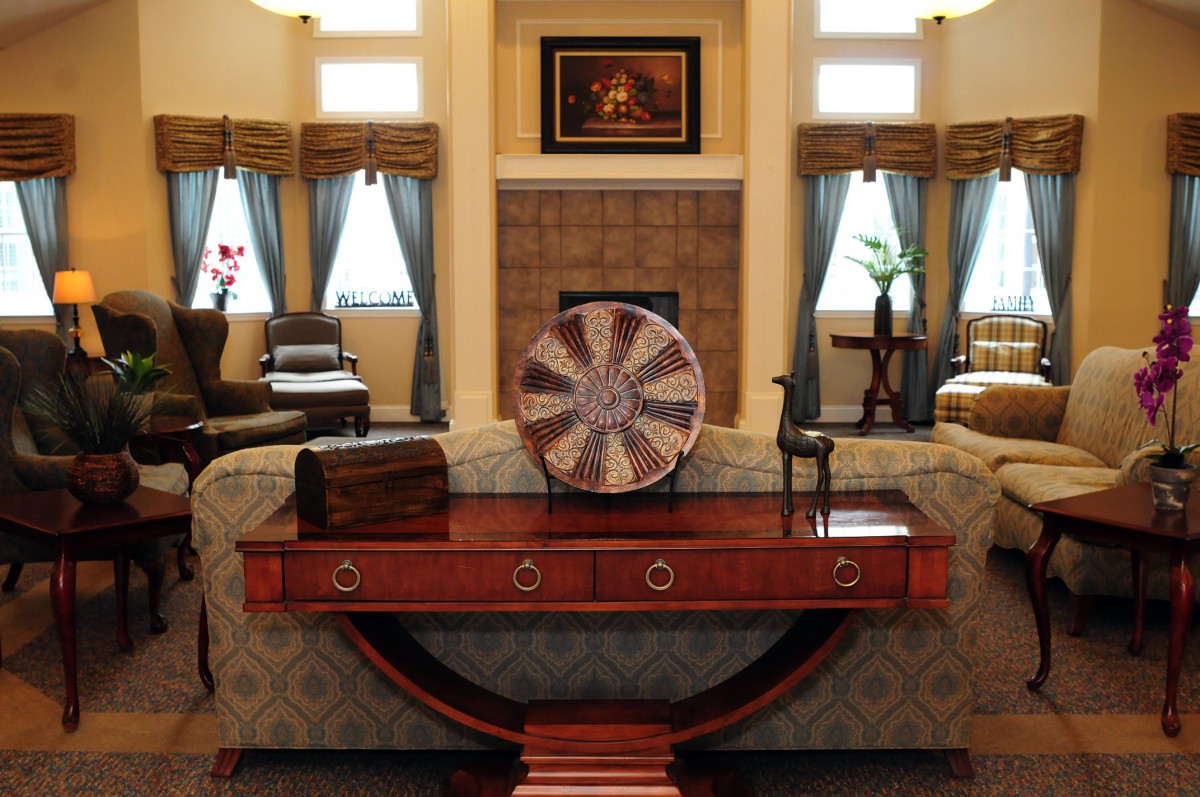
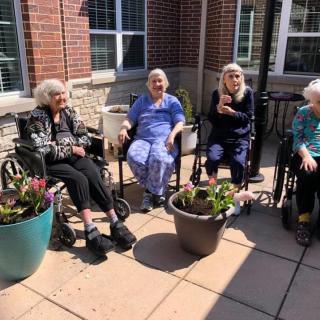
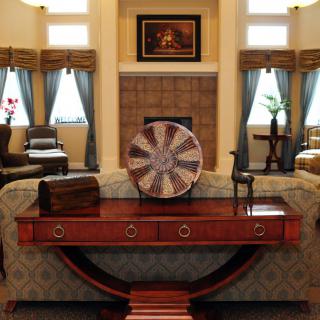
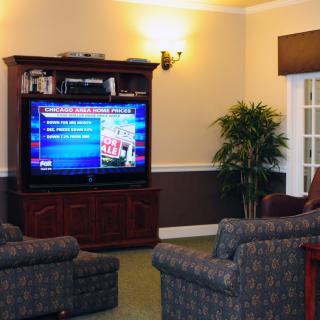
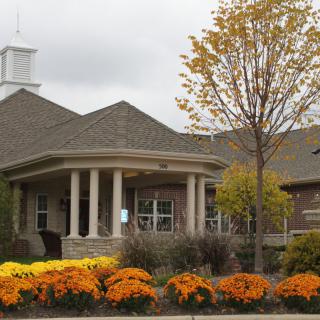
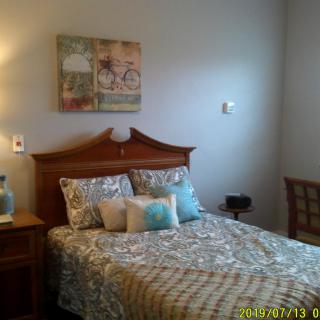
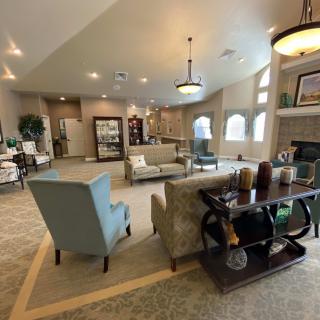
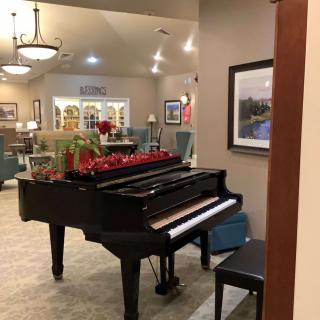
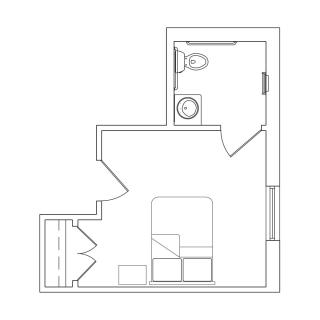
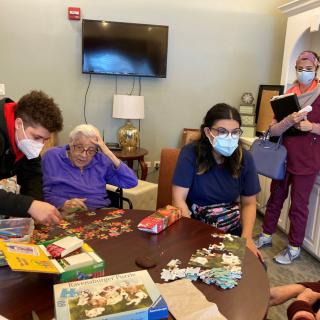
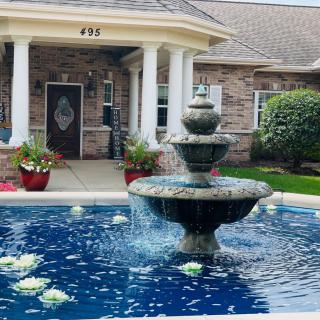
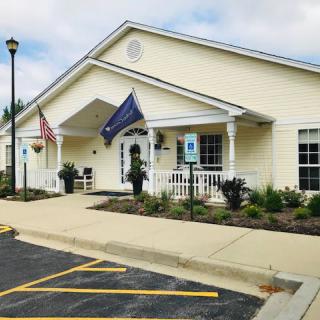
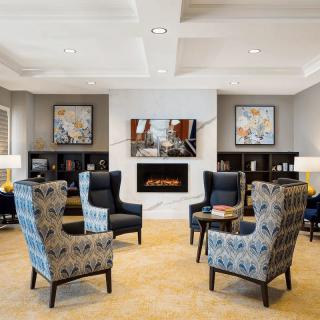
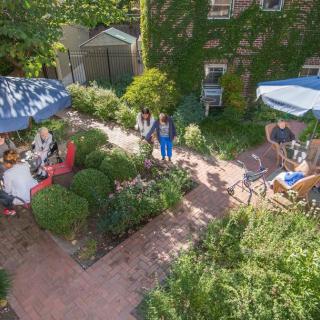
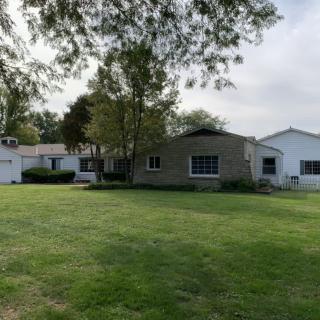
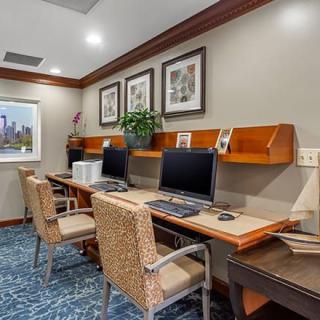
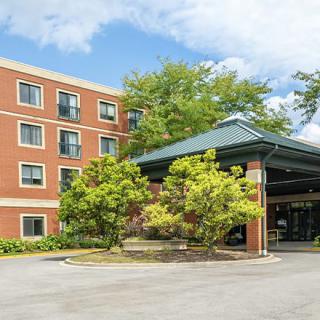
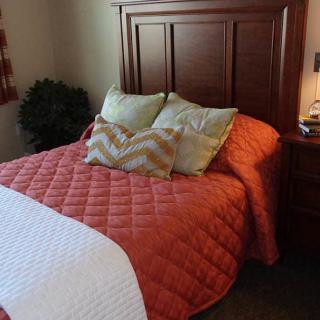
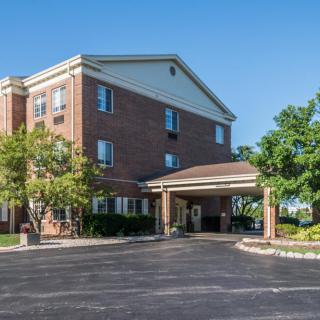
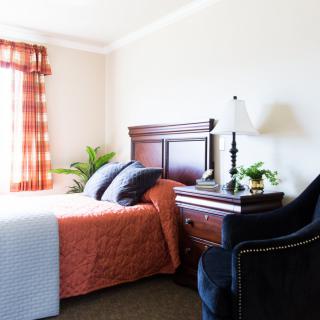
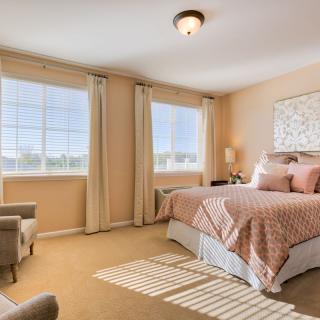
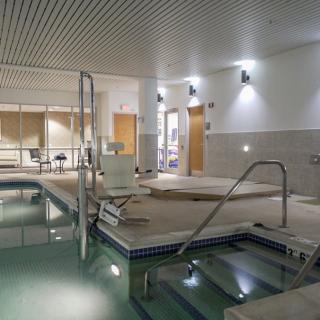
Charter Senior Living Vernon Hills on seniors.fyi includes 20 photos including images showing floor plan, interior, decor, bedroom, living room, architectural drawing, architecture, piano, and more.
Nearby Communities
Victory Centre of Vernon Hills
Vernon Hills, IL
4.4 from 81 reviews
$5,150 / month
Clean, well-maintained facility with engaging activities and friendly staff.
Charter Senior Living Of Vernon Hills
Vernon Hills, IL
4.4 from 31 reviews
Caring staff in a warm, home-like memory care setting with engaging activities.
Brookdale Hawthorn Lakes in Vernon Hills Assisted Living
Vernon Hills, IL
4.6 from 225 reviews
$4,145 to $5,750 / month
Friendly staff with engaging activities in a comfortable, hotel-like setting.
Brookdale Vernon Hills
Vernon Hills, IL
4.3 from 163 reviews
$3,100 to $5,510 / month
Clean, well-maintained setting with friendly staff and engaging activities.
The Springs of Vernon Hills Alzheimer's and Dementia Assisted Living
Vernon Hills, IL
4.6 from 33 reviews
Well-maintained facility with compassionate memory-care staff and engaging activities.
Manorcare Of Libertyville
Libertyville, IL
3.9 from 114 reviews
24/7 nursing care with private apartments, restaurant-style dining, and a broad activities and amenities program.
The Springs of Vernon Hills
Vernon Hills, IL
4.6 from 65 reviews
$5,011 to $6,400 / month
Caring staff in a clean, home-like memory care setting with engaging activities.
Green Oaks Senior Living
Libertyville, IL
4.1 from 110 reviews
$2,440 to $4,075 / month
Compassionate staff with engaging memory care activities in a bright, welcoming setting and pleasant outdoor spaces.
The Wellshire
Lincolnshire, IL
4.2 from 117 reviews
$2,500 to $3,500 / month
Compassionate, attentive staff with strong family communication and engaging activities.
The article outlines effective communication strategies for interacting with loved ones with dementia, highlighting the need for empathy, patience, and understanding while emphasizing supportive approaches like using simple language, minimizing distractions, and focusing on feelings over facts to maintain dignity and foster connection. It also suggests seeking professional guidance when needed as communication challenges evolve.
VA nursing homes, or Community Living Centers (CLCs), offer tailored long-term care for veterans, featuring medical attention and rehabilitation in a supportive environment. The guide covers facility types, eligibility criteria, financial assistance options, quality of care standards, and alternatives to full-time nursing home placement.
At-home dementia care expenses vary widely based on care levels, location, and caregiver expertise, with monthly costs for home health aides exceeding $4,500 and specialized care potentially surpassing $100,000 annually. While families favor in-home care for its comfort and personalized attention, they must consider financial planning and the challenges of caregiver fatigue.
Get PricingAsk A QuestionSchedule A TourContact Senior Advisor
By clicking submit, you agree to our Partner's Terms of Use. You
also consent to receive calls and texts, which may be autodialed, from our Partner. Your consent is not a condition to
using our Partner's service. Please visit our Partner's Privacy Policy for information about their privacy practices.

 Memory Care
 Activities off-site
 Air-conditioning
 Bath tubs
 Beautician on-site
 Devotional services on-site
 Ground floor units
 Handicap accessible
 Indoor common areas
 Outdoor common areas
 Respite or short term stays offered
 Wheelchair accessible showers
 Wi-Fi/high-speed internet available
 Chicago O'Hare International (18 miles away)
 Ambulatory care
 Diabetic care
 High acuity care
 Incontinence care
 Medication management
 Gluten-free
 Art classes
 Bible study group
 Cooking classes
 Day trips and outings
 Educational speakers / life long learning
 Jewish services
 Karaoke
 Live well programs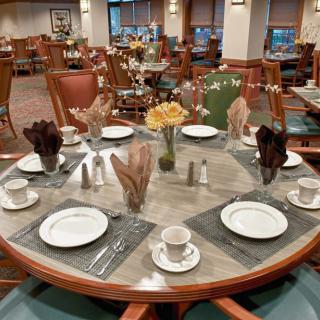
 Clean, well-maintained facility with engaging activities and friendly staff.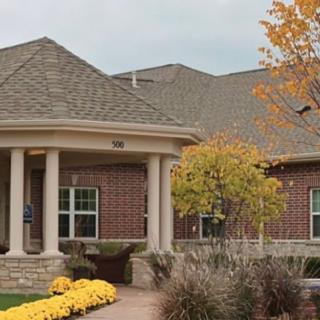
 How to Communicate with a Loved One Living with Dementia: 10 Supportive Strategies
 Comprehensive Guide to VA Nursing Homes: A Crucial Long-Term Care Resource for Veterans
 Estimating the Expenses of At-Home Dementia Care: A Detailed Exploration