
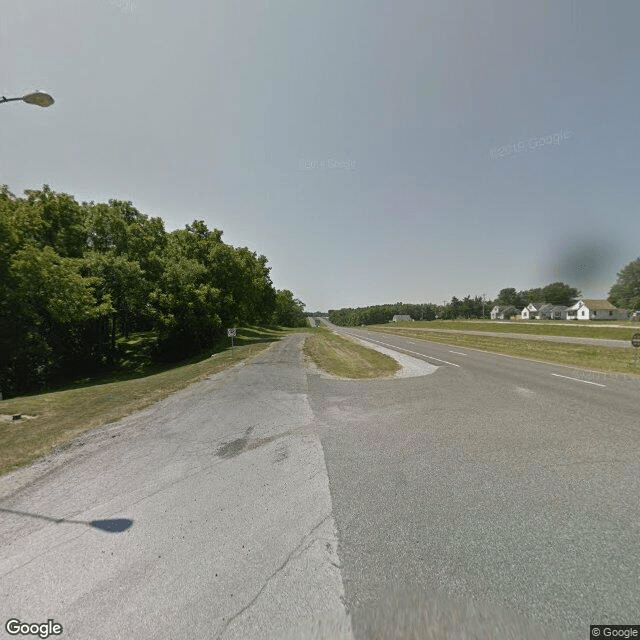
2021 E 1st St, Milan, IL 61264
To contact a resident: (309) 756-2257
For more information about senior living options: (866) 208-4318
Overall Review of Avonlea Cottage of Quad Cities I
Pros
 Avonlea's care-givers, nurses, and cooks are wonderful and provide exemplary care.
- The staff are extraordinarily compassionate, caring, and professional.
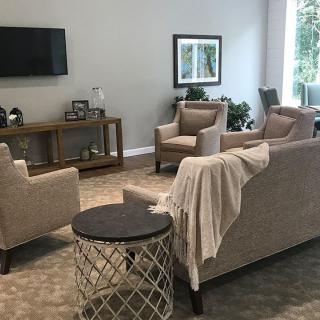
- The facility is clean, peaceful, and homey.
- The nurses promptly inform families about health issues and medication needs.
- Residents are engaged daily and receive attentive, loving care.
- The director and Avonlea staff treat residents with dignity and respect, even at the end of life.
- The overall environment at Avonlea conveys warmth and quiet excellence that families appreciate.
Review
Avonlea Cottage of Quad Cities I in Milan, IL is best suited for families seeking intimate, memory-care focused support for a loved one with Alzheimer’s or advanced dementia, where daily structure and constant, compassionate engagement are valued above all. The community’s small, homey footprint translates into highly visible caregiver attention, with staff and nurses who become a steadier presence rather than distant managers. In practice, this means residents are kept clean, engaged in meaningful activities in a familiar setting, and afforded frequent reassurance from a team that treats care as a daily partnership with families. The strongest testimony comes from families of residents who have thrived under attentive dementia-specific care, where even the most challenging days are met with patience and practical support.
That narrow focus, however, suggests clear alternatives for certain families. Those seeking independent living or broader age-diverse communities may find Avonlea’s specialized emphasis too limiting. For seniors who do not require constant memory-care oversight, or for families wanting a larger campus with a wider menu of therapies, recreation, and administrative resources, other options may deliver more of what those residents expect. The same holds for families prioritizing expansive clinical oversight, flexible pricing structures, or a broader continuum of care beyond memory care. In short, Avonlea shines for dementia-centered support; it may not satisfy every care trajectory or living preference.
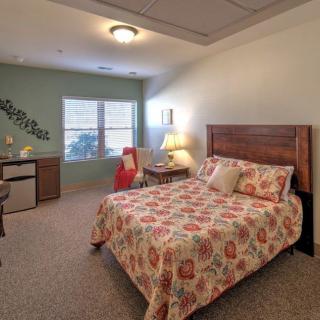
On the plus side, the pros materialize in tangible, everyday ways. The care-givers, nurses, and even kitchen staff are repeatedly described as exemplary, gentle, patient, and deeply engaged with residents. The small size of the facility appears to foster a sense of home rather than a clinical milieu, with private rooms that patients can maintain as personal havens and a consistently clean environment that avoids the clutter and odors some facilities struggle with. Staff members are praised for proactive communication, often calling families when issues arise, restocking medications before they run low, and updating loved ones promptly about health changes. Such reliability matters enormously for families managing dementia’s contingencies.
Beyond routine care, Avonlea’s approach yields meaningful quality-of-life outcomes. Family testimonies recount moments of genuine connection, the caregiver who holds a resident’s hand, the nurse who helps with an evening snack, and the staff who encourage participation in daily activities in the great room. The atmosphere is repeatedly described as peaceful, pleasant, and home-like, contributing to a sense of dignity and comfort even as memory loss deepens. The hospice experience in one long-term example underscores a dedication to comfort, continuity, and respectful presence at life’s end. These elements, consistency, warmth, and personal attention, translate into steadier days for residents and reassurance for families.
Yet the overall rating signals that experiences are not uniformly aligned with these high points. The community sits at a 2.9 average from nine reviews, with several one-star experiences among them. Such dispersion implies that while care quality and staff compassion can be outstanding, expectations around scope, timing, and administrative responsiveness may falter for some families. One line from a review hints at housing-and-amenities constraints, noting Avonlea’s suitability for income- and age-restricted living, which can be a mismatch for households seeking more flexible housing arrangements or different financial structures. In practice, this means potential residents should enter with a clear understanding of what the facility does well, and where it may not meet every non-memory-care preference.
For families making a decision, the practical path is straightforward. If memory care is the priority and a warm, tightly run, service-rich environment matters, Avonlea is a standout choice worth pursuing with concrete questions about staff ratios, dementia-specific training, daily schedules, and family communication protocols. If independence, broader rehabilitation services, or larger-scale amenities are non-negotiables, or if housing options need to mirror a wider range of income and residency terms, alternatives should be explored in parallel. The strongest case for Avonlea rests on the daily immersion in compassionate, attentive care tailored to dementia, paired with a home-like setting that elevates dignity and connection above generic institutional care.
 Memory Care
 Activities on-site
 Beautician on-site
 Devotional services on-site
 Indoor common areas
 Outdoor common areas
 Quad City (3 miles away)
 Ambulatory care
 Diabetic care
 Incontinence care
 Medication management
 Meals provided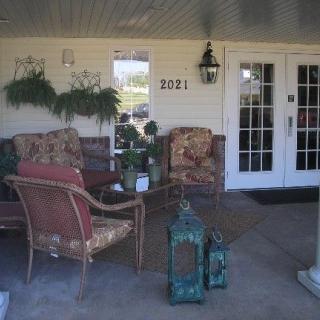




 Memory Care Pathways: A Holistic Guide to Dementia Support
 Comprehending Evening Confusion in Dementia: Causes, Manifestations, and Support
 Delirium and Dementia: Unraveling the Key Differences