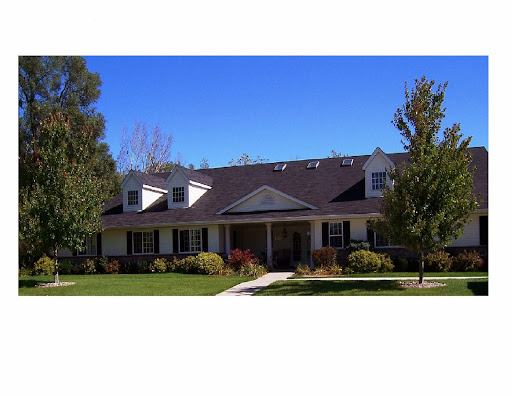
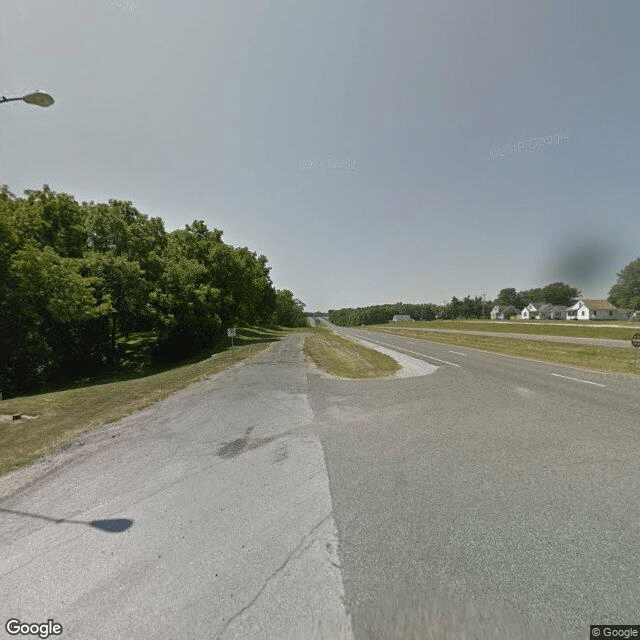
2025 E 1st St, Milan, IL 61264
To contact a resident: (309) 756-2257
For more information about senior living options: (866) 208-4318
Avonlea Cottage of Quad Cities II Costs & Pricing
Avonlea Cottage of Quad Cities II offers a competitive pricing structure for its studio accommodations, with a monthly cost of $3,200. This rate is slightly higher than the average for Rock Island County, which stands at $3,184, yet considerably lower than the state average for Illinois at $4,028. This positioning reflects Avonlea Cottage's commitment to providing quality care and services while maintaining affordability in comparison to both local and statewide options. The value offered here makes it an attractive choice for individuals seeking supportive living arrangements within the Quad Cities area.
| Floor plans | Avonlea Cottage of Quad Cities II | Rock Island County | Illinois |
|---|---|---|---|
| Studio | $3,200 | $3,184 | $4,028 |
Assisted Living communities with a similar price nearby
-
from -$200 / mo

The Fountains
$3,000 to $6,500 / month11.2 miles away -
from +$400 / mo
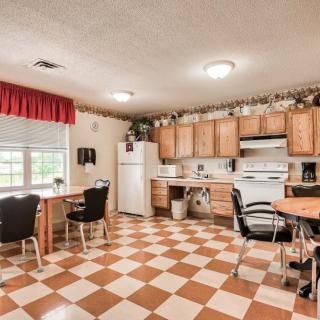
Brookstone of Aledo
$3,600 to $5,000 / month18.3 miles away -
from +$160 / mo
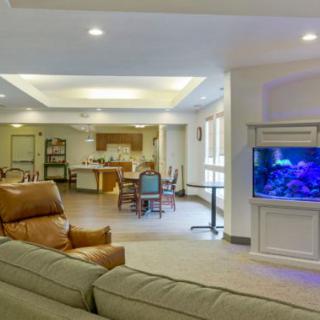
Silvercrest at Garner
$3,360 to $3,755 / month10.0 miles away -
from -$600 / mo

Quartet Senior Living
$2,600 to $4,300 / month10.9 miles away -
from +$100 / mo
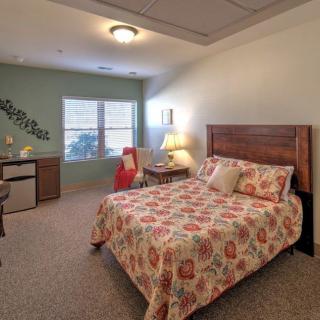
Cedarhurst Assisted Living of Moline
$3,300 to $3,550 / month3.4 miles away
Overall Review of Avonlea Cottage of Quad Cities II
Pros
 The caregivers, nurses, and cooks are wonderful.
- The care at Avonlea is exemplary.
- Staff regularly hold residents’ hands and bring them moments of laughter.
- Interactions between residents and staff are kind, caring, and impressive.
- The rooms and the facility are clean and homey.
- Nurses promptly inform families about health issues, medication levels, and changes.
- Avonlea provides a comfortable, home-like environment for those with dementia.
- The staff are extraordinarily compassionate, caring, and professional.
- Residents have private rooms with a home-like setting.
- The facility feels pleasant, peaceful, and homey.
- The compassionate care supports families during difficult times, including hospice.
- Avonlea enables residents to live and die with dignity and respect.
- Avonlea is a wonderful place.
Cons
 None. The reviews are overwhelmingly positive; there are no negative third-person statements.
Review
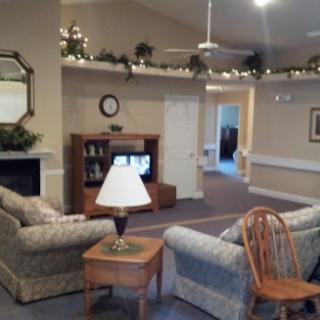
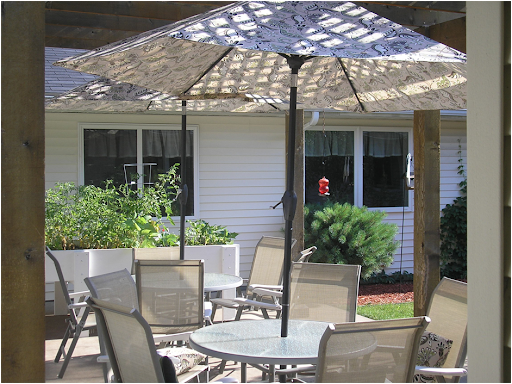
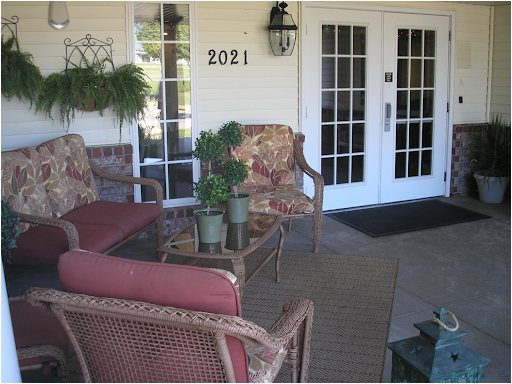
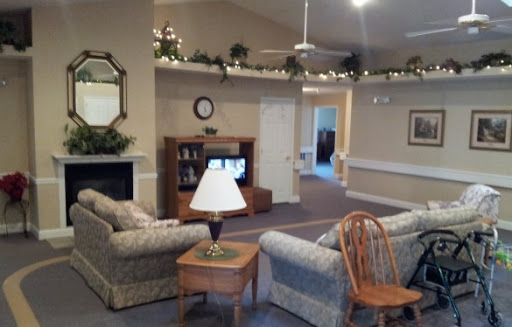
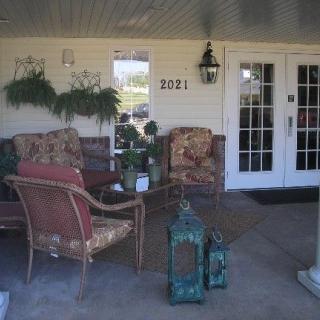
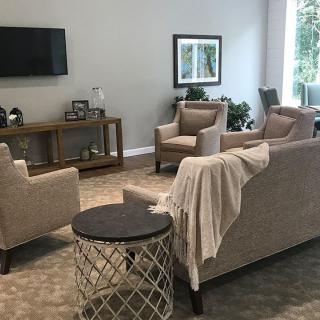
Avonlea Cottage of Quad Cities II in Milan, IL is best suited for families seeking a small, intimate memory-care environment where staff deliver consistently compassionate, relationship-based care for residents with advanced dementia. The setting feels homey and non-clinical, with private rooms and a calm, clean atmosphere that supports daily routines. The strongest cases hinge on hands-on attention: caregivers, nurses, and even cooks who stay engaged with residents, and a communication loop that keeps families informed about health changes or medication needs. When a loved one cannot walk, talk, or feed themselves, Avonlea’s approach can translate into real dignity and connection, demonstrated by daily interactions that keep the person visible, engaged, and respectfully cared for.
That clarity aside, Avonlea may not be the best fit for every family. The community’s overall rating of 2.9, with multiple one-star experiences, signals that consistency and satisfaction vary in a way that could matter depending on expectations and needs. Families seeking a larger campus with broader programming, more predictable staffing patterns, or more expansive medical oversight across disciplines may find alternatives preferable. For those pursuing independent living options or a facility with substantial amenities beyond memory care, Avonlea’s small, memory-focused footprint could feel limiting.
The positives are concrete and meaningful for memory-care decision-making. The reviews consistently highlight how the staff’s warmth translates into practical care: daily attentiveness, help with activities, and a visible commitment to the resident’s comfort and safety. The care team’s willingness to go the extra mile, holding a hand, sharing a laugh, ensuring a private room remains comfortable, and coordinating with families, creates a reassuring experience for relatives navigating a difficult journey. Cleanliness and a home-like ambience further reinforce a sense of security and belonging that can ease transitions for both resident and family.
Conversely, the main drawbacks surface in the broader feedback rather than in specific single incidents described in the strongest testimonials. The mixed rating and the presence of negative reviews imply that some experiences fall short of expectations, whether through communication gaps, perceived inconsistency in day-to-day care, or fluctuations in how needs are met over time. The small scale of a cottage setting can both help and hinder, offering close-knit attention while sometimes limiting the scope of resources or staffing coverage on busy days or shift changes. Prospective families should probe current staffing patterns, turnover, and the cadence of family updates to determine if the current model matches their loved one’s demands.
Ultimately, the strong points often outweigh the drawbacks for residents whose care plan centers on memory support in a homelike, responsive environment. Avonlea’s intimate scale fosters meaningful relationships between residents and caregivers, which is particularly valuable when cognitive needs are progressing. The ability to maintain a familiar routine, receive rapid health communication, and experience compassionate end-of-life moments where dignity remains paramount can be decisive. If those elements align with a resident’s needs and a family’s expectations, Avonlea offers a compelling, if not flawless, option worth pursuing.
For families ready to move forward, a practical, decision-focused path is essential. Schedule a visit with a purpose: observe caregiver-resident interactions during routine activities, request a clear breakdown of staffing ratios and shifts, and ask to review a sample care plan for a resident with advanced dementia. Seek recent references from families with residents at a similar stage and inquire about how often health changes are communicated and how transitions between care levels are handled. Compare Avonlea’s small-memory-care strengths with nearby alternatives that provide broader campuses or additional services. If proximity, cost, and care goals line up, Avonlea Cottage of Quad Cities II can be a strong, compassionate home for a loved one navigating the realities of advanced dementia.
 Assisted Living
 Activities on-site
 Devotional services off-site
 Indoor common areas
 Quad City (3 miles away)
 Ambulatory care
 Diabetic care
 Meals provided



 Understanding Medicaid Coverage for Assisted Living: A Comprehensive Guide
 How and When Medicaid May Cover Assisted Living Costs
 A Detailed Exploration of Assisted Living Medicaid Waivers Across the United States