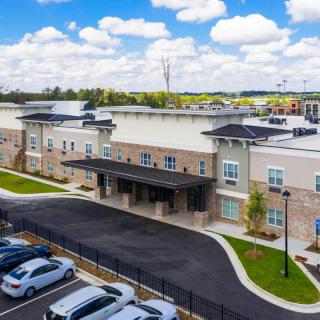
Legacy Personal Care Home in Lawrenceville, GA

174 Mcconnell Drive, Lawrenceville, GA 30045

For more information about senior living options: (844) 490-3973

4.8 from 9 reviews
5 stars
8
4 stars
0
3 stars
1
2 stars
0
1 stars
0

Memory Care

What level of care are you interested in?

Assisted Living

Memory Care

Independent Living

Skilled Nursing Facility

Continuing Care Retirement Community (CCRC)CCRC

Other


Request a tour at Legacy Personal Care Home

    Overall Review of Legacy Personal Care Home

    Pros

    • pro Legacy Personal Care Home is described as clean, pleasant, and well-maintained.
    • pro The community is small and intimate, allowing for more one-on-one attention.
    • pro The staff are invested, attentive, and go above and beyond to meet residents' individual needs.
    • pro Residents are happy, cheerful, content, and engaged in activities.
    • pro The facility accommodates residents' dietary preferences and meals are prepared to their liking.
    • pro The home provides 24/7 CNA care with regular doctor visits, contributing to a sense of safety.
    • pro Anna is described as friendly, sincere, and like family to residents.
    • pro Families feel at ease with the care and would highly recommend Legacy to others.
    • pro The atmosphere is tidy, odor-free, and the living spaces look well-kept.

    Cons

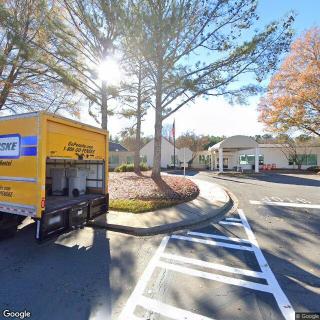
    • pro The location's proximity to a busy highway posed a safety risk for a resident with dementia.
    • pro The facility lacked a designated room for haircuts, indicating limited dedicated amenities.

    Review

    Legacy Personal Care Home in Lawrenceville is best suited for families seeking a small, home-like setting where a loved one receives intensely personalized, hands-on care. The community shines for seniors who thrive in a calm, predictable routine, where meals are thoughtfully prepared, and caregiver presence is constant. With only six rooms, staff can know residents well, monitor health changes quickly, and respond without delay. The owner's background as a nurse and the regular visits from a doctor create a continuity of care that large facilities often struggle to replicate. For families prioritizing warmth, security, and easy access to the people who oversee daily life, Legacy delivers a markedly reassuring option.

    Yet there are explicit reasons some should look elsewhere. The ultra-small scale translates into a narrower service mix and a lean activities calendar; residents may outgrow the offerings in need of more social engagement or specialized therapies. There is no dedicated memory-care wing, and while staff are attentive, certain therapies and complex medical supports require off-site arrangements. Location matters for safety and convenience, and at least one reviewer noted the proximity to a busy highway as a potential risk for someone with dementia who might wander. Families should weigh whether intimate supervision outweighs the broader range of services found in larger communities.

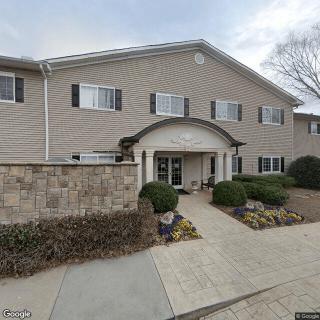
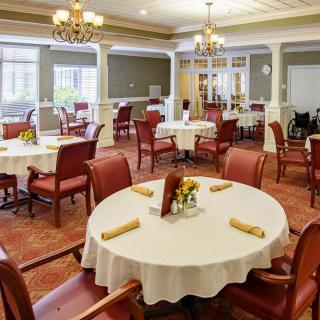
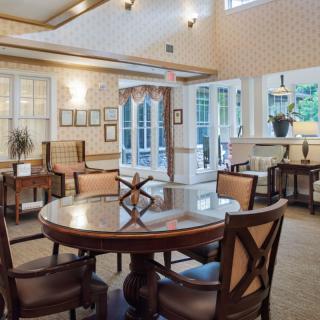
    On the upside, the strongest advantages are precisely what the setting makes possible. The intimate environment enables a high caregiver-to-resident ratio, with 24/7 certified nursing assistant coverage and hands-on leadership from the owner-nurse on site. Nutrition is a standout focus; meals are designed to meet individual preferences, and the facility demonstrates a genuine willingness to accommodate dietary needs. The common areas - dining room, living room, and garden - are clean, well-kept, and welcoming, reflecting pride in maintenance and a homey aesthetic. Residents stay engaged with activities in shared spaces, and the general atmosphere is cheerful, with staff who communicate openly with families.

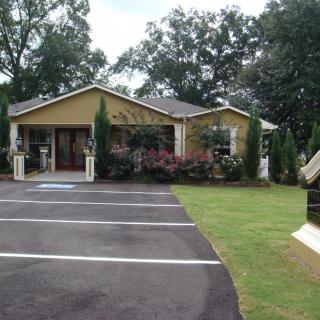
    The practical trade-off to consider is how far a six-resident home can stretch to meet evolving needs. While the allure of a one-floor, refurbished older home with no odors and bright, contemporary touches is compelling, the limited footprint inevitably constrains expansion of services or staffing depth. There is no dedicated in-house salon space, for instance; salon services arrive as needed, but the absence of a permanent beauty area can be a minor inconvenience. For families concerned about rapid escalation of medical care, or who anticipate requiring a broader spectrum of therapies and a more robust social calendar, this size may prove insufficient over time.

    Despite those limits, the proven strengths often offset the drawbacks. The consistency of care, the visible investment of time from the owner, and the regular physician visits provide a stability that is hard to match in larger settings. Families repeatedly highlight the staff's investment in residents' well-being, with stories of real warmth and dependable communication. The care for bedridden loved ones stands out - cleanliness, meals cooked on-site, and a caregiver who becomes almost like family. When trust and personal attention are paramount, Legacy's model delivers results that families can rely on day in and day out.

    For families weighing a decision, the practical conclusion is clear. If a loved one thrives on intimate, nurse-led oversight, highly personalized meals, and a setting where staff know names and routines, Legacy Personal Care Home is a strong, even compelling choice. Prospective movers should visit with questions about how deficits in scale are managed: what happens if additional medical services are needed, how security and wandering risks are mitigated on a small property, and what the plan is for expanding activities. If those questions align with priorities, this community offers meaningful, dependable care that many families will value highly. If, instead, breadth of services, memory-care specialization, or a larger, more dynamic social calendar is essential, alternatives with more extensive infrastructures may be the wiser path.

    Features

    Housing

    • 6 resident community capacity 6 resident community capacity

    Types of Care

    • Memory Care Memory CareMemory care is crucial for seniors as it provides specialized support and services for individuals with dementia or Alzheimer's disease. These programs offer a safe and secure environment where residents receive personalized care, cognitive stimulation, and help with daily activities. Memory care helps seniors maintain their independence, quality of life, and dignity while also providing peace of mind for their families.

    Amenities

    • Cable or satellite TV Cable or satellite TVCable or satellite TV is important for seniors because it provides entertainment, news, and companionship, helping to combat loneliness and boredom. It also offers a wide range of programming options tailored to different interests and preferences.
    • Dining room Dining roomDining rooms are important for seniors as they provide a space for socialization, connection, and nutritious meals. They offer opportunities for residents to bond over shared meals, foster a sense of community, and promote healthy eating habits. Dining rooms also ensure that seniors have access to well-balanced meals tailored to their dietary needs and preferences.
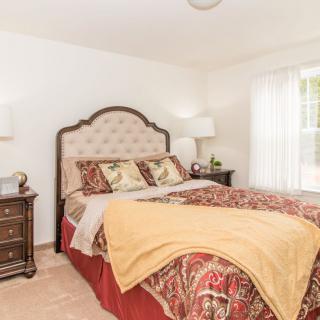
    • Fully furnished Fully furnishedFully furnished senior living communities are important for seniors because they provide convenience, comfort, and a hassle-free moving experience. Seniors can easily settle into their new living space without the stress of having to buy and move furniture. This allows them to focus on enjoying their new home and community.
    • Garden GardenGardens are important for seniors as they provide a peaceful and therapeutic environment for relaxation, physical activity, and socialization. Being in nature has been shown to reduce stress, improve mood, and promote overall well-being. Gardens also offer opportunities for seniors to engage in gardening activities, which can improve mobility, flexibility, and cognitive function. Additionally, gardens create a sense of community and connection with others who share a passion for plants and outdoor spaces.
    • Housekeeping services Housekeeping servicesHousekeeping services are important for seniors because they help maintain a clean and safe living environment, promote independence, and reduce the risk of accidents or illnesses. Additionally, having assistance with household chores can alleviate physical strain and allow seniors to focus on other aspects of their well-being.
    • Move-in coordination Move-in coordinationMove-in coordination is important for seniors because it helps ease the transition into their new living environment. It ensures that all logistics, such as packing, organizing movers, and setting up utilities are taken care of, allowing seniors to focus on settling in and adjusting to their new home. Having a smooth move-in process can alleviate stress and anxiety, making the transition smoother and more enjoyable for seniors.
    • Outdoor space Outdoor spaceOutdoor spaces are important for seniors as they provide opportunities for physical activity, social interaction, exposure to natural light and fresh air, and a sense of connection to nature. Having access to outdoor spaces can improve overall well-being and quality of life for older adults living in senior communities.
    • Telephone TelephoneTelephones are important for seniors as they provide a lifeline for communication with loved ones, emergency services, and healthcare providers. They offer a sense of security and independence, enabling seniors to stay connected and access assistance when needed.
    • Wi-Fi/high-speed internet available Wi-Fi/high-speed internet availableWi-Fi/high-speed internet is important for seniors to stay connected with loved ones, access online resources, and participate in virtual activities to combat feelings of loneliness and isolation. It also allows them to easily manage healthcare needs, access entertainment, and engage in lifelong learning opportunities.

    Care Services

    • 24-hour supervision 24-hour supervision24-hour supervision is important for seniors to ensure their safety, well-being, and access to immediate assistance in case of emergencies or health issues. This constant support provides peace of mind for both seniors and their loved ones, allowing them to age in place with dignity and security.
    • Activities of daily living assistance Activities of daily living assistanceActivities of daily living assistance are important for seniors because they provide essential support with tasks such as eating, bathing, dressing, and mobility. This assistance helps seniors maintain their independence, dignity, and overall quality of life as they age.
    • Assistance with bathing Assistance with bathingAssistance with bathing is crucial for seniors as it helps maintain personal hygiene, prevents infections, and ensures their overall well-being and comfort. It also provides a sense of dignity and independence for seniors who may struggle with this task on their own.
    • Assistance with dressing Assistance with dressingAssistance with dressing is important for seniors because it helps maintain their independence, promotes personal hygiene, prevents accidents and injuries, and improves overall quality of life. This service ensures that seniors can continue to dress comfortably and confidently, despite any physical limitations they may have.
    • Assistance with transfers Assistance with transfersAssistance with transfers is crucial for seniors as it helps prevent falls and injuries, maintains their independence, and ensures they can safely navigate their living environment. It also provides peace of mind for both seniors and their loved ones.
    • Coordination with health care providers Coordination with health care providersCoordination with health care providers is crucial for seniors to ensure proper medical care, medication management, and overall well-being. This collaboration helps prevent overlapping treatments, track progress more effectively, and provide comprehensive support tailored to individual needs.
    • Diabetes diet Diabetes dietA diabetes diet is crucial for seniors as it helps manage blood sugar levels, reduce risks of complications, and improve overall health and well-being. By following a balanced and nutritious diet tailored to their specific needs, seniors can better control their diabetes and enhance their quality of life.
    • Meal preparation and service Meal preparation and serviceMeal preparation and service are crucial for seniors as they may have limited mobility or energy to cook nutritious meals. Having access to healthy and convenient food options can ensure they are getting the proper nutrition needed to maintain their overall health and well-being.
    • Medication management Medication managementMedication management is crucial for seniors to ensure they are taking the right medications at the correct dosages and times. This helps prevent adverse drug interactions, reduces the risk of medication errors, and promotes overall health and well-being. Proactive management also allows for adjustments as needed based on changing health conditions or new prescriptions.
    • Mental wellness program Mental wellness programMental wellness programs are essential for seniors as they promote cognitive stimulation, emotional support, and social engagement. These programs help prevent isolation, depression, and cognitive decline, ultimately enhancing the overall quality of life for older adults.
    • Mild cognitive impairment Mild cognitive impairment"Mild cognitive impairment" is important for seniors because it is an early stage of cognitive decline that can potentially progress to more severe conditions such as dementia. Recognizing and addressing mild cognitive impairment can help seniors receive appropriate care and support to maintain their quality of life and independence for as long as possible.
    • Special dietary restrictions Special dietary restrictionsSpecial dietary restrictions are important for seniors because age-related changes in metabolism and health conditions can make it difficult for their bodies to process certain foods. By following a diet tailored to their specific needs, seniors can maintain their overall health and well-being, manage chronic conditions, and reduce the risk of complications such as malnutrition or food interactions with medications.
    • Specialized memory care programming Specialized memory care programmingSpecialized memory care programming is crucial for seniors with cognitive impairments such as dementia or Alzheimer's disease. These programs provide a safe and supportive environment tailored to the unique needs of individuals with memory loss, helping them maintain their independence, dignity, and quality of life.
    • Transportation arrangement (medical) Transportation arrangement (medical)Transportation arrangements for medical purposes are essential for seniors as they may have difficulty driving themselves to appointments or accessing public transportation. Having reliable and safe transportation options ensures that seniors can receive timely medical care and maintain their health and well-being.
    • Transportation to doctors appointments Transportation to doctors appointmentsTransportation to doctors' appointments is crucial for seniors as it ensures they have access to necessary medical care and support for their health needs. Without reliable transportation, seniors may struggle to attend important appointments, leading to potential delays in treatment and health complications. Providing transportation services helps seniors maintain their overall well-being and quality of life.
    Dining

    • Diabetes diet Diabetes dietA diabetes diet is crucial for seniors as it helps manage blood sugar levels, reduce risks of complications, and improve overall health and well-being. By following a balanced and nutritious diet tailored to their specific needs, seniors can better control their diabetes and enhance their quality of life.
    • Special dietary restrictions Special dietary restrictionsSpecial dietary restrictions are important for seniors because age-related changes in metabolism and health conditions can make it difficult for their bodies to process certain foods. By following a diet tailored to their specific needs, seniors can maintain their overall health and well-being, manage chronic conditions, and reduce the risk of complications such as malnutrition or food interactions with medications.

    Activities

    • Community-sponsored activities Community-sponsored activitiesCommunity-sponsored activities are important for seniors as they provide opportunities for social interaction, mental stimulation, and physical activity. These activities can help improve overall well-being, combat loneliness and isolation, and promote a sense of belonging and purpose among older adults.
    • Scheduled daily activities Scheduled daily activitiesScheduled daily activities are important for seniors because they provide structure, socialization, mental stimulation, and physical activity. Engaging in regular activities can improve overall well-being and quality of life for seniors living in a community setting.

    Description

    Legacy Personal Care Home in Lawrenceville, GA is a premier assisted living community that offers a wide range of amenities and care services to ensure the comfort and well-being of its residents.

    Our dining room provides a spacious and elegant setting for residents to enjoy their meals, which can accommodate any special dietary restrictions. Each apartment is fully furnished, creating a comfortable and homely environment for our residents. Our beautifully maintained garden offers a peaceful outdoor space where residents can relax and enjoy nature.

    We understand the importance of cleanliness and offer housekeeping services to keep our community clean and tidy at all times. Additionally, our professional staff assists with move-in coordination to ensure a seamless transition for new residents.

    For communication needs, we provide telephone services as well as Wi-Fi/high-speed internet access throughout the community.

    Our dedicated caregivers are available to assist with activities of daily living such as bathing, dressing, and transfers. We also coordinate with healthcare providers to ensure that each resident's medical needs are met. Our diabetes diet program supports those with specific dietary requirements related to diabetes management.

    Meal preparation and service are included in our care services, ensuring that residents receive delicious and nutritious meals every day. Medication management is also provided to ensure that medications are taken correctly and on time.

    At Legacy Personal Care Home, we prioritize mental wellness. Our mental wellness program aims to enhance cognitive functions and promote overall well-being among our residents. We have specialized memory care programming for those who require additional support due to mild cognitive impairment or dementia-related conditions.

    Transportation arrangements for medical appointments are available for added convenience. Our team can also arrange transportation for visits to doctors' offices.

    In terms of nearby amenities, there are several cafes, parks, pharmacies, physicians' offices, restaurants, places of worship, theaters, and hospitals located near our community for easy access.

    Legacy Personal Care Home in Lawrenceville provides an exceptional assisted living experience where residents receive personalized care in a warm and inviting environment.

    Nearby Places of Interest

    Pharmacies

    • CVS Pharmacy (0.2 miles)
    • Walgreens (1.6 miles)
    • Genoa Pharmacy (1.6 miles)
    • CVS Pharmacy (1.6 miles)
    • Walgreens (1.7 miles)
    • CVS Pharmacy (3.1 miles)
    • Walgreens (3.3 miles)

    Physicians

    • Gwinnett County Radiation Therapy Center (0.3 miles)
    • Lynch Jodi Gastroenterology Spec Gwinnett (0.4 miles)
    • Philip A. Romm (0.4 miles)
    • Gwinnett Clinic (0.4 miles)
    • Eye Consultants of Atlanta - Lawrenceville (0.4 miles)
    • Georgia Cancer Specialists (0.4 miles)
    • Hyox Medical Treatment Center (0.6 miles)

    Restaurants

    • Chick-Fil-A (0.4 miles)
    • Slow Pour Brewing Company (1 miles)
    • Bruster's Ice Cream (2.5 miles)
    • Frida's Mexican Restaurant (2.7 miles)
    • McDonald's (2.9 miles)
    • Burger King (3.1 miles)
    • Culver's (4 miles)

    Hospitals

    • Wound Treatment Center at Northside Hospital Gwinnett (0.7 miles)

    Places of Worship

    • First United Methodist Church of Lawrenceville (0.8 miles)
    • 12Stone Church - Central Campus (2.3 miles)

    Cafes

    • Starbucks (0.8 miles)
    • Starbucks (4.4 miles)
    • Ding Tea (4.8 miles)
    • Panera Bread (5.9 miles)
    • Starbucks (6.1 miles)
    • Starbucks (6.2 miles)
    • Starbucks (6.2 miles)

    Theaters

    • AMC Colonial 18 (0.9 miles)
    • Amc Sugarloaf Mills 18 (4.4 miles)
    • AMC Classic Snellville 12 (5.9 miles)

    Parks

    • Rhodes Jordan Park (1.2 miles)
    • McKendree Park (2.4 miles)
    • Alexander Park (3.2 miles)
    • Sweet Water Park (4.7 miles)
    • Rabbit Hill Park (5.2 miles)
    • Rock Springs Park (5.3 miles)
    • Tribble Mill Park (6.5 miles)

    Frequently Asked Questions

    Where is Legacy Personal Care Home?
    Does Legacy Personal Care Home provide care for residents with dementia or Alzheimer's disease?

    Nearby Communities

    • Legacy Personal Care Home

      Legacy Personal Care Home

      Lawrenceville, GA

      3.8 from 4 reviews
      $3,000 to $3,300 / month

    • Northside Gwinnett Extended Care Center

      Northside Gwinnett Extended Care Center

      Lawrenceville, GA


      pro Extensive on-site amenities with 24/7 nursing and restaurant-style dining.

    • Gwinnett Extended Care Ctr

      Gwinnett Extended Care Ctr

      Lawrenceville, GA


      pro Excellent access to healthcare and nearby amenities (restaurants, parks, theaters, worship, hospital).

    • Garden Plaza at Lawrenceville

      Garden Plaza at Lawrenceville

      Lawrenceville, GA

      4.4 from 73 reviews
      $2,495 to $3,795 / month

      pro Friendly, compassionate staff and a warm, family-like atmosphere.

    • Bridge At Lawrenceville

      Bridge At Lawrenceville

      Lawrenceville, GA


      pro Specialized diabetic care with strong access to nearby medical and social amenities.

    • The Bridge At Lawrenceville

      The Bridge At Lawrenceville

      Lawrenceville, GA

      3.9 from 68 reviews
      $3,120 to $3,650 / month

      pro Friendly staff, engaging activities, and a clean, well-maintained community in a convenient location.

    • Linwood Estates Gracious Retirement Living

      Linwood Estates Gracious Retirement Living

      Lawrenceville, GA

      4.8 from 99 reviews
      $2,495 to $3,795 / month

      pro Caring on-site management; clean, engaging environment.

    • The Mansions at Gwinnett Park Assisted Living and Memory Care

      The Mansions at Gwinnett Park Assisted Living and Memory Care

      Lawrenceville, GA

      4.6 from 36 reviews
      $3,140 to $5,625 / month

      pro Friendly, attentive staff; engaging activities in a clean, home-like setting.

    • Sunrise at Webb Gin

      Sunrise at Webb Gin

      Lawrenceville, GA

      4.4 from 117 reviews
      $4,440 to $5,970 / month

      pro Friendly, attentive staff with a clean, well-maintained campus and active on-site programs and services.

    Related Resources

    • assisted living vs nursing homeChoosing the Right Senior Care: A Detailed Exploration of Assisted Living and Nursing Homes

      Choosing between assisted living and nursing homes involves evaluating emotional and financial factors, with assisted living offering independence and support for daily activities at a lower cost, while nursing homes provide intensive medical care for individuals with significant health needs. The decision is influenced by personal preferences, health status, cognitive function, and varying Medicaid coverage across states.

    • how to prevent memory loss in old ageSafeguarding Your Memory Through the Golden Years: Eight Ways to Preserve Cognitive Health

      The article presents eight strategies for preserving cognitive health and memory in older adults, emphasizing a nutrient-rich diet, regular exercise, intellectually stimulating activities, adequate sleep, social connections, stress management techniques, limiting harmful substances, and regular medical checkups to mitigate age-related memory decline.

    • activities of daily livingComprehensive Insights into Activities of Daily Living (ADLs) and Their Assessment

      Activities of Daily Living (ADLs) are fundamental tasks vital for an individual's independence, particularly in older adults over 85, and include functions like bathing and dressing; assessing ADLs alongside Instrumental Activities of Daily Living (IADLs) helps determine the level of required assistance due to age-related health challenges. Tailored support plans, involving family and community resources, are essential for maintaining dignity and autonomy in assisted living environments.


    Get Pricing Ask A Question Schedule A Tour Contact Senior Advisor