
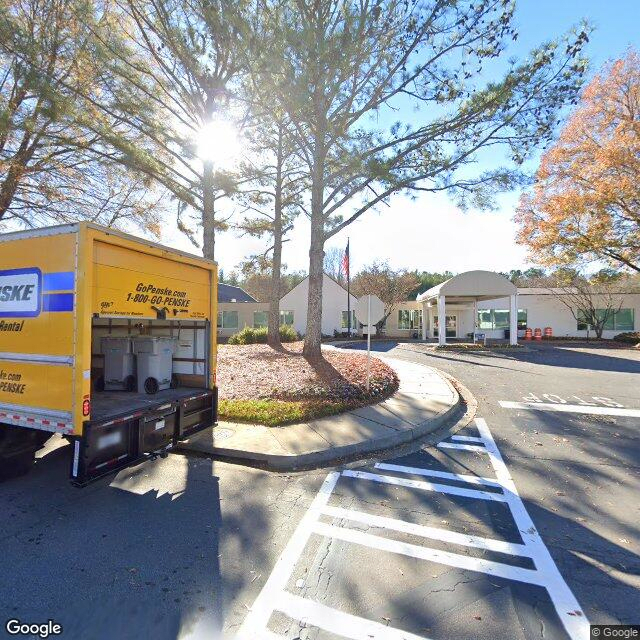
650 Professional Dr, Lawrenceville, GA 30046
To contact a resident: (678) 442-3000
For more information about senior living options: (866) 208-4318
Overall Review of Gwinnett Extended Care Ctr
Pros
 The staff were amazing, with special thanks to Johnathon and Tulsa for being amazing nurses.
- Best facility in Georgia.
- This is a five-star rehabilitation and extended stay care facility, with nurses and staff who are extremely nice and very caring.
- All the staff are very knowledgeable and go beyond the call of duty.
- The center has a great garden and walking area for wheelchair-bound patients, and the staff are friendly and helpful.
- The OT and PT staff are super.
- Donnia is outstanding among the staff.
- The mother has been there since September 2014 and loves it, having made new friends and loving all the staff.
Cons
 The facility is terrible.
- It’s described as the worst place ever, with staff who are rude and don’t care if residents live or die.
- Extended care is permanently closed.
- They would rather die a slow and painful death than spend another minute there.
- After hours, nurses tell visitors to go to hell, and the night shift won’t answer the intercom even with verbal confirmation.
- The staff are rude and denied access to their relative.
- Complaints are met with being hung up on and ignored.
- The doctors don’t call back, and the staff are clueless at every shift change.
- The campus is awfully built, poorly indicated, and catastrophically inadequate for a hospital.
- The review advises taking family elsewhere.
- They would not recommend anyone use this facility.
- A patient was discharged with undiagnosed pneumonia, leading to a hospital stay; there was a lack of care and misleading reports.
- The staff are uncaring and the facility is understaffed, causing delays in basic needs and pain relief.
- The place is horrible; staff are unprofessional and raise their voices at patients, and credentials should be pulled.
Review
Gwinnett Extended Care Ctr in Lawrenceville, GA is best suited for families seeking a short-term rehab path where the family can stay actively involved and monitor care, and where the campus atmosphere and at least some capable nursing staff can support recovery. It is not presented as a one-size-fits-all solution for long-term custodial care, and the reality shared by families makes clear that a caregiver’s vigilance will be essential if this choice is pursued.
Those evaluating options should explicitly consider alternatives if consistent, respectful, and transparent care is non-negotiable. The reviews repeatedly flag access and communication gaps, and stress that after-hours visits and daily contact can be unreliable. Families with loved ones who require reliable, empathetic bedside attention, timely med administration, and dependable response to calls should look for facilities with stronger staffing consistency and clearer, more proactive family communication. In short, if steady, predictable service is the priority, other communities deserve serious comparison.
On the positive side, certain rehab-focused experiences at this site are noted. A subset of staff members show genuine care and competence, with mentions of effective OT/PT work and supportive nursing contact during specific shifts. The physical environment, the center garden and walking areas, also receives favorable comments and can be a meaningful perk for patients pursuing mobility and range-of-motion goals. These elements suggest that for patients who benefit from dedicated rehab staff and a pleasant outdoor setting, some days can be productive and even uplifting.
Yet the cons significantly temper those advantages. Numerous reviewers describe rude or dismissive behavior from staff, with reports of being denied access or subjected to unreturned calls and ignored inquiries. The fear voiced by families centers on safety and dignity: delayed responses for basic needs, delayed pain management, and perceived lack of nursing attentiveness during shift changes. There are grim anecdotes of serious adverse outcomes following discharge and infection concerns, which amplify the sense that overall care quality can be uneven and hard to rely upon. The combination of understaffing, inconsistent performance across shifts, and negative interpersonal dynamics creates a high-stress environment for both residents and families.
The key pros, effective rehab opportunities in a more welcoming garden setting and pockets of caring staff, do not consistently offset the heavy weight of the cons. Recovery hinges on dependable staffing, timely communication, and transparent progress reporting; when those are unreliable, short-term rehab can devolve into frustration and risk. Families should insist on a candid, condition-by-condition care plan, written escalation pathways, and real-time updates from a designated point person. Tours should cover multiple shifts to observe how responses vary, and it is essential to verify current visitation policies and access logistics before making a commitment.
In closing, Gwinnett Extended Care Ctr most clearly serves those who can supervise care closely and require a rehab-focused program where a few dependable staff members can make a meaningful difference. For long-term residents or families prioritizing consistently calm, responsive, and respectful day-to-day care, alternatives should be pursued. If this option is considered, approach it with a sharp oversight plan: require ongoing, documented progress notes; confirm staffing ratios and the reliability of after-hours access; and prepare to intervene promptly if communication gaps or care delays become evident. The decision hinges on balancing the potential rehab gains against the real-world risk of inconsistent care and difficult stakeholder interactions.
 Skilled Nursing Facility


 Exploring Nonmedical Home Care: Understanding Services, Costs, and Financial Approaches
 Engaging Brain Games and Innovative Apps to Keep Senior Minds Active
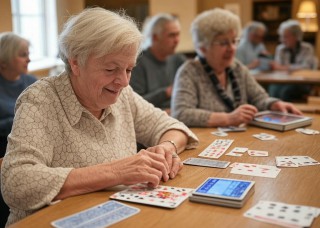 Effective Strategies for Keeping Seniors' Minds Active: A Deep Dive into Brain Games and Apps