Garden Plaza at Lawrenceville offers competitive monthly pricing for its various room types compared to both Gwinnett County and the broader state of Georgia. For a studio apartment, residents can expect to pay $2,495, which is significantly lower than the county average of $3,580 and also more affordable than the state average of $3,520. The one-bedroom units are priced at $2,995, again presenting a notable savings over Gwinnett's average of $3,647 and Georgia's average of $3,412. Finally, two-bedroom accommodations at Garden Plaza cost $3,795, which is more economical than both Gwinnett County's average of $4,484 and the state's average of $3,921. Overall, Garden Plaza at Lawrenceville stands out as an attractive option for those seeking quality living arrangements without compromising their budget.
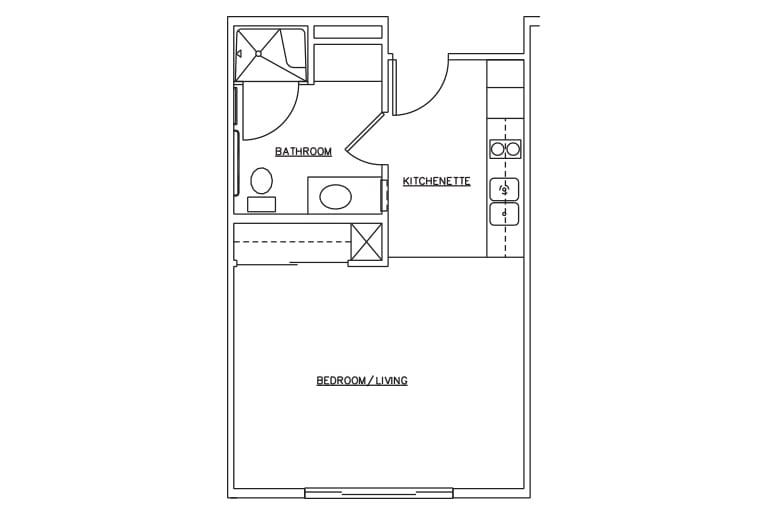
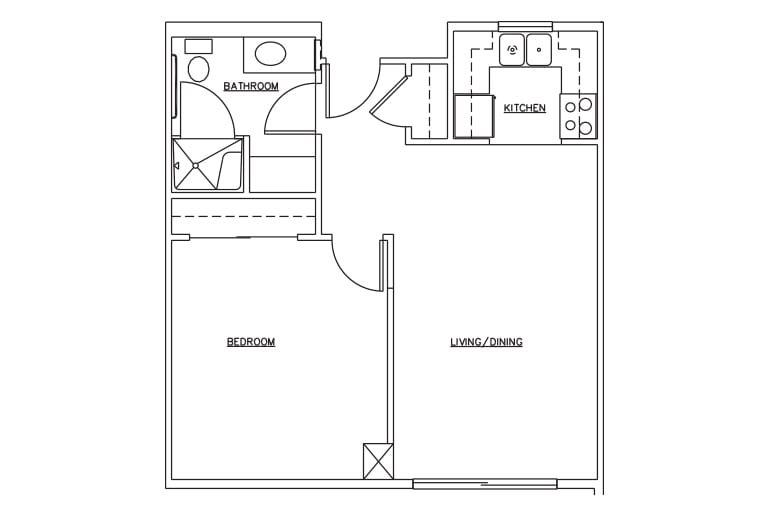
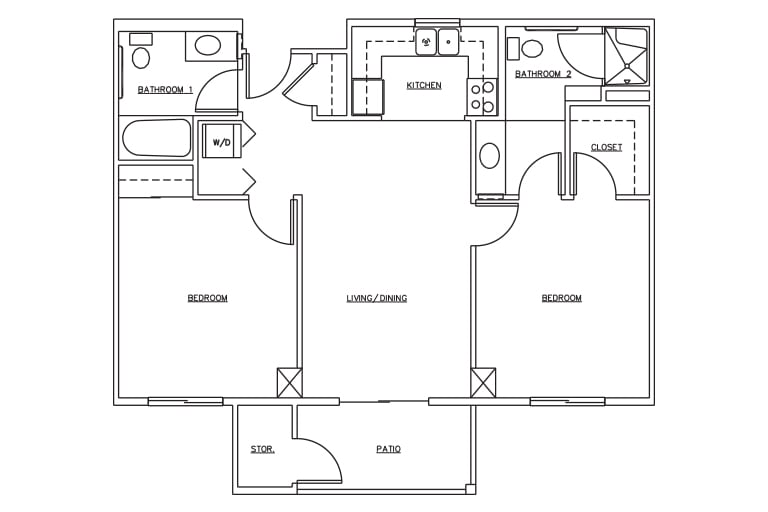
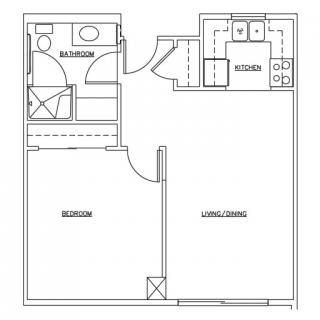
Floor plans
Garden Plaza at Lawrenceville
Gwinnett County
Georgia
Studio
$2,495
$3,580
$3,520
1 Bedroom
$2,995
$3,647
$3,412
2 Bedrooms
$3,795
$4,484
$3,921
Independent Living communities with a similar price nearby
Staff friendliness and responsiveness are a consistent part of residents’ day-to-day experience.
Multiple reviewers describe the staff as friendly, helpful, and welcoming—especially at the front desk and dining areas. Several also mention that staff go out of their way to address concerns, make transitions easier, and provide support when families need it. A few comments also point to communication challenges with specific individuals, but the overall tone stays focused on caring interactions.
common22 reviews mention this
Facility cleanliness and upkeep
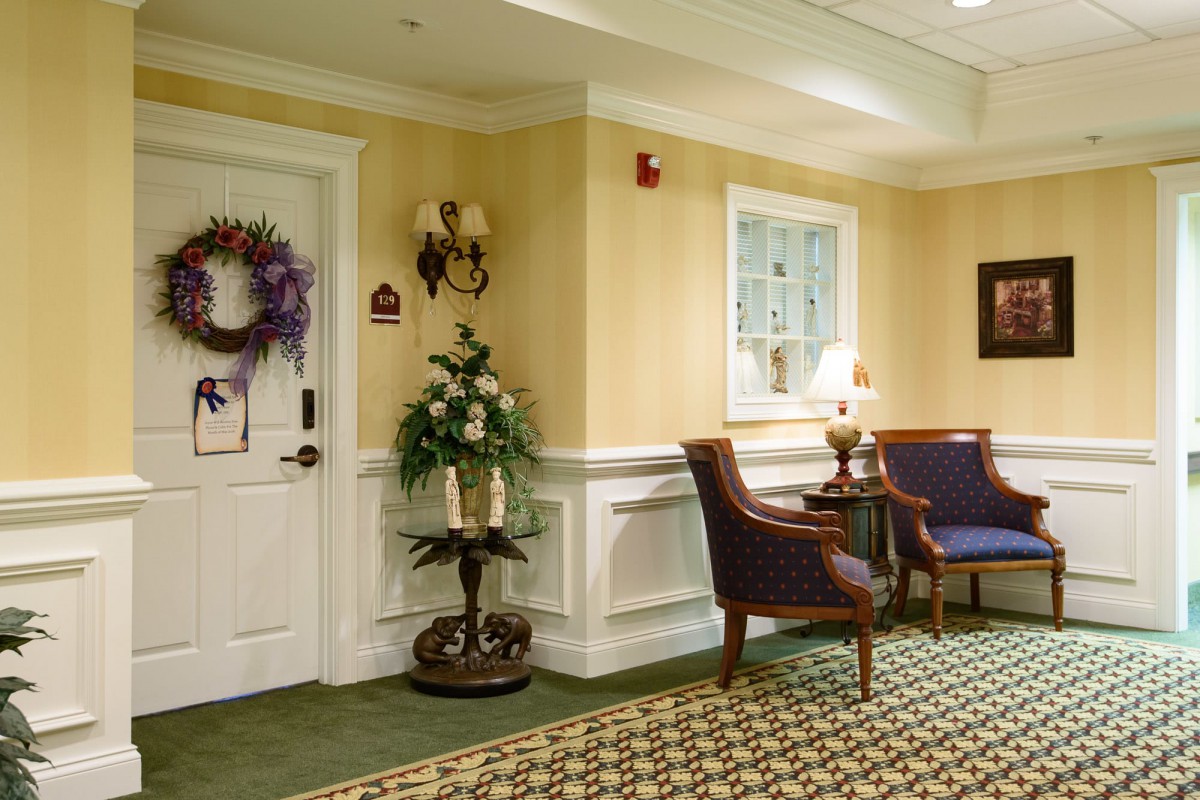
Reviews repeatedly highlight a clean, well-kept community environment.
Reviewers commonly describe the building as clean, maintained well, and generally immaculate. Families also mention housekeeping and laundry as reliable, including weekly apartment cleaning and fresh linens. While one reviewer notes the facility is showing its age and may need updating, most comments describe the environment positively.
caveat26 reviews mention this
Meals are convenient, but vary
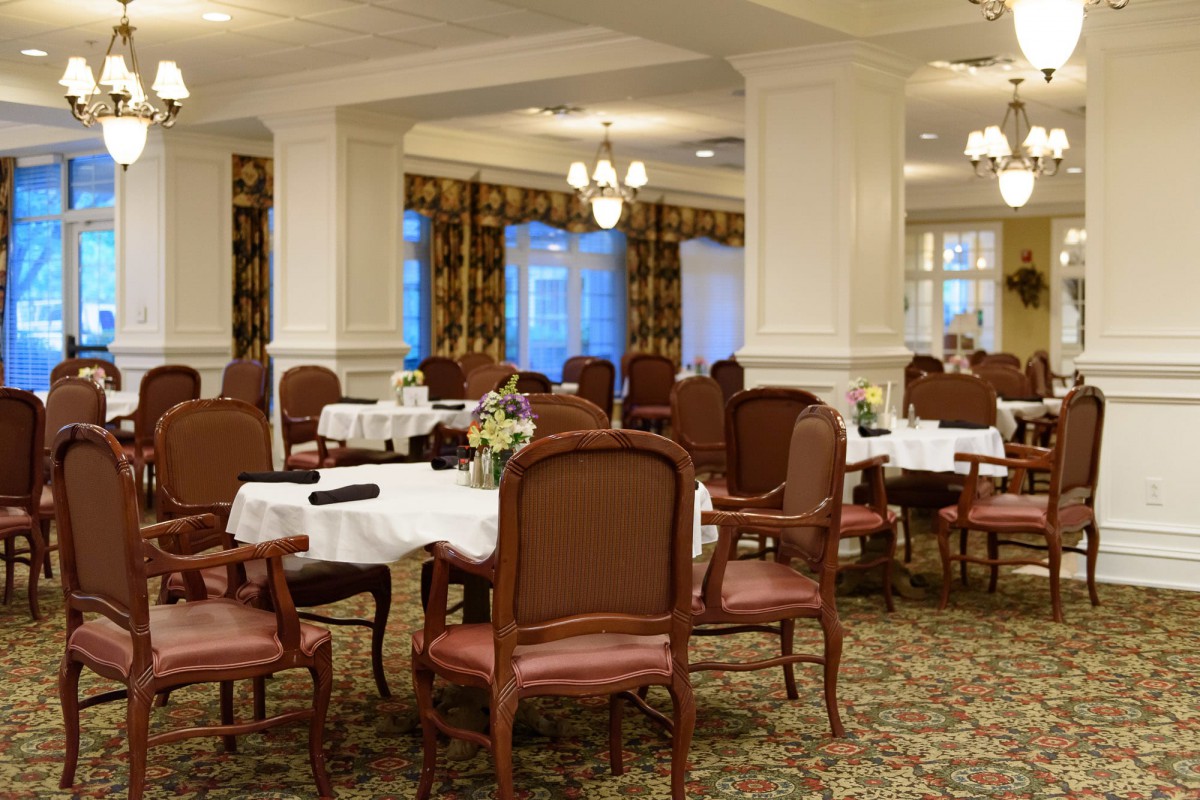
Dining is praised for convenience and restaurant-style presentation, but some reviews raise consistency concerns.
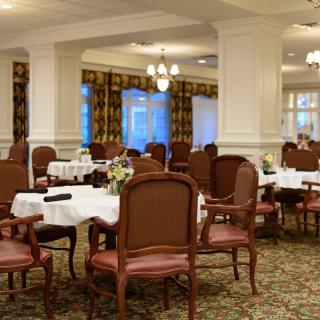
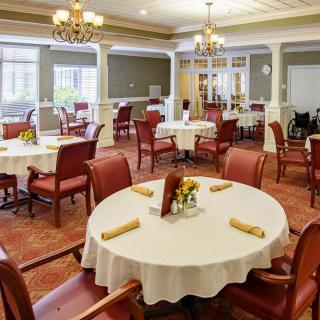
Several residents and families say the meals are convenient and serve as a social time, with some calling the dining experience “fine dining” and praising specific servers. At the same time, multiple reviewers mention food consistency issues, including needing more variety, running out of food, and concerns that portioning or rules have changed. One reviewer even describes an unusually poor experience with meals, while others counter that food is good or fine overall.
common18 reviews mention this
Activities and transportation support
Many residents use activities and scheduled transportation to stay engaged.
Reviewers describe a wide range of activities and programs, plus day trips and outings that help residents get out and meet people. Transportation is also mentioned as available for doctor appointments and shopping, which supports independent living routines. A few comments flag limitations—such as reduced activity schedules at times or concerns about transportation dependability—so the experience appears to depend on staffing and timing.
differentiator6 reviews mention this
Pricing is positioned as a value
Pricing is discussed as competitive or a value, with at least some concerns about expense.
Some reviewers describe the community as having good value or being among the least expensive options they saw, and several compare costs favorably in the area. Others say it is expensive for what they want, and one review specifically contrasts the price with needs like participation. The listing also shows pricing ranges that sit well below county and state benchmarks across unit types.
How we summarize
Counts show how many written reviews mention each theme; a review can touch several themes, and only frequently mentioned themes are displayed.
Features
Types of Care
Independent Living
Pets
Cats allowed
Dogs allowed
Amenities
Activities off-site
Activities on-site
Bath tubs
Beautician on-site
Devotional services off-site
Indoor common areas
Outdoor common areas
Private bathrooms
Swimming pool / hot tub
Care Services
Ambulatory care
Dining
Meals provided
Activities
Art classes
Day trips and outings
Devotional activities offsite
Educational speakers / life long learning
Happy hour
Karaoke
Live dance or theater performances
Live musical performances
Live well programs
Stretching classes
Tai Chi
Water aerobics
Wine tasting
Nearby Places of Interest
This part of Lawrenceville, Georgia offers a convenient and diverse range of amenities for seniors considering the area for living. With multiple physicians, pharmacies, and the Wound Treatment Center at Northside Hospital Gwinnett nearby, residents have access to quality healthcare services. There are also several restaurants, cafes, and a brewery within close proximity for dining and socializing. Additionally, there are places of worship and parks nearby for spiritual fulfillment and recreational activities. The area provides a well-rounded environment with opportunities for both relaxation and engagement within the community.
Physicians
Philip A. Romm (0.5 miles)
Gwinnett County Radiation Therapy Center (0.6 miles)
Garden Plaza at Lawrenceville offers competitive monthly pricing for its various room types compared to both Gwinnett County and the broader state of Georgia. For a studio apartment, residents can expect to pay $2,495, which is significantly lower than the county average of $3,580 and also more affordable than the state average of $3,520. The one-bedroom units are priced at $2,995, again presenting a notable savings over Gwinnett's average of $3,647 and Georgia's average of $3,412. Finally, two-bedroom accommodations at Garden Plaza cost $3,795, which is more economical than both Gwinnett County's average of $4,484 and the state's average of $3,921. Overall, Garden Plaza at Lawrenceville stands out as an attractive option for those seeking quality living arrangements without compromising their budget.
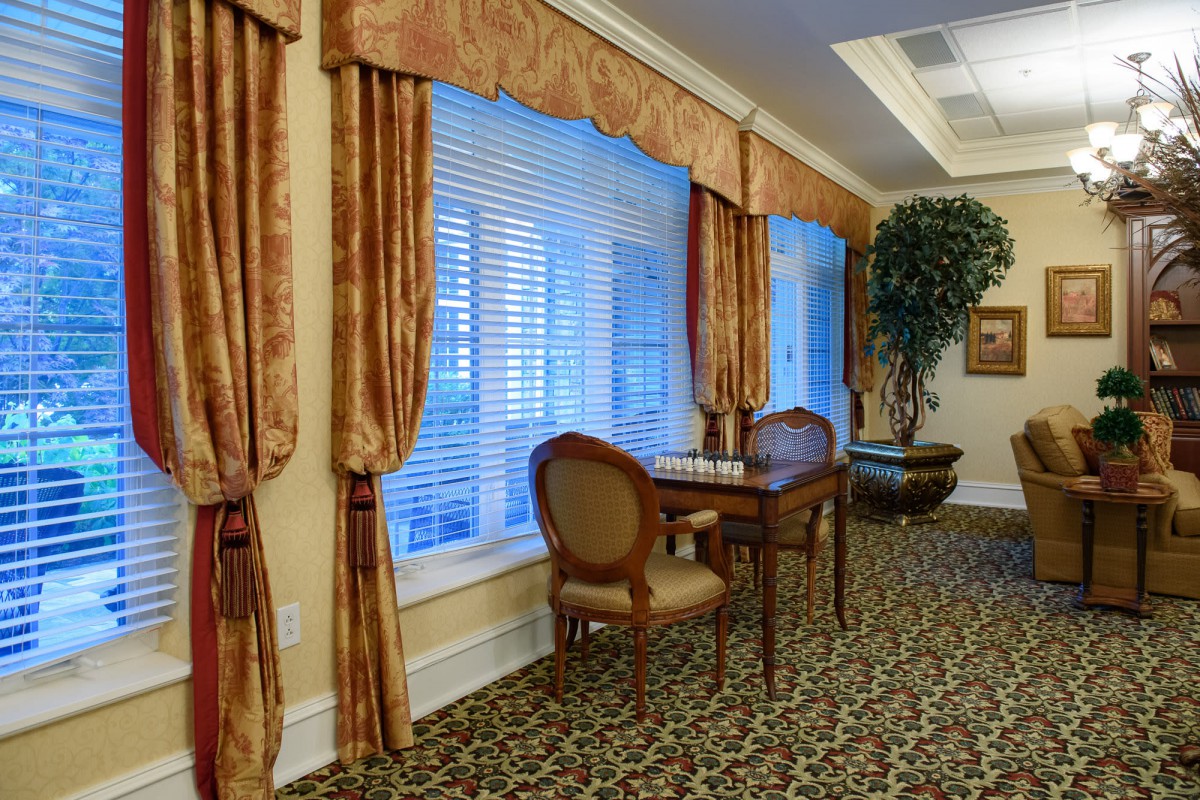
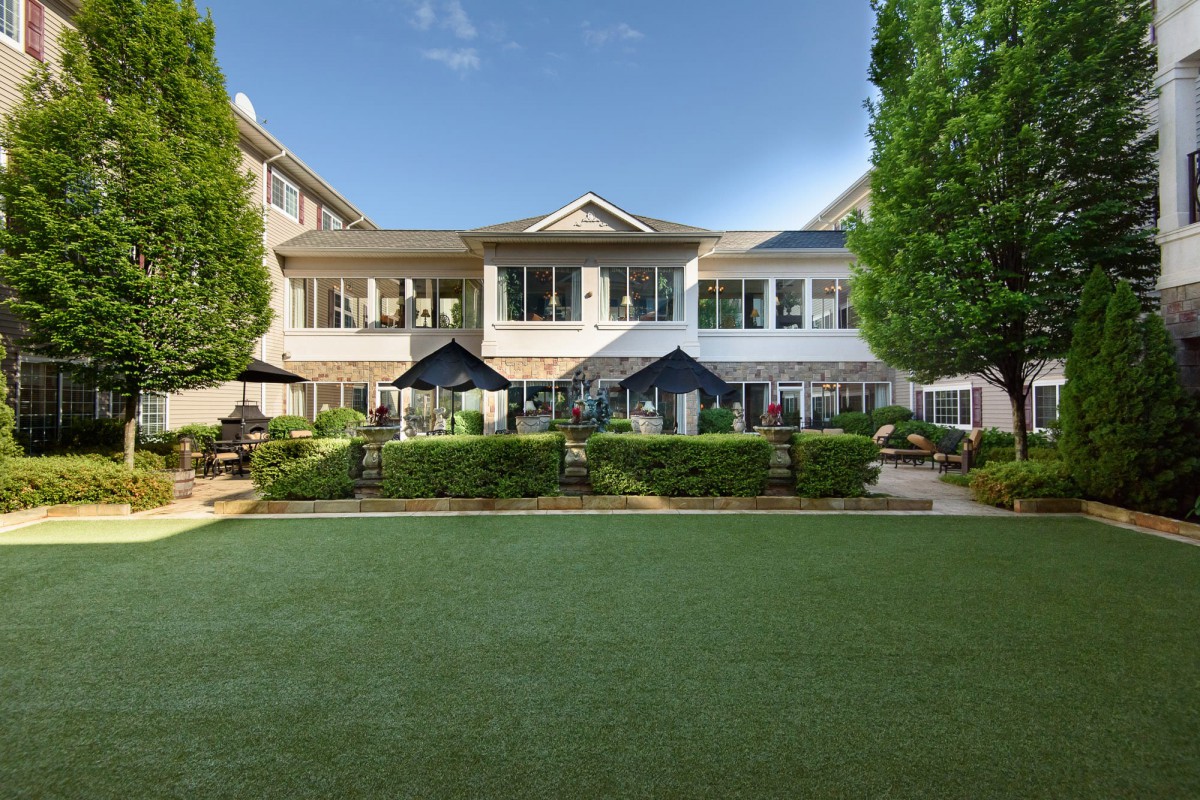
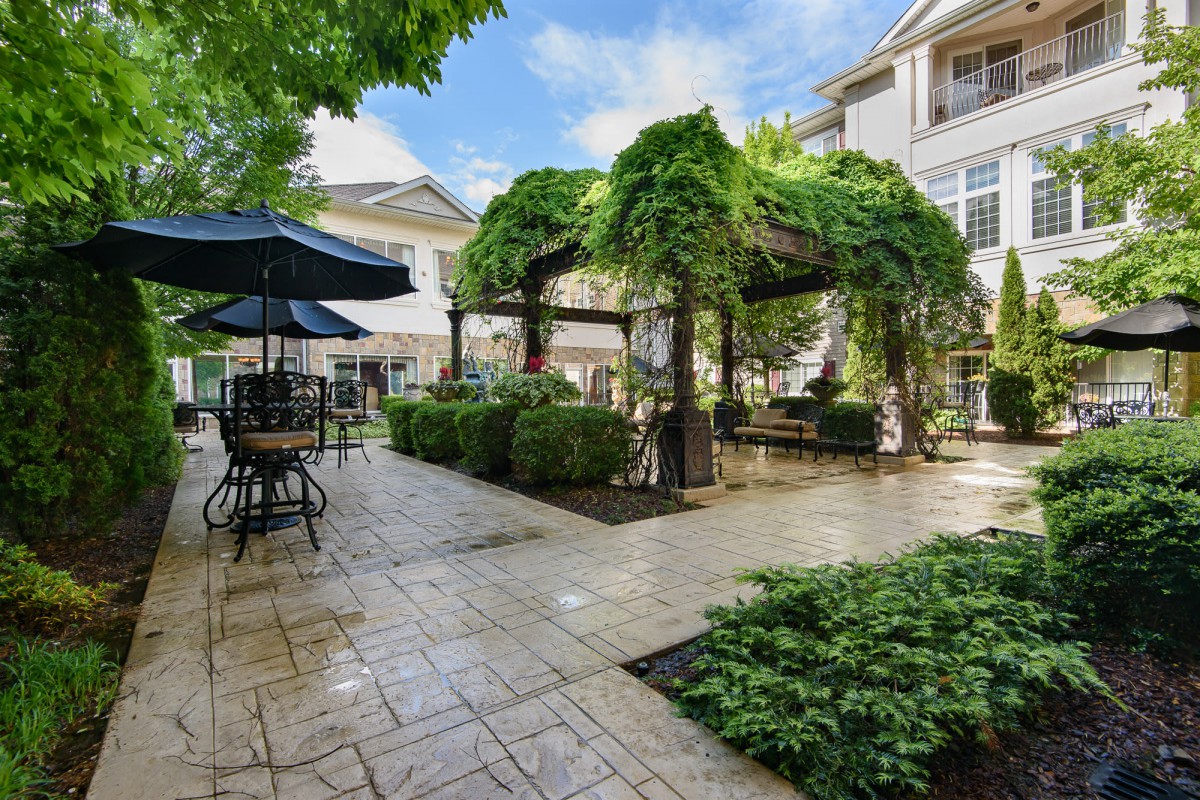
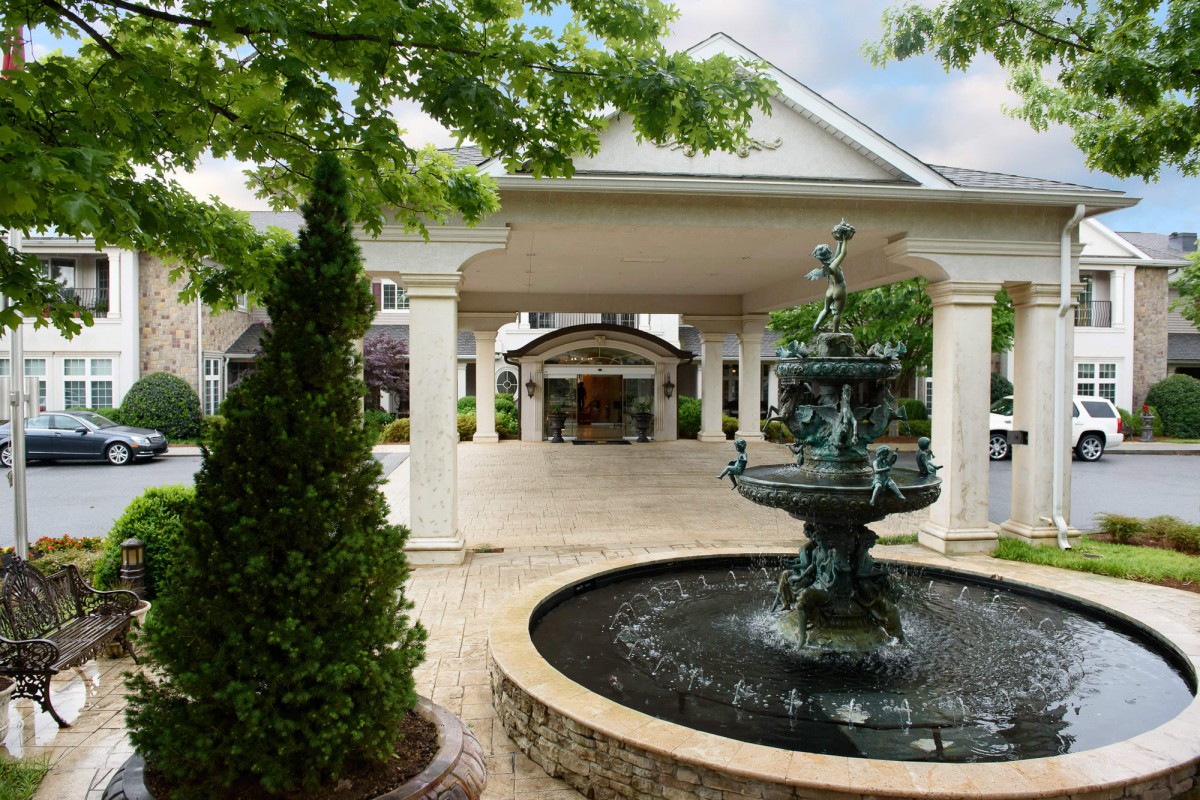
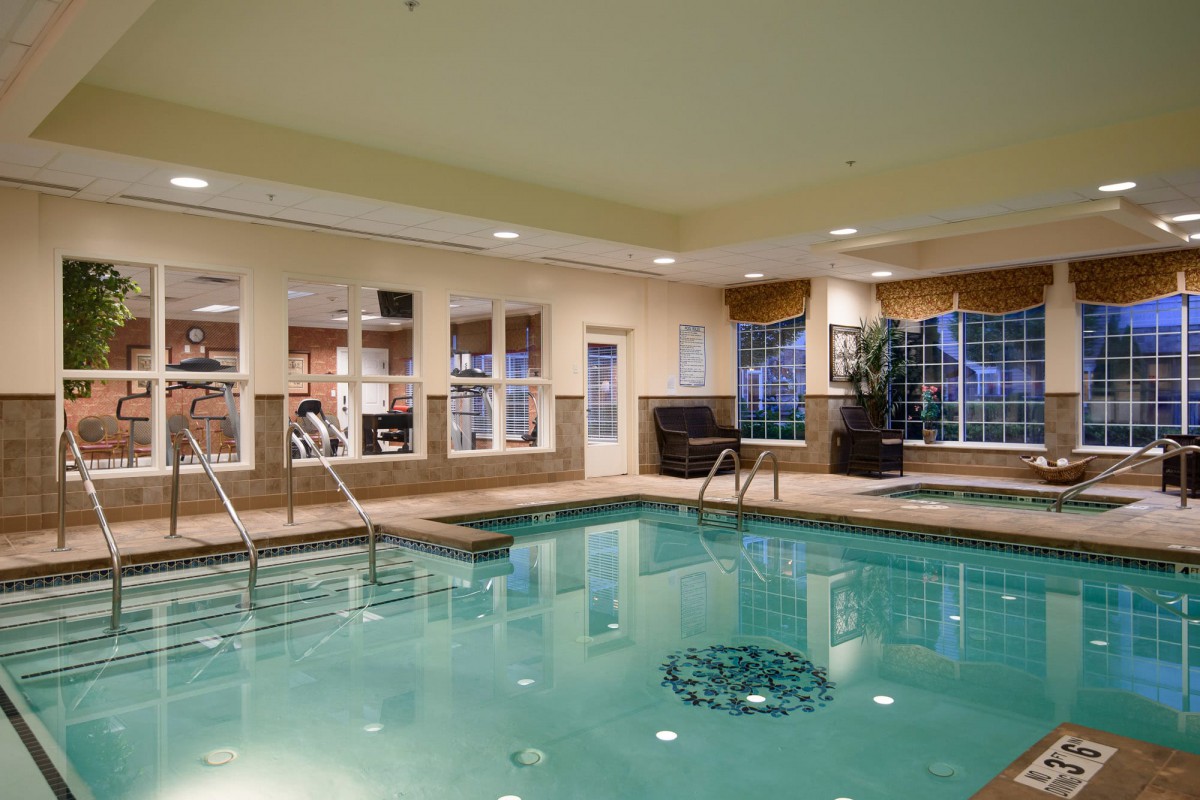
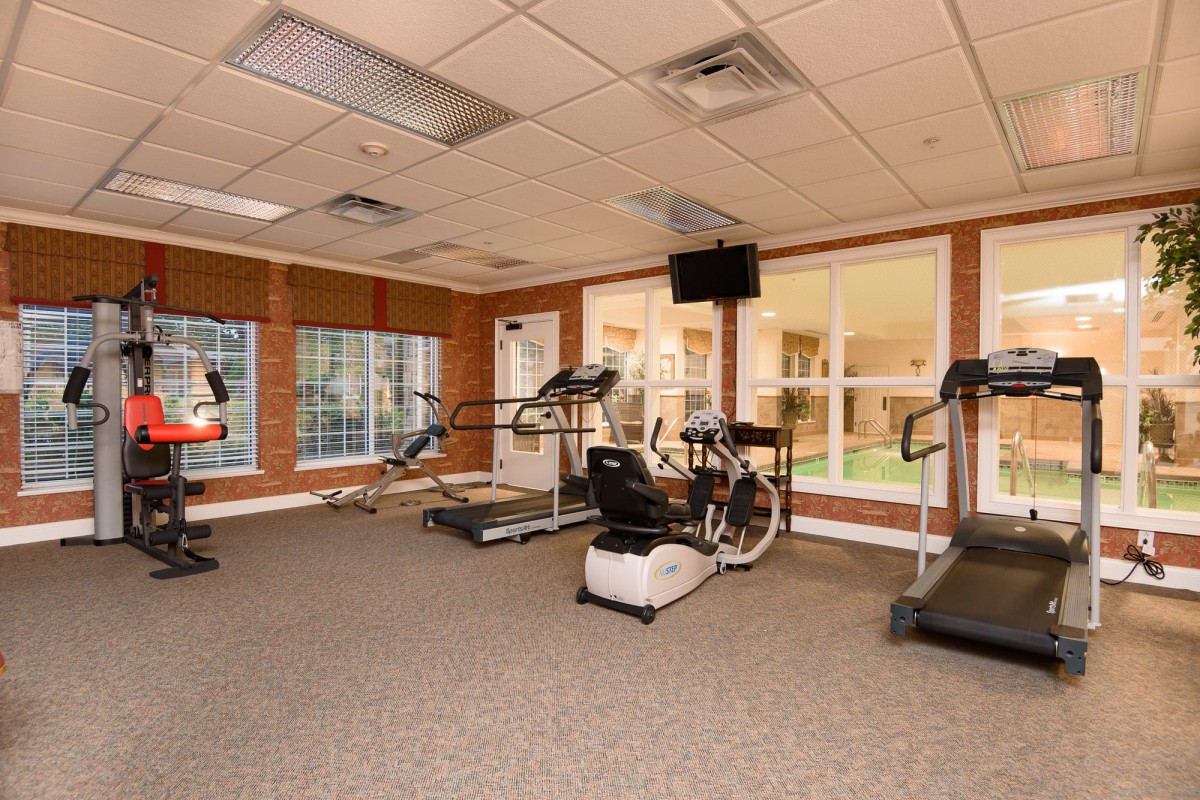
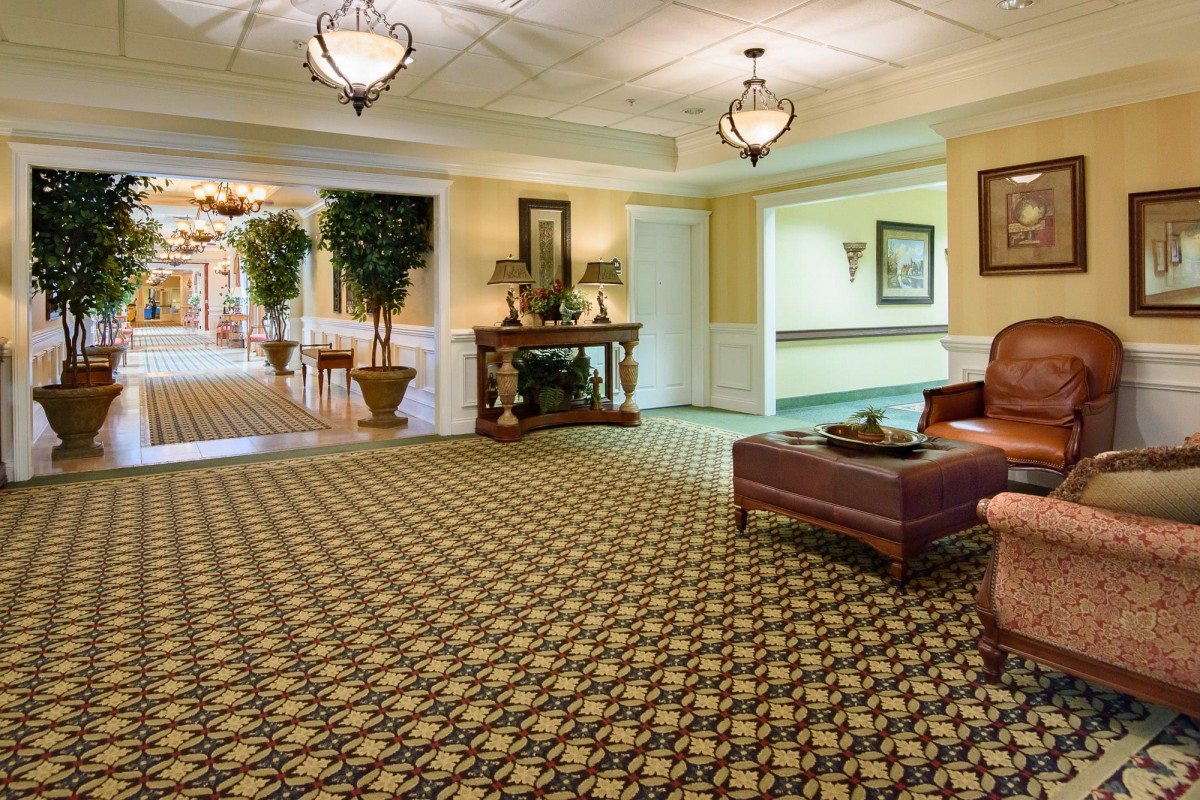
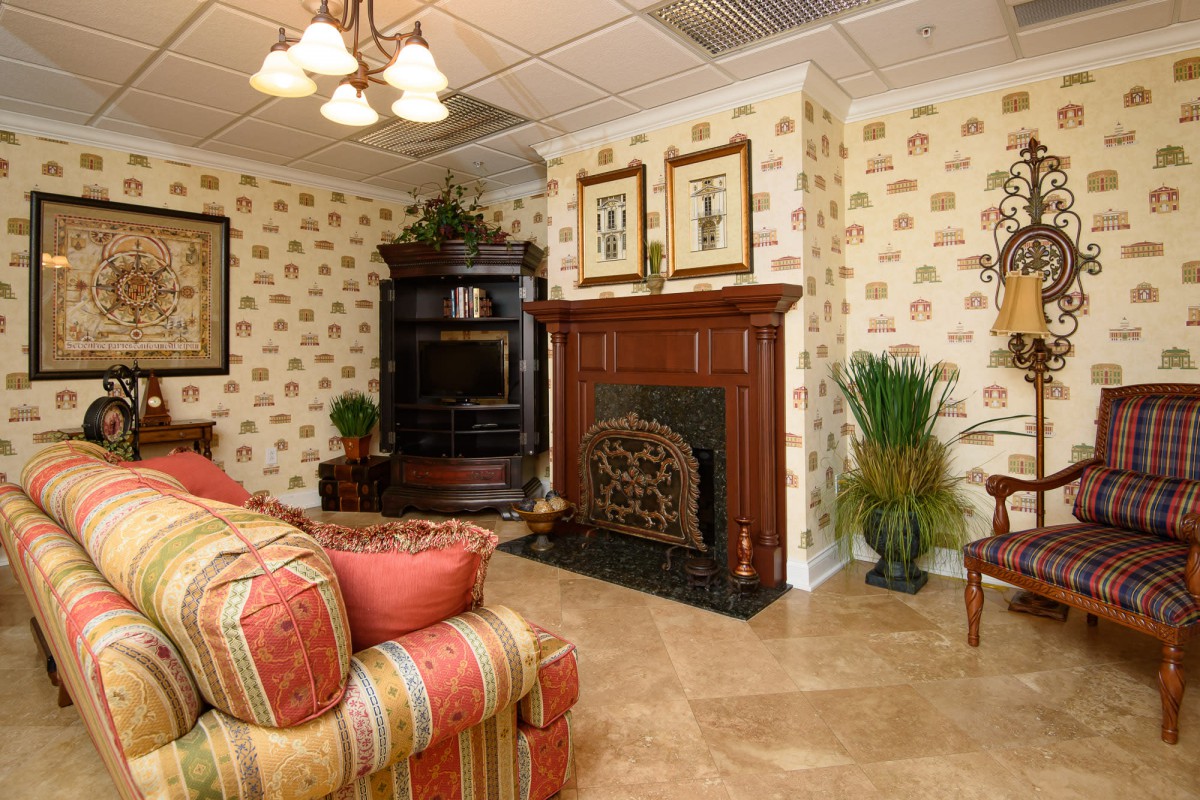
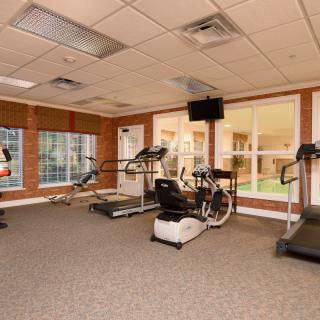
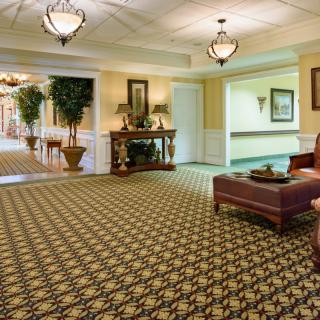
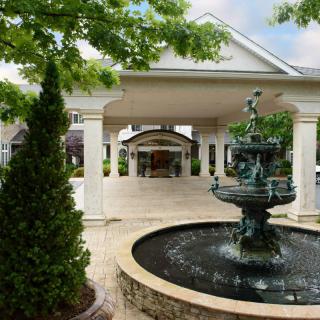
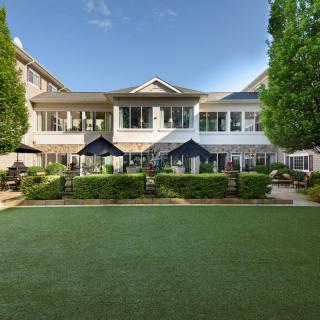
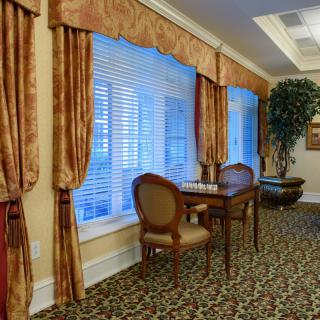
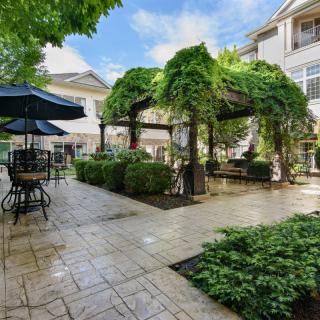
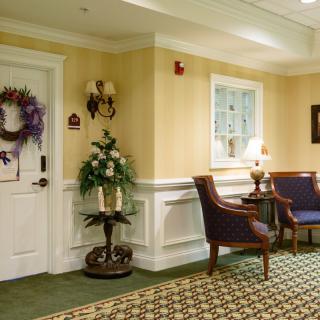
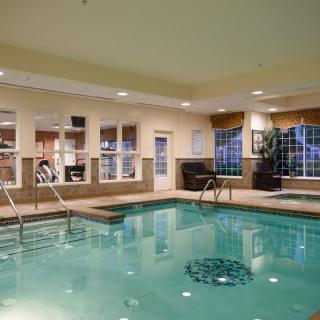
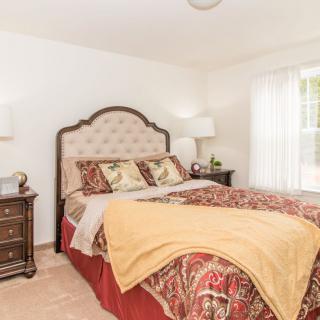
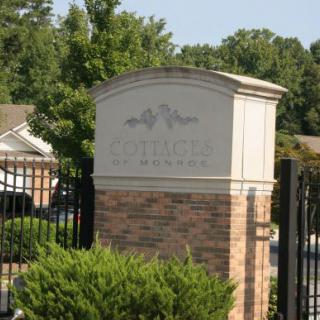
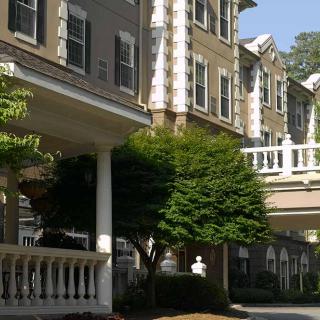
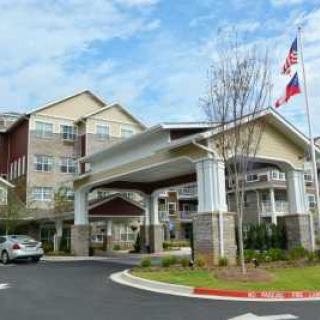
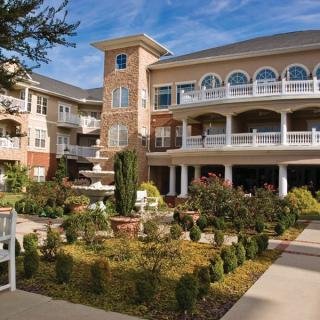
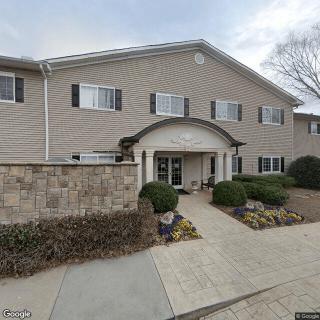
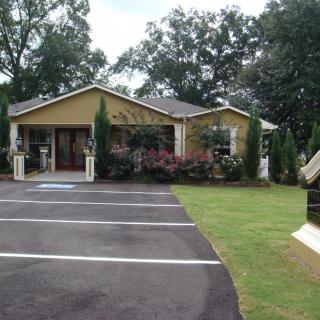
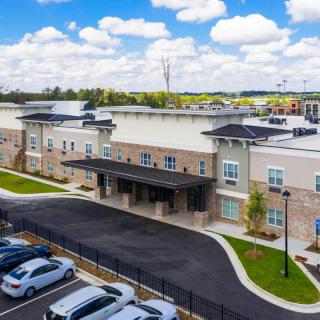
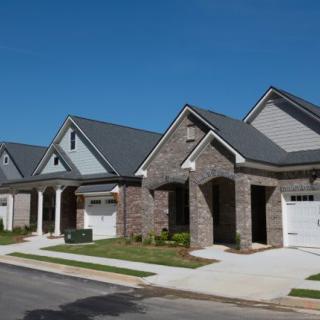
Garden Plaza at Lawrenceville on seniors.fyi includes 14 photos including images showing floor plan, interior, landscaping, decor, architecture, windows, living room, trees, and more.
Nearby Communities
Life Care Center Of Lawrenceville
Lawrenceville, GA
4.4 from 100 reviews
Fully furnished apartments with restaurant-style dining and 24-hour supervision.
Life Care Ctr of Lawrenceville
Lawrenceville, GA
4.3 from 129 reviews
Clean, attractive environment with some compassionate staff and solid rehab outcomes.
Bridge At Lawrenceville
Lawrenceville, GA
4.1 from 28 reviews
Specialized diabetic care with strong access to nearby medical and social amenities.
The Bridge At Lawrenceville
Lawrenceville, GA
3.9 from 68 reviews
$3,120 to $3,650 / month
Friendly staff, engaging activities, and a clean, well-maintained community in a convenient location.
Legacy Personal Care Home
Lawrenceville, GA
4.8 from 9 reviews
Small, intimate six-room community with personalized, 24/7 care and attentive staff.
Arthritis encompasses over 100 joint disorders affecting people of all ages, leading to symptoms like pain and stiffness that impair mobility and quality of life. Effective management involves early diagnosis, lifestyle changes, medical treatments, emotional support, and ongoing monitoring with healthcare professionals.
The article highlights the high risk of falls among older adults due to factors like muscle weakness, vision issues, and environmental hazards, with one in four experiencing a fall annually. It advocates for a comprehensive prevention approach that includes exercise, home safety modifications, medication management, social support, and caregiver involvement.
Elder law attorneys assist older adults and their families with legal matters such as estate planning, Medicaid eligibility, and guardianships, while also providing protection against elder abuse. They help navigate complex regulations to safeguard financial resources, ensure well-being, and maintain autonomy for seniors.
Television, Fireplace, Indoor Plants, and Traditional Decor
Chandelier and Lobby
Seating Area, Hallway, and Plant
Patio and Pergola
Exercise Equipment, Gym, and Treadmill
Studio Apartment
Swimming Pool, Indoor Pool, and Spa
Potted Plant
Get PricingAsk A QuestionSchedule A TourContact Senior Advisor
By clicking submit, you agree to our Partner's Terms of Use. You
also consent to receive calls and texts, which may be autodialed, from our Partner. Your consent is not a condition to
using our Partner's service. Please visit our Partner's Privacy Policy for information about their privacy practices.


 Independent Living
 Cats allowed
 Dogs allowed
 Activities off-site
 Bath tubs
 Beautician on-site
 Devotional services off-site
 Indoor common areas
 Outdoor common areas
 Private bathrooms
 Swimming pool / hot tub
 Ambulatory care
 Meals provided
 Art classes
 Day trips and outings
 Educational speakers / life long learning
 Happy hour
 Karaoke
 Live dance or theater performances
 Live musical performances
 Live well programs
 Wine tasting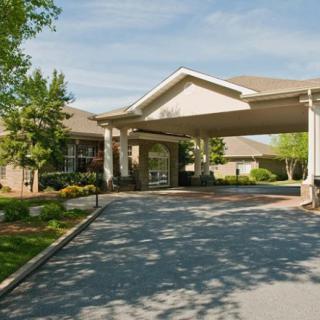
 Fully furnished apartments with restaurant-style dining and 24-hour supervision.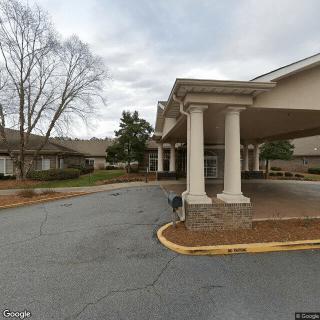

 Comprehensive Approaches for Arthritis: A Detailed Guide to Symptoms, Causes, and Care
 Comprehensive Insights and Practical Strategies to Help Older Adults Avoid Falls
 6 Crucial Ways an Elder Law Attorney Assists Families