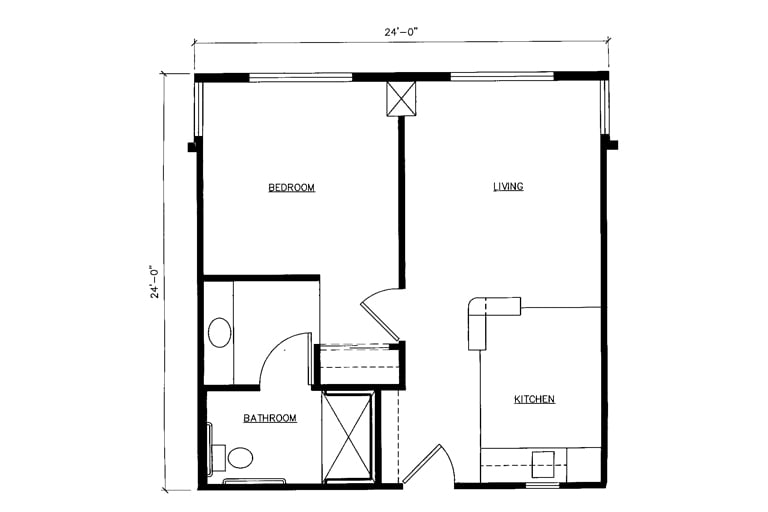
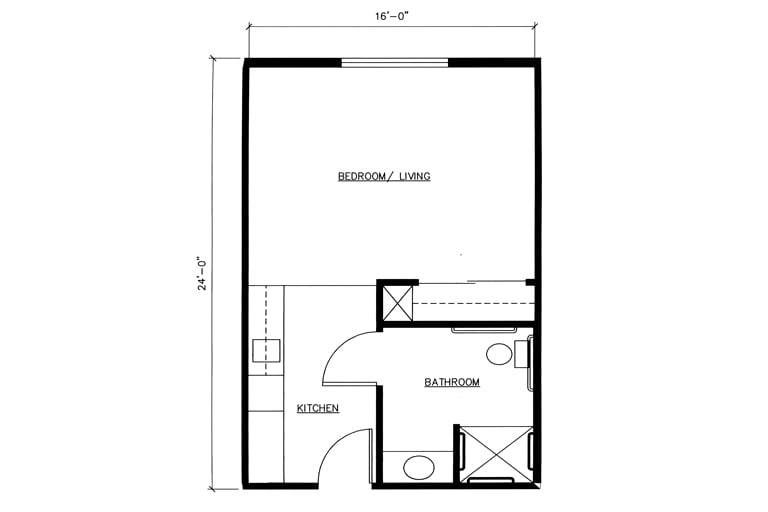
The Bridge At Lawrenceville offers competitive monthly rates for its accommodations when compared to both Gwinnett County and the broader state of Georgia. For a studio, residents can expect to pay $3,120, which is notably lower than the county average of $3,580 and slightly below the state average of $3,520. In the case of one-bedroom units, The Bridge's price of $3,650 aligns closely with Gwinnett County's rate of $3,647 while being higher than the more affordable state median of $3,412. Overall, The Bridge At Lawrenceville presents a compelling option for prospective residents seeking quality living at prices that are often more favorable than those found locally and statewide.
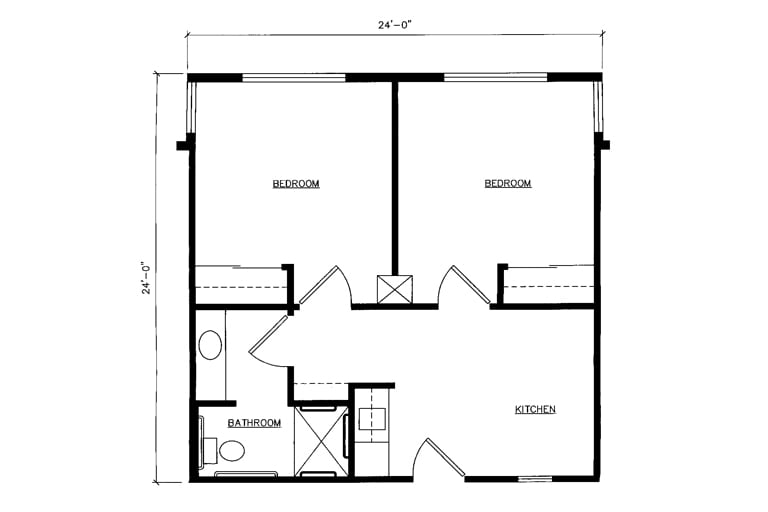
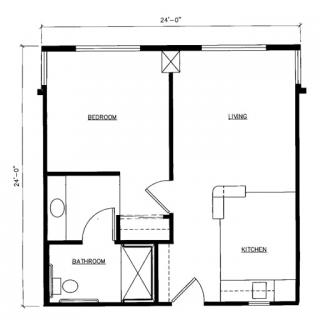
Floor plans
The Bridge At Lawrenceville
Gwinnett County
Georgia
Studio
$3,120
$3,580
$3,520
1 Bedroom
$3,650
$3,647
$3,412
Assisted Living communities with a similar price nearby
Residents and families describe regular programming, from scheduled daily activities to games and group events. Multiple reviews call out an activities director and note that the calendar stays full, with activities designed for resident participation. A few reviewers also mention entertainment options like bingo and puzzles, as well as things like day-to-day programming being managed every day.
common22 reviews mention this
Staff kindness and responsiveness
Many residents’ families describe friendly, caring support from staff.
A large share of reviews emphasize that staff members are friendly, attentive, and caring, and that families feel reassured about safety and day-to-day support. Several reviewers specifically mention responsive help when residents call for assistance, and others point to executive leadership and front-desk staff being welcoming. Some reviews add caveats about turnover or communication challenges, but overall the staffing experience is a frequent positive theme.
common10 reviews mention this
Dining is a strong point
Dining stands out, with both positive mentions and occasional complaints.
Residents and families often describe meals positively, including restaurant-style dining and food they say is good. Several reviews highlight favorite meals like breakfast and note that dining is part of what makes daily life feel worthwhile. At the same time, a few reviewers report issues such as disappointing food or difficulty providing a specific diet, including diabetic dietary needs.
caveat5 reviews mention this
Care coordination and medication issues
Some residents and families report serious medication and care breakdowns.
A recurring negative theme is medication management and timely care when medical needs come up. Some reviewers describe neglect such as running out of medications or delays in providing required medicines. Others mention problems with communication around medical decisions or discharge timing, including situations where medication needs were not handled promptly.
caveat14 reviews mention this
Facility condition and cleanliness vary
Reviews describe a mix of cleanliness wins and upkeep complaints.
Many families describe the facility as clean, well-kept, and kept up nicely, with bright hallways and a generally maintained campus. Several reviews also mention cleanliness as part of a positive tour or ongoing experience. However, other reviewers report issues like needing a face lift, rooms not being kept as clean as desired, odors from older areas, and equipment concerns such as elevators or HVAC noise.
differentiator2 reviews mention this
Pricing and nearby convenience
Families reference competitive pricing and convenient access to home.
Some reviewers describe the cost as less than other options they visited or reasonable compared to nearby choices. Others also highlight convenience for being close to where family lives. The area around the community includes multiple nearby clinics and services, which supports that “close to home” theme described in reviews.
How we summarize
Counts show how many written reviews mention each theme; a review can touch several themes, and only frequently mentioned themes are displayed.
Features
Housing
85 resident community capacity
1-bedroom apartments
2-bedroom apartments
Studio apartments
Types of Care
Assisted Living
Amenities
Activities on-site
Air-conditioning
Beautician on-site
Beauty salon
Cable or satellite TV
Computer center
Devotional services off-site
Devotional services on-site
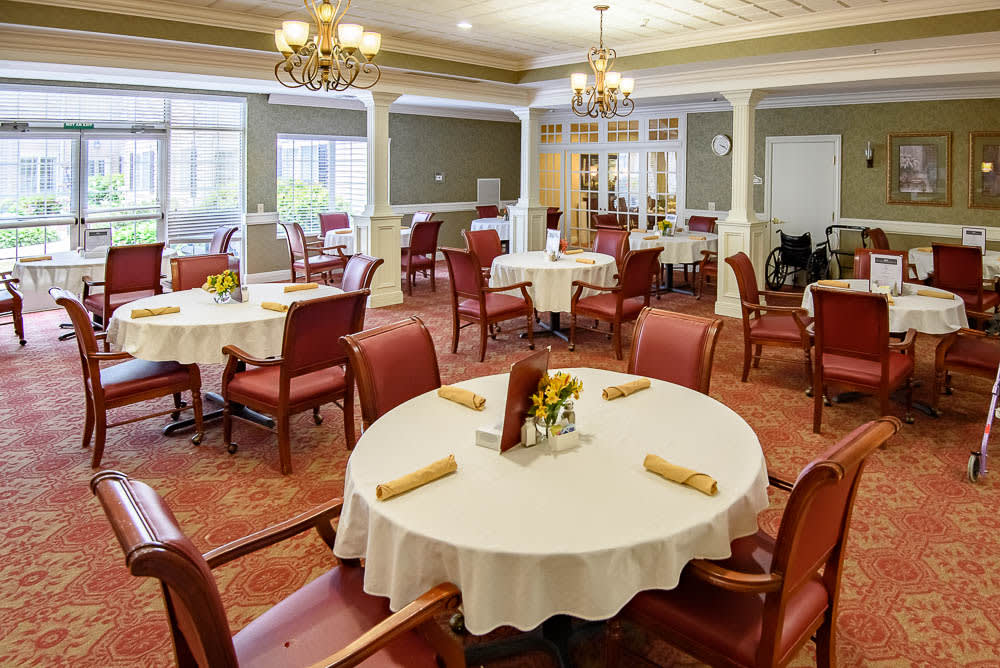
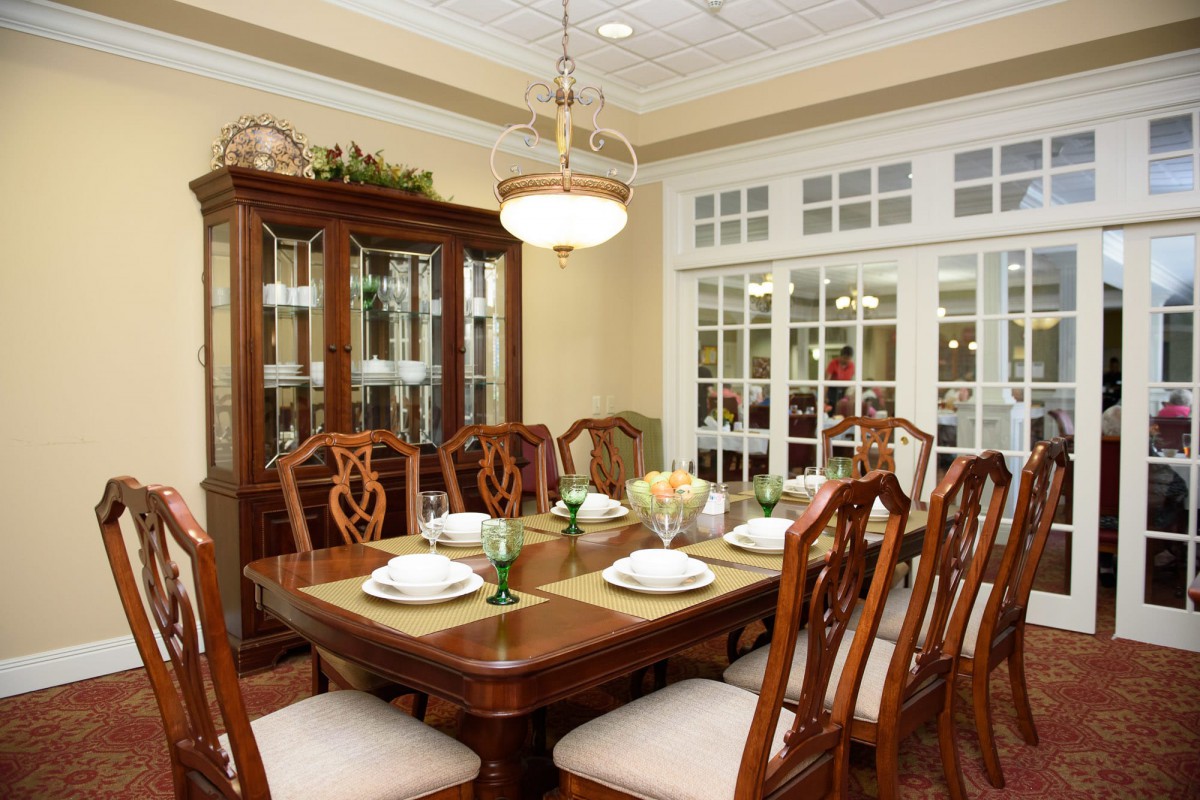
Dining room
Financial aid
Financing advice
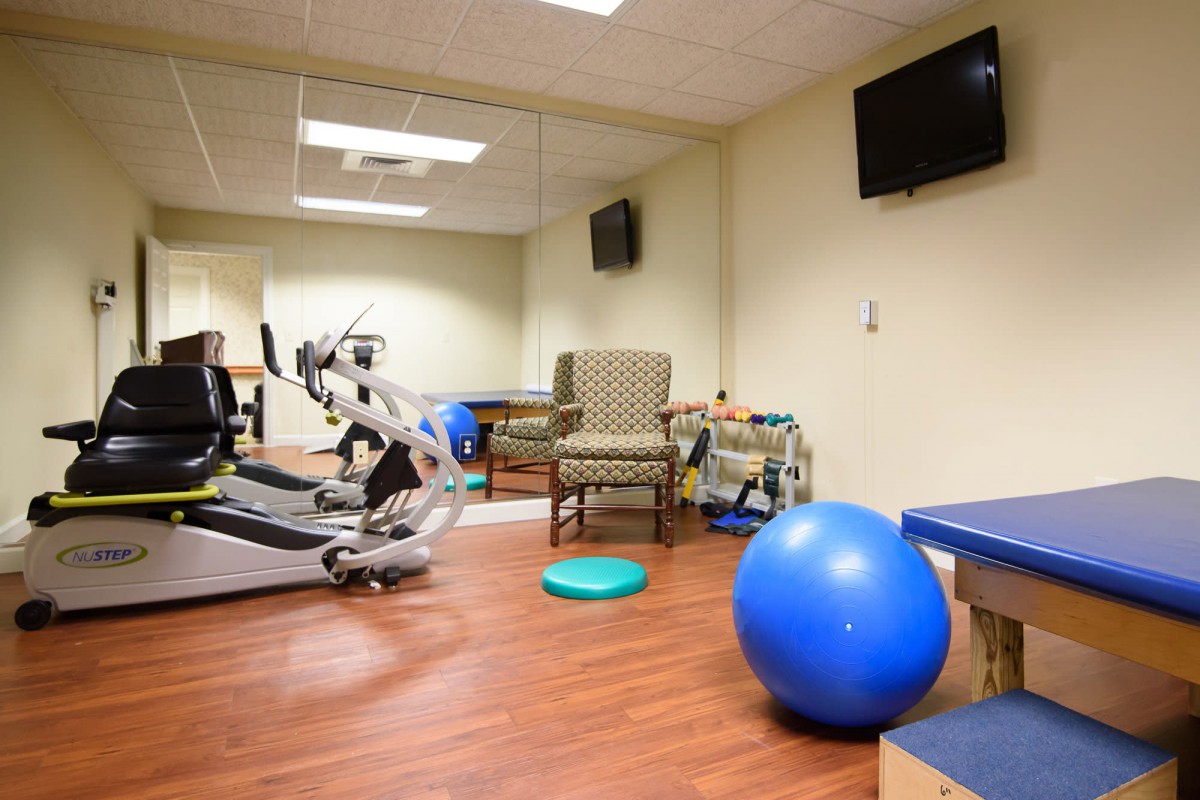
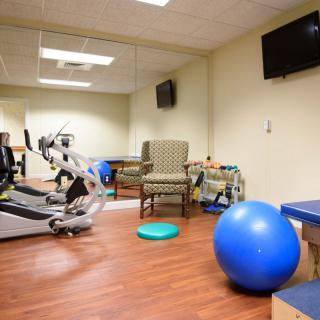
Fitness room
Full kitchen
Fully furnished
Gaming room
Garden
Guasts at mealtime
Home sale assistance
Housekeeping services
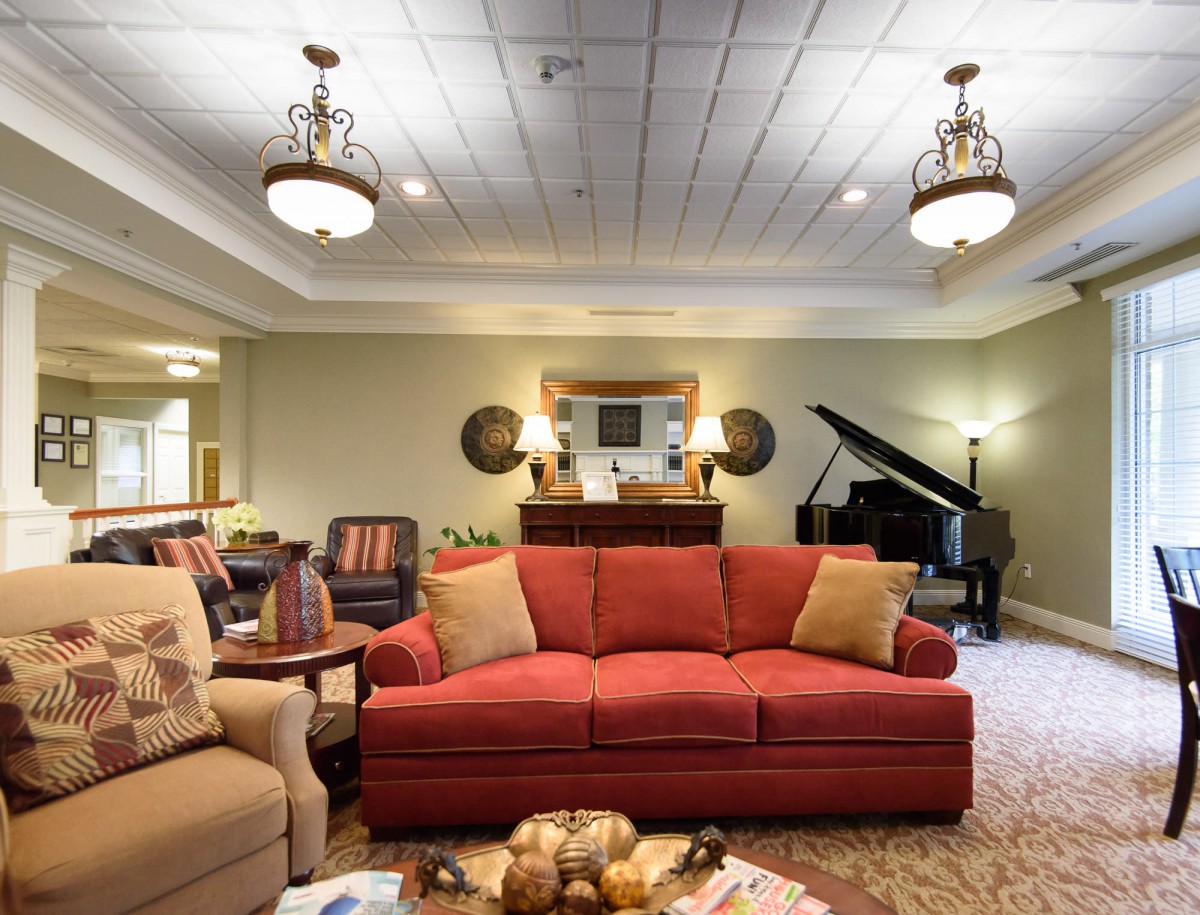
Indoor common areas
Kitchenette
Move-in coordination
Outdoor space
Overnight guests
Private bathrooms
Respite or short term stays offered
Restaurant-style dining
Small library
TV room
Telephone
VA Benefits Consultation
Wellness center
Wi-Fi/high-speed internet available
Transportation
Community operated transportation
Transportation arrangement
Transportation arrangement (non-medical)
Care Services
12-16 hour nursing
24-hour call system
24-hour supervision
Activities of daily living assistance
Ambulatory care
Assistance with bathing
Assistance with dressing
Assistance with transfers
Coordination with health care providers
Diabetes diet
Diabetic care
Meal preparation and service
Medication management
Mental wellness program
Special dietary restrictions
Transportation arrangement (medical)
Transportation to doctors appointments
Dining
Diabetes diet
Meals provided
Special dietary restrictions
Activities
Activities on-site
Arts and crafts
Community-sponsored activities
Concierge services
Devotional activities offsite
Devotional activities on-site
Fitness programs
Games
Planned day trips
Resident-run activities
Scheduled daily activities
Languages Spoken
English
Nearby Places of Interest
This area of Lawrenceville, Georgia offers a variety of amenities that may appeal to seniors looking for a peaceful and convenient place to live. With several physicians, pharmacies, and hospitals nearby, residents have easy access to healthcare services. Additionally, there are plenty of dining options ranging from fast food to more upscale restaurants like Pappadeaux Seafood Kitchen. For leisure activities, there are cafes such as Starbucks and Ding Tea as well as parks like Rhodes Jordan Park and Alexander Park for outdoor relaxation. Places of worship like the 12Stone Church and First United Methodist Church provide spiritual support for those seeking a community connection. Overall, this area combines convenience, healthcare access, dining options, and recreational opportunities making it a desirable location for senior living in Lawrenceville.
Physicians
Philip A. Romm (0.5 miles)
Gwinnett County Radiation Therapy Center (0.6 miles)
Gwinnett Clinic (0.8 miles)
Georgia Cancer Specialists (0.9 miles)
Eye Consultants of Atlanta - Lawrenceville (1.1 miles)
The Bridge At Lawrenceville offers competitive monthly rates for its accommodations when compared to both Gwinnett County and the broader state of Georgia. For a studio, residents can expect to pay $3,120, which is notably lower than the county average of $3,580 and slightly below the state average of $3,520. In the case of one-bedroom units, The Bridge's price of $3,650 aligns closely with Gwinnett County's rate of $3,647 while being higher than the more affordable state median of $3,412. Overall, The Bridge At Lawrenceville presents a compelling option for prospective residents seeking quality living at prices that are often more favorable than those found locally and statewide.
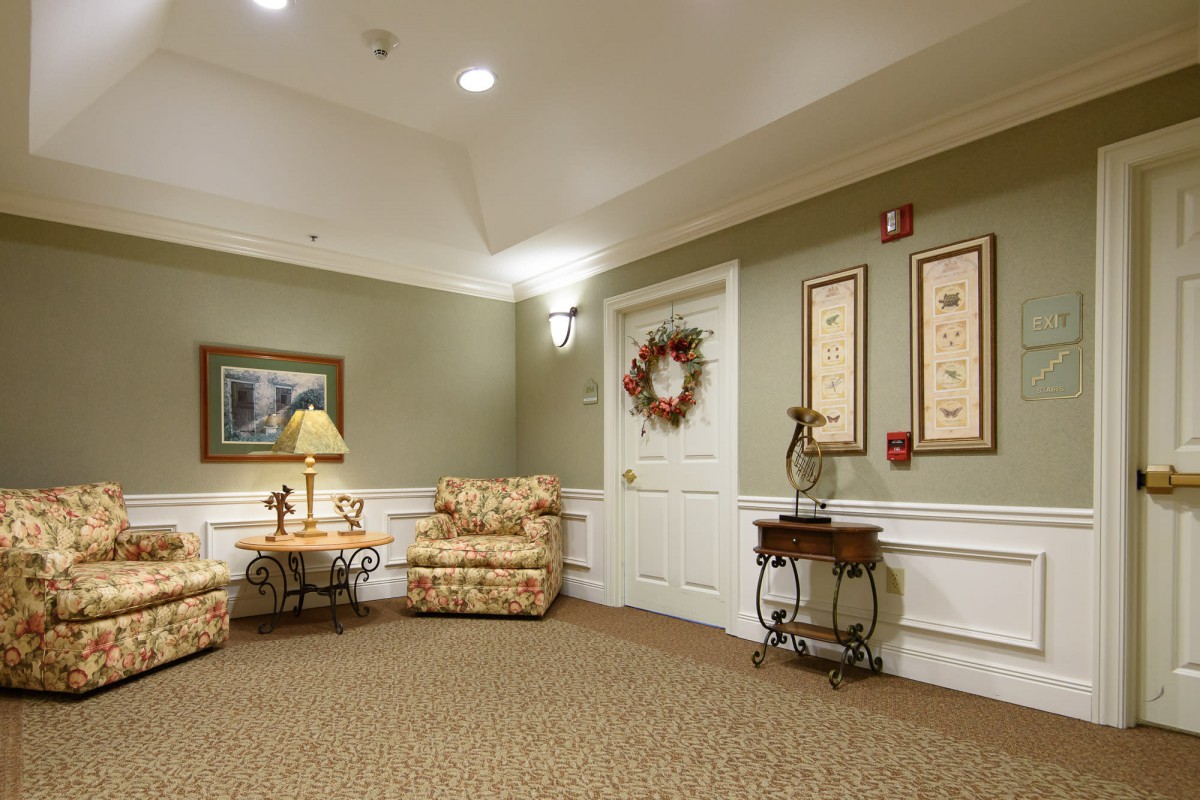
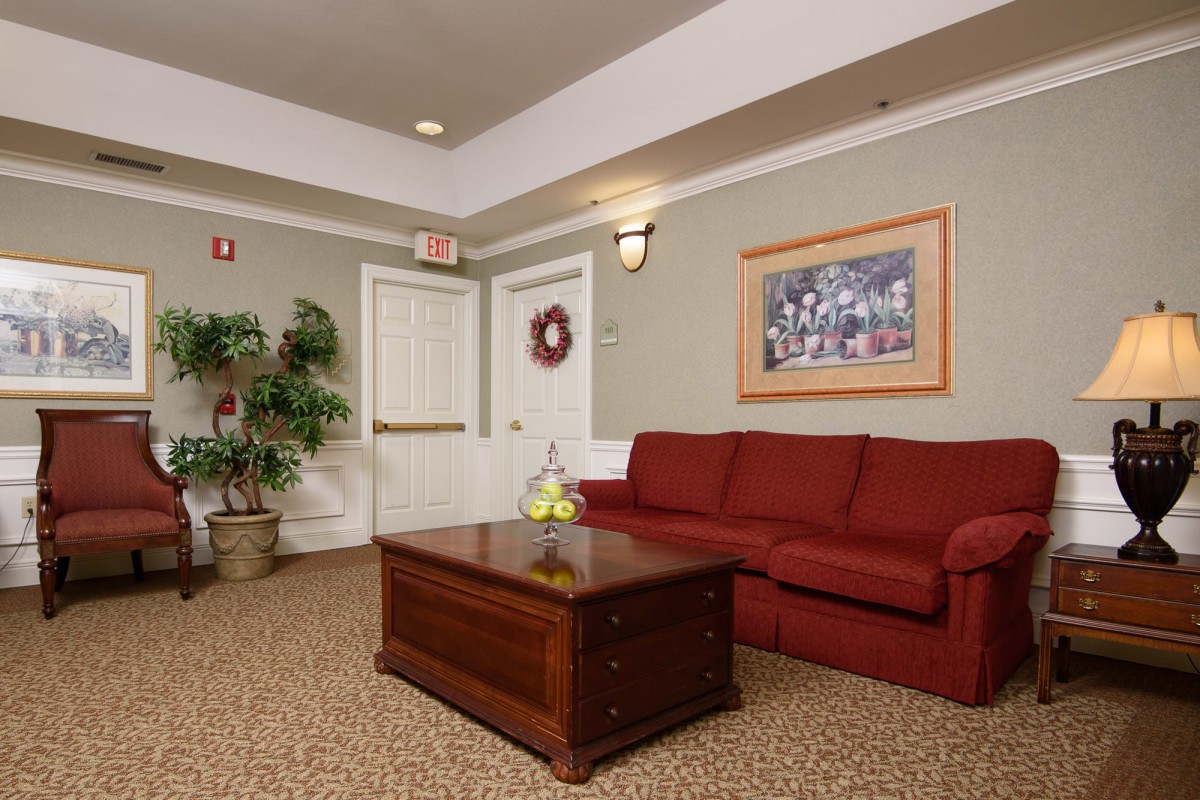
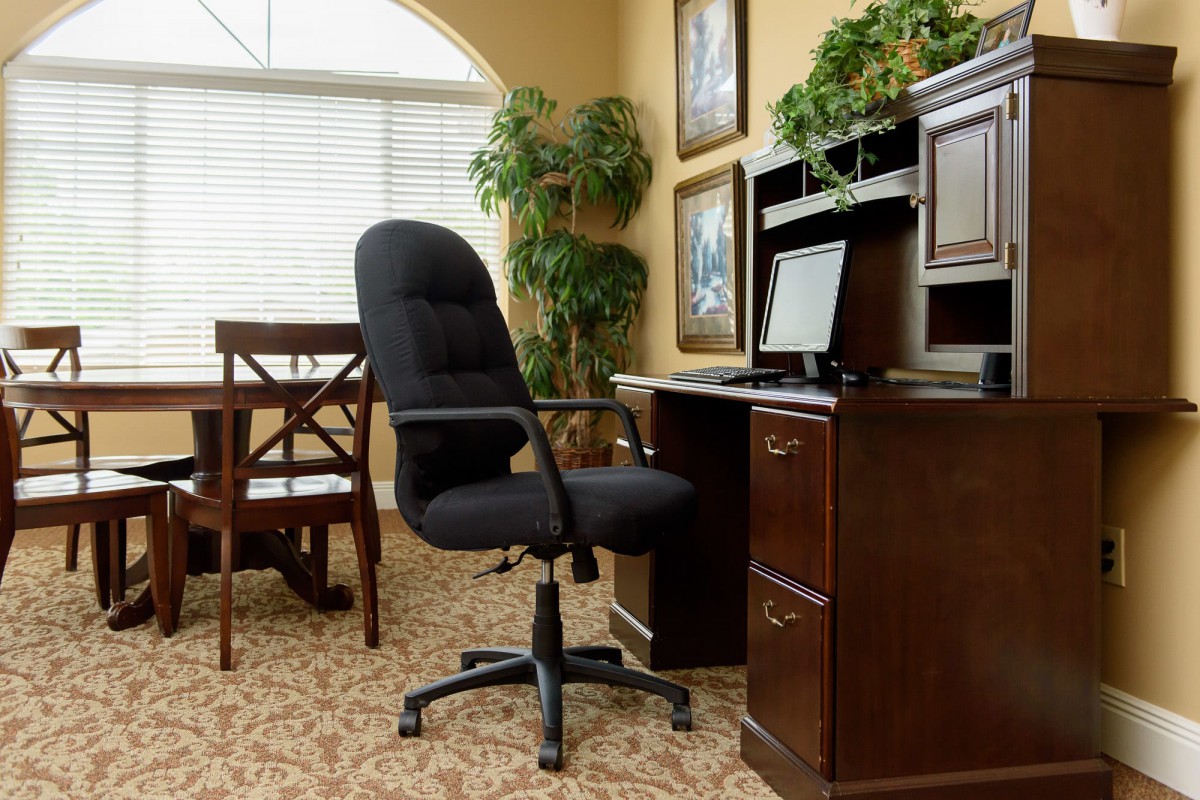
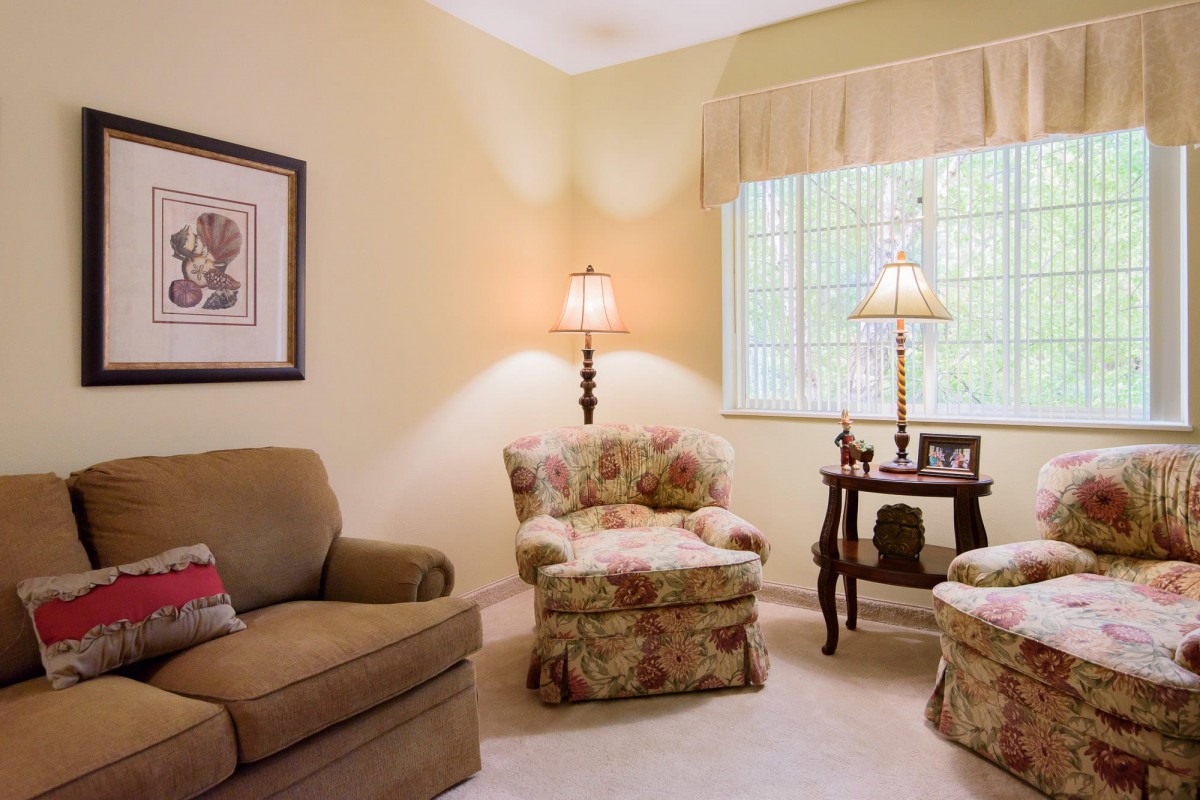
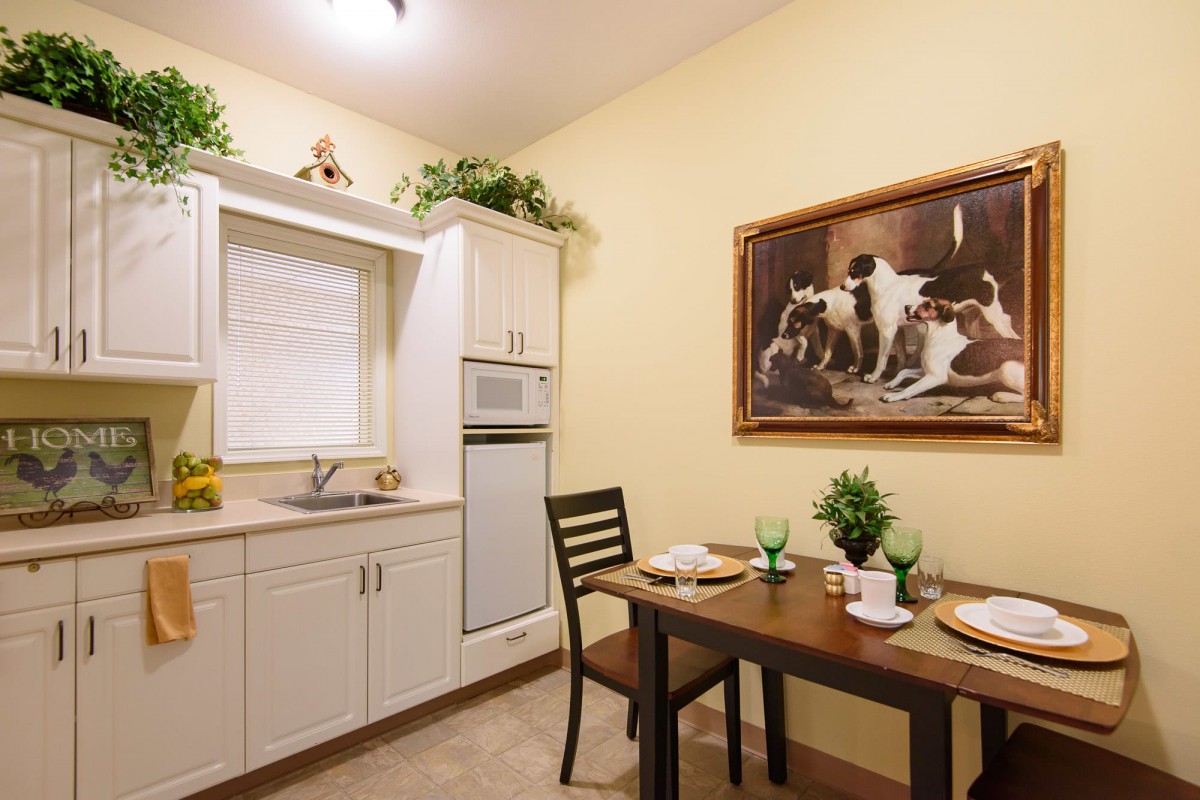
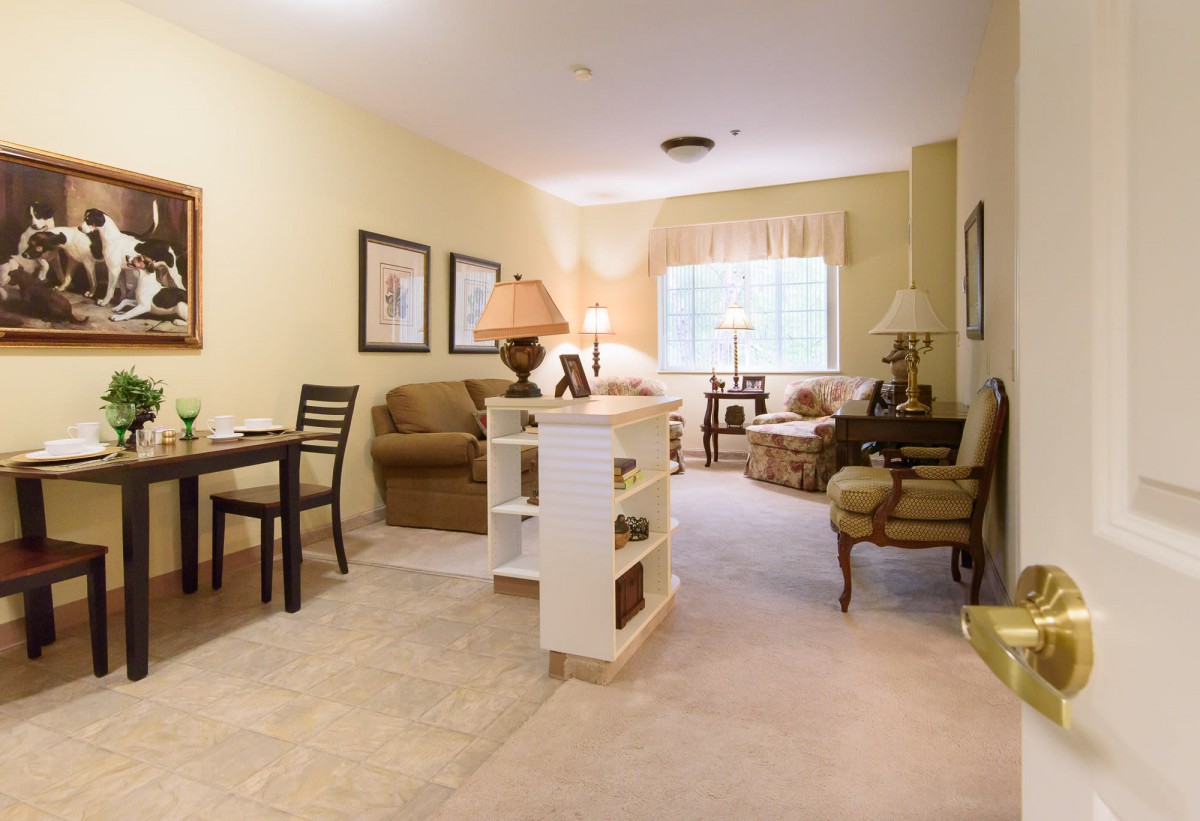
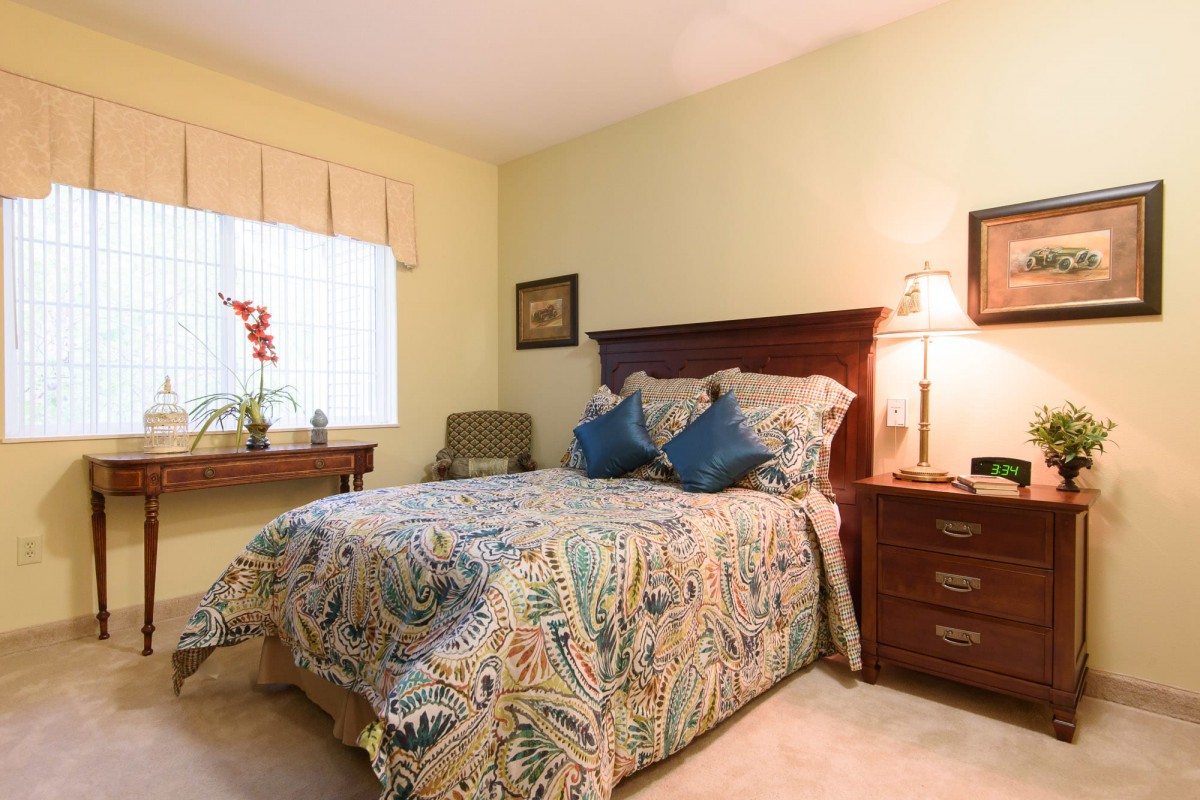
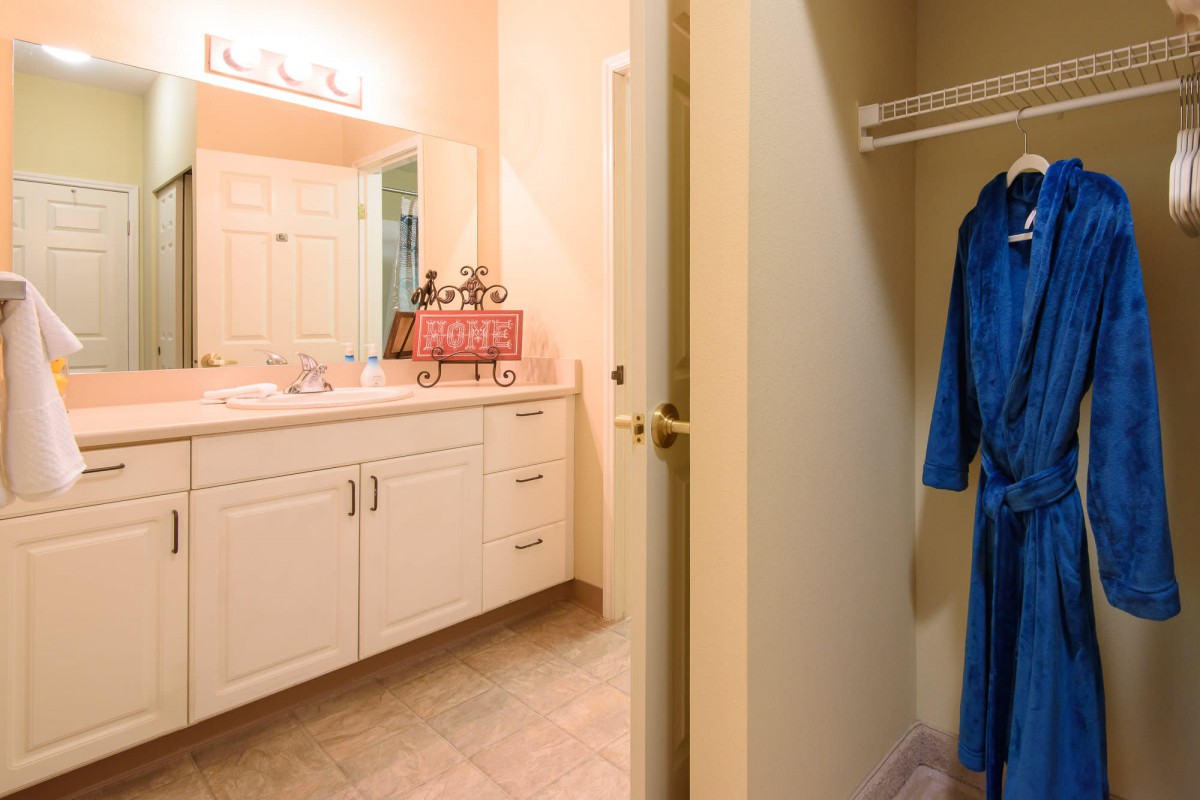
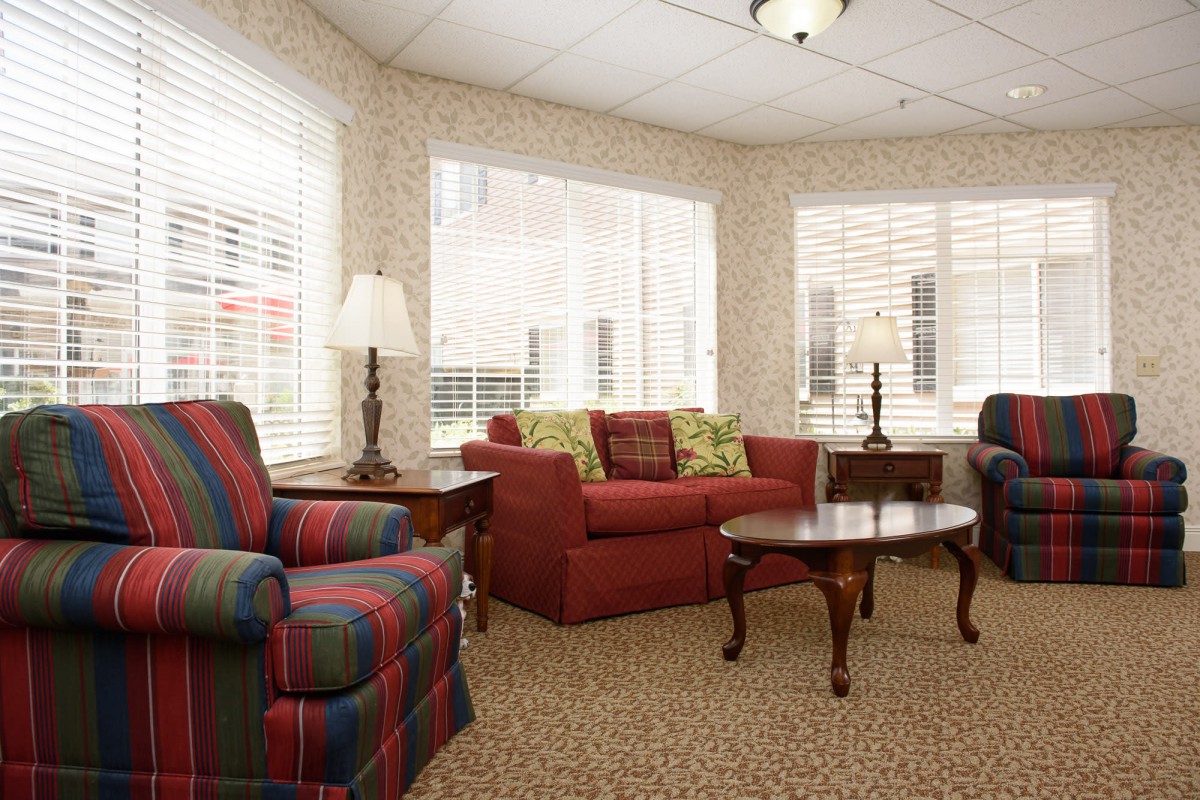
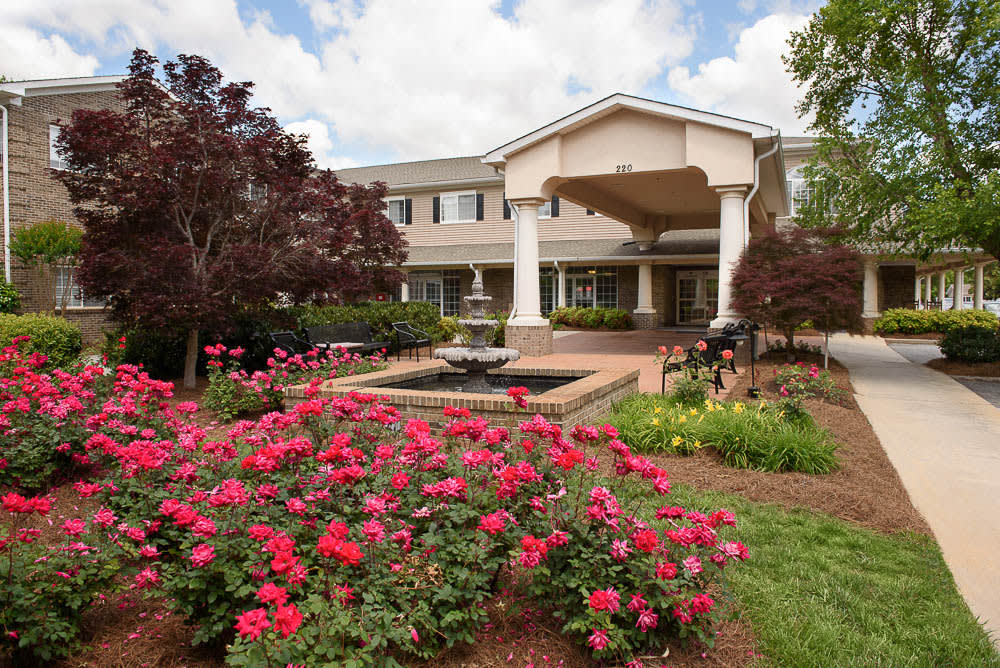
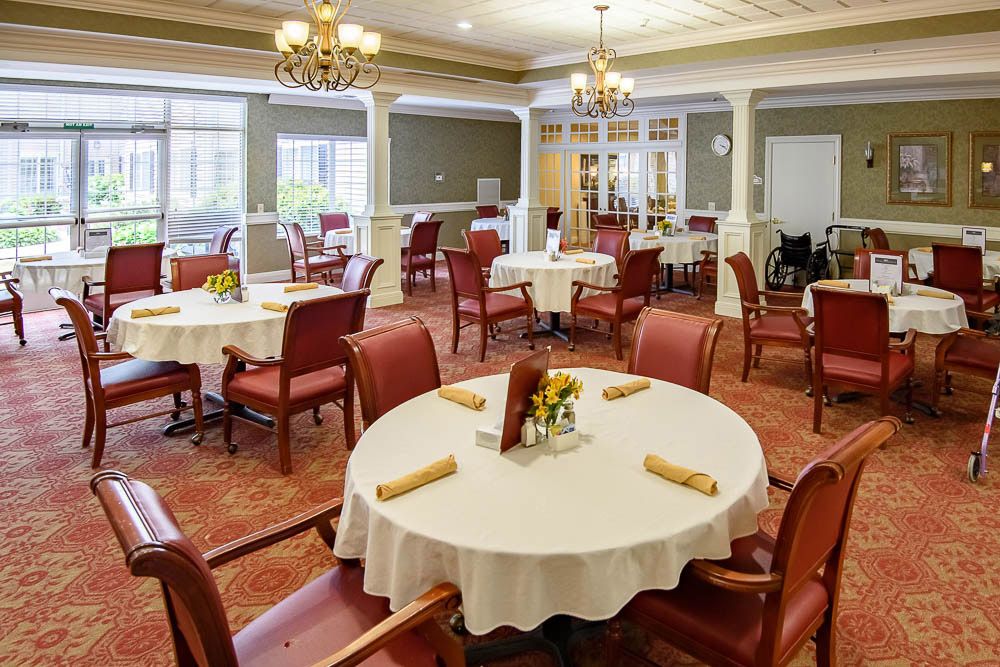
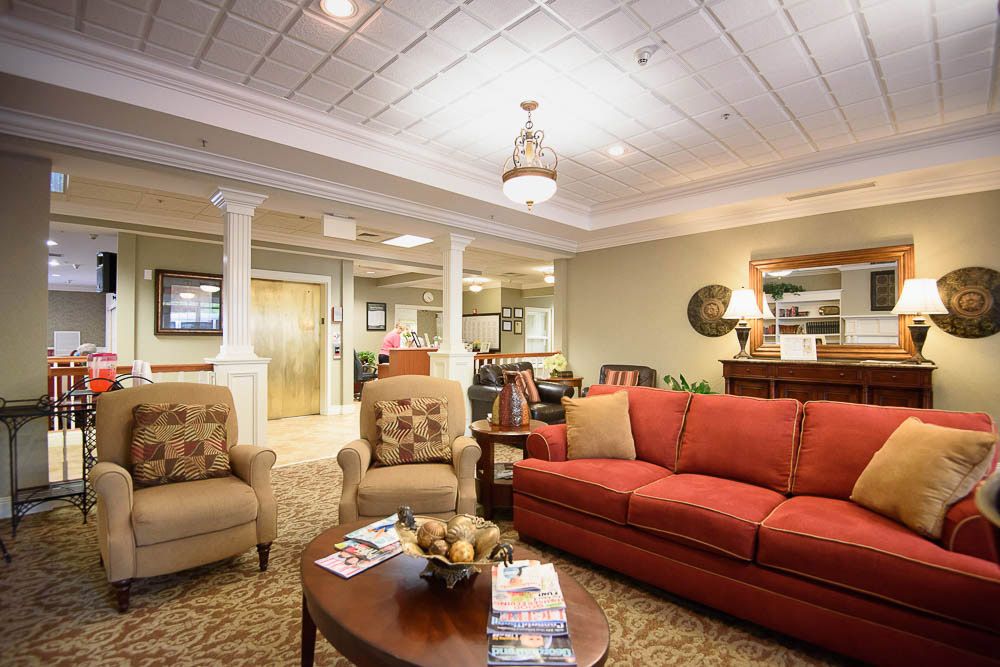
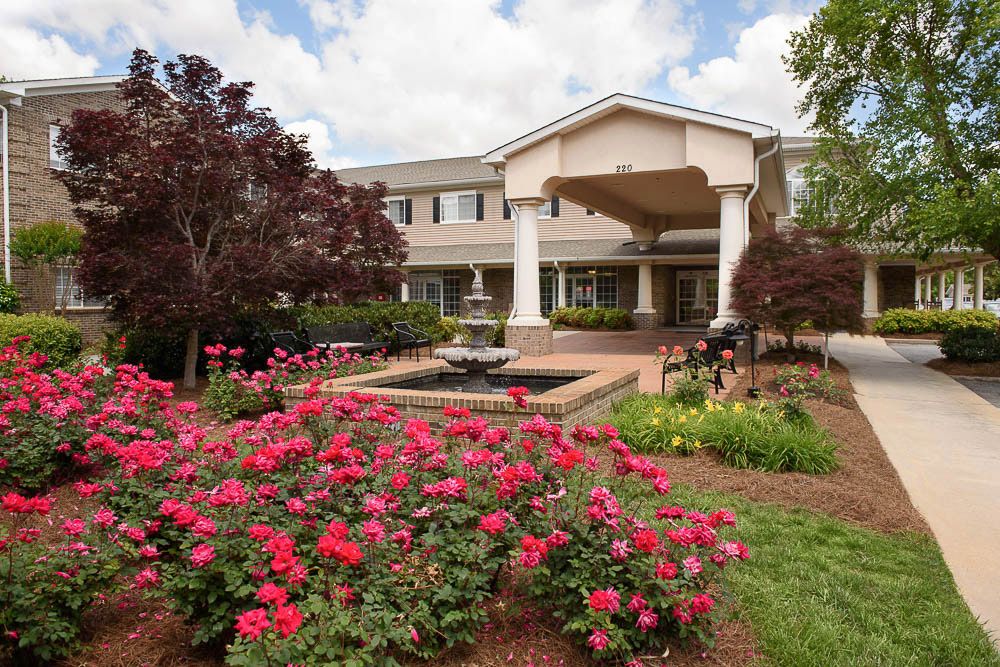
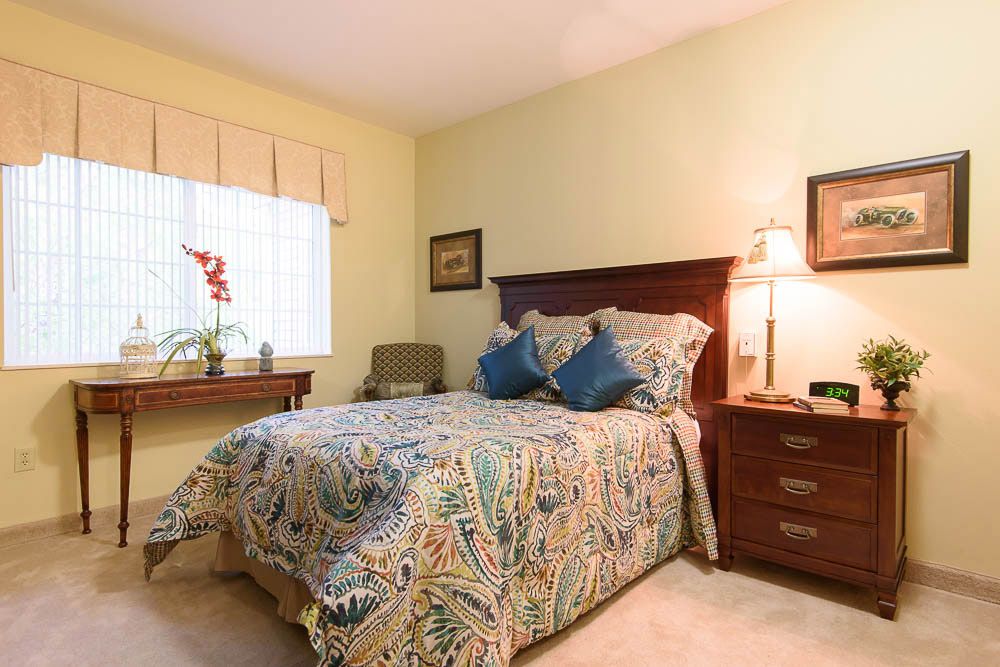
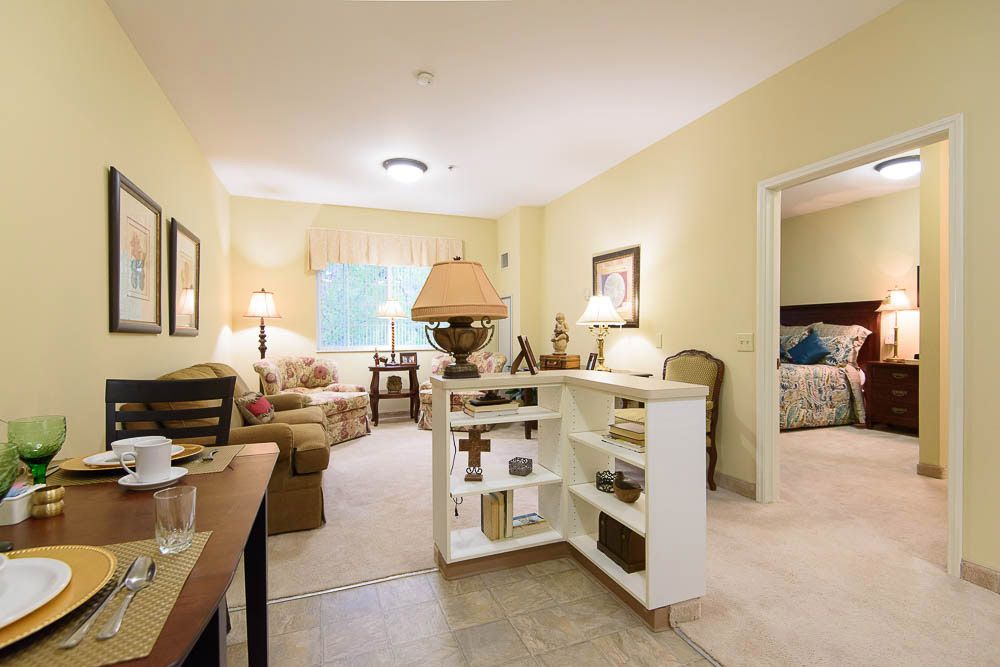
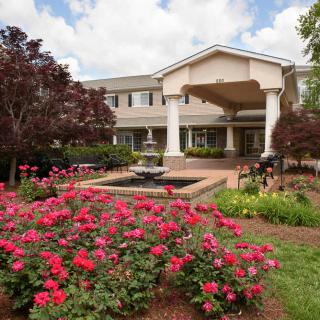
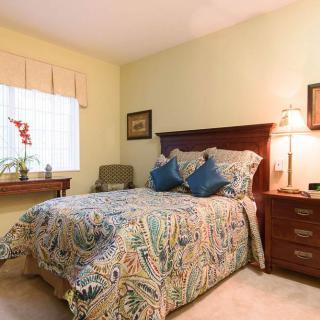
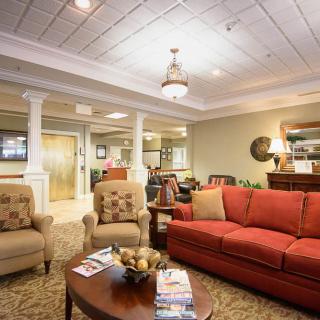
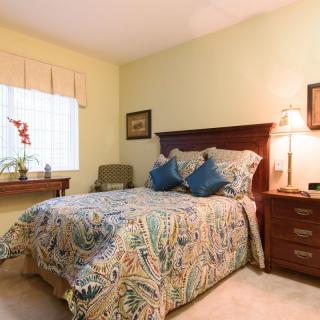
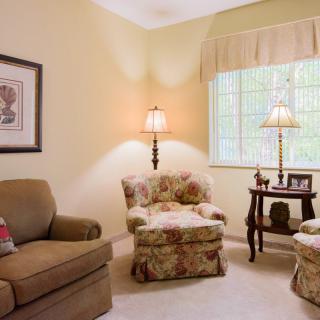
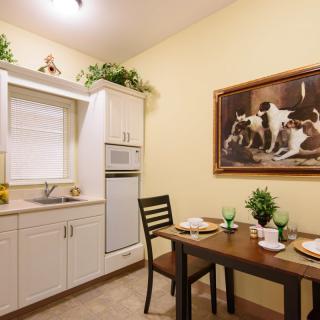
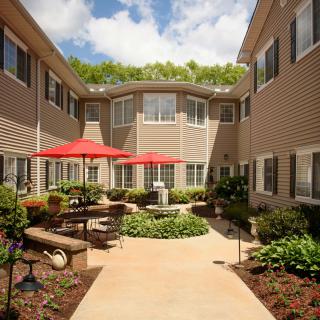
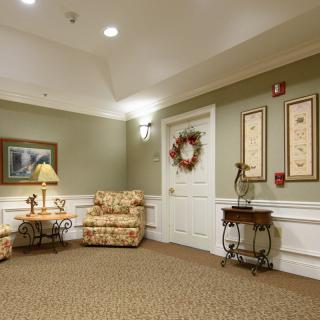
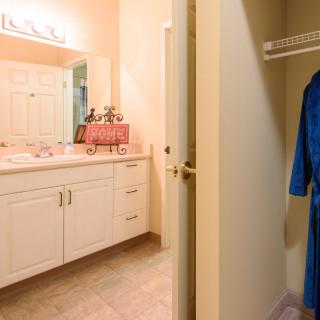
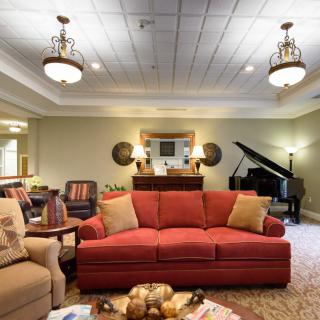
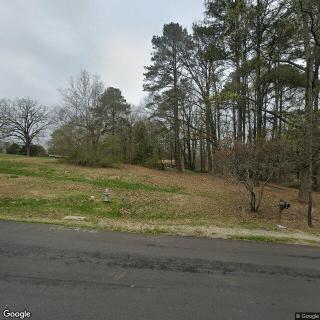
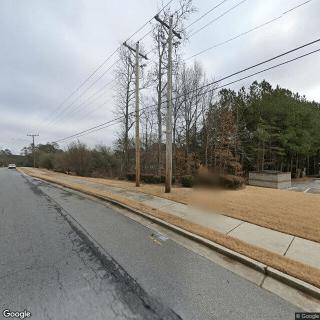
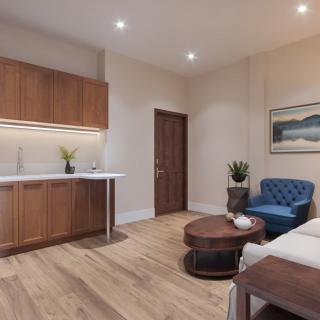
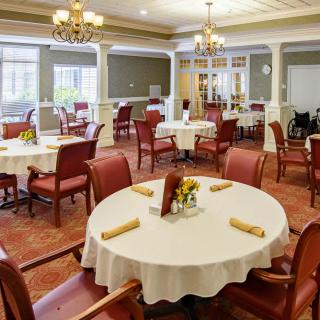
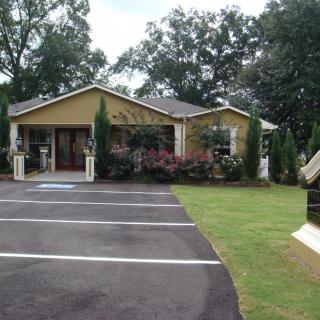
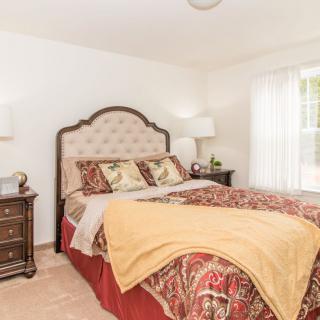
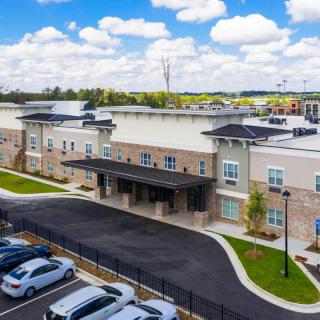
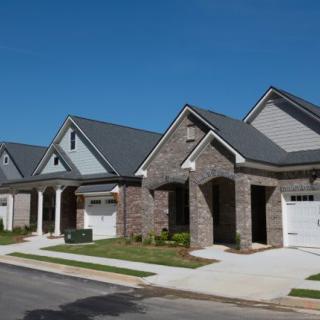
The Bridge At Lawrenceville on seniors.fyi includes 24 photos including images showing interior, decor, living room, floor plan, dining, windows, architecture, chandelier, and more.
Nearby Communities
Bridge At Lawrenceville
Lawrenceville, GA
4.1 from 28 reviews
Specialized diabetic care with strong access to nearby medical and social amenities.
Life Care Center Of Lawrenceville
Lawrenceville, GA
4.4 from 100 reviews
Fully furnished apartments with restaurant-style dining and 24-hour supervision.
Life Care Ctr of Lawrenceville
Lawrenceville, GA
4.3 from 129 reviews
Clean, attractive environment with some compassionate staff and solid rehab outcomes.
Garden Plaza at Lawrenceville
Lawrenceville, GA
4.4 from 80 reviews
$2,495 to $3,795 / month
Friendly, compassionate staff and a warm, family-like atmosphere.
Legacy Personal Care Home
Lawrenceville, GA
4.8 from 9 reviews
Small, intimate six-room community with personalized, 24/7 care and attentive staff.
Activities of Daily Living (ADLs) are fundamental tasks vital for an individual's independence, particularly in older adults over 85, and include functions like bathing and dressing; assessing ADLs alongside Instrumental Activities of Daily Living (IADLs) helps determine the level of required assistance due to age-related health challenges. Tailored support plans, involving family and community resources, are essential for maintaining dignity and autonomy in assisted living environments.
Medicare does not cover assisted living costs, as it focuses on acute medical needs and short-term care, with exceptions for certain medically necessary services like physical therapy. Individuals must explore other options such as Medicaid, veterans' benefits, or long-term care insurance to manage these expenses effectively.
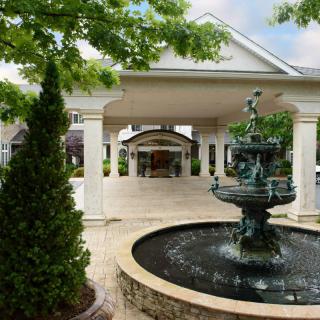
Luxury assisted living offers high-quality senior care in a resort-like environment that combines essential medical support, gourmet dining, and personalized services to enhance residents' independence and well-being. These upscale facilities emphasize holistic health and community-building through customized care plans and social activities, catering to the growing demand for enriched senior living experiences despite higher costs.
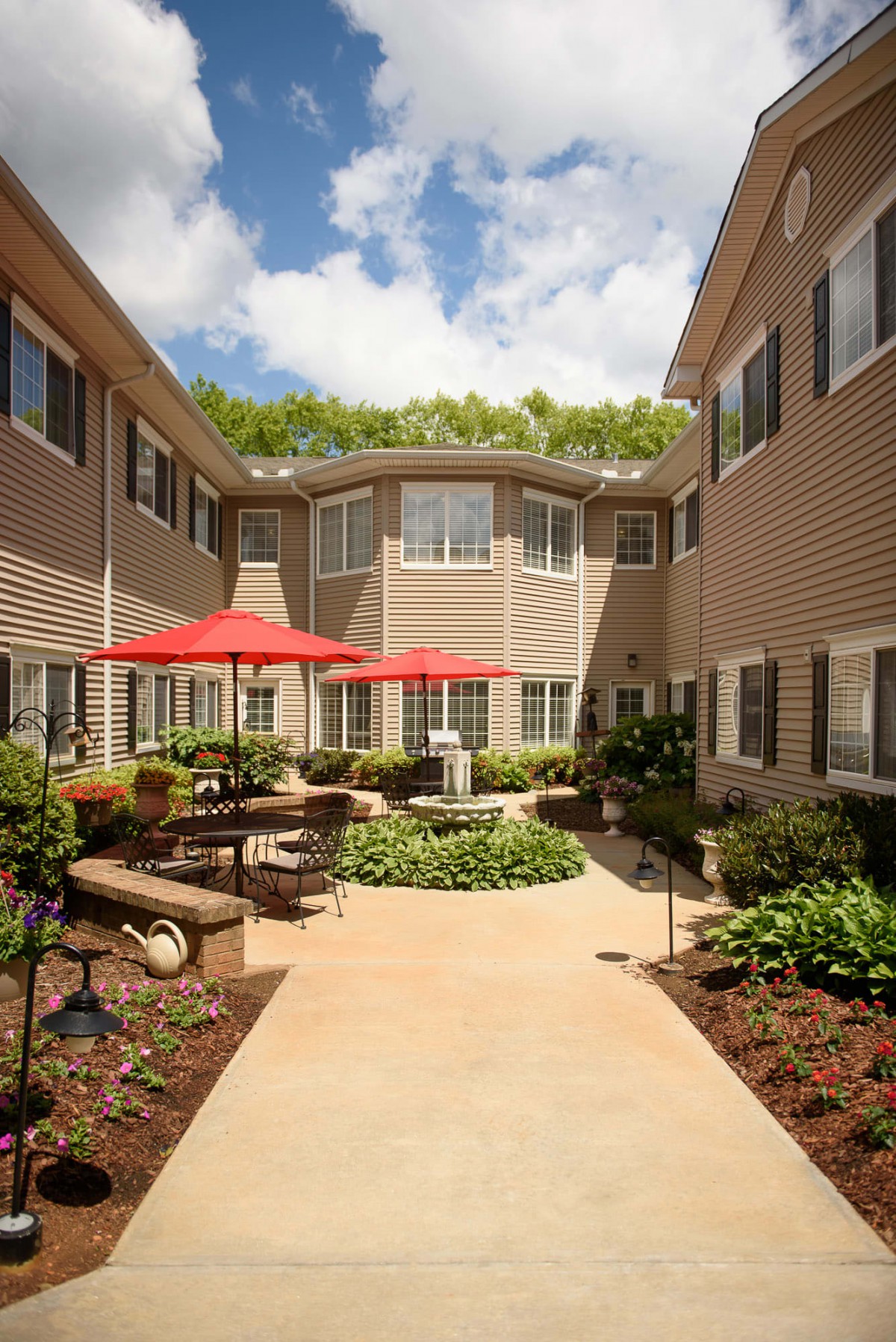
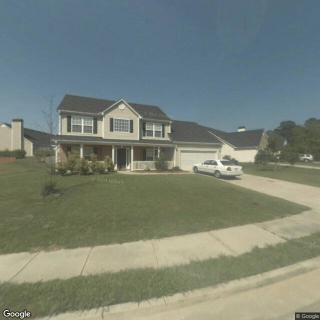
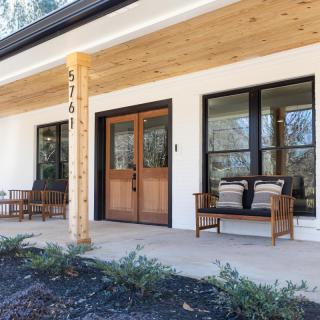
Patio, Outdoor Seating, Courtyard, Umbrellas, and Residential Building
Exercise Equipment, Gym, Fitness, and Workout Room
Piano
Office, Computers, Workspace, and Home Office
Plant
Closet
Design
Studio
Get PricingAsk A QuestionSchedule A TourContact Senior Advisor
By clicking submit, you agree to our Partner's Terms of Use. You
also consent to receive calls and texts, which may be autodialed, from our Partner. Your consent is not a condition to
using our Partner's service. Please visit our Partner's Privacy Policy for information about their privacy practices.

 85 resident community capacity
 1-bedroom apartments
 Assisted Living
 Activities on-site
 Air-conditioning
 Beautician on-site
 Cable or satellite TV
 Computer center
 Devotional services off-site
 Dining room
 Financial aid
 Fitness room
 Full kitchen
 Fully furnished
 Gaming room
 Garden
 Housekeeping services
 Indoor common areas
 Move-in coordination
 Outdoor space
 Overnight guests
 Private bathrooms
 Respite or short term stays offered
 Restaurant-style dining
 Small library
 Telephone
 Wellness center
 Wi-Fi/high-speed internet available
 Community operated transportation
 12-16 hour nursing
 24-hour call system
 Ambulatory care
 Assistance with bathing
 Assistance with dressing
 Assistance with transfers
 Diabetes diet
 Diabetic care
 Medication management
 Mental wellness program
 Special dietary restrictions
 Transportation arrangement (medical)
 Arts and crafts
 Concierge services
 Games
Games Planned day trips
 English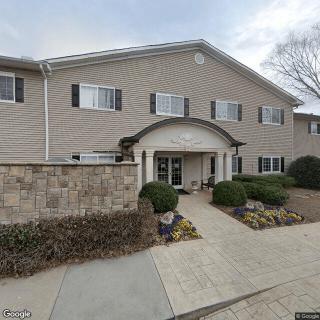
 Specialized diabetic care with strong access to nearby medical and social amenities.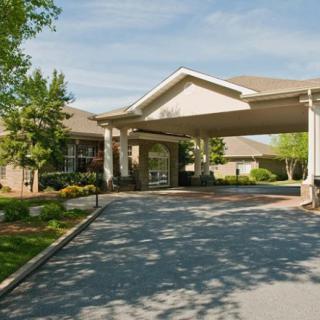

 Comprehensive Insights into Activities of Daily Living (ADLs) and Their Assessment
 Medicare Coverage for Assisted Living: An In-Depth Exploration
 Your Comprehensive Guide to Luxury Assisted Living: Elevated Facilities, Amenities, and Costs