For more information about senior living options: (866) 208-4318
Red River Path Community Costs & Pricing
Red River Path Community offers a range of living options at competitive prices compared to both Fulton County and the broader state of Georgia. For a semi-private room, residents pay $2,800 per month, which is slightly lower than the county average of $2,883 but notably higher than the state's average cost of $2,529. In terms of private accommodations, Red River Path's monthly rate of $3,500 exceeds both the county rate of $3,203 and the state's average cost of $2,864. When considering one-bedroom units, Red River Path stands out with a monthly charge of $4,000, which is significantly higher than both Fulton County's average of $3,411 and Georgia's average of $3,412. Overall, while Red River Path Community presents some appealing options for its residents with unique amenities and care services that justify its pricing structure, prospective residents should weigh these costs against local market averages to ensure their needs are met effectively.
Floor plans
Red River Path Community
Fulton County
Georgia
Semi-Private
$2,800
$2,883
$2,529
Private
$3,500
$3,203
$2,864
1 Bedroom
$4,000
$3,411
$3,412
Memory care communities with a similar price nearby
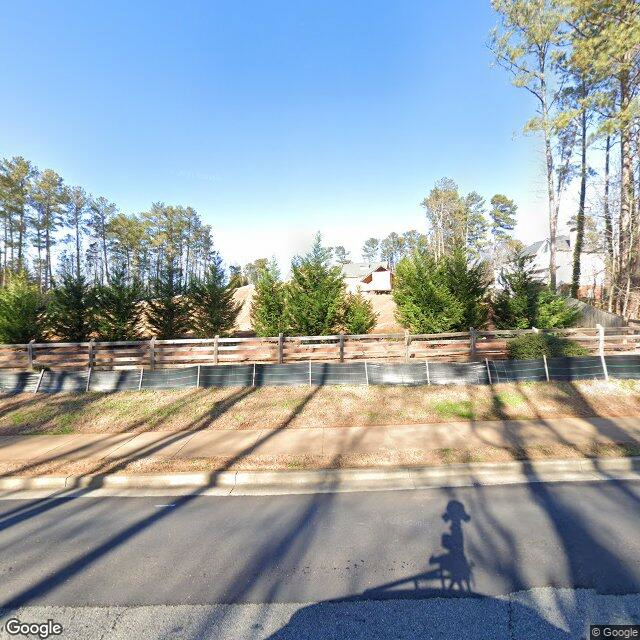
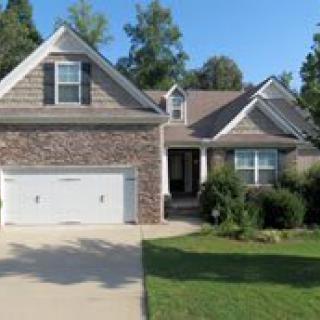
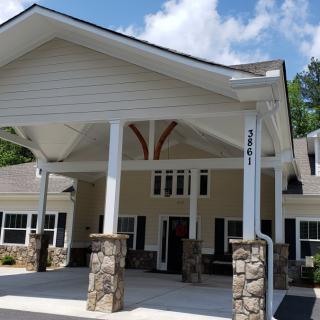
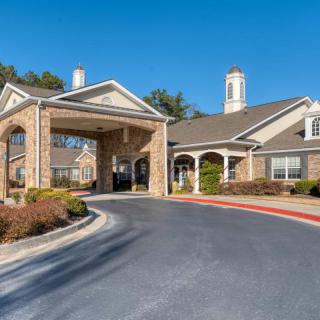
The Red River Path Community in Alpharetta, GA is a specialized memory care community that offers a supportive and comfortable environment for individuals with memory impairment. With a focus on providing personalized care, this community offers various amenities and services to meet the unique needs of its residents.
Residents can enjoy a range of activities right on-site, allowing them to engage in social interactions and stay mentally stimulated. Additionally, they have the opportunity to participate in devotional services both on-site and off-site, catering to their spiritual needs. The common areas, both indoor and outdoor, provide spaces for relaxation and socialization among residents.
To ensure convenience and accessibility, the Red River Path Community has private accommodations available for short-term stays or respite care. The community also features wheelchair accessible showers for those with mobility challenges.
This community takes pride in its comprehensive care services that include diabetic care, high acuity care, incontinence care, and medication management. Trained staff members are dedicated to assisting residents with their specific healthcare needs.
Dining at Red River Path Community is a pleasant experience as well. Nutritious meals are provided daily, including options for vegetarian diets.
Located in Alpharetta, residents at Red River Path enjoy easy access to various amenities nearby. There are five cafes within close proximity where residents can enjoy coffee or a meal with friends or family. Additionally, two parks offer opportunities for outdoor recreation and leisurely walks. With 14 pharmacies nearby, obtaining prescriptions is convenient. Having 11 physicians located nearby ensures prompt medical attention when needed. For dining out or special occasions, there are 31 restaurants available in the area. Residents have their choice of three places of worship within reach to fulfill their spiritual needs. Furthermore, three theaters provide entertainment options for cultural experiences. Finally, having three hospitals nearby provides peace of mind knowing that medical assistance is readily accessible.
Overall, the Red River Path Community in Alpharetta, GA provides a warm and supportive environment for individuals in need of memory care. With its range of amenities, comprehensive care services, and convenient location, residents can enjoy a comfortable and fulfilling lifestyle.
Nearby Places of Interest
This part of Alpharetta, Georgia, offers a diverse range of amenities and services that cater to seniors looking for a convenient and vibrant community. With a variety of restaurants nearby, including Andy's Frozen Custard and Volcano Asian Bistro, there are plenty of dining options to suit different tastes. Additionally, the presence of pharmacies such as CVS Pharmacy and Walgreens ensures easy access to medication and healthcare supplies. For leisure activities, there are cafes like Starbucks for socializing or relaxing with a good book. The area also boasts reputable physicians' offices like Preston Ridge Dermatology and May River Dermatology for quality medical care. Moreover, parks like Union Hill Park provide opportunities for outdoor recreation and staying active. With places of worship such as North Point Community Church and entertainment venues like Regal Avalon within close proximity, this neighborhood offers a desirable blend of amenities for seniors seeking a well-rounded lifestyle in Alpharetta.
Restaurants
Andy's Frozen Custard (1 miles)
Loyal Q And Brew (1.1 miles)
McDonald's (1.3 miles)
Wendy's (1.4 miles)
Chick-Fil-A (1.5 miles)
Volcano Asian Bistro (1.9 miles)
Rumi's Kitchen (1.9 miles)
Pharmacies
CVS Pharmacy (1.1 miles)
Walgreens (1.7 miles)
Walgreens (1.7 miles)
CVS Pharmacy (2 miles)
CVS Pharmacy (2.8 miles)
CVS Pharmacy (3 miles)
Walgreens (3.2 miles)
Cafes
Starbucks (1.2 miles)
Starbucks (2 miles)
Starbucks (3.3 miles)
Panera Bread (3.7 miles)
Starbucks (4.4 miles)
Alchemist Trading Co. (5 miles)
Panera Bread (5.3 miles)
Physicians
Preston Ridge Dermatology (1.2 miles)
Dunwoody Pediatrics - Alpharetta (1.5 miles)
Modern Ob/Gyn (2.3 miles)
May River Dermatology (4 miles)
MRI & Imaging of North Fulton (4.2 miles)
Alpharetta Pediatrics (4.3 miles)
Internal Medicine Associates of John Creek (4.5 miles)
Red River Path Community offers a range of living options at competitive prices compared to both Fulton County and the broader state of Georgia. For a semi-private room, residents pay $2,800 per month, which is slightly lower than the county average of $2,883 but notably higher than the state's average cost of $2,529. In terms of private accommodations, Red River Path's monthly rate of $3,500 exceeds both the county rate of $3,203 and the state's average cost of $2,864. When considering one-bedroom units, Red River Path stands out with a monthly charge of $4,000, which is significantly higher than both Fulton County's average of $3,411 and Georgia's average of $3,412. Overall, while Red River Path Community presents some appealing options for its residents with unique amenities and care services that justify its pricing structure, prospective residents should weigh these costs against local market averages to ensure their needs are met effectively.
Medication management at Red River Path Community ensures that residents receive their prescribed treatments on time and in the correct dosages, which is crucial for individuals with dementia or Alzheimer's, as they often struggle with understanding and adhering to medication schedules. This support mitigates the risk of adverse effects or missed doses, promoting overall health and stabilization of symptoms. Similarly, incontinence care provides residents with the dignity and comfort they deserve while addressing a common challenge associated with cognitive decline. By offering regular assistance and maintaining cleanliness, this service not only helps prevent physical discomfort but also alleviates anxiety around personal care issues, allowing residents to focus on their engagement and well-being within the community. Together, these features create an environment that prioritizes both medical needs and emotional comfort for those navigating memory-related challenges.
Sundown syndrome, or sundowning, is a phenomenon in dementia patients characterized by increased confusion and agitation during late afternoon and evening, influenced by factors like disrupted circadian rhythms and fatigue. Effective caregiver strategies include establishing routines and managing environmental light while addressing caregiver stress through support services.
Delirium is a rapidly onset, reversible cognitive disturbance often caused by acute medical issues, while dementia is a gradual and irreversible decline due to chronic neurodegenerative diseases. Accurate differentiation between the two is essential for appropriate treatment and management in older adults.
Dementia, including Alzheimer’s disease, is often mischaracterized in terms of lethality as it leads to complications that can be fatal rather than being a direct cause of death; it causes a progressive decline in cognitive and physical health, making patients vulnerable to infections and other health crises. Effective management of nutrition, hydration, and communication is crucial in patient care, with palliative care becoming vital in advanced stages to enhance comfort and quality of life while caregivers play a key role amidst the challenges posed by the disease.
Get PricingAsk A QuestionSchedule A TourContact Senior Advisor
By clicking submit, you agree to our Partner's Terms of Use. You
also consent to receive calls and texts, which may be autodialed, from our Partner. Your consent is not a condition to
using our Partner's service. Please visit our Partner's Privacy Policy for information about their privacy practices.


 Board and Care Home
 Memory Care
 Cats allowed
 Dogs allowed
 Activities off-site
 Devotional services off-site
 Indoor common areas
 Outdoor common areas
 Private
 Respite or short term stays offered
 Wheelchair accessible showers
 Ambulatory care
 Diabetic care
 High acuity care
 Incontinence care
 Medication management
 Kosher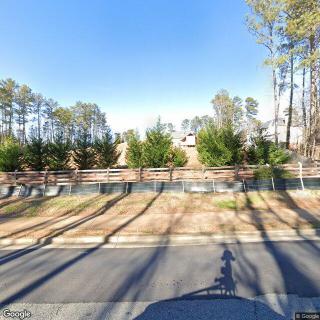
 Memory-care focused with personalized staff in a serene Alpharetta setting.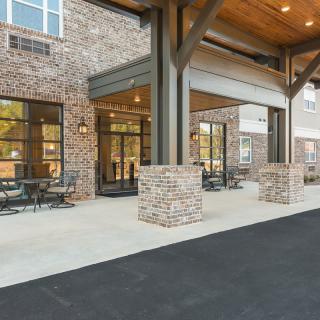





 Comprehending Evening Confusion in Dementia: Causes, Manifestations, and Support
 Delirium and Dementia: Unraveling the Key Differences
 Are Dementia and Alzheimer's Disease Lethal? A Comprehensive Exploration