

The Mansions of Alpharetta Assisted Living and Memory Support

Save

  • Interior

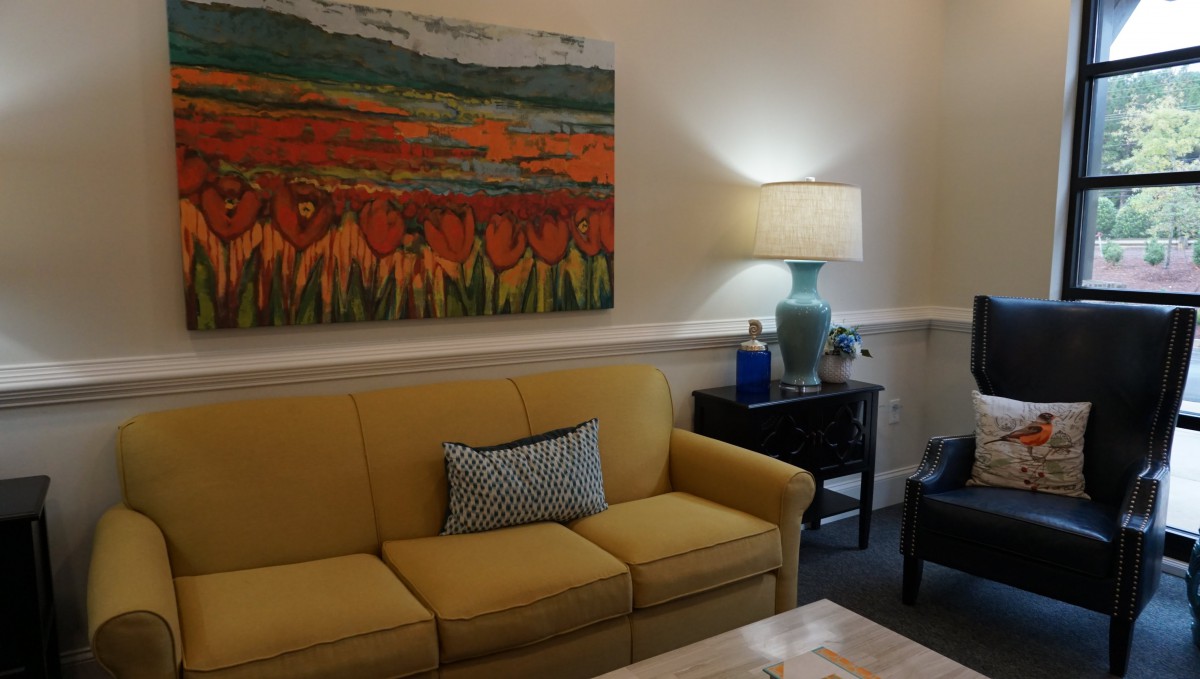
    A cozy living room with a yellow sofa, vibrant artwork, and a side table with a lamp.
  • Decor

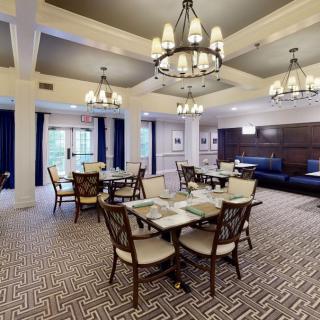
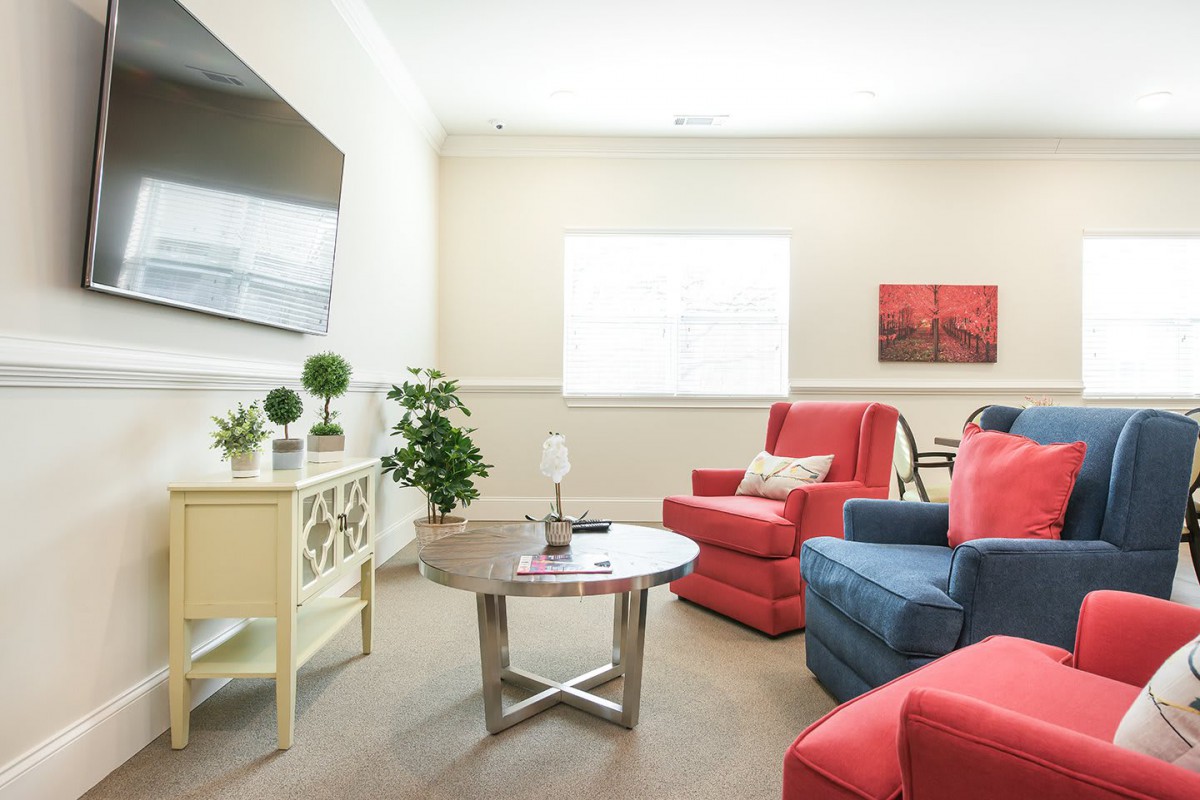
    A bright and cozy living room with modern furnishings and decorative elements.
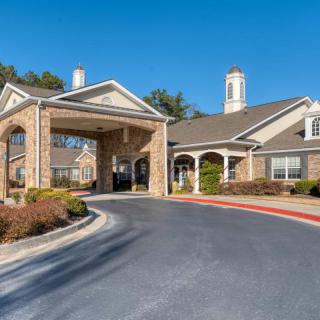
  • Building

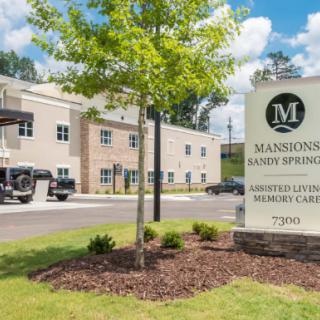
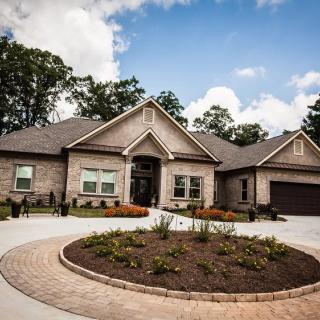
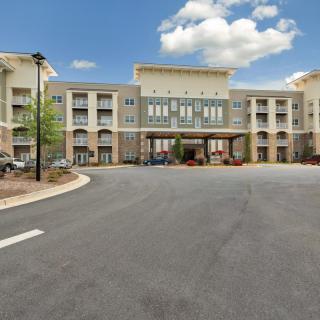
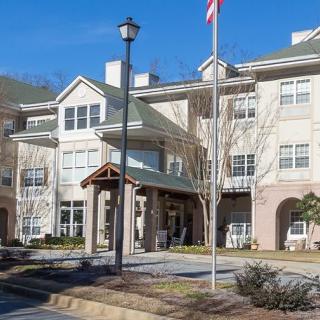
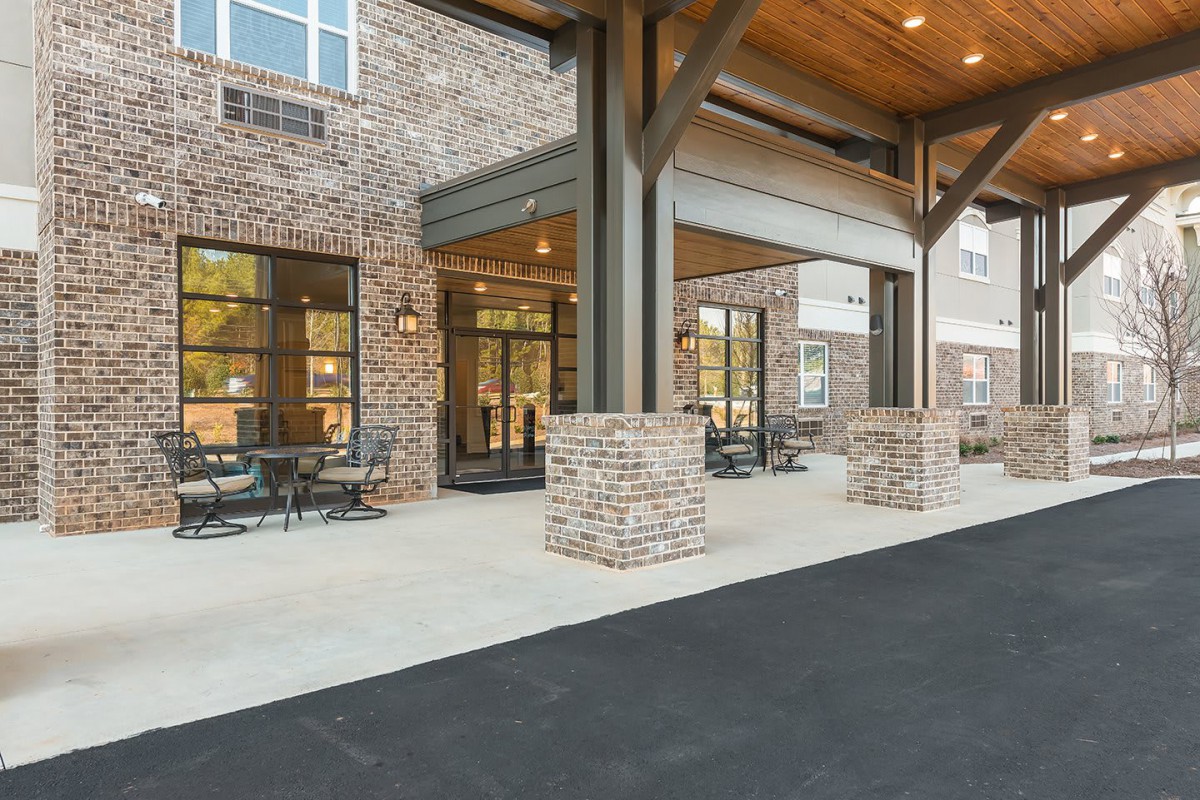
    A building entrance with brick architecture and outdoor seating area.
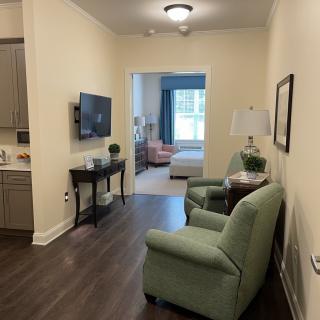
  • Bedroom

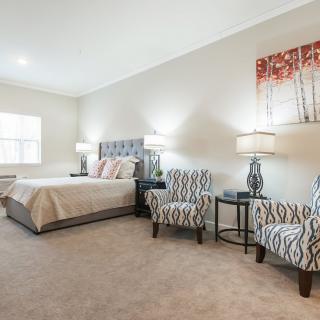
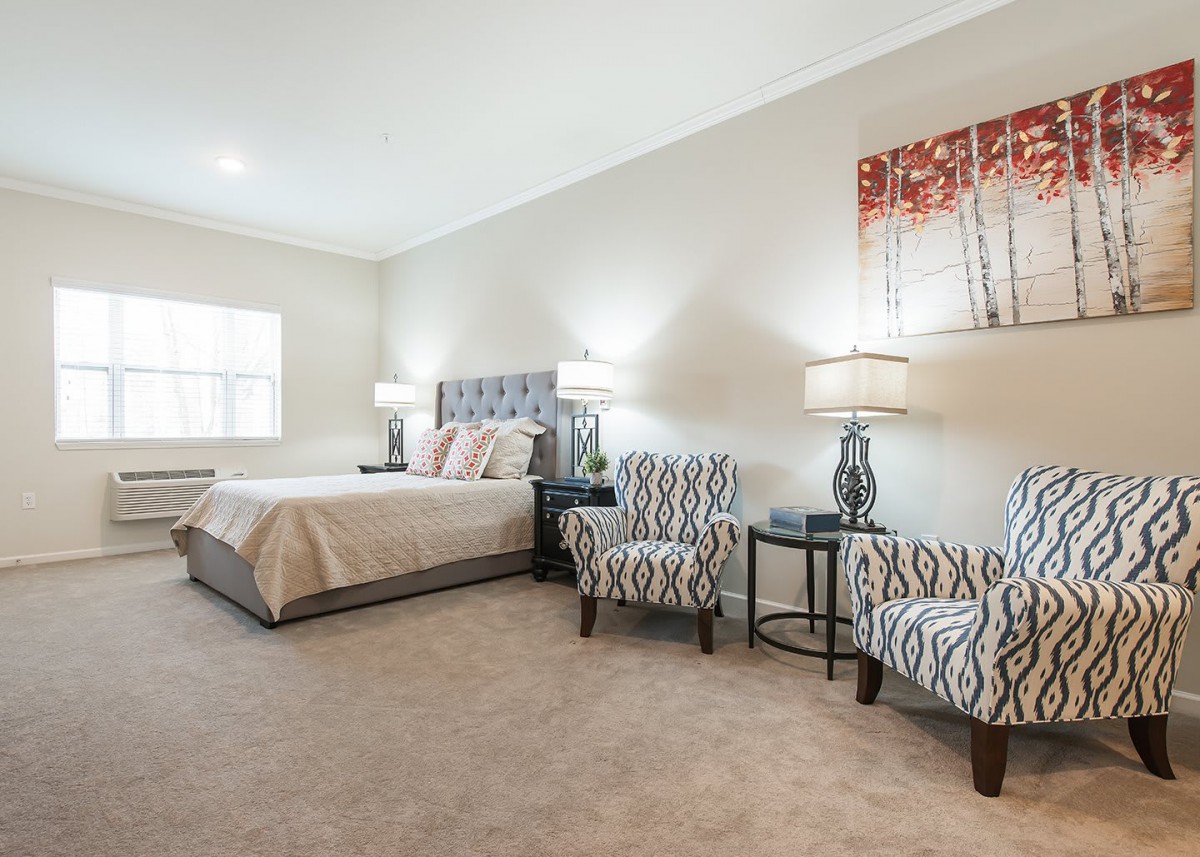
    A modern bedroom with a large bed, decorative armchairs, and stylish lamps.
  • Windows

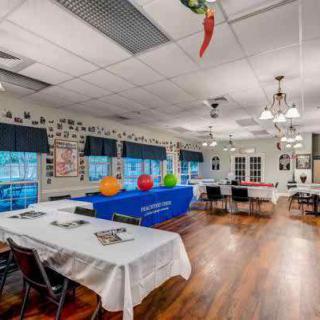
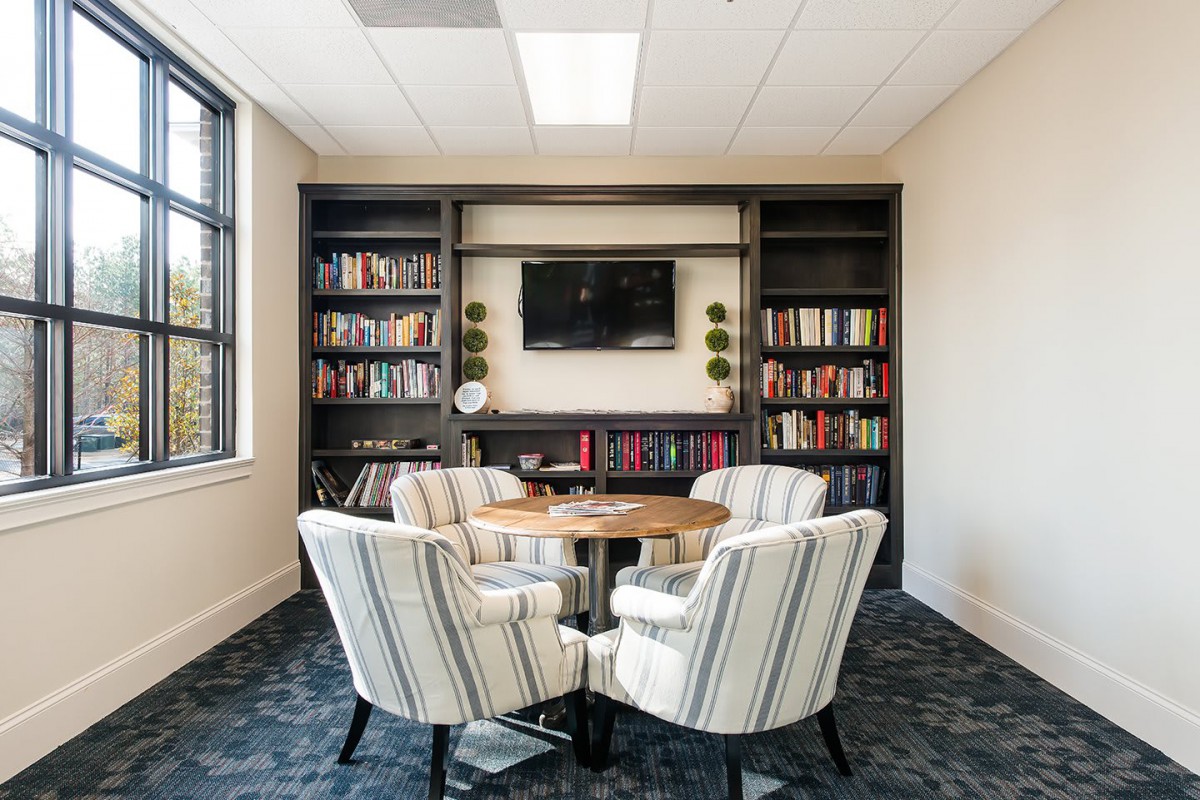
    A cozy meeting room with bookshelves, a round table, and comfortable chairs.
  • Landscaping

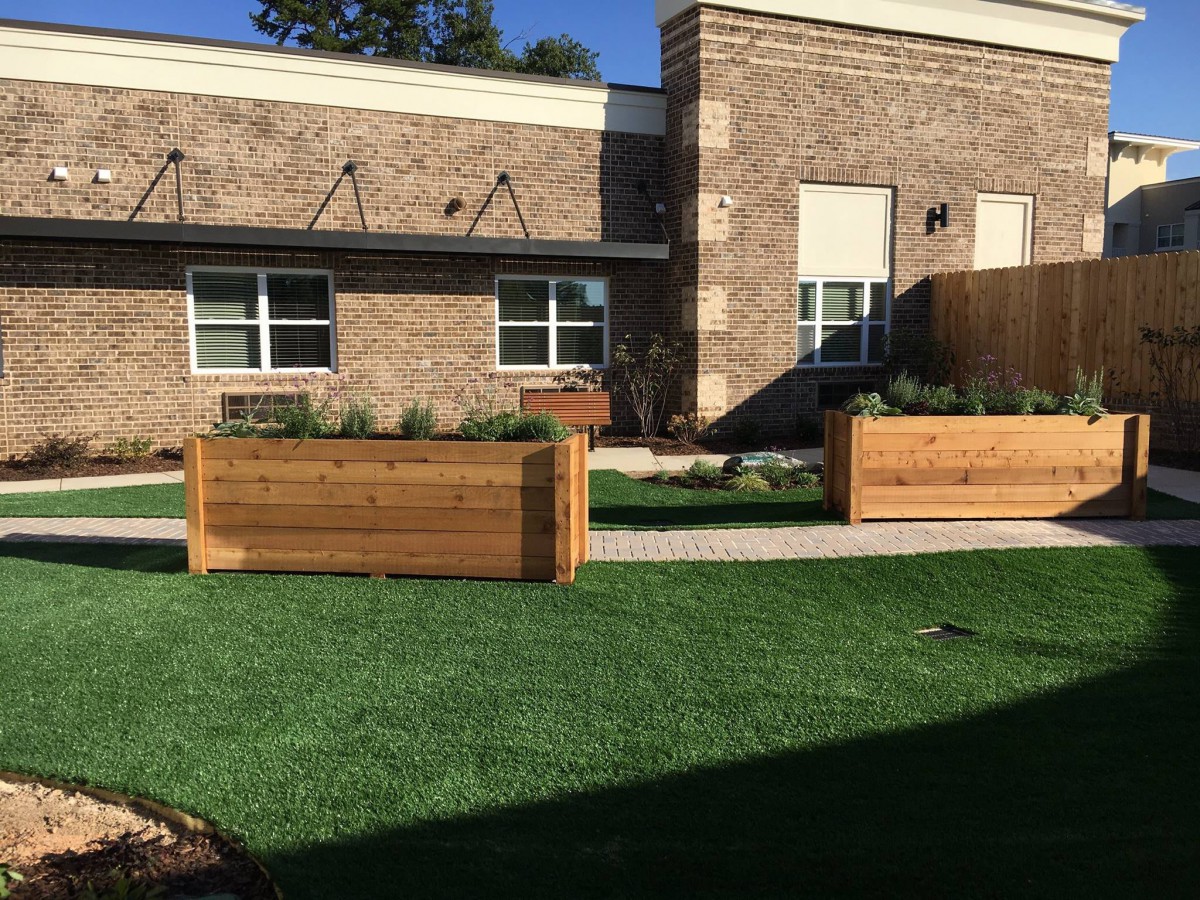
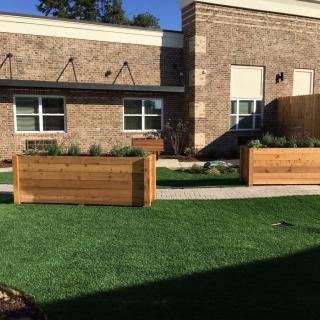
    An outdoor space featuring wooden planters and a grassy area in front of a building.
  • Kitchen

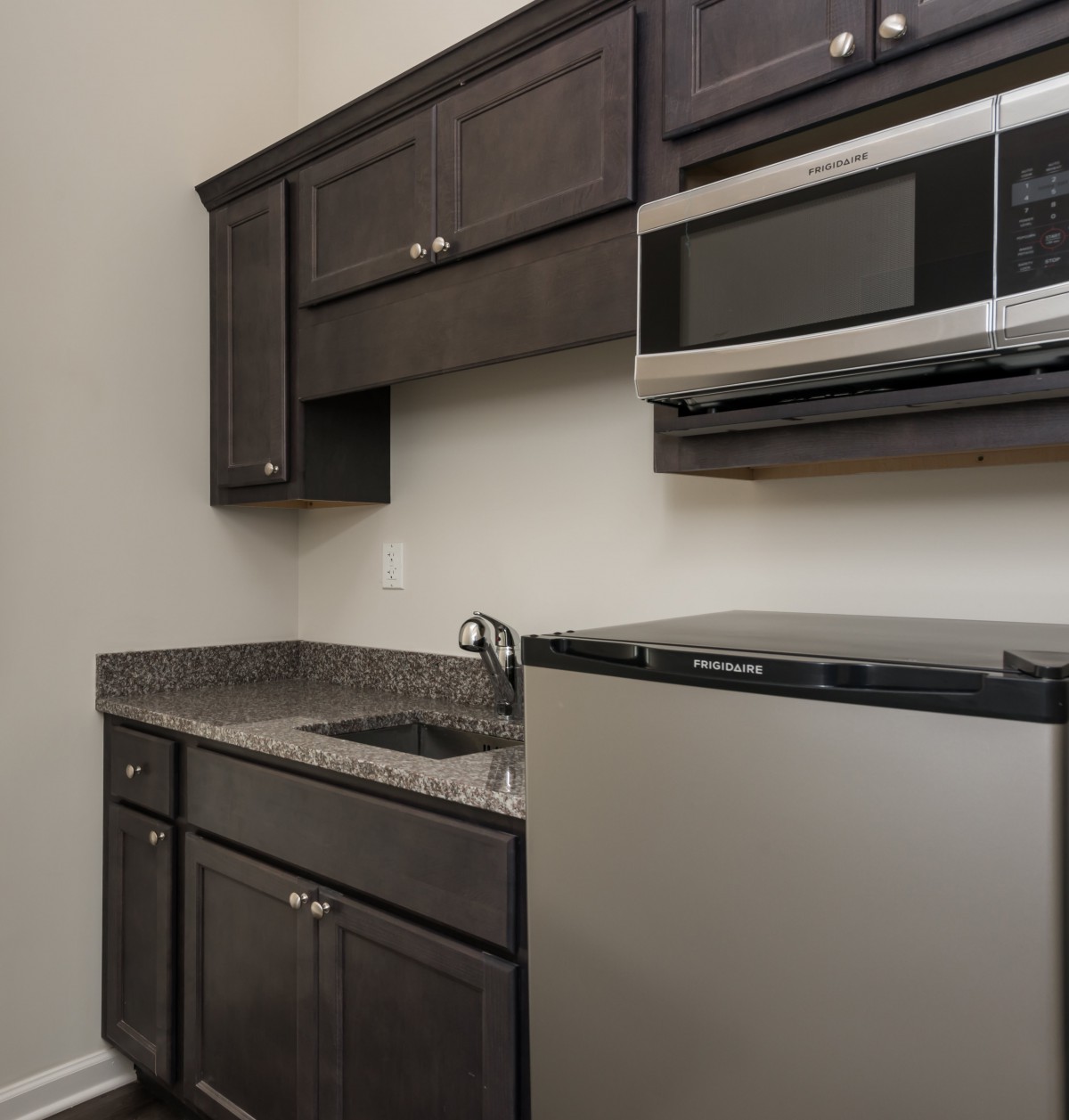
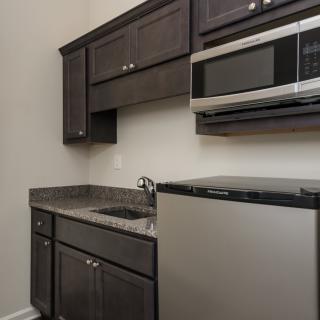
    A modern kitchen setup featuring dark cabinets, a compact fridge, and a microwave.
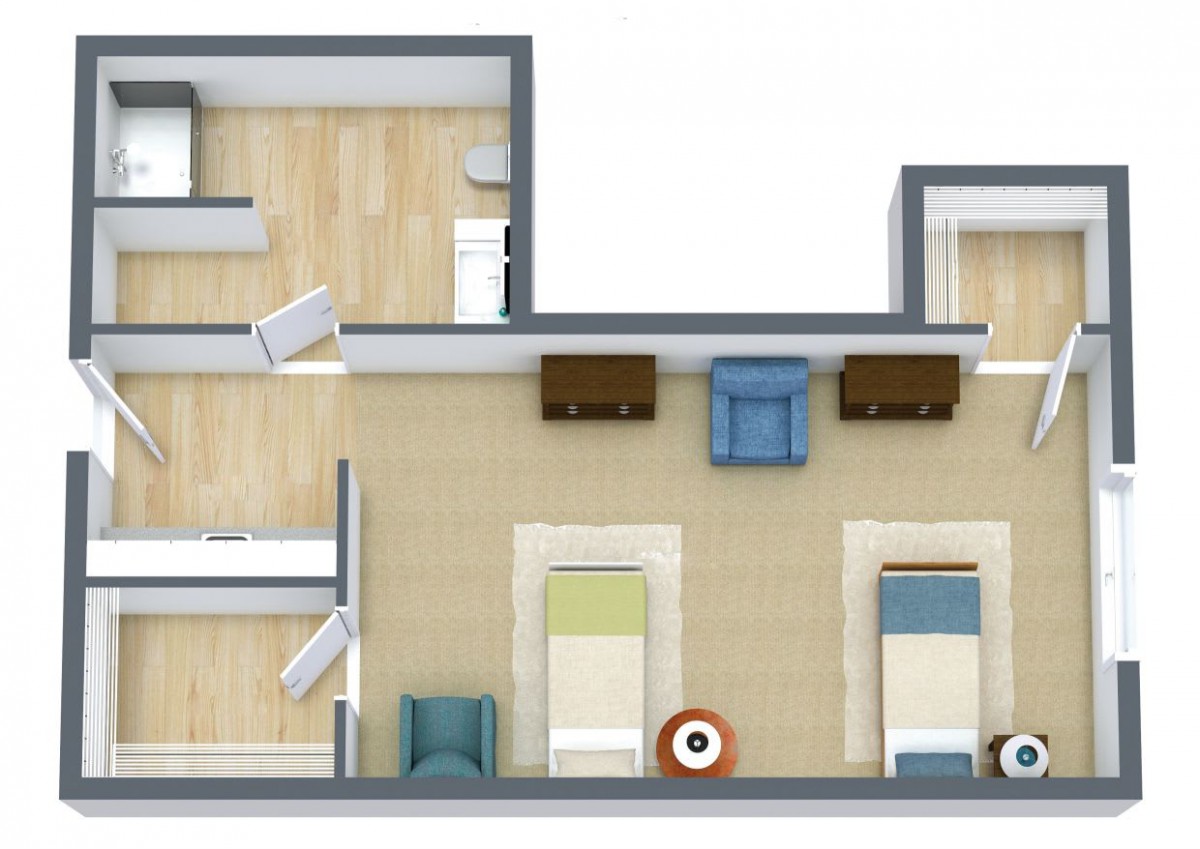
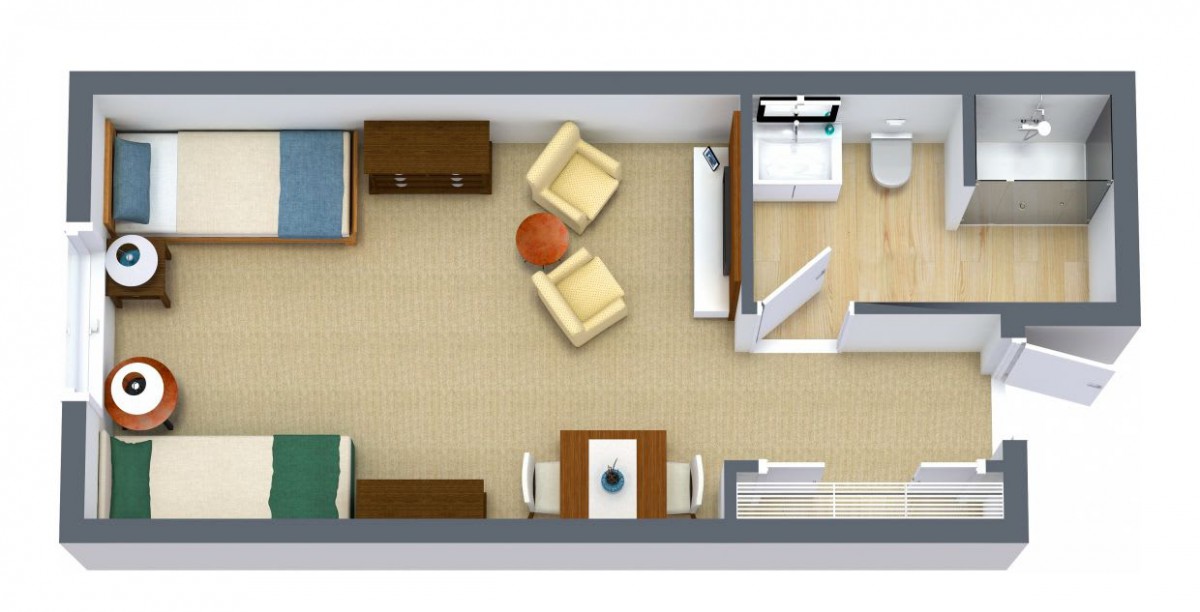
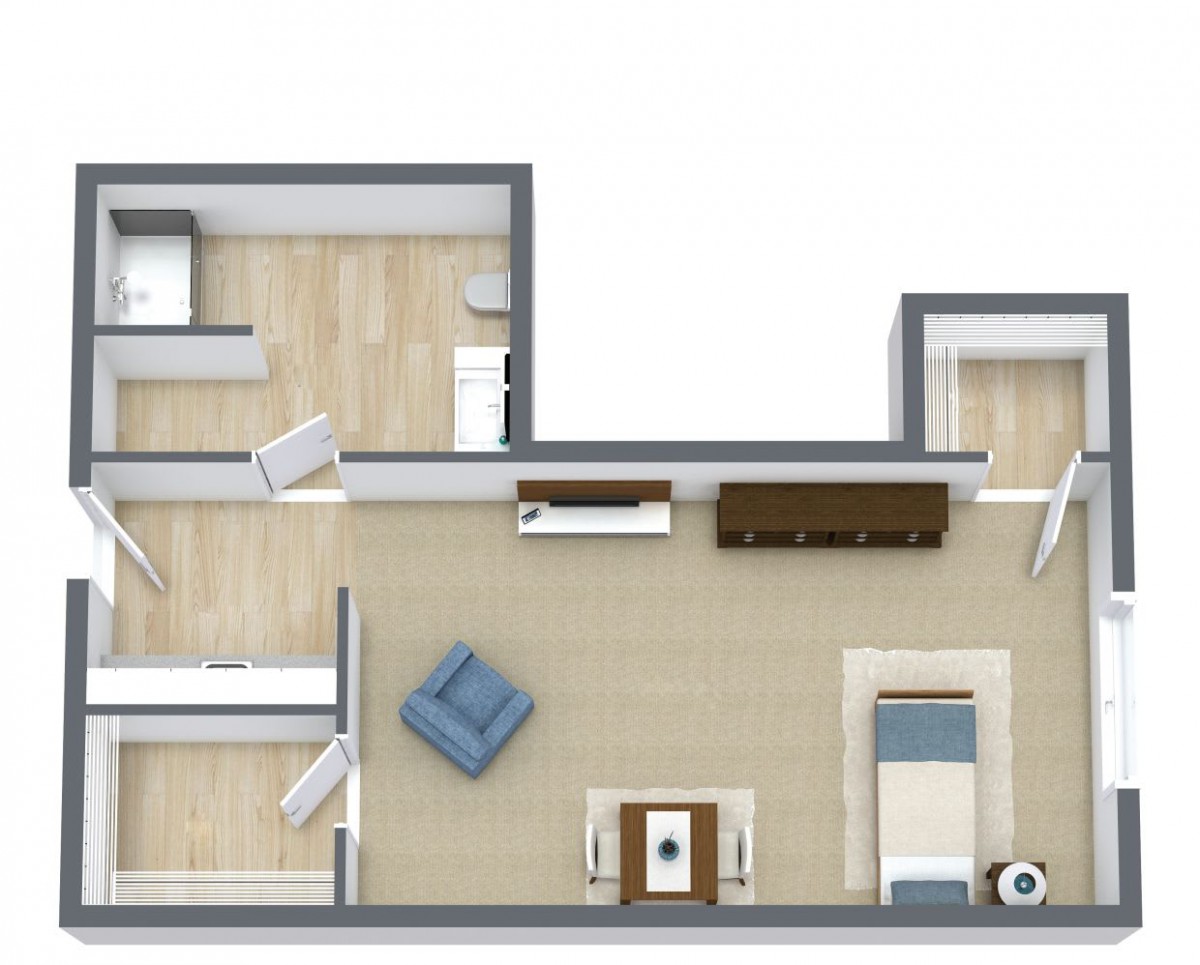
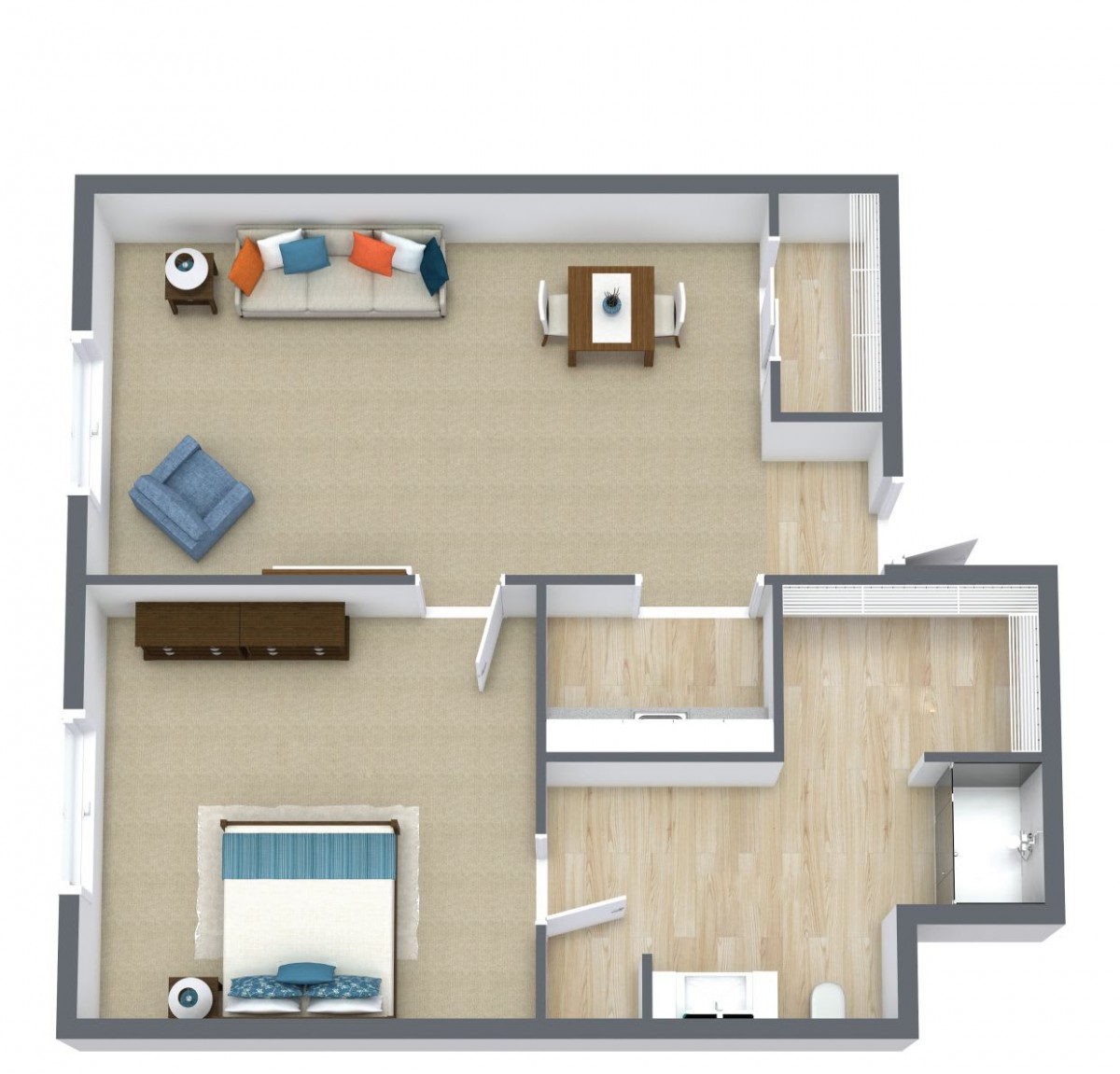
  • Floor Plan

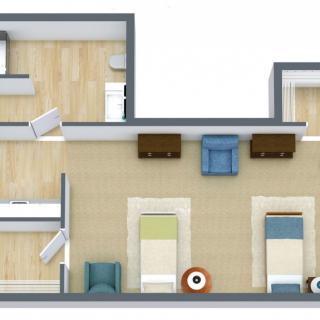
    A 3D floor plan layout showcasing room arrangements and furniture placement.
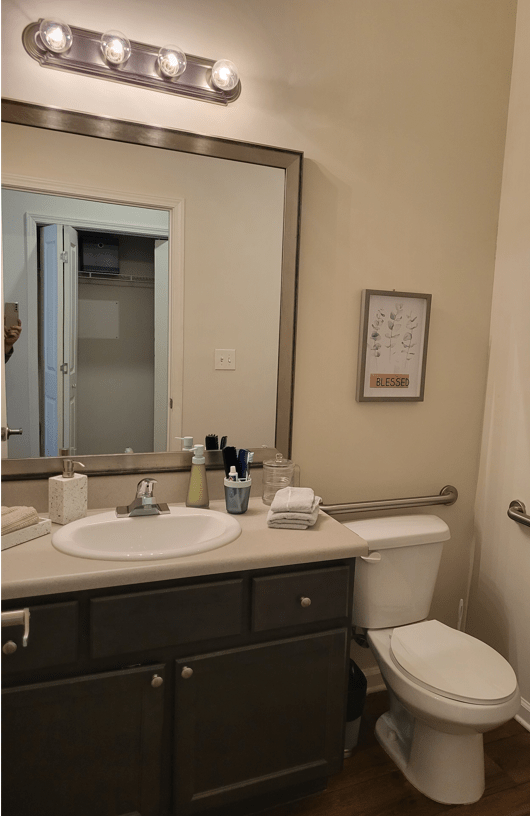
  • Bathroom

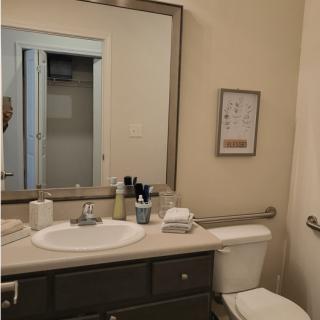
    A tidy bathroom with a large mirror above the sink, neatly arranged toiletries, and a small piece of wall art.
  • Exercise

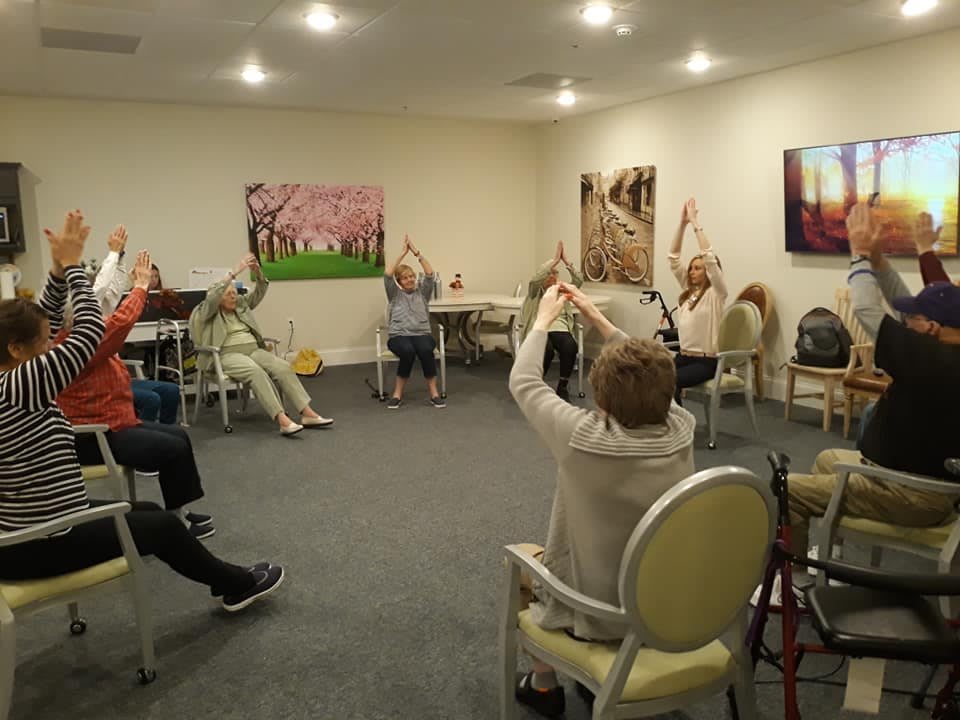
    A group of seniors participating in a seated exercise class at a community center.

The Mansions of Alpharetta Assisted Living and Memory Support

3675 Old Milton Pkwy, Alpharetta, GA 30005

For more information about senior living options: (844) 490-3973

4 from 2 reviews
Assisted Living Memory Care

The Mansions of Alpharetta Assisted Living and Memory Support Costs & Pricing

The Mansions of Alpharetta Assisted Living and Memory Support offers a range of pricing for its accommodations that reflects both the high-quality services provided and the broader market in Fulton County and the state of Georgia. For private rooms, residents can expect to pay $4,000 per month, which is significantly higher than the county average of $3,203 and the state average of $2,864. Semi-private rooms are priced at $4,220, again surpassing local and state benchmarks. The studio options start at $4,450 per month, compared to Fulton County's average of $3,618 and Georgia's average of $3,520. Finally, for those seeking a one-bedroom unit, the cost is set at $5,475, well above both Fulton County's rate of $3,411 and Georgia's figure of $3,412. This pricing structure suggests that The Mansions places a premium on its enhanced lifestyle offerings designed for assisted living and memory support while positioning itself as a top-tier choice in a competitive market.

Floor plansThe Mansions of Alpharetta Assisted Living and Memory SupportFulton CountyGeorgia
Private$4,000$3,203$2,864
Semi-Private$4,220$2,883$2,529
Studio$4,450$3,618$3,520
1 Bedroom$5,475$3,411$3,412

What level of care are you interested in?

Assisted Living

Memory Care

Independent Living

Skilled Nursing Facility

Continuing Care Retirement Community (CCRC)CCRC

Other


Request a tour at The Mansions of Alpharetta Assisted Living and Memory Support

    Overall Review of The Mansions of Alpharetta Assisted Living and Memory Support

    Pros

    • pro They liked what they saw during the tour of The Mansions of Alpharetta.
    • pro Housekeeping is weekly and very thorough.
    • pro They would possibly recommend the facility to family and friends.

    Cons

    • pro The facility suffers from staff shortages, with caregivers pulled to dining duties, leaving fewer caregivers available for residents.
    • pro There is a hidden cost with pharmacy/medications due to a mandated single pharmacy option, which incurs extra charges.
    • pro The meals do not accommodate special diets or lactose intolerance.
    • pro A promised care team meeting within 72 hours of move-in was delayed and required multiple follow-ups.
    • pro Communication with families and among staff is poor, and important information isn't relayed to night staff unless repeated.
    • pro Families must act as patient advocates to ensure proper care.
    • pro In memory care, residents appeared to be at a lower functioning level than the loved one, suggesting she would not fit in.
    • pro The facility may lack sufficient activities to keep residents engaged.

    Review

    The Mansions of Alpharetta is best suited for families seeking an assisted-living environment with a built-in memory-support component, paired with a calm, well-kept setting and a predictable routine. It works well for residents who do not require constant, high-acuity dementia supervision and for families prepared to stay actively involved in care planning, meals, and communications. Those who prize cleanliness, orderly common areas, and a stable daily rhythm will find the environment appealing. However, it is not the right fit for households seeking rock-solid staffing reliability, fully transparent add-ons, or highly flexible dining and medication arrangements. For memory-care needs that are more demanding, or for families desiring a facility with guaranteed, seamless care coordination and dietary customization, alternatives should be considered.

    Staffing realities surface quickly in daily life. Caregivers are often pulled into dining duty, which reduces attention to essential assisted-living tasks and personal care. That dynamic can translate into slower responses and a sense that care plans aren't being executed as promptly as hoped. Promised care-team meetings frequently slip, requiring persistent follow-up from family members. Internal communication between day and night shift staff is inconsistently reliable, so critical updates don't always travel smoothly. This pattern isn't a disaster, but it does demand a vigilant, proactive family approach and can erode the experience for residents who rely on consistent, timely care.

    Another friction point is cost structure, particularly around medications. There is a mandatory in-house pharmacy arrangement that carries additional charges not clearly disclosed at move-in. The result can be an unexpected hurdle to budgeting, turning an otherwise straightforward rate into something more complex once medications are factored in. The practical response is upfront, itemized pricing and a clear delineation of what is included in the base rate versus what is paid to the pharmacy. Families should insist on a detailed medication-cost breakdown before committing and should monitor for any changes after move-in. Without this transparency, the financial picture can undermine confidence in the overall value proposition.

    Dietary flexibility is another practical bottleneck. The facility does not accommodate certain dietary restrictions and offers limited alternate options, which can be a barrier for residents with lactose intolerance or similar needs. For some, standard menu offerings may suffice, especially with proactive family involvement to arrange alternatives outside the dining room. For others with stricter health or dietary requirements, this barrier can lead to daily friction and additional advocacy from caregivers and families. In short, culinary adaptability is not a core strength here, and food-related tensions can color overall satisfaction if not actively managed.

    On the upside, housekeeping is consistently thorough, contributing to a clean, orderly living environment that residents and families notice. The impression from tours is that the community can feel well-maintained, with a calm, residential atmosphere. The memory-care cohort observed during visits appeared lower-acuity than some residents marketed for more intensive dementia programs, suggesting a better fit for those needing moderate support rather than high-level cognitive care. That alignment matters: the setting can deliver stability and structured programming for residents who require steady routines and approachable engagement. Yet the gap between expectations and the level of care coordination present highlights the need for a candid appraisal of whether resident needs align with program depth.

    Ultimately, the decision hinges on whether reliable staffing, transparent costs, and flexible dining can be secured through explicit safeguards. If a family requires dependable, proactive communication, predictable staff coverage, and a clear medication bill, this community warrants careful scrutiny or consideration with guardrails in place. Prospective residents should request current staff-to-resident ratios, a firm commitment to timely care-team huddles, and a precise, line-item medication schedule. They should also verify whether dietary accommodations can be arranged without friction and confirm the exact level of memory-support programming available for the individual's needs. When these variables align, The Mansions of Alpharetta offers a solid housing option with the comfort of a well-maintained setting; when they do not, stronger staffing guarantees and more flexible dining and medication policies found elsewhere will outperform.

    Features

    Types of Care

    • Assisted Living Assisted LivingAssisted living facilities provide crucial support and care for seniors who may need help with daily tasks such as medication management, bathing, and meal preparation. These communities offer a safe and comfortable environment where seniors can maintain their independence while receiving the assistance they need to thrive in their golden years.
    • Memory Care Memory CareMemory care is crucial for seniors as it provides specialized support and services for individuals with dementia or Alzheimer's disease. These programs offer a safe and secure environment where residents receive personalized care, cognitive stimulation, and help with daily activities. Memory care helps seniors maintain their independence, quality of life, and dignity while also providing peace of mind for their families.

    Pets

    • Cats allowed Cats allowed"Pet friendly" senior living communities are important for seniors because pets provide companionship, reduce feelings of loneliness and depression, promote physical activity and mental stimulation, and offer a sense of purpose and responsibility. Pets can improve overall well-being and quality of life for seniors in many ways.
    • Dogs allowed Dogs allowed"Pet friendly" senior living communities are important for seniors because pets provide companionship, reduce feelings of loneliness and depression, promote physical activity and mental stimulation, and offer a sense of purpose and responsibility. Pets can improve overall well-being and quality of life for seniors in many ways.

    Amenities

    • Activities off-site Activities off-siteEngaging in off-site activities is crucial for seniors to maintain social connections, stay active, and stimulate their minds. It promotes overall well-being and helps combat feelings of isolation and loneliness.
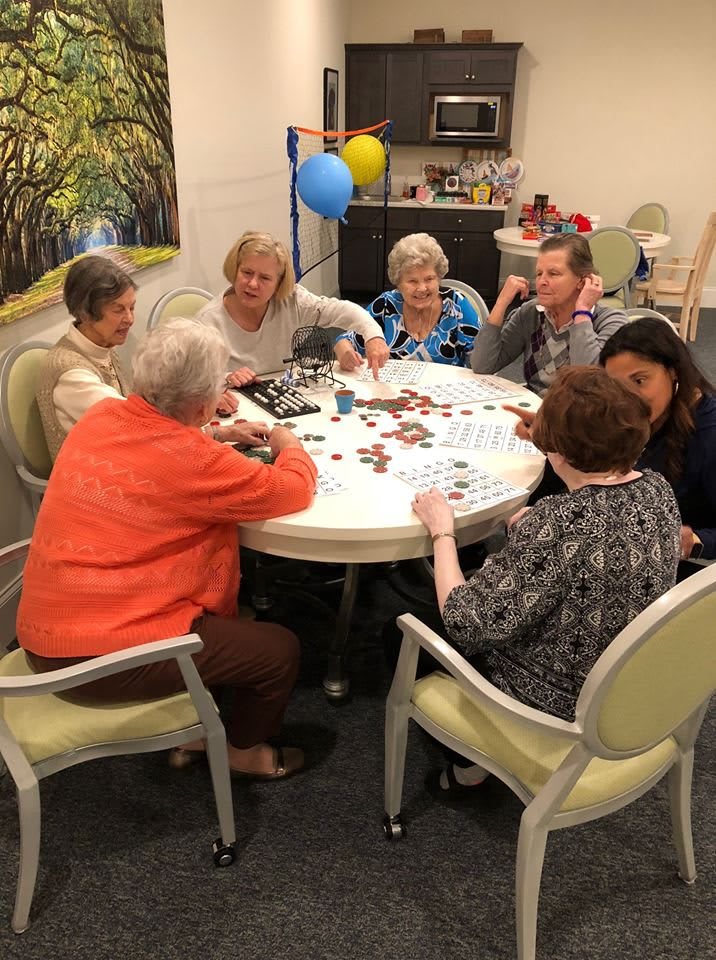
    • Activities on-site Activities on-siteActivities on-site are important for seniors because they provide opportunities for socialization, mental stimulation, physical activity, and overall well-being. Engaging in activities can help seniors stay active, maintain their independence, and improve their quality of life.
    • Air-conditioning Air-conditioningAir conditioning is important for seniors as they are more vulnerable to heat-related illnesses and may have underlying health conditions that make it difficult for them to regulate their body temperature. It helps to keep them comfortable, safe, and healthy in hot weather.
    • Beautician on-site Beautician on-siteHaving a beautician on-site at a senior living community is important for seniors as it allows them to easily access grooming and personal care services, boosting their self-esteem and overall well-being. It also provides convenience and helps seniors maintain their sense of independence and personal style.
    • Cable or satellite TV Cable or satellite TVCable or satellite TV is important for seniors because it provides entertainment, news, and companionship, helping to combat loneliness and boredom. It also offers a wide range of programming options tailored to different interests and preferences.
    • Devotional services off-site Devotional services off-siteDevotional services off-site are important for seniors as they provide spiritual nourishment, social engagement, and a sense of community outside of the senior living facility. This can enhance overall well-being and help combat feelings of isolation and loneliness often experienced by older adults.
    • Devotional services on-site Devotional services on-siteDevotional services on-site provide seniors with spiritual support and a sense of community, as well as an opportunity for reflection and guidance during their senior living experience. This can promote emotional well-being and connection to others, leading to a more fulfilling and enriching lifestyle in their later years.
    • Ground floor units Ground floor unitsGround floor units are important for seniors because they provide easy accessibility, reduced risk of falls and injuries, and convenience for those with mobility issues. Seniors can avoid climbing stairs or using elevators, making daily tasks and activities more manageable and enjoyable.
    • Handicap accessible Handicap accessible"Handicap accessible" amenities are crucial for seniors to ensure they can easily navigate and access facilities, services, and activities without barriers or limitations due to physical impairments. This promotes independence, safety, and inclusivity for seniors in senior living communities.
    • Indoor common areas Indoor common areasIndoor common areas are crucial for seniors as they provide a space for socialization, recreation, and community engagement, promoting overall well-being and reducing feelings of isolation and loneliness.
    • Kitchenette KitchenetteKitchenettes are important for seniors living in senior living communities because they provide the convenience and independence of being able to prepare simple meals and snacks in the comfort of their own living space. This can help promote a sense of autonomy and well-being for seniors, allowing them to maintain some level of control over their dietary choices and daily routines.
    • Outdoor common areas Outdoor common areasOutdoor common areas are important for seniors as they provide a space for socialization, physical activity, and relaxation. Being outside in nature can improve mood and overall well-being, while also encouraging movement and engagement with others. These spaces can help combat feelings of isolation and promote a sense of community among residents.
    • Private bathrooms Private bathroomsPrivate bathrooms are important for seniors in senior living communities because they provide independence, dignity, and comfort. Having a private bathroom allows seniors to maintain their personal hygiene routines without the need for assistance, promoting a sense of autonomy and privacy. Additionally, private bathrooms help prevent the spread of infections and provide a safe and clean environment for seniors to navigate safely.
    • Respite or short term stays offered Respite or short term stays offeredRespite or short term stays provide seniors with a temporary solution when their regular caregiver is unavailable, offering them the opportunity to receive additional care and support during times of need, while also giving caregivers a chance to rest and recharge.
    • Wheelchair accessible showers Wheelchair accessible showersWheelchair accessible showers are crucial for seniors as they provide a safe and independent bathing option for those with mobility challenges. These showers help prevent falls and allow seniors to maintain their dignity and autonomy while ensuring they can bathe comfortably.
    • Wi-Fi/high-speed internet available Wi-Fi/high-speed internet availableWi-Fi/high-speed internet is important for seniors to stay connected with loved ones, access online resources, and participate in virtual activities to combat feelings of loneliness and isolation. It also allows them to easily manage healthcare needs, access entertainment, and engage in lifelong learning opportunities.

    Care Services

    • Ambulatory care Ambulatory care"Ambulatory care services provide essential medical support and treatment to seniors without requiring hospitalization, allowing them to maintain their independence and quality of life while managing chronic conditions or receiving routine medical care."
    • Diabetic care Diabetic careDiabetic care is crucial for seniors as they are more susceptible to developing diabetes due to aging and other health conditions. Proper management of diabetes can help prevent complications such as heart disease, vision loss, and nerve damage, improving the overall quality of life for seniors in senior living communities.
    • High acuity care High acuity careHigh acuity care is important for seniors because it provides specialized medical attention and support for individuals with complex medical needs. This level of care ensures that seniors receive the appropriate treatment and assistance to maintain their health and quality of life as they age.
    • Incontinence care Incontinence careIncontinence care is essential for seniors to maintain their dignity, hygiene, and overall quality of life. By addressing incontinence issues promptly and effectively, seniors can enjoy a sense of independence and comfort in their daily activities.
    • Medication management Medication managementMedication management is crucial for seniors to ensure they are taking the right medications at the correct dosages and times. This helps prevent adverse drug interactions, reduces the risk of medication errors, and promotes overall health and well-being. Proactive management also allows for adjustments as needed based on changing health conditions or new prescriptions.

    Dining

    • Anytime dining Anytime diningAnytime dining is important for seniors because it allows them the flexibility to eat when they are hungry, rather than being restricted to set meal times. This can be especially beneficial for those with medical conditions or medications that affect their appetite, as well as those who may have difficulty adhering to a strict dining schedule. Overall, anytime dining promotes independence and overall well-being for seniors in senior living communities.
    • Gluten-free Gluten-freeGluten-free options are important for seniors as they are more prone to digestive issues and dietary sensitivities. Offering gluten-free meal choices in senior living communities can help improve their overall health and well-being.
    • Guest meals Guest mealsGuest meals are important for seniors living in senior living communities because they provide an opportunity for socialization and companionship. Sharing a meal with friends, family, or new acquaintances can help combat feelings of loneliness and isolation, promote a sense of community, and enhance overall well-being. Additionally, guest meals allow seniors to enjoy delicious food in a comfortable setting without the hassle of cooking or cleaning up, making dining a pleasurable and stress-free experience.
    • International cuisine International cuisineInternational cuisine is important for seniors because it offers a variety of flavors, ingredients, and cultural experiences that can help keep their meals interesting and enjoyable. Trying new dishes can also stimulate the senses and provide different nutrients that contribute to overall health and well-being. Additionally, exploring international cuisine can bring back fond memories of travels or childhood experiences, making mealtime more nostalgic and fulfilling for seniors.
    • Low / no sodium Low / no sodiumLow/no sodium options are important for seniors because excessive sodium intake can lead to high blood pressure, heart disease, and other health issues commonly experienced by older adults. By choosing low/no sodium foods, seniors can better manage their health and reduce their risk of developing these conditions.
    • Meals provided Meals provided"Meals provided" are crucial for seniors in assisted living communities as it ensures they have access to nutritious, balanced meals without the stress of meal planning and preparation. This can help promote overall health and well-being for seniors who may have limited mobility or cognitive abilities.
    • No Sugar No SugarNo sugar diets are important for seniors because they can help prevent or manage chronic conditions such as diabetes, heart disease, and obesity. Sugar can also contribute to cognitive decline and inflammation in the body, so reducing sugar intake can lead to overall improved health and well-being in older adults.
    • Professional chef Professional chefProfessional chefs are important for seniors living in senior living communities because they provide nutritious and delicious meals that cater to their dietary needs and preferences. A professional chef can ensure that seniors are receiving balanced, flavorful meals that support their overall health and well-being.
    • Restaurant style dining Restaurant style diningRestaurant style dining is important for seniors as it offers them a social and enjoyable dining experience, promotes healthy eating habits, and provides personalized menu options to cater to their dietary needs and preferences. This type of dining setting can enhance their overall quality of life and create a sense of community within the senior living facility.
    • Room service Room serviceRoom service is important for seniors in a senior living community because it provides convenience and allows them to have their meals delivered directly to their room. This can be especially beneficial for seniors who may have mobility issues or difficulty accessing the dining area. Room service ensures that seniors are able to receive nutritious meals without having to navigate through the facility, allowing them to maintain their independence and overall well-being.
    • Special dining programs Special dining programsSpecial dining programs are important for seniors because they provide nutritious meals tailored to their dietary needs and preferences. These programs also offer socialization opportunities, promote overall health and well-being, and can help prevent malnutrition.
    • Vegetarian VegetarianA vegetarian diet is important for seniors because it can help lower the risk of chronic diseases, maintain a healthy weight, and provide essential nutrients needed for aging bodies. Additionally, plant-based diets are often easier on digestive systems and can contribute to overall well-being in older adults.

    Activities

    • Art classes Art classesArt classes are important for seniors because they provide a creative outlet, improve cognitive function, reduce stress and anxiety, promote socialization, and enhance overall well-being and quality of life.
    • Catholic services Catholic servicesCatholic services are important for seniors because they provide spiritual support, a sense of community, and opportunities for social interaction that can enhance overall well-being and quality of life in their later years.
    • Cooking classes Cooking classesCooking classes are important for seniors as they provide opportunities for social interaction, enhance cognitive skills, promote healthy eating habits, and boost confidence in the kitchen.
    • Devotional activities offsite Devotional activities offsiteDevotional activities offsite are important for seniors because they provide social engagement, spiritual growth, and a sense of community outside of their living environment. This can improve overall well-being, mental health, and combat feelings of isolation or loneliness.
    • Devotional activities on-site Devotional activities on-siteDevotional activities on-site provide seniors with a sense of community, spiritual fulfillment, and emotional support, promoting overall well-being and a positive sense of purpose in their lives.
    • Educational speakers / life long learning Educational speakers / life long learningEducational speakers and lifelong learning opportunities are crucial for seniors as they provide mental stimulation, promote social engagement, and contribute to overall well-being. Continuous learning helps seniors stay mentally sharp, build new skills, and maintain a sense of purpose and fulfillment in their lives. It also allows them to stay connected to the world around them and fosters a sense of community within senior living facilities.
    • Jewish services Jewish servicesJewish services are important for seniors as they provide a sense of community, spiritual support, and connection to their heritage and traditions. These services help enhance overall well-being and quality of life for older adults in senior living settings.
    • Other religious services Other religious servicesOther religious services are important for seniors as they provide a sense of community, spiritual comfort, and opportunities for socializing. These services can help seniors feel connected to their faith and maintain a sense of purpose and belonging in their later years.
    • Protestant services Protestant servicesProtestant services are important for seniors because they provide spiritual nourishment, community support, and a sense of belonging. These services can help seniors connect with others who share their faith, find comfort and guidance in times of need, and maintain a sense of purpose and fulfillment in their later years.
    • Visiting Rabbi Visiting Rabbi"Visiting rabbis provide spiritual and emotional support to seniors in assisted living communities, helping them connect with their faith, find comfort in times of need, and maintain a sense of community and belonging."
    • Visiting chaplain or priest Visiting chaplain or priestHaving a visiting chaplain or priest at a senior living community is important for seniors because it provides spiritual support, comfort, and guidance during a time of life that can be challenging and uncertain. Their presence can help seniors feel connected to their faith, find peace of mind, and cope with the emotional and mental struggles they may face in their later years.

    Description

    The Mansions of Alpharetta Assisted Living and Memory Support in Alpharetta, GA, offers exceptional care for individuals with memory care needs. Our community provides a comfortable and secure environment where residents can receive the support they require while maintaining their independence.

    With a wide range of amenities, our residents can enjoy a fulfilling lifestyle within our community. We offer various activities on-site to keep residents engaged and entertained, ensuring they have opportunities for social interaction and personal growth. Our air-conditioned indoor common areas provide a comfortable space for relaxation or socializing with fellow residents.

    We understand the importance of maintaining personal grooming and offer an on-site beautician for our residents' convenience. Cable or satellite TV is available in each unit to ensure entertainment options are readily accessible. Additionally, devotional services are provided both on-site and off-site to cater to different religious preferences.

    Our community features ground floor units that are easily accessible for those with mobility challenges, along with wheelchair-accessible showers for added convenience and safety. Private bathrooms are available in each unit to provide residents with privacy and dignity. Wi-Fi/high-speed internet is also provided to ensure connectivity.

    In terms of care services, we offer specialized diabetic care and high acuity care to meet the unique needs of certain individuals. Our trained staff provides assistance with medication management and incontinence care, ensuring that each resident's health requirements are met effectively.

    Dining at The Mansions of Alpharetta is a delightful experience. Our professional chef prepares delicious meals using fresh ingredients, catering to various dietary preferences such as gluten-free, low/no sodium, vegetarian, and no sugar options. Residents can indulge in international cuisine served restaurant-style or choose room service if desired. Special dining programs are offered to add variety to meals, while guest meals can be arranged for those special occasions.

    To enrich the lives of our residents further, we organize a variety of activities ranging from cooking classes and educational speakers to devotional and religious services. Catholic, Jewish, and Protestant services are available, along with visits from a Rabbi, chaplain, or priest.

    Our community is conveniently located near several amenities such as cafes, parks, pharmacies, physicians' offices, restaurants, places of worship, theaters, and hospitals. This ensures that our residents have easy access to essential services and entertainment options.

    At The Mansions of Alpharetta Assisted Living and Memory Support, we strive to provide a nurturing environment where individuals can thrive while receiving the care they need.

    Nearby Places of Interest

    This part of Alpharetta, Georgia offers a variety of amenities that may be appealing for senior living. With several restaurants nearby, such as Loyal Q And Brew and Andy's Frozen Custard, there are plenty of dining options to choose from. Additionally, there are places of worship like North Point Community Church and St Brigid Catholic Church within a few miles for spiritual support. For healthcare needs, there are multiple physicians' offices and pharmacies in close proximity, including Dunwoody Pediatrics and Walgreens. There are also recreational options with theaters like Regal Avalon and parks such as Union Hill Park nearby. Access to hospitals like Emory Johns Creek Hospital and North Fulton Regional Hospital provides peace of mind in case of medical emergencies. Overall, this area offers a convenient and well-rounded environment for senior living.

    Restaurants

    • Loyal Q And Brew (0.1 miles)
    • Andy's Frozen Custard (0.1 miles)
    • McDonald's (0.6 miles)
    • Wendy's (1.1 miles)
    • Chick-Fil-A (1.2 miles)
    • Rumi's Kitchen (1.4 miles)
    • CRU Food & Wine Bar (1.5 miles)

    Places of Worship

    • North Point Community Church (0.6 miles)
    • St Brigid Catholic Church (2.9 miles)
    • Perimeter Church (4.8 miles)
    • Sri Krishna Vrundavana (5.7 miles)

    Physicians

    • Dunwoody Pediatrics - Alpharetta (0.9 miles)
    • Preston Ridge Dermatology (0.9 miles)
    • Modern Ob/Gyn (1.8 miles)
    • MRI & Imaging of North Fulton (3.5 miles)
    • Alpharetta Pediatrics (3.7 miles)
    • Resurgens Orthopaedics (4 miles)
    • Thomas Eye Group - Roswell Office (4 miles)

    Pharmacies

    • Walgreens (1.3 miles)
    • Walgreens (1.9 miles)
    • CVS Pharmacy (2.1 miles)
    • CVS Pharmacy (2.3 miles)
    • CVS Pharmacy (2.4 miles)
    • Walgreens (2.7 miles)
    • CVS Pharmacy (2.7 miles)

    Theaters

    • Regal Avalon (1.5 miles)
    • AMC DINE-IN North Point Mall 12 (2.8 miles)
    • Regal Medlock Crossing & RPX (4.6 miles)

    Cafes

    • Starbucks (2.2 miles)
    • Starbucks (2.2 miles)
    • Panera Bread (2.7 miles)
    • Starbucks (3.4 miles)
    • Starbucks (3.9 miles)
    • Alchemist Trading Co. (4.7 miles)
    • Panera Bread (5 miles)

    Parks

    • Union Hill Park (2.3 miles)
    • Big Creek Greenway Trailhead (5.4 miles)
    • Peachtree Corners Town Green (6.2 miles)
    • Fowler Park (6.5 miles)

    Hospitals

    • North Fulton Hospital Cancer Center (3.9 miles)
    • North Fulton Regional Hospital (3.9 miles)
    • Emory Johns Creek Hospital (4.3 miles)

    Frequently Asked Questions

    How much does it cost to live at The Mansions of Alpharetta Assisted Living and Memory Support in Alpharetta, GA?
    Where is The Mansions of Alpharetta Assisted Living and Memory Support?
    Does The Mansions of Alpharetta Assisted Living and Memory Support provide care for residents with dementia or Alzheimer's disease?
    Does The Mansions of Alpharetta Assisted Living and Memory Support allow residents to have pets?
    What photos are available for The Mansions of Alpharetta Assisted Living and Memory Support in Alpharetta, Georgia?

    Nearby Communities

    • The Mansions at Alpharetta

      The Mansions at Alpharetta

      Alpharetta, GA


      pro Comprehensive care options (IL/AL/Memory/Respite) with upscale amenities and engaging activities.

    • The Mansion at Alpharetta Senior Independent Living

      The Mansion at Alpharetta Senior Independent Living

      Alpharetta, GA

      3 from 24 reviews
      $3,004 to $4,530 / month

      pro Friendly staff and a warm, community-focused environment.

    • Right at Home - Alpharetta

      Right at Home - Alpharetta

      Alpharetta, GA

      4.7 from 29 reviews
       

      pro Welcoming, helpful caregivers that enhance safety at home and offer respite for families.

    • Legacy Ridge At Alpharetta

      Legacy Ridge At Alpharetta

      Alpharetta, GA

      4.6 from 90 reviews
       

      pro Caring, attentive staff with engaging memory-care activities.

    • Legacy Ridge at Alpharetta

      Legacy Ridge at Alpharetta

      Alpharetta, GA

      4.4 from 110 reviews
      $3,300 to $5,000 / month

      pro Friendly staff, engaging activities, and clean facilities with convenient transportation.

    • Synergy HomeCare -  North Atlanta

      Synergy HomeCare - North Atlanta

      Alpharetta, GA

      4.7 from 119 reviews
       

      pro Compassionate, knowledgeable caregivers with a responsive office team.

    • Village Park of Alpharetta

      Village Park of Alpharetta

      Alpharetta, GA

      3.9 from 143 reviews
      $5,695 to $6,995 / month

      pro Pleasant, well-maintained environment with attractive on-site amenities.

    • Addington Place of John’s Creek

      Addington Place of John’s Creek

      Johns Creek, GA

      4.3 from 54 reviews
      $3,150 to $4,920 / month

      pro Friendly staff and a clean, home-like environment with active memory-care programming.

    • Brickmont Roswell

      Brickmont Roswell

      Roswell, GA

      3.9 from 68 reviews
      $3,250 to $6,000 / month

      pro Clean, modern facility with all-inclusive pricing and engaging activities.

    Related Resources

    • assisted living waiver programA Detailed Exploration of Assisted Living Medicaid Waivers Across the United States

      Medicaid waivers for assisted living services provide vital support for seniors and individuals with disabilities in need of long-term care, with varying state-specific eligibility criteria and benefits. These waivers cover personal care and case management but often do not fully cover room and board, leading to waiting lists for many applicants.

    • assisted living vs skilled nursingExploring the Contrasts Between Assisted Living and Skilled Nursing

      The article compares assisted living and skilled nursing facilities, detailing their differing levels of assistance, medical support, cost structures, and day-to-day experiences. It emphasizes that assisted living is for those needing help with daily activities while maintaining independence, whereas skilled nursing facilities provide intensive medical care with 24-hour staff supervision.

    • active senior livingVibrant Senior Living: A Comprehensive Guide for Active Older Adults
      Vibrant Senior Living emphasizes active senior living communities that promote independence and engagement through diverse amenities and activities, fostering wellness and social interaction among older adults. These communities range from independent to assisted living, with a focus on personal growth, family involvement, financial planning, and leveraging technology to enhance residents' experiences.


    Get Pricing Ask A Question Schedule A Tour Contact Senior Advisor