Ortega Gardens Alzheimer’s Special Care Center Costs & Pricing
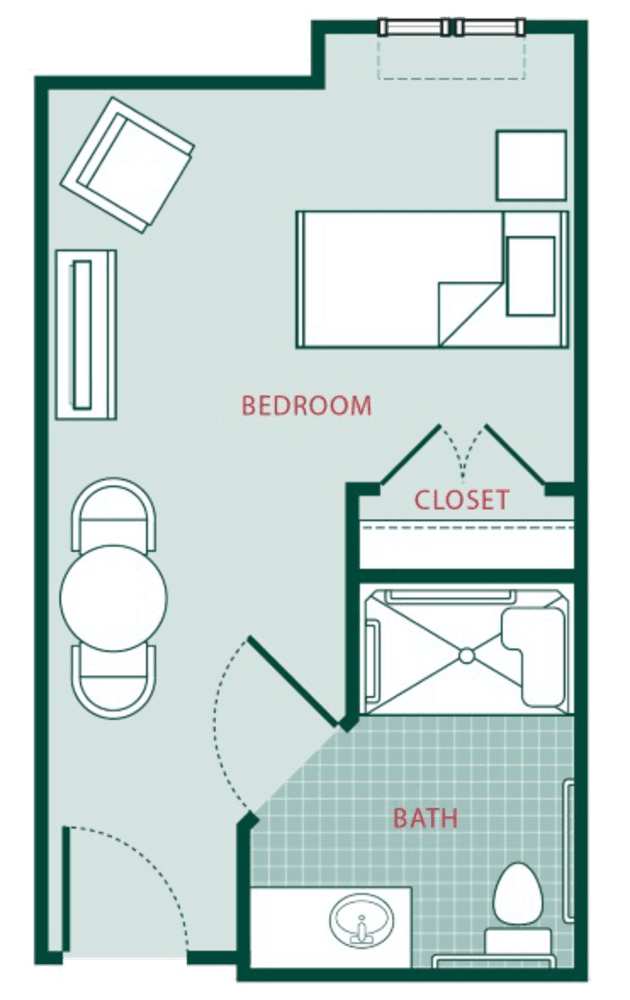
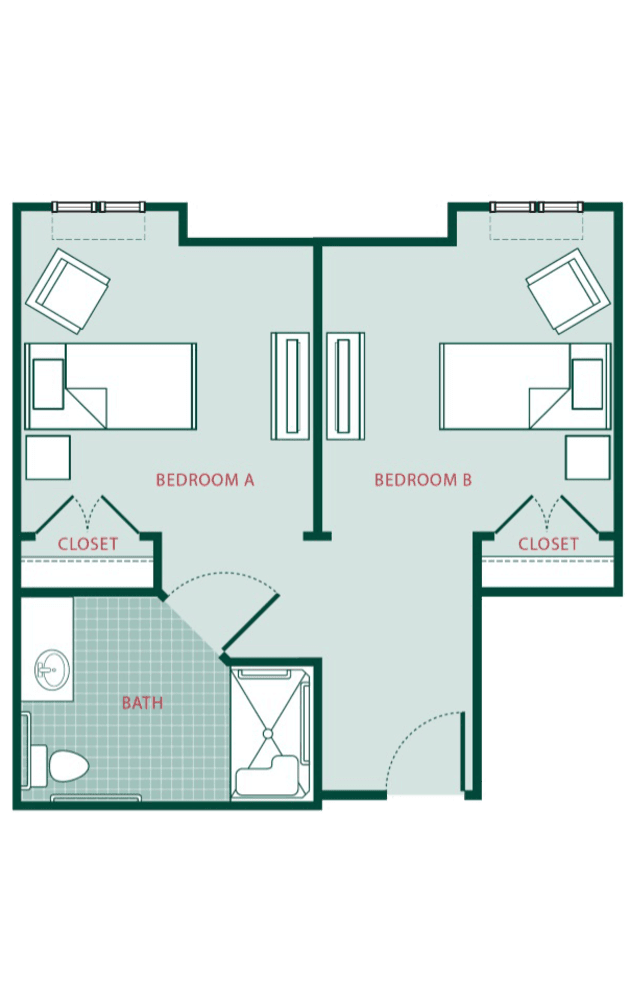
Ortega Gardens Alzheimer's Special Care Center offers specialized care tailored for individuals with Alzheimer's and related conditions, reflected in its monthly costs. The center charges $5,905 for a semi-private room, significantly higher than the average cost in Duval County at $3,154 and the broader state average of $3,009. For those seeking a more private setting, the studio option is available at $6,325 per month, which again surpasses both county and state averages of $3,660 and $3,823 respectively. These elevated rates underscore the center's commitment to providing high-quality care and support that caters specifically to the unique needs of residents facing cognitive challenges.
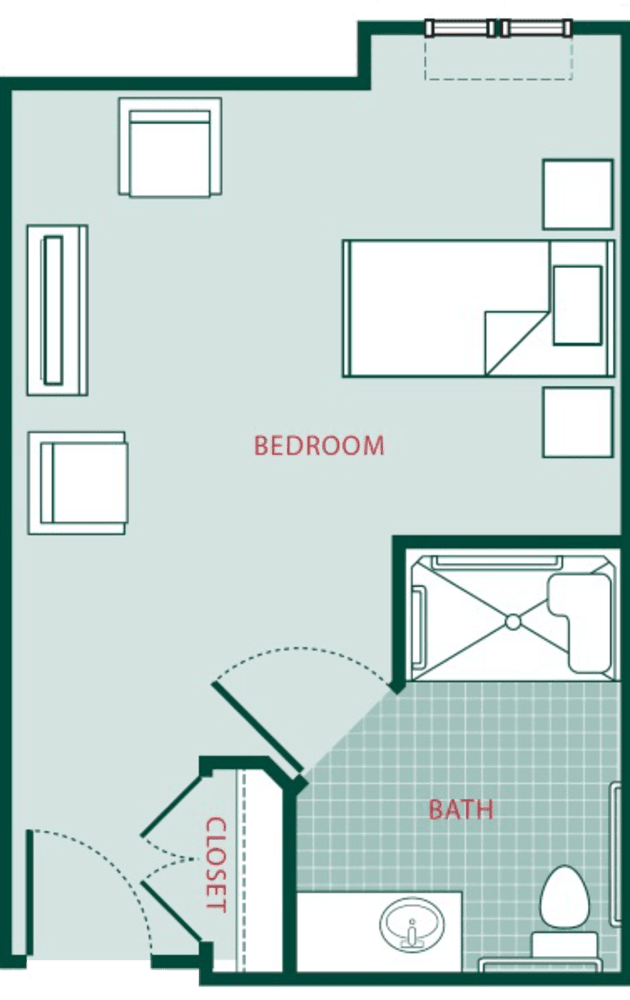
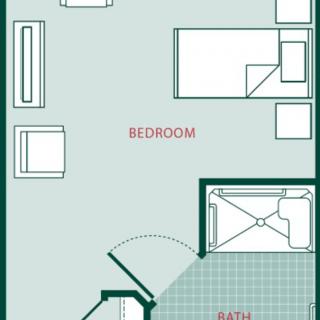
Floor plans
Ortega Gardens Alzheimer’s Special Care Center
Duval County
Florida
Semi-Private
$5,905
$3,154
$3,009
Studio
$6,325
$3,660
$3,823
Memory care communities with a similar price nearby
from -$855 / mo
The Windsor at Ortega
4.7 from 137 reviews
$5,050 to $7,280 / month
2.2 miles away
from -$665 / mo
The Windsor at San Pablo
4.6 from 104 reviews
$5,240 to $7,565 / month
17.5 miles away
from -$805 / mo
San Jose Gardens Alzheimer's Special Care Center
4.5 from 55 reviews
$5,100 to $6,100 / month
6.6 miles away
About the same
Ponte Vedra Gardens Alzheimer’s Special Care Center
Overall Review of Ortega Gardens Alzheimer’s Special Care Center
differentiator8 reviews mention this
Memory care is the focus
The memory care program is a central part of the experience for residents and families.
Multiple reviews describe Ortega Gardens as specialized for dementia and Alzheimer’s rather than a mixed setting. Families also mention the community using separate neighborhoods for different stages, with structured enrichment and planned engagement that fits cognitive changes. Several residents are described as benefiting from activities and routines designed around dementia, including a transition experience framed as a better “fit” than what came before.
caveat6 reviews mention this
Pricing runs notably high
Pricing is a recurring concern, with families describing increases and added charges.
Cost comes up repeatedly, including comments about it being expensive and changes in pricing after a move. At least a few reviews also describe extra charges for things like care-related needs. One review specifically mentions ongoing charges after a transfer, reinforcing concerns about how billing works during difficult situations.
caveat3 reviews mention this
Weekend activity coverage is limited
Some families report fewer activities on weekends and unmet expectations after move-in.
While many reviews mention engagement and programming, a few residents’ families say weekends can feel thin on activities. Others also describe empty promises and limited activity once their loved one was in the community. In these comments, families recommend more frequent checking and note that communication and follow-through did not always match what was shared during the research phase.
caveat3 reviews mention this
Cleanliness concerns appear in reviews
Cleanliness is a mixed experience, with some families describing unclean conditions.
Several reviews describe the building as clean, but a few families report specific cleanliness problems. One review mentions the room being found unclean with items like clothing and care supplies described as frequently missing. Other negative reviews also call cleanliness unacceptable or needing improvement, creating a clear split in what families experienced.
How we summarize
Counts show how many written reviews mention each theme; a review can touch several themes, and only frequently mentioned themes are displayed.
Features
Housing
60 resident community capacity
Studio apartments
Types of Care
Memory Care
Amenities
Activities on-site
Air-conditioning
Beautician on-site
Beauty salon
Cable or satellite TV
Computer center
Devotional services on-site
Dining room
Family overnight stay rooms
Financing advice
Fitness room
Fully furnished
Gaming room
Garden
Garden view
Golf
Ground floor units
Guasts at mealtime
Guest parking
Handicap accessible
Home sale assistance
Housekeeping services
Indoor common areas
Kitchenette
Laundry
Move-in coordination
Outdoor common areas
Outdoor space
Party space
Private bathrooms
Respite or short term stays offered
Restaurant-style dining
Security gate
Small library
TV room
Telephone
VA Benefits Consultation
Wellness center
Wheelchair accessible showers
Wi-Fi/high-speed internet available
Transportation
Jacksonville International (17 miles away)
Community operated transportation
Transportation & parking
Transportation arrangement
Transportation arrangement (non-medical)
Transportation to doctors appointments
Care Services
12-16 hour nursing
24-hour call system
24-hour supervision
Activities of daily living assistance
Ambulatory care
Assistance with bathing
Assistance with dressing
Assistance with transfers
Coordination with health care providers
Dementia waiver
Diabetes diet
Diabetic care
High acuity care
Hospice care
Hospice waiver
Incontinence care
Meal preparation and service
Medication management
Mental wellness program
Mild cognitive impairment
Physical therapy
Special dietary restrictions
Specialized memory care programming
Transportation arrangement (medical)
Transportation to doctors appointments
Dining
Diabetes diet
Gluten-free
Guest meals
Kosher
Low / no sodium
Meals provided
No Sugar
Organic
Professional chef
Restaurant style dining
Room service
Special dietary restrictions
Special dining programs
Vegan
Vegetarian
Activities
Activities off-site
Art classes
Arts and crafts
Bible study group
Catholic services
Community-sponsored activities
Concierge services
Cooking classes
Cooking club
Day trips and outings
Devotional activities on-site
Educational speakers / life long learning
Fitness programs
Games
Gardening club
Happy hour
Karaoke
Live musical performances
Other religious services
Planned day trips
Protestant services
Religious services
Resident-run activities
Scheduled daily activities
Stories
Visiting chaplain or priest
Wii bowling
Videos
Nearby Places of Interest
Located in the western region of Jacksonville, Florida, this area offers a convenient and diverse selection of amenities for seniors looking to settle down. With multiple pharmacies like CVS and Walgreens within easy reach, accessing medications and healthcare supplies is hassle-free. Nearby restaurants such as McDonald's and Chick-Fil-A provide convenient dining options, while parks like Cortez Park offer opportunities for outdoor relaxation. The presence of reputable healthcare providers like Jacksonville Heights Clinic and Ascension St Vincent's Riverside ensures that top-notch medical care is easily accessible. Additionally, cafes like Metro Diner and Starbucks provide cozy spots for socializing with friends. With a variety of places of worship, theaters, and hospitals nearby, this neighborhood offers a well-rounded living environment for seniors seeking convenience and comfort in Jacksonville.
Ortega Gardens Alzheimer's Special Care Center offers specialized care tailored for individuals with Alzheimer's and related conditions, reflected in its monthly costs. The center charges $5,905 for a semi-private room, significantly higher than the average cost in Duval County at $3,154 and the broader state average of $3,009. For those seeking a more private setting, the studio option is available at $6,325 per month, which again surpasses both county and state averages of $3,660 and $3,823 respectively. These elevated rates underscore the center's commitment to providing high-quality care and support that caters specifically to the unique needs of residents facing cognitive challenges.
Ortega Gardens Alzheimer's Special Care Center offers a comprehensive suite of features designed to support residents with memory care needs. The 24-hour supervision ensures that residents receive constant oversight, promoting safety and security while allowing for timely intervention in case of emergencies. Assistance with activities of daily living, including bathing, dressing, and transfers, helps maintain dignity and independence among residents, while incontinence care further supports their personal hygiene and comfort. Coordination with healthcare providers ensures that medical needs are met promptly and effectively, complemented by medication management that safeguards against potential errors. Meal preparation and service cater to specific dietary requirements, enhancing nutrition and overall well-being. The mental wellness program addresses cognitive challenges through engaging activities tailored to individual capabilities, while specialized memory care programming focuses on stimulating the mind. Furthermore, physical therapy promotes mobility and strength, supporting both physical health and quality of life. Lastly, arrangements for medical transportation ensure access to necessary appointments without added stress for residents or families. Together, these features create a nurturing environment conducive to enhancing the quality of life for individuals with dementia or Alzheimer's disease.
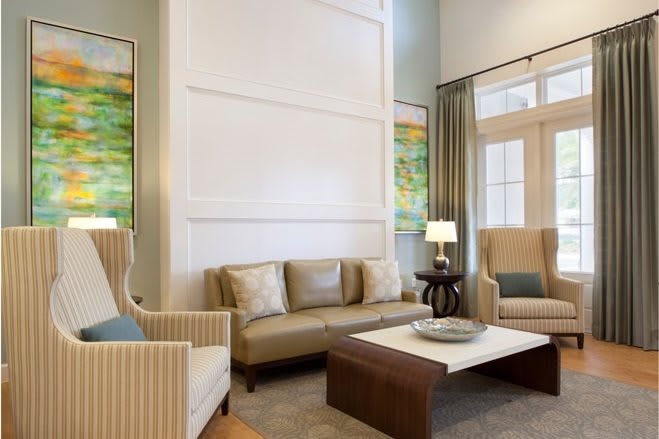
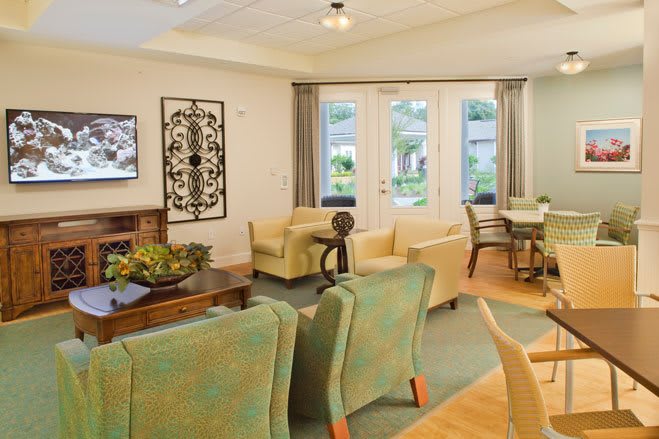
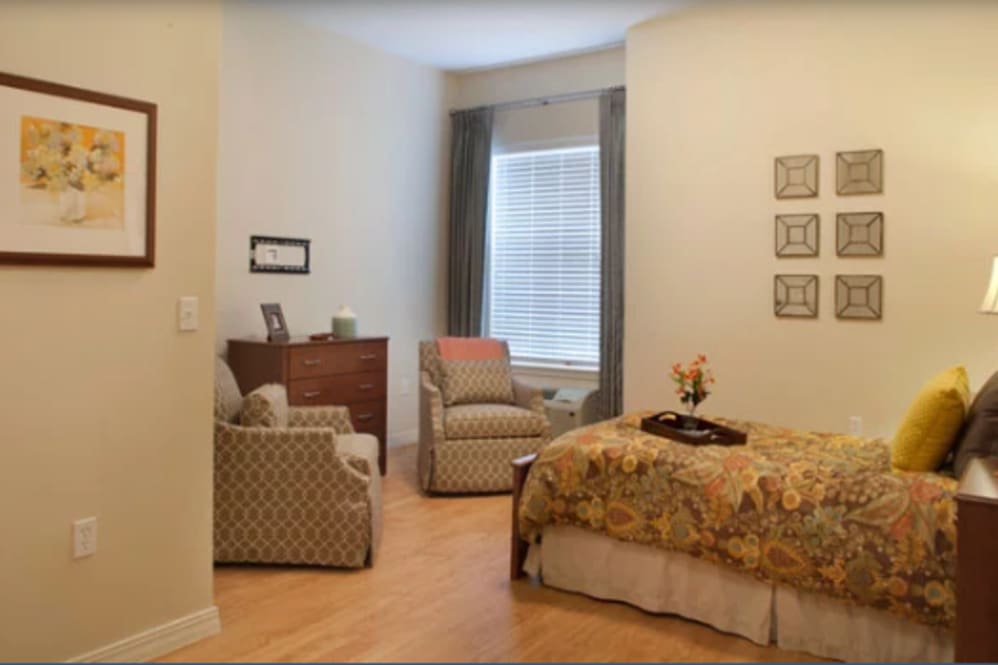
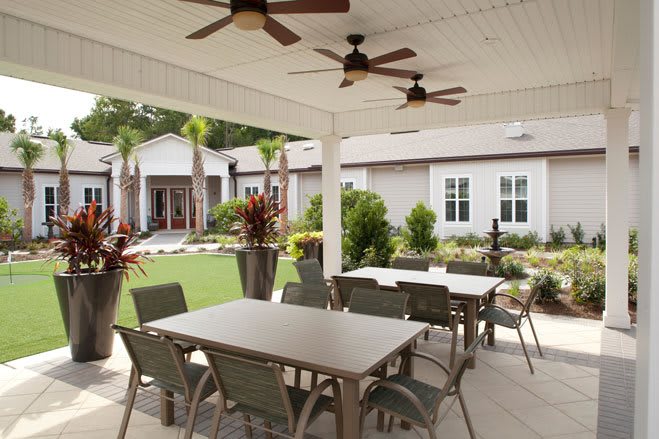
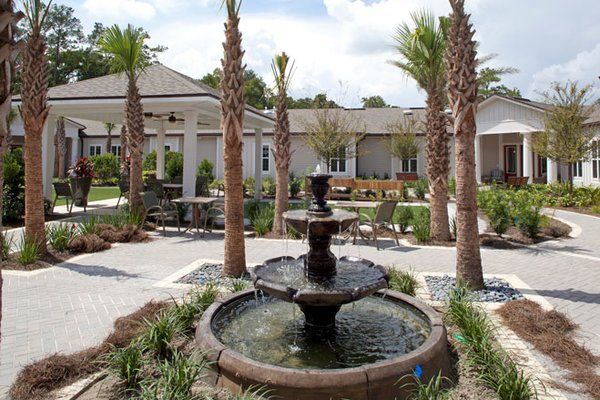
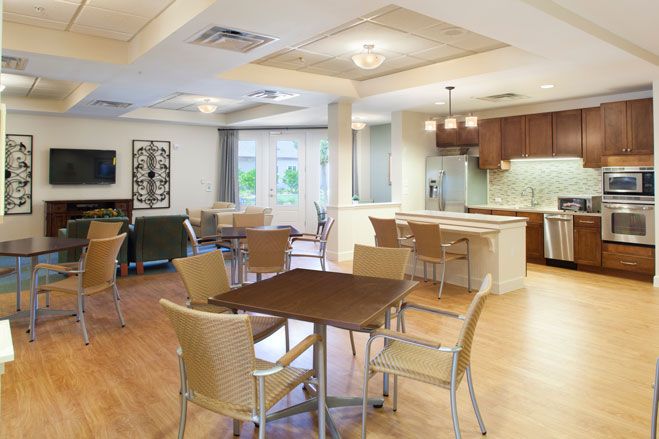
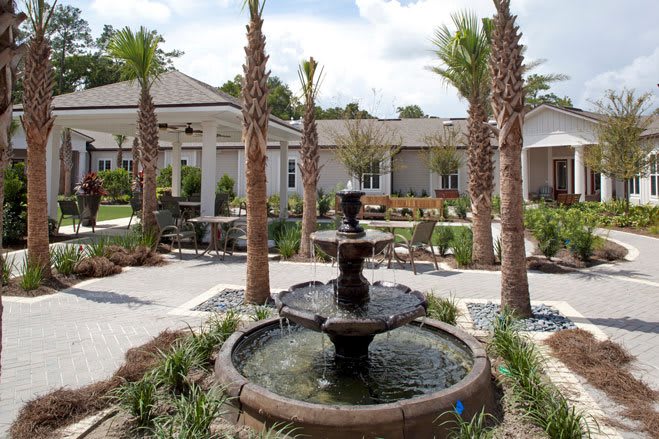
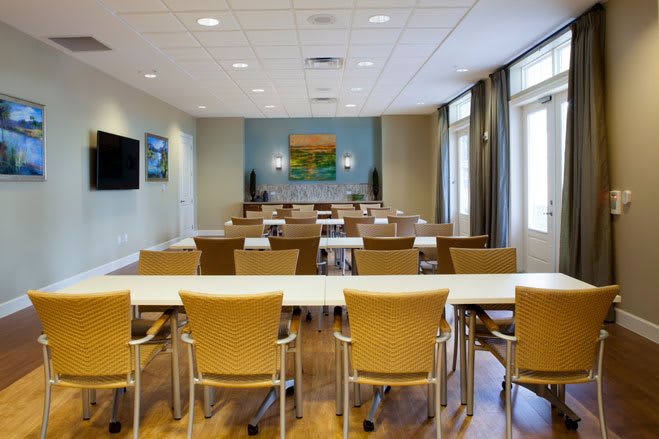
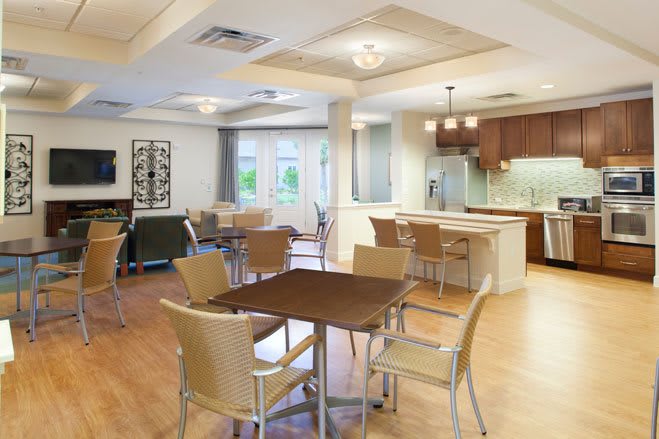
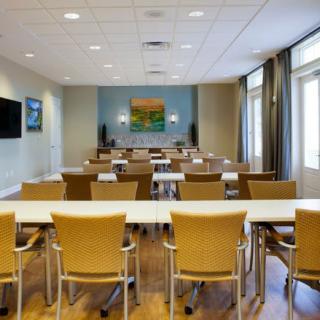
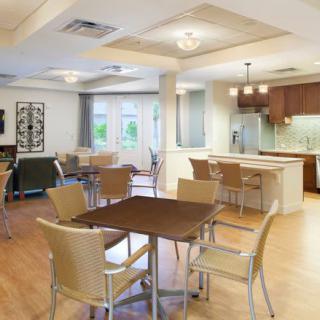
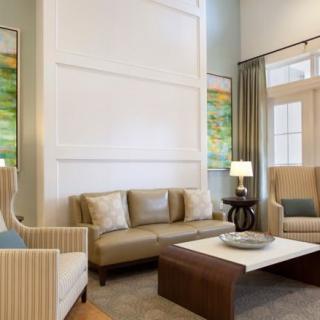
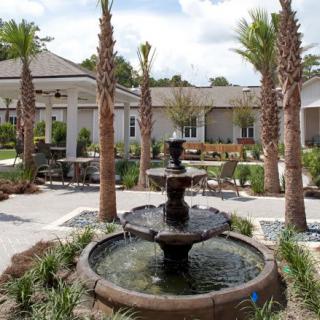
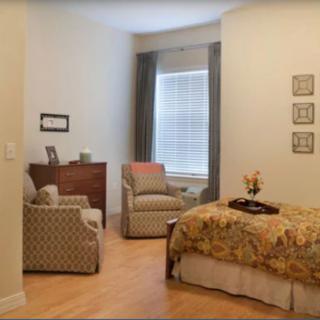
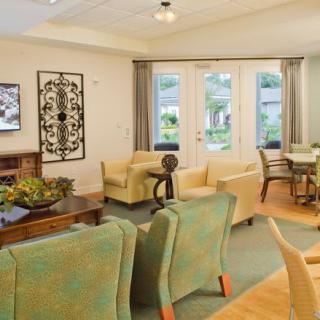
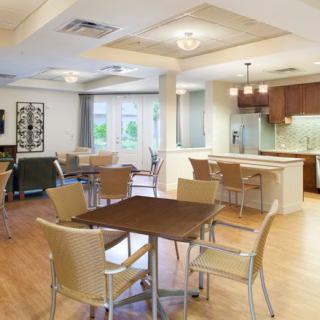
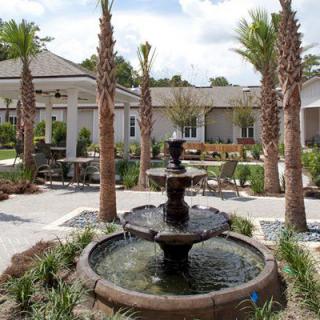
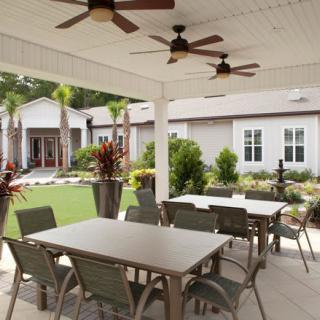
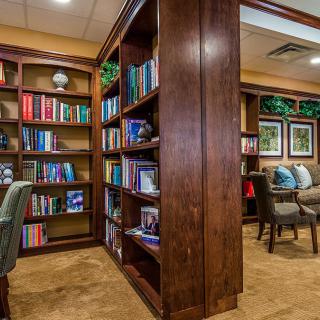
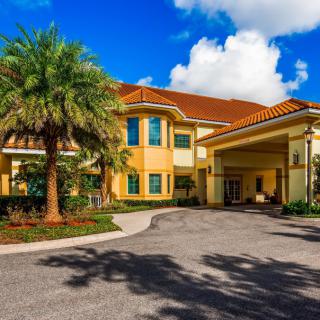
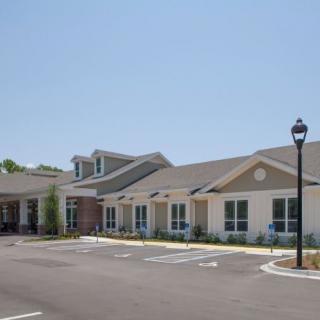
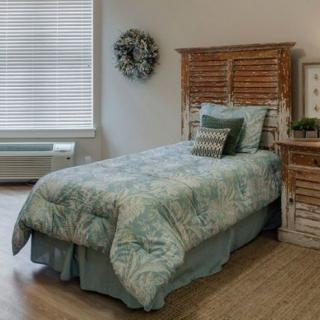
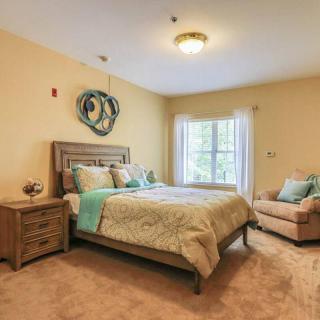
Ortega Gardens Alzheimer’s Special Care Center on seniors.fyi includes 13 photos including images showing interior, floor plan, bedroom, decor, garden, dining, living room, fountain, and more.
Nearby Communities
A Home Sweet Home ALF of Jax Inc.
Jacksonville, FL
5 from 4 reviews
$2,000 / month
Affordable memory-care option with $2,000/mo semi-private rooms; on-site devotional services and comprehensive care.
Cross Care Center
Jacksonville, FL
3.3 from 43 reviews
Extensive amenities and care services (dining, wellness, beauty, transportation, activities) in one community.
Ej's Place
Jacksonville, FL
Small, intimate board-and-care setting with personalized attention and respite options.
Mary Seeram
Jacksonville, FL
Diabetes-focused meals and comprehensive ADL support in a furnished, amenity-rich setting.
A Home Sweet Home Assisted Living Facility Of Jax
Jacksonville, FL
5 from 10 reviews
Small, home-like setting with fully furnished rooms and 24-hour supervision.
Jack And Ellen's Place
Jacksonville, FL
3.4 from 47 reviews
Comprehensive care with ADLs, medication management, diabetes support, and transportation in a homelike, amenity-rich setting.
The Windsor at Ortega
Jacksonville, FL
4.7 from 137 reviews
$5,050 to $7,280 / month
Caring staff and a clean, welcoming environment.
Noble House of Jacksonville
Jacksonville, FL
3.7 from 73 reviews
$2,165 to $3,335 / month
Compassionate staff, welcoming environment, and quality dining with a strong sense of community.
Dementia often results in disrupted sleep patterns, leading to excessive daytime sleeping due to factors like brain damage affecting circadian rhythms, medication side effects, and lack of structure in daily activities. Caregivers must monitor these changes closely, as oversleeping can increase risks such as malnutrition or dehydration, and provide necessary support and routines to enhance patient engagement and well-being.
The transition from assisted living to skilled nursing care is often prompted by complex medical needs that assisted living cannot meet, with key indicators including frequent health declines, increased falls, severe memory issues, and caregiver burnout. Families should recognize these signs early to discuss options with healthcare providers and prepare for the emotional and logistical aspects of moving to a facility that offers comprehensive medical support.
Dementia is characterized by cognitive decline, with nutrition playing a vital role in brain health; while no specific diet can prevent or reverse it, a nutrient-dense diet rich in antioxidants and healthy fats may support cognitive function. The MIND diet, which emphasizes beneficial foods and limits processed items, along with proper hydration and individualized meal strategies, can enhance the well-being of dementia patients.
Ortega Gardens Alzheimer’s Special Care Center photos
×
Interior
Decor
Living Room
Architecture
Bedroom
Windows
Dining
Landscaping
Garden
Floor Plan
Interior
Decor
Bedroom
Dining
Living Room
Landscaping, Palm Trees, Courtyard, and Fountain
Windows
Floor Plan
Architecture and Outdoor Seating
Bathroom
Kitchen and Lighting
Garden
Artwork
Seating Area
Outdoor and Patio
Conference Room and Meeting Space
Closet
Modern Interior
Get PricingAsk A QuestionSchedule A TourContact Senior Advisor
By clicking submit, you agree to our Partner's Terms of Use. You
also consent to receive calls and texts, which may be autodialed, from our Partner. Your consent is not a condition to
using our Partner's service. Please visit our Partner's Privacy Policy for information about their privacy practices.

 60 resident community capacity
 Studio apartments
 Memory Care
 Activities on-site
 Air-conditioning
 Beautician on-site
 Cable or satellite TV
 Computer center
 Devotional services on-site
 Dining room
 Family overnight stay rooms
 Financing advice
 Fitness room
 Fully furnished
 Gaming room
 Garden
 Golf
Golf Ground floor units
 Guest parking
 Handicap accessible
 Housekeeping services
 Indoor common areas
 Kitchenette
 Laundry
 Move-in coordination
 Outdoor common areas
 Party space
 Private bathrooms
 Respite or short term stays offered
 Restaurant-style dining
 Security gate
 Small library
 Telephone
 Wellness center
 Wheelchair accessible showers
 Wi-Fi/high-speed internet available
 Jacksonville International (17 miles away)
 Community operated transportation
 12-16 hour nursing
 24-hour call system
 Ambulatory care
 Assistance with bathing
 Assistance with dressing
 Assistance with transfers
 Diabetes diet
 Diabetic care
 High acuity care
 Hospice care
 Incontinence care
 Medication management
 Mental wellness program
 Physical therapy
 Special dietary restrictions
 Transportation arrangement (medical)
 Art classes
 Bible study group
 Concierge services
 Cooking classes
 Day trips and outings
 Educational speakers / life long learning
 Games
Games Happy hour
 Karaoke
 Live musical performances
 Stories
 Wii bowling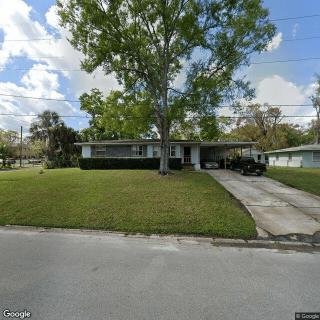
 Affordable memory-care option with $2,000/mo semi-private rooms; on-site devotional services and comprehensive care.

 Why Do Dementia Patients Sleep So Much? Understanding Oversleeping, Stages, and Care Approaches
 8 Key Indicators That Suggest It May Be Time to Transition from Assisted Living to Skilled Nursing Care
 Nourishing the Mind: Essential Dietary Approaches for Dementia