
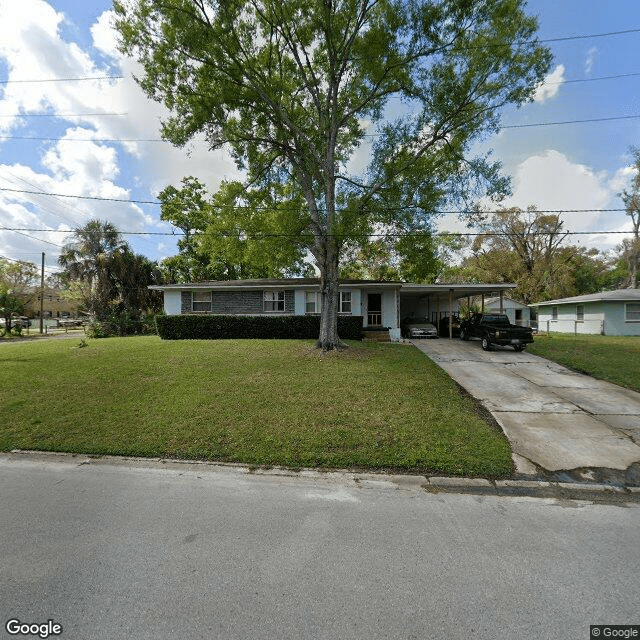
5022 Perrine Drive, Jacksonville, FL 32210
To contact a resident: (904) 772-0651
For more information about senior living options: (866) 208-4318
A Home Sweet Home ALF of Jax Inc. Costs & Pricing
A Home Sweet Home ALF of Jax Inc. offers competitive pricing for its semi-private rooms at $2,000 per month, significantly lower than both the Duval County average of $3,154 and the broader Florida state average of $3,009. This affordability positions A Home Sweet Home as an attractive option for families seeking quality assisted living services without compromising on care or comfort. The cost-effectiveness combined with personalized attention makes it a commendable choice within the local market.
| Floor plans | A Home Sweet Home ALF of Jax Inc. | Duval County | Florida |
|---|---|---|---|
| Semi-Private | $2,000 | $3,154 | $3,009 |
Memory care communities with a similar price nearby
-
About the same
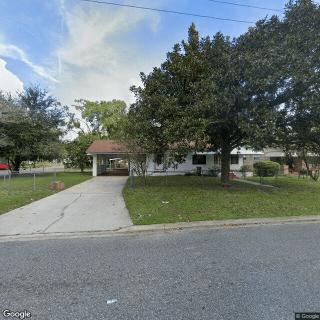
Sweet Alice's Place, Inc
$2,000 to $3,000 / month8.0 miles away -
About the same
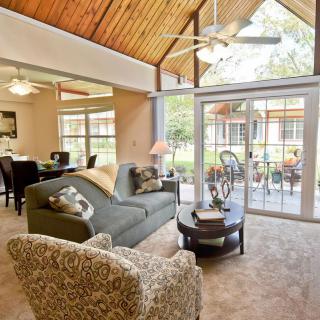
Westminster Woods On Julington Creek
$2,026 to $3,069 / month11.1 miles away -
About the same
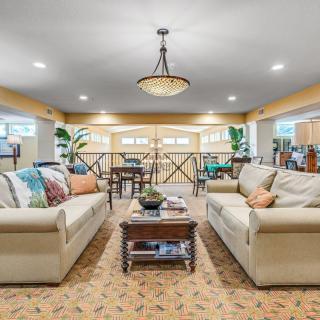
Camellia At Deerwood
$2,030 to $4,980 / month14.0 miles away -
from +$350 / mo
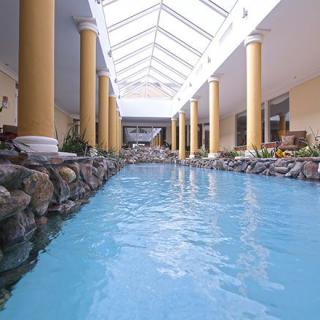
The Fountains at Mill Cove
$2,350 to $3,200 / month13.0 miles away -
About the same
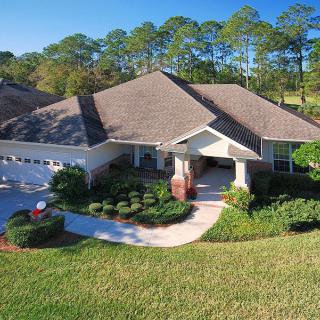
Cypress Village
$1,950 to $3,500 / month16.9 miles away
Overall Review of A Home Sweet Home ALF of Jax Inc.
Pros
 Grace Homes honors each resident's unique personality.
- The atmosphere at Grace Homes is warm and friendly.
- The staff are kind and caring toward the residents.
- The ministry visits Grace Homes for birthday barbecues and Christmas holidays to celebrate and show love to residents.
- Grace Homes is clean and comfortable.
- Residents love the staff and owners and feel like family.
- Grace Homes provides three hot homemade-style meals every day, making residents feel spoiled rotten.
- Grace Homes takes excellent care of family members.
Review
This Jacksonville ALF is best suited for seniors who want a truly home-like, intimate setting where individual personalities are acknowledged and care feels personal. It excels for residents who prize warmth, steady daily routines, and a sense of belonging fostered by frequent staff engagement and small-group community moments. For families who value meals that feel homemade, staff who treat residents like family, and a neighborhood feel with celebrations and fellowship, this environment checks the essential boxes.
Those considering alternatives should note that this type of small, family-focused ALF may not be the right fit for individuals requiring heavy medical oversight, complex clinical care, or highly structured, enterprise-scale programming. Residents with significant memory care needs or multiple chronic conditions needing on-site nursing or specialized equipment may find larger campuses or more medicalized settings better suited to their routines. If independence hinges on access to formal medical services or extensive activity options, prudent comparison with bigger facilities is advised.
The core advantages are practical and enduring. The setting radiates a warm, welcoming atmosphere where staff consistently come across as kind and genuinely caring. Caregivers develop deep relationships with residents, making daily life feel predictable and safe. Residents are treated as individuals with distinct personalities, a facet reinforced by the presence of owners who are engaged and responsive. The daily cadence includes three hot, homemade-style meals, a feature that reduces family burdens while reinforcing comfort and nourishment. Cleanliness and comfort reinforce a sense of security, while frequent community touchpoints, birthday celebrations, holiday gatherings, and ministry involvement, create meaningful connection beyond basic care.
These strengths offset potential downsides typically associated with smaller ALFs. The primary trade-off in a compact operation is usually a narrower spectrum of medical resources and fewer on-site amenities than a larger campus. Yet the highly attentive caregiver model, rapid staff availability, and a culture of family-like accountability tend to compensate for this limitation. When residents feel seen, heard, and valued, the risk of isolation diminishes, and the emotional quality of daily life often surpasses what a more clinical setting can offer. The ongoing integration of faith-based fellowship and communal events further strengthens belonging, which is a substantial offset to any operational constraints.
To make a well-informed decision, prospective families should visit with specific questions in hand. Inquire about current staff-to-resident ratios during day and evening shifts, and ask how medical needs are monitored and managed on-site. Confirm dietary accommodations and any strict meal preferences, as well as how meals are adapted for changing health needs. Explore how activities are planned and how flexible the schedule remains for personalized routines, along with opportunities for guests or family involvement. Finally, clarify what happens if health declines or a resident requires more intensive support, including transitions to higher levels of care and the availability of memory-care resources or partnerships.
Bottom line: for families prioritizing a warm, home-like atmosphere with consistent, family-style care, plentiful homemade meals, and an engaged, caring staff, this type of community offers a compelling match. It shines where companionship, individualized attention, and a sense of belonging trump the lure of larger, more clinical environments. Those whose priorities include rigorous medical oversight, memory-care specialization, or a broad menu of on-site amenities should weigh alternatives carefully. When the fit aligns, valuing intimacy, connection, and daily life lived with genuine warmth, this option stands out as a practical, experienced choice.
 Board and Care Home
 Memory Care
 Activities on-site
 Bath tubs
 Devotional services on-site
 Indoor common areas
 Outdoor common areas
 Respite or short term stays offered
 Jacksonville International (17 miles away)
 Ambulatory care
 Diabetic care
 Incontinence care
 Medication management
 Kosher


 Comprehending Evening Confusion in Dementia: Causes, Manifestations, and Support
 Delirium and Dementia: Unraveling the Key Differences
 Are Dementia and Alzheimer's Disease Lethal? A Comprehensive Exploration