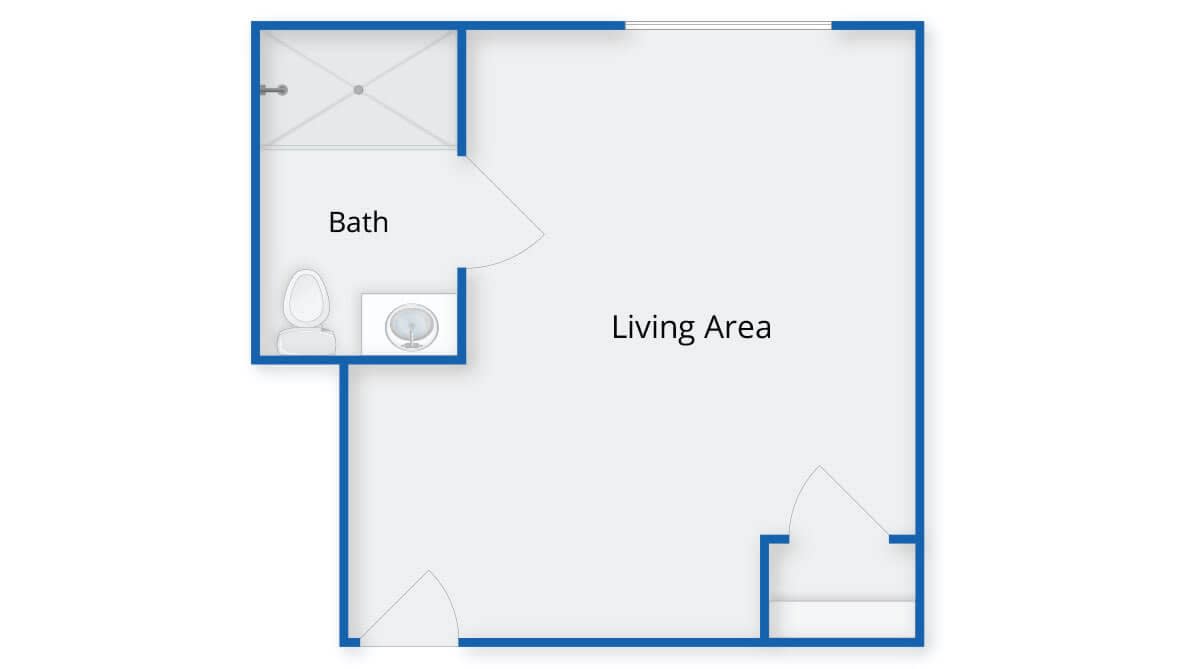
The Atrium at Rocky Hill offers competitive pricing for its services when compared to both Hartford County and the broader state of Connecticut. For a semi-private room, residents can expect to pay $3,750 per month, significantly lower than the county average of $5,482 and the state average of $5,829. In contrast, the studio option is priced at $4,800, which is slightly higher than Hartford County's rate of $3,713 but still less than the state average of $5,919. This pricing structure highlights The Atrium's commitment to providing quality care while maintaining affordability in a market where costs can vary significantly.
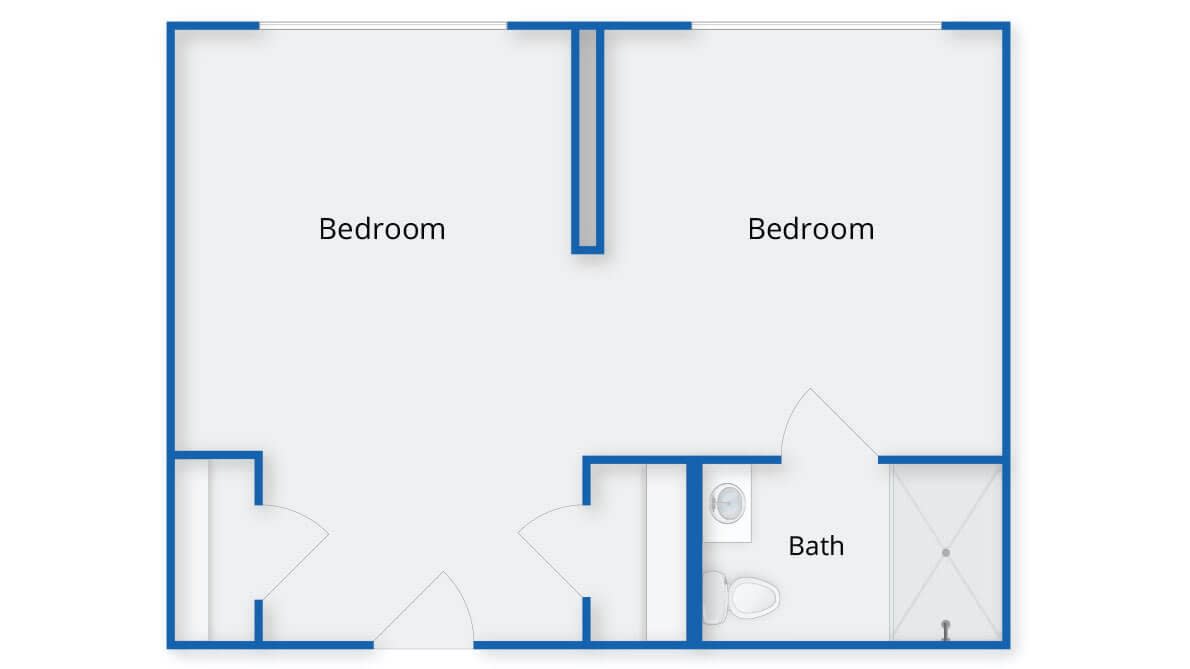
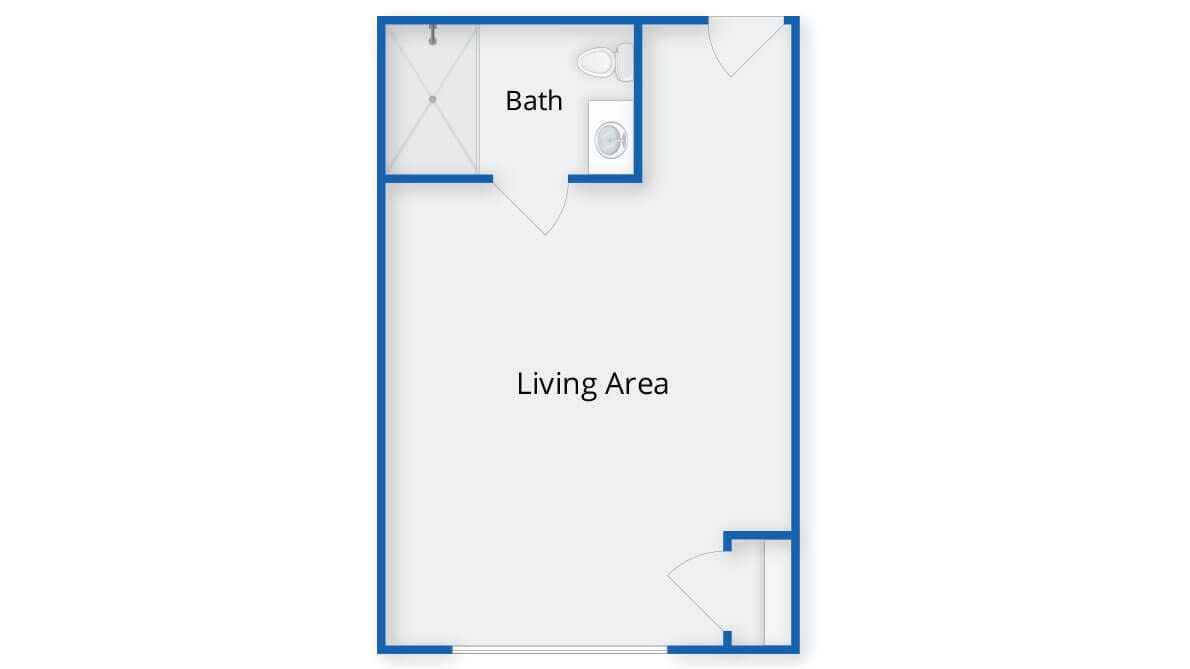
Floor plans
The Atrium at Rocky Hill
Hartford County
Connecticut
Semi-Private
$3,750
$5,482
$5,829
Studio
$4,800
$3,713
$5,919
Memory care communities with a similar price nearby
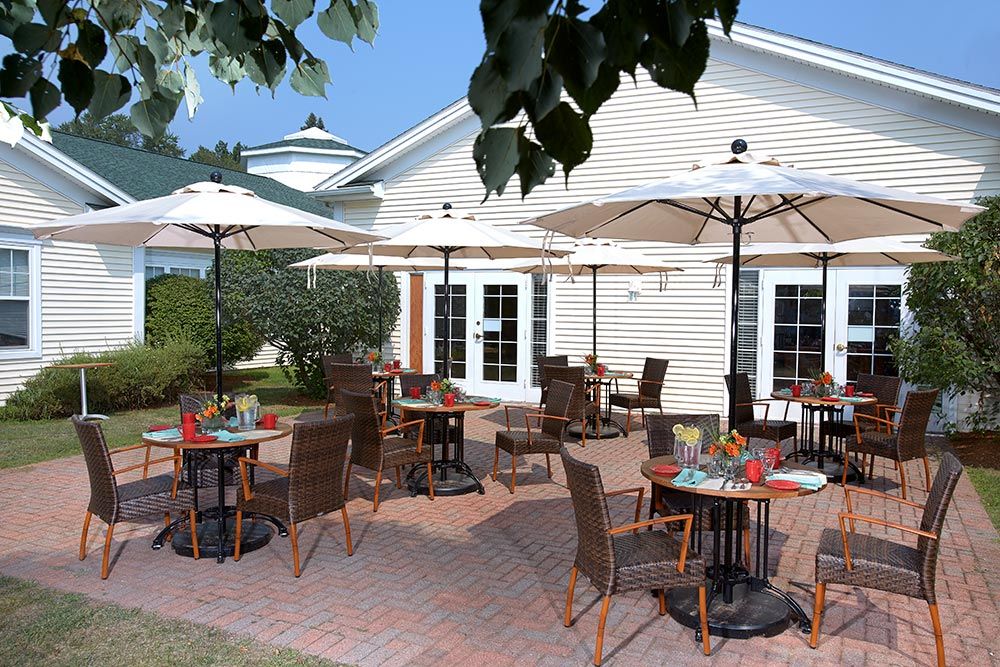
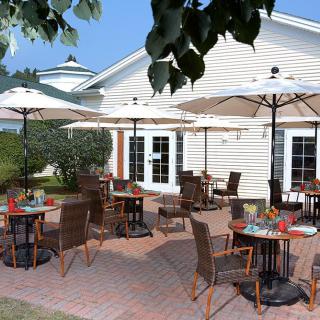
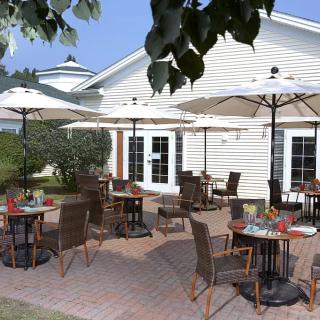
The community is designed specifically for memory care, with secure, outdoor space residents can access.
Multiple reviewers describe the Atrium as dedicated to memory care rather than a general senior community. Several also point to a secure, locked environment and residents being able to spend time outdoors in a courtyard/garden setting. Reviewers say the day-to-day setting supports people with dementia by keeping residents oriented and engaged in common areas.
common6 reviews mention this
Restaurant-style dining and good food
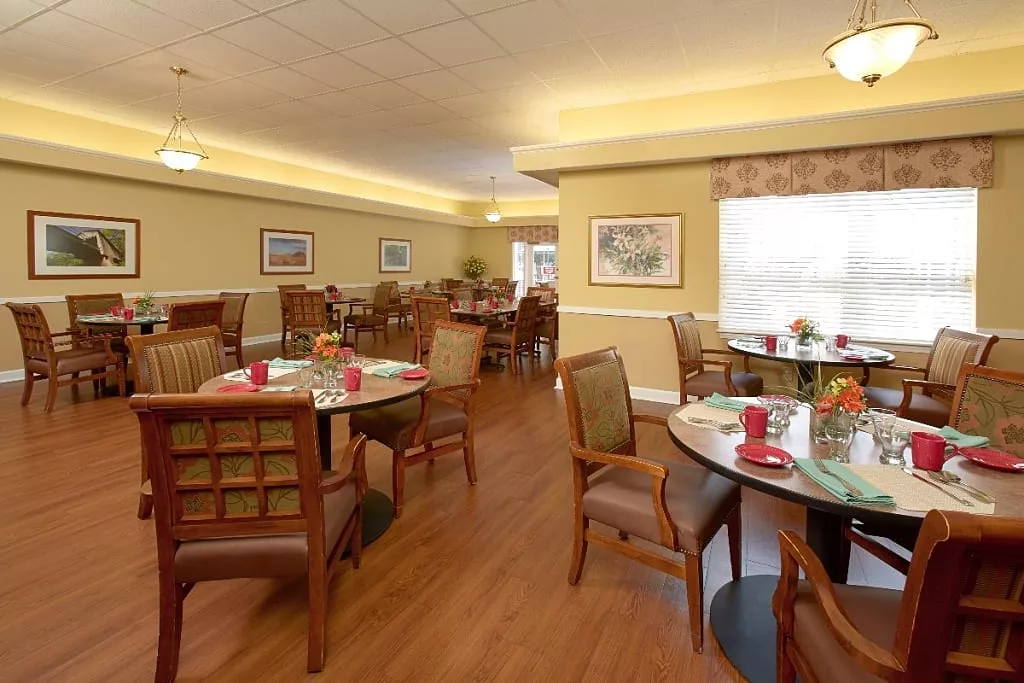
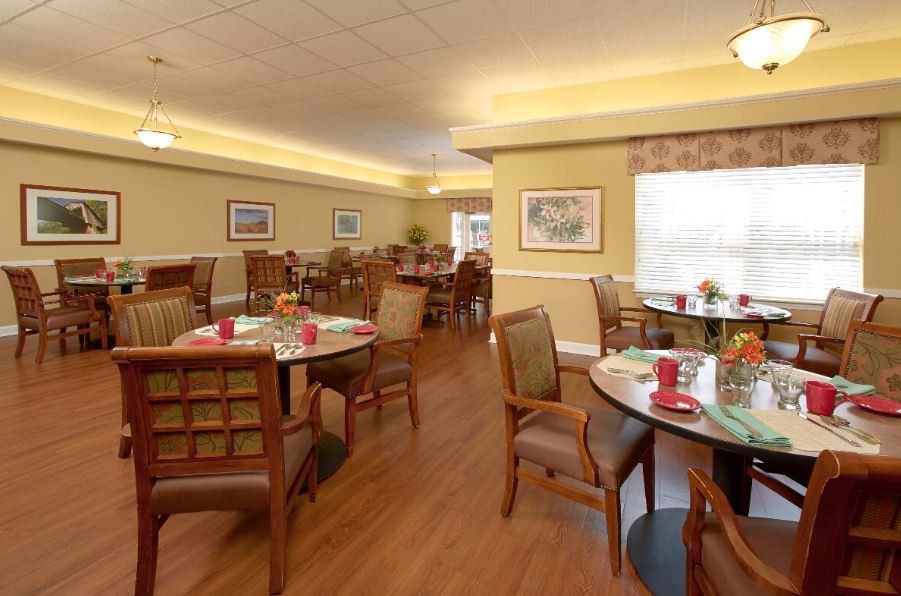
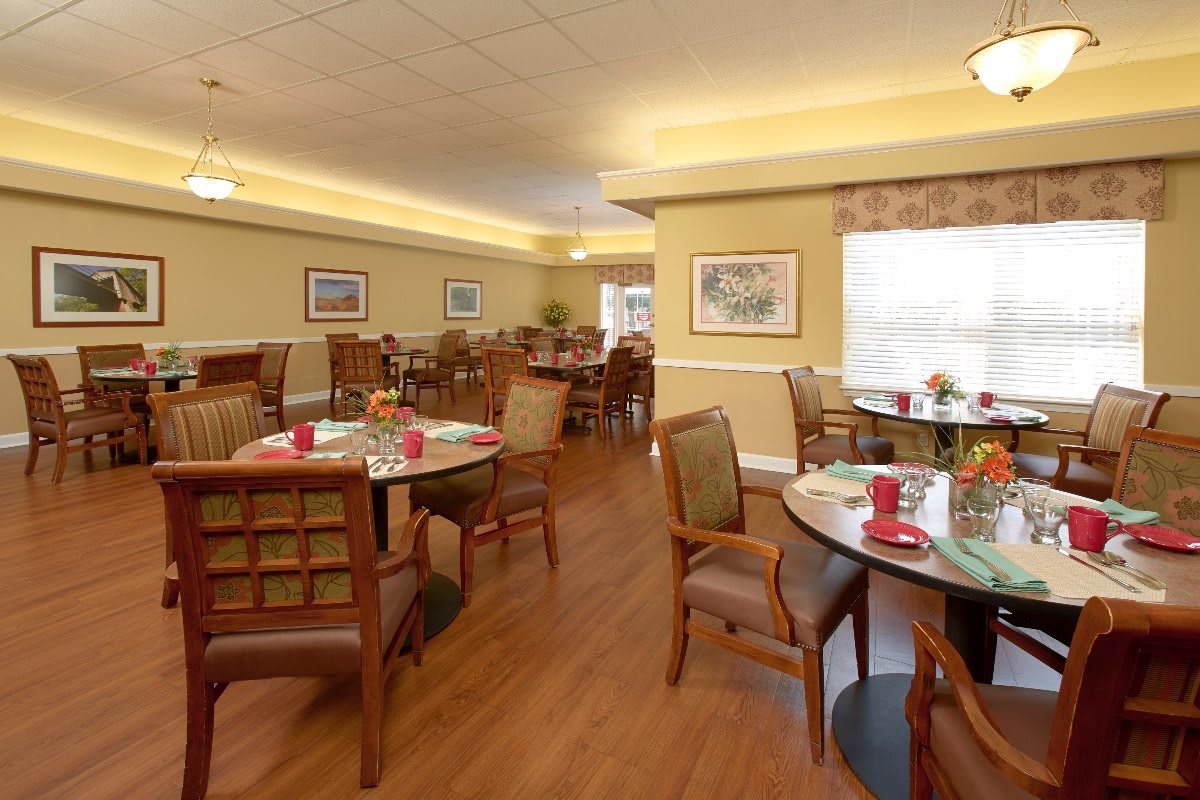
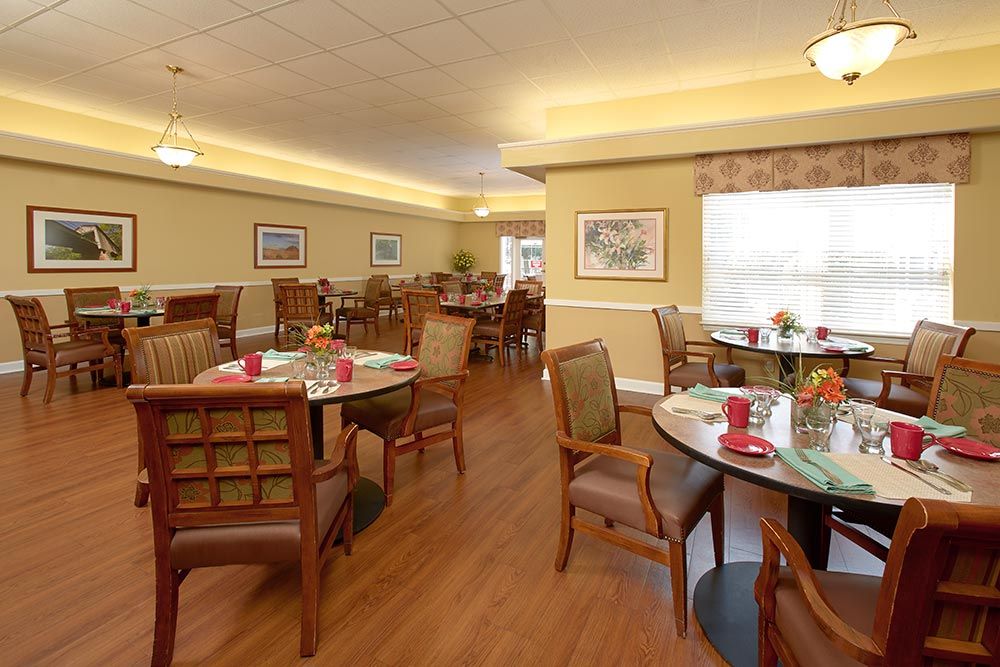
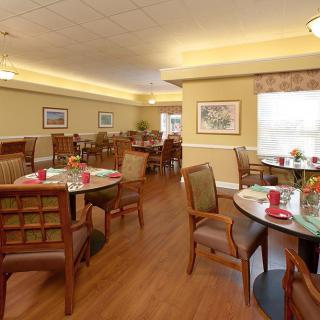
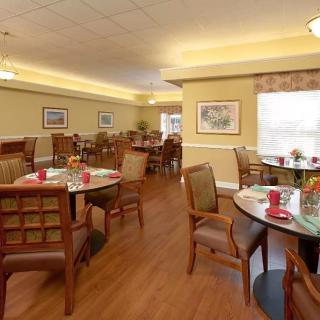
Dining stands out, with residents served meals in a restaurant-style setting and caregivers accommodating diets.
Residents and families repeatedly raise dining as a positive, mentioning a dedicated dining room/restaurant-style meals and good-tasting food. Several reviewers also describe staff accommodating dietary needs. A family member who was initially concerned about food quality reported being pleased with what their loved one received.
common8 reviews mention this
Care teams keep residents engaged
Reviewers commonly describe an active routine that keeps residents out of their rooms.
Many reviews say residents spend their days in common areas participating in scheduled activities rather than staying in their rooms. Families mention field trips, games, crafts, live entertainment, and other stimulation throughout the day. Multiple reviewers also say the staff helps residents stay engaged and adjusts the experience based on what seems to fit.
common18 reviews mention this
Friendly, attentive staff are a theme
The staff is consistently described as kind, attentive, and responsive to families’ questions.
A large share of reviewers highlight warm interactions with caregivers, nursing staff, and administrators, often saying questions are answered and concerns are addressed. Several families describe staff being present and checking on loved ones regularly, which contributes to a sense of safety. While experiences vary, the overall pattern in the reviews is that staff attitudes are a major reason people feel comfortable.
caveat2 reviews mention this
Cost can feel high for families
Pricing is a sticking point, with at least one reviewer calling it very expensive.
Some reviewers mention affordability concerns, including the feeling that the community is very expensive. At least one other reviewer frames the cost as reasonable, so opinions are mixed. Families are also advised in reviews to confirm what fees may apply before committing.
caveat2 reviews mention this
Communication can break down at times
Some reviewers report unresponsiveness, including difficulty reaching staff after hours.
A couple of reviews raise concerns about management responsiveness and communication, including not getting return calls or replies to emails. Another reviewer describes trouble reaching someone after 6:30 or 7 PM. These negative experiences appear alongside many positive communication mentions, so it does not affect every family the same way.
How we summarize
Counts show how many written reviews mention each theme; a review can touch several themes, and only frequently mentioned themes are displayed.
Features
Housing
22 resident community capacity
Studio apartments
Types of Care
Memory Care
Pets
Cats allowed
Dogs allowed
Amenities
Activities off-site
Activities on-site
Air-conditioning
Beautician on-site
Beauty salon
Cable or satellite TV
Computer center
Devotional services off-site
Devotional services on-site
Dining room
Financing advice
Fitness room
Fully furnished
Garden
Garden view
Ground floor units
Guasts at mealtime
Guest parking
Handicap accessible
Housekeeping services
Indoor common areas
Kitchenette
Laundry
Move-in coordination
Outdoor common areas
Outdoor patio
Outdoor space
Party space
Private patio, deck, or balcony
Respite or short term stays offered
Restaurant-style dining
Security gate
Small library
TV room
Telephone
VA Benefits Consultation
Wellness center
Wheelchair accessible showers
Wi-Fi/high-speed internet available
Transportation
Bradley International (19 miles away)
Transportation & parking
Transportation arrangement (non-medical)
Transportation to doctors appointments
Care Services
12-16 hour nursing
24-hour call system
24-hour supervision
Activities of daily living assistance
Assistance with bathing
Assistance with dressing
Assistance with transfers
Coordination with health care providers
Dementia waiver
Diabetes diet
Diabetic care
High acuity care
Hospice care
Hospice waiver
Incontinence care
Meal preparation and service
Medication management
Mental wellness program
Mild cognitive impairment
Physical therapy
Special dietary restrictions
Specialized memory care programming
Transportation arrangement (medical)
Transportation to doctors appointments
Dining
Anytime dining
Diabetes diet
Gluten-free
Guest meals
Low / no sodium
Low fat
Meals provided
No Sugar
Professional chef
Restaurant style dining
Room service
Special dietary restrictions
Special dining programs
Vegetarian
Activities
Activities off-site
Art classes
Arts and crafts
Book club
Catholic services
Community-sponsored activities
Cooking classes
Cooking club
Day trips and outings
Devotional activities offsite
Devotional activities on-site
Educational speakers / life long learning
Fitness programs
Games
Gardening club
Jewish services
Karaoke
Live musical performances
Live well programs
Protestant services
Religious services
Resident-run activities
Scheduled daily activities
Stories
Tai Chi
Visiting chaplain or priest
Yoga / chair yoga
Nearby Places of Interest
This part of Rocky Hill, Connecticut offers a variety of amenities and services that may be appealing to seniors looking for a convenient and comfortable living situation. With several physicians, pharmacies, and hospitals in close proximity, residents have easy access to medical care when needed. In addition, there are plenty of dining options ranging from casual eateries like McDonald's to upscale restaurants such as Carbone's Prime. For those who enjoy outdoor activities, there are several parks nearby including Maxwell Park and Mill Pond Park. Places of worship provide spiritual support and community engagement opportunities, while the Picture Show at Berlin theater offers entertainment options for those seeking cultural enrichment. Transportation services like Amtrak and Pratt & Whitney are easily accessible for those looking to travel or commute. Overall, this area is well-equipped to meet the needs and preferences of seniors considering senior living in Rocky Hill.
Physicians
Bhawani S Ojha (0 miles)
Starling Physicians: Dermatology (1.3 miles)
LasikPlus Vision Center (2.4 miles)
Ct Hair & Transplant Group (2.4 miles)
Medical Dermatology & Mohs Surgery Center (3.8 miles)
Vealechristopher, Macgilpin Douglas, Siracojohn, & Harveyrichard, Verrisimo Ana (4.4 miles)
The Atrium at Rocky Hill offers competitive pricing for its services when compared to both Hartford County and the broader state of Connecticut. For a semi-private room, residents can expect to pay $3,750 per month, significantly lower than the county average of $5,482 and the state average of $5,829. In contrast, the studio option is priced at $4,800, which is slightly higher than Hartford County's rate of $3,713 but still less than the state average of $5,919. This pricing structure highlights The Atrium's commitment to providing quality care while maintaining affordability in a market where costs can vary significantly.
The comprehensive features offered at The Atrium at Rocky Hill work synergistically to enhance the quality of life for residents with dementia or Alzheimer's disease. Around-the-clock supervision ensures that individuals receive constant support and safety, while assistance with daily living activities such as bathing, dressing, and transfers promotes independence and dignity. Coordination with healthcare providers facilitates tailored medical care, ensuring that all health needs are addressed effectively. The dementia waiver and specialized memory care programming create a supportive environment where cognitive impairments can be managed through targeted therapeutic strategies. Incontinence care is provided discreetly, addressing personal dignity while meal preparation and service cater to dietary needs and preferences. Medication management ensures residents adhere to prescribed regimens, while the mental wellness program fosters emotional health. Physical therapy encourages mobility and strength, further enhancing overall well-being, while transportation arrangements facilitate safe access to medical appointments, reinforcing a holistic approach to memory care.
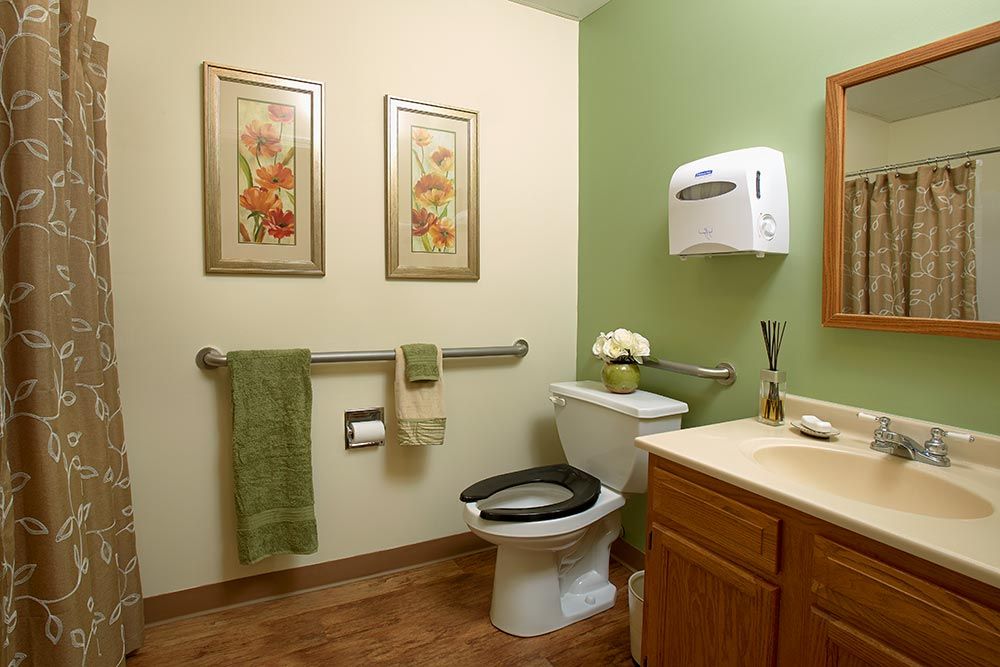
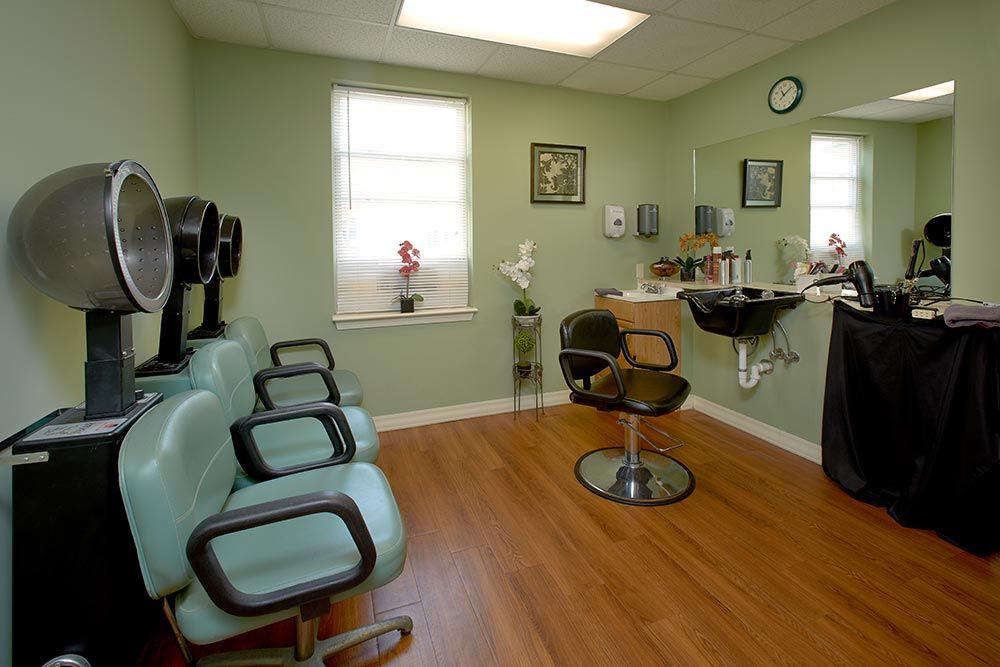
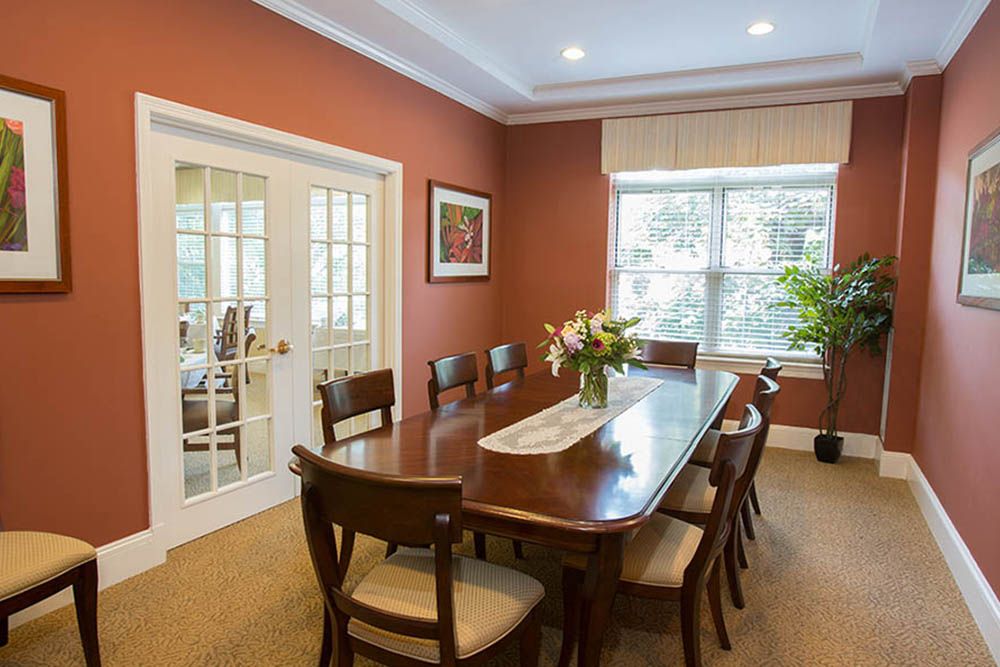
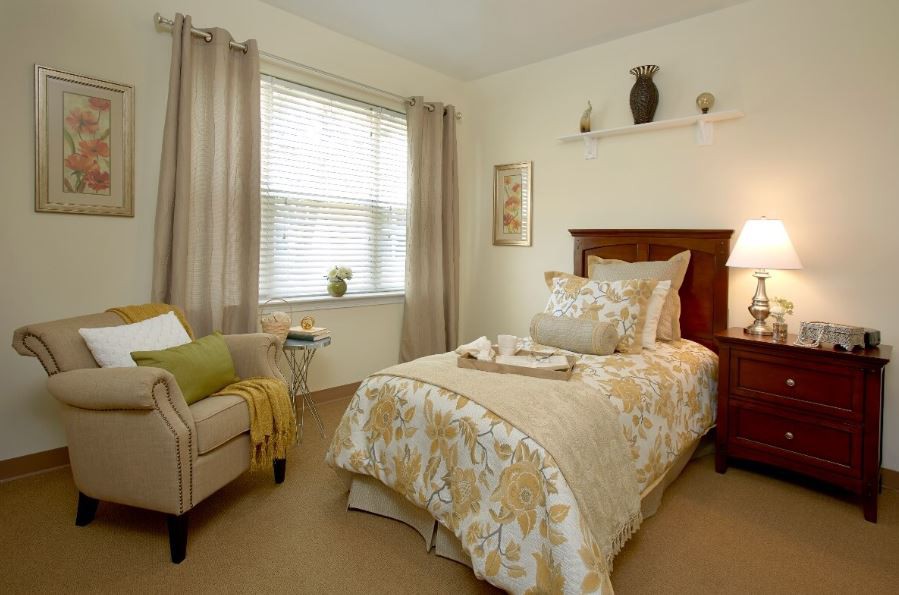
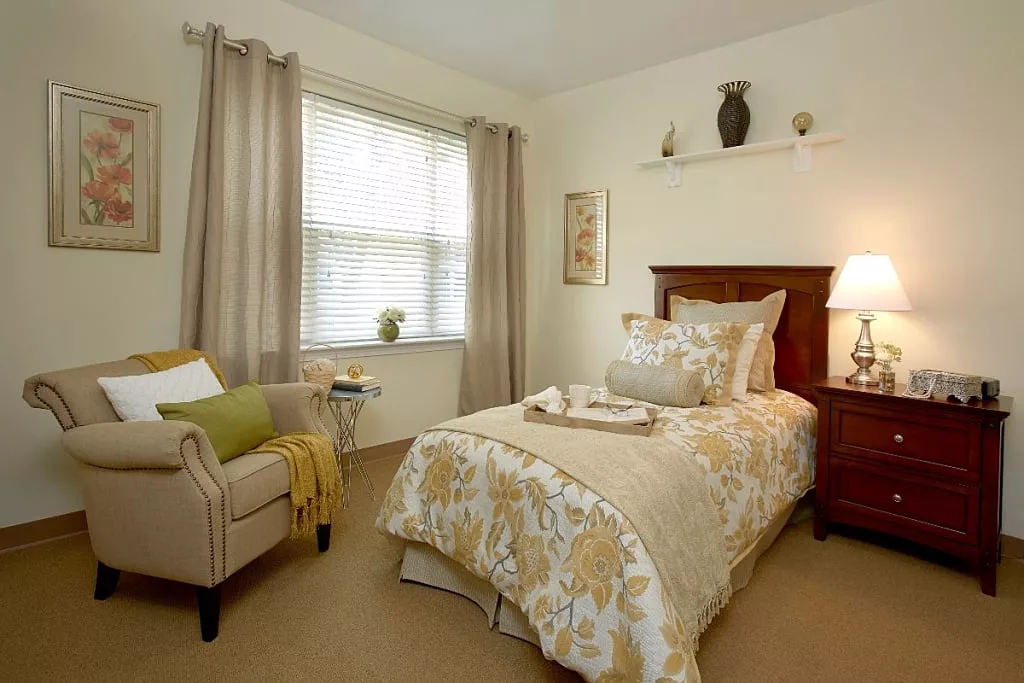
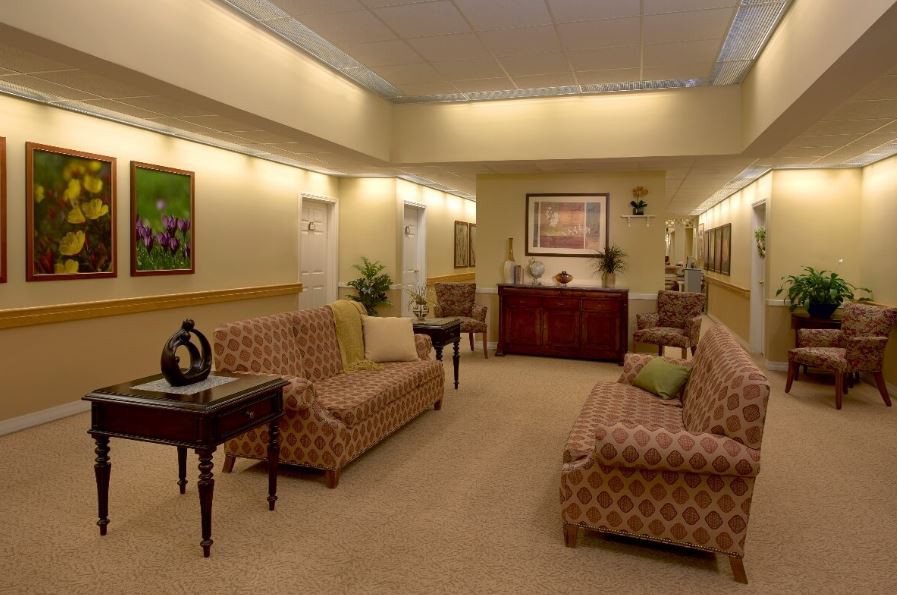
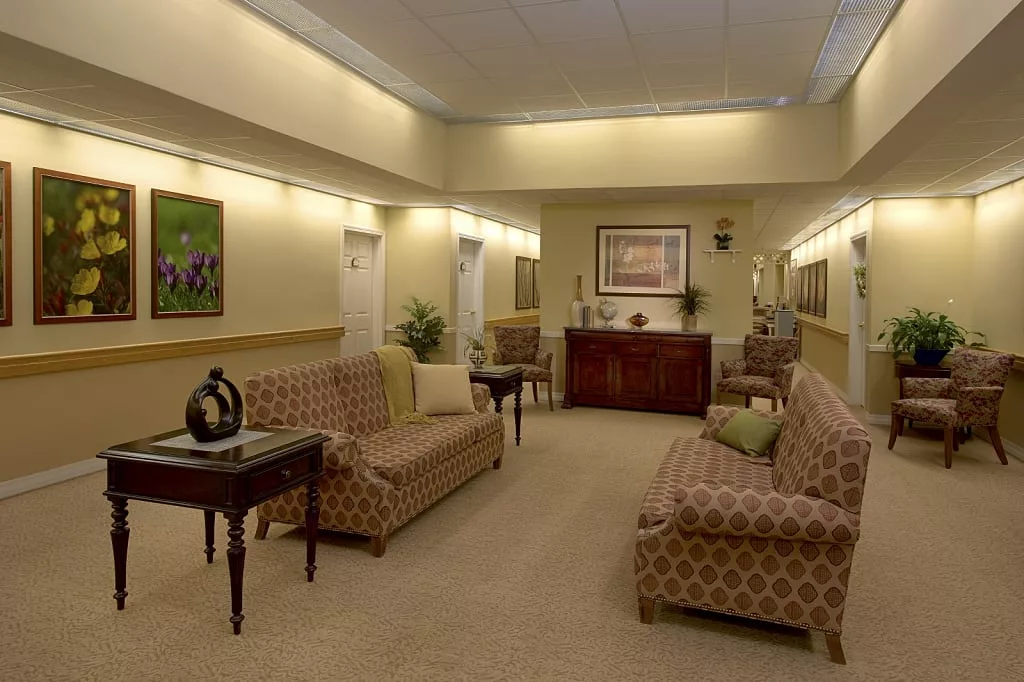
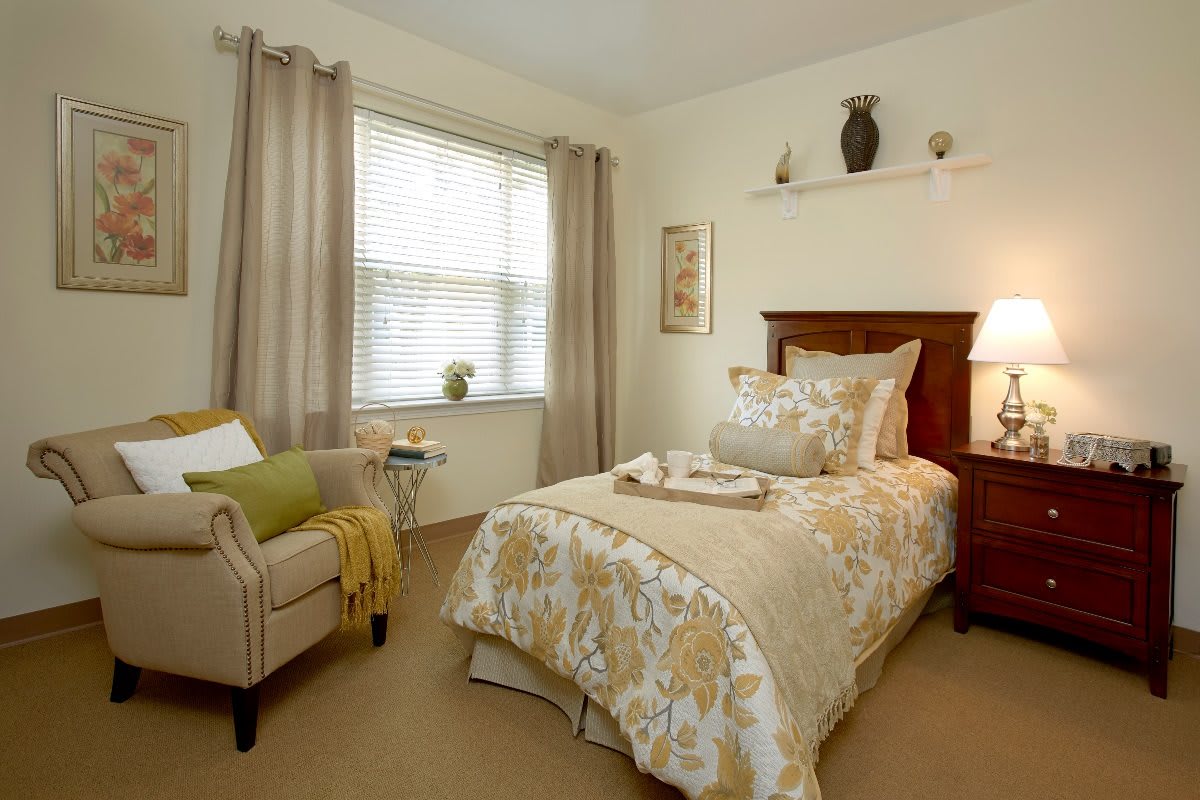
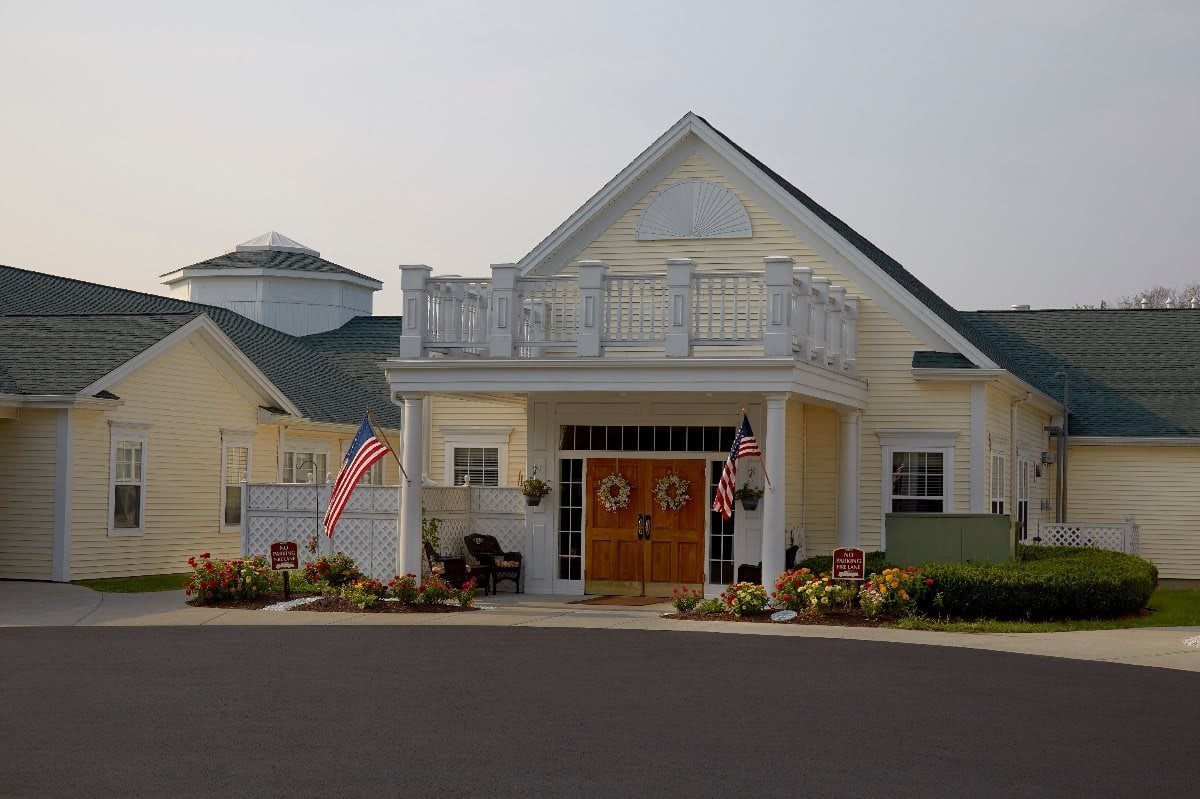
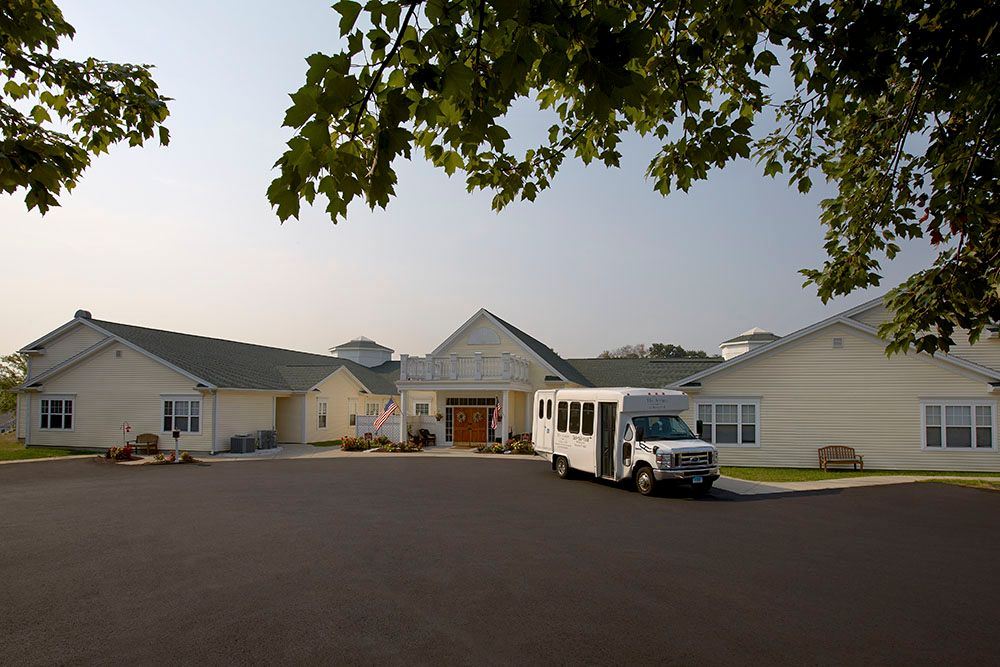
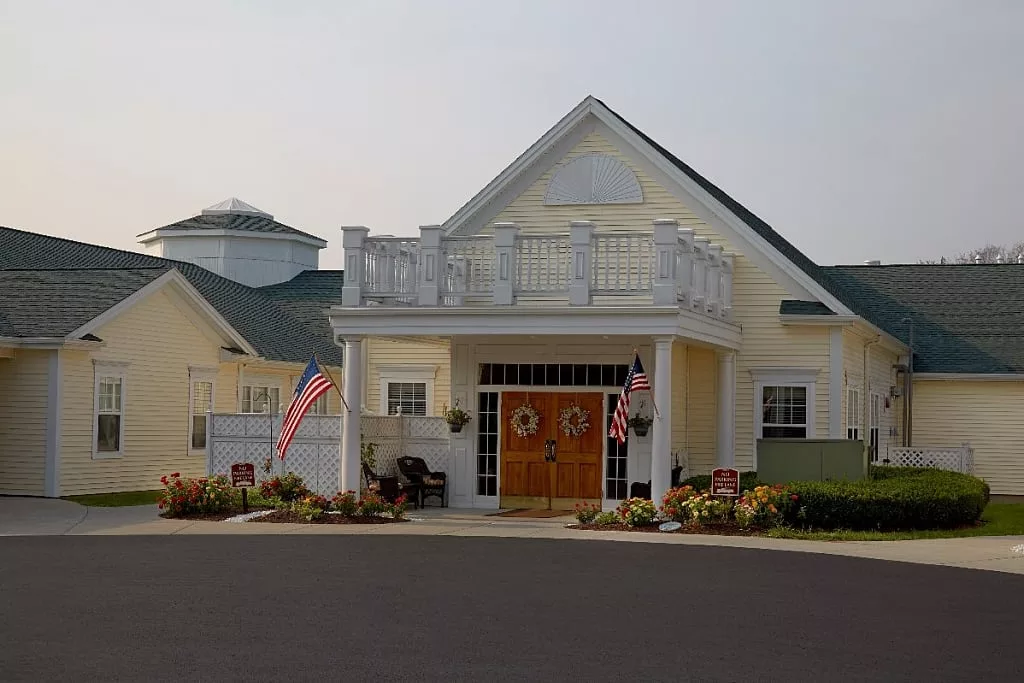
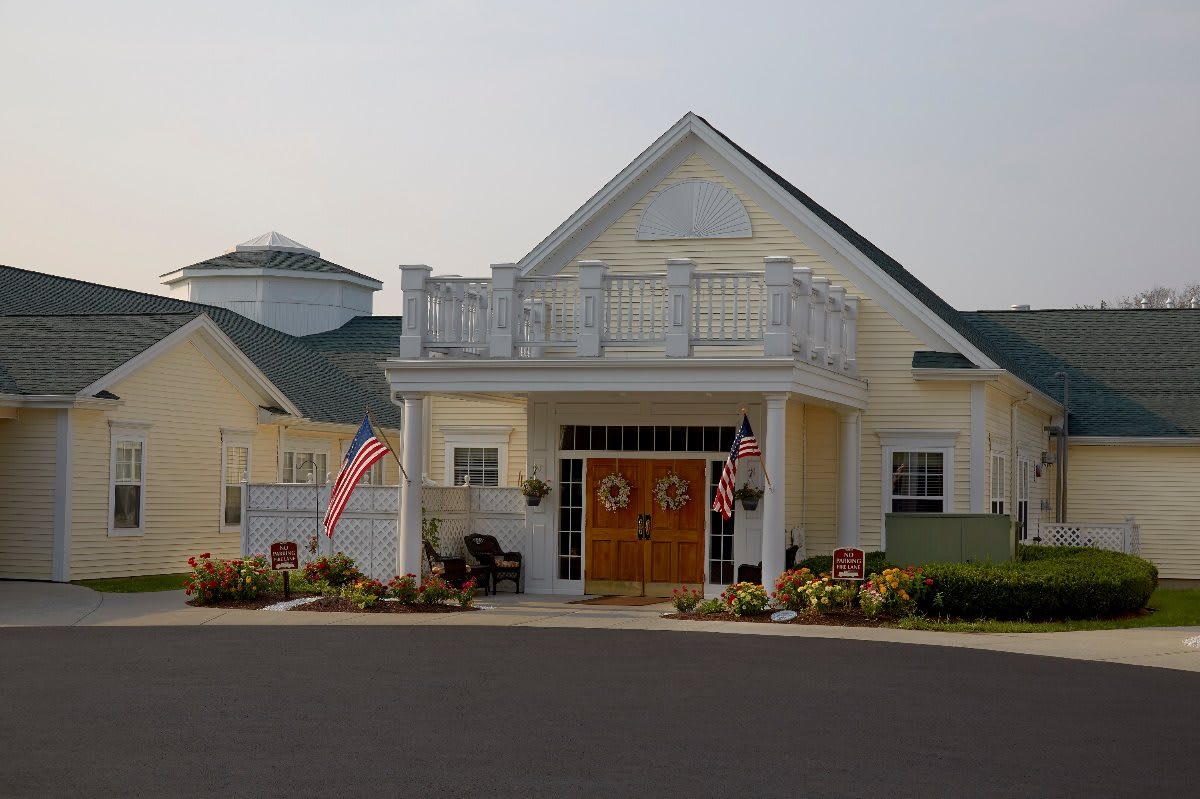
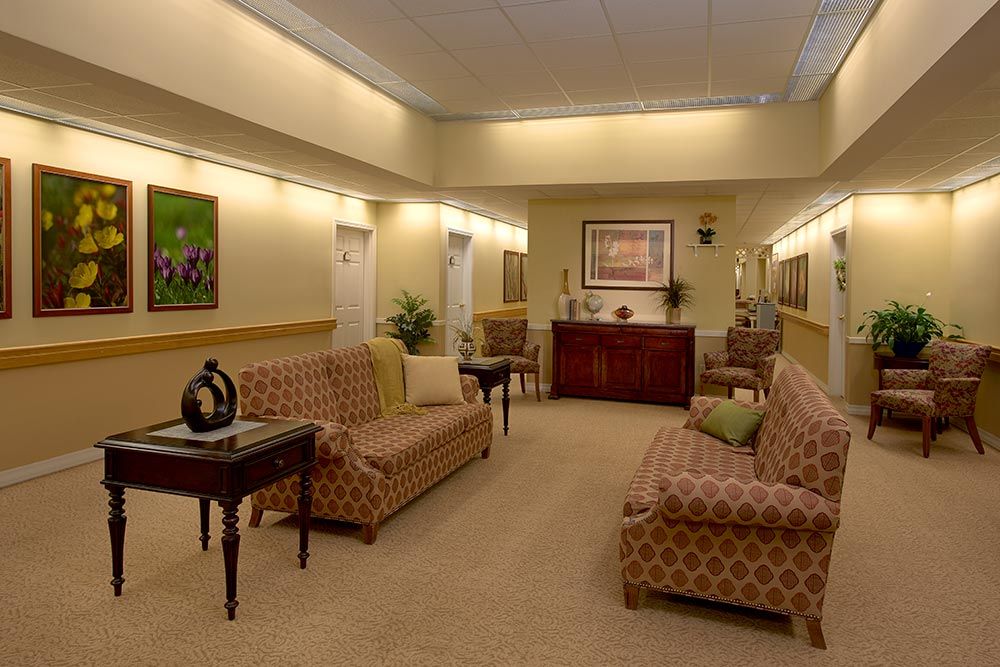
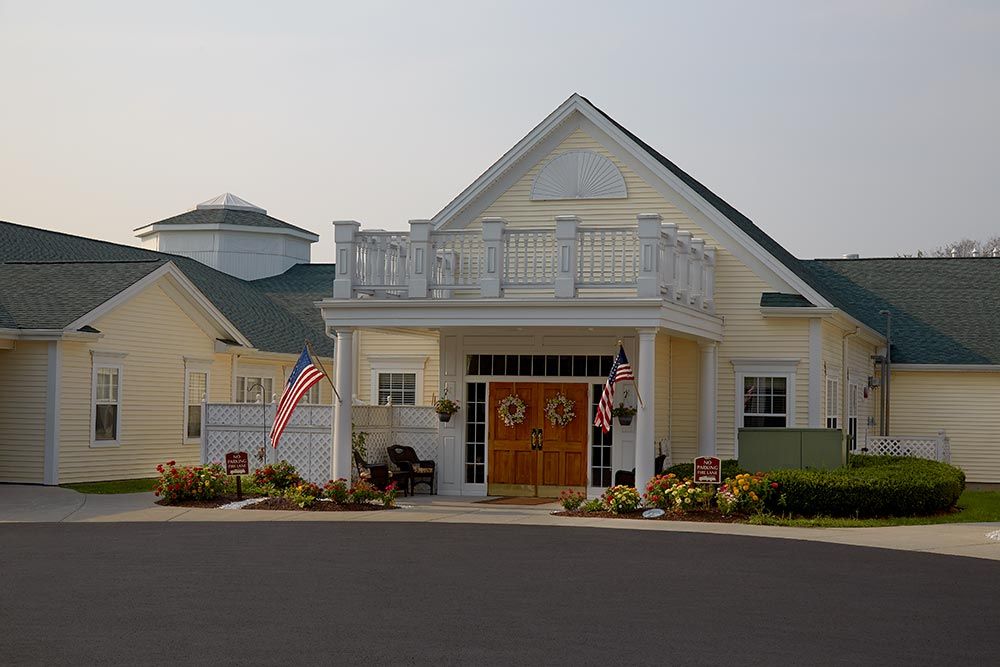
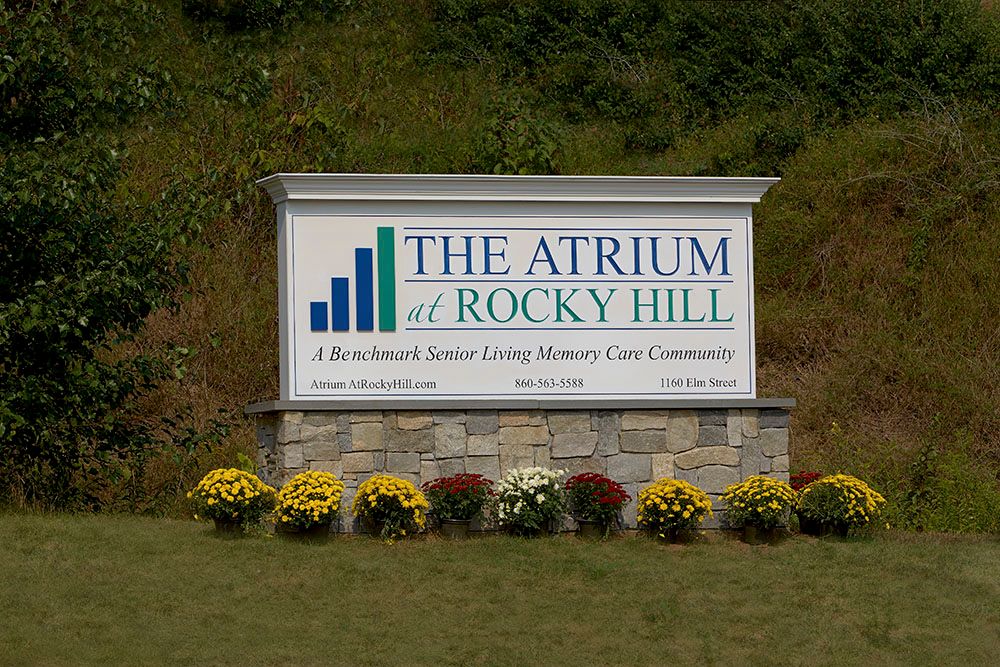
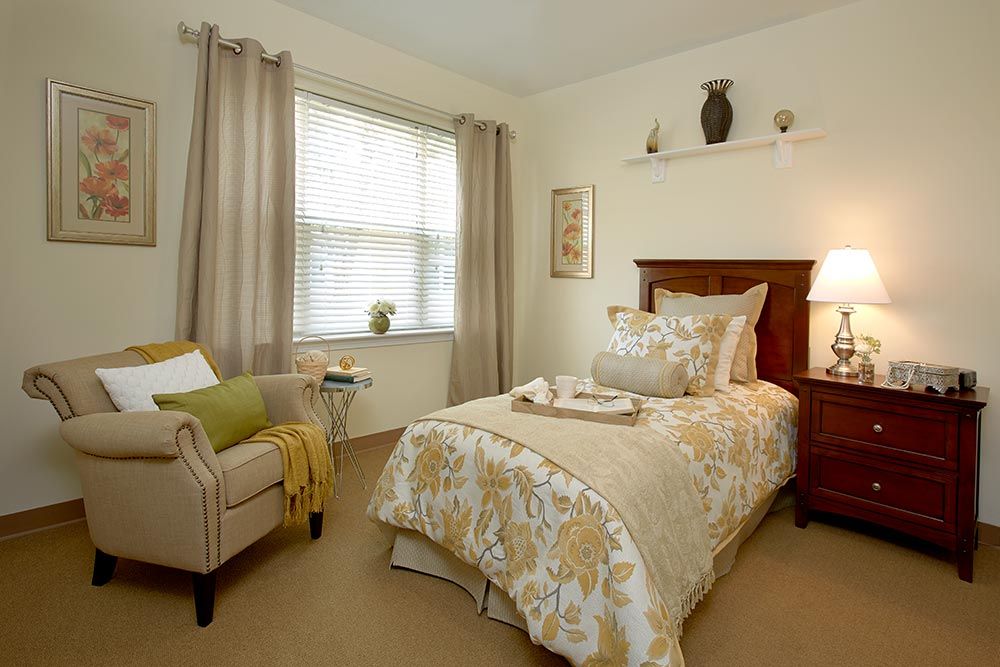
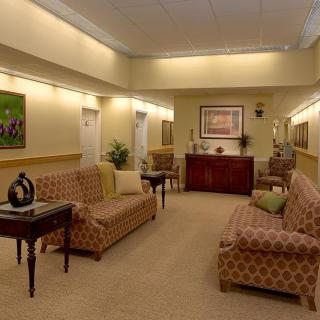
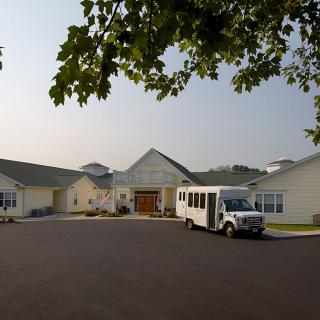
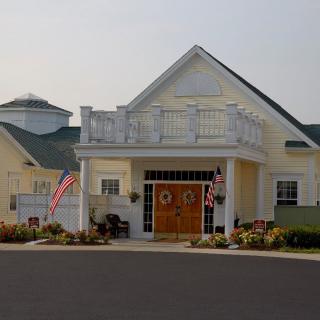
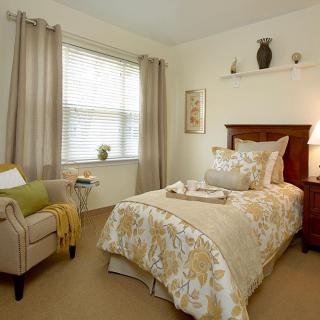
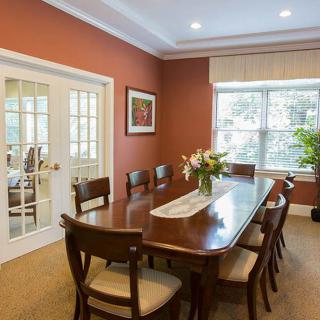
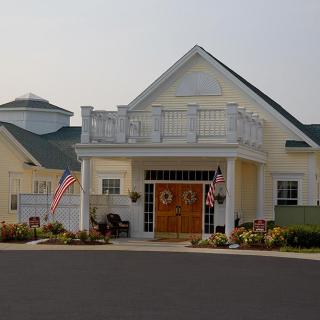
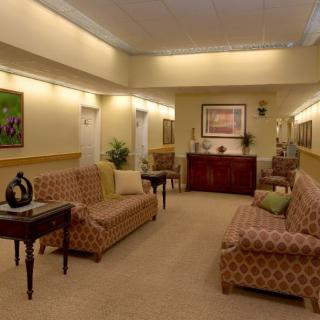
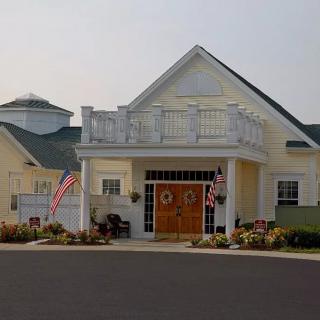
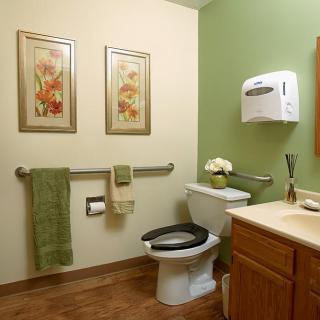
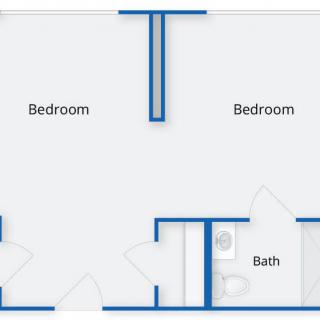
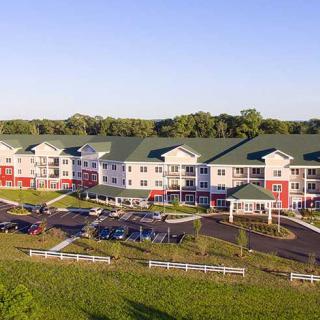
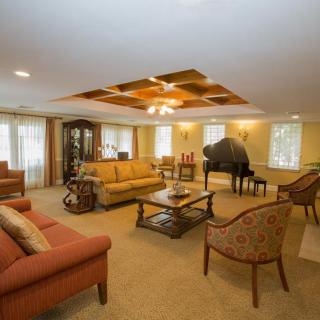
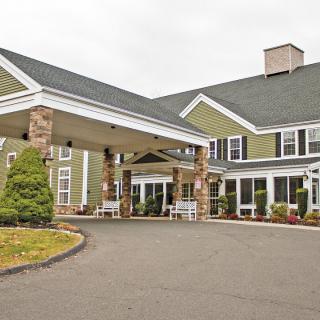
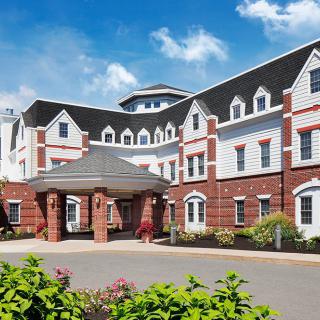
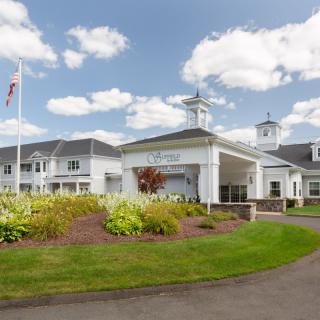
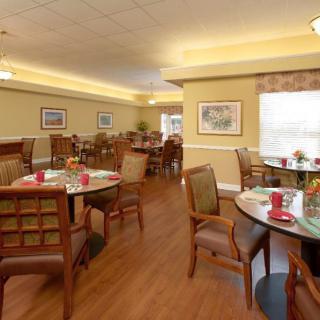
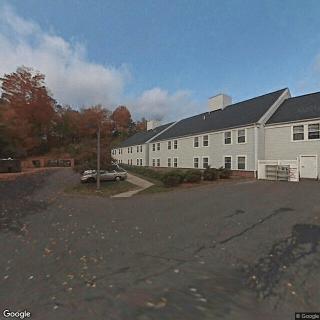
The Atrium at Rocky Hill on seniors.fyi includes 26 photos including images showing interior, decor, dining, bedroom, floor plan, bathroom, flag, building, and more.
Nearby Communities
Atria Greenridge Place
Rocky Hill, CT
4.3 from 87 reviews
$3,595 to $6,595 / month
Welcoming, well-maintained community with engaging activities and restaurant-style dining.
Holiday The Lodge at Cold Spring
Rocky Hill, CT
4.5 from 98 reviews
$2,709 to $3,369 / month
Friendly staff and a welcoming community with chef-prepared dining.
The Residence at Ferry Park
Rocky Hill, CT
4.6 from 137 reviews
$4,000 to $5,995 / month
Friendly, attentive staff in a clean, home-like community with engaging activities.
Brookdale Rocky Hill
Rocky Hill, CT
Specialized memory care with diabetic care and engaging activities.
Maple View Health & Rehab
Rocky Hill, CT
4.3 from 125 reviews
$9,990 to $10,980 / month
Friendly, caring staff with attentive care and clean, well-maintained facilities.
Maple View Manor
Rocky Hill, CT
4.5 from 102 reviews
Extensive amenities and comprehensive care services (24/7 safety, transportation, dining, wellness, and activities).
Apple Rehab Rocky Hill
Rocky Hill, CT
2.9 from 52 reviews
Caring staff and a clean, comfortable environment with engaging activities.
Stonebridge
Berlin, CT
4 from 1 review
$841 to $952 / month
Cozy, home-like unit with a thoughtful layout and modern touches.
Bel Air Manor
Newington, CT
4.5 from 132 reviews
Clean facility with attentive rehab services and comfortable rooms.
The article outlines effective communication strategies for interacting with loved ones with dementia, highlighting the need for empathy, patience, and understanding while emphasizing supportive approaches like using simple language, minimizing distractions, and focusing on feelings over facts to maintain dignity and foster connection. It also suggests seeking professional guidance when needed as communication challenges evolve.
VA nursing homes, or Community Living Centers (CLCs), offer tailored long-term care for veterans, featuring medical attention and rehabilitation in a supportive environment. The guide covers facility types, eligibility criteria, financial assistance options, quality of care standards, and alternatives to full-time nursing home placement.
At-home dementia care expenses vary widely based on care levels, location, and caregiver expertise, with monthly costs for home health aides exceeding $4,500 and specialized care potentially surpassing $100,000 annually. While families favor in-home care for its comfort and personalized attention, they must consider financial planning and the challenges of caregiver fatigue.
Get PricingAsk A QuestionSchedule A TourContact Senior Advisor
By clicking submit, you agree to our Partner's Terms of Use. You
also consent to receive calls and texts, which may be autodialed, from our Partner. Your consent is not a condition to
using our Partner's service. Please visit our Partner's Privacy Policy for information about their privacy practices.

 22 resident community capacity
 Studio apartments
 Memory Care
 Cats allowed
 Dogs allowed
 Activities off-site
 Air-conditioning
 Beautician on-site
 Cable or satellite TV
 Computer center
 Devotional services off-site
 Dining room
 Financing advice
 Fitness room
 Fully furnished
 Garden
 Ground floor units
 Guest parking
 Handicap accessible
 Housekeeping services
 Indoor common areas
 Kitchenette
 Laundry
 Move-in coordination
 Outdoor common areas
 Outdoor patio
 Party space
 Private patio, deck, or balcony
 Respite or short term stays offered
 Restaurant-style dining
 Security gate
 Small library
 Telephone
 Wellness center
 Wheelchair accessible showers
 Wi-Fi/high-speed internet available
 Bradley International (19 miles away)
 Transportation & parking
 12-16 hour nursing
 24-hour call system
 Assistance with bathing
 Assistance with dressing
 Assistance with transfers
 Diabetes diet
 Diabetic care
 High acuity care
 Hospice care
 Incontinence care
 Medication management
 Mental wellness program
 Physical therapy
 Special dietary restrictions
 Transportation arrangement (medical)
 Art classes
 Book club
 Catholic services
 Cooking classes
 Day trips and outings
 Educational speakers / life long learning
 Games
Games Jewish services
 Karaoke
 Live musical performances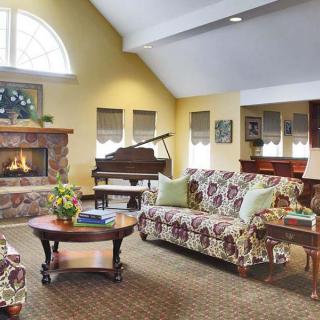
 Welcoming, well-maintained community with engaging activities and restaurant-style dining.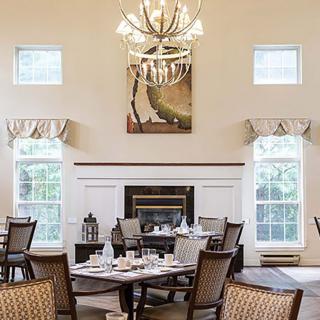
 How to Communicate with a Loved One Living with Dementia: 10 Supportive Strategies
 Comprehensive Guide to VA Nursing Homes: A Crucial Long-Term Care Resource for Veterans
 Estimating the Expenses of At-Home Dementia Care: A Detailed Exploration