1 Stonebridge Way, Berlin, CT 06037
To contact a resident: (860) 674-5627
For more information about senior living options: (866) 208-4318
Stonebridge Costs & Pricing
At Stonebridge, the cost of living is notably competitive compared to both New Haven County and the wider Connecticut area. For instance, a one-bedroom apartment at Stonebridge is priced at $841 per month, dramatically lower than the county average of $6,325 and the state average of $6,383. Similarly, two-bedroom units at Stonebridge are available for $952 monthly, which stands in stark contrast to New Haven County's average of $3,671 and Connecticut's overall average of $5,070. This pricing structure positions Stonebridge as an attractive option for individuals or families seeking quality housing without the burden of inflated regional costs.
| Floor plans | Stonebridge | New Haven County | Connecticut |
|---|---|---|---|
| 1 Bedroom | $841 | $6,325 | $6,383 |
| 2 Bedrooms | $952 | $3,671 | $5,070 |
Senior living communities with a similar price nearby
-
About the same
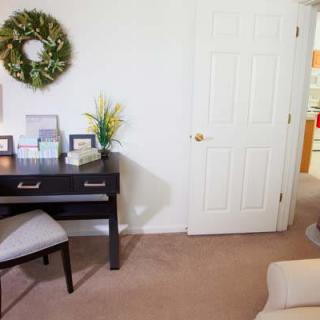
Orchard Ridge
$837 to $947 / month0.6 miles away -
from -$66 / mo
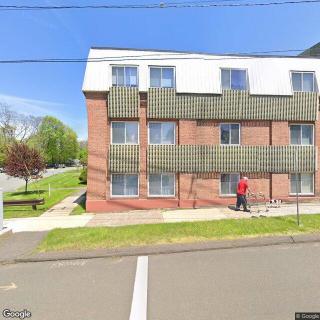
Silverpond Apartments
$775 to $900 / month14.0 miles away -
from -$56 / mo
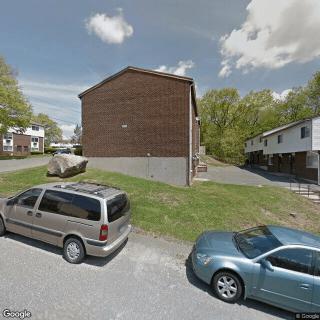
Southford Park
$785 to $1,050 / month20.1 miles away -
from -$76 / mo

Sage Pond Place
$765 / month3.0 miles away -
from +$148 / mo
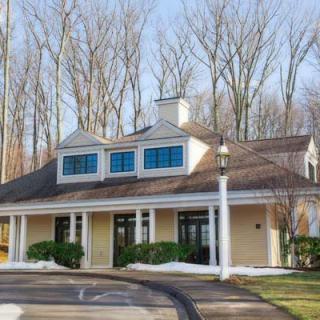
Boulder Ridge
$989 to $1,146 / month15.6 miles away
Overall Review of Stonebridge
Pros
 The reviewer fell in love with the unit.
- The unit makes them feel as if they are moving into a small home from their house, not an apartment.
- They are going to love it.
Cons
 The unit doesn't feel like an apartment.
- It gives the impression of moving into a small home rather than an apartment.
Review
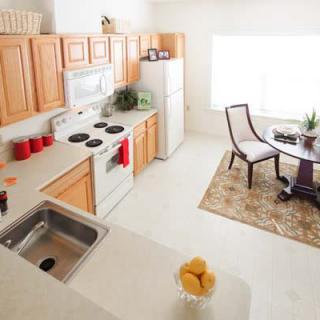
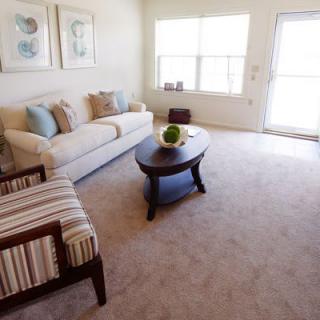
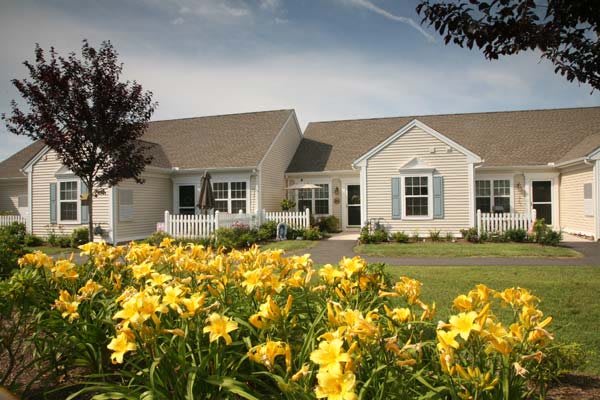
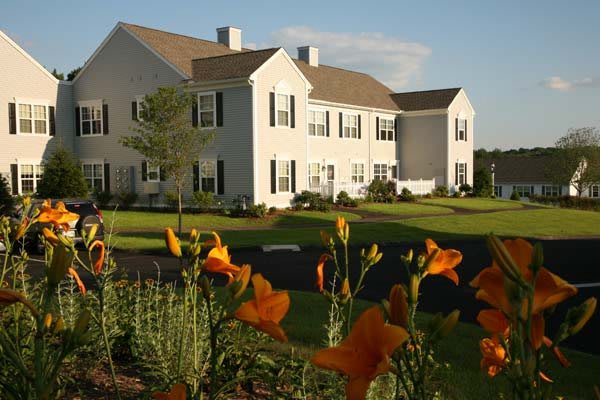
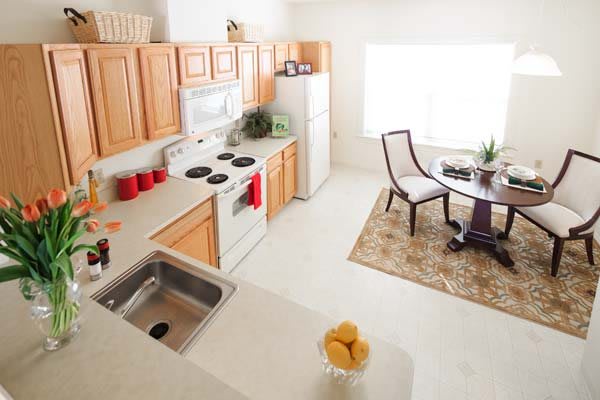
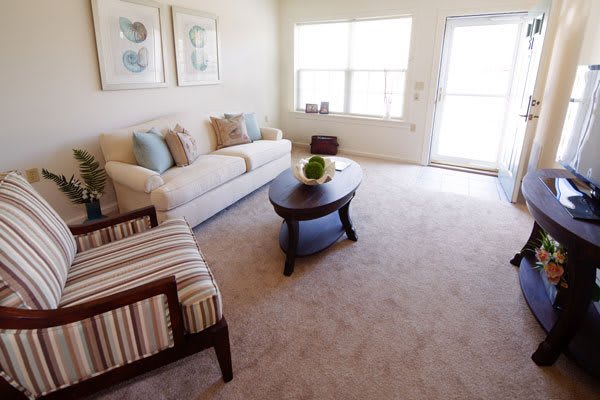
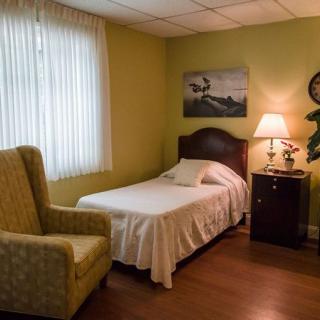
Stonebridge in Berlin, CT is best suited for prospective residents who prize a true home-like environment over a cookie-cutter “apartment” feel, and who want to move into assisted living with a strong sense of private space. The single review highlights a unit that feels like a small home, signaling that the layout and ambiance may support independence and personal personalization. This is not a generic campus vibe; it is a setting where residents can settle into a personal space that resembles a house layout rather than a traditional senior living apartment. For couples or individuals who value comfort, privacy, and a tangible transition from home to residence, Stonebridge offers a compelling fit.
Those who may want to consider alternatives should note the limits of the current evidence: a single 4-star review provides a positive but narrow snapshot. There is no broad confirmation of care quality, meal programs, staffing consistency, or programmatic depth. Families seeking robust, well-documented activity calendars, predictable care levels, or a track record across multiple residents should compare Stonebridge with other options in Berlin or the region. In particular, consider communities with more extensive resident feedback, clearer disclosures about pricing, and transparent staffing metrics. A broader data set will help distinguish whether the home-like unit is a standout feature or simply a partial glimpse of the experience.
The primary pro, the home-like unit, carries significant weight in decision-making. A space that feels like a small residence can reduce relocation stress, support autonomy, and encourage residents to maintain personal routines and decor. That home vibe can offset potential downsides such as a tighter common-area footprint, if any, or a feeling of disconnect between private space and shared amenities. However, the strength of this pro hinges on other factors that remain under-reported: the quality of dining, the responsiveness of staff, and the availability of assistance when needs change. With just one review, these other dimensions remain unproven, leaving the overall value partly uncertain.
Even without detailed programming data, the unit-centric appeal suggests a design emphasis on comfort, privacy, and personalization. Prospective residents should probe how the private units connect to dining, activities, and care services, are there discreet in-room services, home-like kitchens, or independent living features? The upside is clear: a less institutional feel can help residents maintain dignity and routine. The downside risks center on potential isolation or a perception that the community lacks the bustle that some families use as reassurance about engagement and monitoring. Understanding how Stonebridge balances private space with social opportunities will determine whether the home-like advantage translates into lasting satisfaction.
From a risk perspective, relying on a single positive data point invites caution. The 4-star rating signals quality, but it is not a robust indicator of reliability or consistency. Families should seek corroborating experiences by speaking with current residents and families, requesting a tour at different times of the day, and reviewing résumés of care services and staff turnover. Compare costs, including any lease terms, ongoing fees, and escalation clauses. If the primary draw is the unit’s ambiance, ensure that the community’s dining options, housekeeping, transport, and medication administration align with expectations. Without a broader, multi-family perspective, Stonebridge remains a promising but not definitive choice.
Recommendation: pursue a guided tour to test the home-like feel against practical needs. Bring questions about move-in readiness, personalization allowances, safety systems, and how the community evolves if care needs intensify. Ask for a sample week of activities and menus, and request candid references from residents who share similar lifestyles. For families weighing options, Stonebridge represents a compelling fit for those prioritizing a home-like atmosphere and privacy, provided the resident’s care expectations are aligned and corroborated by additional input. If the aim is a more traditional, highly active, or fully documented care experience, be prepared to look at alternatives with a broader evidence base.
 Active Adult Communities (55+)
 Cats allowed
 Dogs allowed
 Bradley International (21 miles away)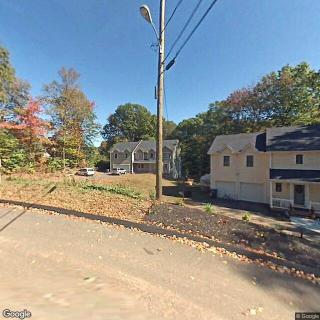
 Recognizing the Journey: Understanding and Navigating Anticipatory Grief
 Encouraging Participation in Adult Day Care: A Guide to Supporting a Hesitant Parent
 Comprehensive Exploration of Living Wills and Other Advance Directives