
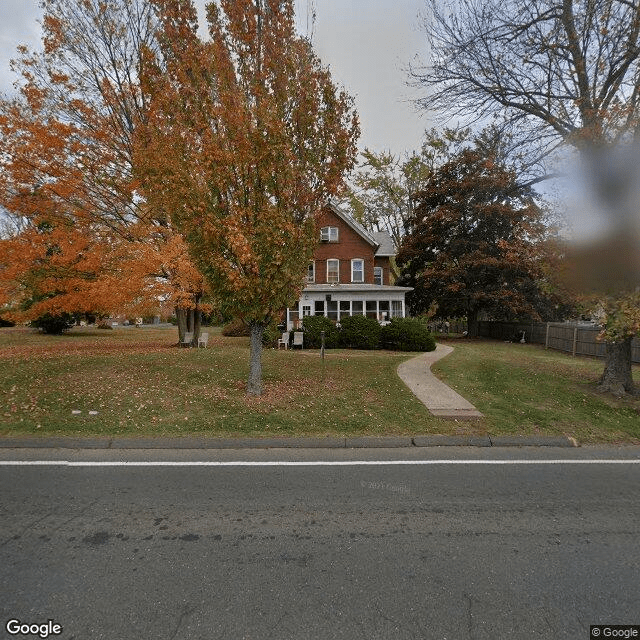
876 Newfield St, Middletown, CT 06457
To contact a resident: (203) 537-1130
For more information about senior living options: (866) 208-4318
Newfield Towers Costs & Pricing
At Newfield Towers, the monthly costs for living arrangements are notably competitive compared to the broader market in Middlesex County and throughout Connecticut. For a one-bedroom unit, residents pay just $591, which is significantly lower than the county average of $8,981 and even more so when compared to the state's average of $6,383. Similarly, two-bedroom units at Newfield Towers are priced at $650 per month, which is substantially less than both Middlesex County's average cost of $3,130 and Connecticut's state average of $5,070. These rates position Newfield Towers as an appealing option for those seeking affordable housing without compromising on quality or community benefits.
| Floor plans | Newfield Towers | Middlesex County | Connecticut |
|---|---|---|---|
| 1 Bedroom | $591 | $8,981 | $6,383 |
| 2 Bedrooms | $650 | $3,130 | $5,070 |
Senior living communities with a similar price nearby
-
from +$59 / mo
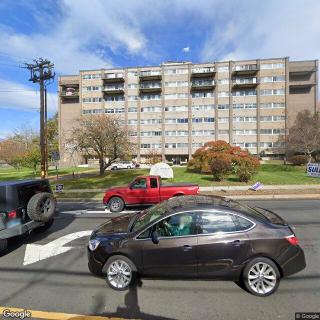
Victoria Towers
$650 to $750 / month6.9 miles away -
from -$52 / mo
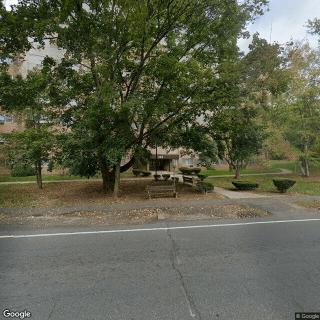
Stoneycrest Towers
$539 to $645 / month1.0 miles away -
from +$109 / mo
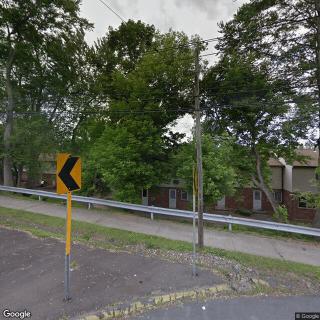
Arbor Park II
$700 to $750 / month8.6 miles away -
About the same
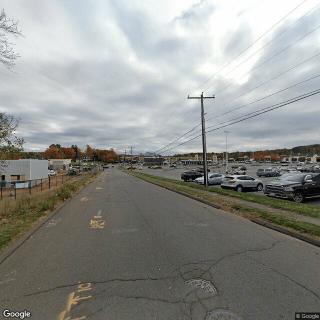
New Meadows
$603 to $637 / month1.9 miles away -
About the same
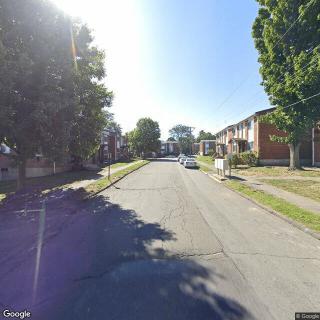
Stoneycrest Apartments
$588 to $645 / month0.9 miles away
Overall Review of Newfield Towers
Pros
 The resident describes the home as small but nice.
- The reviewer notes that there is a second elevator, thankfully.
Cons
 The roof leaks badly and buckets are kept in the hall to catch the water.
 - One elevator is frequently down and nicknamed "Killavator" after it closed on a resident's arm.
- The building's elevator is so unreliable that most visitors must climb eight flights of stairs.
- A resident was stuck in an elevator for a long time, and the floor indicator lights only illuminate a few floors.
- The complex is falsely advertised as a 55+ community and is described as a dump housing low-income, disabled residents.
- It charges $150 per A/C unit every summer despite claims of "free electricity," and the overall condition is discolored with barely working facilities.
- The reviewer wouldn't even let their service animal stay there.
Review
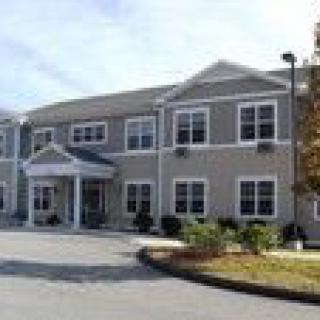
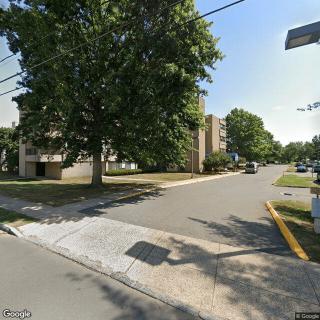
Newfield Towers in Middletown, CT is best suited for budget-conscious seniors who need basic, independent housing and can tolerate an older, high-rise building with ongoing maintenance quirks. The property functions as a low-income, Section 8–oriented community more than a polished 55+ residence, and that distinction matters for expectations. For residents who simply need an affordable place to live with a 1- or 2-bedroom layout, the model may feel workable, at least on paper, despite the building’s age and wear.
That practical fit narrows quickly for anyone seeking reliability, safety, and a clearly marketed age-restricted lifestyle. Alternatives should be considered by families prioritizing dependable elevator service, consistently clean interiors, transparent utility charges, and a genuinely senior-friendly, well-maintained environment. Those who require a higher standard of maintenance, more predictable access to amenities, or a community that markets itself as a premier 55+ option will likely be unhappy here. In short, this is a last-stop for affordability, not a first choice for quality.
On the plus side, the strongest selling point is cost. For households with limited income, the price point can open doors to independent living that might otherwise be out of reach. The building’s high-rise structure offers defined, contained living spaces, 1-2 bedroom apartments, that can feel manageable for residents transitioning from hospital or nursing-home settings. A few residents report small, positive impressions, “small but nice” in a constrained sense, when moving from more restrictive environments, suggesting the layout can still offer a sense of privacy and autonomy to the right person.
However, the main cons dominate the decision. Roof leaks dripping through to corridors, plaster cracking, and buckets stationed in hallways signal chronic maintenance failures that never quite get resolved. The elevator situation is particularly troubling: one elevator has earned a fearsome nickname and a reputation for frequent breakdowns, while a second exists as a backstop. Elevators breaking down during crucial moments, and lights that barely illuminate which floor is reached, create real safety hazards, especially for residents with mobility limitations. The building’s aging infrastructure compounds these risks, with discolored floors and walls underscoring a sense that upkeep is inconsistent at best.
These significant drawbacks largely overwhelm any affordability benefit. The promise of “free electricity” is contradicted by a hefty, flat $150-per-A/C-unit charge in summer, a misleading point that erodes trust and makes budgeting harder. The complex presents as a “high-rise elderly low-income apartments” project rather than a thoughtfully managed senior community, and that misalignment between marketing and reality matters when deciding where to spend years of independence. For residents who need reliable access, consistent maintenance, and straightforward utilities, the disadvantages are not easily offset by price alone.
Advisors should push families toward due diligence before committing. Schedule an on-site review focused on elevator reliability, current maintenance requests, and recent upgrades; request a detailed, written breakdown of all utility charges, and verify what “55+” means in practice at this property. Talk with several residents about nightly noise, housekeeping, and safety conditions, and insist on seeing documentation of recent roof, plumbing, and electrical work. Compare with nearby independent-living options that publish clear disclosures and maintainage records. If budget strictly governs the decision, Newfield Towers may still be warranted as a transitional solution, yet in any case, proceed with a conservative plan and a clear exit strategy. For families prioritizing safety, reliability, and a proven track record of well-maintained, age-appropriate surroundings, better options exist in Middletown and the broader Connecticut market.
 Active Adult Communities (55+)
 Bradley International (25 miles away)

 In-Home Care Costs in 2025: A Detailed State-by-State Exploration
 Understanding Home Health Care: A Comprehensive Guide
 Home Health Care Demystified: A Comprehensive Guide for Families and Caregivers