
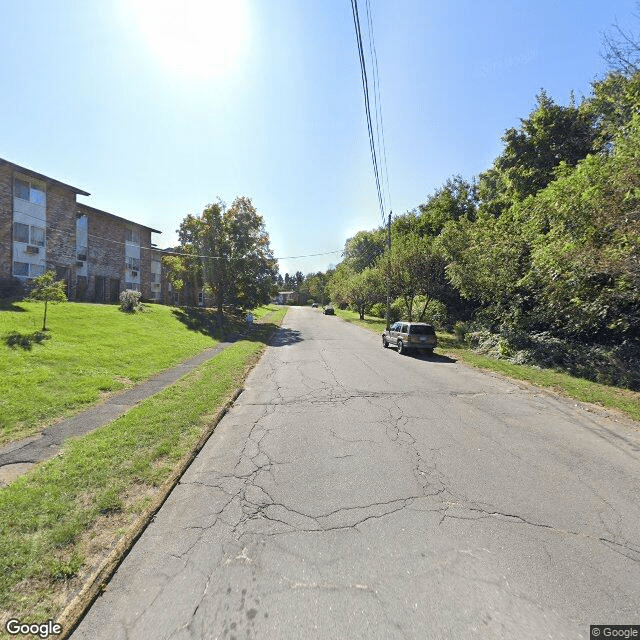
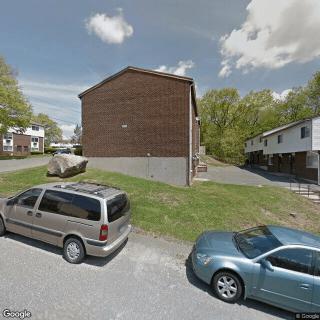
Rose Circle, Middletown, CT 06457
To contact a resident: (203) 537-1130
For more information about senior living options: (866) 208-4318
Meadoway Apartments Costs & Pricing
Meadoway Apartments offers competitive rental rates, particularly when compared to the broader housing market in Middlesex County and the state of Connecticut. For a one-bedroom unit, Meadoway's monthly rent is $760, significantly more affordable than the average annual cost of $8,981 in Middlesex County and $6,383 statewide. Similarly, the two-bedroom units at Meadoway are priced at $920 per month, which stands in stark contrast to the regional and state averages of $3,130 and $5,070 respectively. This positioning makes Meadoway Apartments an attractive option for those seeking quality accommodation without straining their budget.
| Floor plans | Meadoway Apartments | Middlesex County | Connecticut |
|---|---|---|---|
| 1 Bedroom | $760 | $8,981 | $6,383 |
| 2 Bedrooms | $920 | $3,130 | $5,070 |
Senior living communities with a similar price nearby
-
from +$77 / mo
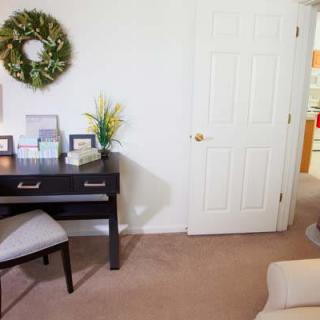
Orchard Ridge
$837 to $947 / month6.4 miles away -
About the same
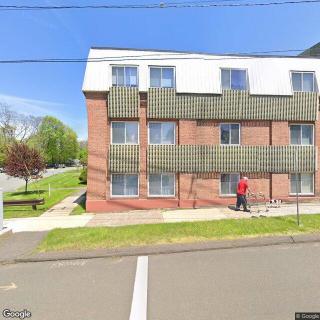
Silverpond Apartments
$775 to $900 / month10.8 miles away -
from -$110 / mo
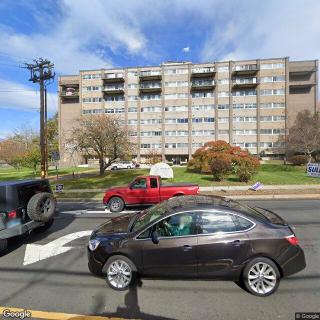
Victoria Towers
$650 to $750 / month6.6 miles away -
from +$25 / mo
Southford Park
$785 to $1,050 / month21.8 miles away -
About the same

Sage Pond Place
$765 / month4.9 miles away
Overall Review of Meadoway Apartments
Pros
 The apartments include heat, hot water, stove, and refrigerator.
- They are very well maintained and clean.
Review
Meadoway Apartments in Middletown, CT is best suited for cost-conscious seniors or adults who want a predictable housing cost and a clean, well-maintained living environment with essentials bundled into the rent. The two 5-star reviews spotlight Section 8 units where heat, hot water, a stove, and a refrigerator come standard, and where the apartments themselves are described as very well maintained and clean. For families prioritizing financial predictability and straightforward housing logistics over on-site care, Meadoway presents a practical, low-stress option that keeps monthly bills stable and daily upkeep manageable.
That said, Meadoway is not the right fit for households needing ongoing care, medical supervision, or structured support services. The reviews do not indicate any on-site nursing, meal programs, or staffed assistance, and there is no explicit mention of care coordination or transportation services. For anyone evaluating assisted living pathways, this is a crucial distinction: Meadoway can house residents, but it does not function as an assisted living community. Those who expect daily checking, medication assistance, or regular therapeutic activities should be looking at dedicated care communities in the same region.
The primary strengths of Meadoway, utility-included affordability and a clean, well-kept living space, offer meaningful offsets against the absence of on-site care. Utilities included in rent reduce the instability of monthly expenses, a significant advantage for seniors on fixed incomes. The presence of a stove, refrigerator, and reliable heat and hot water supports independent living with less monthly nuisance. When combined with the apparent maintenance standards reflected in the reviews, residents enjoy fewer upkeep headaches and a straightforward, predictable routine, which can ease the transition for someone aging in place.
However, the lack of care infrastructure means families must anticipate a housing solution that serves as a stepping stone rather than a finish line. If attention will be needed for activities of daily living, medication, or emergency support, Meadoway’s value hinges on coupling with external home-care services or a nearby assisted living option. Important practical considerations include verifying the availability of transportation to appointments, accessibility features in the units, and proximity to medical facilities and family, since these factors determine whether Meadoway can be a comfortable long-term base or simply a temporary housing solution while care needs escalate.
From a decision-making perspective, Meadoway’s strongest case rests on cost stability and cleanliness. For budget-conscious seniors who want predictable utilities and a basic, well-kept living space, the positives align well with what is required to maintain independence at home. The absence of on-site care should be weighed as a primary consideration: if care needs grow, the need for a seamless transition to a care-focused community becomes the decisive factor. This property can function as a practical starting point or a fallback option, but only if accompanied by a clear plan for arranging in-home support or identifying a suitable assisted-living match nearby.
In the end, Meadoway Apartments should be recommended to families prioritizing affordability, reliability, and low-maintenance living over embedded care services. It is a sensible, sensible choice for those who can remain independent with external support, or for households seeking to stabilize housing costs while evaluating longer-term care needs. For anyone planning around future care trajectories, use Meadoway as a cost-conscious anchor while actively exploring assisted living options with on-site care, programming, and staff support. The prudent recommendation is clear: Meadoway is a solid housing foundation, but it pairs best with a proactive care plan drawn up in advance.
 Active Adult Communities (55+)

 Senior Move Management: Understanding the Role, Value, and Associated Costs
 Weight Training for Seniors: Building Strength and Vitality
 Understanding the Sandwich Generation: Stress and Responsibilities for Multigenerational Caregivers