Ludlowe Center for Health and Rehabilitation Costs & Pricing
Ludlowe Center for Health and Rehabilitation presents a noteworthy cost structure compared to both Fairfield County and the broader state of Connecticut. For a semi-private room, residents can expect to pay $9,580 per month, which significantly exceeds the county average of $6,677 and the state figure of $5,829. Similarly, private rooms at Ludlowe are priced at $11,225, again surpassing local and state benchmarks - Fairfield County averages $5,675 while Connecticut overall is slightly lower at $5,479. The cost for studio accommodations also aligns with this trend; at $11,225 per month, it is higher than both regional ($6,159) and statewide ($5,919) rates. This pricing suggests that Ludlowe Center may offer specialized services or amenities that cater to specific needs or preferences within its environment.
Floor plans
Ludlowe Center for Health and Rehabilitation
Fairfield County
Connecticut
Semi-Private
$9,580
$6,677
$5,829
Private
$11,225
$5,675
$5,479
Studio
$11,225
$6,159
$5,919
Skilled Nursing Facilities with a similar price nearby
Overall Review of Ludlowe Center for Health and Rehabilitation
common48 reviews mention this
Clean, bright, and well-kept
Residents and families repeatedly describe the building as clean, bright, and well maintained.
Many reviewers focus on cleanliness, describing an immaculate physical plant and rooms that are ready on arrival. Several also mention bright lighting and an overall appearance that feels more organized than a typical facility. Even critics frequently reference the facility’s general condition, but the most consistent feedback is how clean and orderly it feels.
common57 reviews mention this
Staff communication and compassion
Families describe staff across departments as friendly, responsive, and focused on resident needs.
A large share of reviews praise the staff they encountered as courteous, professional, and easy to work with, including front desk and nursing teams. Multiple reviewers mention clear explanations, help settling residents in, and aides or nurses responding quickly to needs. Residents and families also describe social workers as available, and overall communication as a strength during both rehab stays and longer care.
common10 reviews mention this
Security and feeling safe
Several reviewers say the facility feels secure and safe to visit or live in.
Some reviews call out secure entry and security measures that help residents stay protected. Others describe a sense of safety during visits and note procedures around access between areas. A few comments also connect this safety with feeling that staff are paying attention throughout the day.
caveat10 reviews mention this
Food is a clear mixed point
Dining gets mixed feedback, with some residents liking meals and others reporting major quality issues.
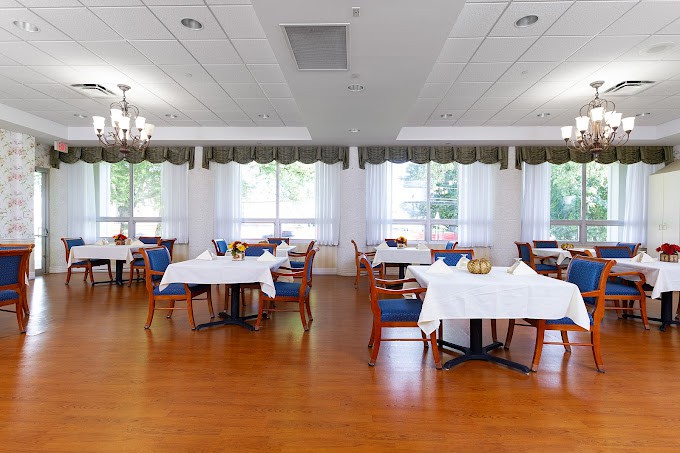
Several reviewers say the food is good, tasty, or even a pleasant surprise for a facility stay, and a few mention residents being okay with the meals. Others describe problems like incomplete meals, meals arriving cold, and food that they say is inedible or lacking in choice. There are also references to families bringing outside food when meals fall short, which suggests the experience can vary.
How we summarize
Counts show how many written reviews mention each theme; a review can touch several themes, and only frequently mentioned themes are displayed.
Features
Types of Care
Memory Care
Skilled Nursing Facility
Amenities
Private
Nearby Places of Interest
This part of Fairfield, Connecticut offers a convenient and well-rounded community for seniors looking to settle down. With several physicians, pharmacies, hospitals, and cafes in close proximity, residents can easily access healthcare services and amenities. The abundance of parks such as Lake Mohegan and Veterans Park provide opportunities for outdoor recreation and relaxation. Additionally, there are a variety of restaurants offering different dining options, including Barcelona Restaurant & Wine Bar and Crown Pizza. The availability of public transportation options like the Greater Bridgeport Transit Authority and nearby train stations make it easy for seniors to explore beyond the immediate area. Overall, this neighborhood provides a comfortable and accessible environment for seniors to enjoy their retirement years.
Physicians
Yale New Haven Health Park Avenue Medical Center (0.2 miles)
Ludlowe Center for Health and Rehabilitation presents a noteworthy cost structure compared to both Fairfield County and the broader state of Connecticut. For a semi-private room, residents can expect to pay $9,580 per month, which significantly exceeds the county average of $6,677 and the state figure of $5,829. Similarly, private rooms at Ludlowe are priced at $11,225, again surpassing local and state benchmarks - Fairfield County averages $5,675 while Connecticut overall is slightly lower at $5,479. The cost for studio accommodations also aligns with this trend; at $11,225 per month, it is higher than both regional ($6,159) and statewide ($5,919) rates. This pricing suggests that Ludlowe Center may offer specialized services or amenities that cater to specific needs or preferences within its environment.
Yes, Ludlowe Center for Health and Rehabilitation provides memory care services for residents with mild or advanced stages of dementia or Alzheimer's disease.
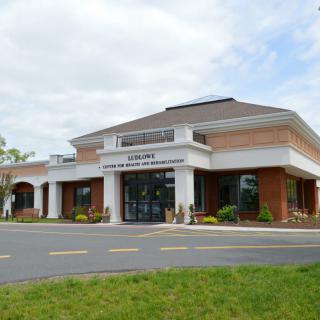
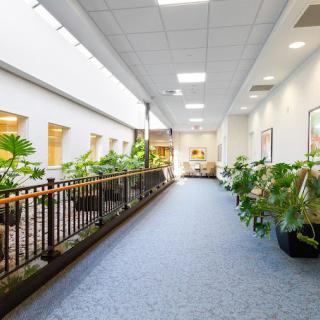
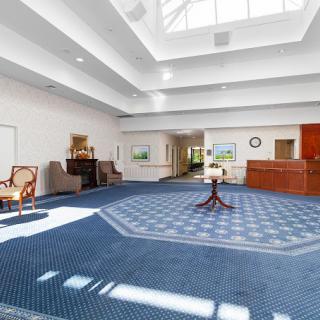
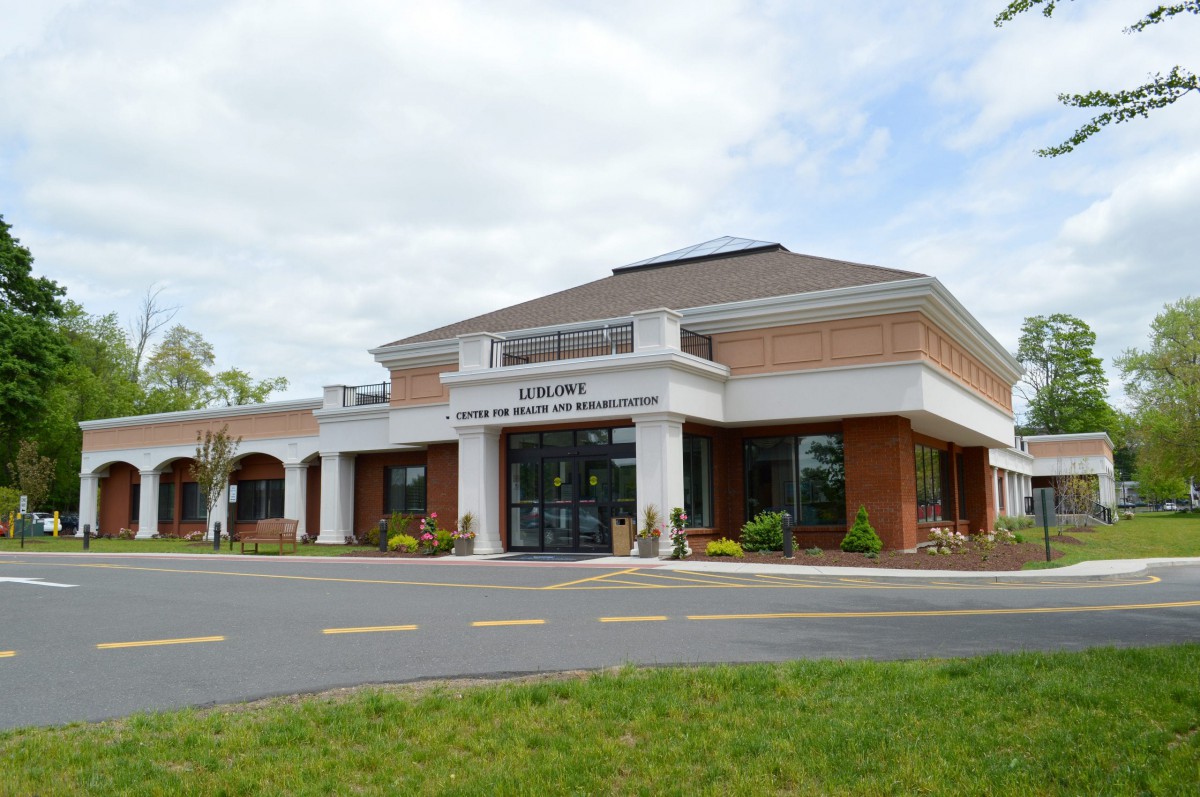
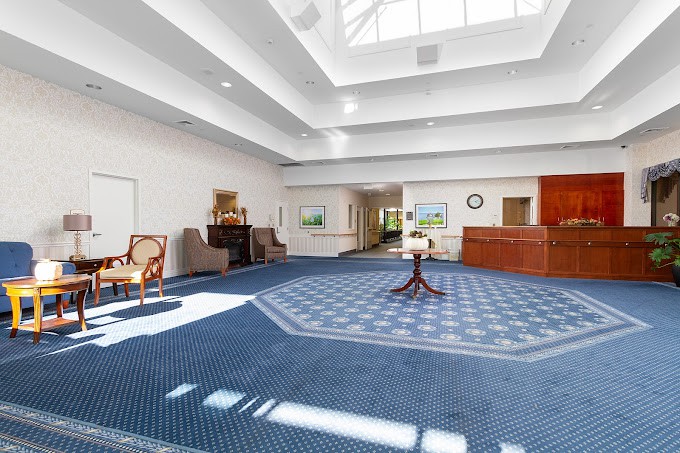
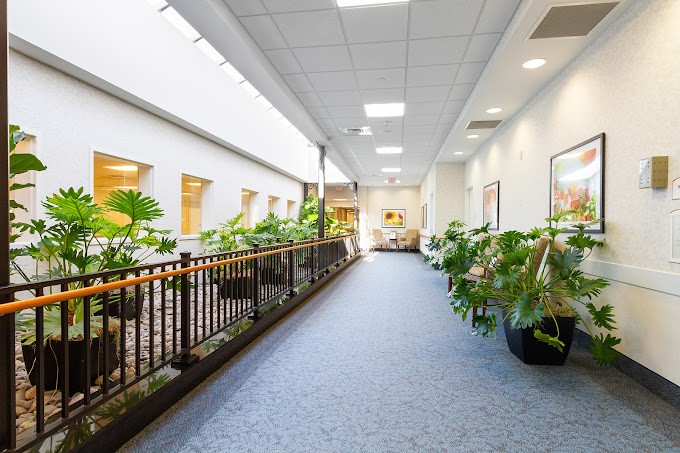
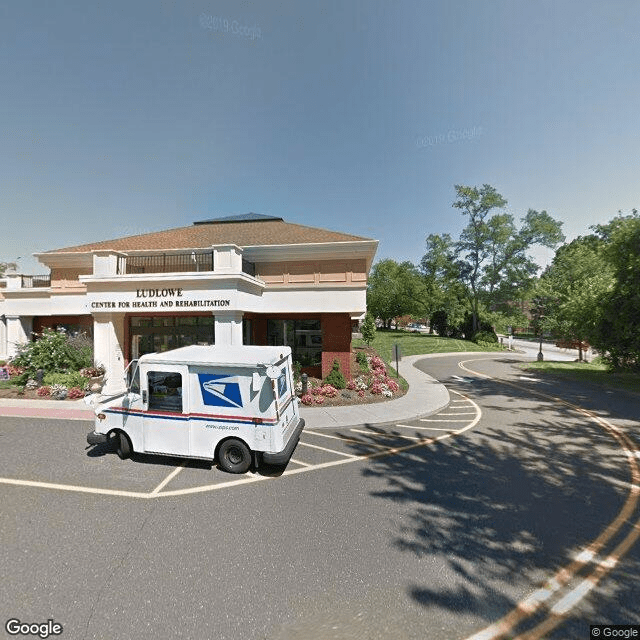
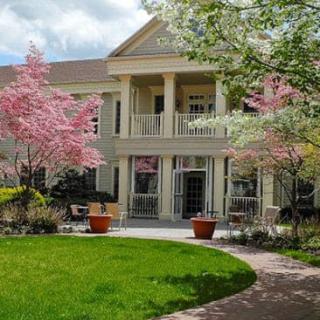
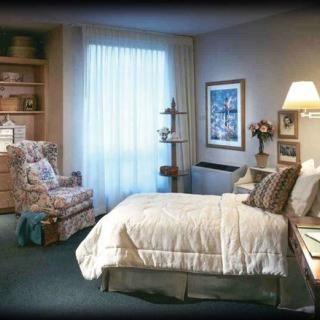
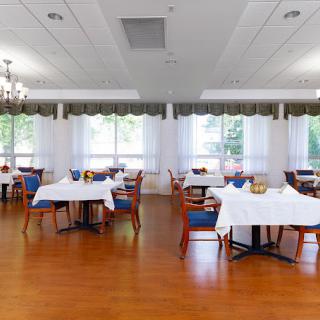
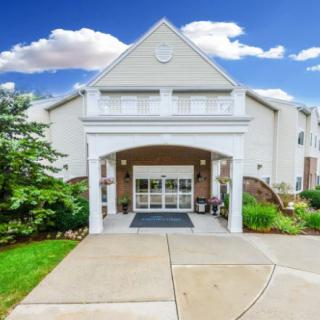
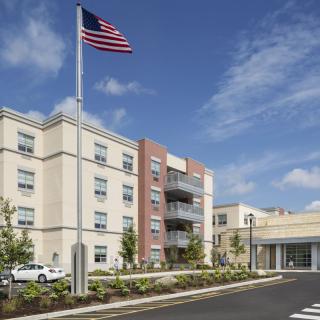
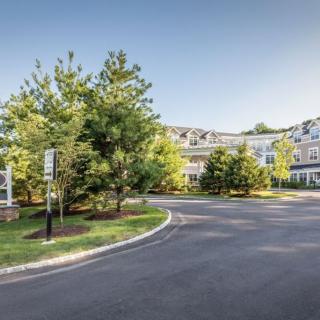
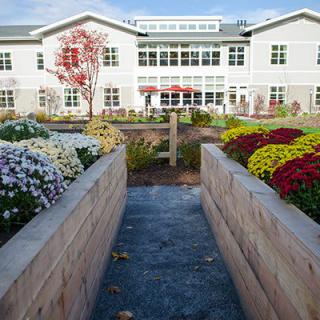
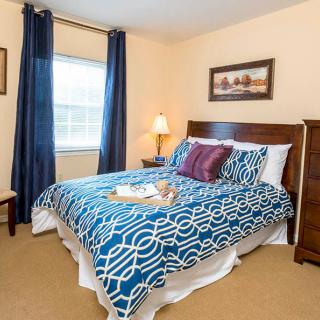
Ludlowe Center for Health and Rehabilitation on seniors.fyi includes 5 photos including images showing interior, dining, windows, chandelier, hallway, office, lighting, building, and more.
Nearby Communities
Rodbro Community
Fairfield, CT
Small, personalized assisted living with 24/7 supervision and comprehensive care.
Cambridge Health And Rehabilitation Center - Fairfield
Fairfield, CT
4.3 from 128 reviews
$3,251 / month
Clean, well-maintained facility with attentive staff and solid therapy programs.
Cambridge Manor
Fairfield, CT
4 from 4 reviews
Polite, attentive staff and clean facilities.
Jewish Senior Services
Bridgeport, CT
3.5 from 42 reviews
$5,800 to $6,700 / month
Compassionate, engaged staff with a robust, activity-focused program and clean, well-maintained facilities.
Seymour Hollander Housing
Bridgeport, CT
4.3 from 11 reviews
Extensive nearby amenities and healthcare options.
Sunrise of Fairfield
Fairfield, CT
4.6 from 39 reviews
$6,500 to $11,130 / month
Welcoming, well-maintained community with engaging activities and around-the-clock on-site nursing.
Bridges by EPOCH at Trumbull
Trumbull, CT
4.5 from 88 reviews
$9,920 / month
Caring staff with engaging memory-care activities in a warm, homelike setting.
Parish Court
Fairfield, CT
1.5 from 4 reviews
$3,900 / month
Pricing below Fairfield County and CT averages.
MiddleBrook Farms at Trumbull
Trumbull, CT
4.4 from 122 reviews
$3,800 to $5,450 / month
Kind, engaged staff in a clean, well-maintained community with robust activities and appealing dining.
Caregiver support groups are crucial for providing emotional and practical assistance to those caring for loved ones, offering resources, coping strategies, and a sense of community through various organizations and platforms. These groups help alleviate isolation and burnout while addressing the unique challenges faced by caregivers of individuals with specific conditions.
The guide outlines the complexities of Medicaid coverage for assisted living, highlighting significant state-to-state variations, limited coverage often restricted to personal care services, and the existence of specialized waivers for certain needs like memory care. It advises families to consult local Medicaid offices for options while emphasizing the importance of understanding state-specific regulations and facility policies.
Medicaid coverage for assisted living varies by state and is primarily available to low-income individuals, with eligibility dependent on strict income and asset limits. Some states offer HCBS waivers for specific services in assisted living, but families must generally cover room and board costs, and should verify facility acceptance of Medicaid while considering potential waiting lists.
Ludlowe Center for Health and Rehabilitation photos
×
Interior
Building
Lighting
Lobby
Interior
Dining, Windows, and Chandelier
Building, Architecture, Exterior, and Brick
Lighting, Hallway, and Office
Lobby, Waiting Area, and Reception Area
Get PricingAsk A QuestionSchedule A TourContact Senior Advisor
By clicking submit, you agree to our Partner's Terms of Use. You
also consent to receive calls and texts, which may be autodialed, from our Partner. Your consent is not a condition to
using our Partner's service. Please visit our Partner's Privacy Policy for information about their privacy practices.

 Memory Care
 Skilled Nursing Facility
 Private
 Small, personalized assisted living with 24/7 supervision and comprehensive care.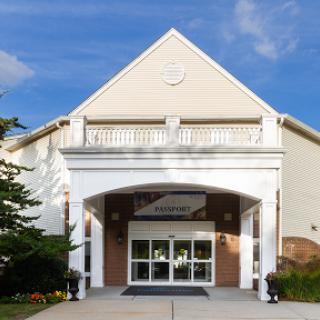

 22 Remarkable Caregiver Support Groups Available Online and In-Person
 Understanding Medicaid Coverage for Assisted Living: A Comprehensive Guide
 How and When Medicaid May Cover Assisted Living Costs