







2428 Easton Tpke, Fairfield, CT 06825
To contact a resident: (203) 372-0313
For more information about senior living options: (866) 208-4318
Overall Review of Cambridge Manor
Pros
 The staff and social worker went above and beyond helping them obtain medical equipment for home care.
- They would highly recommend the facility to others in need of short- or long-term care.
- They were extremely pleased with the short-term stay during recovery.
- Everyone is very polite.
- Therapists are wonderful.
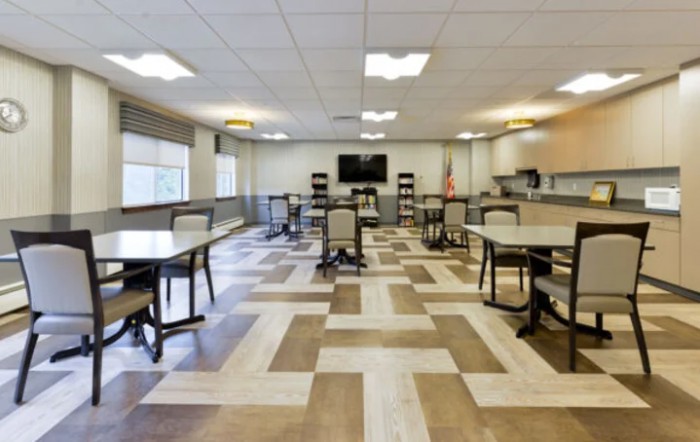
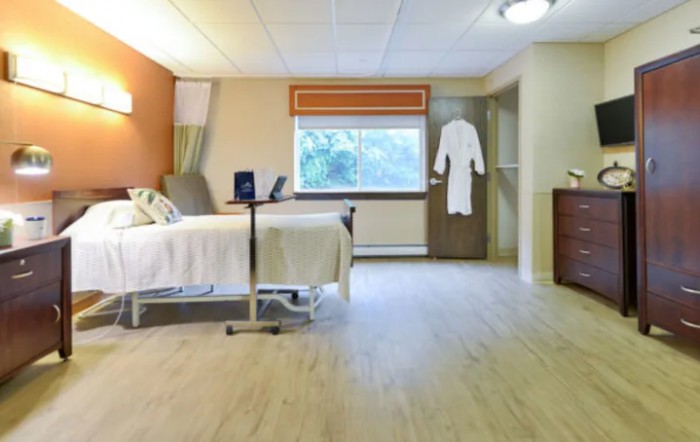
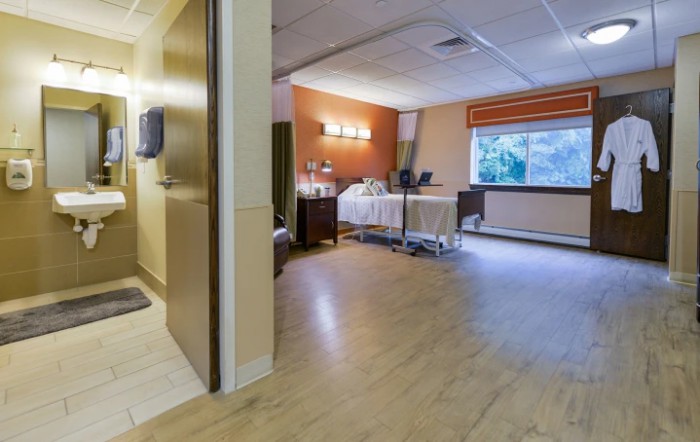
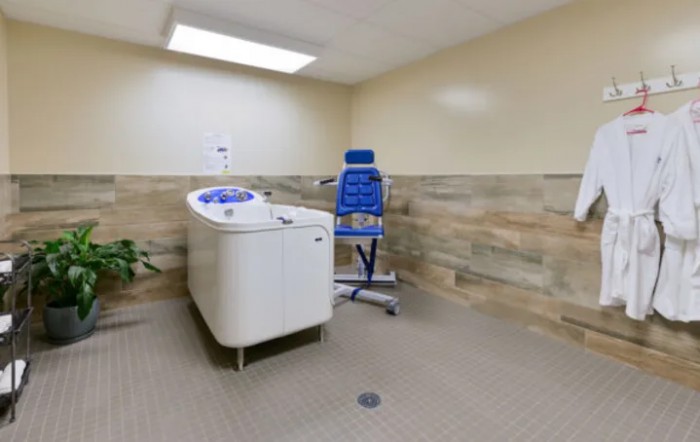
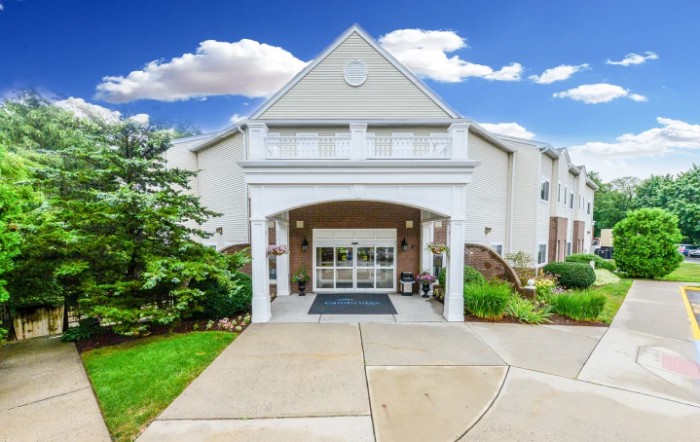
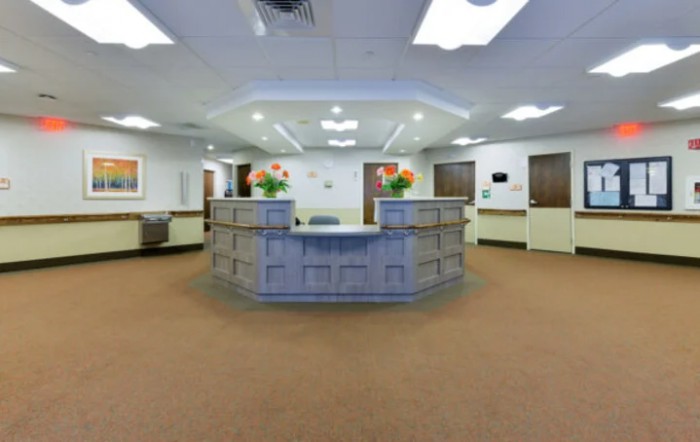
- The place is very clean.
Cons
 The reviewer describes the overall experience at Cambridge as awful, noting a four-month stay before getting into the Jewish Homes JSS.
- The aides allegedly made the patient sit in a soiled diaper for up to two hours.
- Some aides were abusive and disrespectful.
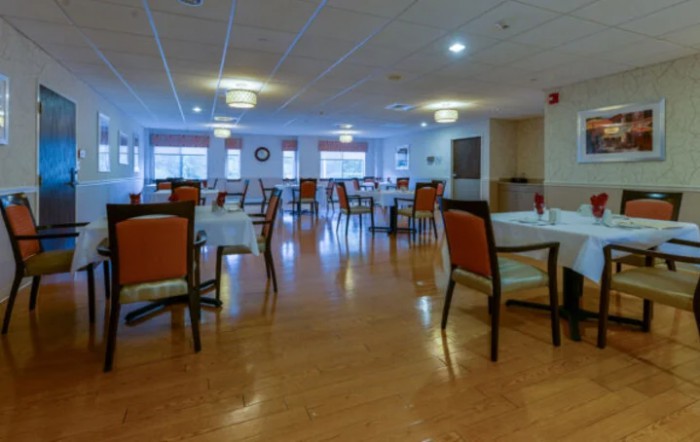
- The food was described as horrible.
- The physical therapy staff were uncaring and only saw the patient twice a week.
- There is a warning to beware of this facility.
Review
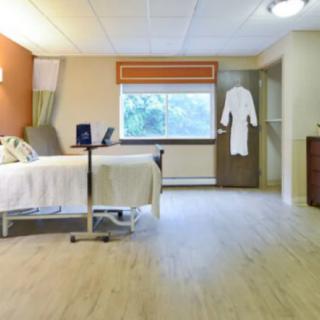
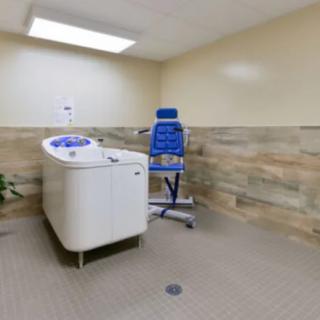
Cambridge Manor in Fairfield, CT is best suited for families seeking a post-acute, rehab-focused stay where the primary goal is returning a loved one home. The facility earns its strongest marks in the recovery phase: a proactive social worker partnership, help securing home medical equipment, and a rehab team that delivers tangible functional improvements. When a patient arrives after knee surgery or another acute event, Cambridge Manor can translate medical progress into a workable discharge plan, with clean surroundings and approachable staff that make the transition smoother and less stressful for families navigating insurance and home-care logistics.
Those evaluating Cambridge Manor should also consider that not every resident will find the same level of daily care and long-term comfort at this community. One review points to a lengthy, frustrating wait to transfer to a Jewish Home-based facility after an extended stay, signaling potential limits on long-term placement opportunities. More concerning are accounts describing neglectful or abusive behavior by aides, extended periods in soiled conditions, and inconsistent quality of daily care. For families prioritizing consistent, attentive 24/7 supervision and strong daily custodial care, alternatives with more uniform staffing and higher reliability may be worth exploring.
The practical upside is clear: the care team, when engaged, includes capable therapists and a thoughtful social worker who coordinates key moves, equipment, discharge planning, and what comes next after a rehab stay. Several reviews highlight therapists as a standout feature and describe the facility as clean with a dependable APRN. In a post-acute path, these strengths can decisively tip the balance toward Cambridge Manor as a bridge to home, especially when family members need reassurance that rehab goals are being pursued and that there is a credible plan for home readiness and equipment transfer. The positives in the rehab and planning realm help offset some drawbacks, but only if the resident’s primary need aligns with short-term recovery and discharge readiness.
Where the assessment becomes more nuanced is in daily life for long-term residents. The most severe red flags involve inconsistent daily care and staff conduct, including reports of neglectful moments and discourteous treatment. Food quality is described variably, ranging from acceptable to poor in some accounts, alongside concerns about therapy frequency and hands-on engagement. For families considering Cambridge Manor as a long-term home, these inconsistencies are hard to overlook, and may compromise quality of life over time. The facility’s strongest case remains the transition-focused track; the weaker case is built on sustained daily care stability.
To make a well-informed decision, families should pursue concrete, risk-aware questions: what is the exact therapy schedule, and how is progress communicated to families and discharge planners? what are the staffing ratios on each shift, and how stable are aides and nurses in a typical month? can the social worker provide a written, staged discharge plan with timelines and home-care coordination? what are the menu options, nutrition oversight, and response protocols if a resident refuses meals? and how often will daily care oversight be reviewed with a family member or designated contact? Visibility into these details is essential to determine whether Cambridge Manor can reliably meet both rehab goals and ongoing daily needs.
In sum, Cambridge Manor stands out as a practical, capable option for post-acute recovery and discharge preparation, with clean facilities and a commendable rehab-and-planning core. However, its suitability for long-term residency is more contingent and, for some, concerning. Families who prioritize a strong rehab pathway and seamless transition home will find Cambridge Manor a solid match, provided active oversight and clear expectations are set. Those seeking consistent, high-quality daily custodial care and a stable long-term environment may want to broaden the search to facilities with demonstrated reliability in 24/7 resident care. In the decision-making process, lean on the rehab strengths, demand clarity on daily care quality, and insist on a concrete, resident-centered long-term plan before committing.
 Skilled Nursing Facility








 Caregiver Exhaustion: Recognizing the Signs and Restoring Your Well-Being
 Understanding Hospice Care at Home: Comprehensive Services, Key Benefits, and Eligibility
 Understanding the Full Cost of 24/7 In-Home Care: A Detailed Overview