For more information about senior living options: (866) 208-4318
3.5 from 42 reviews
5 stars
23
4 stars
3
3 stars
0
2 stars
2
1 stars
14
Jewish Senior Services Costs & Pricing
Jewish Senior Services offers competitive pricing for its accommodations, positioning itself as an appealing option within the local market. For a studio apartment, residents can expect to pay $5,800 per month, which is notably lower than the Fairfield County average of $6,159 and slightly less than the state average of $5,919. When it comes to one-bedroom units, Jewish Senior Services maintains a monthly fee of $6,700 - this is just above both the county's rate of $6,418 and Connecticut's average of $6,383. Overall, these costs highlight Jewish Senior Services' commitment to providing quality care at a value that stands out in comparison to surrounding options.
Floor plans
Jewish Senior Services
Fairfield County
Connecticut
Studio
$5,800
$6,159
$5,919
1 Bedroom
$6,700
$6,418
$6,383
Skilled Nursing Facilities with a similar price nearby
Multiple residents’ families describe staffing that feels too thin for the level of care needed.
Several reviews point to staffing strain, including reports of only one CNA covering a unit and nurses being off-unit for stretches. Other families describe delays or missed care, including an extended time in the same diaper and concerns about how care was documented and followed through. One reviewer also links overwork to a fatality after going home.
common4 reviews mention this
Food quality splits reviews
Food is a mixed point, with some families praising it while others describe serious problems with mealtime care.
Some reviews say the food is delicious and that the resident is happy with meals. Other reviewers cite meal-related problems, including slow, disorganized food service and cases describing food left in the mouth. The dining experience shows up in both positive and negative accounts of daily care.
common5 reviews mention this
Clean, updated facility draws praise
Reviews frequently mention a clean, modern facility and well-kept rooms.
Many families describe the building and rooms as immaculate or state-of-the-art, along with cleanliness and a comfortable environment. A review also describes an on-site rehab experience in an immaculate setting. While most comments focus on the physical space, a few also tie satisfaction to the overall environment and day-to-day comfort.
common12 reviews mention this
Staff kindness shows up often
A lot of reviewers describe staff as kind, helpful, and attentive to residents’ needs.
Across assisted-living and skilled-nursing stories, families describe caring staff who are friendly, professional, and responsive to health needs. Some reviews highlight specific caregiving behaviors, including supportive interactions and attentive medical help. A separate review adds nuance by saying nurses and physical therapists are great even though some aides fall short.
caveat3 reviews mention this
Communication and follow-through are criticized
Some families report poor communication and unresolved concerns about medical updates and care actions.
A reviewer says they were not updated on medical operations and medications, alongside concerns about lost belongings. Another describes care-follow-through problems involving questions raised to the on-duty nurse and delays after concerns were expressed. A separate review says a care plan was never done and that concerns went unanswered.
caveat2 reviews mention this
Cost concerns come up repeatedly
Pricing shows up as a concern, especially when moving between payment situations.
One review warns that the experience may be different when transitioning from private pay to Medicare. Another review criticizes fee increases and the way staffing concerns were explained in that context. The community is also priced below county and state benchmarks in the listed range for studio and one-bedroom options.
How we summarize
Counts show how many written reviews mention each theme; a review can touch several themes, and only frequently mentioned themes are displayed.
Features
Housing
360 resident community capacity
Types of Care
Assisted Living
Memory Care
Skilled Nursing Facility
Amenities
Activities on-site
Air-conditioning
Bath tubs
Beautician on-site
Beauty salon
Cable or satellite TV
Computer center
Devotional services on-site
Dining room
Fitness room
Fully furnished
Gaming room
Garden
Handicap accessible
Housekeeping services
Indoor common areas
Kitchenette
Move-in coordination
Outdoor common areas
Outdoor space
Private bathrooms
Restaurant-style dining
Small library
Swimming pool / hot tub
Telephone
Wellness center
Wheelchair accessible showers
Wi-Fi/high-speed internet available
Transportation
Community operated transportation
Transportation arrangement
Transportation arrangement (non-medical)
Transportation to doctors appointments
Care Services
12-16 hour nursing
24-hour call system
24-hour supervision
Activities of daily living assistance
Ambulatory care
Assistance with bathing
Assistance with dressing
Assistance with transfers
Diabetes diet
Diabetic care
High acuity care
Incontinence care
Meal preparation and service
Medication management
Mental wellness program
Special dietary restrictions
Dining
Diabetes diet
Kosher
Meals provided
Special dietary restrictions
Activities
Art classes
Catholic services
Community-sponsored activities
Concierge services
Devotional activities on-site
Educational speakers / life long learning
Fitness programs
Forever fit
Happy hour
Jewish services
Live dance or theater performances
Live musical performances
Planned day trips
Resident-run activities
Scheduled daily activities
Stretching classes
Visiting Rabbi
Visiting chaplain or priest
Nearby Places of Interest
This area of Bridgeport, Connecticut, offers convenient access to essential services such as pharmacies, physicians, hospitals, and transportation options. With multiple pharmacies and healthcare providers within a few miles, seniors can easily manage their medical needs. The proximity to St Vincent's Medical Center and Bridgeport Hospital ensures quality healthcare facilities are readily available. In terms of dining options, a variety of restaurants and cafes are located nearby for enjoyable meals out or quick bites. Additionally, the presence of parks like Lake Mohegan and Twin Brooks Park provide opportunities for outdoor recreation and relaxation. The well-connected transportation system makes it easy for seniors to travel around the area or visit neighboring towns. Overall, this neighborhood provides a blend of convenience, amenities, and accessibility that make it an attractive option for senior living in Bridgeport.
Pharmacies
Walgreens (0.9 miles)
CVS Pharmacy (1.1 miles)
Walgreens (2.3 miles)
CVS Pharmacy (2.4 miles)
CVS Pharmacy (2.7 miles)
Walgreens (2.7 miles)
CVS Pharmacy (2.9 miles)
Physicians
Edward Michael Lane (1 miles)
Pediatric Healthcare Associates (1 miles)
Yale New Haven Health Park Avenue Medical Center (1.2 miles)
Jewish Senior Services offers competitive pricing for its accommodations, positioning itself as an appealing option within the local market. For a studio apartment, residents can expect to pay $5,800 per month, which is notably lower than the Fairfield County average of $6,159 and slightly less than the state average of $5,919. When it comes to one-bedroom units, Jewish Senior Services maintains a monthly fee of $6,700 - this is just above both the county's rate of $6,418 and Connecticut's average of $6,383. Overall, these costs highlight Jewish Senior Services' commitment to providing quality care at a value that stands out in comparison to surrounding options.
The 24-hour supervision ensures that residents receive constant monitoring, which is crucial for safety and timely intervention during moments of confusion or distress associated with dementia. Assistance with activities of daily living, including bathing, dressing, and transfers, promotes independence while addressing the physical limitations many residents face. Incontinence care is provided with sensitivity and respect, enhancing comfort and dignity. Meal preparation and service not only cater to dietary needs but also create a familiar and enjoyable eating environment that can stimulate appetite and social interaction. Medication management helps prevent complications from missed doses or incorrect medications, providing peace of mind for both residents and their families. Finally, the mental wellness program offers therapeutic activities aimed at cognitive stimulation, emotional support, and social engagement, all of which play vital roles in maintaining quality of life for individuals coping with memory-related challenges.
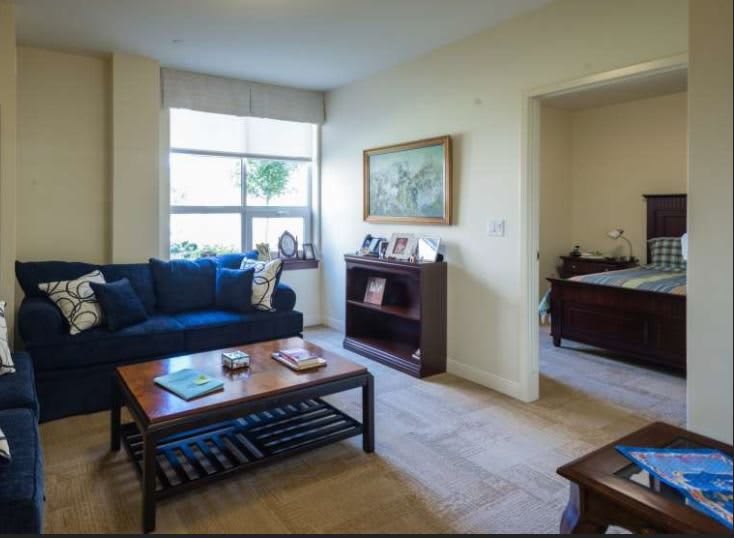
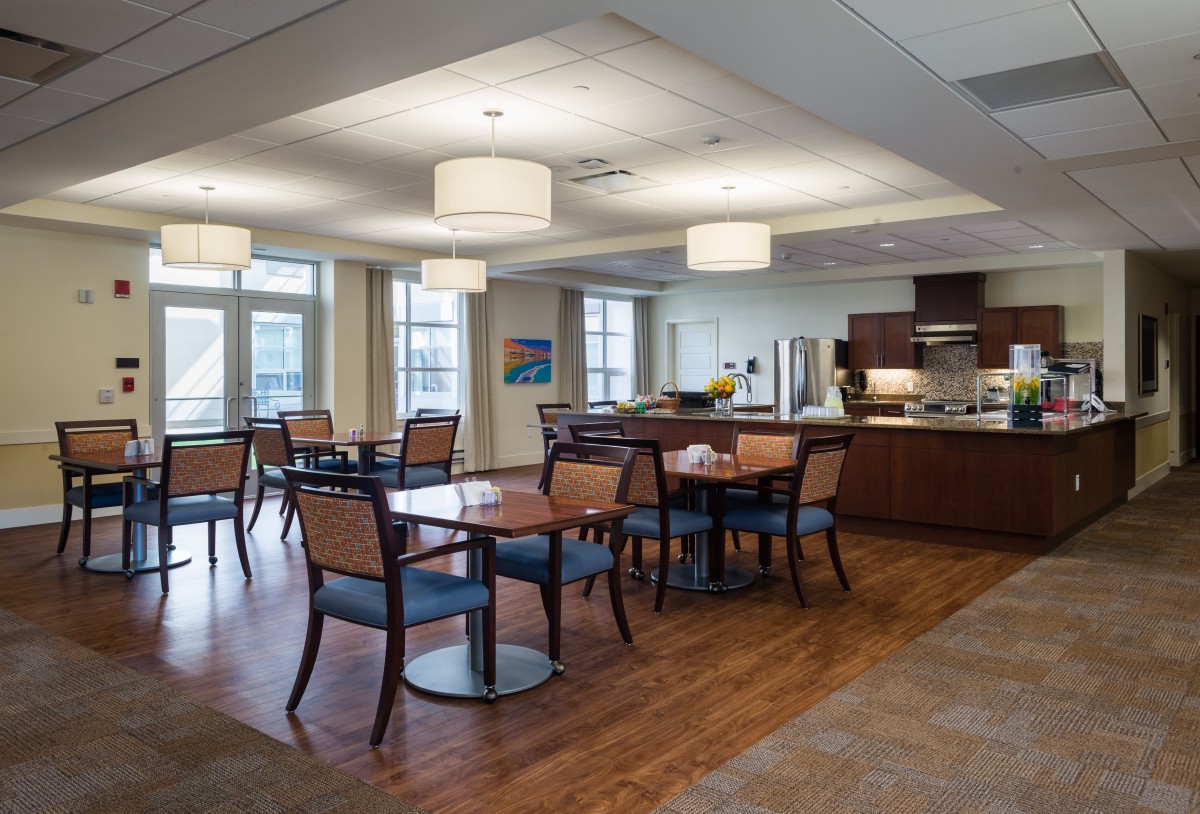
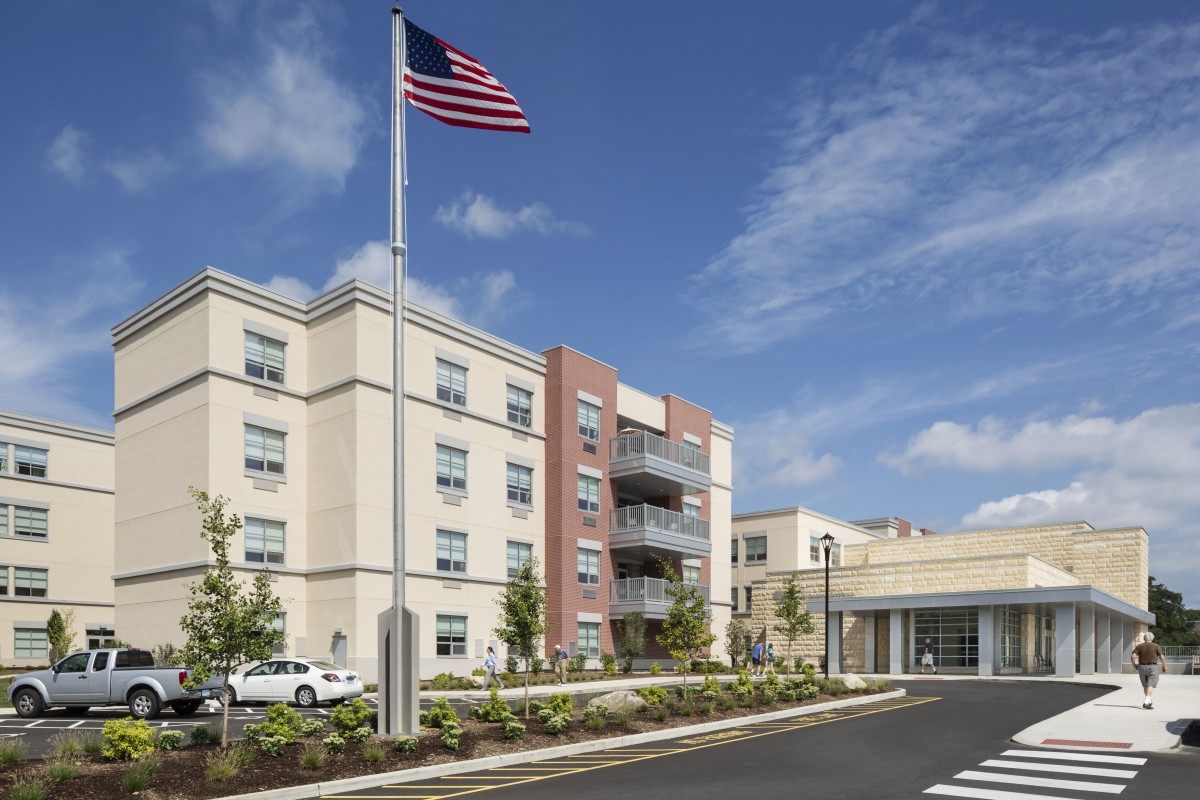
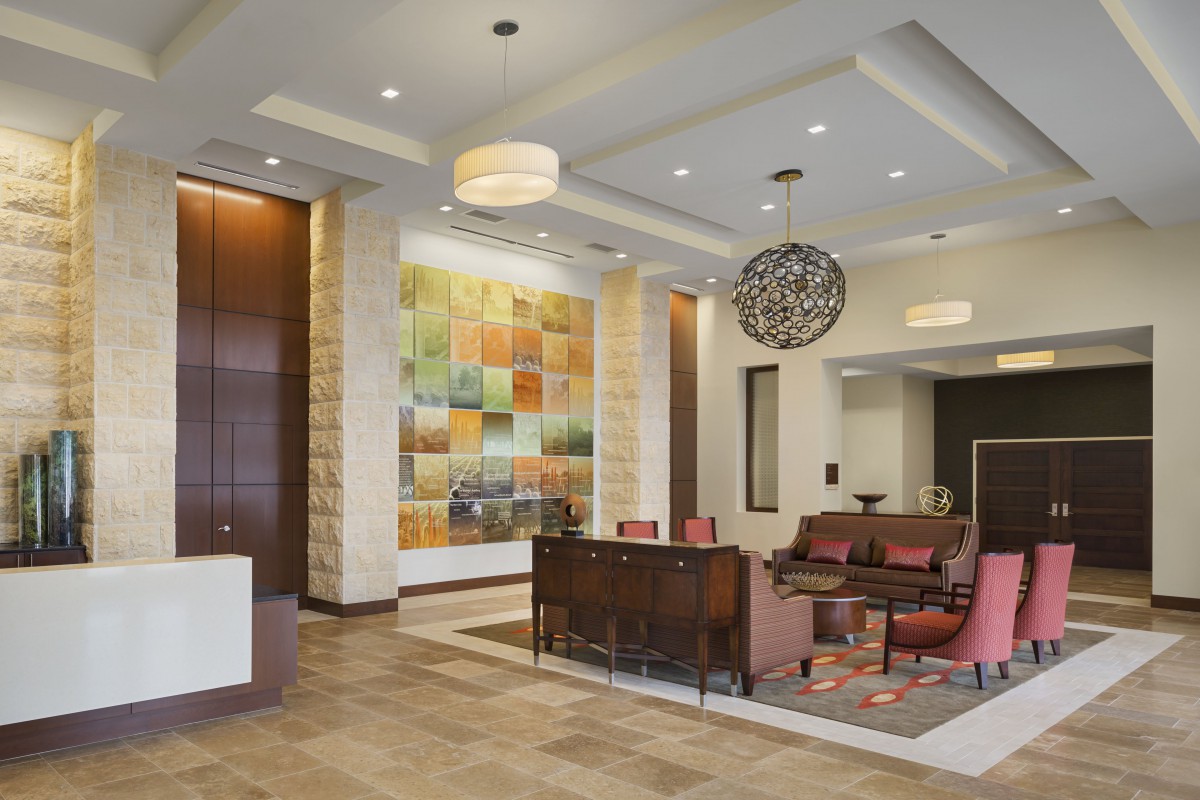
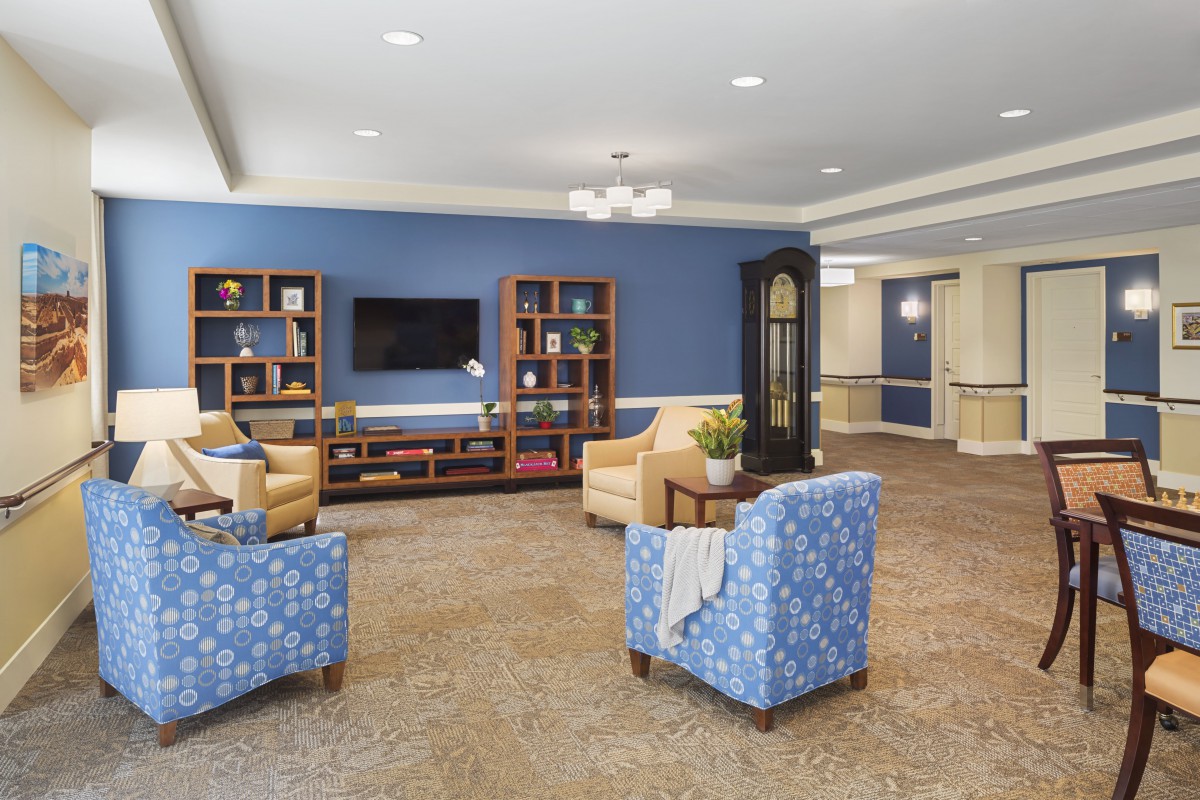
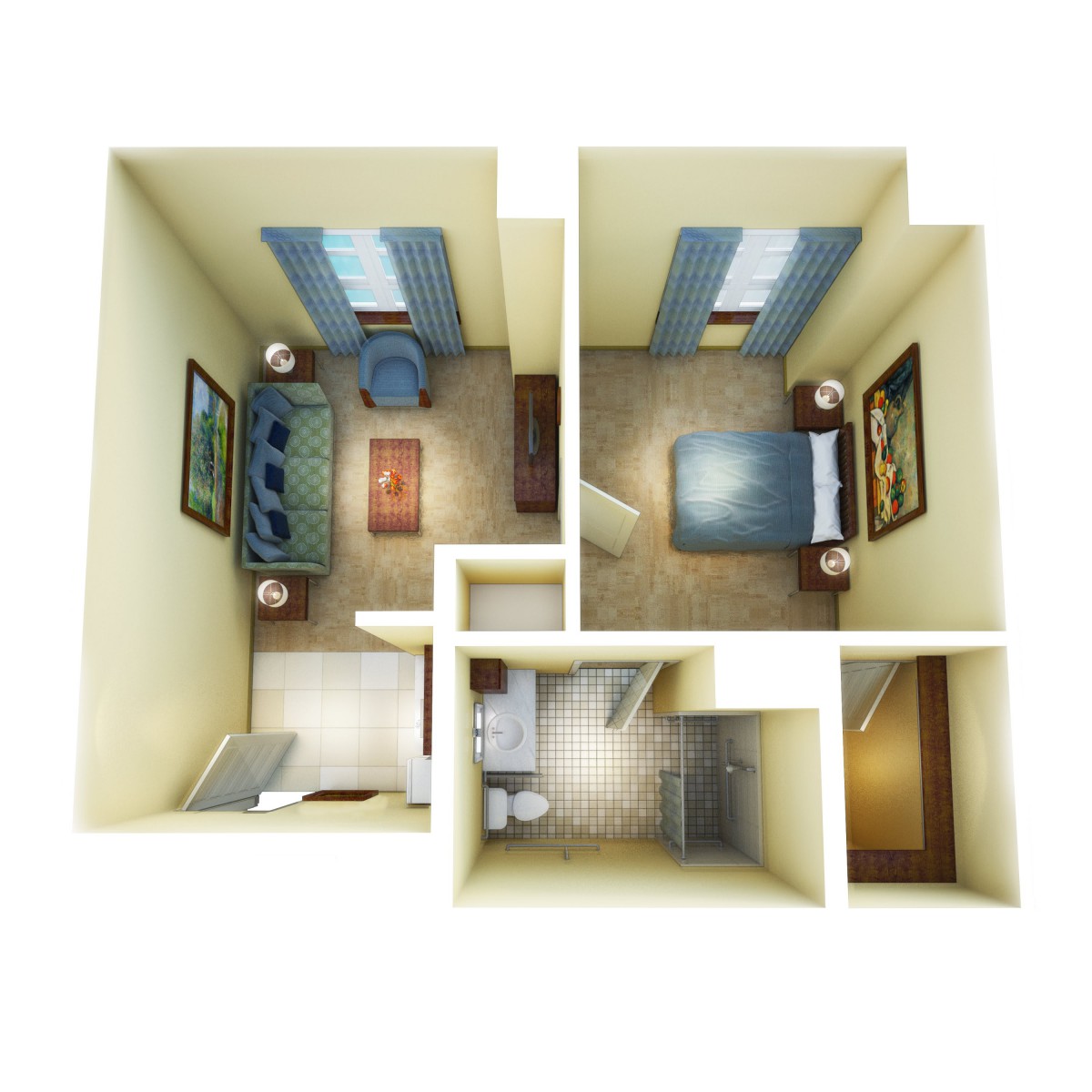
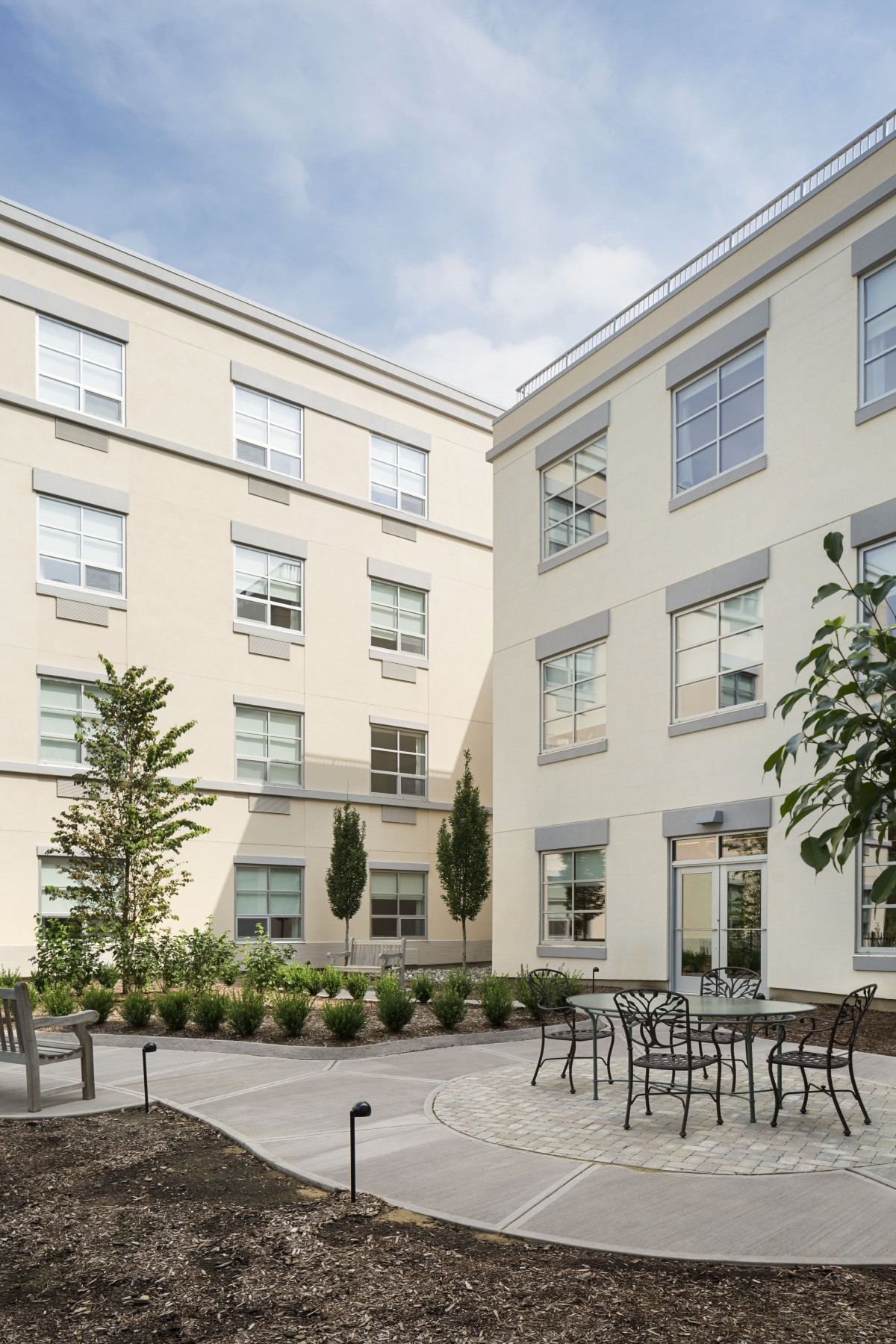
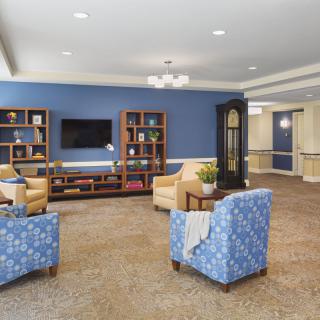
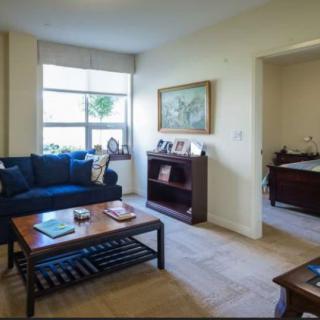
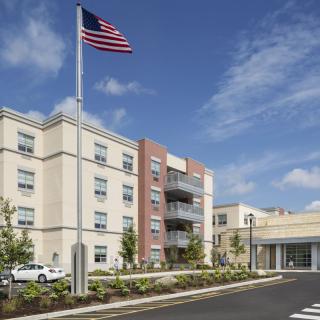
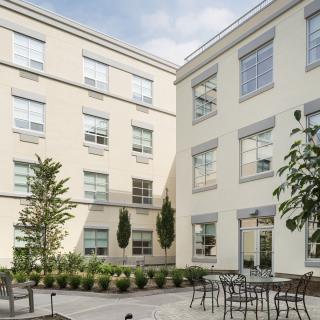
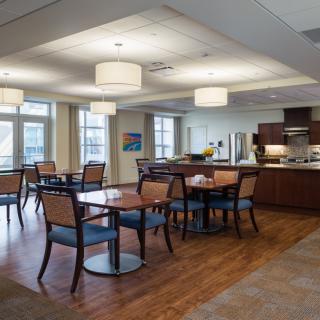
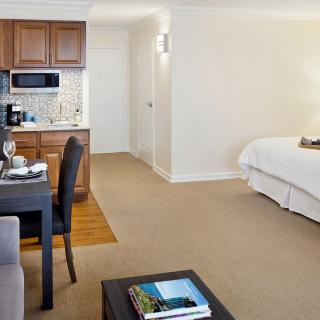
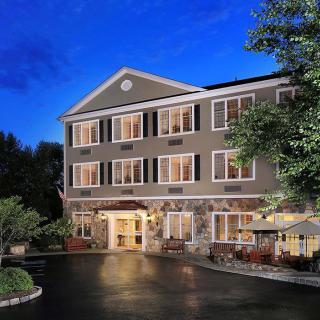
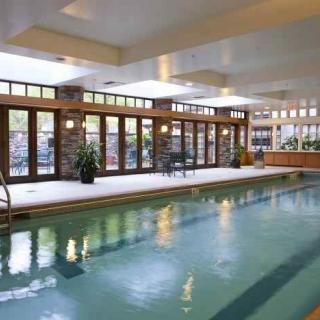
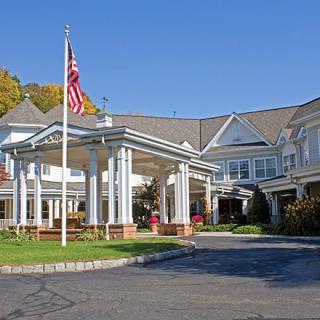
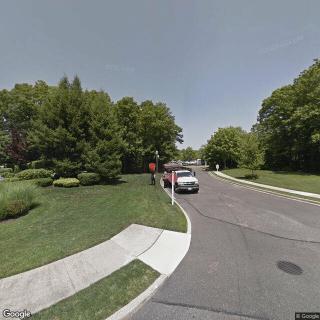
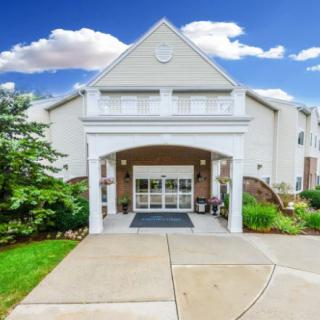
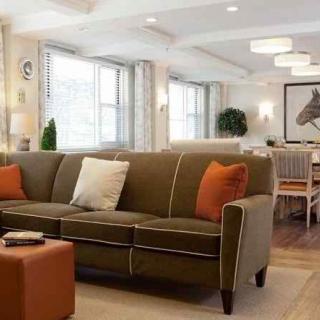
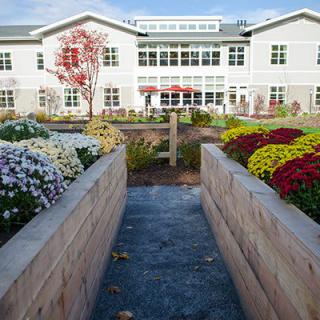
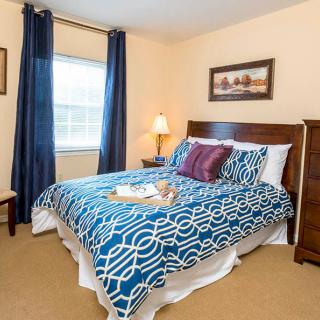
Jewish Senior Services on seniors.fyi includes 9 photos including images showing interior, decor, windows, building, artwork, living room, bookshelves, television, and more.
Nearby Communities
Seymour Hollander Housing
Bridgeport, CT
4.3 from 11 reviews
Extensive nearby amenities and healthcare options.
Cambridge Health And Rehabilitation Center - Fairfield
Fairfield, CT
4.3 from 128 reviews
$3,251 / month
Clean, well-maintained facility with attentive staff and solid therapy programs.
Cambridge Manor
Fairfield, CT
4 from 4 reviews
Polite, attentive staff and clean facilities.
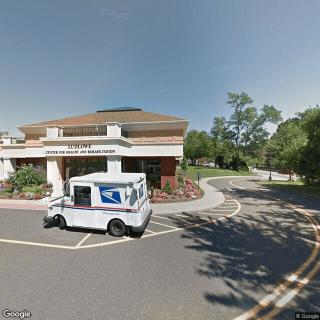
Ludlowe Center for Health and Rehabilitation
Fairfield, CT
4.6 from 130 reviews
$9,580 to $11,225 / month
Clean, homey environment with attentive staff and engaging rehab activities.
The Watermark At 3030 Park
Bridgeport, CT
4.6 from 150 reviews
$3,800 to $9,300 / month
Strong sense of community with friendly staff and varied activities.
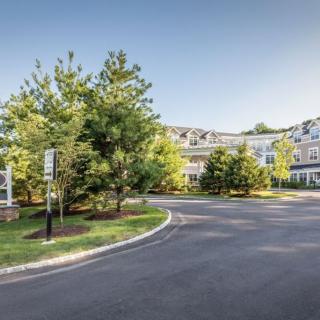
Sunrise of Fairfield
Fairfield, CT
4.6 from 39 reviews
$6,500 to $11,130 / month
Welcoming, well-maintained community with engaging activities and around-the-clock on-site nursing.
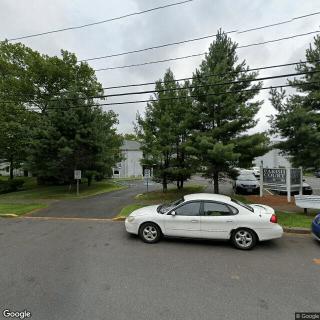
Parish Court
Fairfield, CT
1.5 from 4 reviews
$3,900 / month
Pricing below Fairfield County and CT averages.
Bridges by EPOCH at Trumbull
Trumbull, CT
4.5 from 88 reviews
$9,920 / month
Caring staff with engaging memory-care activities in a warm, homelike setting.
MiddleBrook Farms at Trumbull
Trumbull, CT
4.4 from 122 reviews
$3,800 to $5,450 / month
Kind, engaged staff in a clean, well-maintained community with robust activities and appealing dining.
Dementia encompasses progressive neurological disorders that impair cognitive functions and can lead to paranoia due to cognitive decline and emotional changes. The article discusses the triggers of paranoia in dementia, caregiver strategies for managing it, and the importance of distinguishing between dementia-related paranoia and other psychiatric conditions.
Memory care activities are essential for improving the quality of life of seniors with cognitive impairments, as they stimulate cognitive function, promote well-being, and encourage social interaction through tailored strategies. These activities combine structured exercises with spontaneous tasks, sensory engagement, physical workouts, creative pursuits, and intergenerational interactions to enhance emotional connection and a sense of purpose.
Transitioning from assisted living to memory care is driven by an individual's cognitive decline and specific needs, requiring careful evaluation of indicators like increased confusion and wandering. The process involves consulting medical professionals, researching suitable communities, considering financial and legal aspects, and ensuring effective communication for personalized care plans.
Get PricingAsk A QuestionSchedule A TourContact Senior Advisor
By clicking submit, you agree to our Partner's Terms of Use. You
also consent to receive calls and texts, which may be autodialed, from our Partner. Your consent is not a condition to
using our Partner's service. Please visit our Partner's Privacy Policy for information about their privacy practices.


 360 resident community capacity
 Assisted Living
 Memory Care
 Skilled Nursing Facility
 Activities on-site
 Air-conditioning
 Bath tubs
 Beautician on-site
 Cable or satellite TV
 Computer center
 Devotional services on-site
 Dining room
 Fitness room
 Fully furnished
 Gaming room
 Garden
 Handicap accessible
 Housekeeping services
 Indoor common areas
 Kitchenette
 Move-in coordination
 Outdoor common areas
 Private bathrooms
 Restaurant-style dining
 Small library
 Swimming pool / hot tub
 Telephone
 Wellness center
 Wheelchair accessible showers
 Wi-Fi/high-speed internet available
 Community operated transportation
 12-16 hour nursing
 24-hour call system
 Ambulatory care
 Assistance with bathing
 Assistance with dressing
 Assistance with transfers
 Diabetes diet
 Diabetic care
 High acuity care
 Incontinence care
 Medication management
 Mental wellness program
 Special dietary restrictions
 Art classes
 Catholic services
 Concierge services
 Educational speakers / life long learning
 Happy hour
 Jewish services
 Live dance or theater performances
 Live musical performances
 Planned day trips
 Extensive nearby amenities and healthcare options.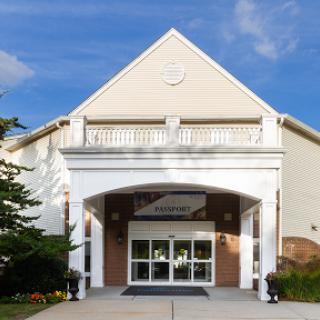
 Dementia, Paranoia, and Caregiver Guidance: Understanding the Connection
 Engaging Memory Care Activities That Enhance Quality of Life
 When to Transition from Assisted Living to Memory Care: Key Indicators, Steps, and Finding the Right Community