
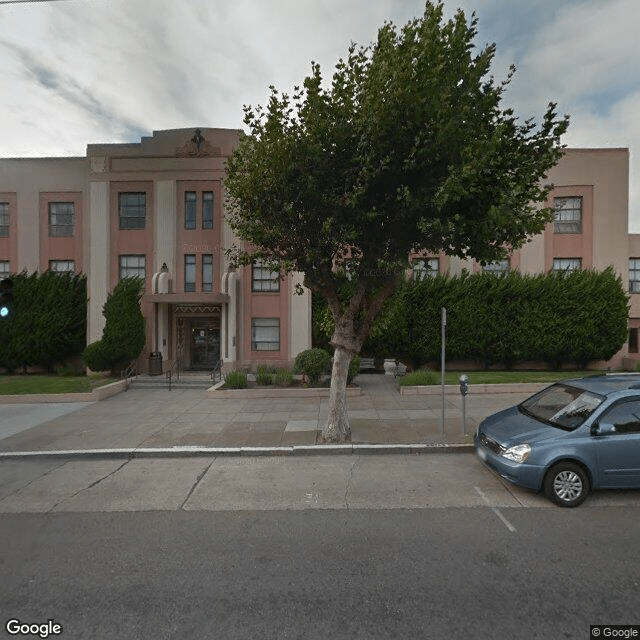
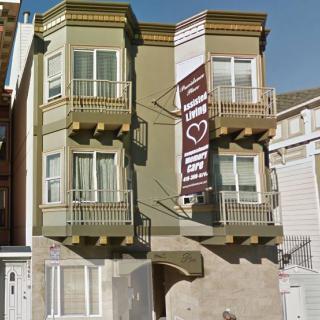
3698 California St., San Francisco, CA 94118
To contact a resident: (415) 600-6392
For more information about senior living options: (866) 208-4318
Irene Swindell’s Alzheimer’s Residential Care Costs & Pricing
Irene Swindell's Alzheimer's Residential Care offers a supportive environment for individuals with Alzheimer's, reflected in its pricing structure. The cost for a semi-private room is $5,490 per month, which is notably higher than the county average of $3,979 and the state average of $3,333. In terms of studio accommodations, residents can expect to pay $7,620 monthly - slightly below San Francisco County's average of $7,708 but significantly above California's average of $4,145. These figures indicate that while Irene Swindell's facility may be positioned at a premium price point compared to other options in the county and state, this investment likely reflects enhanced care services and specialized support tailored to meet the unique needs of residents with Alzheimer's disease.
| Floor plans | Irene Swindell’s Alzheimer’s Residential Care | San Francisco County | California |
|---|---|---|---|
| Semi-Private | $5,490 | $3,979 | $3,333 |
| Studio | $7,620 | $7,708 | $4,145 |
Memory care communities with a similar price nearby
-
from -$490 / mo
Blessing Home
$5,000 to $6,000 / month21.6 miles away -
About the same
Carnelian III
$5,500 / month22.0 miles away -
from -$990 / mo
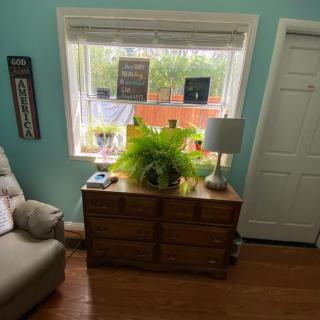
Lafayette Gardens
$4,500 to $5,000 / month19.8 miles away -
from -$390 / mo
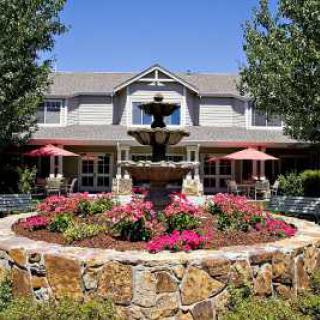
Aegis of Moraga
$5,100 to $6,150 / month18.0 miles away -
from +$210 / mo
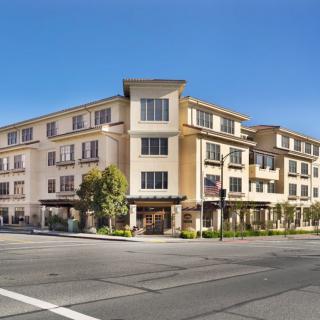
Sunrise of Burlingame
$5,700 to $9,000 / month13.9 miles away
Overall Review of Irene Swindell’s Alzheimer’s Residential Care
Pros
 The hall is wide and quiet, giving an un-busy feel.
- The space is accessible and offers ample seating.
- The overall impression is positive, with a good feel.
Cons
 Her mom wouldn't like the outdoor area here as much if it were sunny and not windy.
Review
Irene Swindell’s Alzheimer’s Residential Care in San Francisco is best suited for residents who thrive in a calm, orderly environment with straightforward navigation. The hallways are wide, the spaces feel quiet and un-busy, and the interior layout supports easy movement for mobility aids and reduced risk of confusion. For families prioritizing a low-stimulation setting where a resident can move around with confidence, this community offers a practical sanctuary: predictable rhythms, accessible design, and plentiful seating for rest, visiting family, or quiet moments during the day.
Caregivers and families who want more than a quiet interior should consider alternatives. The limited public-facing impressions suggest a facility that trades high-energy programming and abundant outdoor amenities for a tranquil footprint. If outdoor time, visually engaging common areas, or more active social opportunities matter, especially for someone who benefits from regular, varied stimulation, this site may fall short. With only two reviews spanning mid-range sentiments, there is enough uncertainty to justify a cautious, comparative approach rather than a quick commitment.
The strongest positives, the wide hallways, the sense of quiet, and the abundant seating, do not exist in isolation. They materially offset the potential downsides by promoting safety, reducing agitation, and supporting independent mobility. A resident who wanders or needs frequent repositioning can navigate confidently, aided by ample rest spots and accessible maneuvering space. For families, these interior assets translate into predictable outings, easier supervision, and less daily strain, especially during transitions between activities or rooms. In short, the interior design and atmosphere work in favor of comfort and stability.
Yet the main drawback surfaces in the outdoor experience. The outdoor area, though present, may not be compelling in windy or sunny conditions, limiting opportunities for outdoor enjoyment or sensory engagement. San Francisco weather can render outdoor spaces less usable, which matters when families weigh how much value is placed on al fresco time, sun exposure, or garden-based activities for individuals with memory impairment. If outdoor enrichment or weather-friendly, engaging exterior spaces are a priority, this limitation becomes a meaningful factor in the decision.
From a decision-making standpoint, this community appears to serve a niche: calm, predictable days inside an accessible footprint. It will appeal to families prioritizing safety and ease over bustle and drama, and to residents who feel overwhelmed by more active settings. However, those seeking vibrant programming, frequent social events, or robust outdoor amenities should explicitly compare multiple options. A practical next step is to request a detailed itinerary of a typical day, including meal routines, activities, and how staff support memory-care needs. In addition, ask about staff-to-resident ratios, individualized care plans, and any opportunities for trial visits to gauge fit in real-time.
Ultimately, Irene Swindell’s Alzheimer’s Residential Care should be viewed as a pragmatic choice for a particular profile: a resident who values quiet, accessible interiors and comfortable seating above high-energy programming or inviting outdoor space. It is not a universal fit for families chasing a bustling environment or expansive outdoor appeal. For those comfortable with a serene, orderly setting and willing to prioritize interior calm over outdoor variety, this facility warrants a serious look. For others, use it as a baseline comparator while exploring options that deliver stronger outdoor amenities, richer activity calendars, and more dynamic memory-care programming.
 Memory Care
 Activities off-site
 Beautician on-site
 Devotional services on-site
 Indoor common areas
 Outdoor common areas
 Wheelchair accessible showers
 San Francisco International (12 miles away)
 Ambulatory care
 Diabetic care
 Incontinence care
 Meals provided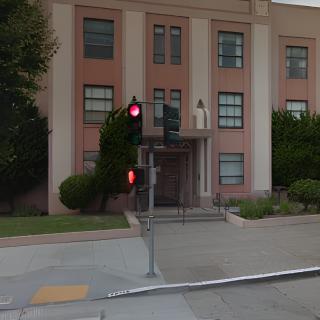

 Five Subtle Dementia Indicators to Observe: An In-Depth Guide to Understanding “Does My Mom Have Dementia?”
 Dementia, Paranoia, and Caregiver Guidance: Understanding the Connection
 Engaging Memory Care Activities That Enhance Quality of Life