Providence Place in San Francisco, CA

Save

  • Building

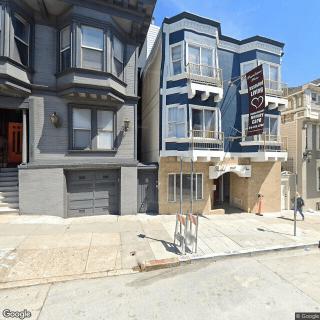
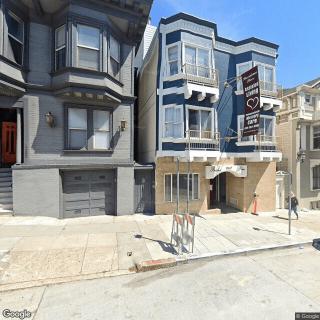
    A multi-story apartment building with a prominent banner hanging on its facade, featuring several windows and balconies in an urban setting.
  • Architecture

    A street view of a building with a sign for assisted living and a community cafe.
  • Dining

    A city building with a banner advertising a senior living community and cafe.
  • Entrance

    Entrance to a building with decorative signage.
  • Outdoor

    A joyful family gathering outdoors during autumn, with everyone smiling for the photo.
  • Balcony

    Urban street view with buildings and parked cars.
  • Urban

    A street view of colorful residential buildings in a city with a clear blue sky.

Providence Place in San Francisco, CA

2456 Geary Boulevard, San Francisco, CA 94115

For more information about senior living options: (844) 490-3973

4.4 from 46 reviews
5 stars
30
4 stars
9
3 stars
5
2 stars
0
1 stars
2

Assisted Living Memory Care Respite Care

Providence Place Costs & Pricing

Providence Place stands out with its pricing structure, particularly when compared to both San Francisco County and the broader California landscape. For a semi-private room, residents can expect to pay $7,600 per month, which is significantly higher than the county's average of $3,979 and the state average of $3,333. The cost escalates further for studio accommodations, where Providence Place charges $15,200 monthly - more than double the county's average of $7,708 and substantially above California's average of $4,145. This positioning suggests that Providence Place may offer specialized services or amenities that justify these elevated costs, catering to a demographic seeking premium care in a desirable location.

Floor plansProvidence PlaceSan Francisco CountyCalifornia
Semi-Private$7,600$3,979$3,333
Studio$15,200$7,708$4,145

What level of care are you interested in?

Assisted Living

Memory Care

Independent Living

Skilled Nursing Facility

Continuing Care Retirement Community (CCRC)CCRC

Other


Request a tour at Providence Place

    Overall Review of Providence Place

    Pros

    • pro Providence Place is a wonderful facility that takes great care of residents.
    • pro Catherine and her staff are caring, compassionate, attentive, and friendly, delivering the utmost care.
    • pro Families receive daily updates, photos, and videos, and residents participate happily in activities.
    • pro Providence Place has brought out the best in residents, making them active, smiling, and happy.
    • pro It is a small facility focused on excellent, consistent care with low staff turnover.
    • pro Pia and Saul are outstanding caregivers - loving, respectful, caring, patient, and kind; Catherine is on top of every resident's needs.
    • pro The meals are high-quality, tasty, and varied; vegetarian options are well accommodated, with a resident cook.
    • pro The facility provides daily bathing and personal care, which supports residents' well-being.
    • pro The staff are organized and proactive about safety, with clear, upfront pricing.
    • pro Daily communication with families via photos/videos and timely updates; emergencies are promptly addressed.
    • pro The care is all-inclusive, with staff accompanying residents to medical appointments; the environment is home-like, clean, and safe.

    Cons

    • pro A reviewer described Galina at the center as awful.
    • pro They said Providence Place is not as glamorous as other places they visited.
    • pro They noted the facility is small and on a very busy street for someone as active physically as he still is.
    • pro Parking can be a challenge.
    • pro There aren't a lot of activities.
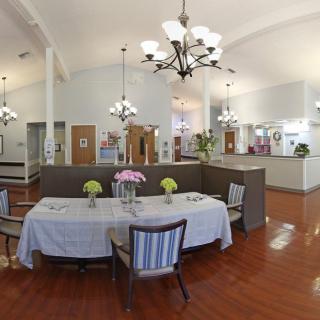
    • pro The dining area looked outdated.

    Review

    Providence Place is best suited for families seeking a small, home-like memory-care setting where dementia care is the core and the emphasis is on steady, personal attention from a consistently trained staff. The community thrives when residents need substantial daily support, including help with activities of daily living, medication management, and behavior stabilization, all delivered in a warm, intimate environment. It works particularly well for late-stage dementia or significant cognitive impairment, where families want frequent, clear updates, direct contact with caregivers, and a plan that feels proactive rather than reactive. The combination of a high caregiver-to-resident ratio, an on-site wellness director, and regular family communication makes Providence Place a reliable anchor for families prioritizing stability, familiarity, and daily human connection.

    For families weighing alternatives, the clear caveat is that Providence Place may not be the best fit for those seeking a large campus with abundant social events, abundant private rooms, or a bustling, resort-like atmosphere. Some reviewers point to a more modest footprint and limited private-rooms availability, which can matter for couples or residents who strongly prefer personal space. Parking and street noise on a busy San Francisco corridor are practical realities that can matter for visitors, and the garden access can feel less convenient when the layout requires passage through a bedroom. For those prioritizing a broader social calendar, more extensive amenities, or cheaper entry points, larger corporate communities or facilities with bigger campuses may present a better fit.

    The strongest pros at Providence Place - its devoted staff, transparent pricing, and homey ethos - are the levers that offset the main drawbacks for most families. caregivers are described as loving, patient, and consistently present, yielding meaningful relationships and quicker recognition of subtle health or mood changes. Daily photos and videos keep families engaged, while the care team's hands-on approach includes 24/7 availability of Catherine, the manager, and a close-knit, long-tenured crew. In tandem with nutritious, freshly prepared meals and a calendar woven with music, light therapy, and gentle exercise, the facility creates an environment where residents often show improved mood, more participation, and a calmer, more engaged daily rhythm. This cohesion reduces family anxiety and justifies the all-inclusive pricing that many reviewers praise for its clarity and fairness.

    Memory-care programming at Providence Place stands out for its specificity and responsiveness. The staff focus on calming anxieties, maintaining engagement through activities that align with memory-impaired residents, and providing therapies that support mobility and cognition. The ratio of caregivers to residents allows for more individualized attention, including one-on-one interaction and consistent routines. Families consistently highlight the ability to accompany residents to medical appointments, receive timely updates, and rely on Catherine to navigate hospital transitions when needed. The combination of in-house therapies, a chef-driven kitchen, and a structure that feels more home than hospital translates into tangible quality of life gains for many residents.

    That said, some cons require consideration in the decision process. The intimate size, while a strength, can limit room options and the breadth of on-site activities, especially for residents who crave greater variety or more private accommodations. Parking on a busy street, ambient street noise, and the somewhat compact garden access may affect daily enjoyment for visitors and residents alike. For couples or individuals who require private rooms, Providence Place's capacity is a constraint, and costs can rise as dementia care needs intensify. Weighing these realities against the consistent care, the home-like atmosphere, and the clear family partnerships is essential when the decision hinges on either continued intimate care or a preference for a more expansive setting.

    In practical terms, families evaluating Providence Place should frame the decision around three questions: How important is a highly personalized, family-facing approach with frequent video updates and direct staff communication? Does the loved one's care trajectory require a small, easily navigable environment with steady staff who know the resident well, or is a larger campus with broader activity options and more private- room choices preferable? Finally, can parking, street noise, and garden accessibility be managed without compromising the sense of home and security that Providence Place delivers? Visiting with Catherine and several frontline caregivers, reviewing sample menus, and observing activity routines can reveal whether the pace, tone, and care philosophy align with the loved one's specific needs. For the right family, Providence Place represents a trustworthy, capable, and genuinely compassionate path forward.

    Features

    Housing

    • 34 resident community capacity 34 resident community capacity

    Types of Care

    • Assisted Living Assisted LivingAssisted living facilities provide crucial support and care for seniors who may need help with daily tasks such as medication management, bathing, and meal preparation. These communities offer a safe and comfortable environment where seniors can maintain their independence while receiving the assistance they need to thrive in their golden years.
    • Memory Care Memory CareMemory care is crucial for seniors as it provides specialized support and services for individuals with dementia or Alzheimer's disease. These programs offer a safe and secure environment where residents receive personalized care, cognitive stimulation, and help with daily activities. Memory care helps seniors maintain their independence, quality of life, and dignity while also providing peace of mind for their families.
    • Respite Care Respite CareRespite care provides temporary relief for caregivers, allowing them to recharge and attend to their own needs. It also gives seniors the opportunity to socialize, receive professional care, and experience a change of scenery, promoting overall well-being and reducing feelings of isolation.

    Amenities

    • Activities on-site Activities on-siteActivities on-site are important for seniors because they provide opportunities for socialization, mental stimulation, physical activity, and overall well-being. Engaging in activities can help seniors stay active, maintain their independence, and improve their quality of life.
    • Beautician on-site Beautician on-siteHaving a beautician on-site at a senior living community is important for seniors as it allows them to easily access grooming and personal care services, boosting their self-esteem and overall well-being. It also provides convenience and helps seniors maintain their sense of independence and personal style.
    • Beauty salon Beauty salonBeauty salons are important for seniors because they provide a space for them to feel pampered, socialize, and maintain their personal grooming and hygiene. Regular visits to a beauty salon can help boost seniors' self-esteem and overall well-being.
    • Cable or satellite TV Cable or satellite TVCable or satellite TV is important for seniors because it provides entertainment, news, and companionship, helping to combat loneliness and boredom. It also offers a wide range of programming options tailored to different interests and preferences.
    • Dining room Dining roomDining rooms are important for seniors as they provide a space for socialization, connection, and nutritious meals. They offer opportunities for residents to bond over shared meals, foster a sense of community, and promote healthy eating habits. Dining rooms also ensure that seniors have access to well-balanced meals tailored to their dietary needs and preferences.
    • Fully furnished Fully furnishedFully furnished senior living communities are important for seniors because they provide convenience, comfort, and a hassle-free moving experience. Seniors can easily settle into their new living space without the stress of having to buy and move furniture. This allows them to focus on enjoying their new home and community.
    • Garden GardenGardens are important for seniors as they provide a peaceful and therapeutic environment for relaxation, physical activity, and socialization. Being in nature has been shown to reduce stress, improve mood, and promote overall well-being. Gardens also offer opportunities for seniors to engage in gardening activities, which can improve mobility, flexibility, and cognitive function. Additionally, gardens create a sense of community and connection with others who share a passion for plants and outdoor spaces.
    • Guasts at mealtime Guasts at mealtime"Guests at mealtime" offer seniors the opportunity for social interaction, companionship, and a sense of community during meals, which can help combat feelings of loneliness and isolation commonly experienced in senior living environments. It can also enhance their overall dining experience and improve their mental and emotional well-being.
    • Housekeeping services Housekeeping servicesHousekeeping services are important for seniors because they help maintain a clean and safe living environment, promote independence, and reduce the risk of accidents or illnesses. Additionally, having assistance with household chores can alleviate physical strain and allow seniors to focus on other aspects of their well-being.
    • Indoor common areas Indoor common areasIndoor common areas are crucial for seniors as they provide a space for socialization, recreation, and community engagement, promoting overall well-being and reducing feelings of isolation and loneliness.
    • Kitchenette KitchenetteKitchenettes are important for seniors living in senior living communities because they provide the convenience and independence of being able to prepare simple meals and snacks in the comfort of their own living space. This can help promote a sense of autonomy and well-being for seniors, allowing them to maintain some level of control over their dietary choices and daily routines.
    • Move-in coordination Move-in coordinationMove-in coordination is important for seniors because it helps ease the transition into their new living environment. It ensures that all logistics, such as packing, organizing movers, and setting up utilities are taken care of, allowing seniors to focus on settling in and adjusting to their new home. Having a smooth move-in process can alleviate stress and anxiety, making the transition smoother and more enjoyable for seniors.
    • Outdoor common areas Outdoor common areasOutdoor common areas are important for seniors as they provide a space for socialization, physical activity, and relaxation. Being outside in nature can improve mood and overall well-being, while also encouraging movement and engagement with others. These spaces can help combat feelings of isolation and promote a sense of community among residents.
    • Outdoor space Outdoor spaceOutdoor spaces are important for seniors as they provide opportunities for physical activity, social interaction, exposure to natural light and fresh air, and a sense of connection to nature. Having access to outdoor spaces can improve overall well-being and quality of life for older adults living in senior communities.
    • Respite or short term stays offered Respite or short term stays offeredRespite or short term stays provide seniors with a temporary solution when their regular caregiver is unavailable, offering them the opportunity to receive additional care and support during times of need, while also giving caregivers a chance to rest and recharge.
    • Restaurant-style dining Restaurant-style diningRestaurant-style dining is important for seniors because it allows them to enjoy delicious, nutritious meals in a social and upscale setting. This enhances their dining experience, promotes healthy eating habits, and fosters socialization with fellow residents, ultimately contributing to their overall well-being and quality of life.
    • Small library Small librarySmall libraries are important for seniors as they provide access to a variety of reading materials, including books, newspapers, and magazines. This can help stimulate their minds, keep them engaged, and provide a sense of community through book clubs and other social activities. Additionally, reading has been shown to improve cognitive function and overall mental well-being in older adults.
    • Telephone TelephoneTelephones are important for seniors as they provide a lifeline for communication with loved ones, emergency services, and healthcare providers. They offer a sense of security and independence, enabling seniors to stay connected and access assistance when needed.
    • Wheelchair accessible showers Wheelchair accessible showersWheelchair accessible showers are crucial for seniors as they provide a safe and independent bathing option for those with mobility challenges. These showers help prevent falls and allow seniors to maintain their dignity and autonomy while ensuring they can bathe comfortably.
    • Wi-Fi/high-speed internet available Wi-Fi/high-speed internet availableWi-Fi/high-speed internet is important for seniors to stay connected with loved ones, access online resources, and participate in virtual activities to combat feelings of loneliness and isolation. It also allows them to easily manage healthcare needs, access entertainment, and engage in lifelong learning opportunities.

    Transportation

    • San Francisco International (12 miles away) San Francisco International (12 miles away)
    • Metropolitan Oakland International (13 miles away) Metropolitan Oakland International (13 miles away)

    Care Services

    • 24-hour call system 24-hour call system24-hour call systems are important for seniors because they provide peace of mind and immediate assistance in case of emergencies. This technology ensures that help is always available, promoting safety and security for elderly individuals living alone or in assisted living facilities.
    • 24-hour supervision 24-hour supervision24-hour supervision is important for seniors to ensure their safety, well-being, and access to immediate assistance in case of emergencies or health issues. This constant support provides peace of mind for both seniors and their loved ones, allowing them to age in place with dignity and security.
    • Activities of daily living assistance Activities of daily living assistanceActivities of daily living assistance are important for seniors because they provide essential support with tasks such as eating, bathing, dressing, and mobility. This assistance helps seniors maintain their independence, dignity, and overall quality of life as they age.
    • Assistance with bathing Assistance with bathingAssistance with bathing is crucial for seniors as it helps maintain personal hygiene, prevents infections, and ensures their overall well-being and comfort. It also provides a sense of dignity and independence for seniors who may struggle with this task on their own.
    • Assistance with dressing Assistance with dressingAssistance with dressing is important for seniors because it helps maintain their independence, promotes personal hygiene, prevents accidents and injuries, and improves overall quality of life. This service ensures that seniors can continue to dress comfortably and confidently, despite any physical limitations they may have.
    • Assistance with transfers Assistance with transfersAssistance with transfers is crucial for seniors as it helps prevent falls and injuries, maintains their independence, and ensures they can safely navigate their living environment. It also provides peace of mind for both seniors and their loved ones.
    • Diabetes diet Diabetes dietA diabetes diet is crucial for seniors as it helps manage blood sugar levels, reduce risks of complications, and improve overall health and well-being. By following a balanced and nutritious diet tailored to their specific needs, seniors can better control their diabetes and enhance their quality of life.
    • Diabetic care Diabetic careDiabetic care is crucial for seniors as they are more susceptible to developing diabetes due to aging and other health conditions. Proper management of diabetes can help prevent complications such as heart disease, vision loss, and nerve damage, improving the overall quality of life for seniors in senior living communities.
    • High acuity care High acuity careHigh acuity care is important for seniors because it provides specialized medical attention and support for individuals with complex medical needs. This level of care ensures that seniors receive the appropriate treatment and assistance to maintain their health and quality of life as they age.
    • Incontinence care Incontinence careIncontinence care is essential for seniors to maintain their dignity, hygiene, and overall quality of life. By addressing incontinence issues promptly and effectively, seniors can enjoy a sense of independence and comfort in their daily activities.
    • Meal preparation and service Meal preparation and serviceMeal preparation and service are crucial for seniors as they may have limited mobility or energy to cook nutritious meals. Having access to healthy and convenient food options can ensure they are getting the proper nutrition needed to maintain their overall health and well-being.
    • Medication management Medication managementMedication management is crucial for seniors to ensure they are taking the right medications at the correct dosages and times. This helps prevent adverse drug interactions, reduces the risk of medication errors, and promotes overall health and well-being. Proactive management also allows for adjustments as needed based on changing health conditions or new prescriptions.
    • Mental wellness program Mental wellness programMental wellness programs are essential for seniors as they promote cognitive stimulation, emotional support, and social engagement. These programs help prevent isolation, depression, and cognitive decline, ultimately enhancing the overall quality of life for older adults.
    • Mild cognitive impairment Mild cognitive impairment"Mild cognitive impairment" is important for seniors because it is an early stage of cognitive decline that can potentially progress to more severe conditions such as dementia. Recognizing and addressing mild cognitive impairment can help seniors receive appropriate care and support to maintain their quality of life and independence for as long as possible.
    • Physical therapy Physical therapyPhysical therapy is essential for seniors to maintain and improve their mobility, strength, and overall quality of life. It helps reduce pain, prevent falls, and enhance independence in daily activities. By promoting movement and function, physical therapy can help seniors stay active, healthy, and engaged in their communities.
    • Special dietary restrictions Special dietary restrictionsSpecial dietary restrictions are important for seniors because age-related changes in metabolism and health conditions can make it difficult for their bodies to process certain foods. By following a diet tailored to their specific needs, seniors can maintain their overall health and well-being, manage chronic conditions, and reduce the risk of complications such as malnutrition or food interactions with medications.
    • Specialized memory care programming Specialized memory care programmingSpecialized memory care programming is crucial for seniors with cognitive impairments such as dementia or Alzheimer's disease. These programs provide a safe and supportive environment tailored to the unique needs of individuals with memory loss, helping them maintain their independence, dignity, and quality of life.

    Dining

    • Diabetes diet Diabetes dietA diabetes diet is crucial for seniors as it helps manage blood sugar levels, reduce risks of complications, and improve overall health and well-being. By following a balanced and nutritious diet tailored to their specific needs, seniors can better control their diabetes and enhance their quality of life.
    • Meals provided Meals provided"Meals provided" are crucial for seniors in assisted living communities as it ensures they have access to nutritious, balanced meals without the stress of meal planning and preparation. This can help promote overall health and well-being for seniors who may have limited mobility or cognitive abilities.
    • Special dietary restrictions Special dietary restrictionsSpecial dietary restrictions are important for seniors because age-related changes in metabolism and health conditions can make it difficult for their bodies to process certain foods. By following a diet tailored to their specific needs, seniors can maintain their overall health and well-being, manage chronic conditions, and reduce the risk of complications such as malnutrition or food interactions with medications.
    • Vegetarian VegetarianA vegetarian diet is important for seniors because it can help lower the risk of chronic diseases, maintain a healthy weight, and provide essential nutrients needed for aging bodies. Additionally, plant-based diets are often easier on digestive systems and can contribute to overall well-being in older adults.

    Activities

    • Activities on-site Activities on-siteActivities on-site are important for seniors because they provide opportunities for socialization, mental stimulation, physical activity, and overall well-being. Engaging in activities can help seniors stay active, maintain their independence, and improve their quality of life.
    • Community-sponsored activities Community-sponsored activitiesCommunity-sponsored activities are important for seniors as they provide opportunities for social interaction, mental stimulation, and physical activity. These activities can help improve overall well-being, combat loneliness and isolation, and promote a sense of belonging and purpose among older adults.
    • Resident-run activities Resident-run activitiesResident-run activities are important for seniors as they encourage social interaction, creativity, and a sense of autonomy. These activities empower seniors to stay engaged and active in their community while fostering meaningful connections with their peers.
    • Scheduled daily activities Scheduled daily activitiesScheduled daily activities are important for seniors because they provide structure, socialization, mental stimulation, and physical activity. Engaging in regular activities can improve overall well-being and quality of life for seniors living in a community setting.

    Description

    Providence Place is an assisted living community located in the heart of San Francisco, CA. We specialize in providing exceptional care and support for individuals with memory loss, as well as offering respite care services. Our community offers a wide range of amenities to ensure that our residents feel comfortable and enjoy their time with us.

    At Providence Place, we understand the importance of maintaining a high standard of living. That's why we provide a beautician on-site and have a beauty salon available for our residents to utilize. Our cable or satellite TV service allows residents to relax and watch their favorite shows in their fully furnished rooms.

    We take pride in our dining facilities, as we believe that great meals are an integral part of any senior's daily routine. Our dining room offers restaurant-style dining experiences, serving delicious meals prepared by our skilled chefs. Special dietary restrictions are taken into consideration, including vegetarian options.

    Our community provides numerous common areas both indoors and outdoors, allowing residents to socialize and engage in activities they enjoy. For those who prefer some alone time, we have small libraries where they can find solace with a good book or connect with loved ones via telephone or high-speed internet access throughout the facility.

    The well-being of our residents is our top priority, which is why we offer 24-hour supervision and assistance with activities of daily living such as bathing, dressing, and transfers. Our dedicated staff also specializes in providing diabetes care, medication management, incontinence care, physical therapy, and mental wellness programs tailored to each individual's needs.

    Providence Place ensures that there are plenty of opportunities for engagement within the community through both resident-run activities and community-sponsored events. There are also scheduled daily activities to keep our residents entertained and fulfilled.

    In addition to our outstanding amenities and care services, Providence Place boasts its prime location near cafes, parks, pharmacies, physicians' offices, restaurants - all easily accessible thanks to nearby transportation options. And for added peace of mind, there is a hospital conveniently located nearby.

    At Providence Place, we strive to provide a warm and supportive environment that fosters independence, happiness, and overall well-being. Come join our community and experience the highest quality of assisted living in San Francisco.

    Nearby Places of Interest

    This part of San Francisco, California, offers a variety of amenities that cater to the needs of seniors. There are several pharmacies conveniently located within close proximity for easy access to medications and health supplies. Additionally, a selection of cafes provides opportunities for socializing and enjoying coffee or a light meal. The presence of numerous parks offers green spaces for outdoor activities and relaxation. For entertainment, there are theaters nearby for movie screenings and cultural experiences. A range of dining options is available, including bakeries and restaurants offering diverse cuisines. Medical services such as physicians' offices and hospitals are easily accessible in the area. Overall, this neighborhood provides a well-rounded living environment with convenient access to essential services and recreational opportunities for seniors looking to settle in San Francisco.

    Pharmacies

    • Kaiser Permanente Main Pharmacy (0.2 miles)
    • Walgreens (0.2 miles)
    • Walgreens (0.6 miles)
    • Walgreens (0.6 miles)
    • CVS Pharmacy (0.8 miles)
    • CVS Pharmacy (1.1 miles)
    • Walgreens (1.1 miles)

    Cafes

    • Jane The Bakery (0.5 miles)
    • The Mill (0.6 miles)
    • Blue Bottle Coffee (0.8 miles)
    • Sightglass Coffee (0.8 miles)
    • Cafe Réveille (1 miles)
    • Balboa Cafe (1.2 miles)
    • Saint Frank (1.6 miles)

    Parks

    • Alta Plaza Park (0.6 miles)
    • The Panhandle (0.8 miles)
    • Lafayette Park (1.1 miles)
    • Duboce Park (1.1 miles)
    • Presidio of San Francisco (1.1 miles)
    • Allyne Park (1.3 miles)
    • Municipal Pier (1.4 miles)

    Theaters

    • AMC Kabuki 8 (0.6 miles)
    • Alamo Square (0.8 miles)
    • AMC Metreon 16 (2.2 miles)
    • Alamo Drafthouse New Mission (2.3 miles)

    Restaurants

    • Arsicault Bakery (0.8 miles)
    • Salt & Straw (1.1 miles)
    • A Mano (1.2 miles)
    • House Of Prime Rib42 (1.4 miles)
    • Hi Tops (1.4 miles)
    • Good Good Culture Club (1.9 miles)
    • SF Eagle (1.9 miles)

    Physicians

    • One Medical (1.3 miles)
    • Noe Valley Pediatrics (2.4 miles)
    • Golden Gate OBGYN (2.6 miles)

    Hospitals

    • Laguna Honda Hospital & Rehabilitation Center (2.6 miles)

    Transportation

    • San Francisco Caltrain Station (2.7 miles)

    Frequently Asked Questions

    How much does it cost to live at Providence Place in San Francisco, CA?
    Where is Providence Place?
    Does Providence Place provide care for residents with dementia or Alzheimer's disease?
    What photos are available for Providence Place in San Francisco, California?

    Nearby Communities

    • Providence Care - Home Care

      Providence Care - Home Care

      San Francisco, CA


    • Providence Care

      Providence Care

      San Francisco, CA

      4.6 from 26 reviews
       

      pro Prime location with easy access to dining, parks, healthcare, and entertainment nearby.


    • TheKey San Francisco

      TheKey San Francisco

      San Francisco, CA

      4.7 from 9 reviews
       

      pro High-quality, compassionate caregivers with strong administrative support.

    • S F Community Convalescent

      S F Community Convalescent

      San Francisco, CA


      pro Excellent access to nearby amenities and healthcare.

    • Sagebrook Senior Living at San Francisco

      Sagebrook Senior Living at San Francisco

      San Francisco, CA

      4.6 from 116 reviews
      $4,500 to $5,800 / month

      pro Caring, communicative staff; engaging activities; attractive gardens; high-quality dining in a warm, home-like setting.

    • Pacific Heights Transitional Care Center

      Pacific Heights Transitional Care Center

      San Francisco, CA

      4.6 from 112 reviews
       

      pro Professional, attentive staff delivering personalized care and strong rehabilitation support.

    • Ivy Park At Cathedral Hill

      Ivy Park At Cathedral Hill

      San Francisco, CA

      4.2 from 44 reviews
       

      pro Beautiful, clean facility with friendly staff, diverse activities, and a convenient SF location.

    • Coterie Cathedral Hill

      Coterie Cathedral Hill

      San Francisco, CA

      4.9 from 119 reviews
      $7,900 to $15,100 / month

      pro Compassionate, communicative staff and strong memory care leadership create a luxurious, engaging, and supportive environment.

    • Lawton Skilled Nursing & Rehabilitation Center

      Lawton Skilled Nursing & Rehabilitation Center

      San Francisco, CA


      pro Private rooms with restaurant-style dining and wellness programs.

    Related Resources

    • power of attorney for elderly parentGuiding Your Journey: Understanding Power of Attorney for Elderly Parents

      The article emphasizes the significance of establishing a power of attorney for elderly parents to enable an agent to make decisions on their behalf regarding health and finances, especially during cognitive or physical decline. It outlines various types of power of attorney, the importance of consulting legal professionals, and the responsibilities and challenges faced by agents, while also discussing alternatives and common misconceptions.

    • caregiver support group22 Remarkable Caregiver Support Groups Available Online and In-Person

      Caregiver support groups are crucial for providing emotional and practical assistance to those caring for loved ones, offering resources, coping strategies, and a sense of community through various organizations and platforms. These groups help alleviate isolation and burnout while addressing the unique challenges faced by caregivers of individuals with specific conditions.

    • does medicaid pay for assisted livingUnderstanding Medicaid Coverage for Assisted Living: A Comprehensive Guide


      The guide outlines the complexities of Medicaid coverage for assisted living, highlighting significant state-to-state variations, limited coverage often restricted to personal care services, and the existence of specialized waivers for certain needs like memory care. It advises families to consult local Medicaid offices for options while emphasizing the importance of understanding state-specific regulations and facility policies.


    Get Pricing Ask A Question Schedule A Tour Contact Senior Advisor