Overall Review of Pacific Heights Transitional Care Center
common70 reviews mention this
Staff care and responsiveness stand out
Residents and families repeatedly describe staff who are kind, attentive, and responsive.
Many reviews emphasize warm, respectful day-to-day interactions—people describe caregivers checking in, answering questions, and helping without residents having to ask repeatedly. Several also mention that therapy staff and nurses encourage progress, and that social services help families feel supported. A few reviews add details like medication explanations, quick responses to call lights, and staff members staying helpful across shifts.
differentiator38 reviews mention this
Rehab therapies drive progress
Rehabilitation therapy is a core part of the experience for many residents.
A recurring theme is physical therapy, occupational therapy, and speech therapy helping residents regain mobility, work on specific limitations, and make steady progress. Families frequently mention encouragement during sessions and support around discharge or returning home. Some reviews also call out wound-care support and therapy teams being patient and knowledgeable during recovery.
common22 reviews mention this
Meals are consistently mentioned
Dining quality and meal support come up often in reviews.
Several residents and families describe the food as tasty or excellent and credit the kitchen or dietary team for meal variety and meeting preferences. Others mention that dietary attention helps during recovery and that staff coordinate diets rather than using a one-size-fits-all approach. A small number of reviews disagree, describing food as poor or unappetizing.
common17 reviews mention this
Activities help residents stay engaged
Residents often mention activities that make the days feel less isolated.
Multiple reviews highlight daily activities led by an activity department, with social dining and opportunities to participate in group programming. Families also describe activities as a way to lift spirits during rehab and recovery. While most comments are positive, the overall pattern is that engagement is treated as part of the resident experience rather than an afterthought.
caveat10 reviews mention this
Communication and case management vary
Some reviews raise concerns about medication handling and communication.
A minority of reviews describe serious issues such as missed medications, bed sores, lack of timely responses to calls for help, or difficulties getting updates from medical staff. Others mention problems with case management or communication around equipment and plans. These concerns stand in contrast to the many reviews that praise responsiveness and social-worker support, so it appears experiences can differ.
common26 reviews mention this
Facility cleanliness is a frequent positive
Many reviewers describe the facility as clean and well maintained.
Cleanliness comes up repeatedly, with comments about rooms and common areas being kept tidy, mopped, or sparkling. Some reviews connect the clean environment with comfort and feeling at ease during a stay. A few negative reviews also mention aspects of the environment less positively, but the overall pattern is that cleanliness is a noticeable strength for many families.
How we summarize
Counts show how many written reviews mention each theme; a review can touch several themes, and only frequently mentioned themes are displayed.
Features
Housing
120 resident community capacity
Types of Care
Skilled Nursing Facility
Amenities
Air-conditioning
Beauty salon
Cable or satellite TV
Computer center
Continuing learning programs
Dining room
Family education and support services
Fitness room
Fully furnished
Gaming room
Garden
Housekeeping services
Kitchenette
Move-in coordination
Outdoor patio
Outdoor space
Private bathrooms
Restaurant-style dining
Small library
Telephone
Wellness center
Wi-Fi/high-speed internet available
Transportation
San Francisco International (12 miles away)
Metropolitan Oakland International (13 miles away)
Community operated transportation
Transportation arrangement
Transportation to doctors appointments
Care Services
12-16 hour nursing
24-hour call system
24-hour supervision
Accept incoming residents on hospice
Activities of daily living assistance
Administer insulin injections
Assistance with bathing
Assistance with dressing
Assistance with transfers
Care with behavioral issues
Coordination with health care providers
Diabetes diet
Diabetic care
Meal preparation and service
Medication management
Mental wellness program
Mild cognitive impairment
Physical therapy
Rehabilitation program
Same day assessments
Special dietary restrictions
Transportation arrangement (medical)
Transportation to doctors appointments
Dining
Diabetes diet
Special dietary restrictions
Activities
Community-sponsored activities
Concierge services
Fitness programs
Planned day trips
Resident-run activities
Scheduled daily activities
Nearby Places of Interest
This part of San Francisco, California, offers a variety of amenities and services that cater to seniors looking for a vibrant community. With multiple pharmacies within close proximity, accessing medication is convenient. The numerous parks provide opportunities for outdoor activities and relaxation, while the nearby cafes offer cozy spots to socialize with friends. For entertainment, there are theaters showcasing the latest films and restaurants serving delicious meals. Access to quality healthcare is also readily available with physicians and hospitals located within a reasonable distance. Overall, this area combines convenience, leisure, and healthcare options that make it an attractive choice for senior living in San Francisco.
Pharmacies
Kaiser Permanente Main Pharmacy (0.2 miles)
Walgreens (0.3 miles)
Walgreens (0.4 miles)
Walgreens (0.7 miles)
Walgreens (0.9 miles)
Walgreens (0.9 miles)
Walgreens (0.9 miles)
Parks
Alta Plaza Park (0.3 miles)
Lafayette Park (0.8 miles)
Presidio of San Francisco (0.9 miles)
Allyne Park (1 miles)
The Panhandle (1.1 miles)
Municipal Pier (1.1 miles)
Duboce Park (1.2 miles)
Cafes
Jane The Bakery (0.4 miles)
Blue Bottle Coffee (0.5 miles)
The Mill (0.7 miles)
Balboa Cafe (0.9 miles)
Sightglass Coffee (1 miles)
Cafe Réveille (1.2 miles)
Saint Frank (1.3 miles)
Theaters
AMC Kabuki 8 (0.5 miles)
Alamo Square (0.9 miles)
AMC Metreon 16 (2 miles)
Alamo Drafthouse New Mission (2.4 miles)
Restaurants
Arsicault Bakery (1.1 miles)
Salt & Straw (1.1 miles)
House Of Prime Rib42 (1.1 miles)
A Mano (1.1 miles)
Hi Tops (1.6 miles)
The Buena Vista01 (1.7 miles)
In-N-Out Burger (1.9 miles)
Physicians
One Medical (1.3 miles)
Golden Gate OBGYN (2.3 miles)
Noe Valley Pediatrics (2.5 miles)
Transportation
San Francisco Caltrain Station (2.6 miles)
Hospitals
Laguna Honda Hospital & Rehabilitation Center (2.9 miles)
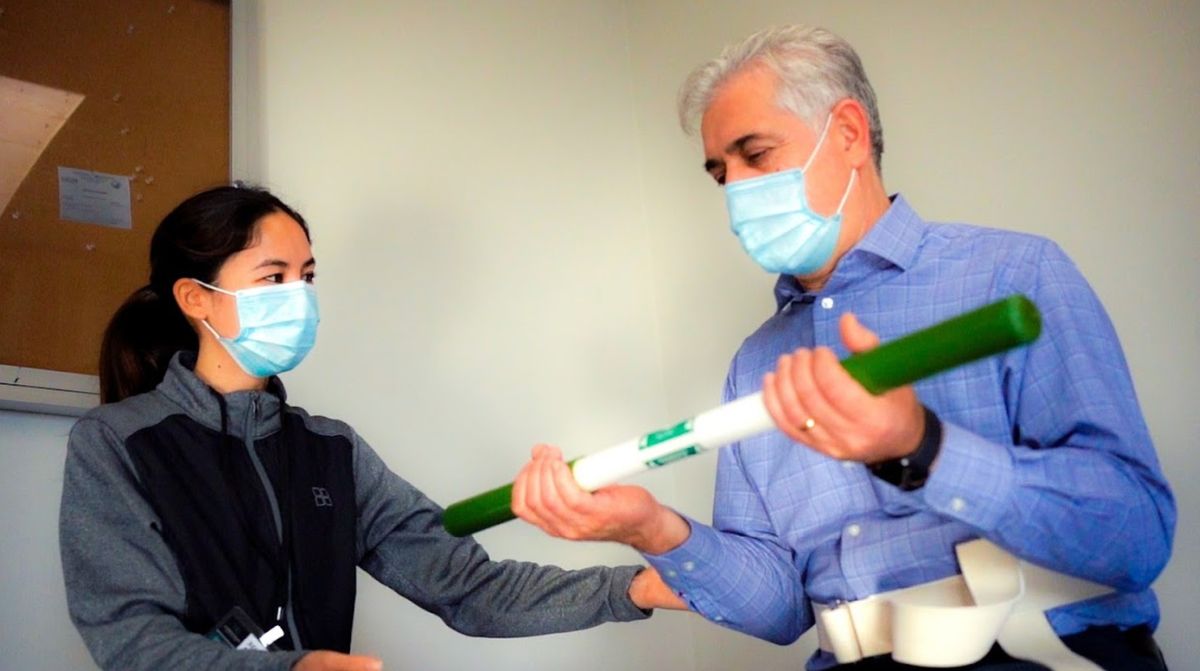
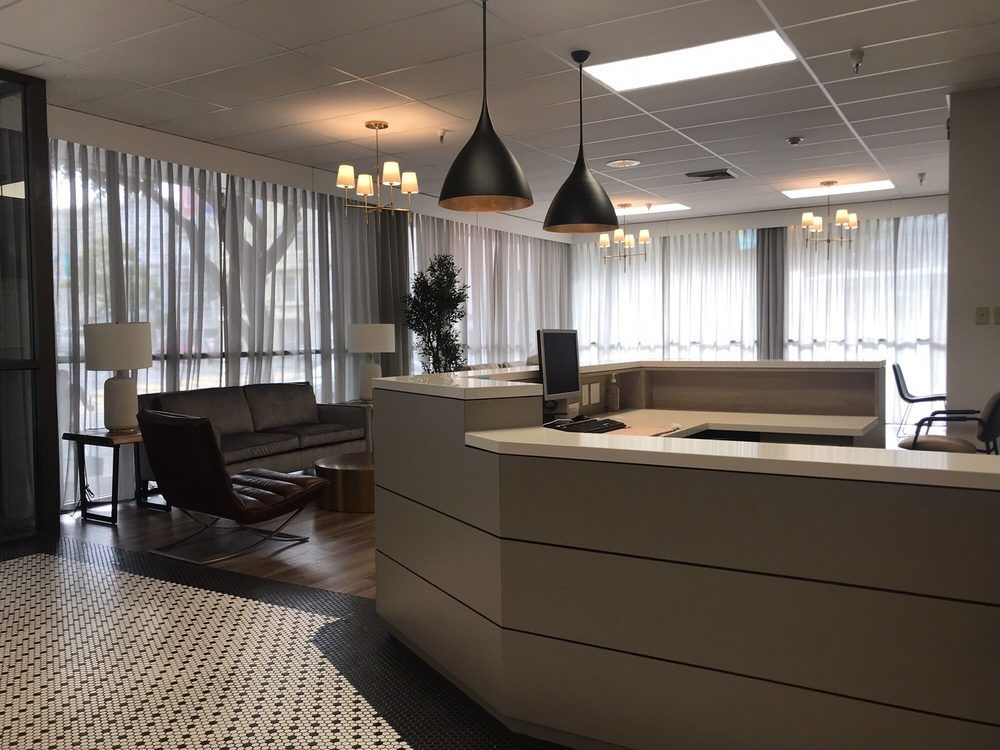
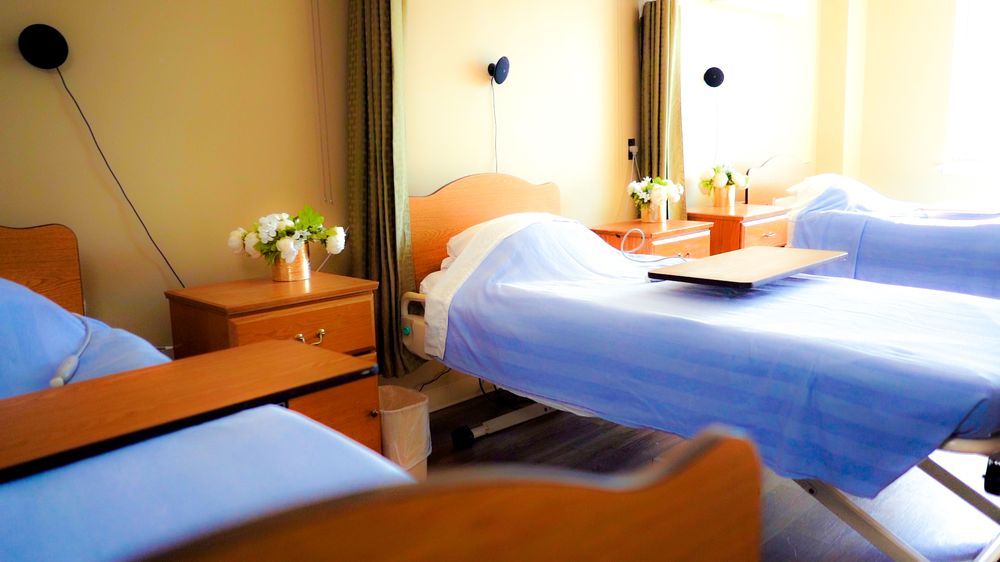
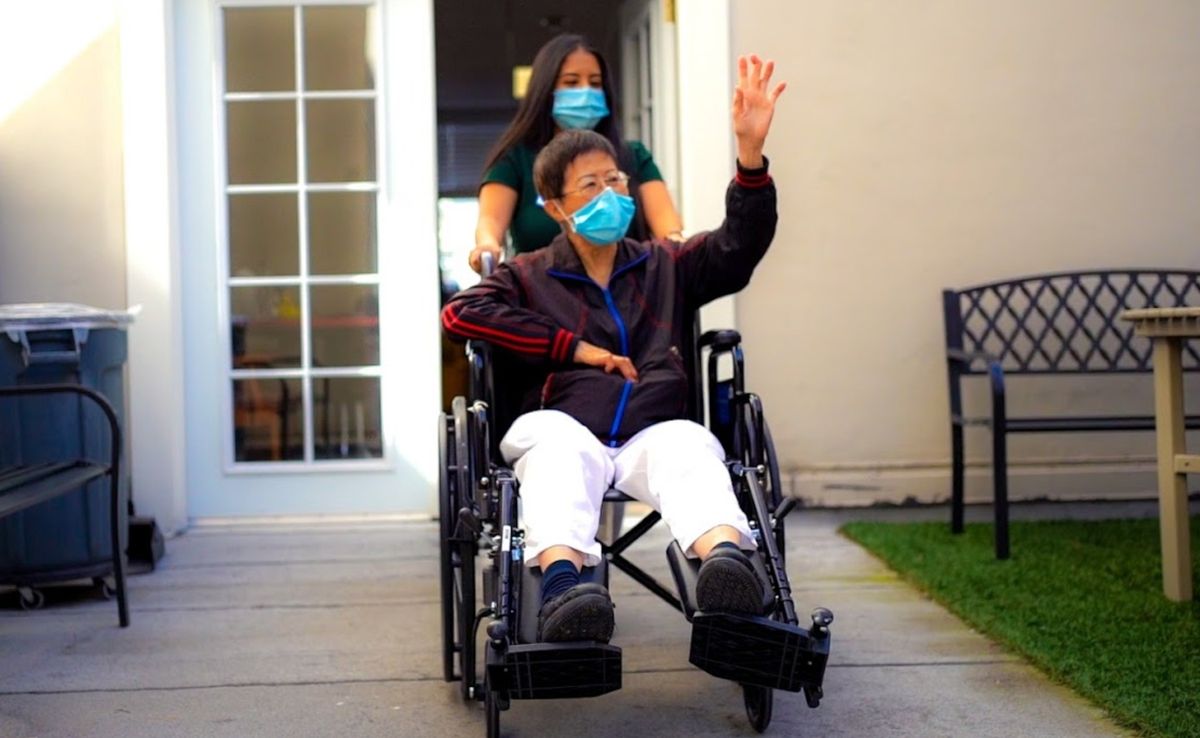
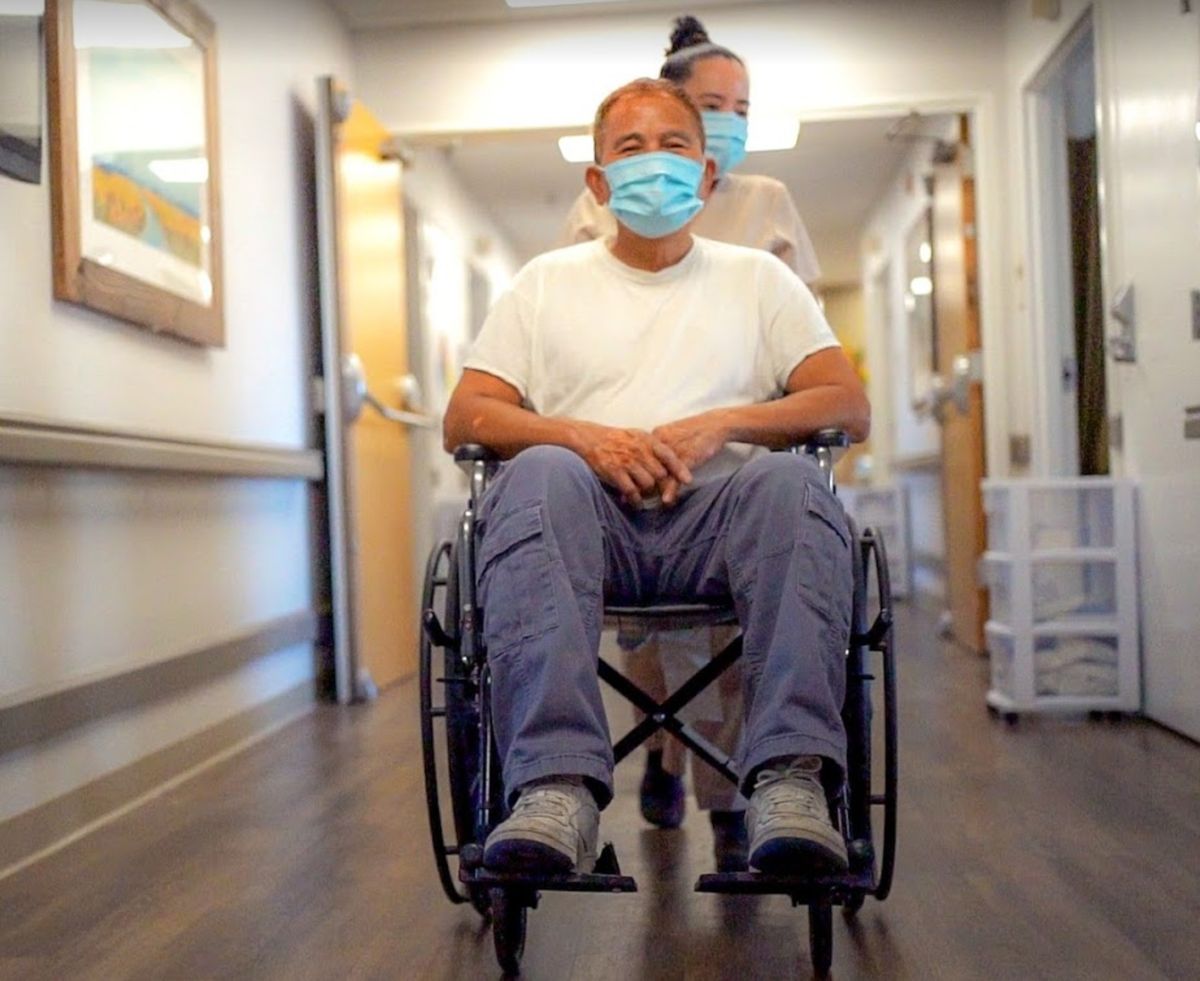
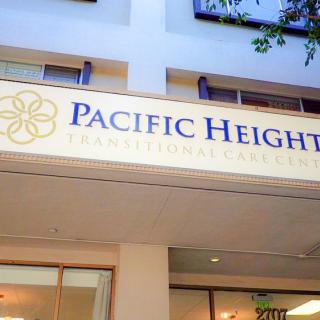
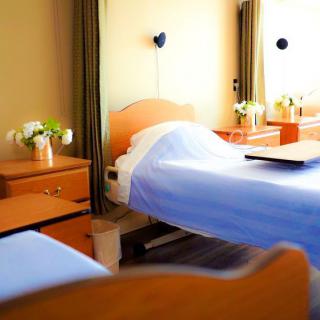
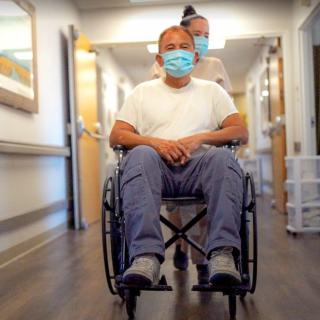
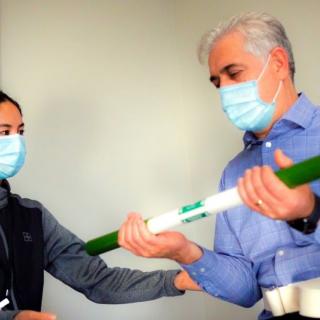
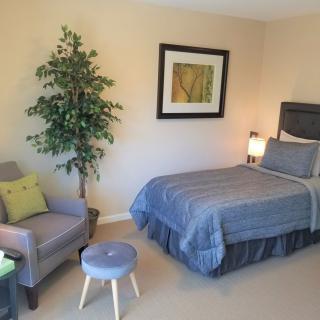
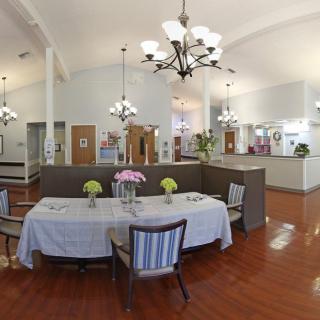
Pacific Heights Transitional Care Center on seniors.fyi includes 6 photos including images showing healthcare, interior, wheelchair, bedroom, exercise, rehabilitation, physical therapy, lobby, and more.
Nearby Communities
S F Community Convalescent
San Francisco, CA
3.1 from 12 reviews
Excellent access to nearby amenities and healthcare.
Care Indeed - San Francisco
San Francisco, CA
5 from 41 reviews
Persistent, proactive caregiver-search with a focus on communication and matching.
TheKey San Francisco
San Francisco, CA
4.7 from 9 reviews
High-quality, compassionate caregivers with strong administrative support.
Rhoda Goldman Plaza
San Francisco, CA
4.7 from 92 reviews
$6,050 to $8,870 / month
Attentive staff, vibrant activities, and well-maintained, welcoming facilities.
Older adults with urinary tract infections (UTIs) often present atypical symptoms, complicating diagnosis due to factors like incomplete bladder emptying and chronic health conditions that increase their susceptibility. Effective management involves prompt treatment with antibiotics, hydration, and preventive strategies while minimizing antibiotic resistance and focusing on holistic care approaches.
California's Form 602A is a vital tool for evaluating the health needs of seniors seeking residential care, detailing their medical conditions and daily living requirements to ensure proper service alignment. This standardized form enhances communication among physicians, families, and facilities, serving as a regulatory measure for admissions and ongoing care while adapting to changing healthcare practices.
The overview of blood pressure management for seniors emphasizes the importance of monitoring and interpreting blood pressure readings, noting that normal ranges can vary due to age-related factors and individual health conditions. It highlights tailored guidelines for systolic and diastolic levels, the necessity of early detection and consistent management to prevent serious health complications, and advocates for personalized care strategies that incorporate lifestyle changes and medication adherence.
Lighting, Lobby, Waiting Area, Reception Desk, and Office Space
Outdoors and Caregiver
Healthcare
Rehabilitation, Physical Therapy, and Exercise
Wheelchair
Nurse
Get PricingAsk A QuestionSchedule A TourContact Senior Advisor
By clicking submit, you agree to our Partner's Terms of Use. You
also consent to receive calls and texts, which may be autodialed, from our Partner. Your consent is not a condition to
using our Partner's service. Please visit our Partner's Privacy Policy for information about their privacy practices.

 120 resident community capacity
 Skilled Nursing Facility
 Air-conditioning
 Beauty salon
 Cable or satellite TV
 Computer center
 Continuing learning programs
 Dining room
 Family education and support services
 Fitness room
 Fully furnished
 Gaming room
 Garden
 Housekeeping services
 Kitchenette
 Move-in coordination
 Outdoor patio
 Outdoor space
 Private bathrooms
 Restaurant-style dining
 Small library
 Telephone
 Wellness center
 Wi-Fi/high-speed internet available
 San Francisco International (12 miles away)
 Community operated transportation
 12-16 hour nursing
 24-hour call system
 Accept incoming residents on hospice
 Activities of daily living assistance
 Administer insulin injections
 Assistance with bathing
 Assistance with dressing
 Assistance with transfers
 Care with behavioral issues
 Diabetes diet
 Medication management
 Mental wellness program
 Mild cognitive impairment
 Physical therapy
 Same day assessments
 Special dietary restrictions
 Transportation arrangement (medical)
 Concierge services
 Planned day trips
 Excellent access to nearby amenities and healthcare.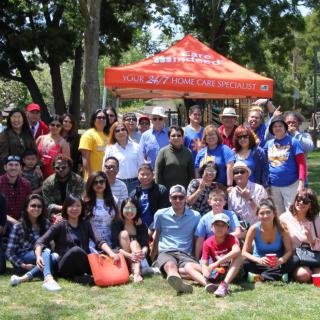

 Urinary Tract Infections in Older Adults: Comprehensive Insights on Symptoms, Treatment, and Prevention
 California's Form 602A: An In-Depth Examination of Senior Care Assessment
 Comprehensive Look at Senior Blood Pressure Charts: Normal and Elevated Levels by Age