Rhoda Goldman Plaza offers competitive monthly rates that reflect its unique positioning within San Francisco County. For a studio apartment, residents can expect to pay $6,050, which is notably lower than the county average of $7,708 while significantly higher than the state average of $4,145. The one-bedroom units are priced at $6,825, exceeding both the county's rate of $5,843 and California's state average of $4,340. For those seeking more space, two-bedroom apartments are available for $8,870 - slightly above San Francisco County's average of $8,851 but still well above the state median of $5,270. These figures illustrate Rhoda Goldman Plaza's commitment to providing an exceptional living experience amidst a highly sought-after urban environment.
Floor plans
Rhoda Goldman Plaza
San Francisco County
California
Studio
$6,050
$7,708
$4,145
1 Bedroom
$6,825
$5,843
$4,340
2 Bedrooms
$8,870
$8,851
$5,270
Skilled Nursing Facilities with a similar price nearby
Residents and families repeatedly describe staff as genuinely caring and responsive.
Across reviews, families mention a consistent pattern of kindness, attentiveness, and professionalism, including feeling that residents are safe and well supported. Several note frequent communication with families and quick responses when assistance is needed. Even in reviews that include complaints, many still describe staff as helpful during tours and day-to-day interactions.
common30 reviews mention this
Restaurant-style dining stands out
Dining is repeatedly praised for quality, freshness, and good variety.
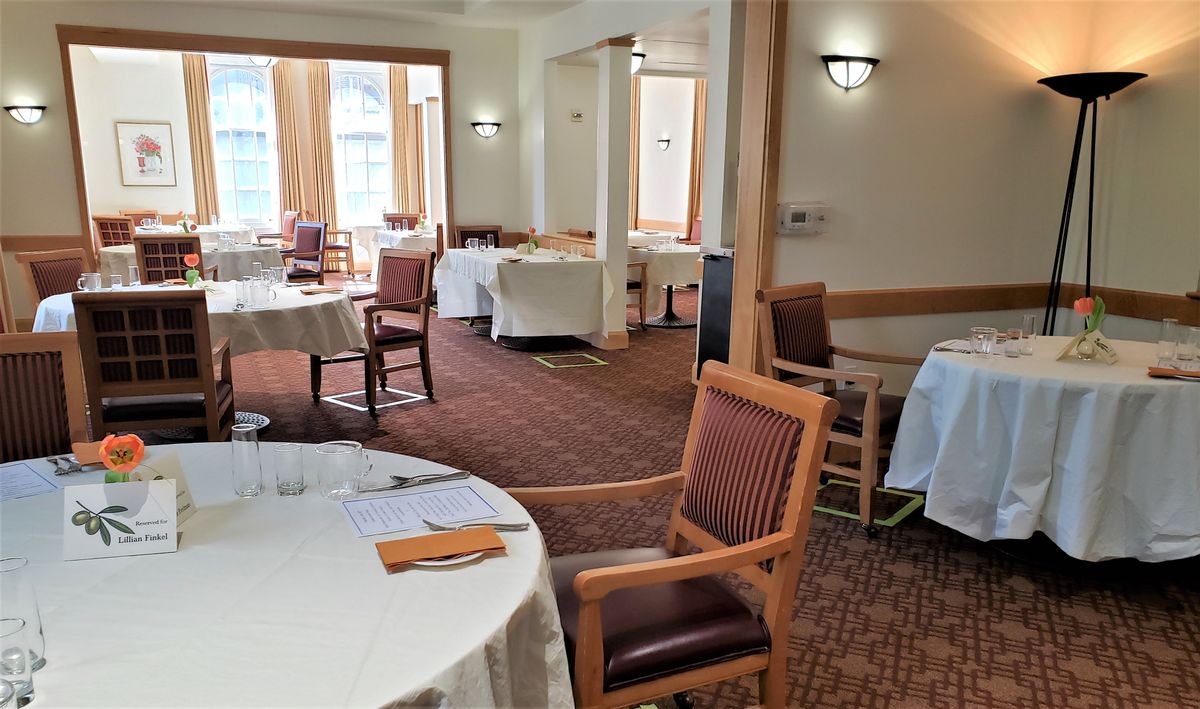
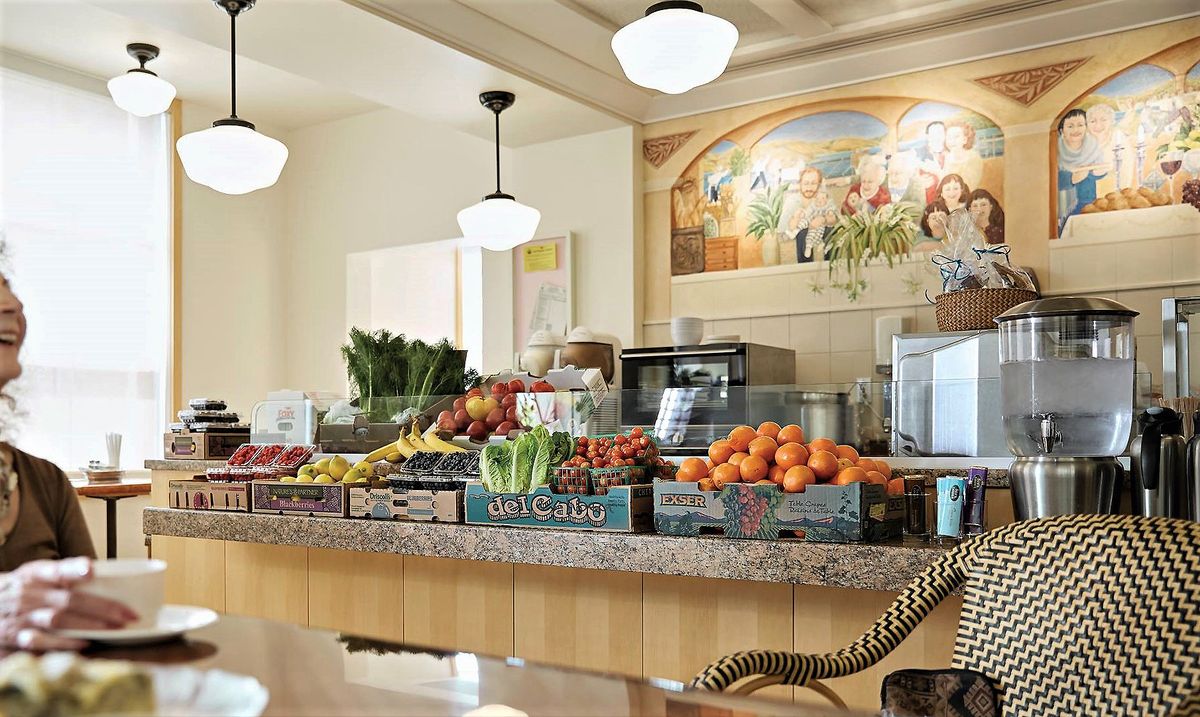
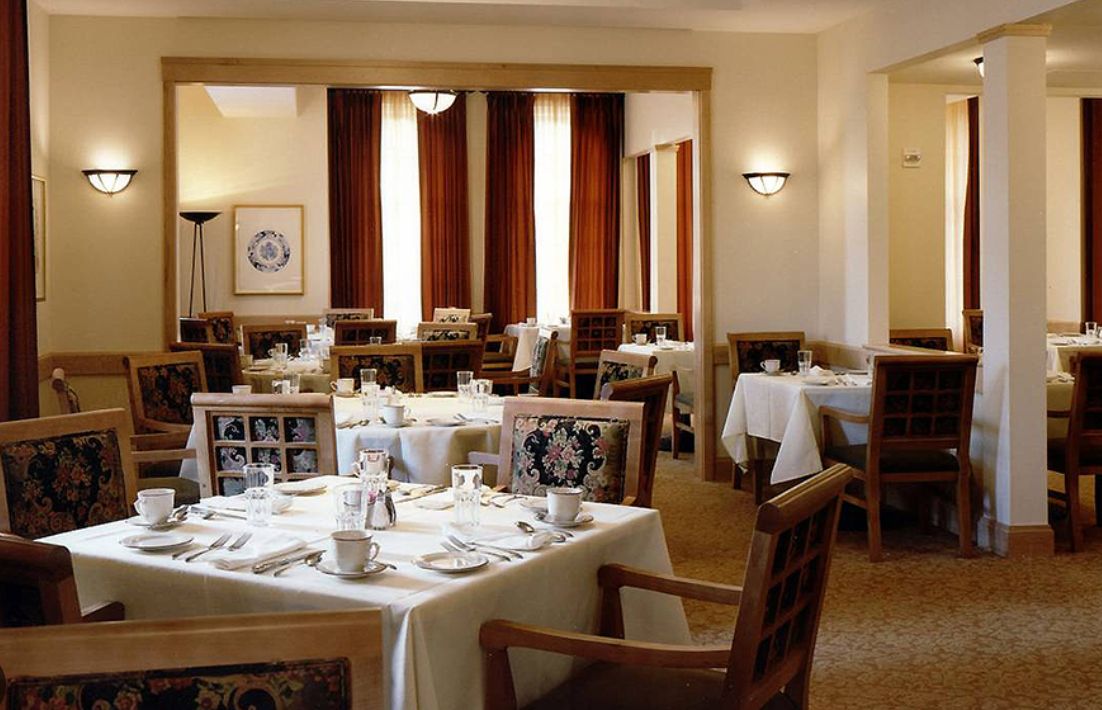
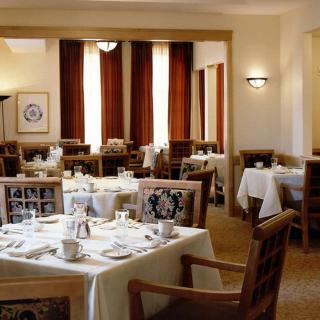
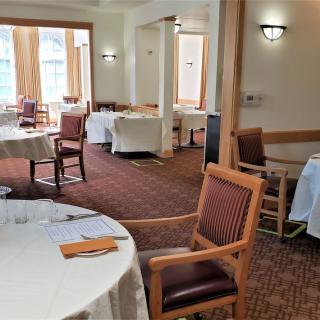
Multiple reviews describe meals as consistently excellent—fresh, healthy, and well prepared—with plenty of choices at each meal. Residents and visitors also mention both a dining room and an onsite cafe/snack option for different mealtime preferences. The community offers restaurant-style dining, which aligns with how reviews talk about the experience.
common26 reviews mention this
Activities keep residents engaged
Reviews describe busy days with varied on-site and outing activities.
Residents and visitors frequently point to scheduled programming that includes fitness, art and creative activities, lectures, music, and games. Many reviews also mention outings and day trips, along with religious and cultural programming that helps residents connect with each other. Overall, the theme is that there are regular things to do—so residents do not feel stuck at home.
common4 reviews mention this
Location is easy for visitors
Families mention convenient access to key services and easy visiting.
Reviews note the neighborhood as accessible for getting around and for frequent visits. Some specifically cite proximity to medical services like Kaiser and convenient access to public transportation and nearby amenities. A few also call out nearby community options such as the public library for additional programming and a social connection.
caveat7 reviews mention this
Cost can be a deal-breaker
Several reviews say pricing feels too high, even when other aspects are positive.
Even highly positive reviews often hedge with cost concerns, and multiple reviewers directly call the monthly rates expensive or daunting. There are also complaints about what is and is not covered for higher levels of need, including limits around 24-hour support. The reviews suggest affordability is a central deciding factor for many families.
caveat2 reviews mention this
Memory care can feel inflexible
Some families describe memory care as less responsive than expected.
While many reviews praise memory care positively, a few describe problems with responsiveness and day-to-day freedom once someone is moved into memory care. One reviewer also mentions dissatisfaction with how decisions were handled when transitioning to the memory care unit. These comments suggest memory care policies can feel strict compared with what some families were hoping for.
How we summarize
Counts show how many written reviews mention each theme; a review can touch several themes, and only frequently mentioned themes are displayed.
Features
Housing
195 resident community capacity
1-bedroom apartments
2-bedroom apartments
Studio apartments
Types of Care
Assisted Living
Memory Care
Respite Care
Skilled Nursing Facility
Amenities
Activities off-site
Activities on-site
Air-conditioning
Beautician on-site
Beauty salon
Cable or satellite TV
Cafe
Computer center
Devotional services off-site
Devotional services on-site
Dining room
Financial aid
Financing advice
Fitness room
Fully furnished
Gaming room
Garden
Hiking trails
Home sale assistance
Housekeeping services
Indoor common areas
Kitchenette
Laundry
Move-in coordination
Outdoor common areas
Outdoor space
Party space
Private bathrooms
Resident parking
Respite or short term stays offered
Restaurant-style dining
Security gate
Small library
Telephone
VA Benefits Consultation
Wellness center
Wheelchair accessible showers
Wi-Fi/high-speed internet available
Transportation
San Francisco International (12 miles away)
Metropolitan Oakland International (13 miles away)
Community operated transportation
Transportation & parking
Transportation arrangement
Transportation arrangement (non-medical)
Transportation to doctors appointments
Care Services
12-16 hour nursing
24-hour call system
24-hour supervision
Activities of daily living assistance
Ambulatory care
Assistance with bathing
Assistance with dressing
Assistance with transfers
Diabetes diet
Diabetic care
Incontinence care
Meal preparation and service
Medication management
Mental wellness program
Mild cognitive impairment
Special dietary restrictions
Specialized memory care programming
Dining
Diabetes diet
Gluten-free
Guest meals
International cuisine
Kosher
Low / no sodium
Meals provided
No Sugar
Professional chef
Restaurant style dining
Room service
Special dietary restrictions
Vegan
Vegetarian
Activities
Activities off-site
Art classes
Arts and crafts
Community-sponsored activities
Concierge services
Cooking club
Day trips and outings
Devotional activities offsite
Devotional activities on-site
Educational speakers / life long learning
Fitness programs
Games
Gardening club
Jewish services
Live dance or theater performances
Live musical performances
Planned day trips
Religious services
Resident-run activities
Scheduled daily activities
Stories
Tai Chi
Visiting Rabbi
Wine tasting
Yoga / chair yoga
Languages Spoken
English
Nearby Places of Interest
This area of San Francisco, California, offers a convenient and diverse range of amenities for seniors. With multiple pharmacies within close proximity, accessing necessary medications is easy. There are also several cafes and restaurants nearby, providing opportunities for socialization and dining out. The neighborhood is well-connected with theaters for entertainment and parks for outdoor activities. Additionally, there are healthcare providers in the area, including physicians and hospitals, ensuring access to medical services. The transportation options available make it convenient to travel around the city as needed. Overall, this part of San Francisco provides a mix of essentials and leisure options that could suit the needs and interests of seniors looking for a vibrant community to call home.
Pharmacies
Kaiser Permanente Main Pharmacy (0.2 miles)
Walgreens (0.2 miles)
Walgreens (0.3 miles)
Walgreens (0.8 miles)
Walgreens (0.9 miles)
CVS Pharmacy (1 miles)
Grass Roots (1 miles)
Cafes
Jane The Bakery (0.2 miles)
Blue Bottle Coffee (0.5 miles)
The Mill (0.6 miles)
Sightglass Coffee (0.9 miles)
Balboa Cafe (1 miles)
Cafe Réveille (1 miles)
Saint Frank (1.3 miles)
Theaters
AMC Kabuki 8 (0.3 miles)
Alamo Square (0.7 miles)
AMC Metreon 16 (1.9 miles)
Alamo Drafthouse New Mission (2.2 miles)
Parks
Alta Plaza Park (0.4 miles)
Lafayette Park (0.7 miles)
The Panhandle (1 miles)
Allyne Park (1 miles)
Presidio of San Francisco (1 miles)
Duboce Park (1.1 miles)
Municipal Pier (1.1 miles)
Restaurants
Salt & Straw (0.8 miles)
A Mano (0.9 miles)
House Of Prime Rib42 (1 miles)
Arsicault Bakery (1.2 miles)
Hi Tops (1.4 miles)
SF Eagle (1.7 miles)
Deli Board (1.7 miles)
Physicians
One Medical (1.1 miles)
Golden Gate OBGYN (2.2 miles)
Noe Valley Pediatrics (2.4 miles)
Transportation
San Francisco Caltrain Station (2.4 miles)
Hospitals
Laguna Honda Hospital & Rehabilitation Center (2.8 miles)
Rhoda Goldman Plaza offers competitive monthly rates that reflect its unique positioning within San Francisco County. For a studio apartment, residents can expect to pay $6,050, which is notably lower than the county average of $7,708 while significantly higher than the state average of $4,145. The one-bedroom units are priced at $6,825, exceeding both the county's rate of $5,843 and California's state average of $4,340. For those seeking more space, two-bedroom apartments are available for $8,870 - slightly above San Francisco County's average of $8,851 but still well above the state median of $5,270. These figures illustrate Rhoda Goldman Plaza's commitment to providing an exceptional living experience amidst a highly sought-after urban environment.
The 24-hour supervision at Rhoda Goldman Plaza ensures that residents receive constant support and safety, crucial for those with dementia or Alzheimer's who may experience confusion or wandering. Assistance with activities of daily living, including bathing, dressing, and transfers, promotes dignity while helping residents maintain their independence as much as possible. Incontinence care is provided with sensitivity, addressing a common issue in this population and enhancing comfort. Meal preparation and service cater to nutritional needs while also providing social engagement during dining. Medication management helps ensure adherence to prescribed regimens, minimizing risks associated with missed doses. A mental wellness program alongside specialized memory care programming addresses cognitive challenges through tailored activities designed to stimulate the mind and foster connections among residents, aiding in emotional well-being and quality of life for individuals at various stages of cognitive decline.
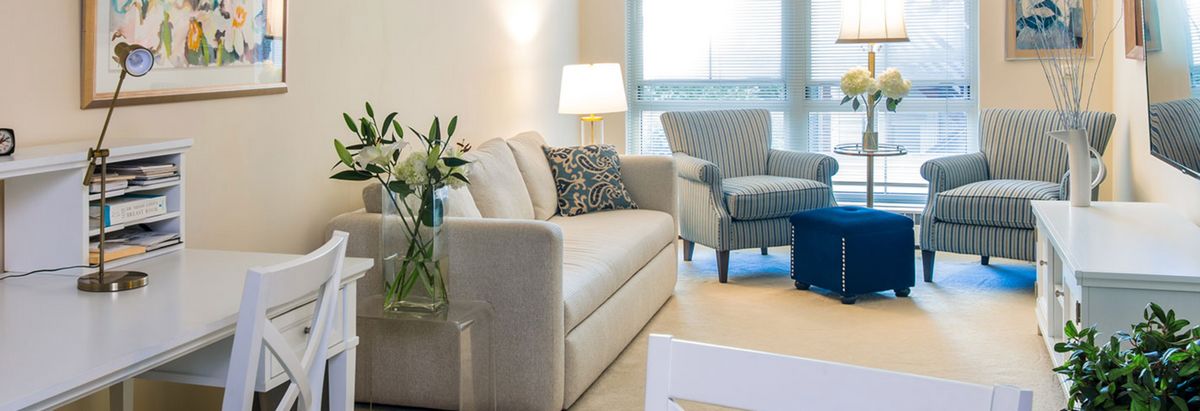
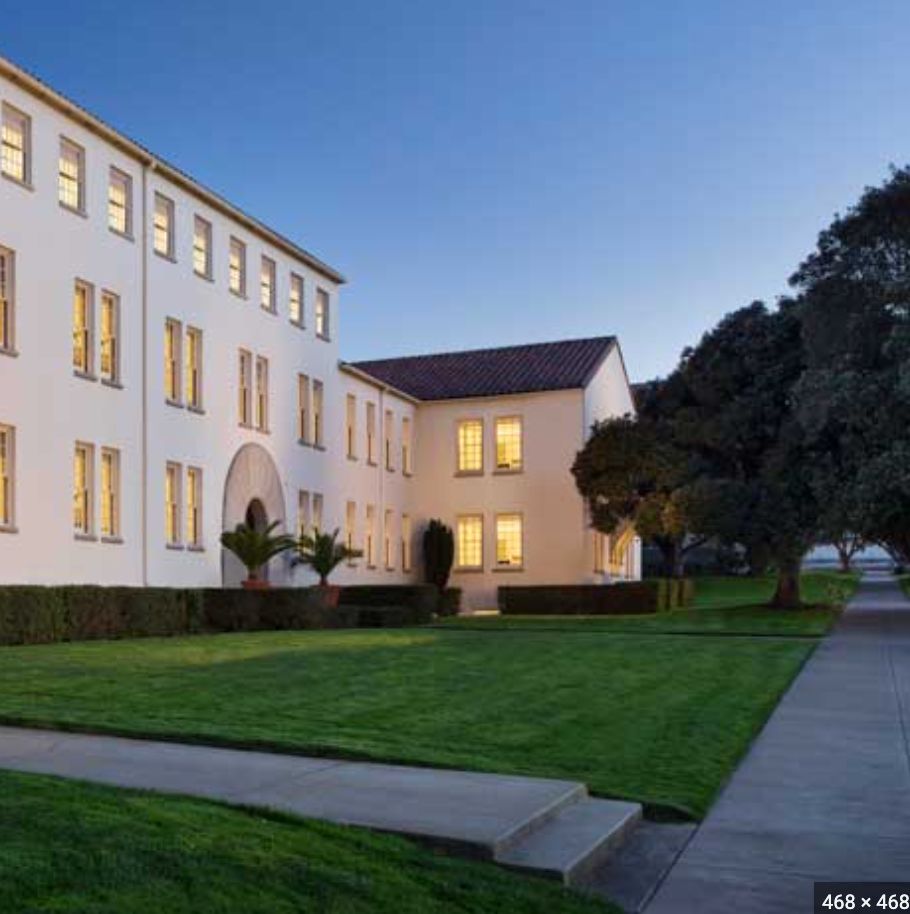
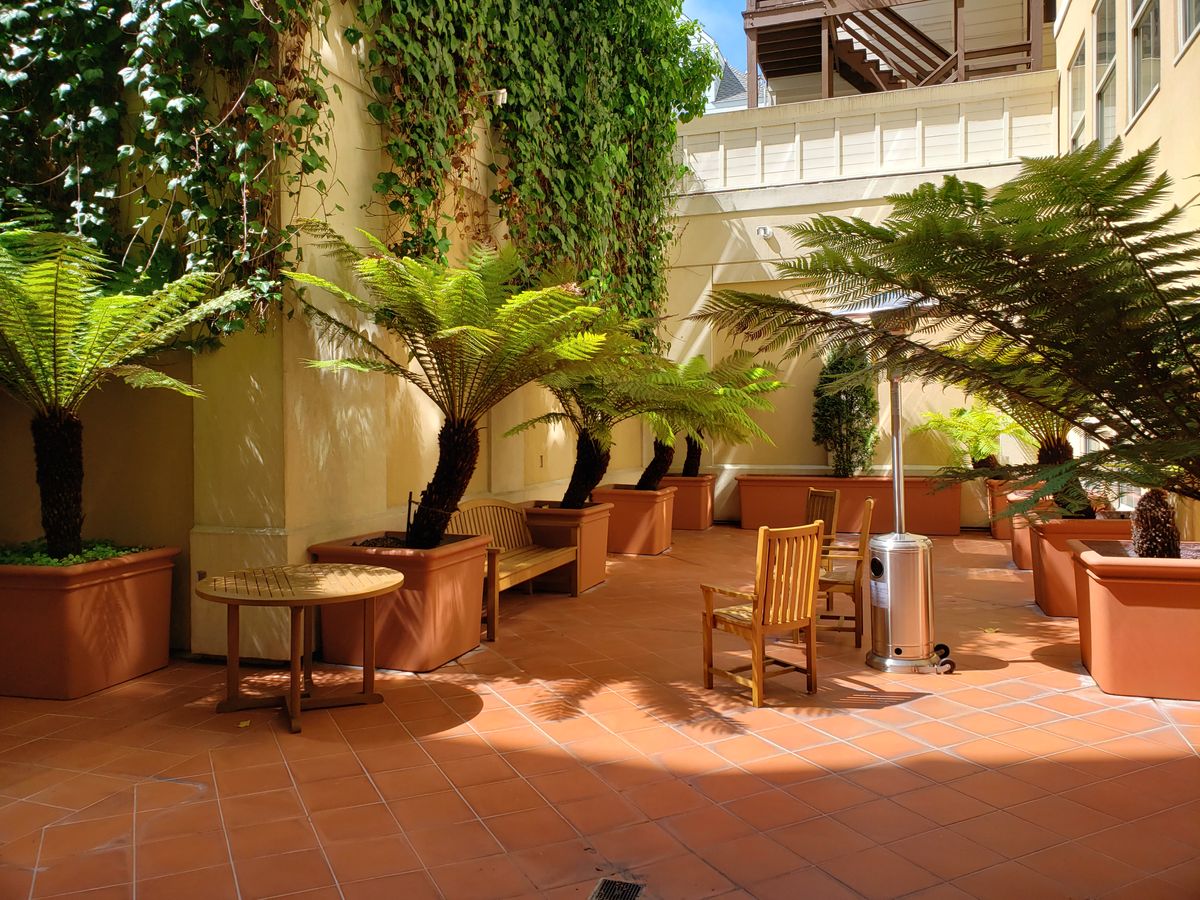
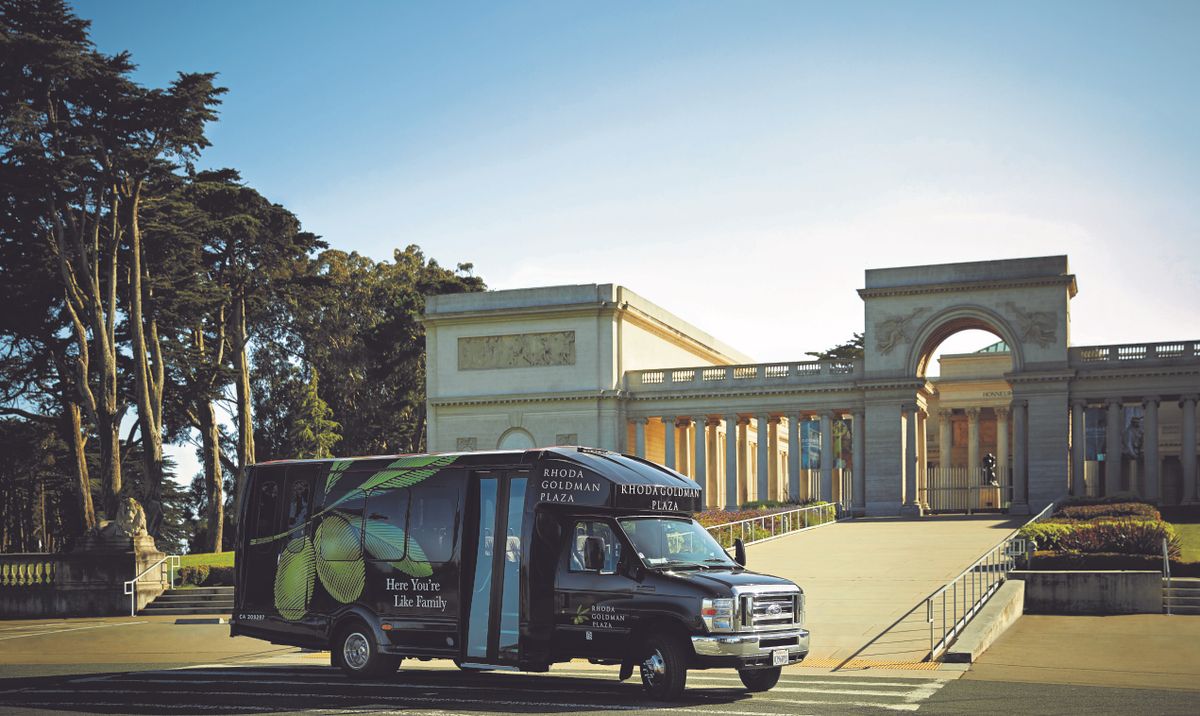
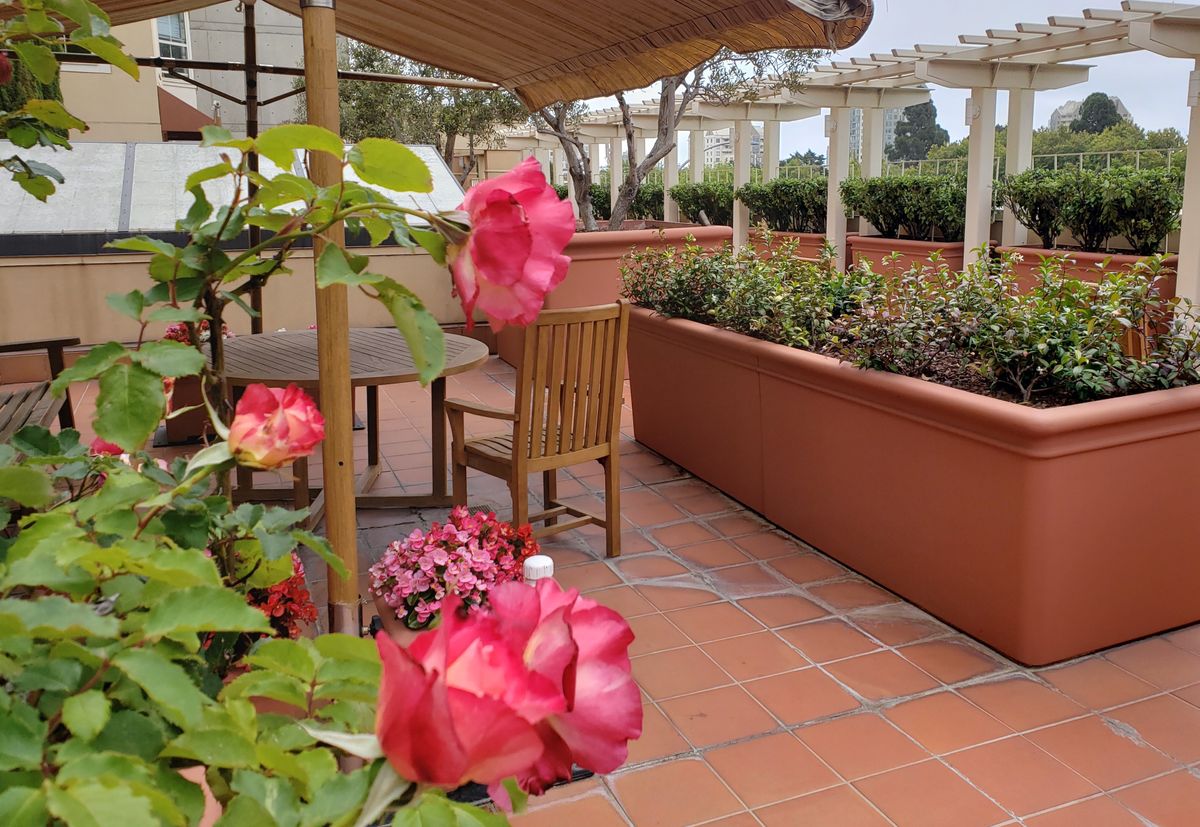
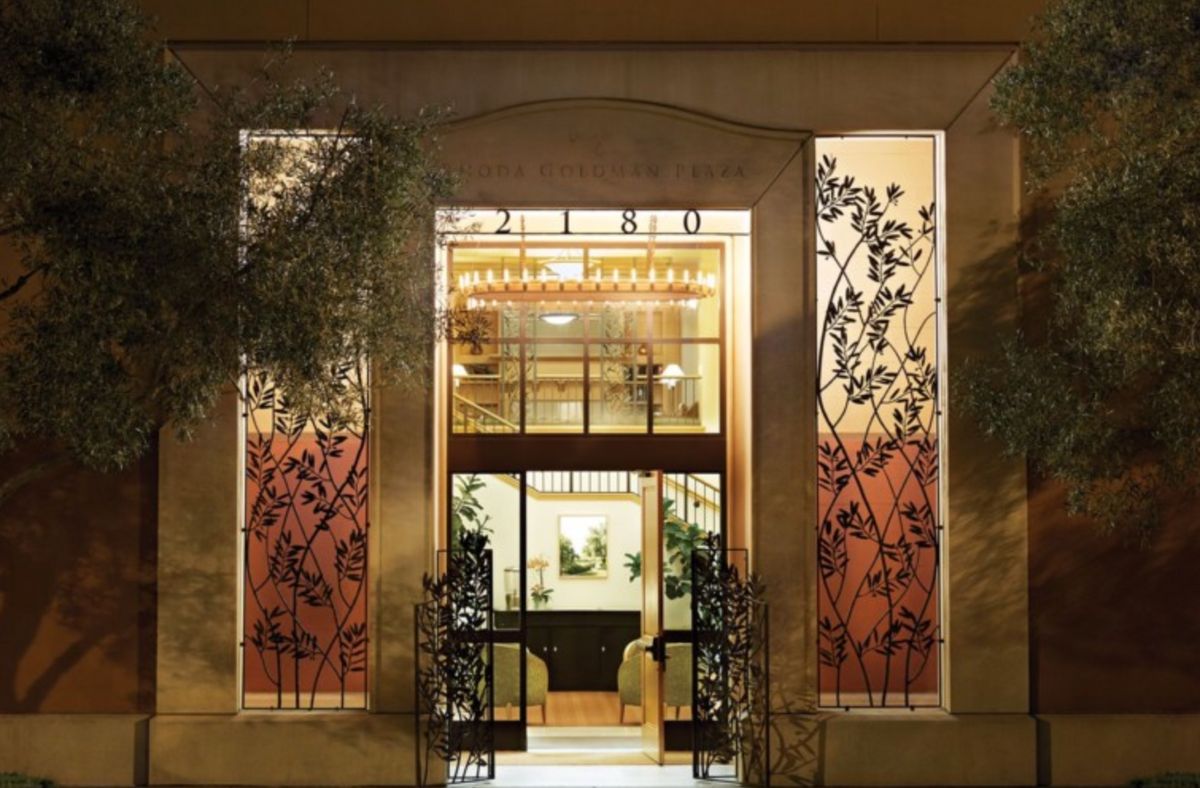
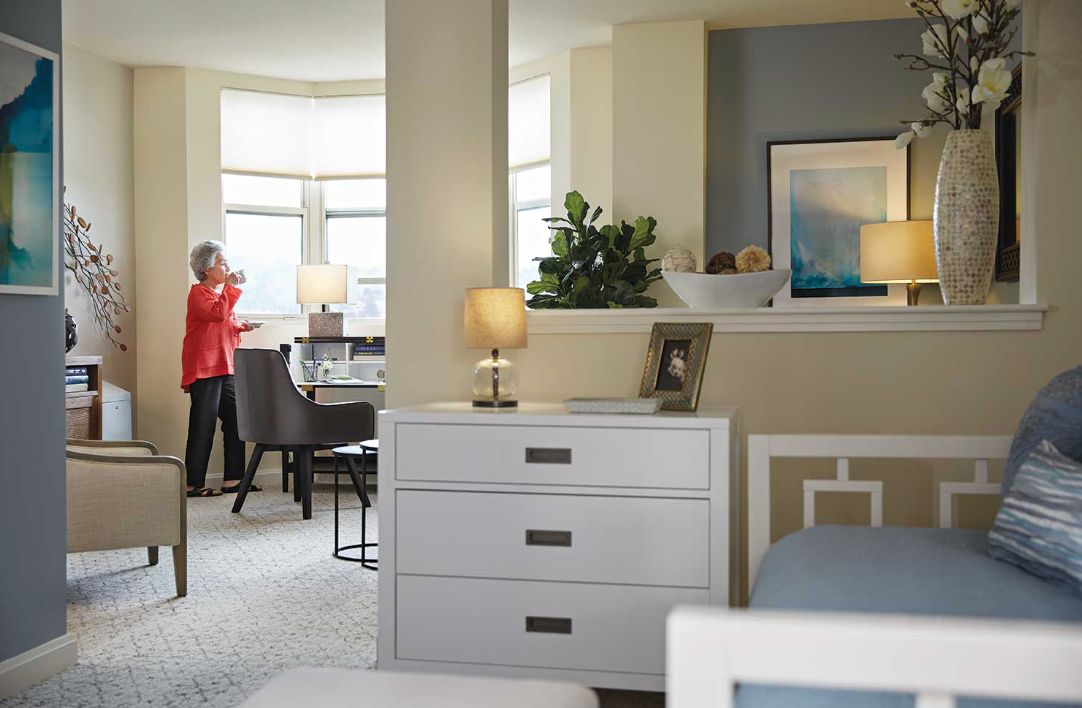
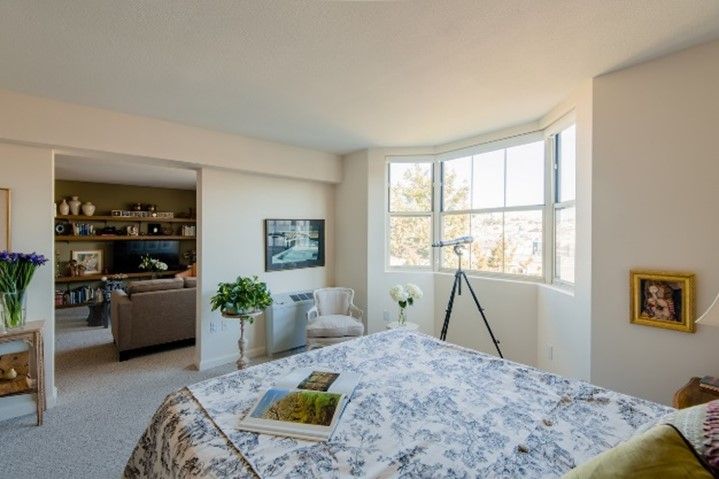
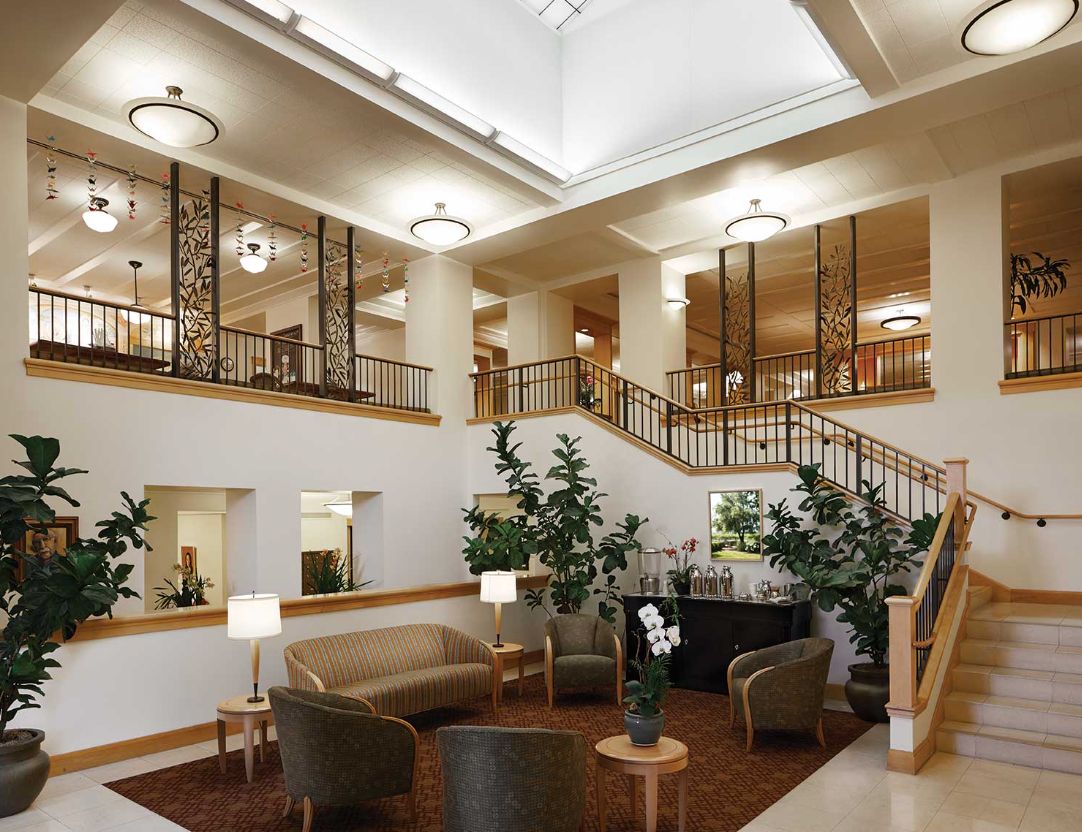
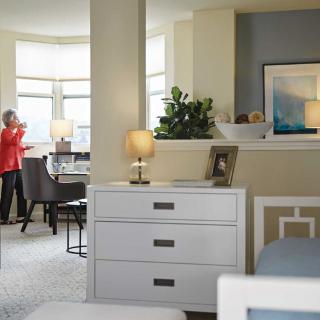
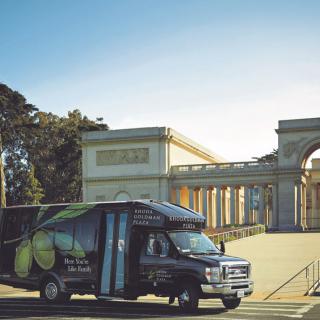
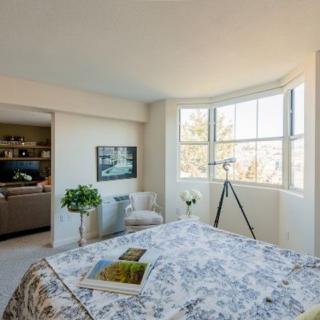
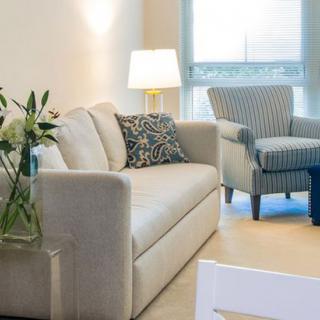
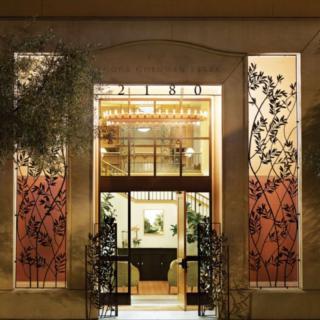
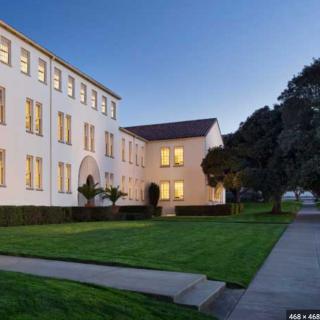
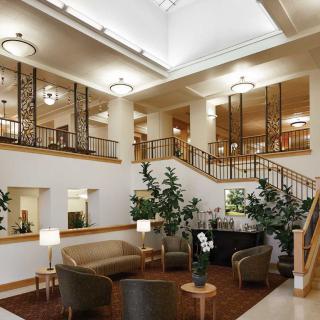
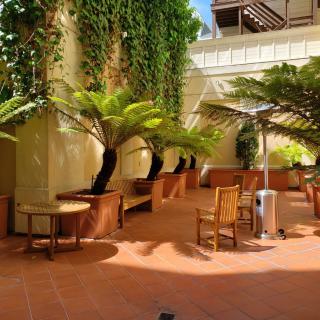
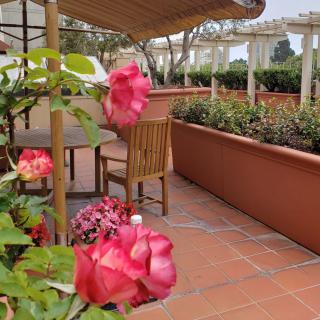
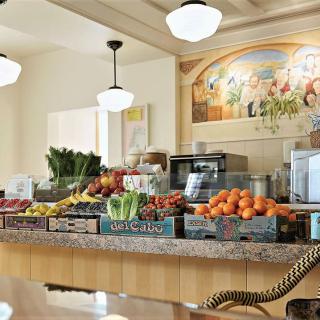
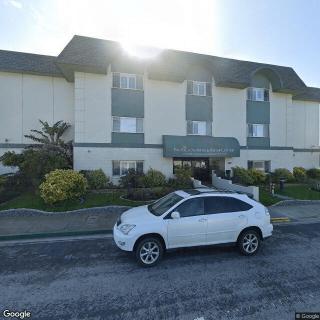
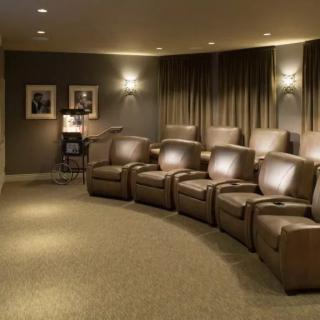
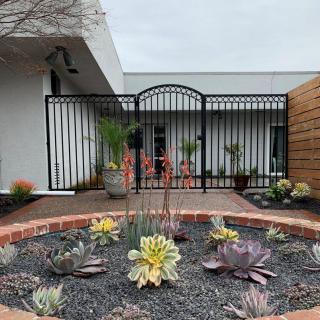
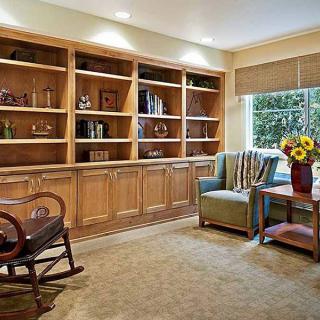
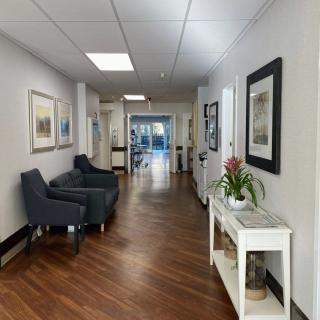
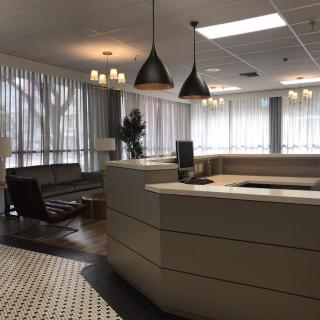
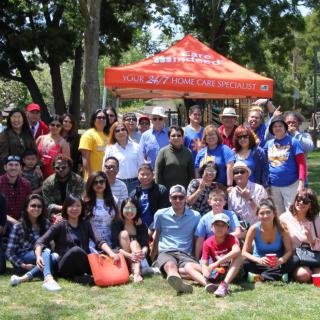
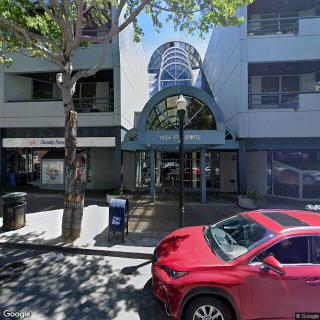
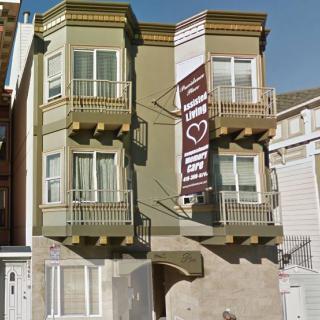
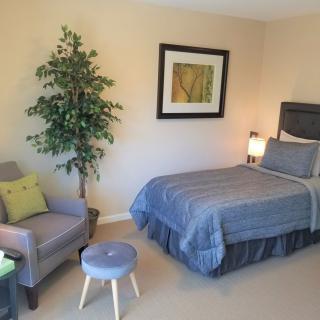
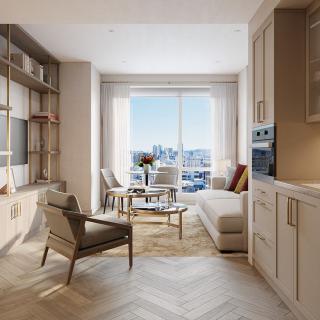
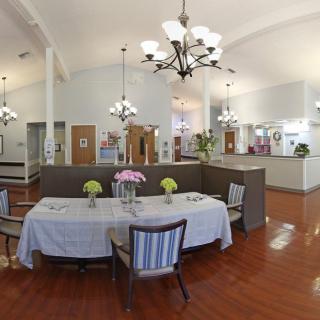
Rhoda Goldman Plaza on seniors.fyi includes 14 photos including images showing interior, dining, architecture, decor, windows, plant, patio, building, and more.
Nearby Communities
TheKey San Francisco
San Francisco, CA
4.7 from 9 reviews
High-quality, compassionate caregivers with strong administrative support.
S F Community Convalescent
San Francisco, CA
3.1 from 12 reviews
Excellent access to nearby amenities and healthcare.
Pacific Heights Transitional Care Center
San Francisco, CA
4.7 from 128 reviews
Professional, attentive staff delivering personalized care and strong rehabilitation support.
Care Indeed - San Francisco
San Francisco, CA
5 from 41 reviews
Persistent, proactive caregiver-search with a focus on communication and matching.
Maxim Healthcare
San Francisco, CA
Excellent access to amenities and nearby healthcare.
Providence Place
San Francisco, CA
4.4 from 46 reviews
$7,600 to $15,200 / month
Attentive staff with personalized care, excellent meals, and a warm, homelike atmosphere with engaging activities.
Ivy Park At Cathedral Hill
San Francisco, CA
4.1 from 49 reviews
Beautiful, clean facility with friendly staff, diverse activities, and a convenient SF location.
Coterie Cathedral Hill
San Francisco, CA
4.9 from 137 reviews
$7,900 to $15,100 / month
Compassionate, communicative staff and strong memory care leadership create a luxurious, engaging, and supportive environment.
Lawton Skilled Nursing & Rehabilitation Center
San Francisco, CA
4.5 from 62 reviews
Private rooms with restaurant-style dining and wellness programs.
Dementia, influenced by aging and certain medications, may be exacerbated by drug classes such as anticholinergics, benzodiazepines, and antipsychotics, which are associated with cognitive impairment. Regular medication reviews by healthcare professionals are crucial for older adults to manage risks and optimize cognitive health.
Dementia often results in disrupted sleep patterns, leading to excessive daytime sleeping due to factors like brain damage affecting circadian rhythms, medication side effects, and lack of structure in daily activities. Caregivers must monitor these changes closely, as oversleeping can increase risks such as malnutrition or dehydration, and provide necessary support and routines to enhance patient engagement and well-being.
The transition from assisted living to skilled nursing care is often prompted by complex medical needs that assisted living cannot meet, with key indicators including frequent health declines, increased falls, severe memory issues, and caregiver burnout. Families should recognize these signs early to discuss options with healthcare providers and prepare for the emotional and logistical aspects of moving to a facility that offers comprehensive medical support.
Get PricingAsk A QuestionSchedule A TourContact Senior Advisor
By clicking submit, you agree to our Partner's Terms of Use. You
also consent to receive calls and texts, which may be autodialed, from our Partner. Your consent is not a condition to
using our Partner's service. Please visit our Partner's Privacy Policy for information about their privacy practices.


 195 resident community capacity
 1-bedroom apartments
 Assisted Living
 Memory Care
 Respite Care
 Skilled Nursing Facility
 Activities off-site
 Air-conditioning
 Beautician on-site
 Cable or satellite TV
 Cafe
Cafe Computer center
 Devotional services off-site
 Dining room
 Financial aid
 Fitness room
 Fully furnished
 Gaming room
 Garden
 Hiking trails
 Housekeeping services
 Indoor common areas
 Kitchenette
 Laundry
 Move-in coordination
 Outdoor common areas
 Party space
 Private bathrooms
 Resident parking
 Restaurant-style dining
 Security gate
 Small library
 Telephone
 Wellness center
 Wheelchair accessible showers
 Wi-Fi/high-speed internet available
 San Francisco International (12 miles away)
 Community operated transportation
 12-16 hour nursing
 24-hour call system
 Ambulatory care
 Assistance with bathing
 Assistance with dressing
 Assistance with transfers
 Diabetes diet
 Diabetic care
 Incontinence care
 Medication management
 Mental wellness program
 Special dietary restrictions
 Art classes
 Concierge services
 Cooking club
 Day trips and outings
 Educational speakers / life long learning
 Games
Games Jewish services
 Live dance or theater performances
 Live musical performances
 Stories
 Wine tasting
 English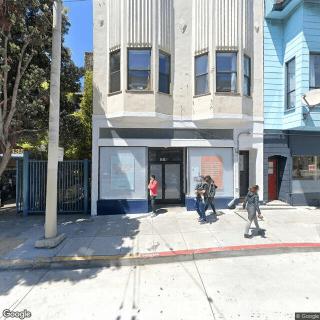
 High-quality, compassionate caregivers with strong administrative support.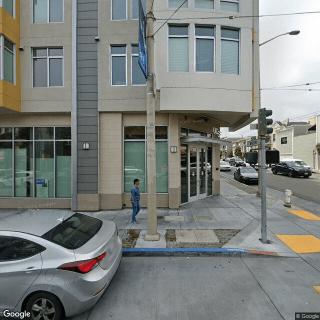
 A Thorough Discussion of Medications Potentially Linked to Dementia Risk
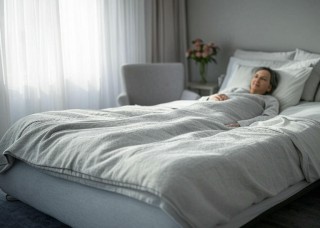 Why Do Dementia Patients Sleep So Much? Understanding Oversleeping, Stages, and Care Approaches
 8 Key Indicators That Suggest It May Be Time to Transition from Assisted Living to Skilled Nursing Care