For more information about senior living options: (866) 208-4318
4.6 from 26 reviews
5 stars
23
4 stars
0
3 stars
1
2 stars
0
1 stars
2
Overall Review of Providence Care
differentiator10 reviews mention this
Memory-care support is central
Residents describe specialized support for dementia and late-stage needs.
Multiple residents and families describe Providence Place as a good match for dementia, including late-stage situations and memory-care-related behaviors. Reviewers say caregivers stay engaged with residents through activities like music, physical movement, and structured routines. Several also mention improvements in mood, comfort, and day-to-day stability after moving there.
common12 reviews mention this
Care teams communicate often
Families praise frequent updates that keep them connected.
A recurring theme is how caregivers and leadership keep families informed with regular contact, including photos and videos. Several reviewers say they can reach Catherine or staff quickly and that updates continue during the periods they are not able to be onsite. Residents are also described as being calmed, supported, and kept active rather than left to disengage.
common6 reviews mention this
Small, home-like feel
Residents describe a home-like atmosphere with a smaller setting.
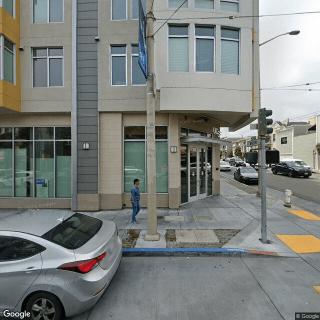
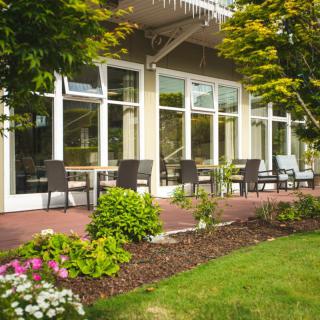
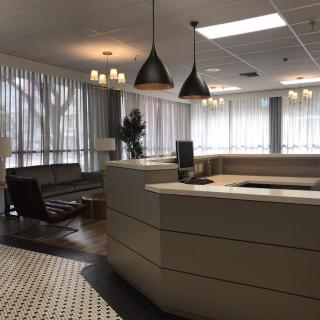
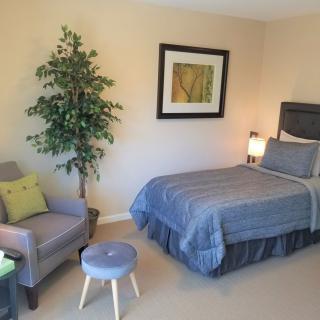
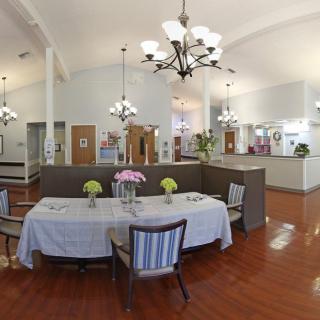
Several families say the community feels less institutional and more like a home environment. Reviewers also point to a higher staff-to-resident feel and low turnover, which they link to more consistent care. Others mention comfortable spaces such as rooms with outdoor access or support for getting fresh air.
common6 reviews mention this
Dining gets consistent praise
Dining stands out for freshness, quality, and variety.
Food quality comes up often, with multiple reviewers describing meals as fresh, tasty, and well prepared. Several mention variety and accommodations for dietary preferences, including vegetarian diets without difficulty. Others describe meals as a positive part of the routine, alongside activities and daily support.
caveat2 reviews mention this
Pricing feels clearer and inclusive
Families mention pricing clarity and fewer surprise add-ons.
Some reviews comment specifically on the pricing model, saying it does not add charges for every small item and feels clear upfront. A few also describe the monthly fee as reasonable and inclusive compared with other places they toured. These comments are positive overall, but they appear less consistently than the care-and-communication themes.
common2 reviews mention this
Convenient to local care
The location places common services close by.
Reviewers mention that getting to appointments is manageable, including arranging transportation support for medical visits. Nearby offerings include pharmacies and medical services that can reduce the strain of coordinating care logistics when you are not onsite all the time.
How we summarize
Counts show how many written reviews mention each theme; a review can touch several themes, and only frequently mentioned themes are displayed.
Features
Transportation
San Francisco International (12 miles away)
Metropolitan Oakland International (13 miles away)
Nearby Places of Interest
This part of San Francisco, California, offers a convenient and vibrant neighborhood for senior living. With several pharmacies within close proximity, access to healthcare services is easily accessible. Additionally, there are numerous cafes and restaurants nearby providing opportunities for socializing and enjoying a variety of culinary experiences. The area boasts several parks where seniors can enjoy outdoor activities and leisurely strolls. For entertainment options, there are theaters within a short distance from the neighborhood. Transportation is also readily available with the San Francisco Caltrain Station just a few miles away. Overall, this part of San Francisco provides a desirable setting for seniors seeking a lively yet well-connected community to call home.
Pharmacies
Kaiser Permanente Main Pharmacy (0.2 miles)
Walgreens (0.2 miles)
Walgreens (0.6 miles)
Walgreens (0.6 miles)
CVS Pharmacy (0.8 miles)
CVS Pharmacy (1.1 miles)
Walgreens (1.1 miles)
Cafes
Jane The Bakery (0.5 miles)
The Mill (0.6 miles)
Blue Bottle Coffee (0.8 miles)
Sightglass Coffee (0.8 miles)
Cafe Réveille (1 miles)
Balboa Cafe (1.2 miles)
Saint Frank (1.6 miles)
Parks
Alta Plaza Park (0.6 miles)
The Panhandle (0.8 miles)
Lafayette Park (1.1 miles)
Duboce Park (1.1 miles)
Presidio of San Francisco (1.1 miles)
Allyne Park (1.3 miles)
Municipal Pier (1.4 miles)
Theaters
AMC Kabuki 8 (0.6 miles)
Alamo Square (0.8 miles)
AMC Metreon 16 (2.2 miles)
Alamo Drafthouse New Mission (2.3 miles)
Restaurants
Arsicault Bakery (0.8 miles)
Salt & Straw (1.1 miles)
A Mano (1.2 miles)
House Of Prime Rib42 (1.4 miles)
Hi Tops (1.4 miles)
Good Good Culture Club (1.9 miles)
SF Eagle (1.9 miles)
Physicians
One Medical (1.3 miles)
Noe Valley Pediatrics (2.4 miles)
Golden Gate OBGYN (2.6 miles)
Hospitals
Laguna Honda Hospital & Rehabilitation Center (2.6 miles)
Palliative care focuses on alleviating distress at any stage of a serious illness and can accompany curative treatments, while hospice care is for those nearing the end of life with a prognosis of six months or less, emphasizing comfort over curative measures. Both prioritize holistic care for patients and families but differ in timing, goals, and scope.
Fecal incontinence, prevalent among older adults, arises from factors like weakened pelvic muscles and nerve damage, significantly affecting well-being and social interactions. Diagnosis involves clinical evaluation and tests to inform tailored treatments, while caregivers and preventive measures can aid in managing the condition effectively.
Anticipatory grief is an emotional response to the impending loss of a loved one, characterized by complex emotions such as sadness and anger, and involves navigating stages similar to those identified by Kübler-Ross. Coping strategies are vital for managing this process, emphasizing compassionate communication, self-care, and support groups while recognizing the cultural influences on grieving.
Get PricingAsk A QuestionSchedule A TourContact Senior Advisor
By clicking submit, you agree to our Partner's Terms of Use. You
also consent to receive calls and texts, which may be autodialed, from our Partner. Your consent is not a condition to
using our Partner's service. Please visit our Partner's Privacy Policy for information about their privacy practices.

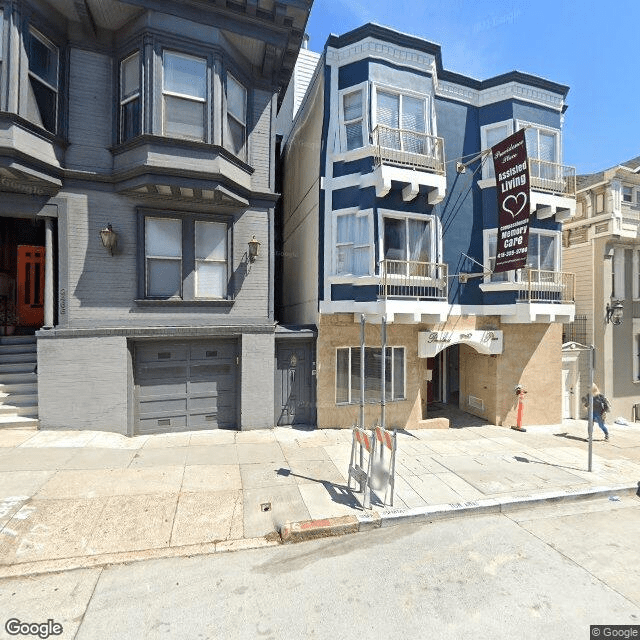
 San Francisco International (12 miles away)
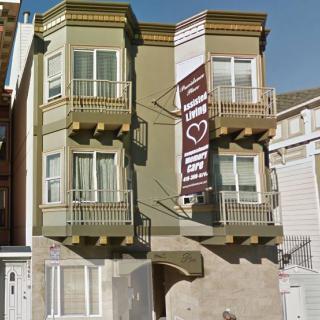
 Attentive staff with personalized care, excellent meals, and a warm, homelike atmosphere with engaging activities.

 Understanding the Nuances of Palliative Care and Hospice: A Comprehensive Exploration
 Fecal Incontinence in Older Adults: A Comprehensive Guide
 Recognizing the Journey: Understanding and Navigating Anticipatory Grief